

The first time I went to Bali, I booked a hotel because the pool looked nice. It was in Seminyak.
I wanted rice fields, so each morning I sat in a car to Ubud. Each evening, I sat in the same car coming back. By day three, I knew the traffic better than the island.
I had picked a room. I hadn’t picked a base.
I’ve been back several times since, and each trip has been slower than the last. What I’ve learned is that where to stay in Bali matters more than which hotel you choose. This Indonesian island is bigger than it looks from Singapore, and the roads don’t hurry for anyone.
This guide covers six areas and what each one is actually like to wake up in, their honest drawbacks—not just highlights, and practical notes on transport, timing and cost.
Getting There: Airport Distances Matter More Than You Think

You’ll land at Ngurah Rai International Airport, in the south of the island. From there, your first decision is already made for you: how long you’re willing to sit in a car.
Rough planning times from the airport:
Jimbaran: relatively close
Nusa Dua: around 20–40 minutes
Seminyak: around 30–45 minutes
Sanur: around 30–45 minutes
Ubud: often 1–1.5 hours, sometimes longer in heavy traffic
These are estimates, not promises. Traffic in Bali can stretch a short drive without warning.
There’s no MRT in Bali. Most visitors get around with Grab, Gojek, taxis or a private driver. Some ride scooters. In a few areas—Sanur and central Ubud especially—you can walk or cycle for most of the day.
On my second trip, I landed in the evening and went straight to Ubud. The drive took far longer than I expected, and I arrived too tired to notice anything. Now, if my flight lands late, I spend the first night near the south coast and head inland the next morning.
Try this: Pre-book a driver for the airport run. It’s one less thing to sort out after a flight.
When to Visit, and How the Season Shapes Your Bali Trip
Prices rise sharply in July and August, over Christmas and New Year, and during major holidays. If you’re travelling from Singapore during school breaks, book early.
The season also shapes which area feels comfortable. Some travellers find the western beaches less pleasant in the wetter months, and prefer Sanur or Nusa Dua instead. That’s opinion, not a rule. Still, it’s worth asking where the trip will actually feel good, not just where it looks best in photos.
What to Expect When You Stay in Bali

Bali isn’t one place. It’s several, sitting side by side.
The south is busy, built-up and full of restaurants. Ubud, inland, is green and slower. The east coast is calm, with dive shops, black sand beaches and local life that rarely makes it into the travel brochures. The southern tip and the Bukit Peninsula are made for luxury resorts and sweeping bay views.
So the real question isn’t “where to stay at Bali?” It’s “how do I want my days to feel?” Answer that first. The area usually follows.
Where to Stay in Bali: Six Areas, Honestly
Ubud: Rice Terraces, Rice Fields and Quiet Mornings
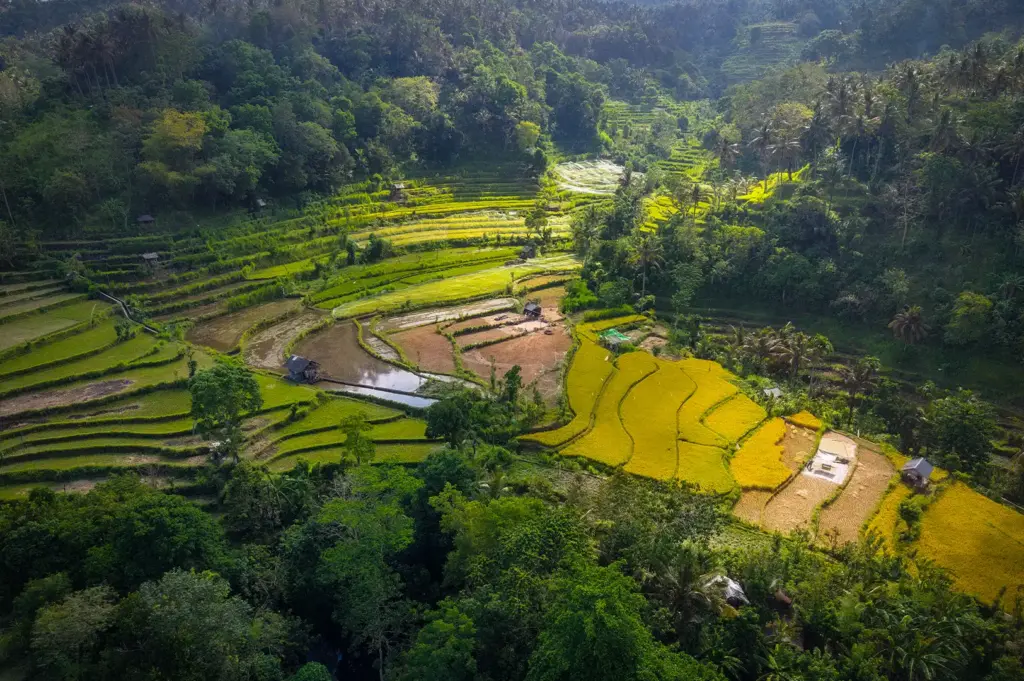
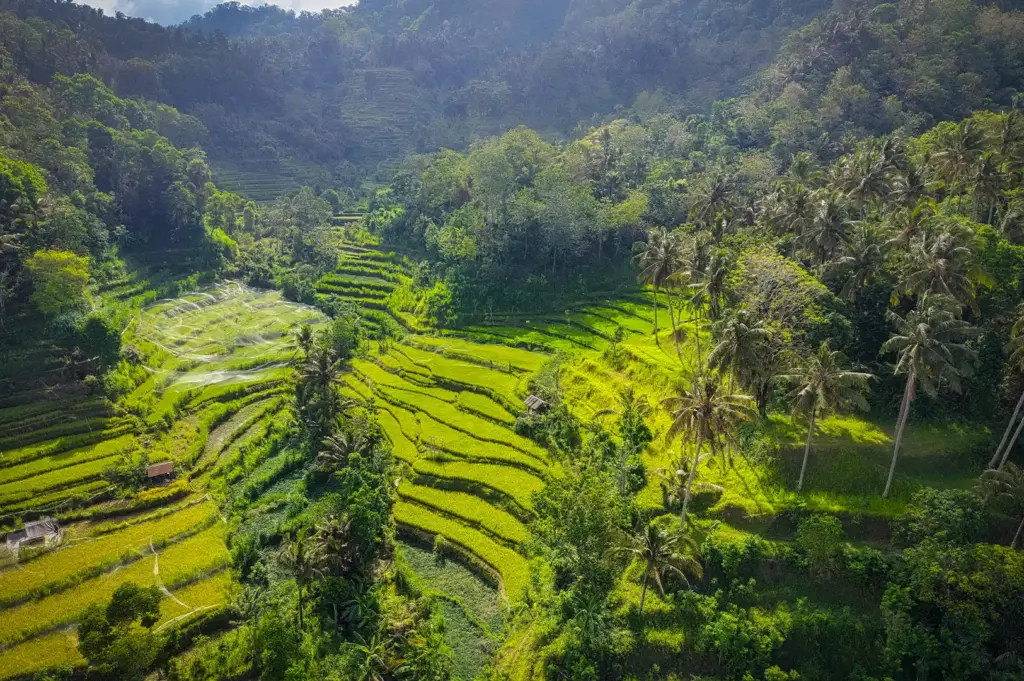
Temples, Balinese art, yoga classes, lush tropical gardens and rice terraces, all within easy reach. Many stays come with private pool villas, plunge pools or hot tubs tucked into the hillside—the kind where breakfast is served by the water and the only sound is birds. Ubud lets you build a routine. On my third visit, my mornings settled into yoga sessions, breakfast, a walk along the rice paddies, a café, then a long afternoon rest. I didn’t get in a car for days.
However, central Ubud can be busy. Rooms along Jalan Monkey Forest or Jalan Hanoman may hear bar noise at night.
Also, don’t default to the centre. Look at Jalan Bisma, Penestanan, Sayan, or stays near the rice fields. Bisma stays walkable to central Ubud while avoiding some of the crowds, and properties there often have lush greenery and private terraces that make the price feel reasonable.
Sanur: East Coast Calm, Sunrise, and Easy Beach Days
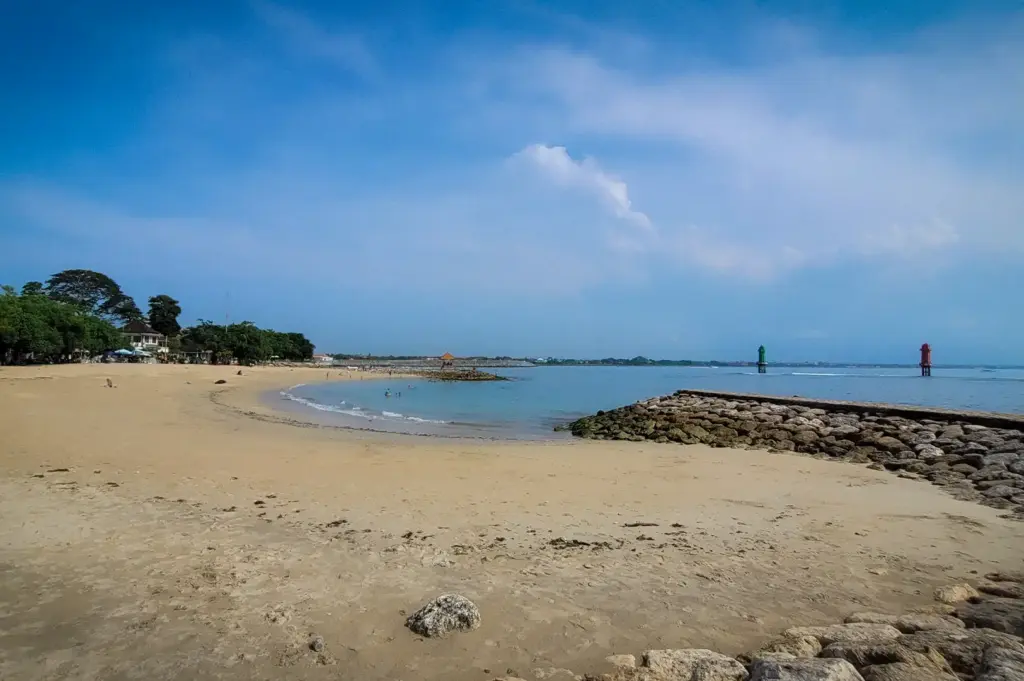
Calm, shallow water facing the Indian Ocean. A long paved beachside path for walking and cycling. Old trees for shade. Local restaurants and small shops a short stroll away. Sanur sits on Bali’s east coast, which means it often escapes the swell that roughens the western beaches during the wet season, one reason families and returning visitors tend to settle here.
Sanur faces east, so mornings belong to the sunrise. I like being on the path a little before 6am, when the light is soft and the air hasn’t warmed yet. By mid-morning, the path fills up. Do take note that some sections of the path get narrow and crowded. Cycle slowly, especially with children.
Sanur is one of the few places where you can walk out the door for coffee or dinner without needing a car. For a mid-range Bali trip, it tends to offer good value—boutique resorts with swimming pools and serene atmosphere at prices that don’t push into the Seminyak bracket.
Seminyak Beach: Beach Clubs, Private Villas and Amazing Sunsets
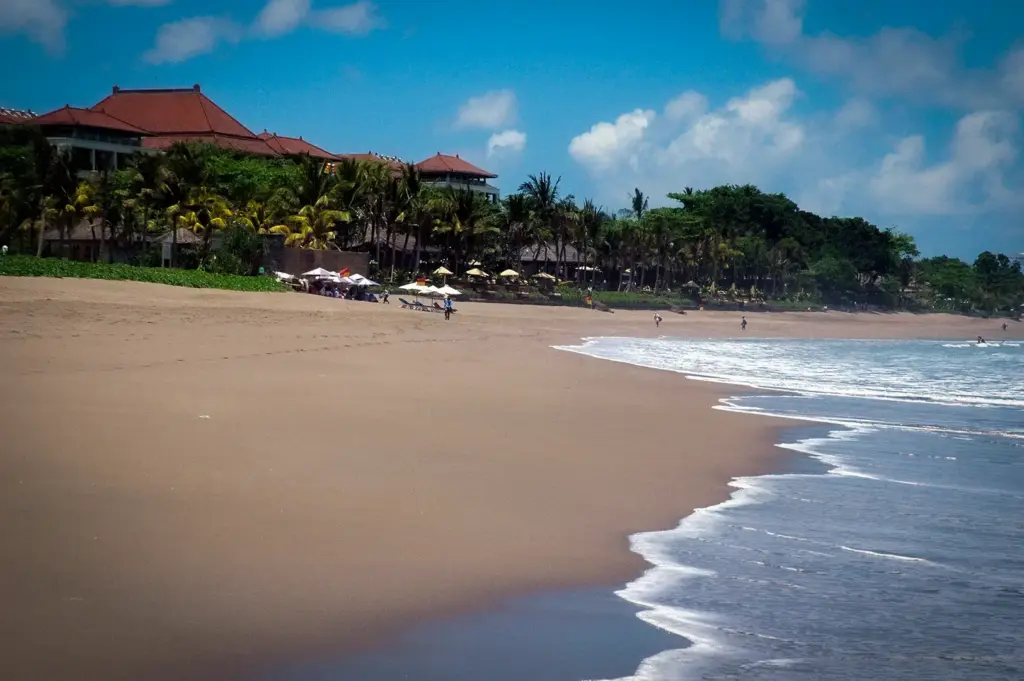
Seminyak Beach sits on the Indian Ocean, facing west, which means some of the most reliable amazing sunsets on the island. Restaurants, cafés, boutiques, beach clubs and private villas are packed into one area. Many properties here come with private pools, spacious rooms and modern rooms with ocean views. Some have rooftop pools or beachfront bars. The concentration of options is genuine.
If you’re working with a Seminyak budget, mid-range options exist—smaller boutique resorts with a stylish resort feel and easy access to the beach. You don’t need to stay at the most expensive address to enjoy the area.
An honest drawback for Seminyak would be traffic. Walkability also varies street by street. Some travellers find it easy on foot. Others don’t.
This was my first mistake—learn from it. Choose a stay within walking distance of Seminyak Beach and the restaurants you’ll actually use. If you need a car for everything, the traffic will wear down the holiday.
Canggu: Batu Bolong Beach, Echo Beach and a Younger Party Vibe
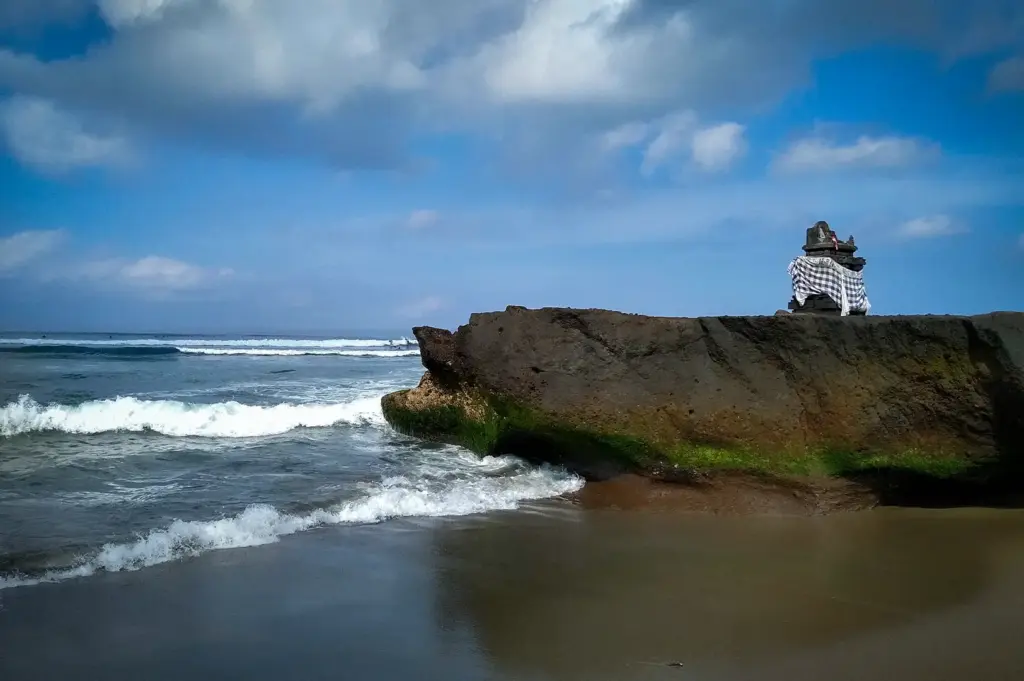
Surf Batu Bolong Beach in the morning, find a café in the afternoon. Canggu has a laid-back surfer feel—the black sand beaches, yoga studios, open-air restaurants and private villas with plunge pools have turned it into one of Bali’s more social addresses. Echo Beach is worth the short walk for the break and the view.
If water sports are part of your plan—surfing, paddle boarding, a day trip out to the water—Canggu makes that easy.
It isn’t the quietest version of slow travel. If your idea of rest is birdsong and silence, Ubud’s outer villages will suit you better. Canggu can carry a party vibe on weekends, particularly near the beach bars. Canggu works best on a longer stay, when the café down the road starts to feel like yours.
Nusa Dua: Luxury Resorts, Private Beach and a Genuine Retreat
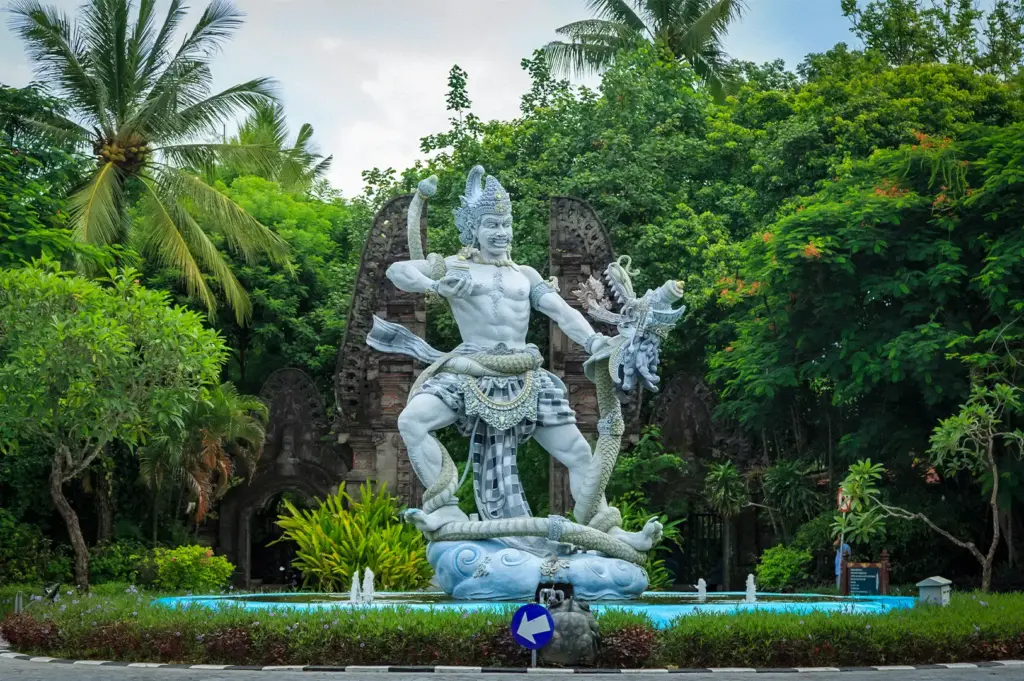
Beautiful Nusa Dua is Bali’s most purpose-built resort enclave. Private beach access, world class spas, swimming pools, kids clubs, family rooms, fitness centers and swim-up bars—it has the kind of infrastructure that makes a holiday require very few decisions. Nusa Dua budget options do exist in the surrounding area, and they give easy access to the resort strip without the full resort price.
A drawback would be that it’s built around the resorts. Walking beyond tourist areas is limited, so spontaneous neighbourhood dinners are harder.
It works if your ideal day is breakfast, private beach, pool, spa, dinner. That’s a perfectly good kind of slow. And for families travelling with young children, the ease of it is the point.
Jimbaran Bay: Seafood, Sunset Dinners and the Bukit Peninsula
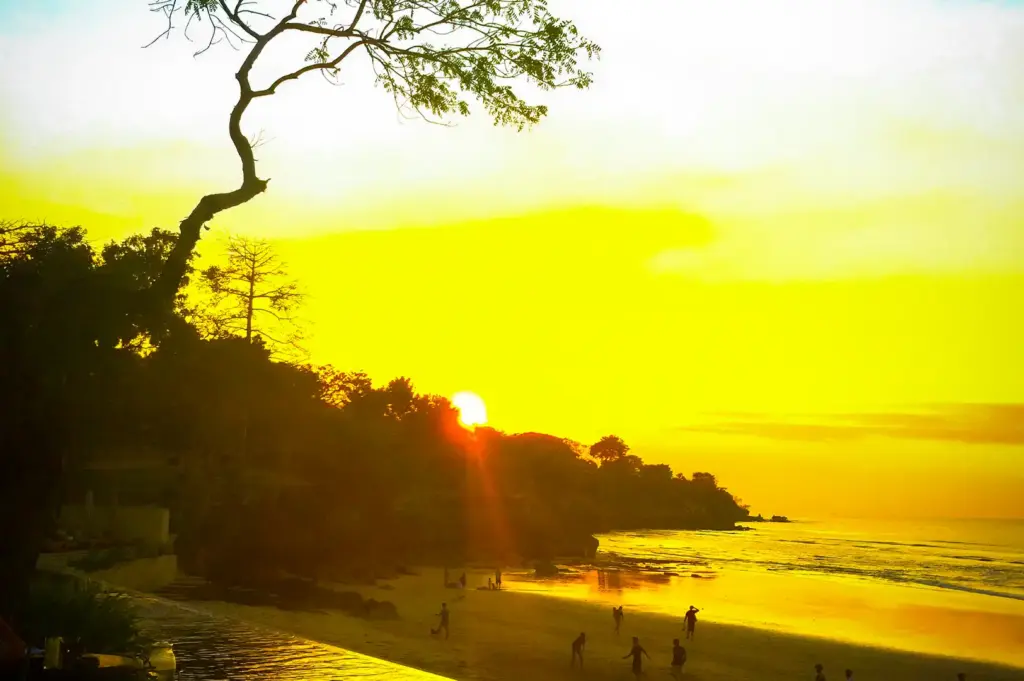
Jimbaran Bay has a more local coastal feel—quieter evenings, sweeping bay views and seafood eaten at tables on the sand. The Bukit Peninsula nearby adds dramatic cliffs, luxury resorts with gorgeous infinity pools and stunning ocean views for those who want a little more drama with their Indian Ocean horizon. It’s also close to the airport.
I’ve ended more than one Bali trip here. Grilled fish, bare feet, the sky going orange, and a short ride to my flight the next day. For a Jimbaran Bay budget stay, you’ll find smaller guesthouses within a short walk of the beach, less infrastructure but the same sunset.
Insider Tips Most Visitors Miss
Stay just outside the obvious centre. Instead of “I want to be in Ubud,” try “I want to wake up near rice fields but still reach Ubud’s cafés easily.” Quieter edges often mean larger rooms, lush gardens and better value.
Split a longer trip, but only once. For 7–10 days, a few nights in Ubud and a few nights in Sanur gives you culture and the sea. Changing hotels every two nights undoes the point. Two bases are enough.
Read reviews for the small things. Bed comfort, air conditioning, noise and Wi-Fi shape your days more than a star rating.
Look for slow-travel comforts. A private terrace, a plunge pool, breakfast included, a bicycle, a kitchen or laundry — these can matter more than a big lobby.
Eat at warungs. Local meals usually cost far less than hotel restaurants, and they tell you more about local culture.
Practical Info: Costs and What to Bring on Your Bali Trip
Rough nightly prices:
Budget guesthouse or homestay: about S$25–70
Comfortable mid-range boutique stay: about S$70–180
Luxury resort or private villa: about S$180–500+
Longer bookings of 5–10 nights often offer better value than moving around.
What to bring: Bali is hot and humid. Pack light clothing, comfortable walking shoes, sandals, sunscreen, a hat, a reusable bottle, mosquito repellent and a light rain jacket. For temples, bring a sarong and modest clothing. If scuba diving or water sports are on your list, check what your operator provides.
On accessibility: Footpaths can be narrow or uneven in places, and Sanur’s beach path gets crowded in sections. If mobility is a concern, Nusa Dua’s resort setting — with ground floor room options and flat, well-maintained paths — is the easiest to manage. Wherever you stay, choose a base close to what you need, and plan outings for cooler mornings.
If you’re flying out of Singapore and have a spare day before or after, here are some slower things to do in Singapore between trips.
A Quiet Takeaway
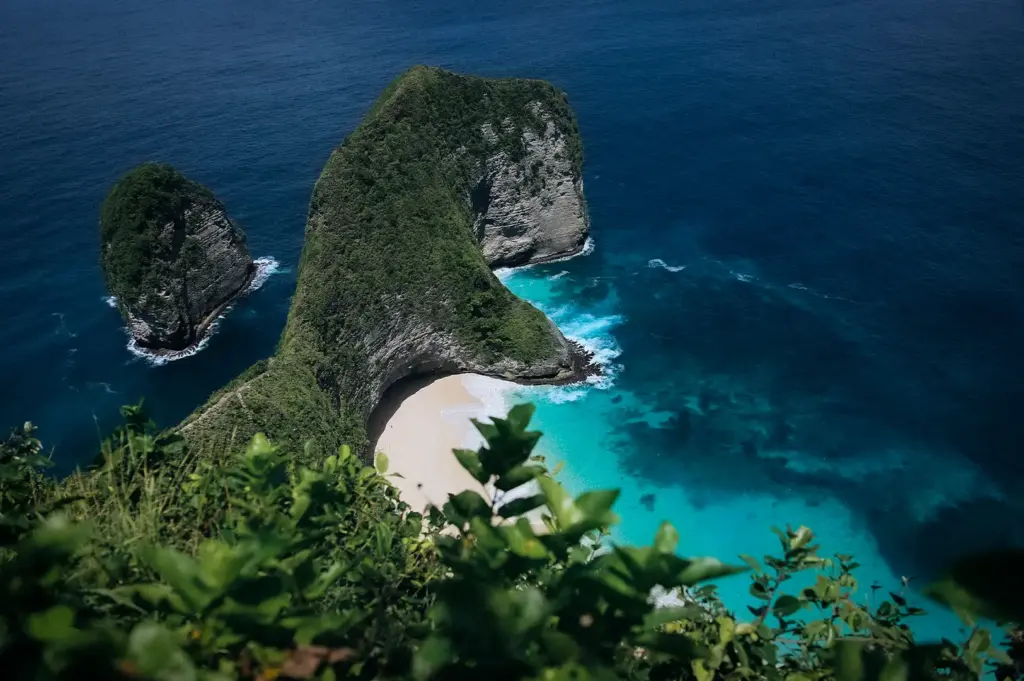
On my last trip, I stayed near the rice fields outside Ubud for five nights. I didn’t plan much. I walked the same path most mornings. The man who ran the warung down the road started setting out my tea before I sat down.
That’s what choosing the right base gave me. Not more of Bali. Just more time inside it.
So before you book, decide how you want to feel. Rice terraces and lush tropical gardens: Ubud. Sunrise walks and the calm east coast: Sanur. Beach clubs and amazing sunsets: Seminyak. Surf, cafés and a social scene: Canggu. Barely leaving the private beach: Nusa Dua. Seafood at Jimbaran Bay: Jimbaran.
Then pick one or two places, and stay long enough to stop counting the days.