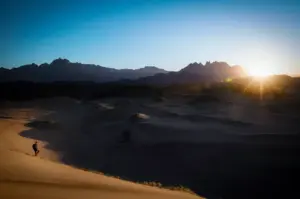
Adventure has always been associated with movement: climbing a mountain, diving into the sea, crossing a desert, or hiking somewhere remote.
It is often defined by experiences that make your heart beat faster, and there is nothing wrong with that kind of adventure. But somewhere along the way, we began treating adventure as something that has to be extraordinary, difficult, impressive, or worth photographing.
Slow travel offers a different definition. Adventure does not always require adrenaline. Sometimes, it simply requires curiosity.
For Singaporean travellers, this can be an interesting shift. We live in a place where convenience is built into everyday life, and we are accustomed to finding the fastest route, ordering almost anything, navigating unfamiliar places with our phones, and researching experiences before we arrive.
As a result, even travel can become predictable. We know where we are going, what a place looks like, what people recommend, and how long everything should take.
Slow travel introduces a little uncertainty back into the experience. Instead of following every recommendation, you might take a different street, explore the neighbourhood around a famous attraction, or eat at a restaurant that simply looks interesting rather than choosing the one with the highest rating.
None of these decisions sounds particularly adventurous, yet each requires something that modern travel can sometimes remove: the willingness not to know exactly what happens next.
That is where adventure begins.
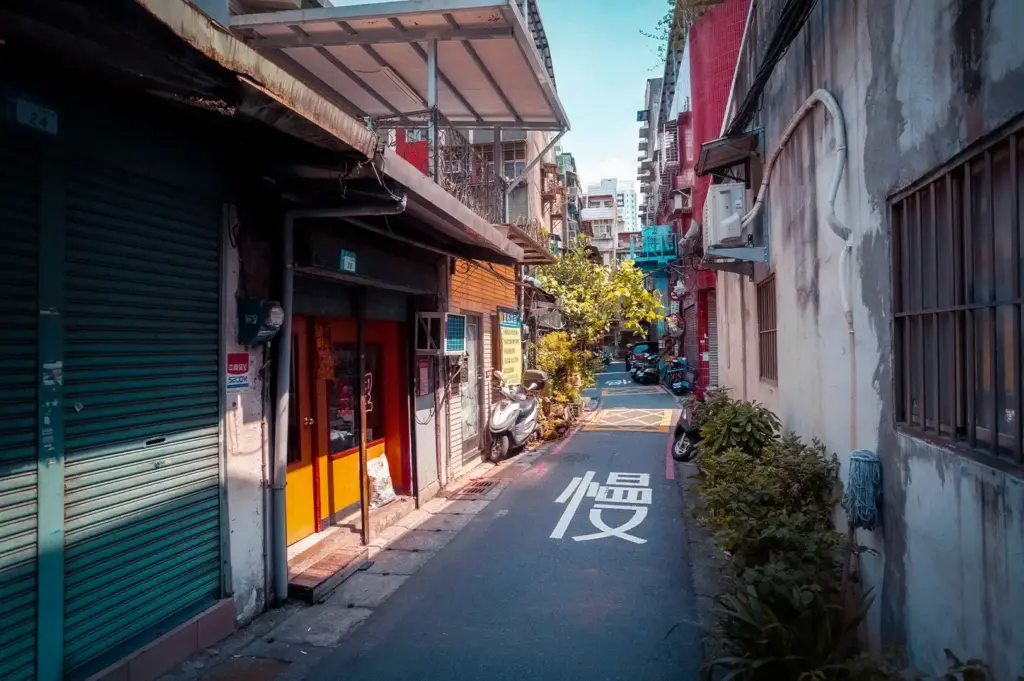
Think about getting slightly lost in a city. With a tightly planned itinerary, it becomes a problem to solve, so you check the map, turn around, and find the fastest route. With slow travel, however, getting lost can become an opportunity to discover a street you would never have deliberately chosen, stumble upon a bakery, notice a small temple, or follow the sound of music coming from somewhere nearby. You have no idea whether the street will lead anywhere particularly interesting, and that uncertainty is precisely what makes the experience an adventure.
The same sense of discovery can shape a longer stay in a destination. In Ubud, for example, stepping away from a packed itinerary opens up opportunities to explore through things to do in Ubud Bali for the slow traveler, from joining a cooking class to allowing an afternoon to unfold without a fixed plan.
Slow travel replaces certainty with curiosity. This does not mean travelling without preparation or ignoring safety. You can still have maps, bookings, and a sensible plan; the difference is leaving enough room for the destination to surprise you.
Adventure might mean taking public transport instead of a taxi, ordering something you cannot immediately identify, walking through a neighbourhood early in the morning, or sitting somewhere without knowing exactly how long you will stay. These experiences may seem small compared with climbing a mountain, but they all require openness, which is one of the most valuable qualities a traveller can develop.
For Singaporeans, this can also mean stepping outside routines that feel comfortable. We often travel expecting good food, a beautiful hotel, efficient transport, and a perfect itinerary. Yet travel becomes interesting when something does not quite match those expectations.
Adventure is not always about finding what you expected. Sometimes, it is about discovering that your expectations were wrong.
There is another kind of adventure that slow travel encourages: repetition. Returning to the same café, walking the same street, or visiting the same market twice might seem like the opposite of discovery, but a second visit can reveal what the first one could not.
Slow travel also makes room for emotional adventure, the kind that does not necessarily produce a photograph. Travelling somewhere alone for the first time, spending a day without a fixed plan, starting a conversation despite a language barrier, or stepping away from familiar routines can change how you see yourself. You may realise that you are more adaptable than you thought, become more comfortable with uncertainty, and learn to trust your own decisions.
The destination may be unfamiliar, but the real adventure is discovering how you behave when your usual routines disappear.
This is why slow travel can make adventure feel more accessible. You do not need to be exceptionally fit, own expensive equipment, climb the highest mountain, or travel to the most remote place. You simply need to be willing to look beyond what is obvious. Adventure can be a quiet road, an unfamiliar meal, a missed turn, a conversation, a local bus, a rainy afternoon, or a place you almost did not visit.
Perhaps that is the most useful thing slow travel teaches us: adventure is not a category of activity, but a way of paying attention. You become adventurous when you become curious enough to step outside what is familiar.
That mindset can change the questions you ask when you arrive somewhere new. Instead of wondering what extreme thing you can do, you might ask what you have not noticed, where you could wander, what might happen if you stayed a little longer, or whether choosing the slower route would reveal something unexpected.
Sometimes, that is all adventure needs.