The plate arrived without ceremony. Tagliatelle al ragù, the ribbons wide and slightly uneven, the sauce clinging to the pasta instead of pooling around it. There was no spaghetti and no mountain of cheese. The waiter set it down and walked away.
I had come to Bologna expecting a stopover between Florence and Venice. Two nights, maybe. I stayed six.
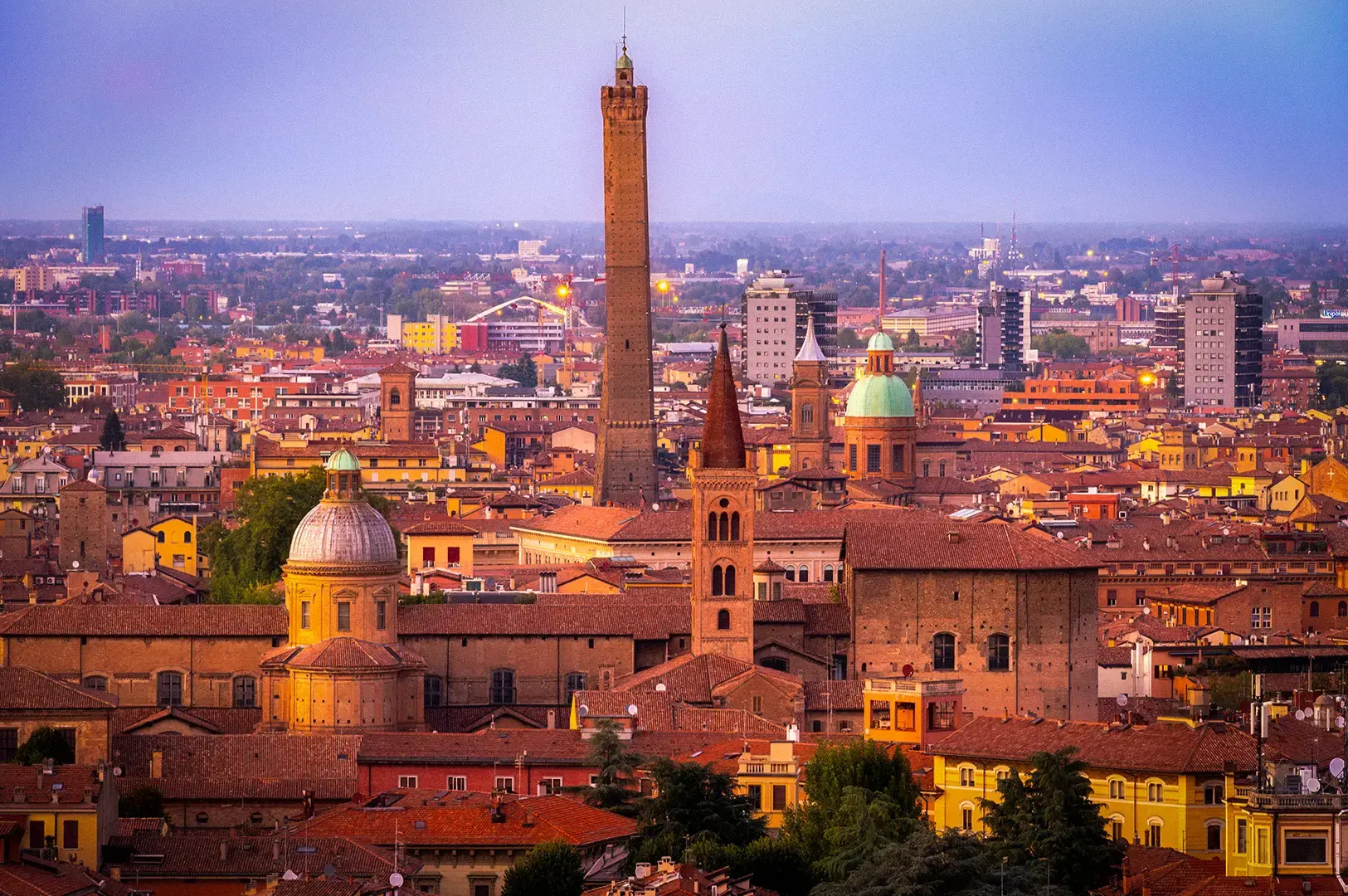
That’s the trip I’d suggest to you too. Bologna, Italy, rewards travelers who stay long enough for its rhythm to become theirs: coffee, a walk, lunch, rest, aperitivo, dinner. Its porticoes stretch for about 38 kilometers through the city, offering shelter from rain and sun. They were built for wandering, not rushing.
Is Bologna Worth Visiting for Six Days?
You can cover the medieval city center quickly. That was my first mistake. I “finished” Piazza Maggiore in an afternoon and then wondered what to do next.
Six days work when you build them around food, neighborhoods and one day trip, rather than a list of sights. Bologna is a major rail hub in northern Italy: high-speed trains reach Florence in about 30 minutes, Milan in around an hour, Venice in roughly 1.5 hours and Rome in about 2.5 hours. Bologna Centrale station is convenient for arriving and for day trips to nearby destinations.
Many of us in Singapore picture Italy as Rome, Florence and Venice. Bologna feels different. It has fewer blockbuster monuments and more everyday life. It’s a lively university town, but the streets also belong to people shopping, meeting friends and taking their time over lunch. Visiting Bologna slowly lets you see how the city works beyond its landmarks.
I’ve found the same one-area-a-day rule works far beyond Italy. It shapes our slower guide to Japan’s capital here, from activities and attractions most people know and don’t.
Arriving at Bologna Guglielmo Marconi Airport
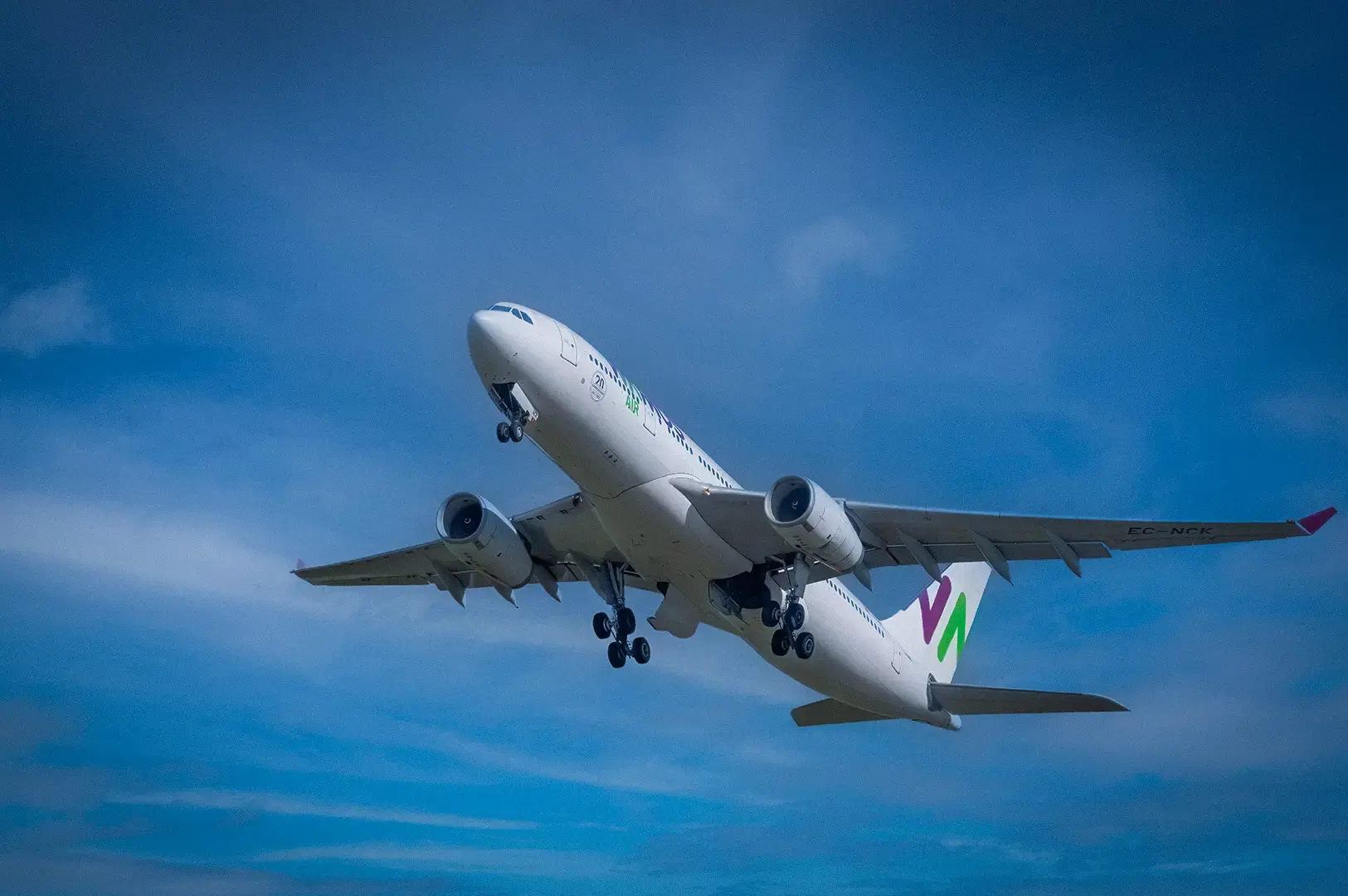
From Bologna Guglielmo Marconi Airport (BLQ), the Marconi Express monorail takes you straight into town.
- Follow the signs for the Marconi Express.
- Pay by contactless card or buy a ticket: €12.80 single or €23.30 return.
- Ride about 7 minutes 30 seconds to Bologna Centrale station.
It runs from 5:40am to midnight. If you land later, the Q bus covers overnight hours on the urban fare of €2.30.
Finding the Best Places to Visit in the City Center
Stay in the historic center, within walking distance of Piazza Maggiore and the Quadrilatero. Staying central meant I could go back to my room for an hour in the afternoon. On a six-day trip, that matters more than a fancy lobby.
Piazza Maggiore and the Basilica of San Petronio
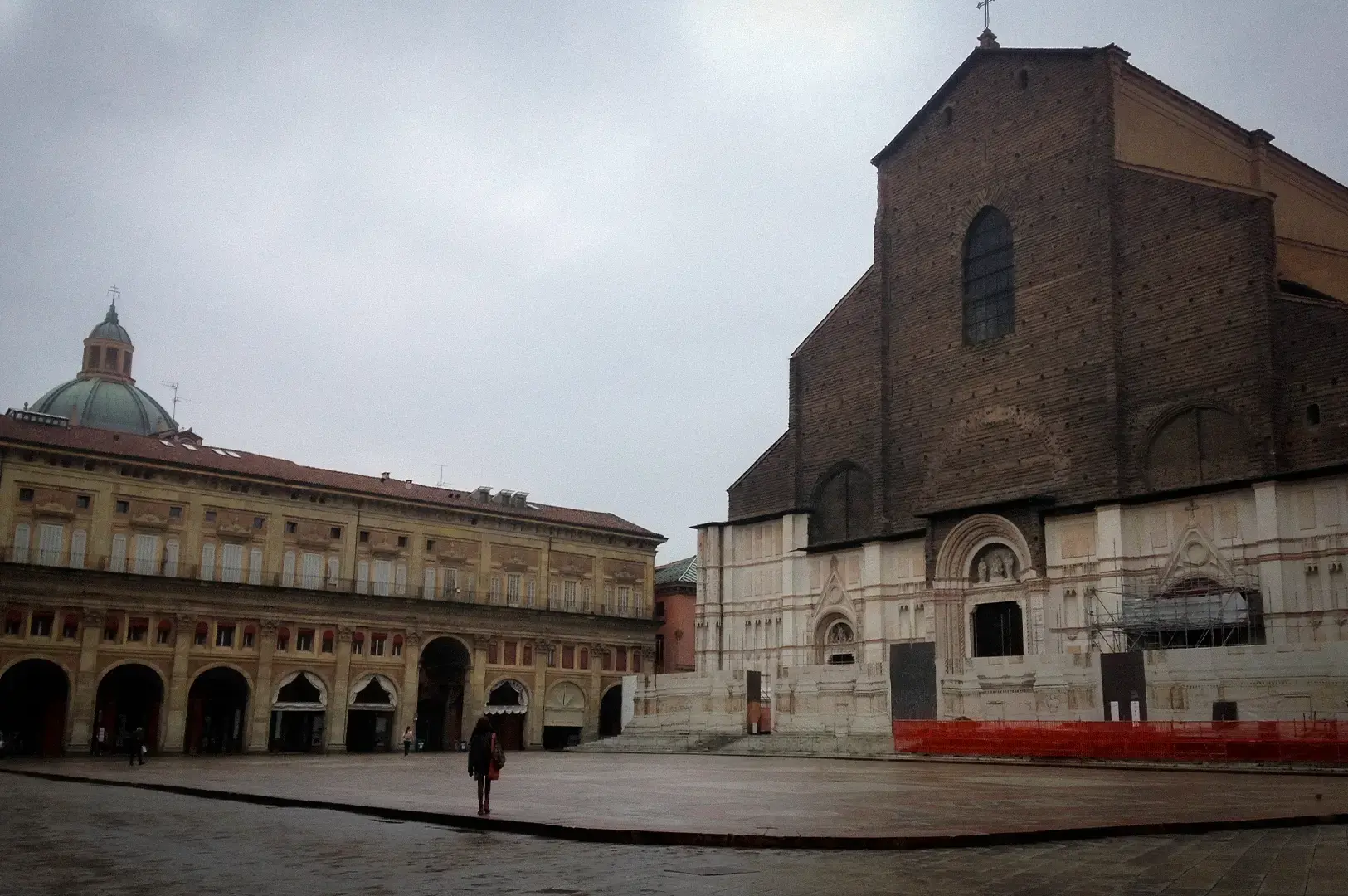
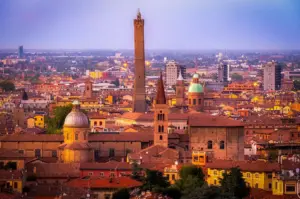
Piazza Maggiore is Bologna’s main square. The Basilica di San Petronio, Palazzo d’Accursio, Palazzo del Podestà and Palazzo dei Notai frame it. Next door, Piazza del Nettuno holds the Neptune Fountain, commissioned by Pope Pius IV in the 16th century.
Go three times: once in the morning, once in the afternoon and once in the evening. In the morning, a few people cross with their bags. By evening, students sit on the basilica steps, and the stone holds the last of the day’s warmth.
Basilica di San Petronio Is Not the Bologna Cathedral
Many visitors assume the vast church on the square is the Bologna cathedral. It isn’t. San Petronio is a basilica, and the cathedral is a separate church. San Petronio is also the world’s largest brick church.
- Open: Daily, 10am–6pm (last entry 5:50pm)
- Entry: The basic visit is free. The paid route, which includes the Bolognini Chapel, costs €5 (€3 reduced).
- Note: The panoramic terrace has closed permanently after restoration works. Older guides may still recommend it.
The Clock Tower: A View While the Medieval Towers Rest
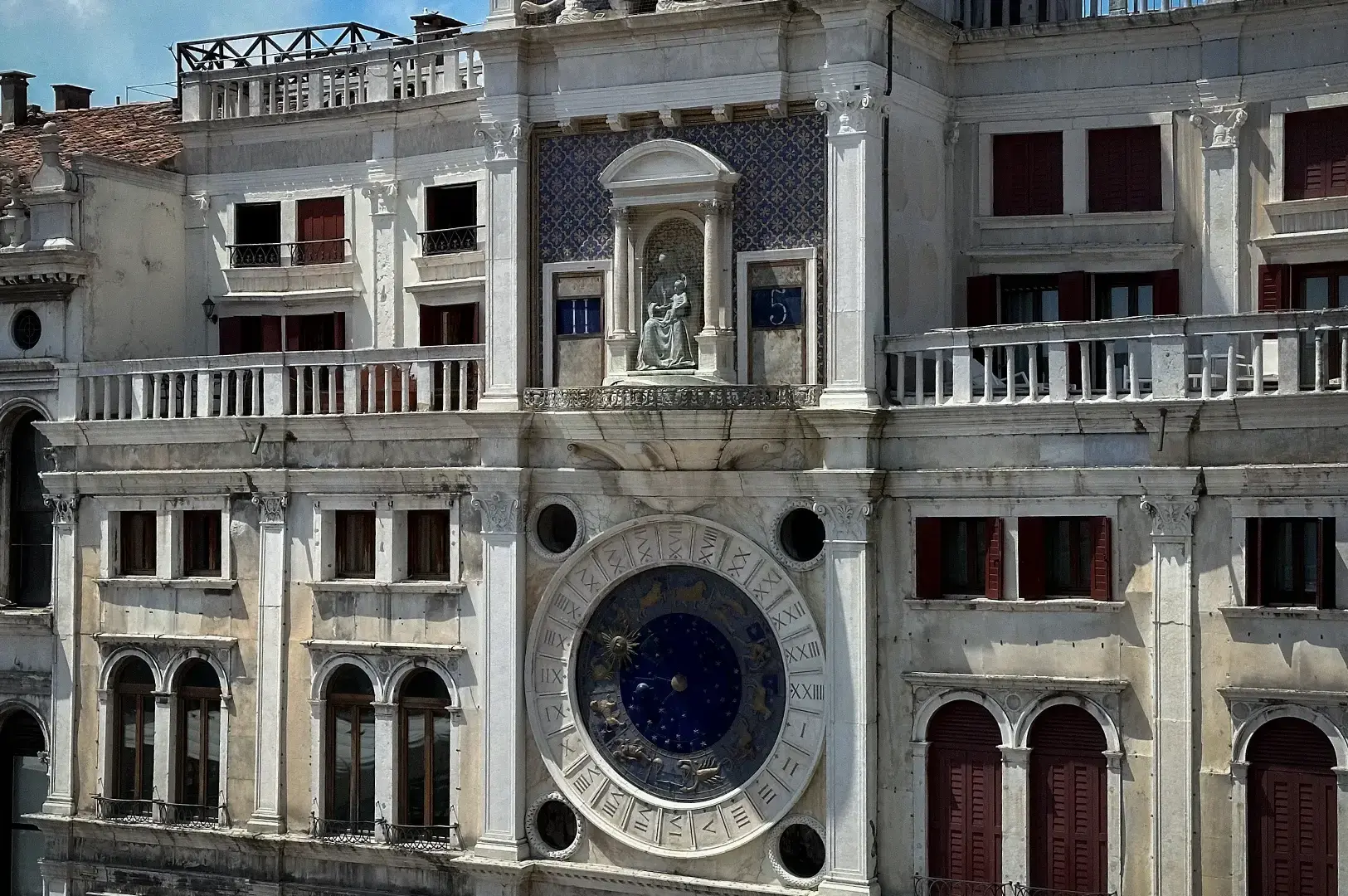
You may have pictured climbing one of the city’s medieval towers. Right now, the Asinelli Tower is closed for area maintenance, and the Garisenda is inaccessible too.
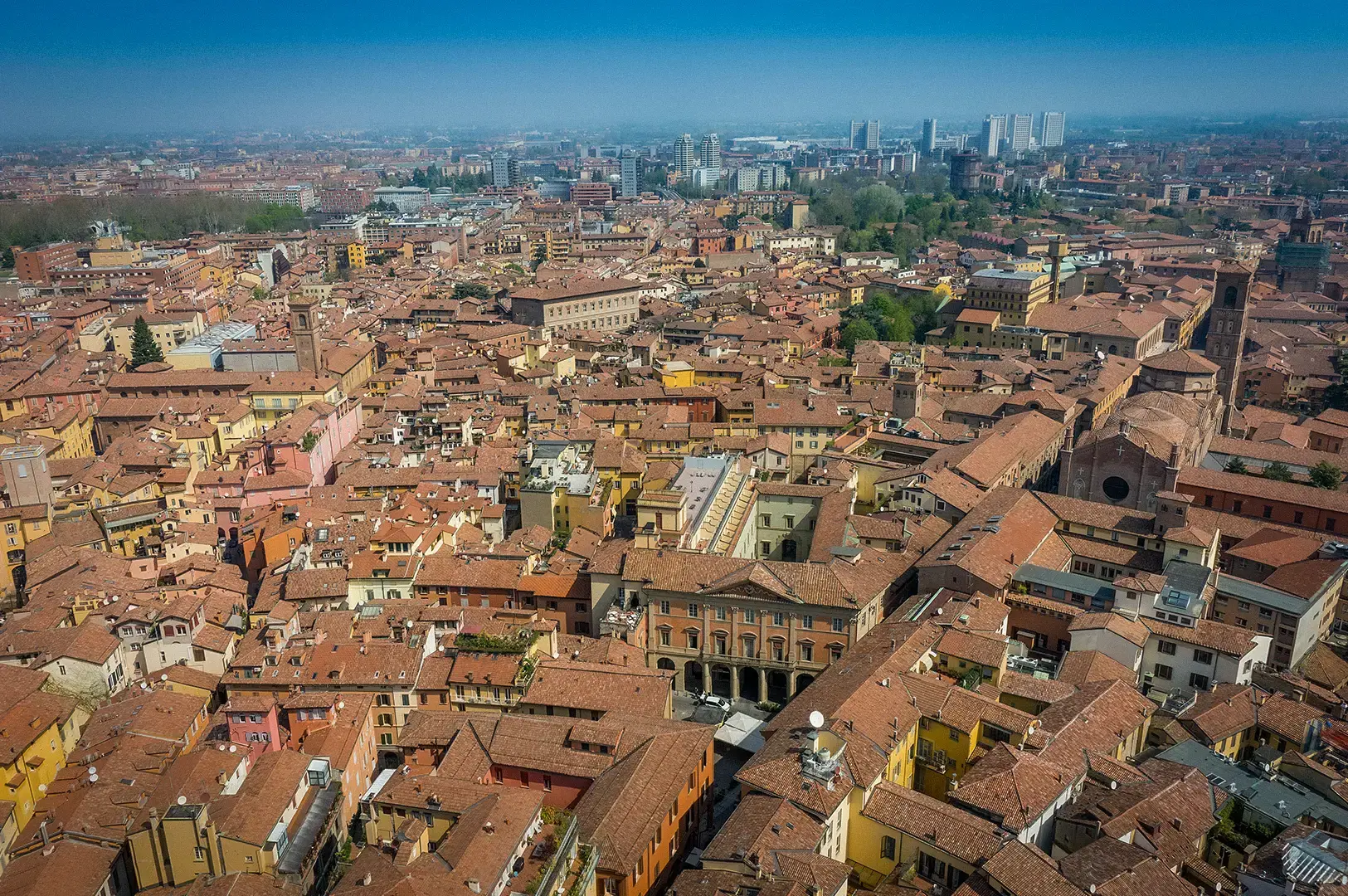
The Clock Tower (Torre dell’Orologio) is the alternative. It stands over Piazza Maggiore with panoramic views of the red rooftops and the city’s medieval architecture.
- Price: €10 (€7 reduced)
- Hours: From 7 September to 31 December 2026, admissions run from 10am to 6:20pm, with three slots each hour.
- Closed: 25 December
It isn’t a climb up a medieval bell tower through narrow stairwells. Still, the view across the old city is the reason you came.
Archiginnasio: Where the University Began
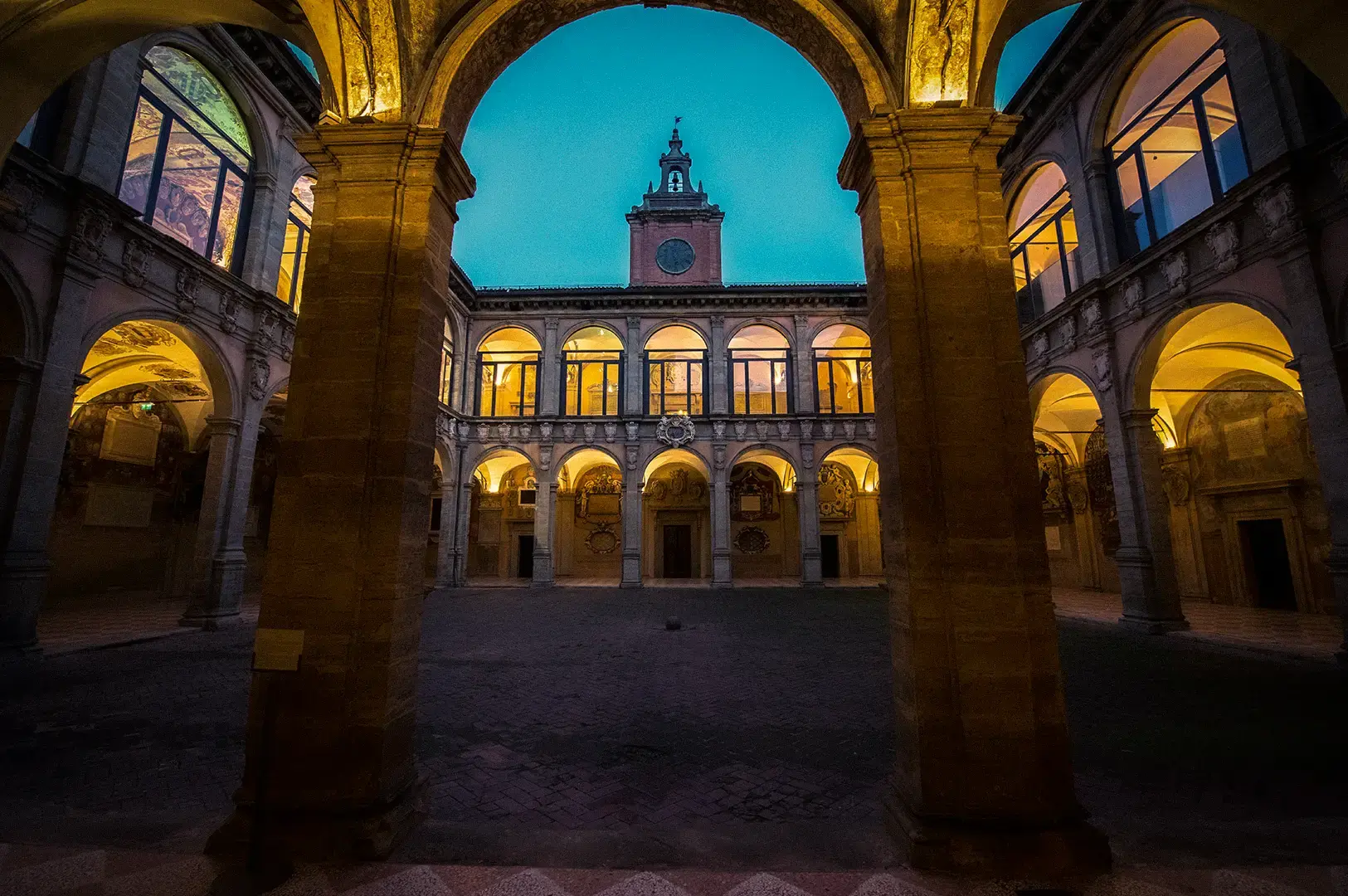
The University of Bologna was founded in 1088. It’s generally regarded as the oldest university in the Western world. Its first home was the Archiginnasio, a reminder that makes Bologna much more than a pretty backdrop.
You can enter the building for free. The Anatomical Theatre and Stabat Mater Hall need a ticket: €12 for a guided tour or €10 with an audio guide. It’s open Monday to Saturday, 9am–7pm, and closed on Sundays except for special holiday openings.
Cooking Classes and Food Tours in Bologna
Bolognese food culture is one reason to stay longer. Food is part of everyday life here, shaped by the region’s agricultural abundance and the craft of local producers. Bologna is often called Italy’s food capital, and its traditions include mortadella, tortellini, green lasagna and ragù sauce. One idea is worth unlearning first: ragù traditionally goes with fresh pasta, especially egg tagliatelle, not spaghetti.
The first time I tried making pasta in a class, my dough cracked twice. The instructor didn’t fix it for me. She added a drop of water, pressed my palms back into it and waited. I understood the city a little better after that. Handmade egg pasta is a craft, not just a menu item.
Options worth considering:
- Traditional cooking class: €145 for three hours. It includes ingredients, equipment, three local recipes, a meal, water, local wine and coffee.
- Tortellini class: €50 for two hours. It includes ingredients, equipment, an apron, a recipe booklet, a takeaway box and a tasting.
- Taste of Bologna walking tour: €55 for about two hours, with three tastings, a sweet treat and a local guide. Groups are capped at 20.
Mercato di Mezzo and the Quadrilatero
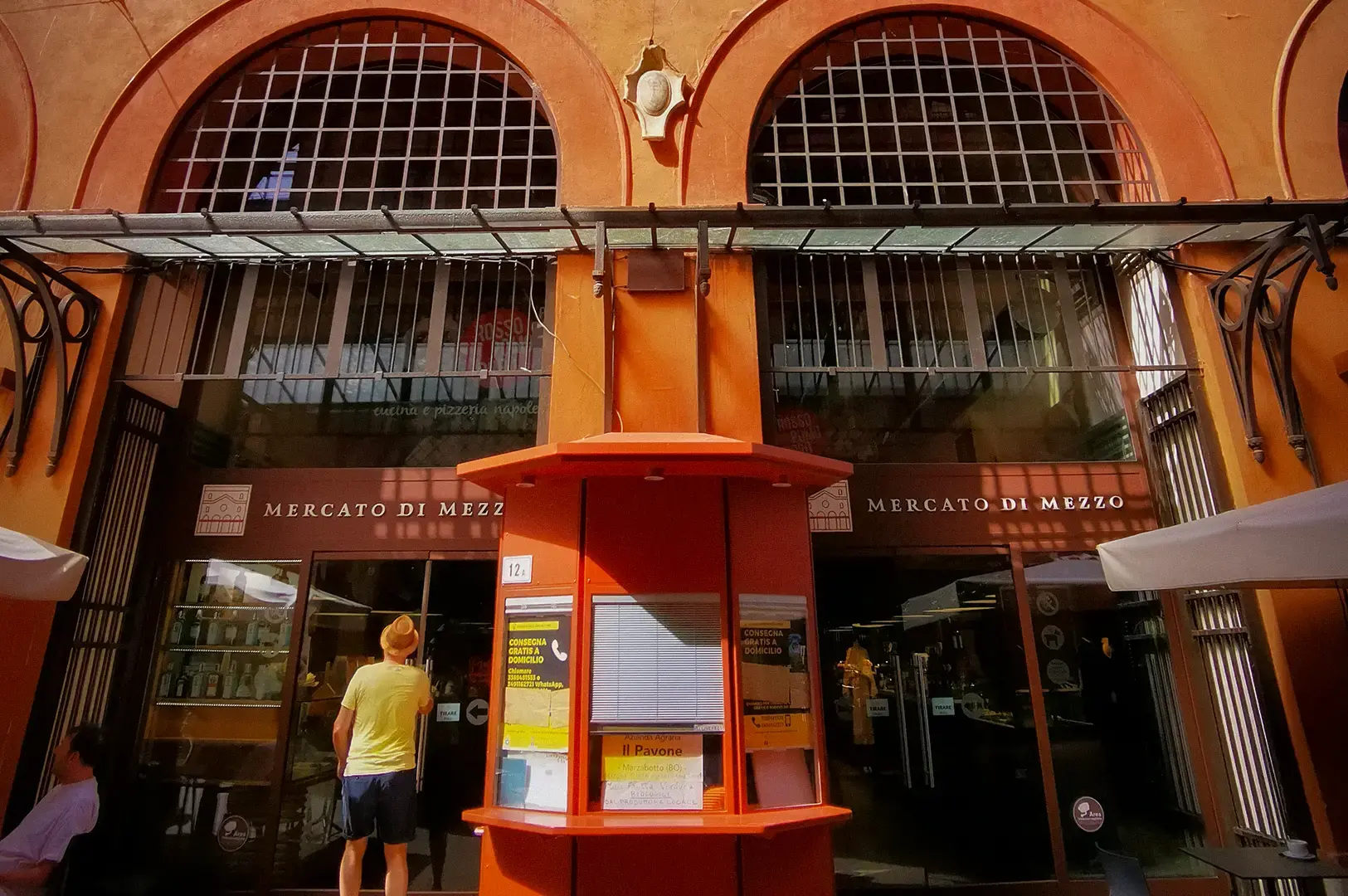
Mercato di Mezzo sits at Via Clavature 12, in the historic Quadrilatero. Food has been sold in this area since medieval times. The market is open Monday to Saturday, from 10am to midnight. The Quadrilatero’s narrow lanes are lined with food shops and stalls, and it borders Piazza Maggiore.
Don’t treat it as one meal. Browse the fresh produce in the late morning. Stop for a small plate of cured meats and parmesan cheese. Then come back for dinner when the lights warm up and the noise rises. Bologna’s markets are a good place to see the city’s food culture at street level.
If you want a glass of wine, the historic Osteria del Sole is a memorable stop in the Quadrilatero. It’s a traditional wine bar where guests bring their own food, so pick up a few local bites from a nearby shop first. You’ll also find plenty of wine bars throughout central Bologna, especially around the lively market streets.
Walking the Portico di San Luca
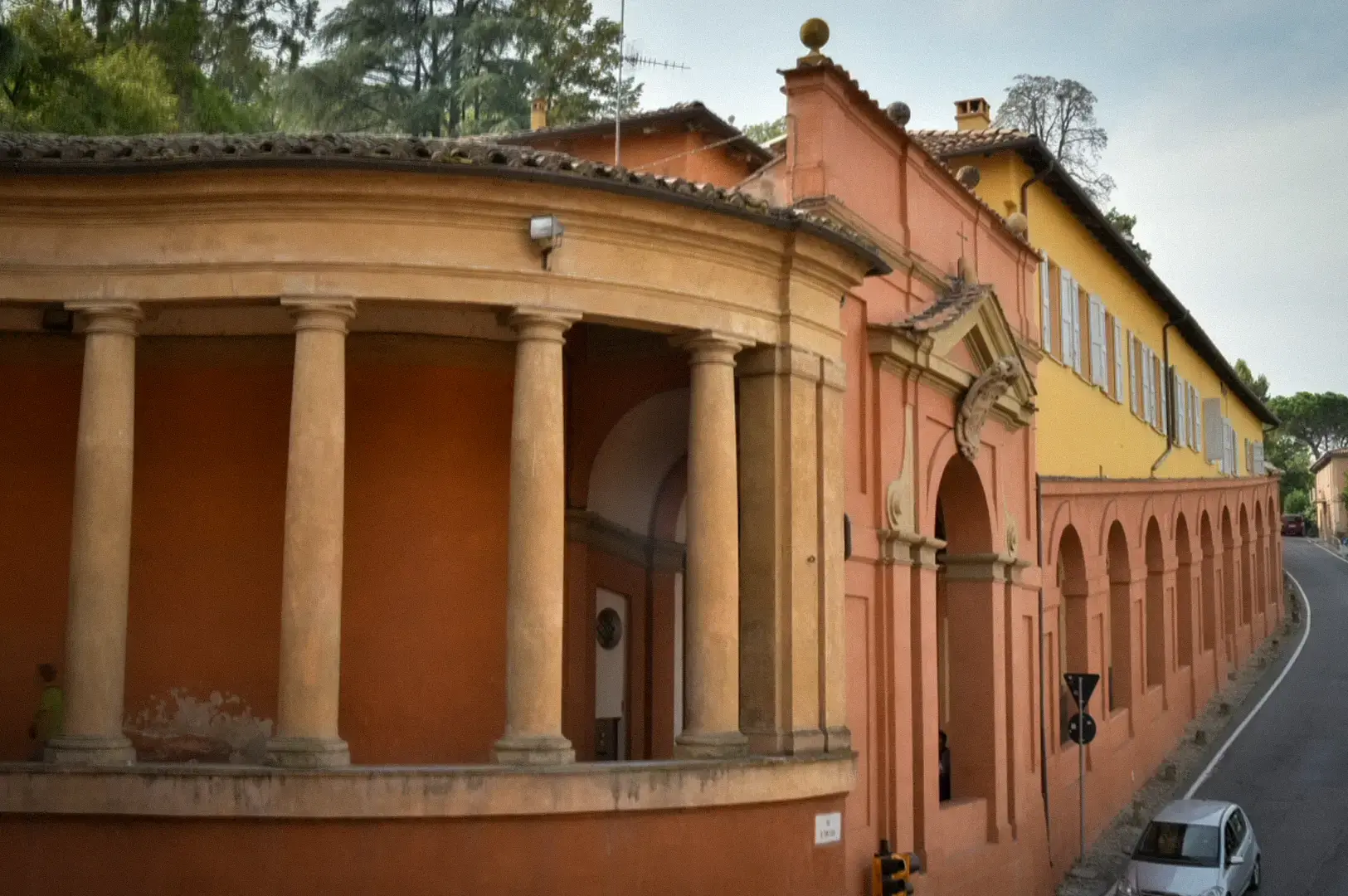
This walk is the reason I’d give Bologna six days and not three.
The Sanctuary of the Madonna di San Luca sits on Colle della Guardia, southwest of the city. A covered portico of more than 600 arches links it to Bologna. It’s known as the world’s longest covered walkway, and the full route is about 3.8km.
- Start at Porta Saragozza.
- Walk the mostly flat section to Meloncello.
- Climb the uphill stretch to San Luca.
Allow about 1.5 hours, depending on your pace. Bring water, comfortable shoes and time. The arches come into view one after another, and the city slowly falls away behind you. From the top, you can look across Bologna and toward the green spaces and hills beyond.
My mistake was planning a museum for that afternoon. Don’t. Go back down, rest and have a slow dinner.
A Day Trip Into the Emilia-Romagna Countryside
Bologna makes a natural base for exploring the Emilia-Romagna region. Choose one day trip:
- Food Valley small-group tour: €185 for seven hours. It visits a Parmigiano Reggiano producer, a traditional balsamic vinegar producer and a winery, with tastings and lunch. You’ll see how a cheese factory makes and ages its wheels.
- Modena: Closely tied to traditional balsamic vinegar, Modena has a historic center of its own. Regional trains usually cost less than high-speed services.
- Parma or Reggio Emilia: Both are accessible by train and offer a change of pace without requiring another major-city itinerary.
Florence or Venice is easy by high-speed train, too. For a slower trip, though, I’d skip adding another big city. If Bologna is one stop on a longer Italy itinerary, its location makes those nearby destinations simple to reach.
A Six-Day Itinerary: Bologna Things to Do, at a Gentle Pace
- Day 1: Arrive, take the Marconi Express and check in. Wander Piazza Maggiore and Piazza del Nettuno, then have aperitivo. Spend the evening in the Quadrilatero and Mercato di Mezzo.
- Day 2: San Petronio and the Archiginnasio in the morning. Tagliatelle al ragù for lunch. Santo Stefano in the afternoon, then the university district in the evening.
- Day 3: The market in the morning, then a cooking class. Keep the afternoon free. Go back to a favorite osteria for dinner.
- Day 4: Walk the San Luca portico. Rest in the afternoon. Have a slow dinner.
- Day 5: The National Art Gallery, Via Zamboni and cafés, then the Via Piella canal window at dusk. If you have energy, take a short walk along Strada Maggiore to see more of Bologna’s arcaded streets.
- Day 6: Take a day trip into the Emilia-Romagna countryside.
A Temporary Rhythm
On my last evening, I went back to the same osteria from my first night. The same waiter. The same plate set down without a word. This time, he nodded.
That’s what six days gave me. Not more sights, but enough time for a city to start recognizing me back.
So is Bologna worth visiting slowly? I think so. Walk under its arches when it rains. Learn to roll the pasta, even if yours cracks. Sit in a square with nothing planned.
Go back to the same restaurant twice. The second visit is usually the one you remember.