When I first visited Chiang Mai, Thailand, I rushed through the old city walls, mountain peaks, ancient temples, night markets, and cafés in a single day. By day three, I was exhausted. I had seen the city but not truly experienced it.
On my third visit, I learned that Chiang Mai, founded in 1296 as the capital of the Lanna Kingdom, is a city to settle into—one morning, one café, one quiet street at a time. For Singaporean travelers used to packed itineraries, the best approach is to stop rushing.
Instead of chasing top spots, ask: How do these places fit into a relaxed daily rhythm? Here’s how to explore Chiang Mai over 5–7 days at a slower, more intentional pace.
Why Chiang Mai, Thailand Works Better Slowly
Chiang Mai operates on a distinct daily rhythm. The mornings are cool and quiet, perfect for temple visits to famous Buddhist temples like Wat Phra Singh and Wat Suan Dok, both located in the Old Town—the central, historic area where many attractions, accommodations, and markets are concentrated. Midday brings intense heat, signaling it is time to retreat to the shade of a cafe or an air-conditioned museum like the Chiang Mai City Arts and Cultural Centre. Evenings bring the city back to life with bustling food stalls at night markets such as the Chiang Mai Night Bazaar, which operates every night from 6 PM to 11:30 PM and offers a variety of food, souvenirs, clothing, and more, as well as the Sunday Night Market.
When you try to fight this rhythm—say, by climbing 300 temple steps at 2:00 PM—you end up tired and frustrated. Slow travel means aligning your energy with the city’s natural flow and giving yourself permission to revisit the spots you love.
Start With the Old City, But Do Not Rush Chedi Luang in Chiang Mai Province
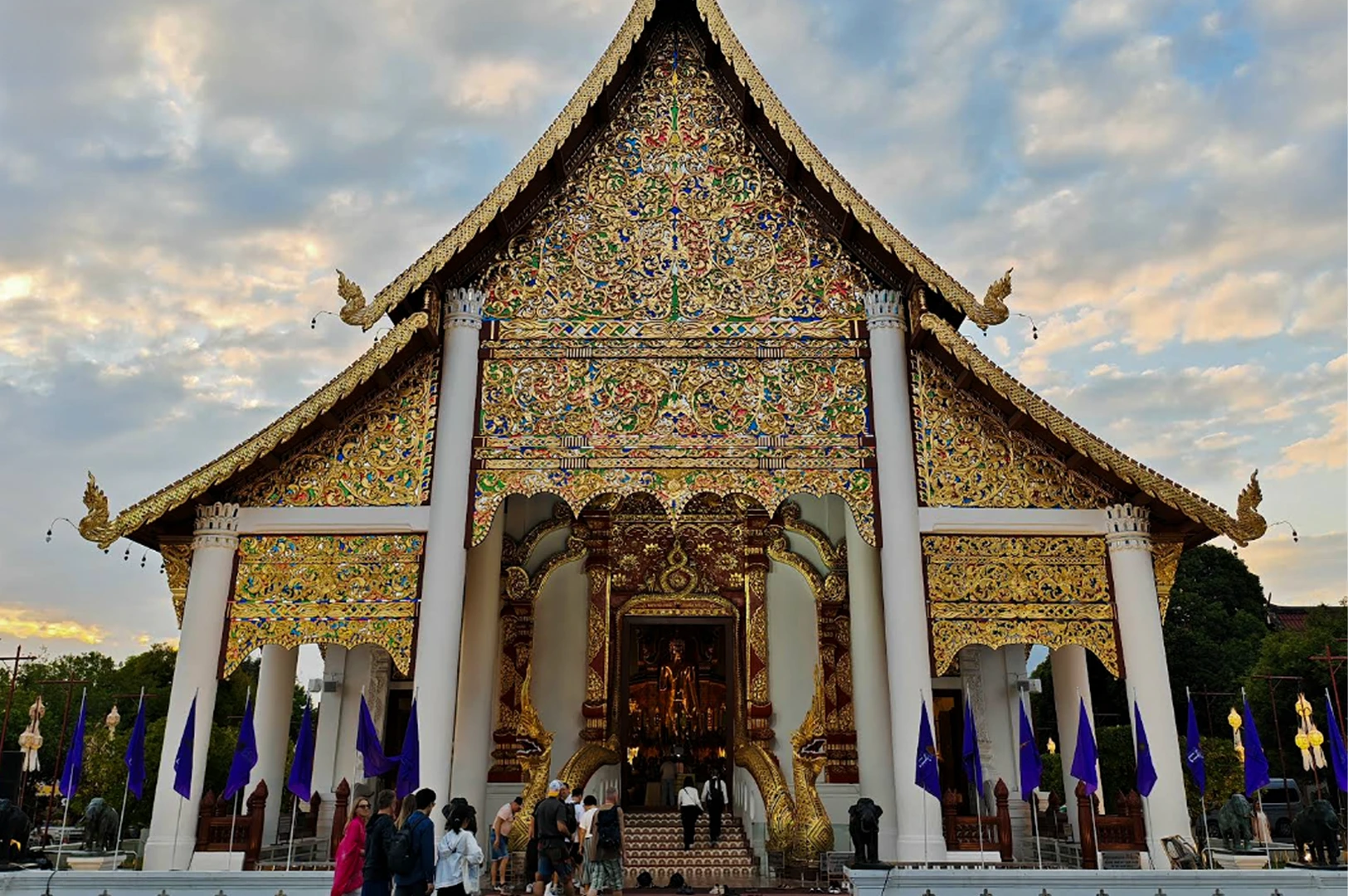
The Old City is a perfect introduction to the rich cultural heritage of the Chiang Mai province. Surrounded by ancient walls and featuring over 30 temples, it is highly walkable and packed with history, with temple houses that showcase Lanna culture.
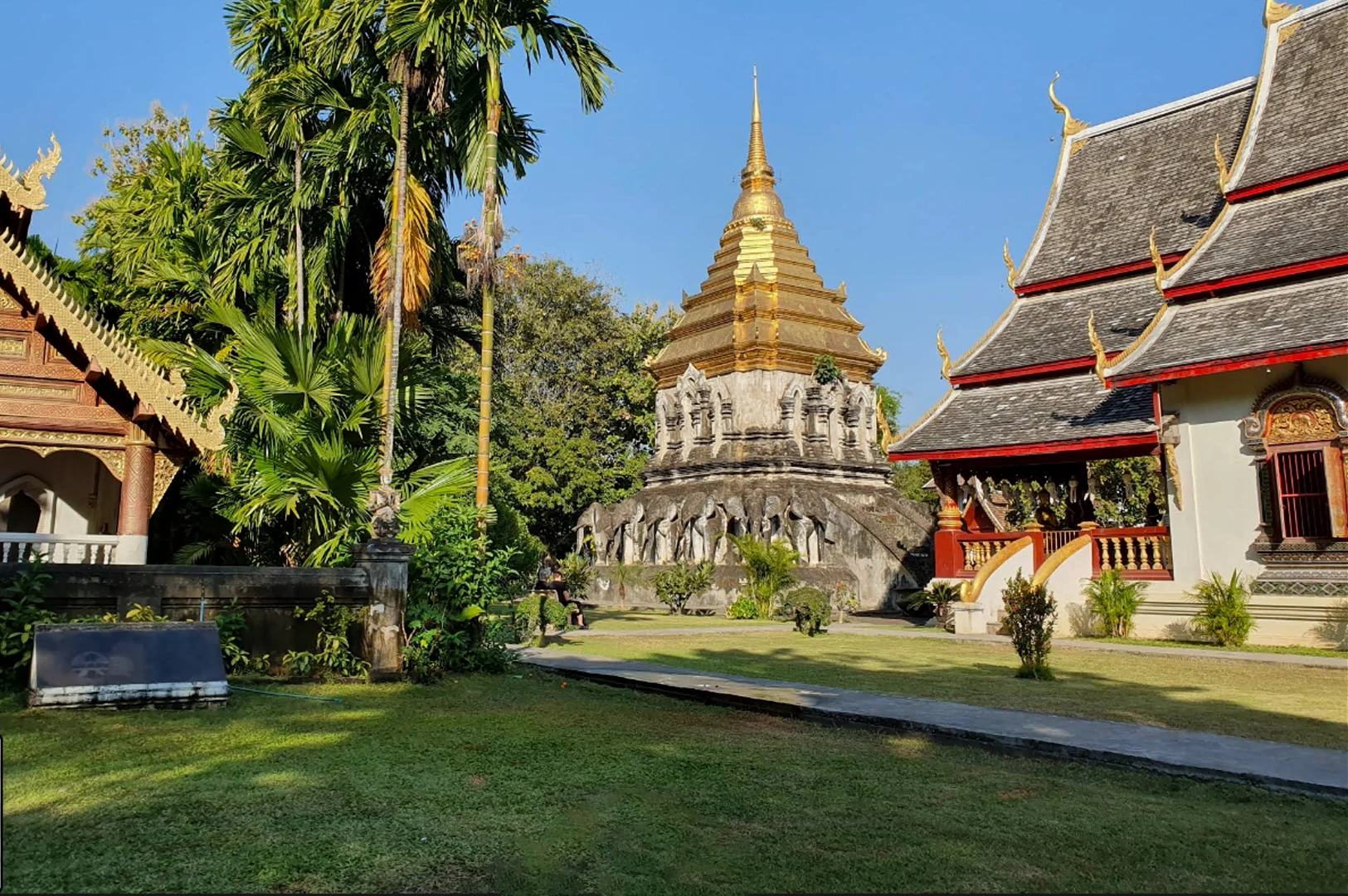
Instead of visiting ten temples in an afternoon, pick two. Focus your energy on Wat Chedi Luang. The massive ruined chedi is breathtaking, especially in the early hours. Visit early morning (7-9am) before tour groups arrive. The light is softer, the air is cooler, and you can actually hear the monks chanting. Wat Chiang Man, the oldest temple in Chiang Mai dating back to 1296, is also worth a visit for its intricate Lanna-style architecture and ancient relics. Other notable temples in the Old City include the Silver Temple (Wat Sri Suphan), renowned for its handcrafted silver decorations, and Wat Phan Tao, admired for its historical significance and striking wooden architecture.
Practical details:
Address: 103 Prajadhipok Road, Si Phum.
Entry: Around 40 baht for adults.
Time needed: 45–90 minutes. Quick visit: 45 minutes, just the highlights, but I suggest sitting quietly in the courtyard near the Three Kings Monument.
Alex’s Tips: Dress modestly with shoulders and knees covered. Also, most tourists miss the small gallery on the 3rd floor of the nearby Lanna Folklife Museum—it’s quieter and has better photo ops of traditional northern Thai textiles.
Let Wat Phra That Doi Suthep Be a Morning, Not a Stop in Northern Thailand
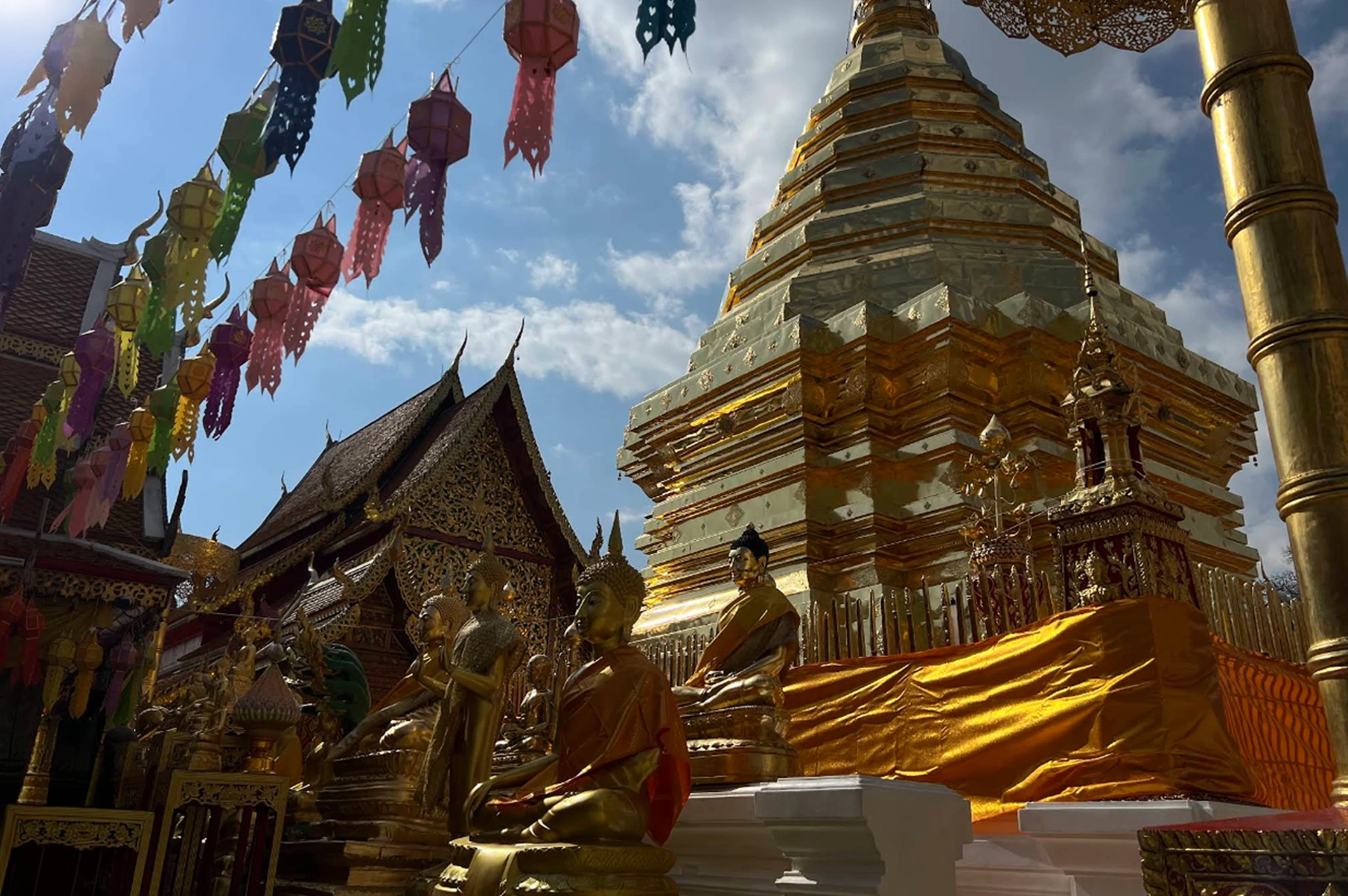
Wat Phra That Doi Suthep is a defining landmark of North Thailand and a famous temple in Chiang Mai city. Because it sits 11 km outside the city center, treating it as a quick photo stop is a mistake.
Make this your anchor experience for the day. You can catch a red songthaew (local shared truck) from Chiang Mai University. The ride up the winding mountain road takes about 45 minutes through Doi Suthep-Pui National Park, which is home to the famous Wat Phra That Doi Suthep temple and offers various hiking trails and natural attractions. Within the park, you can also visit the Hmong Village—a scenic hillside location connected to the Hmong Tribe, known for its tranquil setting and picturesque views.
Wear comfortable walking shoes—there are lots of stairs (around 300, to be exact) leading up to the golden chedi. Plan for 2-3 hours if you want to explore properly, take in the panoramic views of the city limits, and enjoy a slow coffee featuring butterfly pea tea at a mountain stall before heading back down.
Spend One Evening at the Sunday Night Market and Chiang Mai Night Bazaar
The famous Sunday Walking Street Market, held every Sunday evening on Rachadamnoen Road in the ancient walled city, transforms the area into a bustling market filled with stalls selling food, crafts, and souvenirs. This should not just be a shopping trip; it is an evening rhythm.
Timing & Tips:
I once arrived at 8:00 PM after a huge dinner and found the street incredibly crowded and myself too full to enjoy the street food. Now, I arrive around 4:30 PM just as vendors are setting up, allowing time to explore and sample.
What to Expect:
Free entry; bring plenty of small baht notes.
Temple courtyards become vibrant food hubs.
The market is famous for its lively atmosphere and diverse local delicacies—perfect for food lovers.
Sunset in February is around 6:15 PM, so plan to watch the lantern-lit stalls come alive as dusk settles.
Nearby Markets:
Chiang Mai Night Bazaar: Open nightly, offering food stalls, handicrafts, and souvenirs—a must-visit for tourists.
Talat Warorot: A local market popular with residents for food, clothing, and household items—great for experiencing local life.
Jing Jai Farmer’s Market: Open Saturdays and Sundays from 6:30 AM to 2 PM, known for homemade clothing and a variety of food stalls.
Seasonal Highlight:
If visiting between November and early January, don’t miss the Chiang Mai Flower Festival, featuring stunning floral displays and festivities in the city’s public parks.
Save a Slow Afternoon for Baan Kang Wat, the Cultural Center, and Chiang Mai City Arts
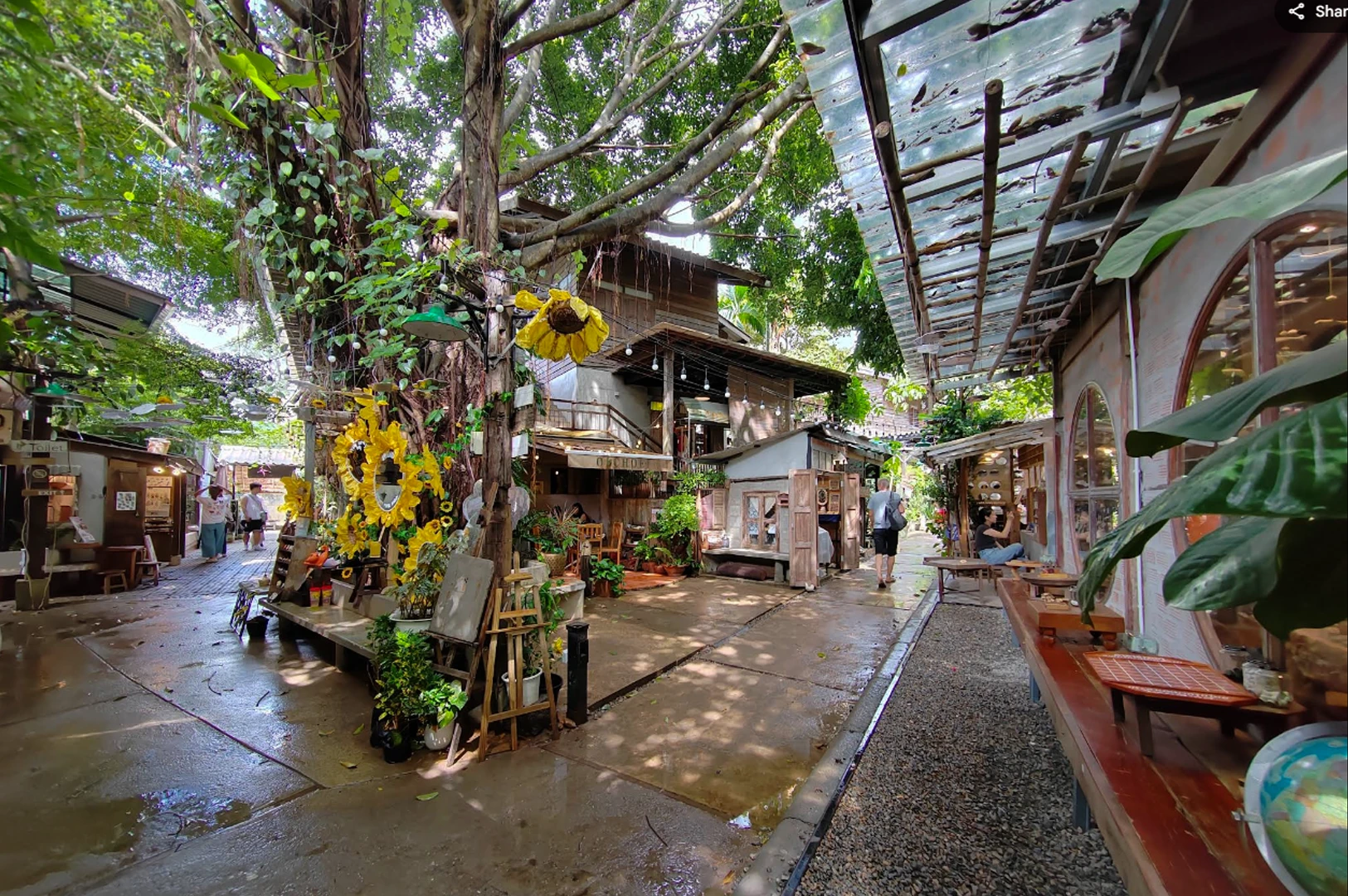
If you want to escape the city buzz, head toward the Suthep area to Baan Kang Wat. This small artist village is filled with independent craft shops, pottery studios, and peaceful cafés. Chiang Mai is recognized as a UNESCO Creative City for its traditional handicrafts, including silverware, wood carving, silk weaving, and hand-painted umbrellas. It is closed on Mondays, so plan accordingly.
Pair this with a visit to Wat Umong and Wat Pha Lat, the forested “tunnel temples” nearby. They are less polished than the Old City temples and heavily shaded. Bring sunscreen and water—there’s limited shade in the open areas, but the forest canopy offers a beautiful midday retreat. Several temples in Chiang Mai also offer the Monk Chat program, where visitors can engage in conversations with monks to learn about their beliefs and daily lives.
Also, explore the Chiang Mai City Arts and Cultural Centre for a rich cultural heritage experience showcasing Lanna culture and art galleries.
Use Nimman and the Ping River for Rest, Cafés, and Easy Days in Chiang Mai City
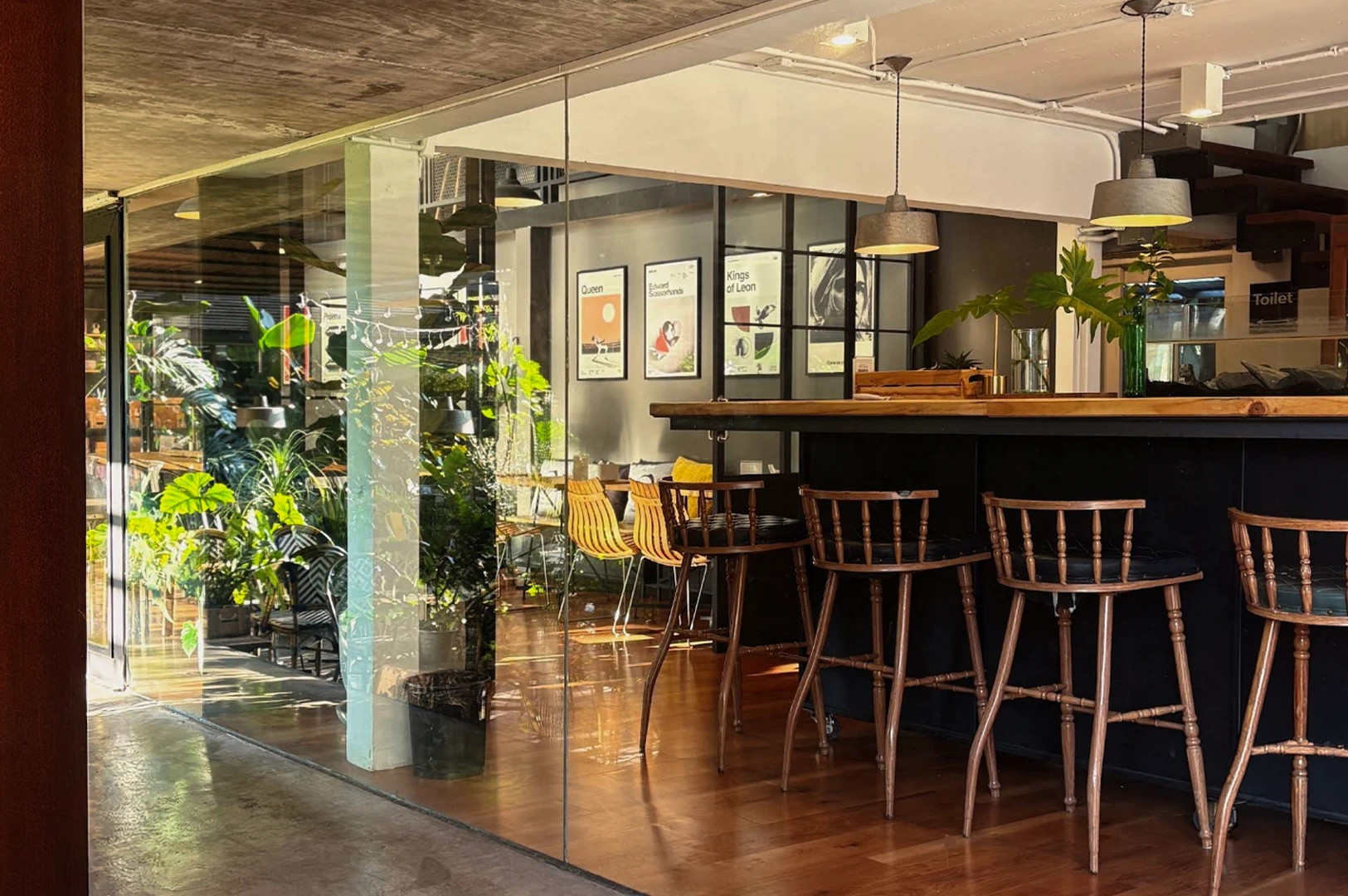
Nimmanhaemin Road (Nimman) is Chiang Mai’s modern, café-dense neighborhood. While it lacks the ancient charm of the Old City, it provides a much-needed midday reset. When the afternoon heat peaks, retreat here for air-conditioning and world-class coffee, including butterfly pea tea specialties. Chiang Mai is also home to several major shopping malls, such as Central Festival, Maya Mall, and Central Chiang Mai Airport, which offer a wide variety of brands, movie theaters, food courts, and entertainment options for both locals and visitors.
For a slower evening, head east to the Ping River. I prefer visiting in the late afternoon, finding a riverside restaurant, and watching the water flow by for two hours. It is the perfect antidote to a busy travel schedule. Chiang Mai also features public parks like Buak Hard Public Park, which serve as recreational spaces with walking paths and workout equipment for locals and visitors alike.
Add One Meaningful Outskirt Experience: An Ethical Elephant Camp or Cooking Class
If you have 5 to 7 days, dedicate one full day to leaving the city.
Ethical Elephant Camps and Cooking Classes
You might visit an ethical elephant camp like Elephant Nature Park. Avoid any place that advertises riding or shows; true ethical sanctuaries focus purely on observation and rehabilitation. Alternatively, book an organic farm cooking class outside the city, or take a slow trip to the San Kamphaeng Hot Springs to soak your tired feet. For those interested in adventure sports, Chiang Mai offers activities such as cliff jumping, water sports, and jungle coasters—keep in mind that participating in these may require specific travel insurance coverage.
Day Trips to Chiang Rai and Doi Inthanon National Park
If you are feeling adventurous, a day trip to Chiang Rai or Doi Inthanon National Park is possible, but it involves a few hours of driving round-trip. For a slow travel itinerary, I advise against it unless you plan to stay overnight.
Other Popular Outdoor Experiences
Popular day trips and outdoor experiences include the Pongyang Jungle Coaster, a thrilling ride through the forest, and the Sticky Waterfall (Bua Tong), a unique limestone waterfall with non-slip rocks favored by outdoor lovers. The Grand Canyon Chiang Mai, a former quarry, offers cliff jumping, floating parks, and water sports. Bai Orchid is a greenhouse and butterfly farm with diverse flowers and butterflies. Doi Ang Khang is a scenic mountain region known for its natural beauty. Don’t miss Bo Sang Umbrella Village, famous for handcrafted umbrellas and fans showcasing traditional Thai crafts.
What Singapore Travellers Should Know: Local Transport and Weather in Chiang Mai Thailand
Local Transport: Chiang Mai does not have an MRT system, but several public transport options are available. For short hops, hail a red songthaew—these shared pickup trucks are the most common form of public transport, with a typical city fare of about 30 baht per person. Tuk-tuks are also widely used for quick rides around town, while the city bus system and new city buses offer affordable alternatives, though routes can be limited and may not connect directly to all major attractions. For longer, more specific routes, use the Grab app. It is reliable, inexpensive, and removes the stress of language barriers. Due to the limitations of public transport and growing congestion, many visitors find that organized day trips, private rentals, or ride-sharing apps are more practical for reaching outlying sights.
When planning travel in Chiang Mai, it’s helpful to compare local transport options to those found elsewhere in Southeast Asia, as regional considerations like border crossings and mobile connectivity can affect your overall itinerary.
Weather Expectations: Singaporeans are used to humidity, but the Hot Season (March to May) in Chiang Mai is dry and intense. Furthermore, March and April can bring severe haze from agricultural burning. The Cool Season (November to February) is ideal, but regardless of when you visit, pack light, breathable layers.
A 5–7 Day Slow Rhythm for Chiang Mai Thailand
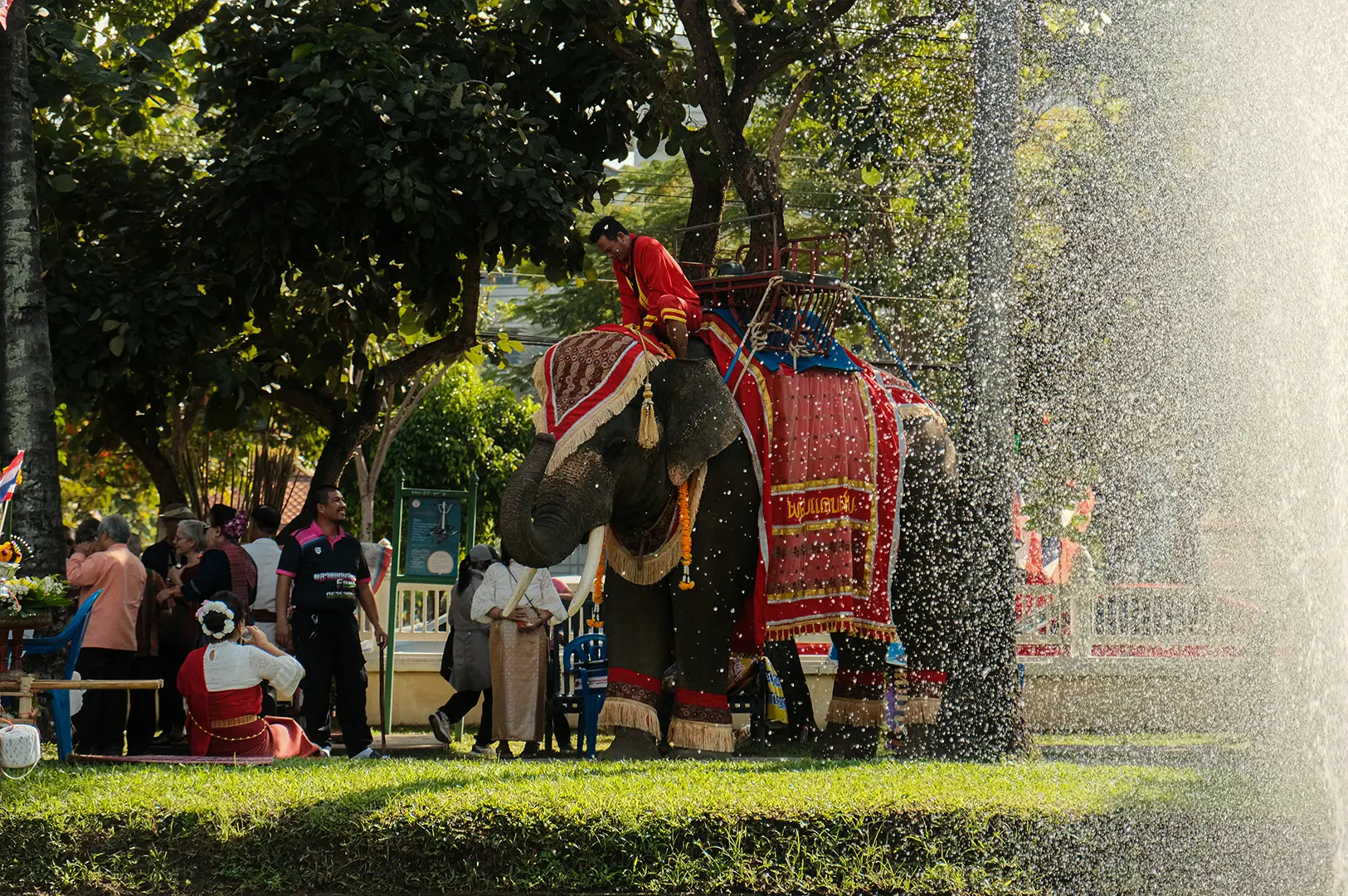
Do not treat this as a rigid schedule. Treat it as a natural progression that gets slower as the week goes on.
Days 1–2 (Settling In): Stay in or near the Old City. Wake up early for Wat Chedi Luang. Wander the ancient streets and old city walls. Take an afternoon nap. Visit the Chiang Mai Night Bazaar for a casual dinner.
Days 3–4 (Expanding Out): Take a red songthaew up to Wat Phra That Doi Suthep for the morning. Spend the afternoon cooling down in a Nimman café. Explore the artist village of Baan Kang Wat and the Lanna Folklife Museum cultural center. In the evening, consider visiting the Chiang Mai Night Safari, a prominent nocturnal zoo inspired by Singapore Night Safari, for a unique nighttime wildlife encounter across multiple zones.
Days 5–6 (Going Deeper): Take a full-day cooking class or visit an ethical elephant camp. Return to the city and revisit your favorite street food stall or enjoy a Thai massage.
Day 7 (The Slow Goodbye): Keep no schedule. Walk along the Ping River. Buy last-minute gifts at the Sunday Walking Street if the timing aligns.
Alex’s Tip: If you need to renew your visa while in Chiang Mai, it’s possible to complete a same day visa run—cross the border, obtain a new visa stamp, and return to Chiang Mai all within a single day for maximum convenience.
The Bottomline
Chiang Mai is not about finishing a list of attractions. It is about giving each place enough time to become familiar. When you stay for 5 to 7 days and deliberately slow your pace, you stop feeling like a passing tourist and start feeling like a welcomed guest.
Trade the exhaustion of hyper-efficient travel for the luxury of a slow morning coffee, a quiet temple courtyard, and a long afternoon nap. Chiang Mai will reward your patience.
For travelers who appreciate this slower, more immersive approach to exploring, the same principle applies when choosing accommodations elsewhere. Here’s a guide to the Top 10 Best Tokyo Hotels for a 10-Day Stay, offering ultimate comfort and convenience tailored for slow travelers.