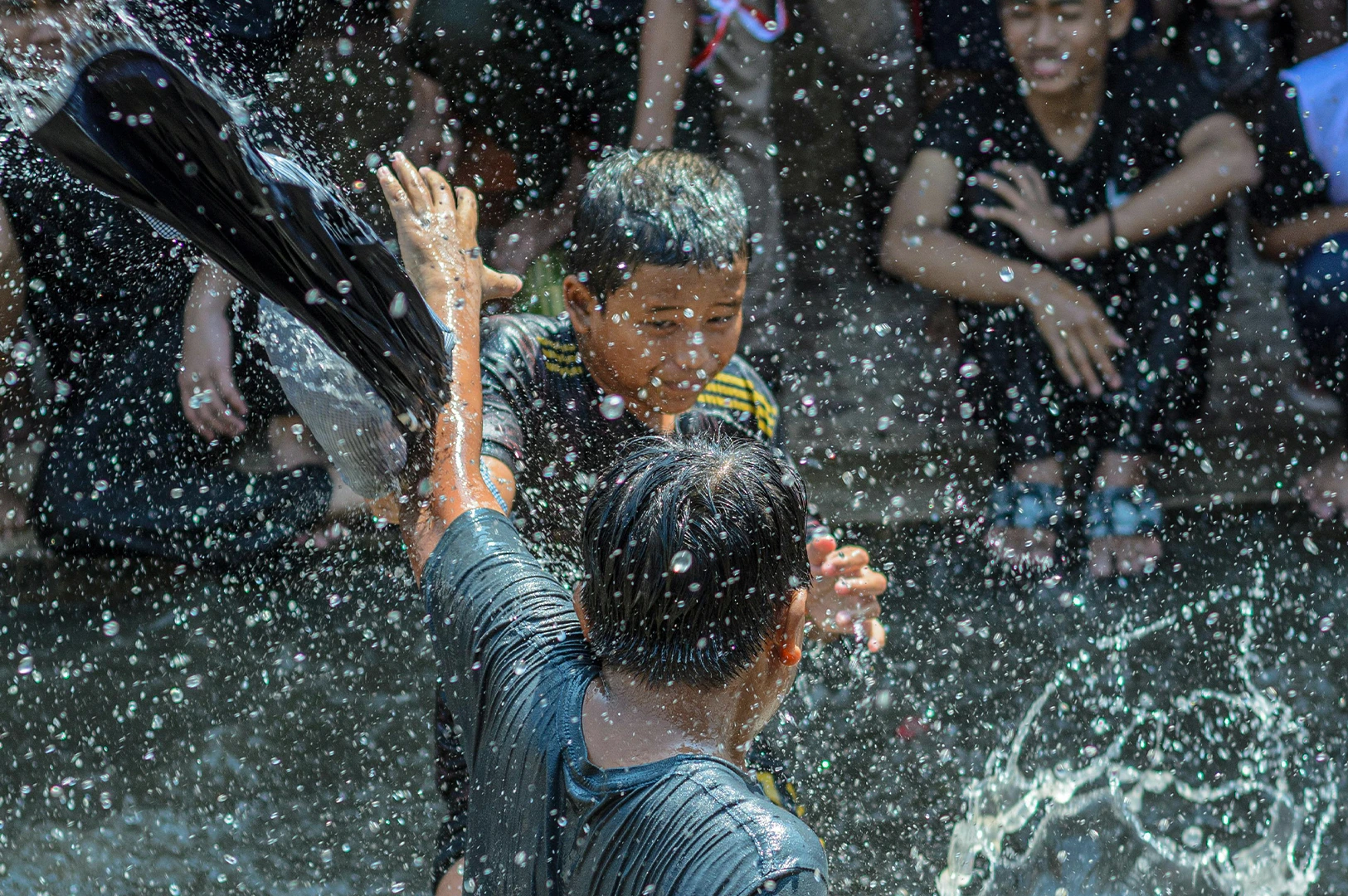
When I first experienced the Songkran festival, my partner and I made every mistake. We stayed near Khao San Road in Bangkok, thinking we had to dive into the famous water fights. By 11:00 AM, we were drenched by freezing water and spent six exhausting hours in a chaotic crowd, missing the festival’s true meaning.
Many ask, “Is Songkran just a massive water fight?” No. While street parties are popular, Songkran is the traditional Thai New Year, lasting three days and rooted in family, merit-making, and temple rituals.
The Role of Water in Songkran
Songkran’s Buddhist traditions include bathing Buddha images and pouring scented water over elders’ hands, symbolizing purification and washing away sins and bad luck. Water marks fresh beginnings and good fortune.
If you visit Thailand in mid-April, you don’t have to choose chaos or isolation. The water fights retain their cleansing symbolism. The best way to enjoy Songkran in Thai culture is to join the energy when you want and step back when you need. Here’s how to experience Songkran at a slower, more meaningful pace.
What Songkran in Thai Culture Really Means: The Traditional Thai New Year and Its Spirit
To understand how to slow down during this time, you need to understand what is actually being celebrated. The Thai word “Songkran” comes from the Sanskrit word saṅkrānti, meaning “to move” or “astrological passage,” marking the sun’s entry into Aries. It marks the traditional Thai New Year, a time of renewal, cleansing, and good fortune for the coming year. In 2024, UNESCO recognized Songkran as part of humanity’s intangible cultural heritage, highlighting its significance as a cultural event that embodies the values and traditions of Thai society.
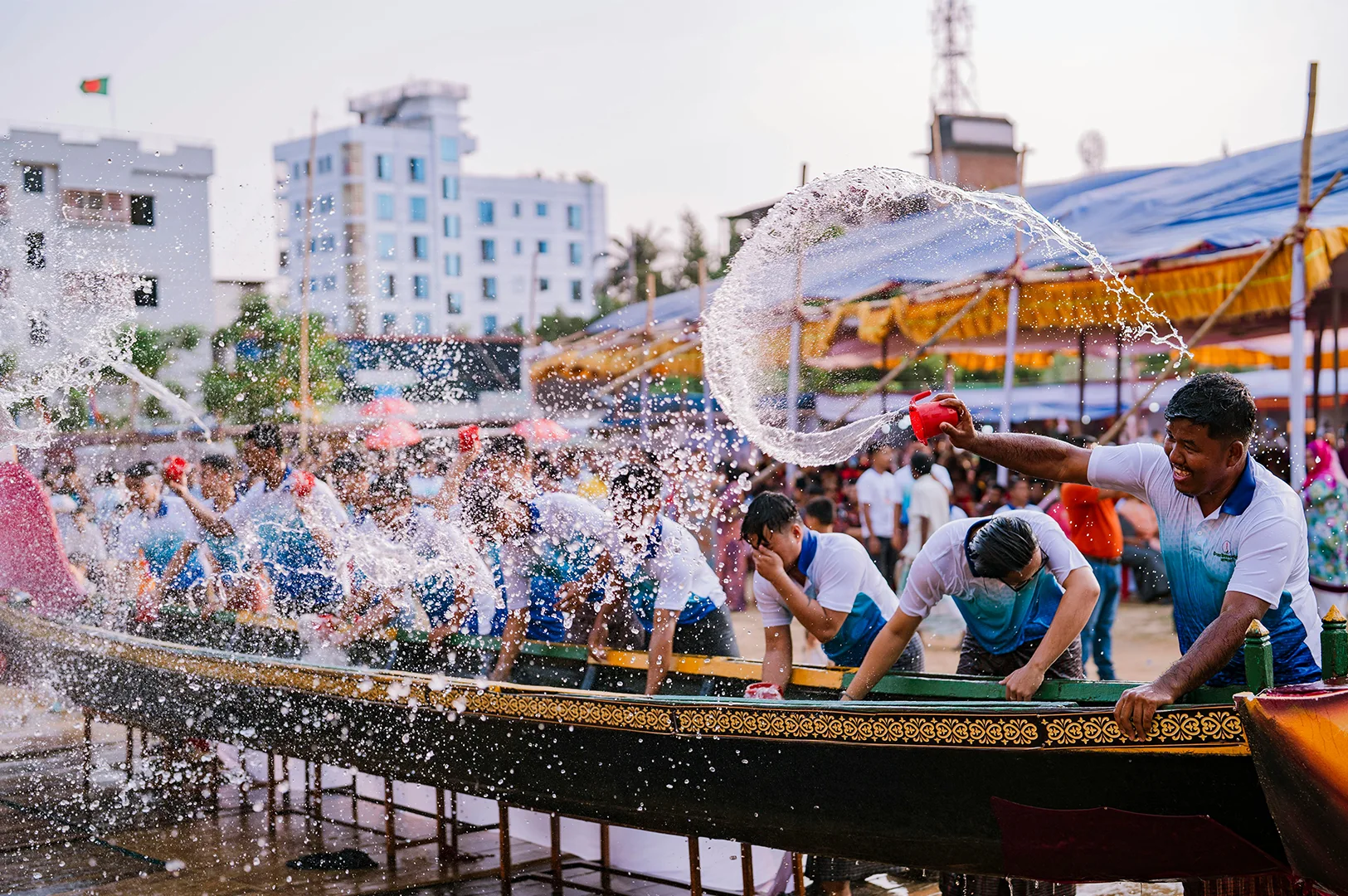
While tourists flock to the streets with massive water guns and buckets, Thai Buddhists are quietly observing beautiful traditions. Songkran is celebrated during the hottest month in Thailand, making water festivities a refreshing escape. The water splashing actually originated as a symbol of washing away bad luck and misfortunes.
Merit-Making and Rituals
If you visit a temple early in the morning, you will see making merit, a significant aspect of Songkran, where Thai people visit temples to offer food to Buddhist monks and participate in rituals that symbolize purification and good fortune. The ritual of pouring scented water over Buddha statues, known as Song Nam Phra, is a significant Buddhist practice representing respect for the Buddha and purification of one’s spirit. You will also see Rod Nam Dam Hua, a beautiful ceremony where a person pours scented water over the palms of elderly relatives to pay respect and receive blessings. It is a time for family members and loved ones to gather, make merit, and honor their ancestors.
Songkran provides an opportunity for family reunions, where those living away return home to honor their elders and ancestors. The celebration blends deep religious reverence with fun-filled social interaction, making it a unique celebration of renewal and joy.
Alex’s Tips: Learn to say “Suksan wan Songkran” (Happy Songkran day) or “Sawasdee pi mai” (Happy New Year). Thai people love it when visitors acknowledge the traditional meaning of the holiday. A simple smile and a respectful greeting go a long way when interacting with locals during the festivities.
The Year Festival and Its Evolution: A Traditional Thai Celebration of the Year Festival and Thai New Year
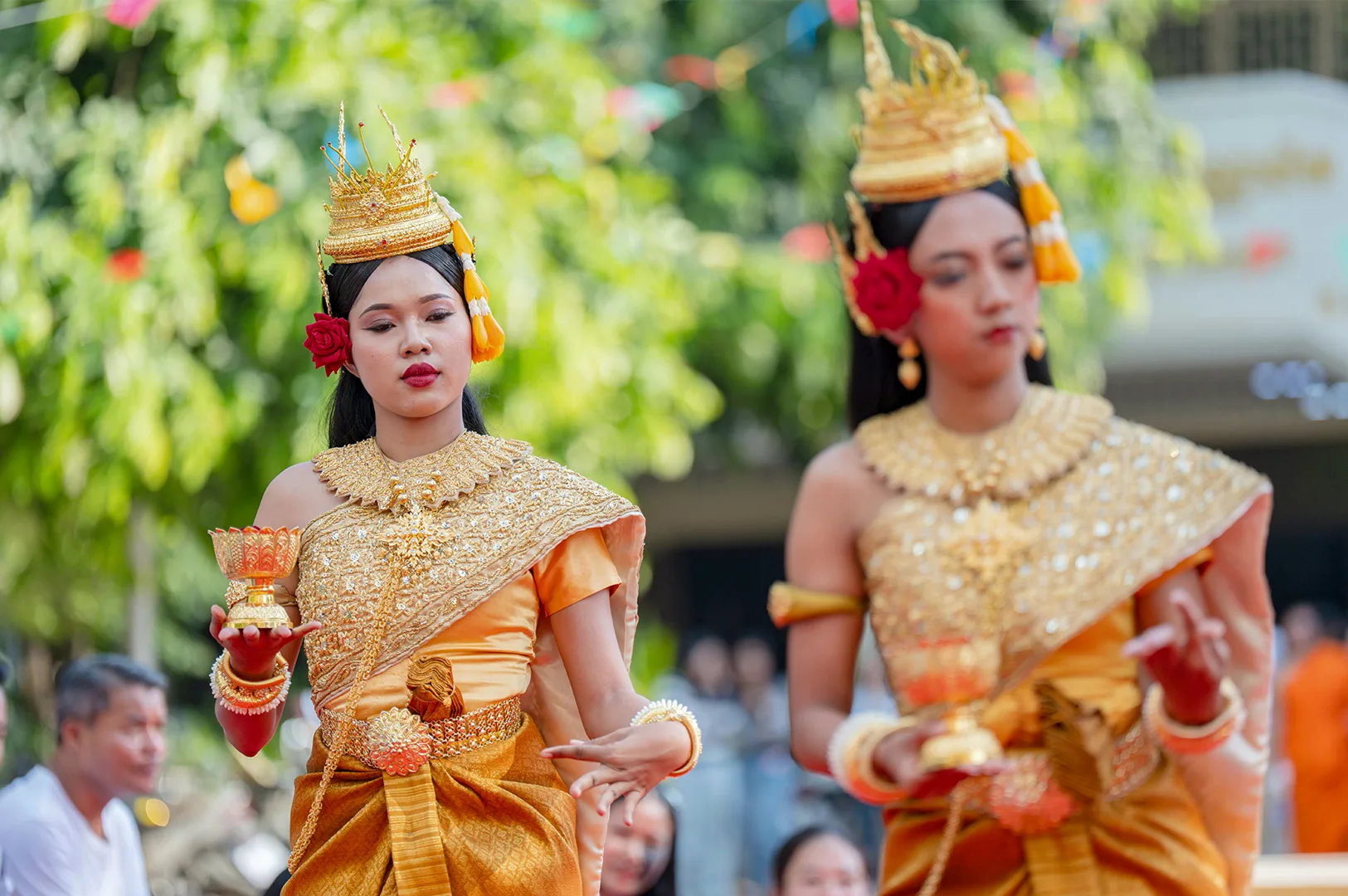
There is something quietly profound about witnessing วัน สงกรานต์ unfold across Thailand—a rhythm that emerges not from the splashing of water alone, but from the deeper current that carries this ancient celebration forward into each new year. The word “Songkran” itself whispers of movement, of stepping gently into what lies ahead, and in those early April days when the heat settles heavy across the kingdom, you begin to understand how this festival breathes life into the space between endings and beginnings.
To experience Songkran fully is to surrender to its particular rhythm—one that invites you to pause between the water fights and processions, to notice how Thai people move through these days with both joy and intentionality. Whether you find yourself watching Buddha statues carried through sun-dappled streets near the royal palace, sharing plates of carefully prepared food with newfound friends, or simply observing the way family members navigate these sacred days together, you discover that Songkran’s true gift lies not in its spectacle but in its invitation to be present.
Choosing Your Songkran Experience as a Couple: Balancing Water Fights and Cultural Moments in Songkran Festival
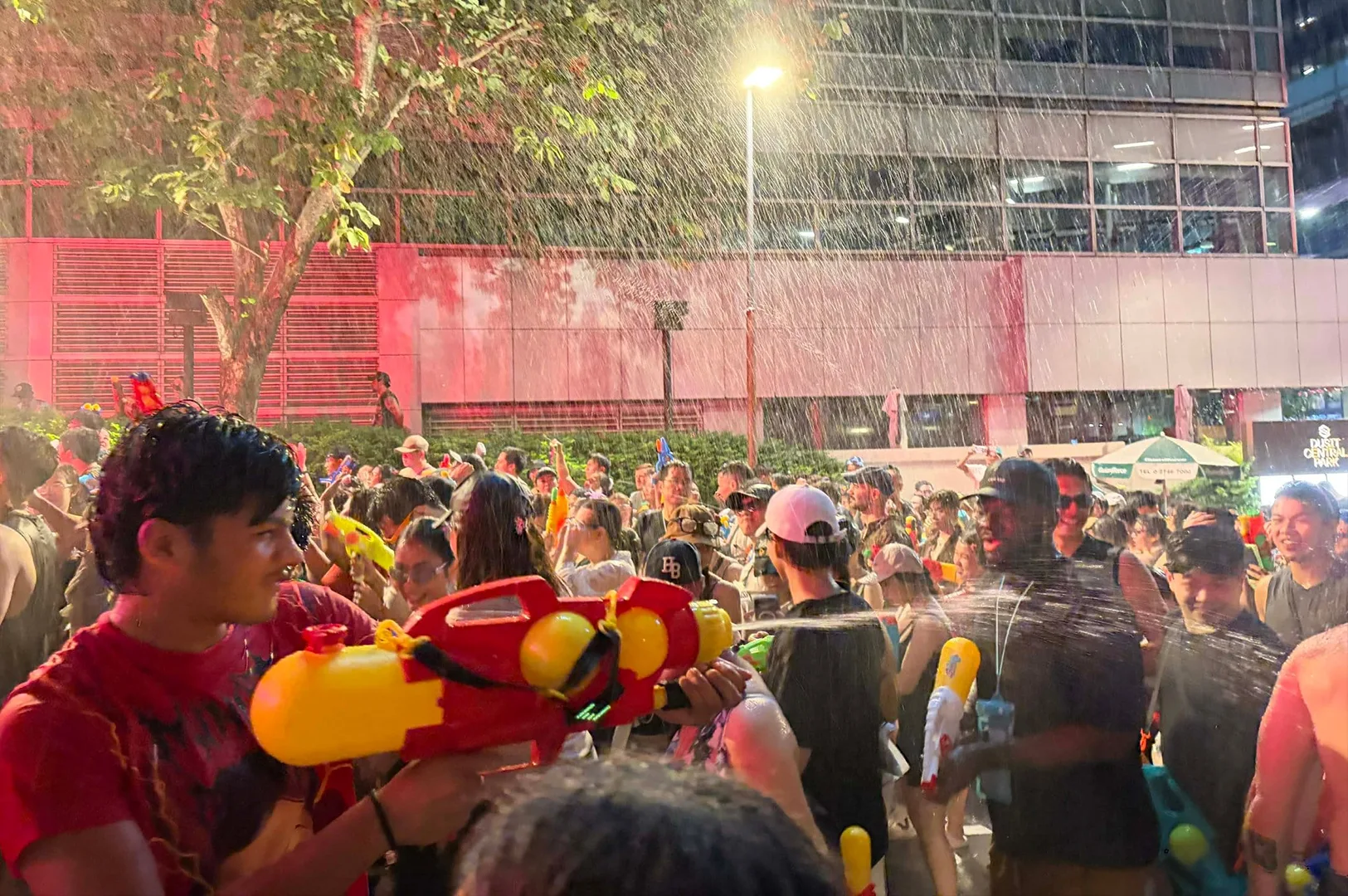
The biggest source of friction for couples during Songkran is mismatched energy levels. One partner might want to run through the streets of Chiang Mai Old Town with a water gun, especially around the ancient city wall area where large water fights and traditional ceremonies take place, while the other prefers sitting in a quiet café watching the colorful flags flutter in the wind.
If you want a highly immersive but busy experience, Chiang Mai is arguably the best destination. The ancient moat becomes a giant water festival, but the hundreds of temples within the city walls offer immediate sanctuary. Bangkok is intense and high-energy, particularly around Siam and Silom, making it harder to escape the crowds. In the eastern region of Thailand, Songkran is celebrated with ‘Wan Lai‘, including festivities in coastal towns like Bang Saen and Pattaya, which extend the year celebration beyond the official dates of April 13-15. If you want something calmer, smaller coastal towns like Bang Saen offer a much more local, family-oriented vibe.
Structuring Your Day for Balance During the Traditional Thai New Year
The best parts of the Songkran festival often happen when you step away from the crowd, not when you are trapped inside it. Because April is Thailand’s hottest month, pacing your day is critical. Here is the structure I use to avoid burnout:
Morning: Calm and Culture (8:00 AM – 10:30 AM) This is the perfect time for slow travel. The streets are mostly dry, and the city is waking up. Visit local temples to observe the merit-making rituals, such as the ritual of Song Nam Phra, where Buddha images are bathed with scented water to symbolize respect and the washing away of sins. You’ll also see the Rod Nam Dam Hua ritual, which consists of pouring scented water over the palms of elderly relatives to pay respect and receive their blessings. It is customary during Songkran to perform spring cleaning on houses, schools, and public spaces to clear out negativity and start the new year fresh.
Another unique tradition is building sand pagodas—visitors carry sand into temples to build small stupas, symbolically replacing the earth they have carried away on their shoes throughout the year. Celebrants commonly clean their homes and engage in merit-making through acts of kindness, such as releasing birds or fish, to gain merit. The energy is serene, and it provides a beautiful contrast to the afternoon.
Midday: The Water Fights (11:00 AM – 1:00 PM) As the heat peaks, the water splashing begins. Step into the main streets for a short burst of fun. I suggest keeping this to just 1 to 2 hours. Join the locals, splash water, and enjoy the music and joy of the moment.
Afternoon: Retreat and Rest (1:30 PM – 4:30 PM) This is when the festival hits peak chaos. Instead of fighting through the crowds, retreat. Find an indoor, air-conditioned café, dry off, and rest. This is the “white space” your itinerary needs so you and your partner can actually talk and relax.
Evening: Food and Calm (6:00 PM onwards) Depending on the city, the water throwing usually dies down by sunset. The streets transition back into night markets. Head out for street food, grab a cold drink, and enjoy the lingering festive atmosphere without getting soaked.
Practical Tips for Enjoying Songkran Together in Thai Culture
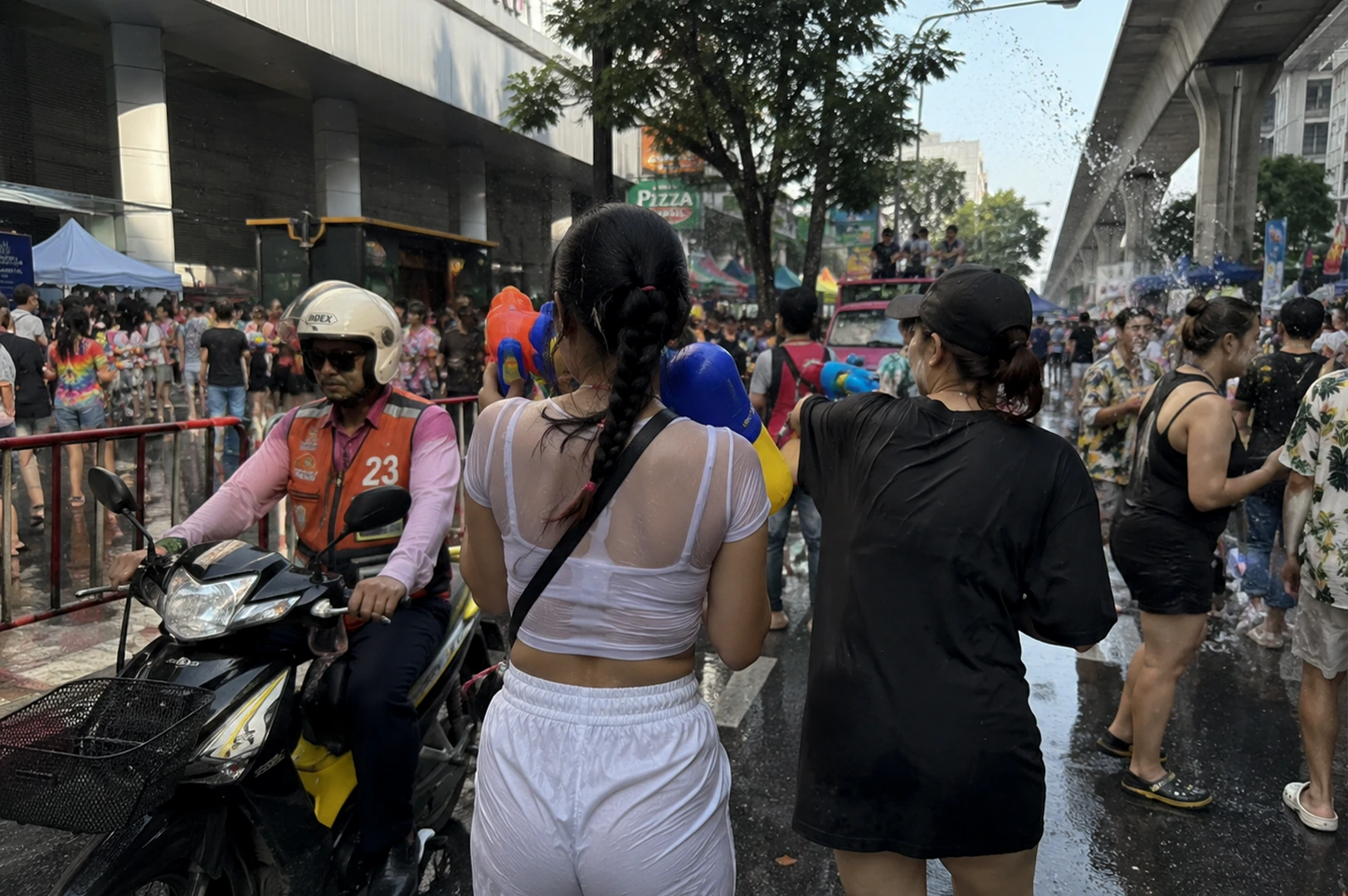
Preparation is the difference between a great day and a ruined phone.
First, invest in a high-quality waterproof phone pouch. You can usually buy these from street vendors for SGD $5–$15, but I prefer bringing a reliable one from home. A dry bag (around SGD $15–$30) is also essential for carrying your wallet and a small towel.
Leave your passport locked in your hotel safe; carry a paper copy instead. Do not bring expensive leather bags, watches, or anything you would be heartbroken to see ruined.
For clothing, avoid wearing white, as it becomes transparent when wet. Opt for light, quick-dry activewear. If you plan to visit temples in the morning, remember that modest clothing is still required—shoulders and knees must be covered, even during the festival. Wear comfortable sandals with a solid grip, as the streets become incredibly slippery.
If you decide to join the water plays, water guns are sold everywhere for about SGD $5–$20 depending on the size.
I Recommend:
Eat a heavy meal before you step into the water fight zones. Once you are drenched and navigating a massive crowd, finding a “dry zone” restaurant that will let you sit down to eat is surprisingly difficult.
Cultural Etiquette and Boundaries of Songkran Spirit and Tradition
Though the streets seem wild, Songkran has clear unspoken rules.
Do:
Use clean, room-temperature scented water.
Smile and join playfully. Water splashing is a blessing and part of the Songkran spirit.
Know that walking on main streets means you might get splashed—don’t get upset.
Don’t:
Never splash monks, pregnant women, or the elderly—it’s very disrespectful.
Avoid throwing water inside temples or near sacred Buddha images.
Don’t use ice water aggressively or spray water into faces of passing motorcyclists.
Don’t target people clearly trying to work or avoid the festivities.
If crowds get too aggressive or uncontrolled, simply leave. You control your experience.
What Singapore Travellers Should Know About Songkran in Thai Culture
Singaporean travelers used to efficiency and structure will find Songkran disruptive. Roads close, Grab drivers delay or cancel, and plans often fall apart.
Manage the Heat
April’s Thai sun is harsh and dry. Constant water splashing can mask dehydration, so drink water frequently.
Adjust Your Transport Expectations
Travel before 10:00 AM to avoid traffic. Later, use BTS or MRT in Bangkok as roads get jammed with water-carrying vehicles. Expect longer rides and higher fares for taxis or tuk-tuks.
Embrace the Social Norms
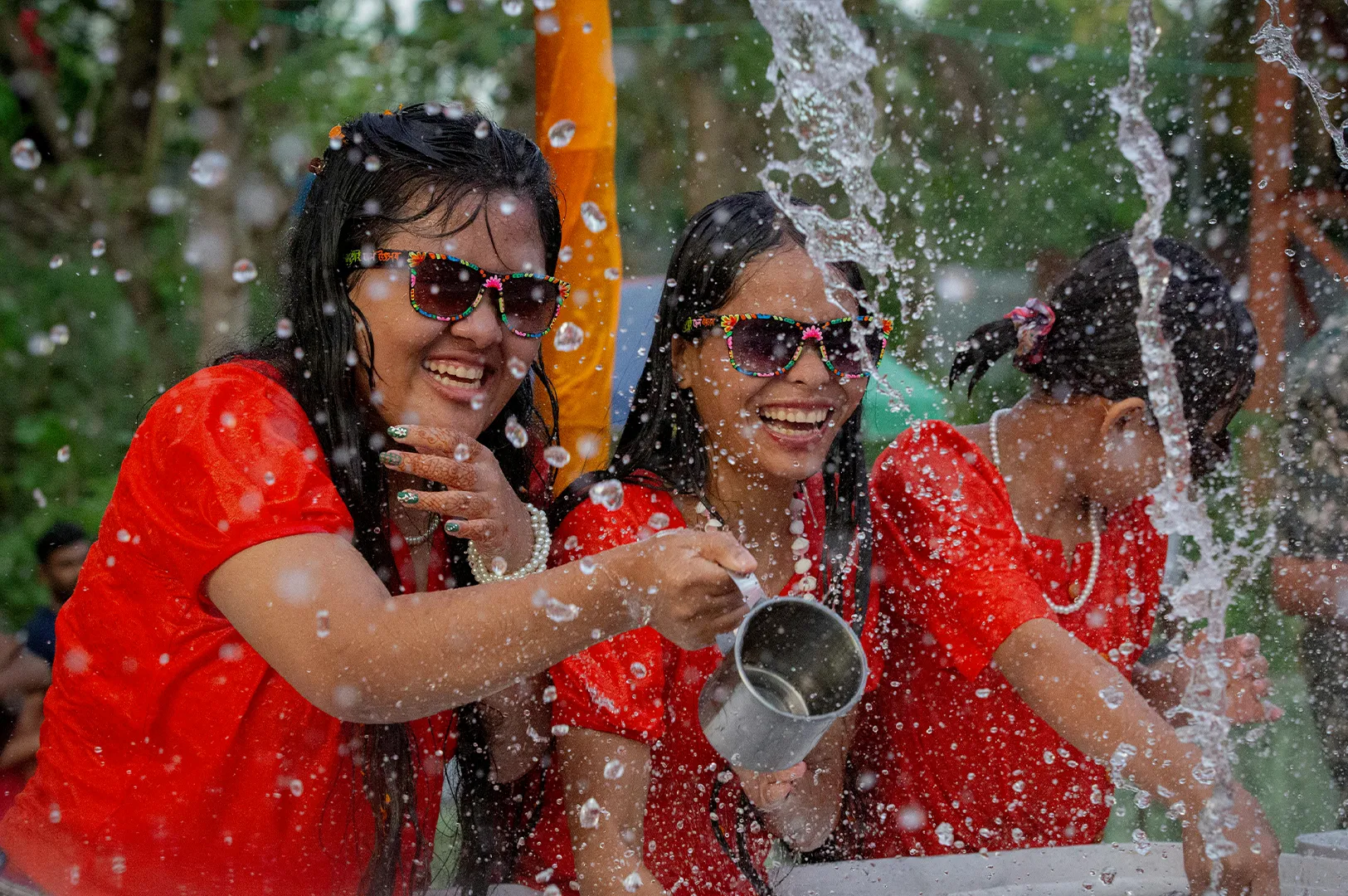
Unlike Singapore’s reserved public behavior, Songkran encourages playful interaction. Expect to be splashed with cool water by strangers and have white powder (din sor pong) smeared on your face by children. Openness and humor are key.
Happy Songkran and the Joy of the New Year
Songkran is a beautiful, culturally rich celebration of the traditional Thai New Year, supported by institutions like the Department of Cultural Promotion. Many cities hold colorful parades with traditional dress, music, and cultural performances, alongside massive water fights that close streets for friendly water wars.
With a slow travel mindset, you can enjoy the festival your way: observe the gentle pouring of scented water over elders’ hands in the morning, join an hour of joyful water fights at midday, and end the day with great food in a quiet neighborhood.
Set boundaries with your partner and experience Songkran on your terms. The best memories come not from crowded chaos but from quiet, shared moments witnessing Thailand welcome the new year with joy. For those interested in travel beyond Thailand, check out: Top 10 Best Tokyo Hotels for a 10-Day Stay: Ultimate Comfort and Convenience for Slow Travelers to plan your next relaxing adventure..