When you move quickly, people become part of the background.
They are there, but you do not really see them.
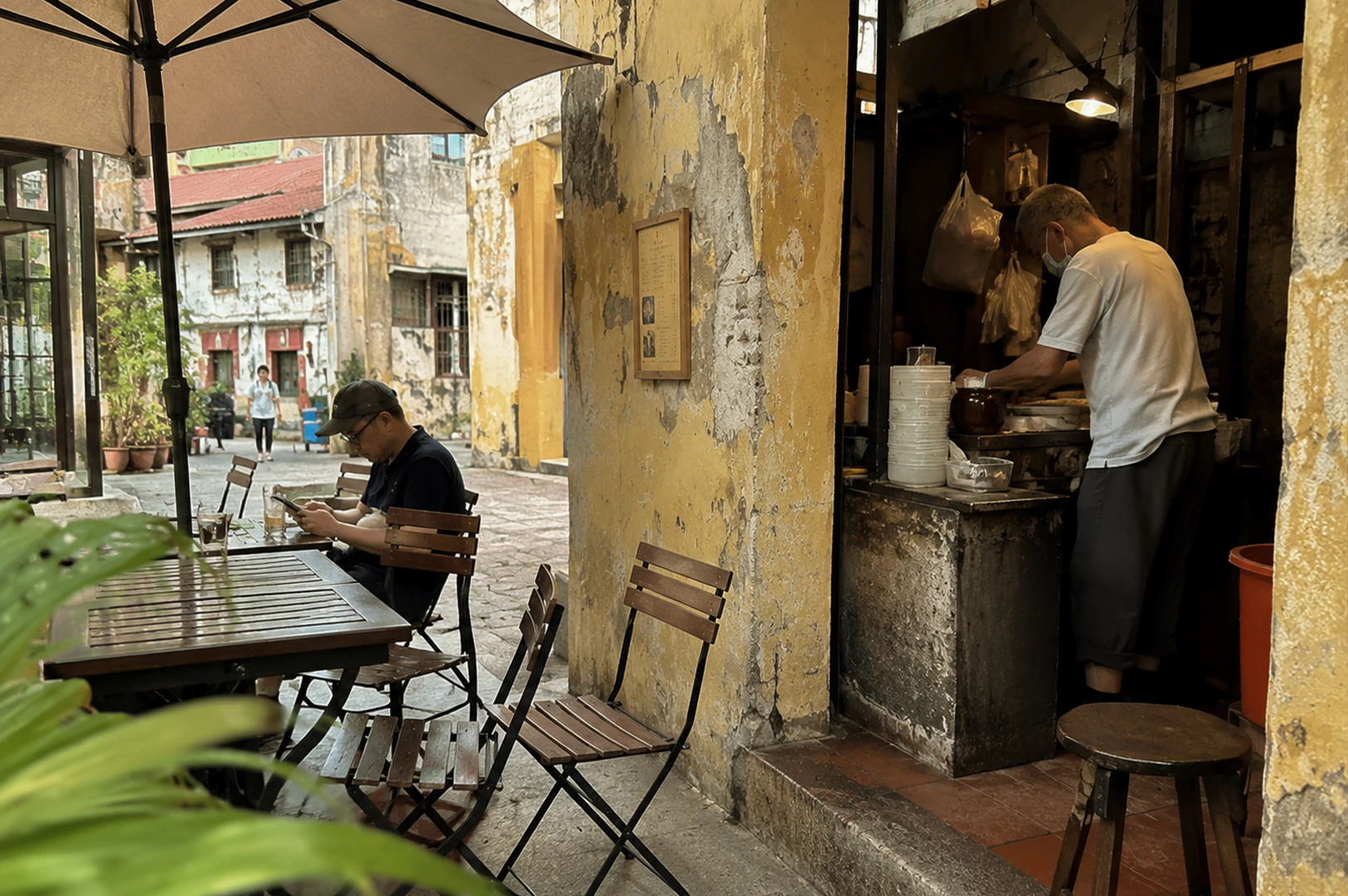
The waiter who serves your meal. The shop owner arranging items outside. The elderly couple walking slowly down the street.
They exist in your trip, but not within your attention.
Slow travel changes that.
When you slow down, people come into focus.
You notice small interactions. The way someone greets you. The way a conversation unfolds. The way routines repeat day after day.
And these moments start to shape your experience more than any landmark.
For Singaporeans used to fast-paced environments, this shift can feel subtle but powerful.
You begin to see travel not just as movement, but as observation.
You start recognising faces. Remembering places. Feeling a sense of familiarity even in a foreign city.
And sometimes, this leads to connection.
A short conversation. A shared smile. A moment that lingers longer than expected.
Research in social psychology shows that even brief interactions with strangers can increase feelings of wellbeing and belonging.
Slow travel creates space for these interactions.
Not by forcing them, but by allowing them.
Because you are not rushing.
You have time to pause. To look up. To engage.
And in doing so, your trip becomes more than just a personal experience.
It becomes something shared.
You are no longer just passing through.
You are participating, even in small ways.
This is what gives slow travel its depth.
It is not just about where you go.
It is about who you notice along the way.
And often, those moments stay with you long after the trip ends.
If you want to see how everyday encounters shape a destination, this piece explores it through food and daily rhythms: Otaru Food Experiences: 10 Slow Days Eating and Exploring