The first time I went to Busan, I made the classic mistake of treating it like a checklist. I rushed from the coastal temples to the bustling markets, trying to compress the second-largest city in South Korea into a frantic 48-hour window. I left feeling exhausted, having seen everything but experienced very little.
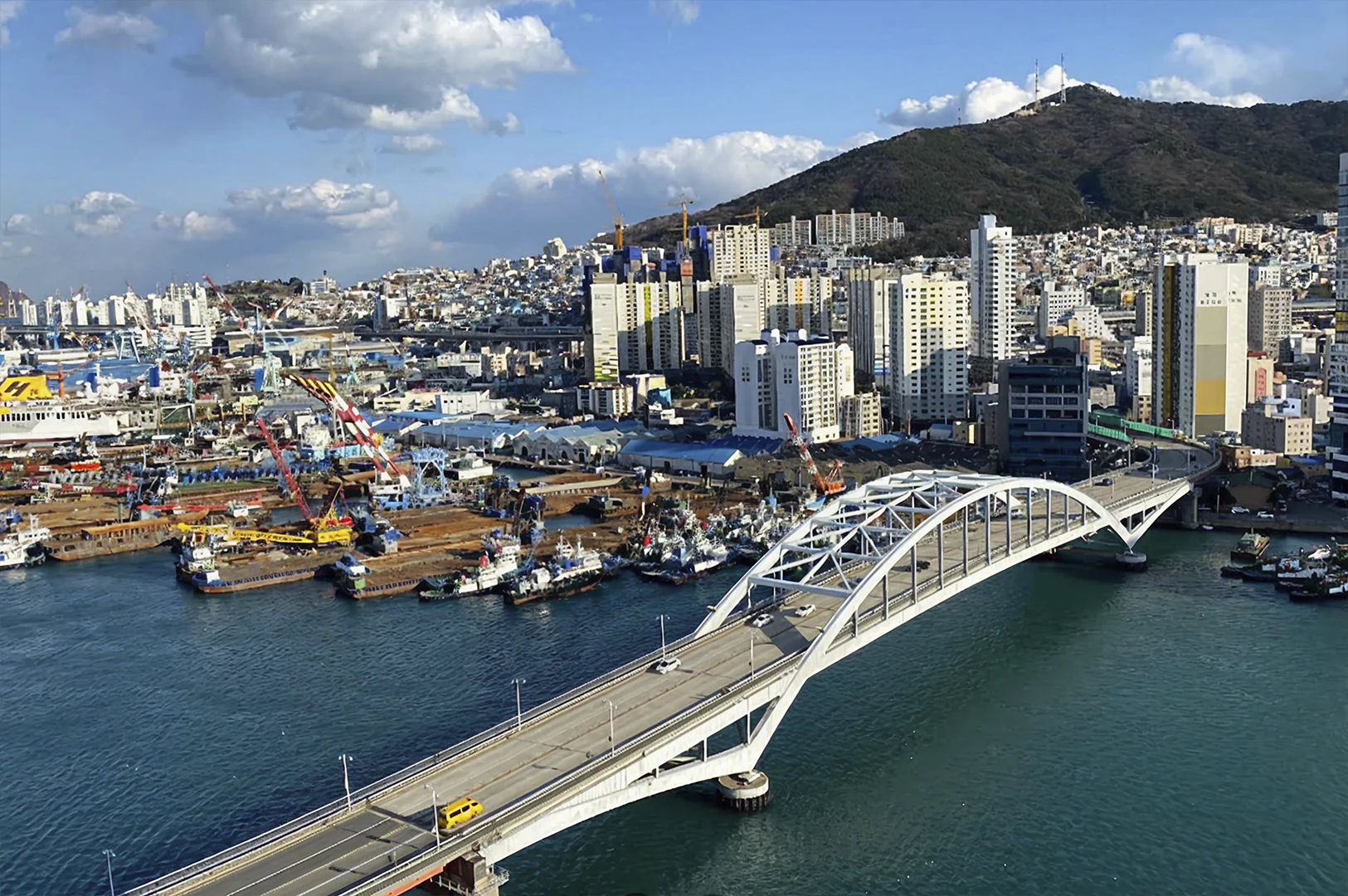
Busan is a huge city, and it’s not walkable because everything is so spread out.
On my third visit, I changed my approach. I stayed for a week. I learned that asking busan what to see isn’t about finding more attractions to fill your itinerary; it’s about finding places that reward repetition. For burnt-out Singapore professionals and solo travelers seeking calm, Busan is a city of profound contrasts.
This 7-day slow travel guide is designed to help you settle in for an unforgettable adventure. It focuses on pace and feeling—watching the same beach at sunrise and night, returning to the exact same café, and allowing yourself to get lost in quiet hillside alleys.
Haeundae Beach and Spa Land: Premier Korean Spa Experience in South Korea
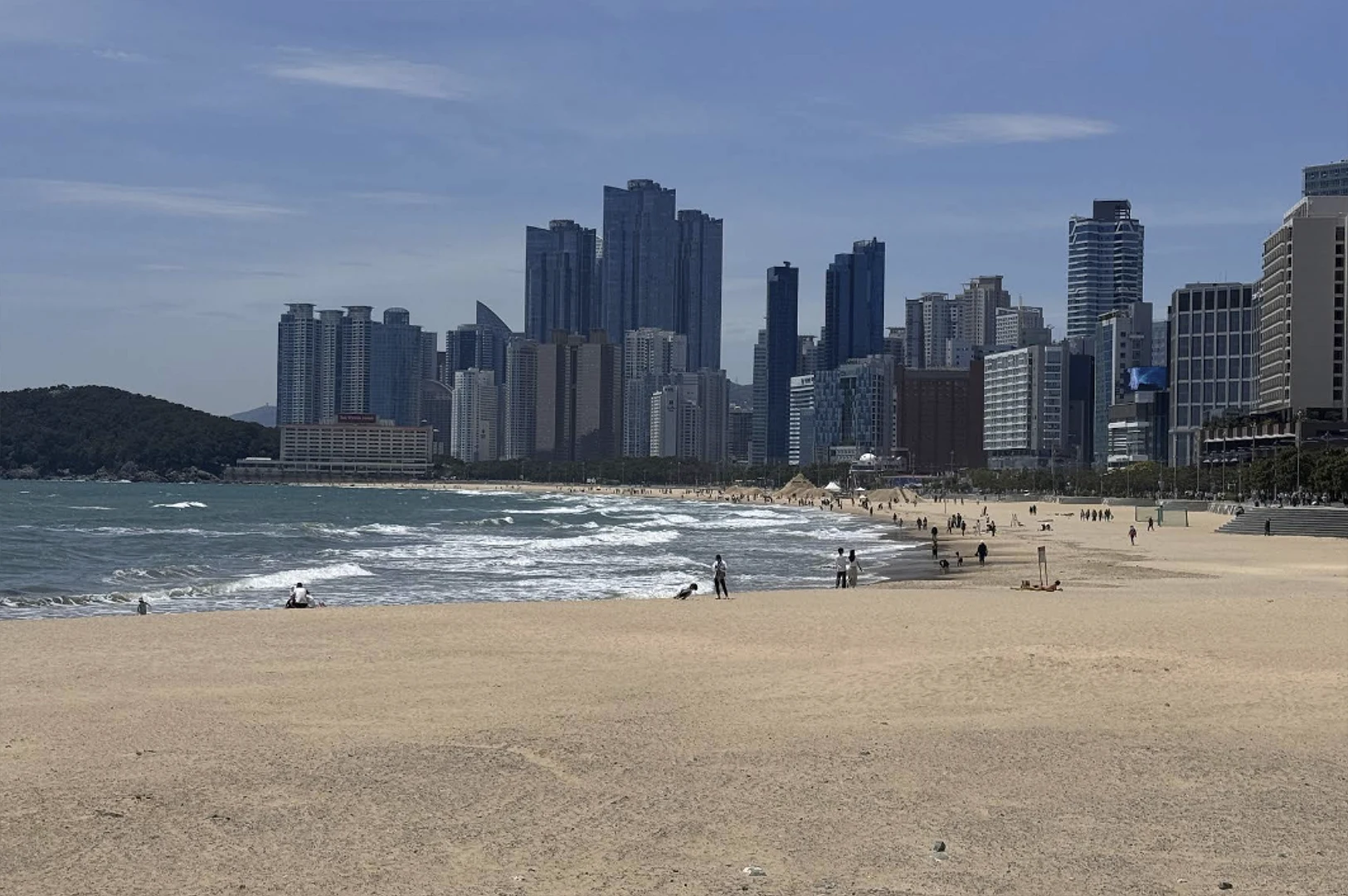
Haeundae Beach is Busan’s most famous beach, known for its sandy shores, clear blue water, and vibrant coastal atmosphere. Most tourists flock here in summer, but the quieter months reveal its true charm. It’s a 15-minute walk from Haeundae Station (Line 2, Exit 5), with a clean beach framed by a modern skyline.
Morning Walk and Coastal Views with Haeundae Blueline Park and Sky Capsule
Visit early around 7:00 AM to enjoy the empty sand and local joggers. Walk the Dongbaek Coastal Trail for spectacular ocean and Marine City skyline views. Nearby, Haeundae Blueline Park offers the Sky Capsule and mini trains, providing panoramic views of Busan’s coastline, especially stunning at sunset.
Relax at Spa Land Centum City: A Premier Korean Spa Experience
After your walk, unwind at Spa Land in Centum City. This premier Korean spa features hot springs, extensive sauna areas, and an entertainment zone, perfect for relaxing and recharging.
Alex Insider Tip: Don’t miss returning to Haeundae after 8:00 PM to see the city lights reflecting on the water, transforming the beach into a sophisticated urban waterfront.
Haedong Yonggungsa Temple and Sky Capsule Experience: Famous Busan Attractions in South Korea
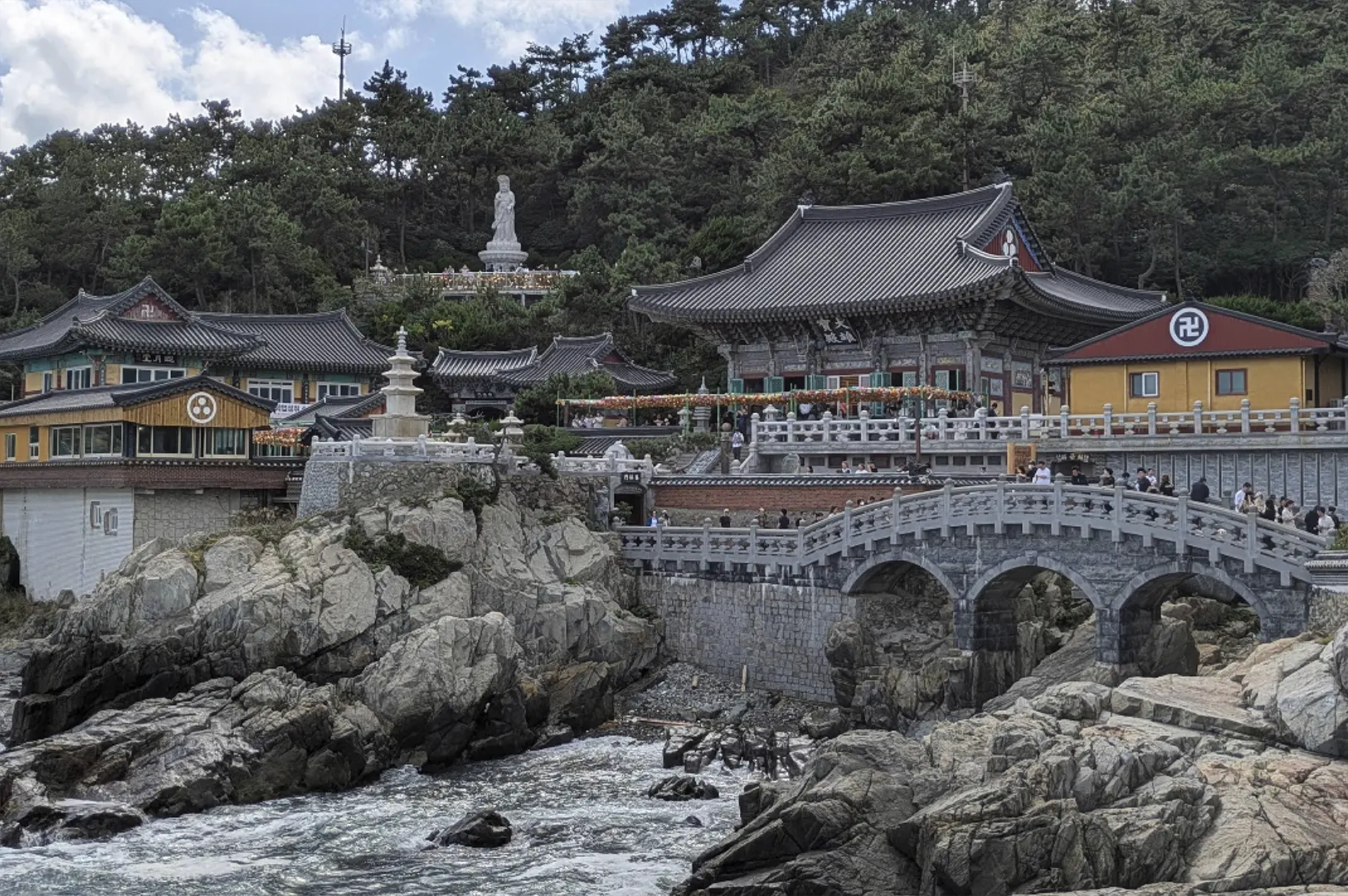
Haedong Yonggungsa Temple is uniquely situated on rocky cliffs overlooking the sea, unlike most temples in South Korea that are nestled in mountains. To visit, take the Donghae Line to Osiria Station, then a short bus ride on bus 139.
For a peaceful experience, visit at sunrise to enjoy the breathtaking view from the “sunrise rock.” This seaside Buddhist temple is one of the most famous Busan attractions, celebrated for its stunning coastal views. Plan about two hours here, and wear sturdy shoes as the 108 stairs and coastal rocks can be slippery, especially after rain. Nearby, scenic coastal trails invite further exploration.
Afterward, consider a slow-paced return via the Haeundae Sky Capsule. This retro-style monorail glides along the coastline at 4 km/h, offering a private, elevated ocean view that perfectly complements your Busan itinerary.
Gamcheon Culture Village vs. Dakbatgol Mural Village: Culture Villages and Street Art in Busan South Korea
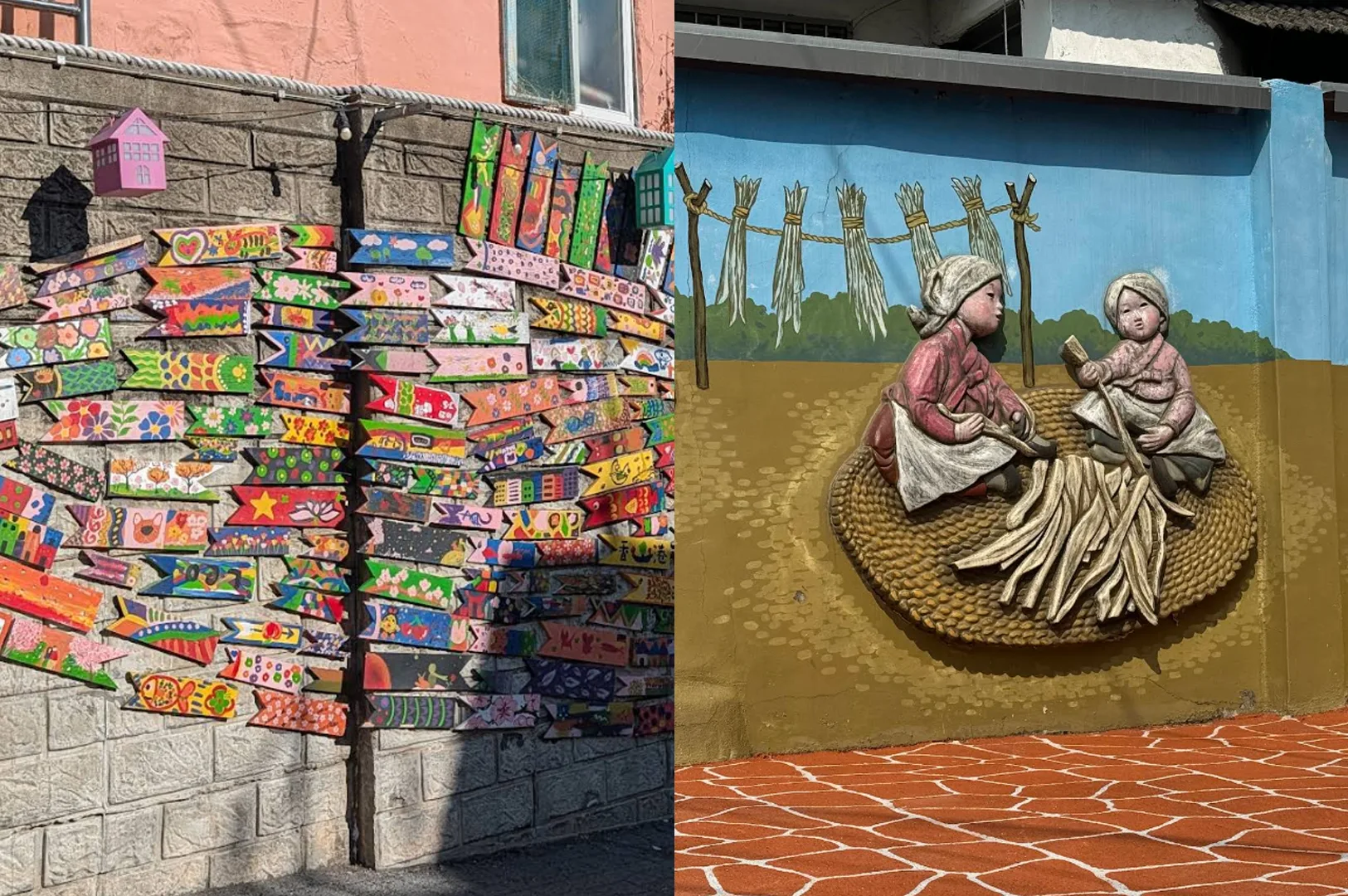
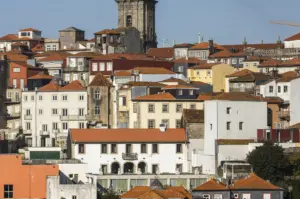
Gamcheon Culture Village is famous for its vibrant street art, colorful houses, and layered, pastel-colored roofs cascading down a steep hillside. Originally built as a settlement for Korean War refugees after the Korean War, this neighborhood has transformed into one of Busan’s most famous attractions. Take Line 1 to Toseong Station (Exit 6), then catch the local village bus (Saha 1-1) up the steep incline.
While the “Little Prince” statue draws massive queues, the real joy of Gamcheon is found by wandering away from the main road. Walk down the narrow, steep staircases. Find a quiet rooftop café, order a citron tea, and watch the shadows shift across the valley. The abundance of street art and murals adds to the creative atmosphere.
If you’re unfamiliar with public transportation, joining a Busan tour is a convenient way to visit Gamcheon Culture Village and other major attractions.
If Gamcheon feels too crowded for your slow Busan trip, consider visiting the lesser-known Dakbatgol Mural Village. It offers a similarly colorful, artistic hillside experience but with a fraction of the foot traffic, making it perfect for uninterrupted photography and quiet reflection.
Jagalchi Fish Market and Street Food: Experience Fresh Seafood at Busan’s Largest Fish Market
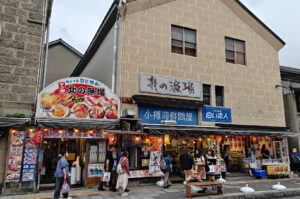
Jagalchi Fish Market, South Korea’s largest fish market and one of the most famous Busan attractions, is the heartbeat of Busan’s seafood culture. Located just a 6-minute walk from Jagalchi Station (Exit 10), it is a massive, multi-level sensory experience.
Jagalchi Fish Market is the largest seafood market in South Korea, where visitors can experience the local seafood culture and purchase fresh fish. The market offers an incredible variety of fresh seafood, from fish and shellfish to sea creatures you may have never seen before, all sold by numerous food vendors. The unique experience of seeing and tasting fresh seafood right at the source makes this a must-visit spot in Busan.
When I first walked through, the sheer volume of vendors was overwhelming. The trick is not to rush into buying the first thing you see. Walk the wet market on the ground floor slowly. Observe the sellers expertly preparing fresh catches.
Gwangalli Beach: A Famous Beach and Nighttime Soul of Busan South Korea
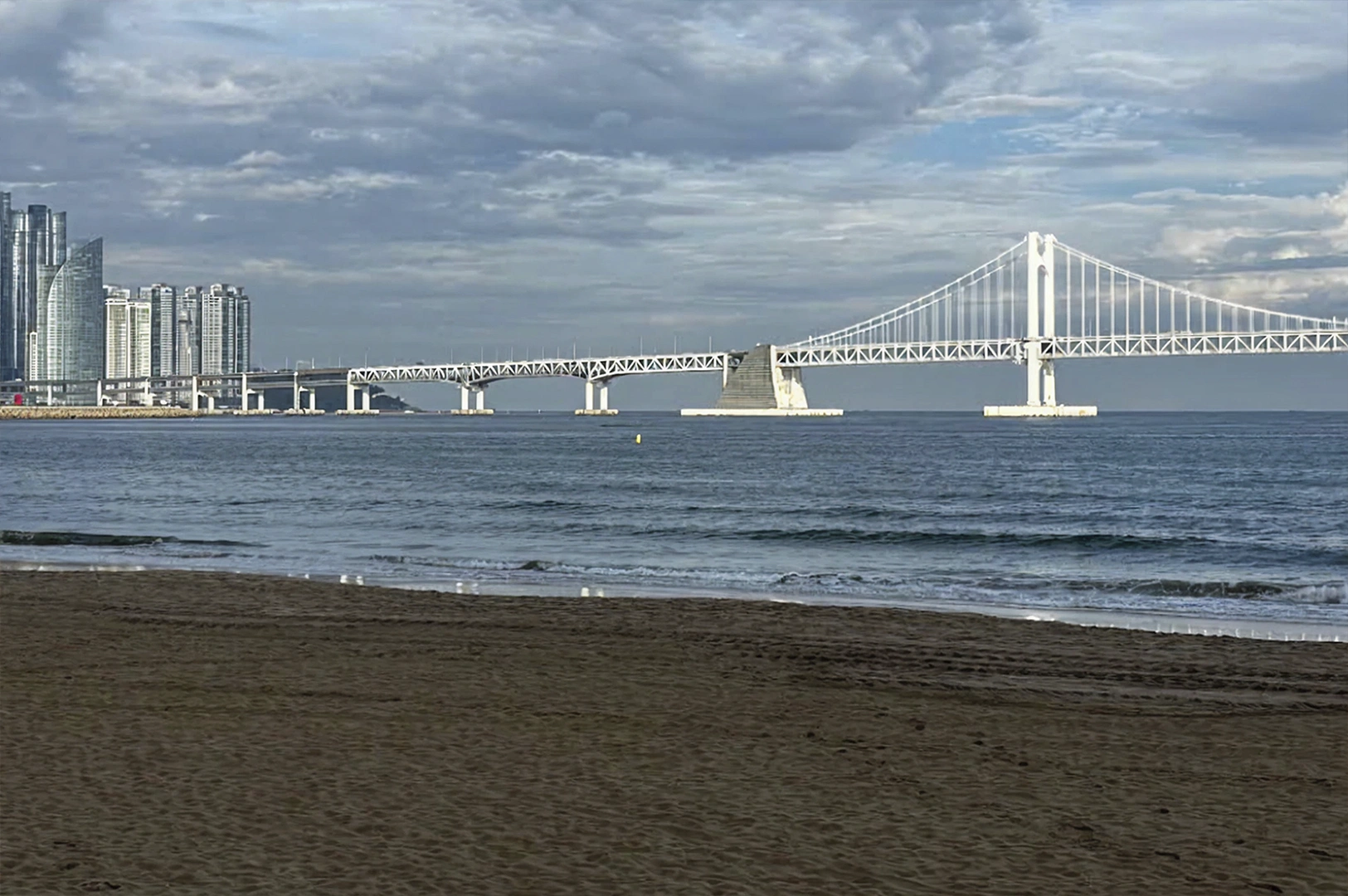
If Haeundae is Busan’s daytime anchor, Gwangalli Beach is its nighttime soul. It’s a 13-minute walk from Gwangan Station (Line 2, Exit 5).
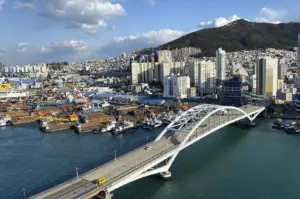
Gwangalli Beach is one of the most famous Busan attractions, known for its soft sand and incredible city views. The beach offers stunning vistas of the illuminated Gwangan Bridge and the vibrant city lights reflecting off the water at night, creating a memorable atmosphere. This is the place I recommend returning to multiple times. See it in the bright afternoon, return at the blue hour just after sunset, and sit on the sand late at night listening to local buskers. The waterfront is lined with cafés where you can sit for hours without feeling rushed.
Huinnyeoul Culture Village and Jeonpo Cafe Street: Hidden Gems and Cafe Culture in Busan
For true slow travel, Huinnyeoul Culture Village is my absolute favorite hidden gem. This coastal village, often called the ‘Santorini of Busan,’ features colorful blue and white buildings, vibrant street art, and stunning coastal views. It hangs on a coastal cliff in Yeongdo-gu, accessible via bus 7, 71, or 508 from Nampo Station (Exit 6). As you stroll through the picturesque lanes, you’ll also find charming souvenir shops offering local memorabilia, perfect for taking a piece of Busan home.
It is quieter and more intimate than Gamcheon. I spent an entire afternoon here, walking the Jeoryeong Coastal Trail below, before climbing the steep stairs to explore indie bookstores and tiny ocean-facing coffee shops.
If café culture is your priority, pair a morning here with an afternoon at Jeonpo Cafe Street back in the city. It is a hub of industrial-chic roasteries and quiet bakeries where you can read a book, sip a meticulously poured drip coffee, and watch the world go by.
Hiking and Outdoor Activities in Busan: Walking Trails and Coastal Walks
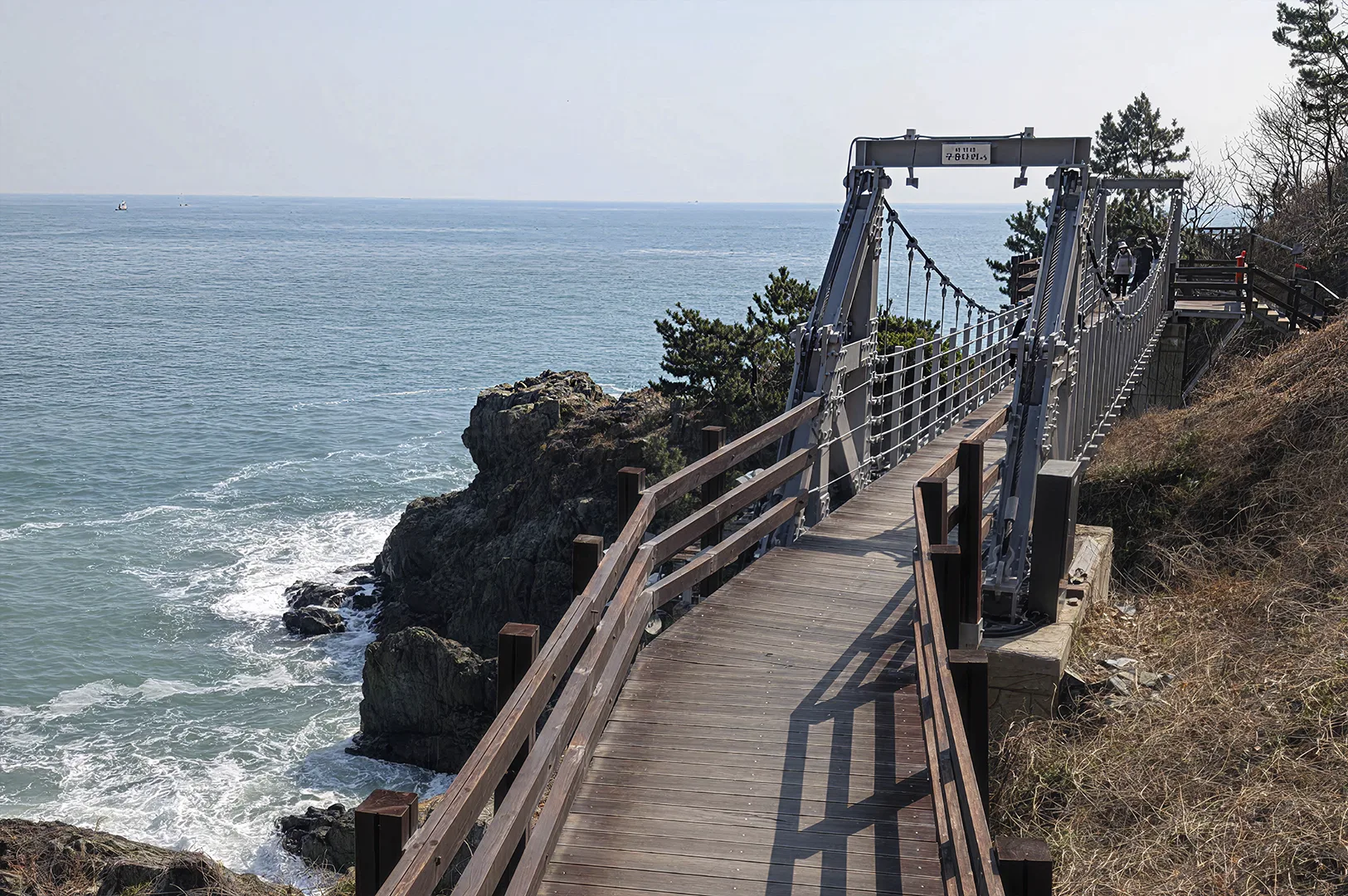
Busan offers a unique blend of urban energy and natural beauty, inviting visitors to slow down and connect with its coastal and mountain landscapes.
Igidae Coastal Walk: Scenic Coastal Trails in Busan South Korea
This scenic trail along rugged cliffs offers stunning ocean views and peaceful alcoves perfect for reflection and photography. The path weaves between city and sea, creating a serene walking experience.
Geumjeongsan Mountain: Forest Trails and Historic Fortress
Explore forest trails leading to the historic Geumjeongsan Fortress. The summit rewards hikers with panoramic views of Busan’s cityscape juxtaposed against lush green hills, embodying the harmony between nature and urban life.
Haeundae and Songdo Beaches: Famous Beaches and Coastal Walks
Early mornings at Haeundae Beach provide a tranquil setting as the city awakens. Nearby Songdo Beach features a coastal walkway that connects visitors to expansive sea views and fresh ocean air. Both beaches offer gentle rhythms of surf and sand for contemplative strolls.
Insider Tips for a Day Trip or Longer Stay: Visit Busan Pass and Must-See Attractions
The Power of Repetition: Don’t be afraid to revisit a spot. I had my best bowl of pork soup rice (dwaeji gukbap) by returning to a tiny, unnamed shop near my accommodation three days in a row.
Foodie Highlights:
Visit Gukje Market, one of Korea’s largest street markets, for souvenirs and to sample a wide variety of street food, including the popular ssiat hotteok (sweet seed-stuffed pancakes).
Try local specialties like milmyun, a dish of wheat noodles in cold broth unique to Busan.
Department stores such as Lotte and Shinsegae feature extensive food courts with diverse dining options, perfect for sampling different cuisines in one place.
Food lovers should check out Busan’s three one-star Michelin restaurants (Palate, Mori, Fiotto) and many Michelin-recommended spots for a range of exceptional dining experiences.
Don’t miss Busan’s thriving cafe culture—unique cafes with great views and delicious pastries are found throughout the city.
Art and Culture: If you need a break from the outdoors, consider visiting the Museum of Contemporary Art Busan (MOCA Busan). Situated on Eulsukdo Island, it marries nature and modern art in a beautifully quiet setting.
Spring Timing: If you visit in early April, the cherry blossom festival areas around Dalmaji-gil Road offer breathtaking, tunnel-like canopies of pink. Weekday mornings (9-11 AM) are quietest for walks here.
Alex tip: Walk the opposite direction of the crowds. At major spots like the Songdo Suspension Bridge, let the large tour groups pass, wait ten minutes, and you will often have the view entirely to yourself.
Practical Info: Getting Around Busan and Visit Busan Pass Benefits
Public transportation, Uber, or tour guides are the best ways to get around Busan. For short stays, using Uber or hired guides saves time. The Busan City Tour Bus offers a convenient hop-on hop-off option to see major tourist spots. If using the subway, make sure to have your T-Money card topped up.
Arrival and Transportation Options
You can arrive in Busan by KTX train from Seoul to Busan Station in the city center, with tickets available on the KORAIL website. If flying, you’ll land at Gimhae International Airport, about a 20-minute taxi ride to central Busan. Other travel options from Seoul include flights, buses, and cars.
Must-Visit Spots and Passes: BIFF Square, Busan Tower, and Lotte Department Store
BIFF Square: Busan International Film Festival and Street Food Hub
Named after the Busan International Film Festival, BIFF Square is a lively city center area known for its street food, shopping, and local culture—a must-visit for an authentic Busan experience.
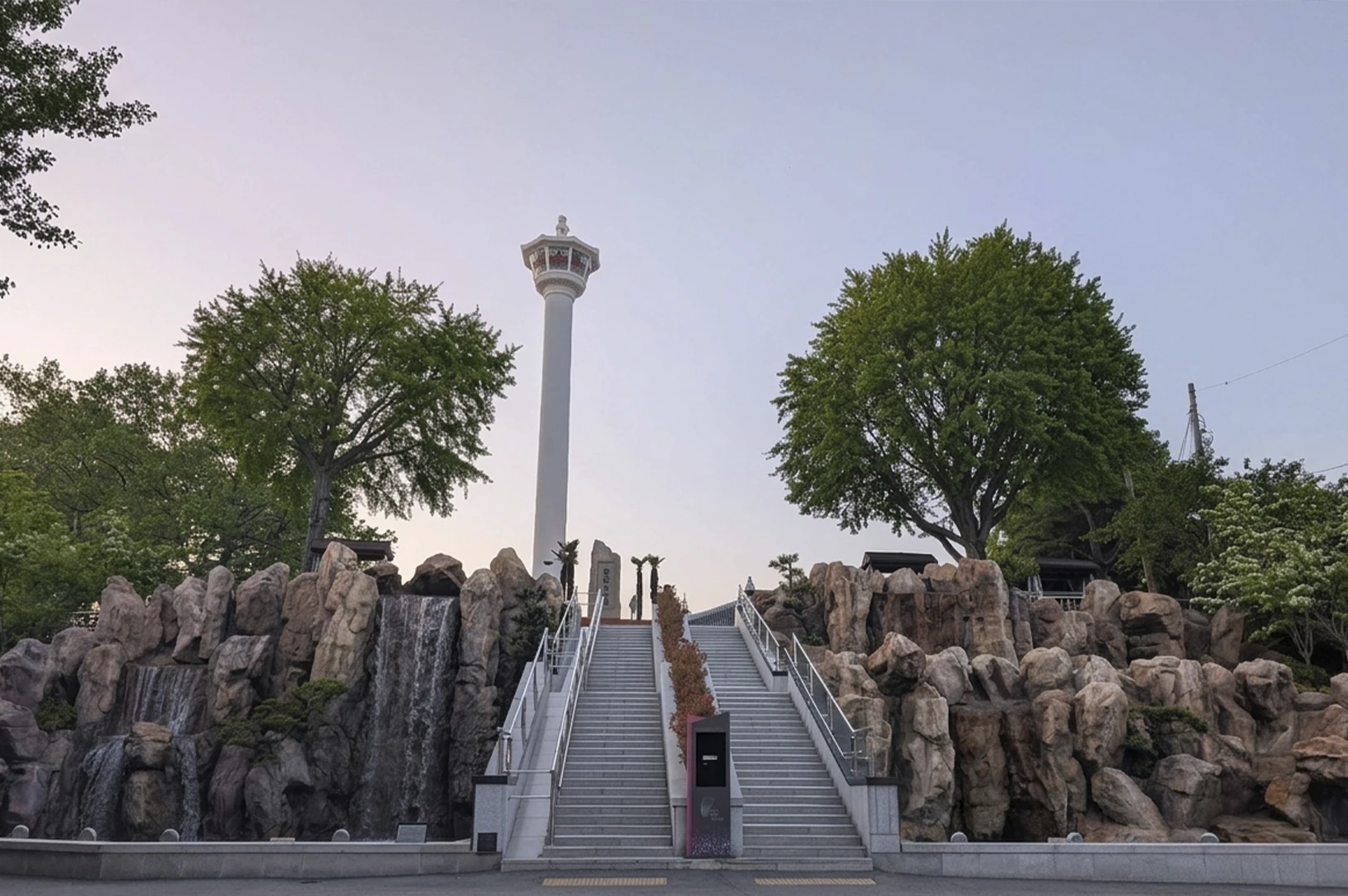
Busan Tower and Yongdusan Park: Incredible City Views in Busan South Korea
Busan Tower, located in Yongdusan Park, offers panoramic views of the city’s skyline, harbor, and surrounding mountains. It’s a classic landmark and a great spot to appreciate Busan’s sprawling urban landscape.
Lotte Department Store: The World’s Largest Department Store and Food Court
Recognized as the world’s largest department store, Lotte Department Store in Gwangbok-dong offers the latest Korean trends, diverse amenities, and a unique shopping experience. Its extensive food court is perfect for sampling a variety of cuisines and taking a break from sightseeing.
In a Nutshell: An Unforgettable Busan Trip in South Korea
Busan does not need to be conquered. It is a city that softens the longer you stay. When you stretch your timeline to a week, you stop worrying about missing out. You realize that watching the sunset slowly fade behind the Gwangan Bridge, or having a quiet conversation with a barista in Yeongdo, is exactly what travel should be. Settle in, grab a coffee, and let Busan reveal itself to you at its own pace.