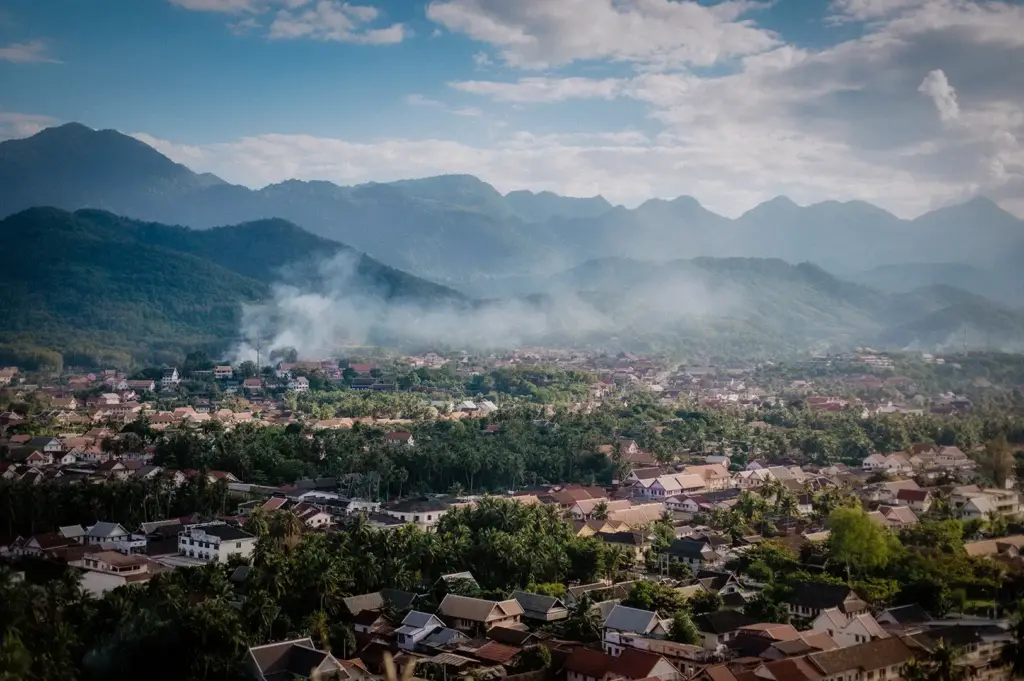
The first time I went to Luang Prabang, I packed the way I pack for anywhere in Southeast Asia. T-shirts, shorts, one pair of sandals. I assumed the weather in Luang Prabang would feel like Singapore with fewer malls.
It was January.
On my first morning, I woke before dawn to watch the monks collect alms along the main street. The air was cool and damp. I stood there in a thin cotton shirt, arms folded, wishing I’d brought anything with sleeves. By noon, I was sweating on the walk to Wat Xieng Thong. By evening, I was cold again.
I bought a scarf at the night market that night. I still have it.
That trip taught me something simple. Luang Prabang weather isn’t hard to pack for. It just changes more across a single day than most Singaporeans expect.
In this guide we will cover what each season actually feels like, how to pack by season and by time of day, a small day-bag kit that handles most surprises, and the mistakes I made, so you don’t have to.
What Luang Prabang Weather Is Actually Like
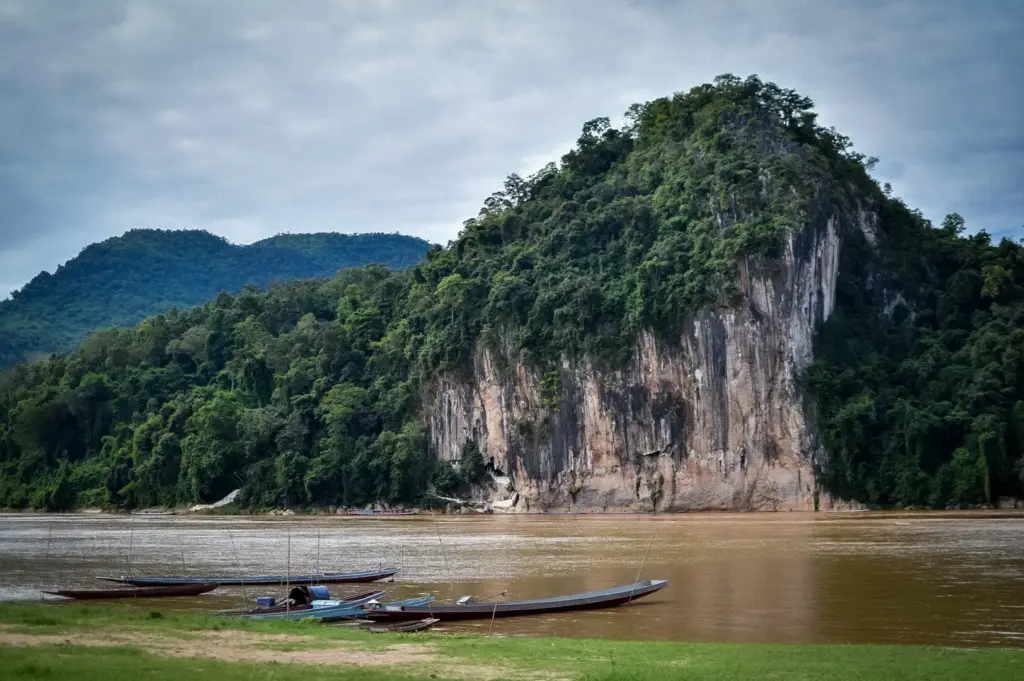
Luang Prabang Province has a tropical climate, but it isn’t the same all year. Long-term averages put temperatures between roughly 14°C and 34°C. January is usually the coolest month. April is usually the hottest.
These are climate averages, not a promise for your trip. I treat them the way I treat an almanac—useful for broad patterns, not specific predictions. Still, they tell you what to expect.
November to February: Cool and Dry
This is the season that surprised me. Days are pleasant, with average highs around 26–27°C. But January nights drop to around 14°C on average. For walking, this is the most comfortable window. Just don’t leave home without a light layer.
March to May: Hot
The heat builds. April’s average high sits around 34°C, and humidity rises toward the end of the season. I visited once in late April. I walked in the early morning, rested through the afternoon and only came back out after the sun dropped behind the hills.
June to September: Wet and Green
This is the rainy season. August is the wettest month, with measurable precipitation on about 18.6 days on average and roughly 163mm of rain. That sounds bleak. It isn’t. The rain tends to come and go. The hills turn deep green, and the town feels quieter.
October: The Changing Month
October is the in-between. It starts wet and ends drier. The chance of a rainy day falls from about 31% at the start of the month to around 15% by the end. Expect daytime highs near 30°C, nighttime lows near 20°C, and around 11 rainy days in total.
October also brings one of the world’s loveliest small-town nights. The full moon that marks the end of Buddhist Lent often falls in October, and Luang Prabang fills with handmade lantern boats floating down the river. If you’re there for it, pack for both a shower and a long evening outdoors.
The takeaway: the same town can feel like three different places depending on when you go.
How to Pack for Luang Prabang by Season and Time of Day
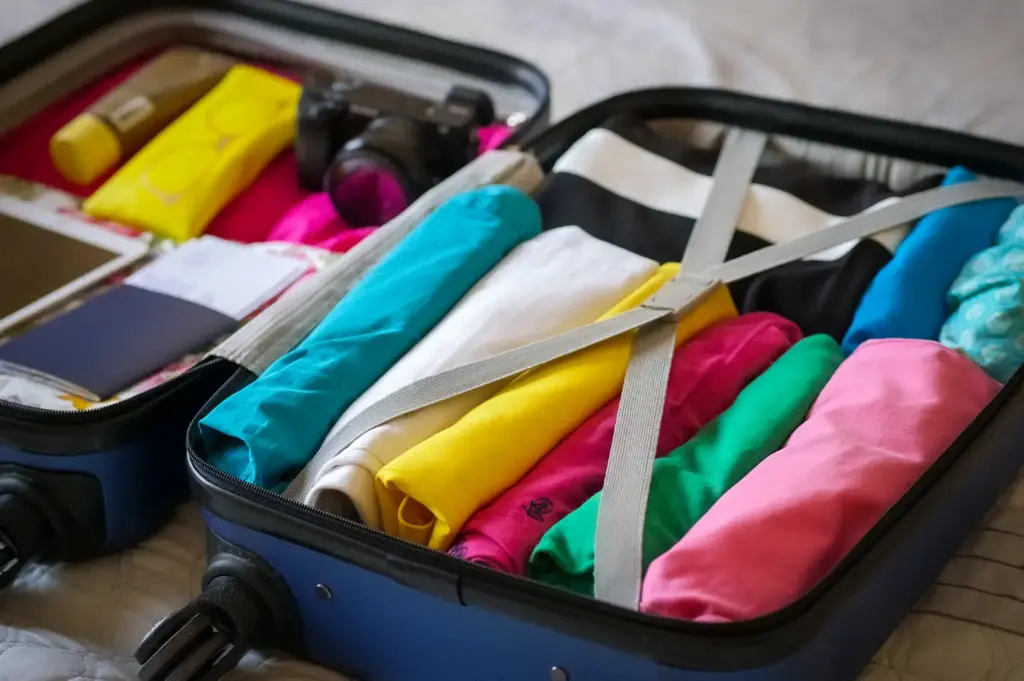
I now pack in two layers of thinking. First, the season. Then, the hours.
Step 1: Pack for the Season
Season | What It Feels Like | What to Prioritize |
|---|---|---|
Nov–Feb | Cool mornings, warm days | Light jacket, long pants, walking shoes |
Mar–May | Hot, increasingly humid | Breathable clothes, hat, sunscreen |
Jun–Sep | Wet, cloudy, green | Rain jacket, umbrella, quick-dry clothes |
October | Wet turning dry | Light clothes plus rain protection |
Step 2: Pack for the Time of Day
Early morning: Often the coolest part of the day, especially in the dry season. This is when you’ll want sleeves.
Midday: Usually the warmest. I use these hours for long lunches, a café by the Nam Khan or the Royal Palace Museum.
Late afternoon: My favorite time to walk temples and the riverside, or to climb Mount Phousi before sunset.
When you let the weather shape your day, you stop fighting it. That alone makes a trip feel slower.
Pro tip: Plan your outdoor walks for early morning and late afternoon. Save midday for meals and indoor places. You’ll see more and tire less.
The Small Weather Kit I Keep in My Day Bag
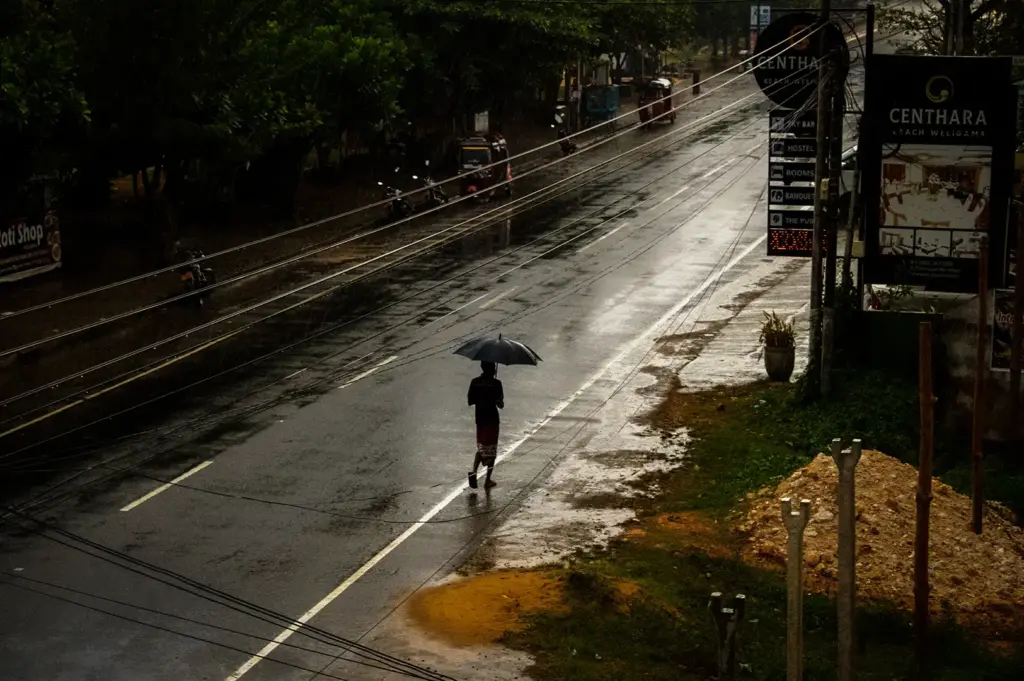
I used to carry a large backpack full of “just in case” items. Now I carry a small bag with only this:
A foldable umbrella
A reusable water bottle
Sunscreen
Mosquito repellent
One light layer
A waterproof phone pouch
That’s it. It handles a cool dawn, a hot noon and a sudden shower without weighing me down.
Insider knowledge: In the rainy season, a waterproof pouch matters more than a big rain jacket. Your clothes will dry. Your phone might not.
Cloud Cover, Sunrise and the Sun
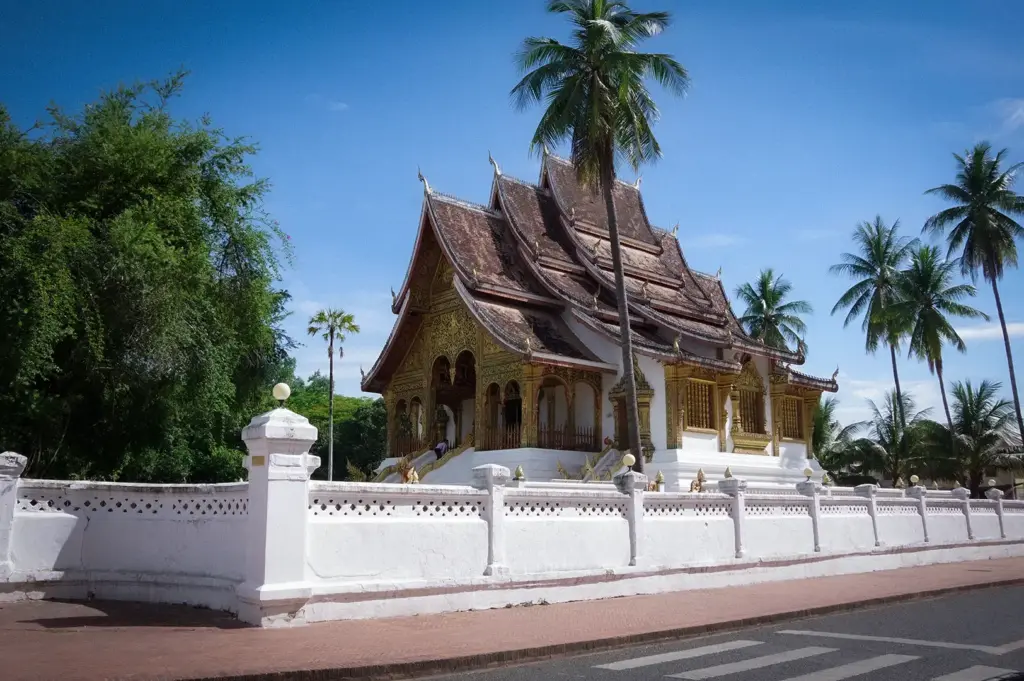
Cloud cover changes a lot through the year. February tends to have the clearest skies. July is among the cloudiest months. October sits somewhere between.
This matters if you care about sunrise from Mount Phousi, river sunsets or temple photos in soft light.
But I’ve learned not to treat clouds as bad news. One overcast August afternoon, I walked the length of the peninsula without once reaching for my hat. The light was flat and gray. The air was gentle. It was one of the best walks I’ve had there.
A cloudy day isn’t a lost day. Often, it’s a cooler one.
Air Quality: A Separate Check From the Weather
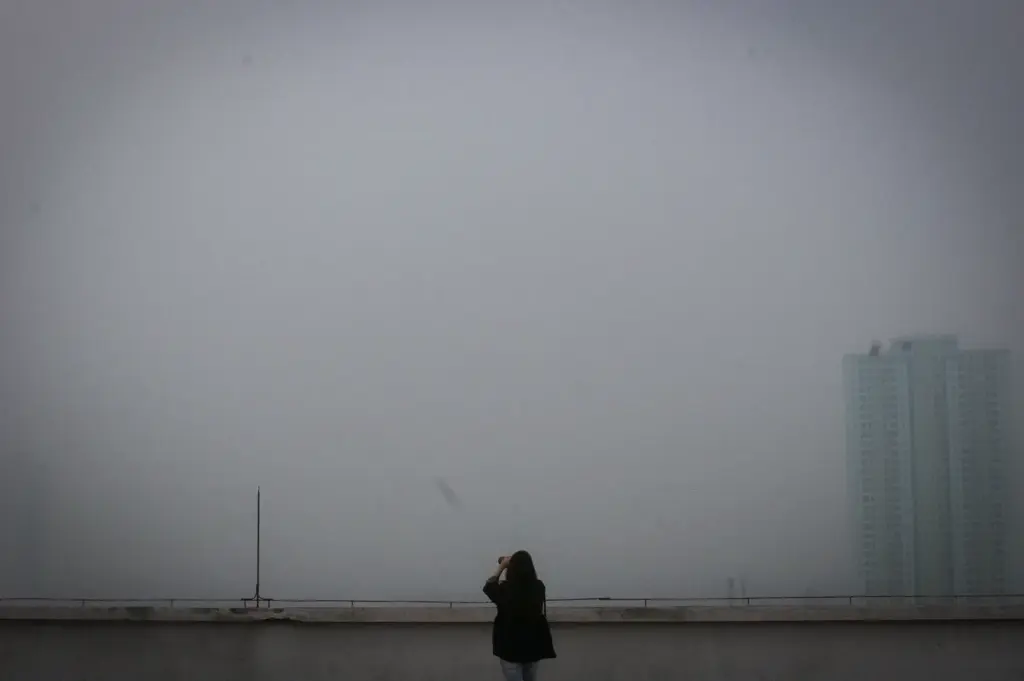
This is something I didn’t think about on my first trip. Luang Prabang’s weather and its air quality aren’t the same thing.
Agricultural burning across northern mainland Southeast Asia can affect the air during certain periods. The sky might look fine and the temperature might feel pleasant, while the air quality is poor.
So I check two things before a long day outdoors: the weather forecast and a current air quality reading. Most weather apps display both—look for it alongside the temperature and precipitation figures. I don’t trust any single annual figure. Conditions shift day to day.
If the reading is poor, I swap a hike for a slower day in town. If you have asthma or other breathing concerns, pack a few masks and any medication you rely on.
What “Feels Like” Means on the Ground
Most weather apps show two numbers: the actual temperature and what it “feels like.”
The feels-like figure accounts for humidity, wind and sun exposure. A 30°C afternoon with high humidity and no shade can feel much harsher than 30°C on paper.
Here’s how I use it:
If the feels-like number is far above the temperature, I shorten long walks.
If winds are light, say under 10 km/h, the heat tends to sit heavier and still air makes the humidity more uncomfortable.
A breeze off the Mekong can make the same temperature feel kinder.
Temperature alone shouldn’t decide your day. The feels-like number tells you more about how your body will cope.
Reading a 10 Day Forecast Without Overtrusting It
A 10-day forecast is useful for spotting broad patterns. It becomes less reliable the further out you look.
This is the rhythm I follow:
10 days before: Check general trends. Rainy week or dry week?
3–5 days before: Adjust your packing.
The day before: Look at the hourly forecast.
The morning of: Check again before you leave.
Beyond temperature, look at precipitation, cloud cover, wind (useful before a river trip), the feels-like figure and air quality. I use a couple of different apps and cross-check them—no single weather company gets it right every time in this part of Laos.
Some apps also show the moon phase. I noticed it once by accident. The forecast showed a waning crescent, and when I walked out at 5:30am for the alms procession, the street was almost fully dark. I was glad of my phone torch and a jacket.
The takeaway: forecasts are variable. Use them to prepare, not to predict.
Common Packing Mistakes I’ve Made
Packing only summer clothes. My January mistake. Bring at least one pair of long pants and a light jacket for November to February.
Bringing heavy rain gear. On my second trip, I packed a thick waterproof jacket. I wore it once and carried it everywhere else. A light rain shell or compact umbrella is enough.
Wearing only sandals. Luang Prabang has uneven streets, temple steps and paths that get slippery after rain. Bring one pair of shoes with real grip.
Forgetting temple clothing. I once had to turn back from a temple gate because my shorts were too short. Now I pack bottoms that already cover my knees.
Canceling a rainy day entirely. Rain in August rarely lasts all day. Walk while it’s dry, shelter over lunch when it pours and go back out once it passes.
Dressing for Temples in Luang Prabang
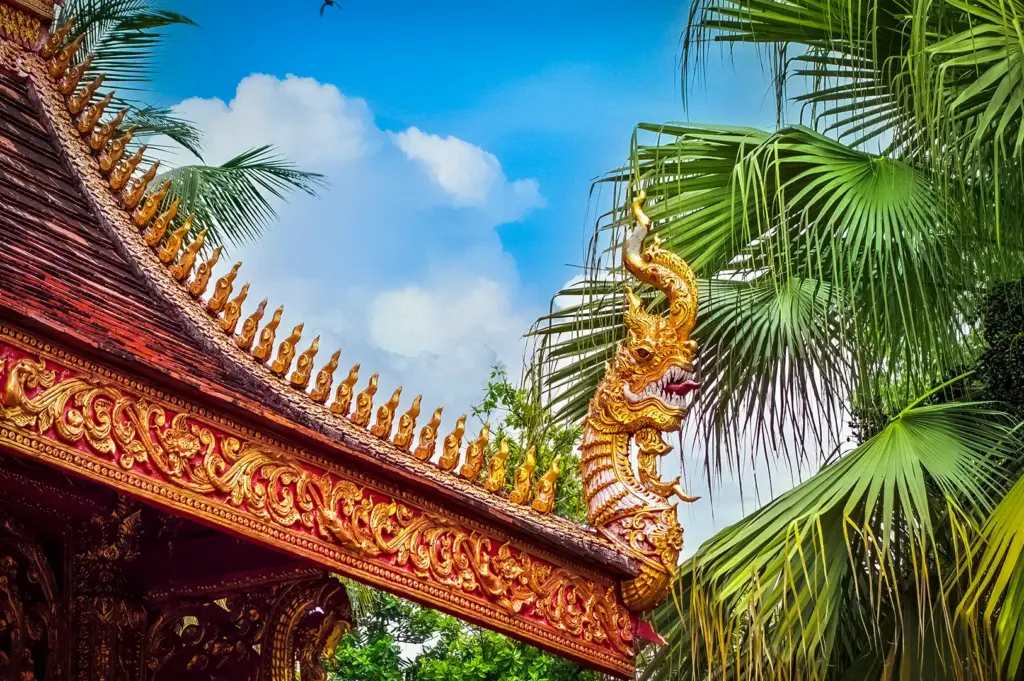
Luang Prabang has a living Buddhist culture. Temples here aren’t just stops on a route. People pray in them every day.
When visiting, cover your shoulders and knees. Avoid very short shorts, crop tops and beachwear.
I’d suggest skipping a separate “temple outfit.” Instead, pack clothes that work for both the weather and the temples:
Lightweight long pants or a loose long skirt
Breathable shirts with sleeves
A thin scarf for extra cover
You’ll stay cool, comfortable and respectful without changing three times a day.
Why Variation Matters More Than Heat for Singaporeans
We know heat. We know humidity. We know sudden afternoon rain.
What we don’t often deal with is range. In Singapore, the temperature barely moves between dawn and dusk. In Laos, especially in the cooler season, a single day can swing more than 10 degrees.
That’s the real adjustment. You aren’t packing for heat. You’re packing for change.
If you’re planning a longer trip through the region, the same idea of matching your base to your pace applies elsewhere, you can read more about it here.
A Quiet Last Thought
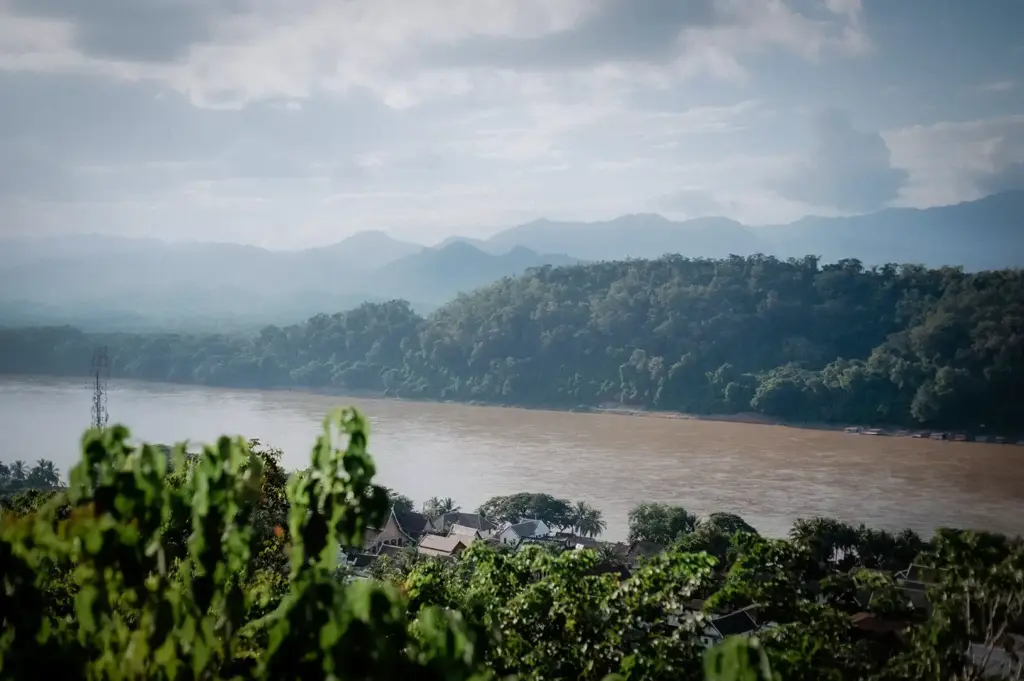
On my most recent trip, I sat at a riverside café one October afternoon as a short storm rolled through. The rain hammered the tin roof. The waiter brought another coffee without asking. Twenty minutes later, the clouds broke, and the light came back gold across the water.
If I’d packed wrong, I’d have been back at the guesthouse, annoyed. Instead, I had an umbrella in my bag and nowhere else to be.
That’s really what packing for Luang Prabang weather comes down to. Not predicting every shower, but leaving room for the weather to change your plans.
Pack light. Bring a layer. Check the forecast the night before.
Then let the day unfold as it will.