When I first visited Otaru, a charming town known for its exquisite glass craftsmanship and historic buildings, I made the common mistake of treating it as a quick day trip from Sapporo. I arrived at JR Otaru Station late morning, walked Sakaimachi Street, photographed the Otaru Canal at dusk, and left before dinner. I saw the town but didn’t experience it fully. Otaru offers much more than a checklist of sights—it invites slow exploration.
Years later, I returned for ten days to let the town set my pace. Known for the blend of local specialties and stunning glass products, Otaru is best savored slowly, one meal, one street, one quiet moment at a time.
This guide reflects those ten days, showing how Otaru food shapes the rhythm of a slow traveler and how settling in changes your connection to the town.
Where Canal Reflections and Culinary Stories Unfold
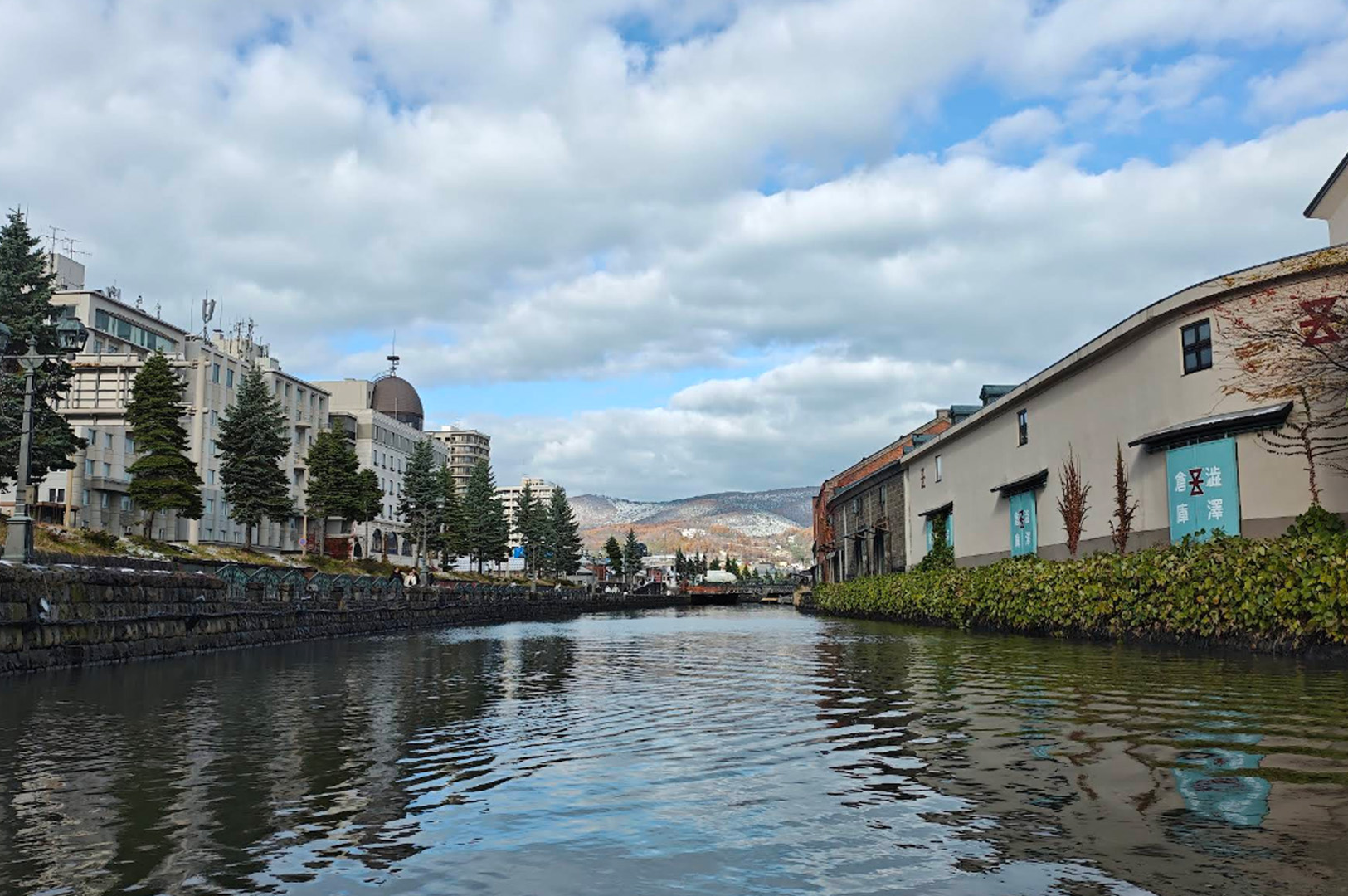
Mornings along Hokkaido’s coast bring a special calm. The Otaru Canal’s still waters reflect weathered stone warehouses that once thrived with cargo and commerce at Otaru Port. In the early light, the water carries the weight of their stories without hurry. Evening light creates a different dialogue between water and stone, unfolding slowly for those who pause to capture the perfect shot.
Walking these streets reveals a city shaped by what it knows best. Glass craftsmanship thrives here—not cheap souvenirs, but deliberate artistry that truly makes Otaru unique. The scent of fresh fish mingles with the sweet warmth of cream pastries cooling in bakery windows, mapping a sensory story unique to this place. Each bite, each crafted glass piece, each quiet moment by the canal adds layers to understanding Otaru—not just as a destination, but as a way of being present to its subtle beauty.
Planning a Day Trip from Sapporo to Otaru Station
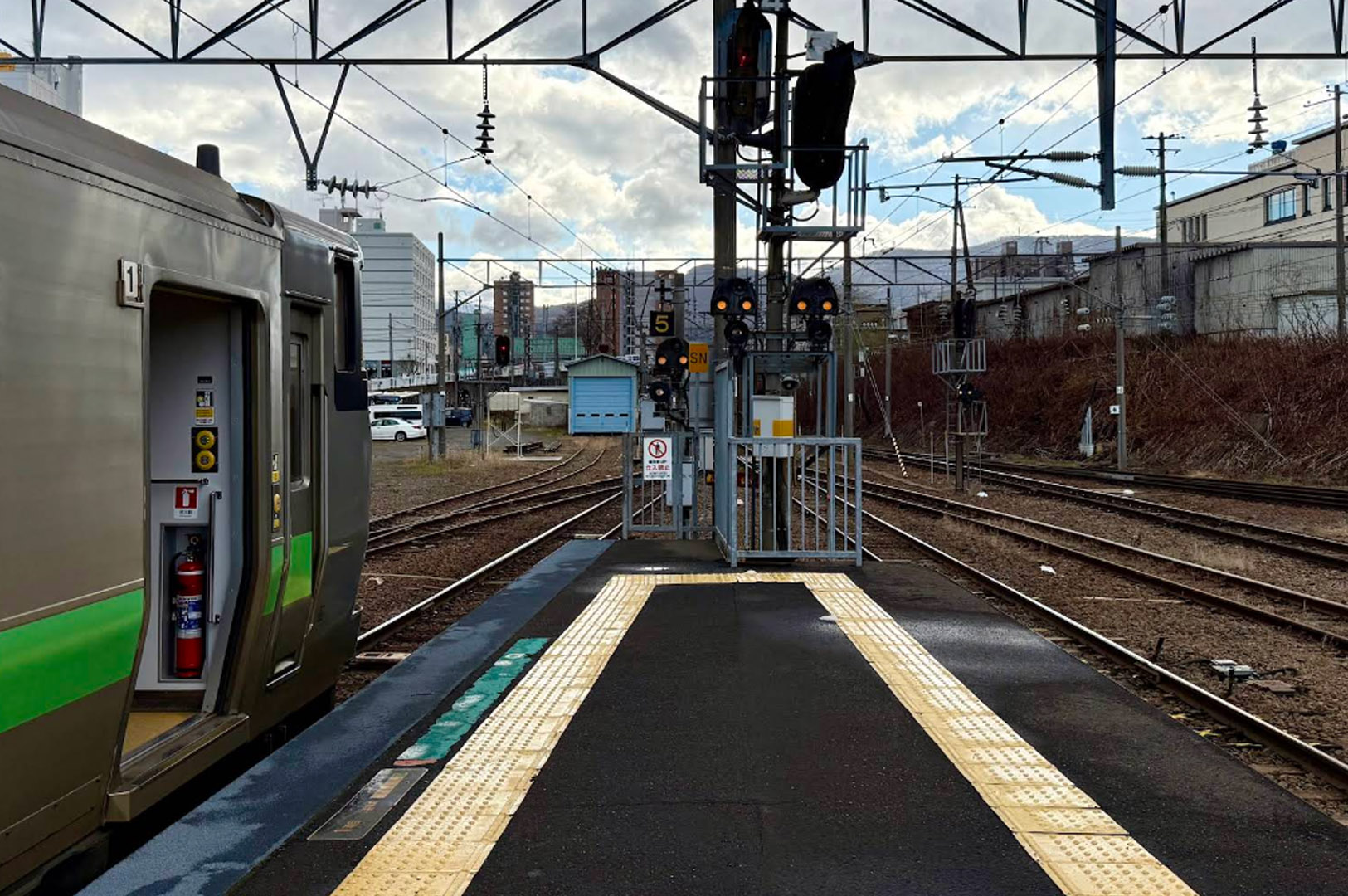
The morning train from Sapporo follows the coastline, where land meets sea in endless conversation. The thirty-minute journey transitions from urban rhythm to quieter, measured pace. Arriving at JR Otaru Station, you sense a place inviting slower movement, where intimate streets reveal stories to those who listen.
The canal draws you first, flowing unhurriedly between stone embankments and historic warehouses. Time pools here, allowing space for quiet observation. The Otaru Museum, just a short walk from the canal, holds fragments of sea life and the town’s maritime past, while Sakaimachi Street offers artisan workshops, fresh pastries, and natural conversations. In winter, seasonal events like the Otaru Snow Light Path Festival light the streets, revealing yet another facet of Otaru’s character. Here, meaning accumulates gently through presence, not pursuit.
Otaru Food as the Anchor of Each Day: Savoring Local Specialties
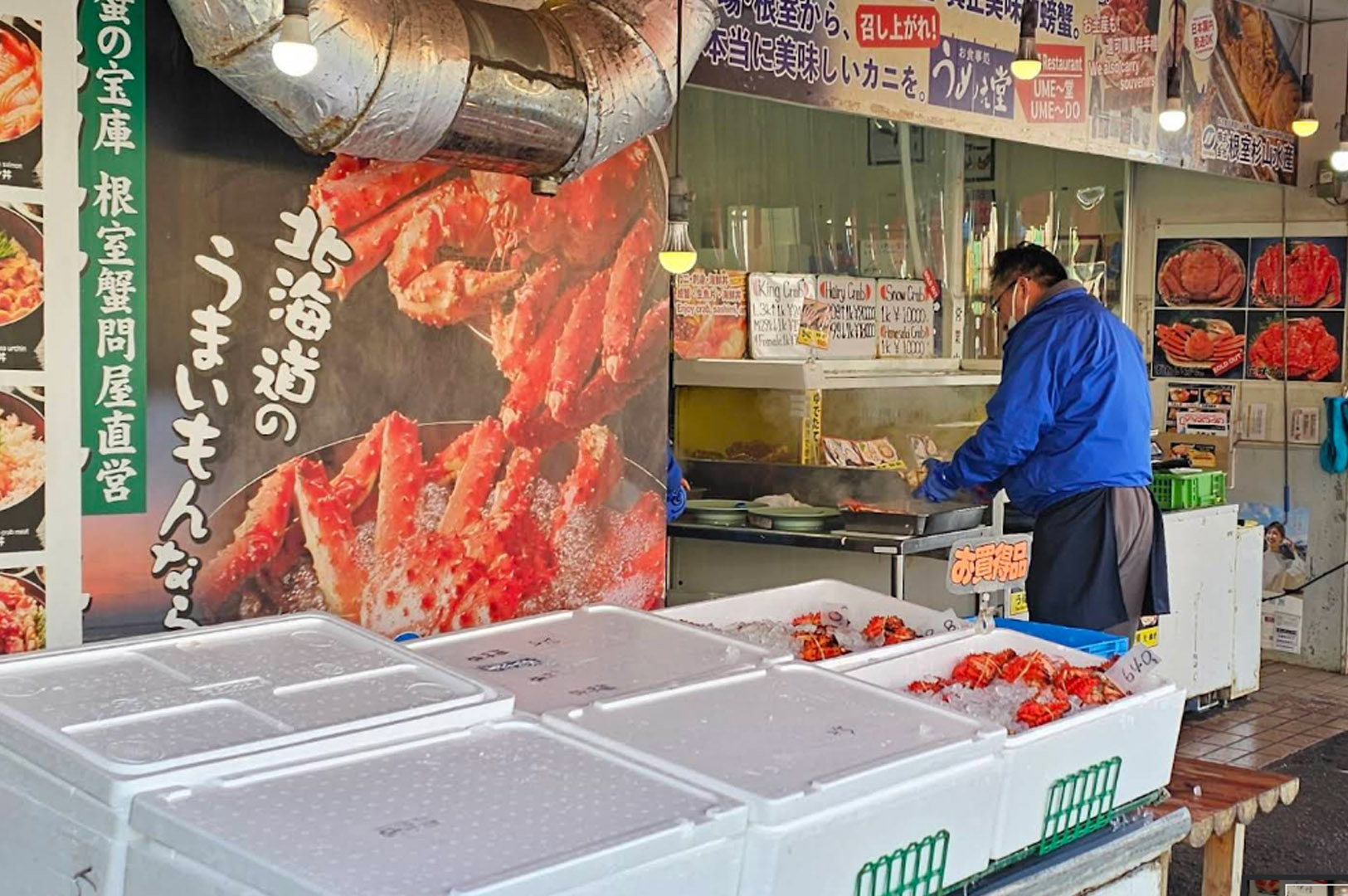
In slow travel, food is more than fuel—it anchors your day. Unlike tourists rushing from spot to spot, staying in Otaru for ten days taught me to appreciate the local food scene at a relaxed pace. Instead of chasing the “best” restaurant, I found places supporting a daily routine.
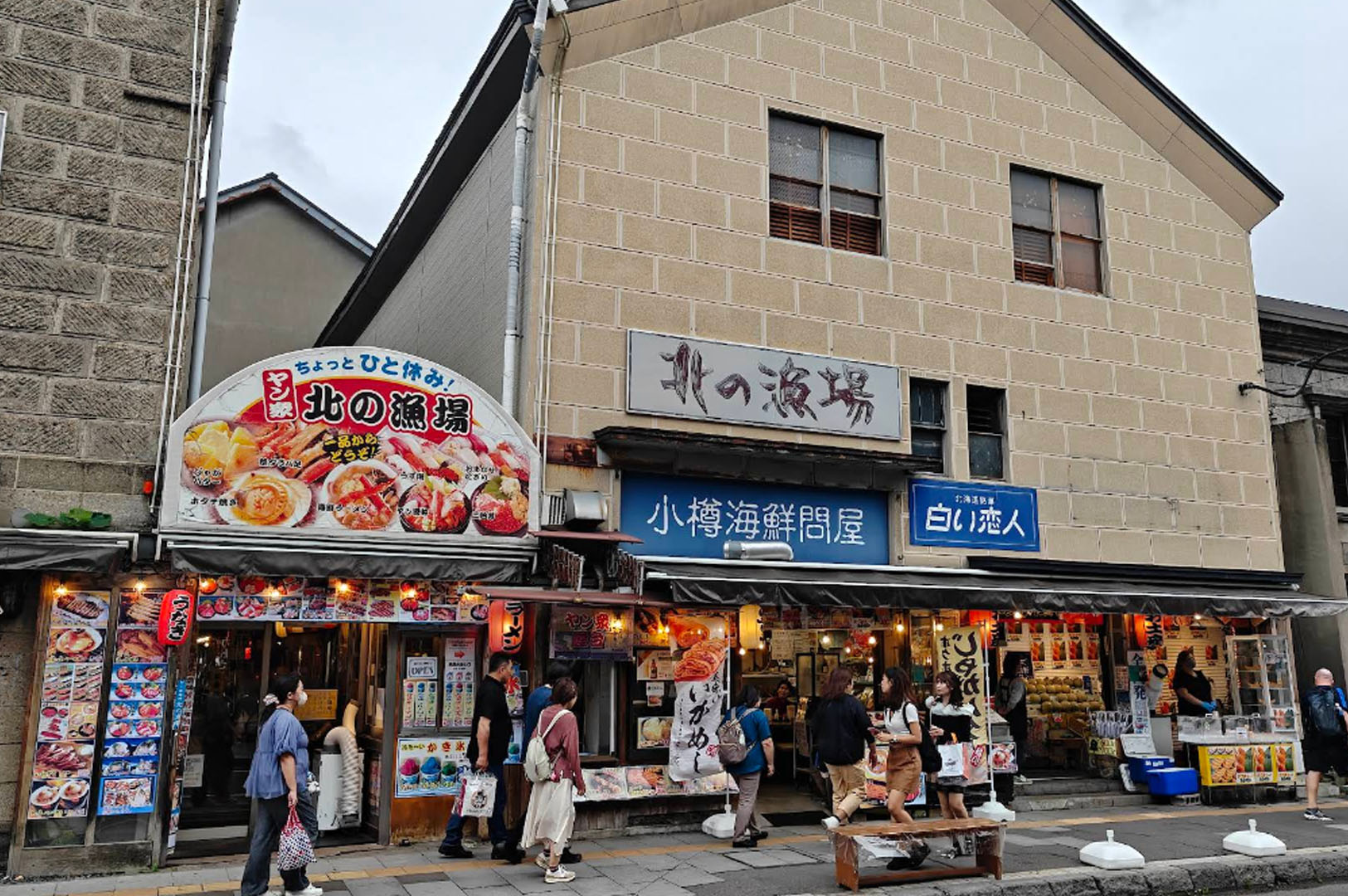
Mornings often began near Otaru Station at the seafood market, a beloved spot filled with fresh scallops, uni, and crab. A simple seafood bowl, or kaisendon, around ¥2,000 became a ritual. The cold air sharpened senses, and eating fresh seafood while watching vendors prepare their stalls grounded me in the port town’s reality.
Otaru food reflects its environment. The cold Sea of Japan waters mean seafood needs little intervention. A breakfast of grilled fish and rice at a family-run diner revealed more about local culture than any tour.
Otaru also offers diverse restaurants and cafes showcasing local specialties and unique dining experiences.
Alex Insider knowledge: Don’t feel pressured to eat elaborate seafood every morning. Some of my best breakfasts were fresh pastries and hot coffee (~¥500) enjoyed walking the harbor. Naruto Main Shop is a must-visit for iconic fried chicken, beloved by locals and visitors alike. Another comforting dish is Ankake Yakisoba—fried soba noodles topped with a savory seafood sauce.
Repetition Over Variety: A Slow Traveler’s Approach in Otaru
Travelers, especially from fast cities like Singapore, often feel pressure to maximize every meal with variety. I found the opposite yields richer experiences. Returning to a quiet cafe four times built familiarity; the owner knew my order, and the coffee tasted better paired with connection.
Similarly, visiting a small six-seat sushi counter twice changed my role from tourist to recognized guest. The chef offered seasonal fish not on the menu. This depth comes only with staying still.
The Space Between Activities: Strolling Along the Former Temiya Line
Removing sightseeing pressure reveals the town’s true character in quiet intervals. Instead of crowded souvenir shops, I spent hours walking the former Temiya Line’s preserved tracks—a shaded path through town. No grand monuments, just locals walking dogs and daily life’s hum.
Afternoons on a bench near the canal, ignoring main photo spots, became an activity. Watching light shift on water and shadows lengthen was meditation. Slow travel invites value in the mundane.
Exploring Otaru’s Historic Buildings and Museums
Otaru’s quiet streets invite gradual discovery. The canal’s measured rhythm, morning light on still waters, and silent warehouses now home to artisans and cafés reveal character through small sensory moments—the texture of stone, shifting shadows.
The Otaru Museum offers quiet reflection on the town’s evolution from bustling port to cultural sanctuary. The Music Box Museum pauses time with melodies drifting through rooms of delicate mechanisms, while the Otaru Steam Clock’s chimes mark moments to savor.
The Former Mitsui Bank Otaru Branch, now the Otaru Art Base, blends western art traditions and local creativity. Its grand walls hold space for slow discovery, letting art speak to the soul. These places invite presence, not checklist completion, allowing understanding through attentiveness.
Shopping and Dining on Sakaimachi Street
Sakaimachi Street’s light catches on glass and wood, revealing itself slowly to those who notice. Workshops shape molten glass and delicate music boxes, creating a quiet conversation between tradition and now. Shops are spaces where local hands craft objects carrying deeper meaning—glassware holding the breath of its maker, trinkets bearing time and care.
The street’s culinary landscape unfolds through senses: steam rising from fresh pastries, sushi masters’ unhurried devotion transforming eating into meditation. Small ramen shops nourish with ritual as important as broth, while patisseries offer quiet celebrations like the famous Double Fromage cheesecake. At Otaru Masazushi, chef and ingredient interplay shows food as language of place, seafood speaking of surrounding waters.
Here, sustenance invites tasting not just flavor but the patient rhythms giving meaning to place.
Discovering Hidden Gems and Local Artisans in Otaru
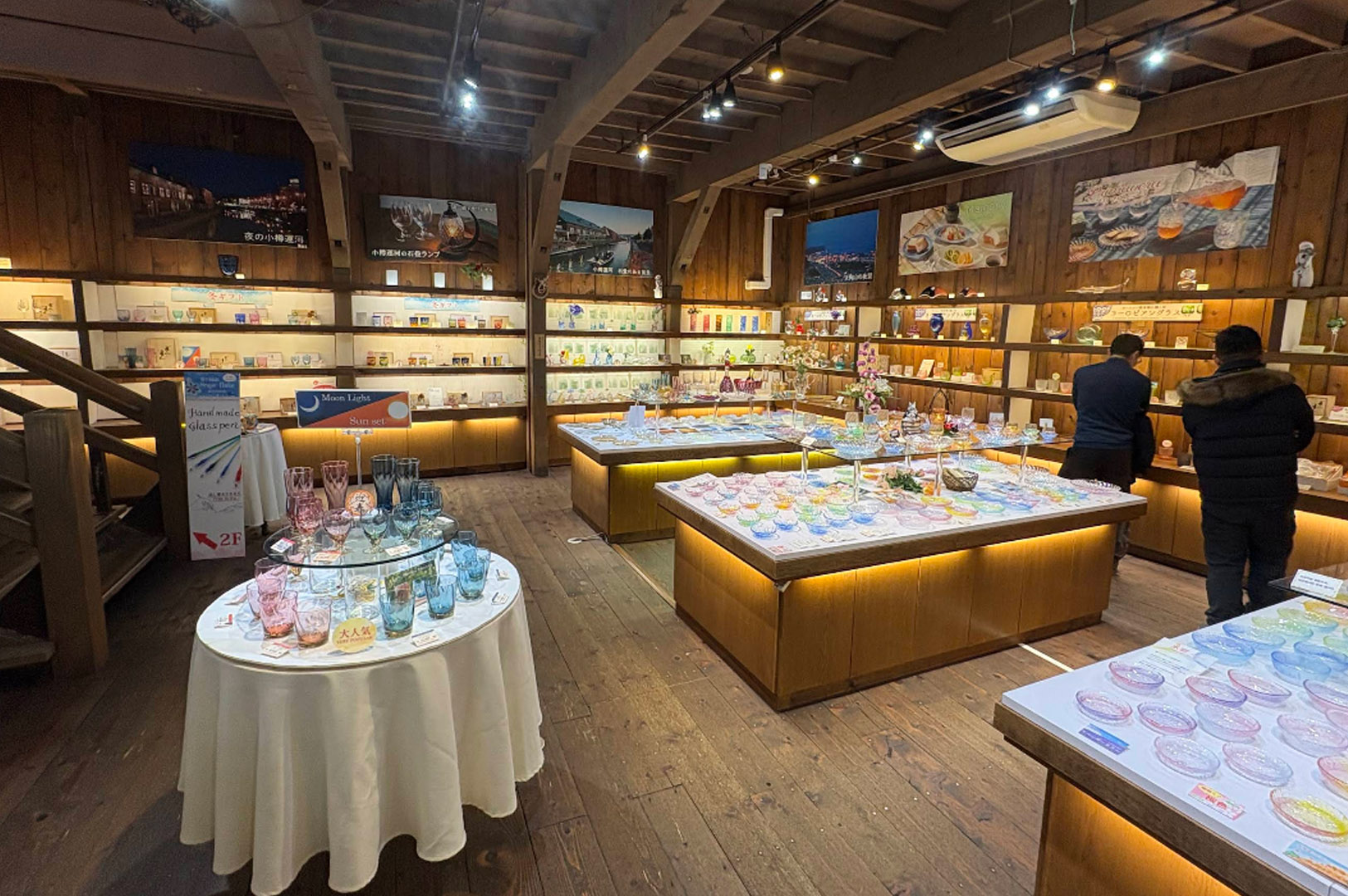
In Otaru’s quiet corners, artisans continue patient creation. Their hands move with certainty from years of material understanding—glass yielding to gentle persuasion, wood revealing grain through care, clay responding like conversation.
The Otaru Art Base reveals this world gradually, each piece carrying hours of work and wisdom. Beauty emerges not through haste but presence. In workshops like Kitaichi Glass, fire and sand dialogue as always. Molten glass catches light like captured sunlight, cooling into forms remembering liquid origins.
Watching artisans is meditation on transformation, patience coaxing grace from raw material. Pieces carry not just skill but knowledge passed quietly from teacher to student, understanding some things cannot be hurried. Moving through studios, appreciation comes from witnessing—being present with those dedicating lives to beauty.
Food as Memory, Not Just Experience in Otaru
Meals often become fleeting experiences to document and forget. In Otaru, food ties deeply to memory and season.
Eating Double Fromage cheesecake at a quiet table—away from LeTAO’s main store crowds—is pausing. It’s warmth contrasting biting cold, the texture of Hokkaido dairy remembered months later in humid Singapore.
Otaru hosts many shops selling traditional sweets and snacks, perfect for food lovers. Rokkatei’s Marusei Butter Sandwiches, rich butter and cream filling, are signature treats. Kitakaro’s crispy cream puffs and baumkuchen are beloved snacks. Chocolate lovers find varied treats citywide. Try Kitaichi Glass’s multi-layered colorful soft serve or other ice cream options on Sakaimachi Street.
Ordering mid-range sushi omakase (¥6,000–¥12,000) here feels different than in major cities. No rushed seating; the chef works with quiet focus. You pay for time and atmosphere as much as fish.
Embracing the Slow Rhythm: A Day Journey Through Otaru’s Heart
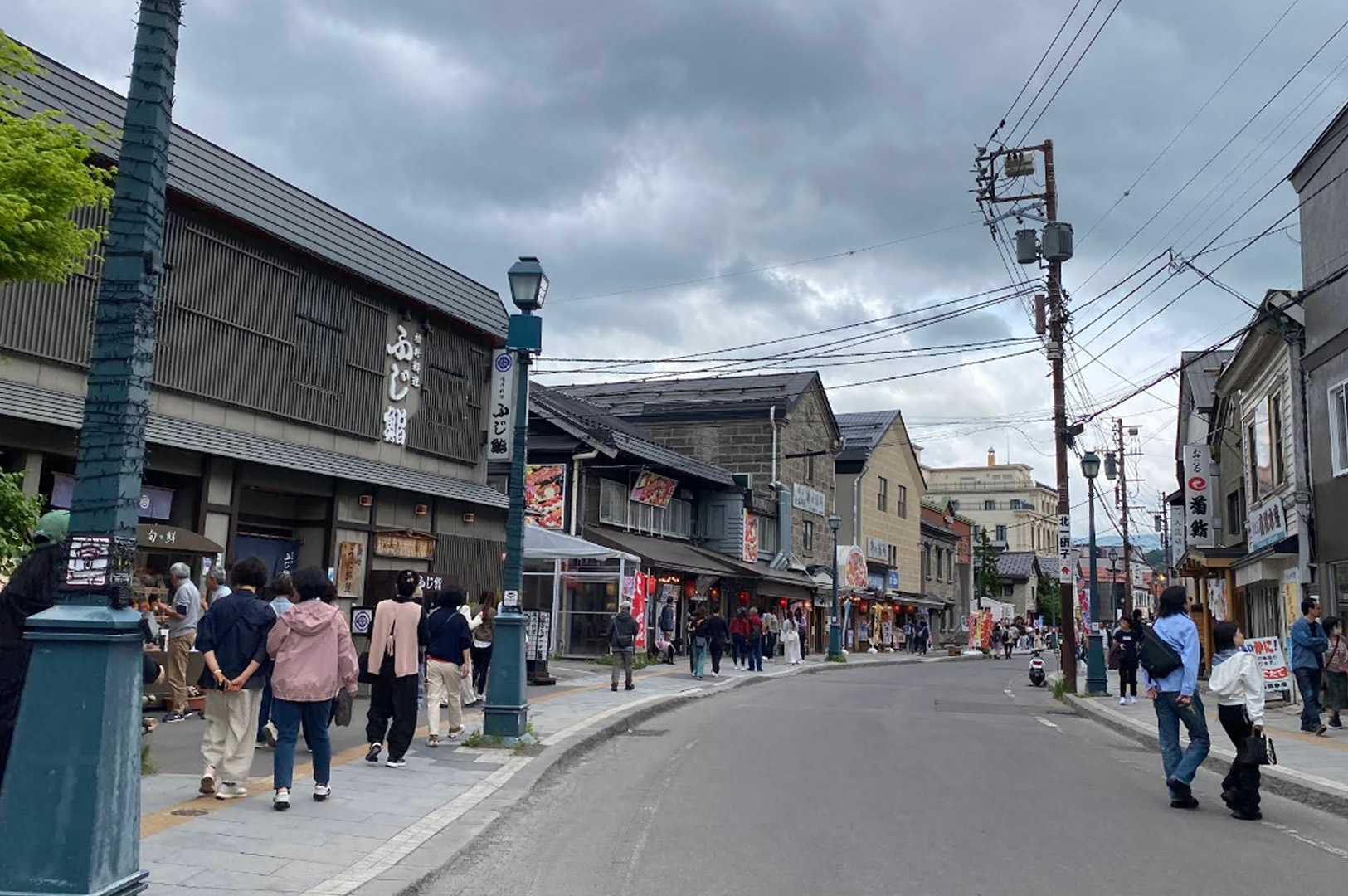
Planning an extended stay? Avoid rigid itineraries. Think daily flow.
Morning: Wake without alarm. Visit a local market or bakery. Eat simply. Walk streets before day-trippers arrive. Start at Sakaimachi Street, a well-preserved merchant street with ~90 shops offering diverse goods.
Afternoon: Wander aimlessly. Explore hidden gems in residential areas. Visit a museum or find a café to read. Visit main buildings like the Nitori Museum for unique atmosphere and architecture. Snack on cream puffs or melon soft serve around 3 PM. Check seasonal events for deeper cultural insight.
Evening: Eat early. Traditional restaurants and izakayas open 5 PM, close ~8:30 PM. Choose a small sushi counter or warm ramen bowl. After dinner, stroll snow-lined streets before returning.
Alex tip: Limit planned activities or restaurants to one per day. Leave the rest open to discovery. Best moments happen without schedules.
Avoid These Common Pitfalls to Truly Savor Otaru’s Charm
Early trips taught me errors hindering connection.
First, spending peak hours on Sakaimachi Street can overwhelm. Visit when shops open at 9 AM or just before nightfall.
Second, think reservations are always needed. Many great neighborhood restaurants welcome walk-ins. See locals quietly eating? Join them.
Finally, don’t underestimate cold. Singaporean travelers struggle with Hokkaido winters. Wear warm layers, waterproof boots with grip, and slow your pace.
Navigating Otaru Slowly
What if I can’t speak Japanese?
No problem. Otaru is welcoming. Translation apps plus polite gestures suffice. Silence and smiles go far.
Do restaurants accept solo diners?
Yes. Dining solo at counters is culturally integrated. You won’t feel out of place eating ramen or sushi alone.
Is Otaru expensive compared to Singapore?
Depends on choices. High-end sushi is luxury, but baseline seafood quality is so high a ¥2,000 sashimi bowl surpasses pricier meals in Singapore. Coffee and baked goods cost similarly, but atmosphere differs greatly.
The Bottomline
Otaru rewards patience. It’s not to be conquered or optimized. Ten days of eating, walking, observing shed rushed tourist anxiety.
You learn the perfect canal shot matters less than a quiet dinner two streets away. Returning to the same café twice builds relationship, not wasted opportunity. Step away from usual spots, sit at a quiet counter, and let Otaru slowly introduce itself.