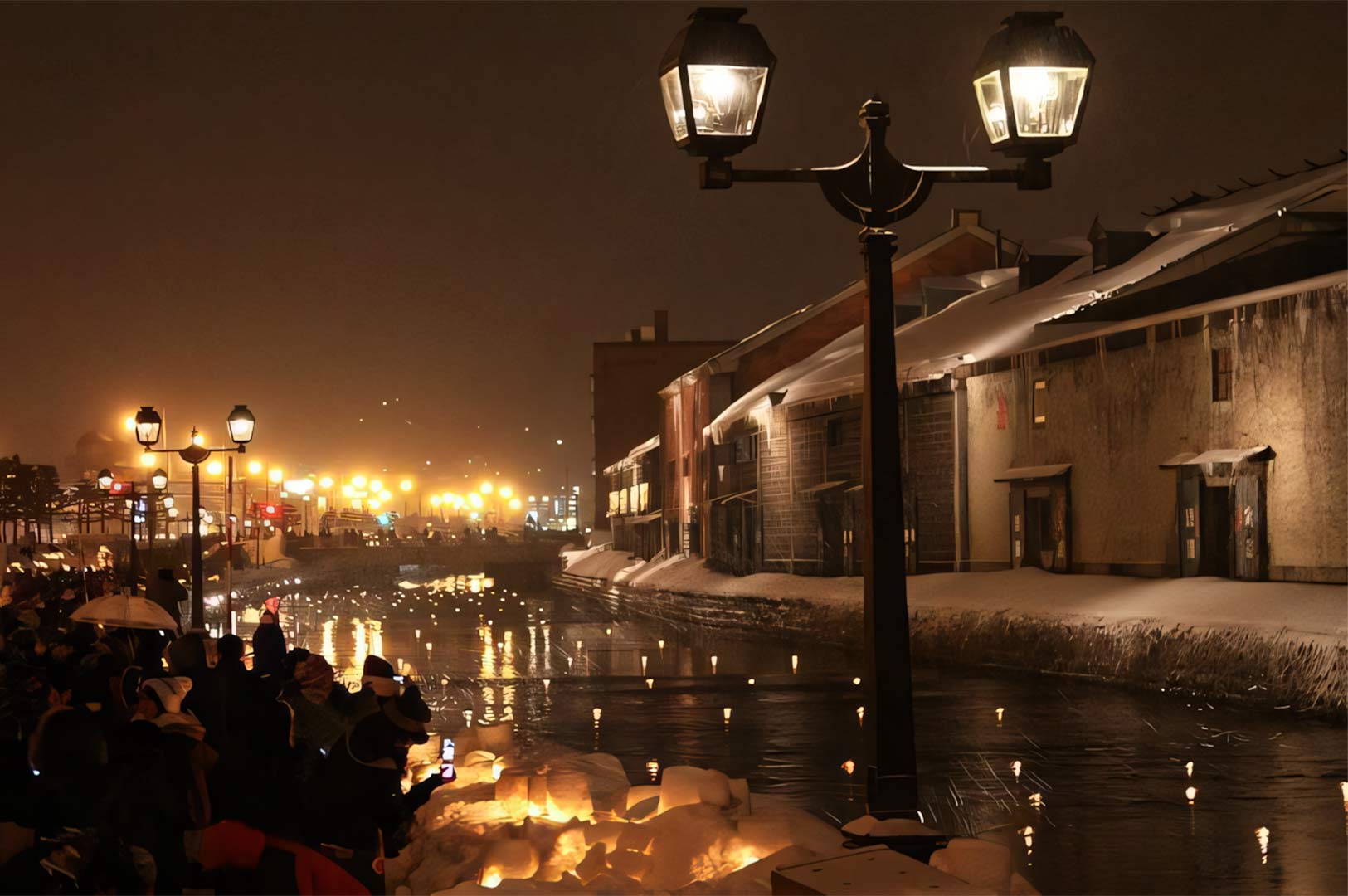
Having visited this charming port city on Ishikari Bay multiple times, I can confidently say that Otaru is much more than just a quick day trip destination. Picture the romantic aura of the Otaru Canal at dusk, where flickering gas lamps cast nostalgic reflections that dance on the water’s surface—this enchanting scene is only the beginning of what the city has to offer.
Otaru blossomed into a bustling major port in the late 19th century, fueling Hokkaido’s economy and trade with its thriving herring fishing industry and vibrant international commerce. This era of prosperity left behind a treasure trove of historic architecture and lively culture that still captivates visitors today.
On my journeys here, I’ve uncovered experiences that go far beyond. Spending 5 to 14 days in this captivating town lets you truly embrace perfect slow travel journey, savoring its rhythms, uncovering hidden gems, and immersing yourself in a world where history and beauty intertwine.
Getting to Know Otaru
In Otaru, a port town where Hokkaido meets the northwest sea, time seems to settle into a different rhythm. The morning mist rises from the canal, carrying decades of history when merchant ships crowded these waters. Walking beside the canal, old warehouses stand reflected in still water, and gas lamps softly illuminate the evenings, blending past and present. During the Snow Light Path Festival, lanterns dot the waterway like fallen stars, revealing beauty that emerges from the community’s own relationship with winter darkness.
Getting There: Navigating Your Way from Chitose Airport and JR Otaru Station
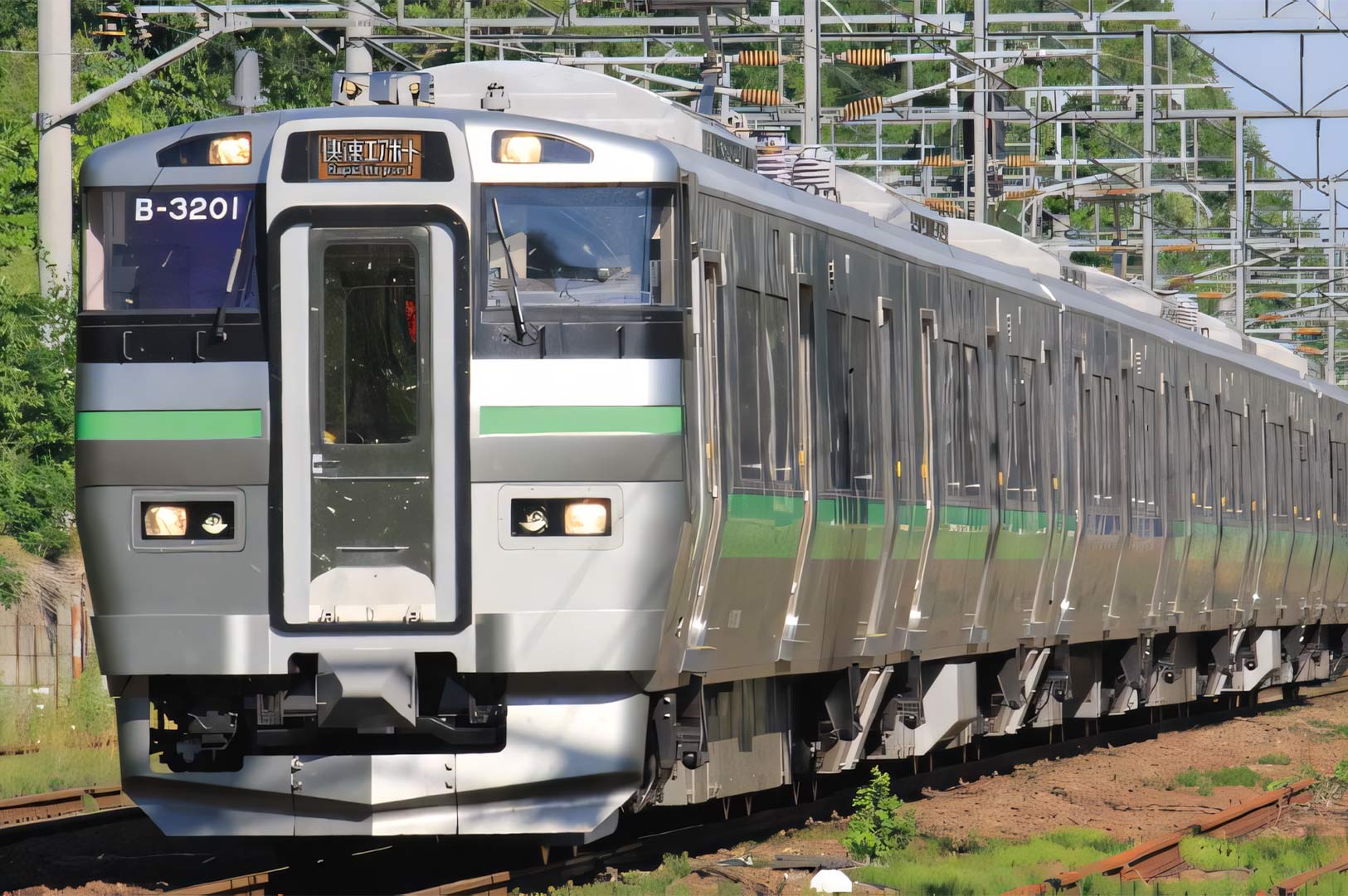
Otaru is easily accessible from Sapporo Station, JR Otaru Station, and New Chitose Airport, making it ideal for extended stays or day trips.
From Sapporo Station:
Take the JR Hakodate Line local train to JR Otaru Station, about 30 to 50 minutes. Trains depart frequently. Otaru lies about 40 km northwest of Sapporo.
From New Chitose Airport:
Board the JR Rapid Airport train to Sapporo, then transfer to the JR Hakodate Line for Otaru. The fastest train takes about 75 minutes. Alternatively, the “Rapid Airport” bus connects New Chitose Airport to Otaru in about 1 hour 20 minutes. The train offers scenic coastal views.
At JR Otaru Station:
Exit the east side and walk downhill about 10 minutes to the Otaru Canal area, passing shops and cafes.
Public Transport in Otaru:
The Otaru Stroller’s Bus connects major sites like the canal, Sakaimachi Street, and city center. For the Otaru Tenguyama Ropeway, take bus #17 or #18 from JR Otaru Station, about 17 minutes to the ropeway stop.
Parking:
Street parking around the canal and city center is limited and fills early. Evening parking is easier, with some free spots after 7 pm.
Transportation in Otaru
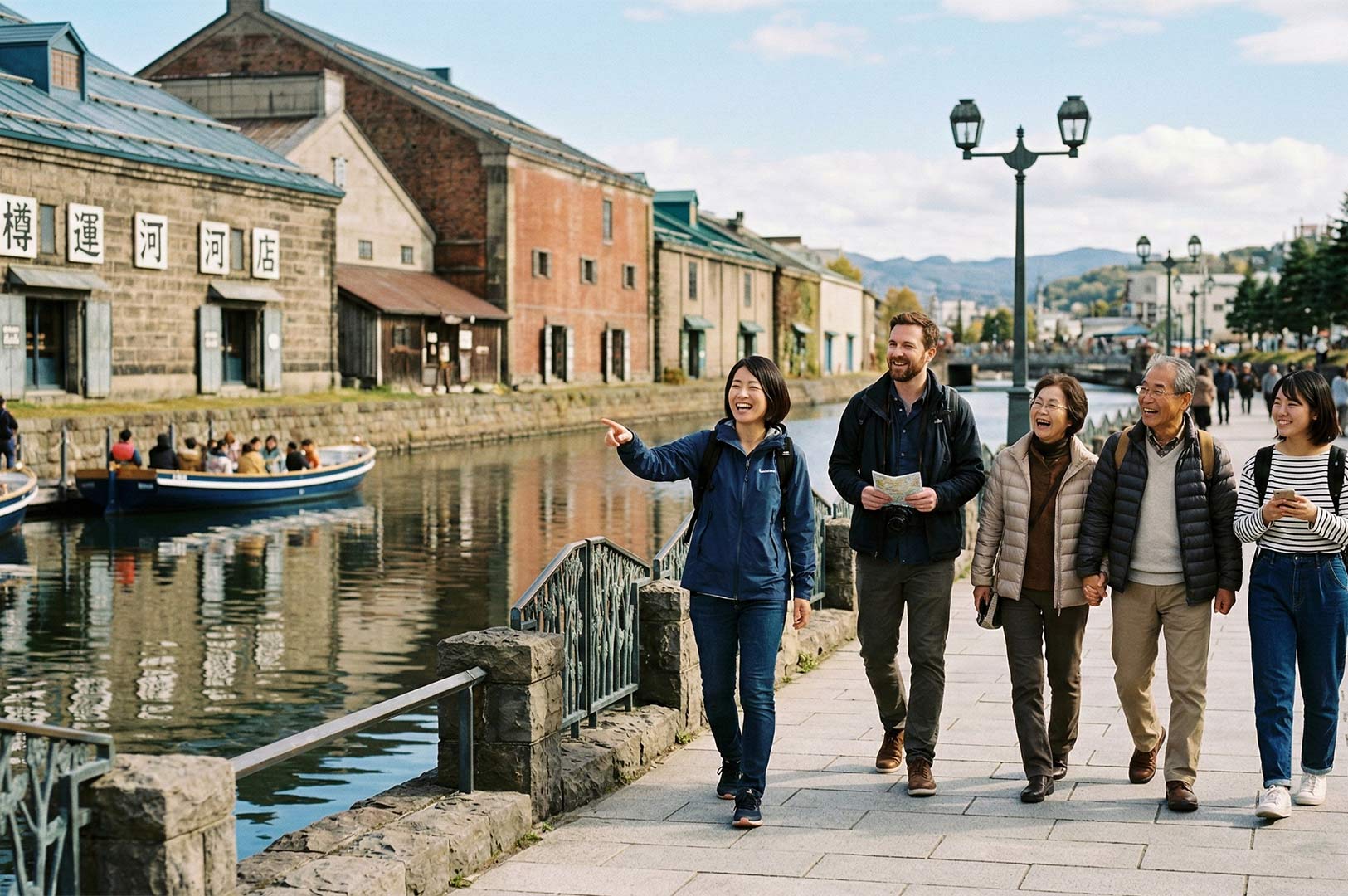
Otaru reveals itself to those who arrive with unhurried hearts. The journey often begins at JR Otaru Station, where coastal views prepare you for the town’s rhythm. The canal holds centuries of stories in its still waters, and Sakaimachi Street’s artisans continue quiet work. The Otaru Canal Cruise offers a reflective boat ride past historic warehouses and under graceful bridges. Exploration here is measured by presence, whether wandering outward or returning with satisfaction from a day spent in genuine encounter.
When to Visit: Timing Your Experience in This Charming Town
Best Seasons:
Summer (June–August) offers mild weather for walking and cycling.
Winter (December–February) transforms Otaru into a snowy wonderland with the magical Otaru Snow Light Path Festival illuminating the canal.
Daily Timing:
Visit the Otaru Canal early morning (7–9 am) for calm and photos.
The Otaru Music Box Museum opens at 9 am; visit early to avoid crowds.
Plan the Otaru Canal Cruise mid-morning or early afternoon; arrive early to secure tickets.
For the Otaru Tenguyama Ropeway, late afternoon around 4:30 pm is ideal to catch sunset and night views.
Avoiding Crowds: Weekday mornings (9–11 am) are quietest. Weekends and holidays see tour groups after 10 am.
What to Expect: The Real Otaru Experience Beyond JR Otaru Station
Otaru is more compact and walkable than many expect. Most sights lie within 30 minutes’ walk from JR Otaru Station, allowing spontaneous route changes. The Otaru Canal, shorter than some photos suggest, shines brightest at dusk and night when gas lamps and winter illuminations create a warm glow. Historic warehouses, stone warehouses, and western style buildings reveal layers of Otaru’s prosperous past. The coastal air near Otaru Port is brisk and refreshing.
Highlights & Must-Sees: Enjoy Walking Through Otaru’s City Center and Hidden Gems
Otaru Canal and Surroundings
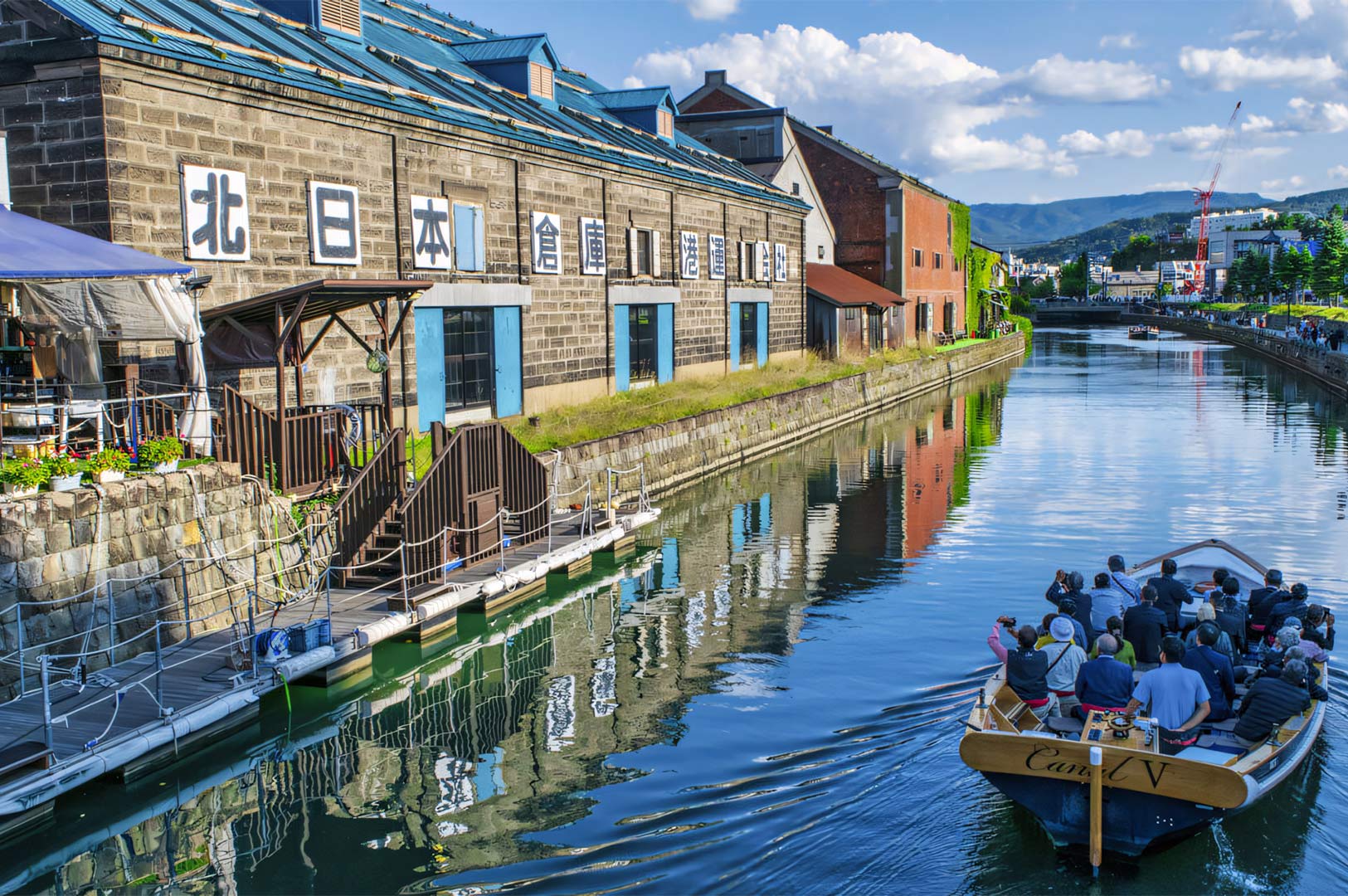
A 10-minute walk from JR Otaru Station brings you to the canal area at 5 Minato-machi. The Otaru Canal, constructed in the early 20th century and celebrating its 100th anniversary in 2023, is central to the city’s sightseeing. Stroll 20–45 minutes around classic photo spots like Chuo Bridge (Chuobashi), especially during blue hour or after dusk for reflections of historic buildings, stone warehouses, and gas lamps.
Otaru Canal Cruise
Board next to Chuo Bridge for a 40-minute Otaru Canal Cruise (¥2,000 adults, ¥500 children). The tranquil ride offers water-level views of the town with narration. Large ships frequent the canal and port area, reflecting Otaru’s maritime history. Arrive 30 minutes early to avoid ticket rushes. Night cruises during the Snow Light Path Festival are atmospheric but fill quickly.
Otaru Music Box Museum (Otaru Orgel Doh Main Hall)
Located at 4-1 Sumiyoshi-cho, a 7-minute walk from JR Minami Otaru Station, the museum is open 9:00–18:00. Plan 1–2 hours to explore its vast collection and workshops. The second floor café offers desserts surrounded by music boxes. The Otaru Steam Clock outside is a favorite photo spot; visit early to avoid crowds.
Mt. Tengu Ropeway
Situated at 2-16-15 Mogami and accessible by bus from JR Otaru Station, the ropeway is open 9:00–21:00 with a roundtrip fare of ¥1,800 adults. Allocate 60–90 minutes for the ride and panoramic views of Otaru city, Ishikari Bay, and beyond. Sunset visits provide stunning day-to-night vistas. At the top, hiking paths offer further exploration. Expect queues during peak season.
Sankaku Market and Fresh Seafood Delights
Near JR Otaru Station, Sankaku Market is bustling with fresh seafood and local delicacies. Enjoy seafood rice bowls, sushi, and other dishes made from the day’s catch. Otaru is renowned for its sushi restaurants and fresh seafood, a paradise for food lovers.
Sakaimachi Street: Shopping and Local Cuisine
Sakaimachi Street, a historically preserved merchant street lined with western style buildings and office buildings, offers shops selling glassware, music boxes, sweets, ice cream, and local crafts. Don’t miss the famous double fromage cheesecake from LeTAO, a must-try local delicacy.
Ironai Banking District and Mitsui Bank Otaru Branch
Explore the Ironai Banking District, once Otaru’s financial heart, known as the “Wall Street of the North.” Visit former Otaru branch buildings, including the Mitsui Bank Otaru Branch, now museums showcasing western art and historic buildings. The Otaru Art Base provides access to four museums, including the stained glass museum and Nitori museum, all within walking distance.
Otaru Museum and Former Otaru Branch
The Otaru Museum and former Otaru branch buildings offer insights into Hokkaido’s economy and the city’s flourishing past as a major port. Nearby, the Old Aoyama Villa, a designated historical residence, reflects the wealth accumulated during Otaru’s prosperous era.
Additional Attractions: Tanaka Sake Brewery and Otaru International Information Center
Visit the Tanaka Sake Brewery for sake tastings and to learn about local brewing traditions. The Otaru International Information Center offers resources and organizes Otaru tours to explore the city’s historical buildings and nature spots.
Side Trips and Day Tours
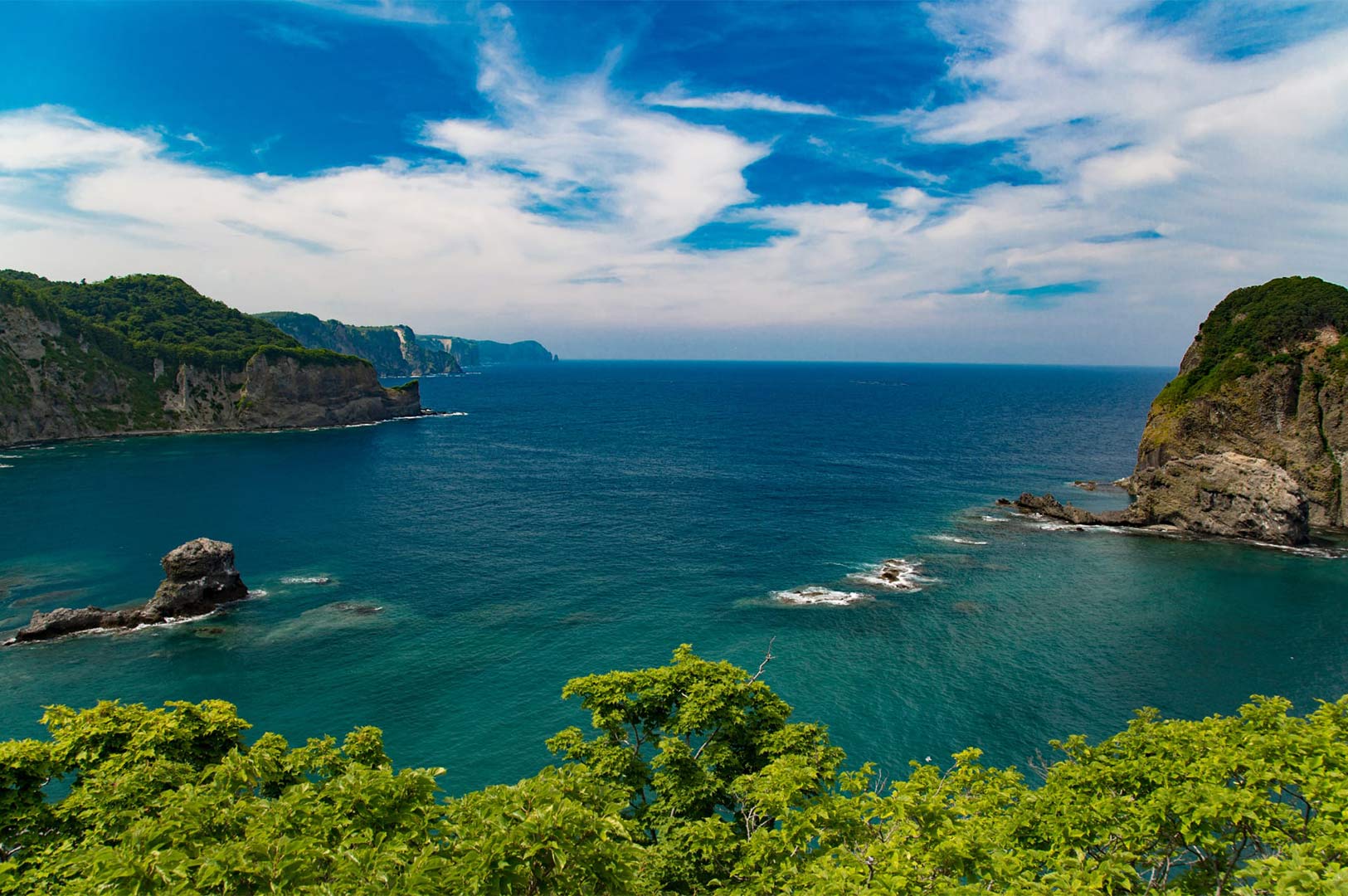
Otaru invites deeper exploration of Hokkaido’s landscapes. The Shakotan Peninsula offers clear waters and hiking paths for nature lovers. The Nikka Whisky Distillery in nearby Yoichi showcases patient craft and tradition. Nearby hot springs provide warm sanctuaries amid mountain silence.
Insider Tips for Nature Lovers and Winter Sports Enthusiasts
Otaru’s hilly terrain and hiking paths offer panoramic views. Nature lovers can explore the Shakotan Peninsula or enjoy winter sports nearby. The fresh air and scenic landscapes make Otaru a refreshing escape.
Practical Info: Costs, Facilities & What to Bring

Costs:
Otaru Canal Cruise: Adults ¥2,000, Children ¥500
Mt. Tengu Ropeway: Adults ¥1,800 roundtrip
Otaru Aquarium: Winter Adult ¥1,300, Normal Adult ¥1,800
What to Bring:
Comfortable walking shoes for cobblestones, slopes, and stairs
In winter, waterproof boots with good traction, windproof outerwear, gloves, and hats
Cash for small shops and street snacks; IC cards ease transit
Hand warmers and portable phone charger for cold months
Sunscreen and water for summer visits
Accessibility:
Canal area and main shopping streets are mostly flat and wheelchair accessible
Some historic buildings and Mt. Tengu have stairs or uneven surfaces
Ropeway is accessible, though summit walking involves inclines
Embrace Slow Travel and Discover Hidden Gems in Otaru
Otaru’s charm combines historical allure, natural beauty, and vibrant culture. Spending 5 to 14 days lets you enjoy early canal walks, artisan workshops, sunset views from Mt. Tengu, and cozy gas-lit evenings.
Plan ahead: start early to avoid crowds, visit the Otaru Music Box Museum, and take the peaceful Otaru Canal Cruise. Don’t miss a walk along the Former Temiya Line, a 1.6-kilometer historic railway trail perfect for photos and relaxation.
With walkability, rich history, and welcoming atmosphere, Otaru invites travelers to experience a slower, more meaningful journey. Whether your first visit or fifth, Otaru always has new stories to tell and memories to make. For more slow travel tips and guides, visit Slow Travels.