The first time I went to Busan, I made the mistake of visiting in the dead of August. The humidity was thick, the beaches were packed shoulder-to-shoulder, and my daily walks turned into a frantic search for air conditioning. I spent most of my trip indoors, completely missing the rhythm of the city.
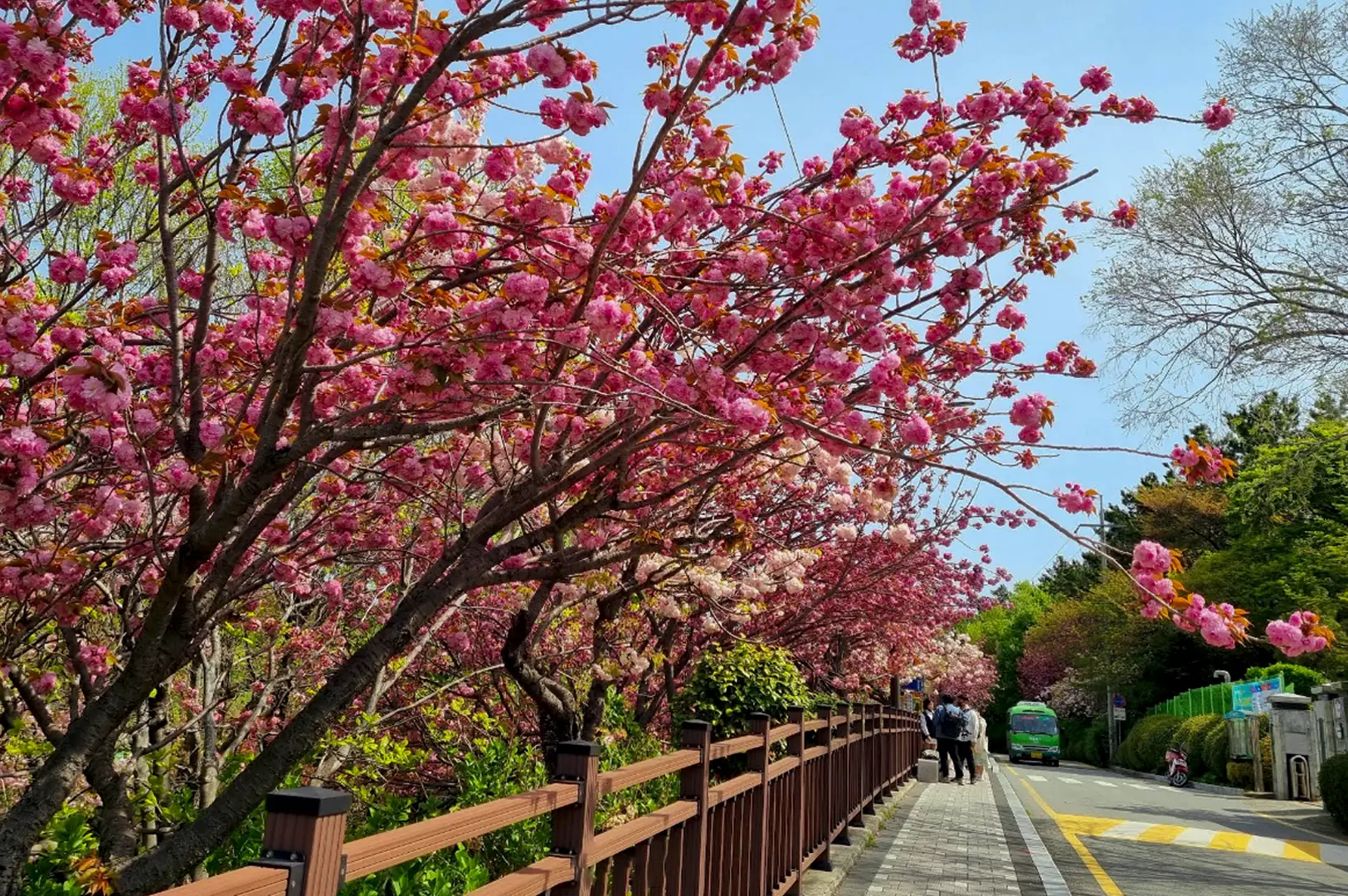
On my third visit, I returned in the spring. That trip changed everything. I discovered that Busan May weather offers the perfect environment for slow travel. The coastal air is crisp, the skies are generally clear, and the extreme summer heat has not yet arrived. When you are not fighting the temperature, you have the energy to truly immerse yourself in a place. You can walk the residential hills, sit outside a cafe in Jeonpo, and watch the ocean without rushing.
This article is about how to use the pleasant spring climate to your advantage. It is not just about checking a forecast; it is about letting the weather dictate a slower, more intentional pace in South Korea.
Busan May Weather Compared to Other Months
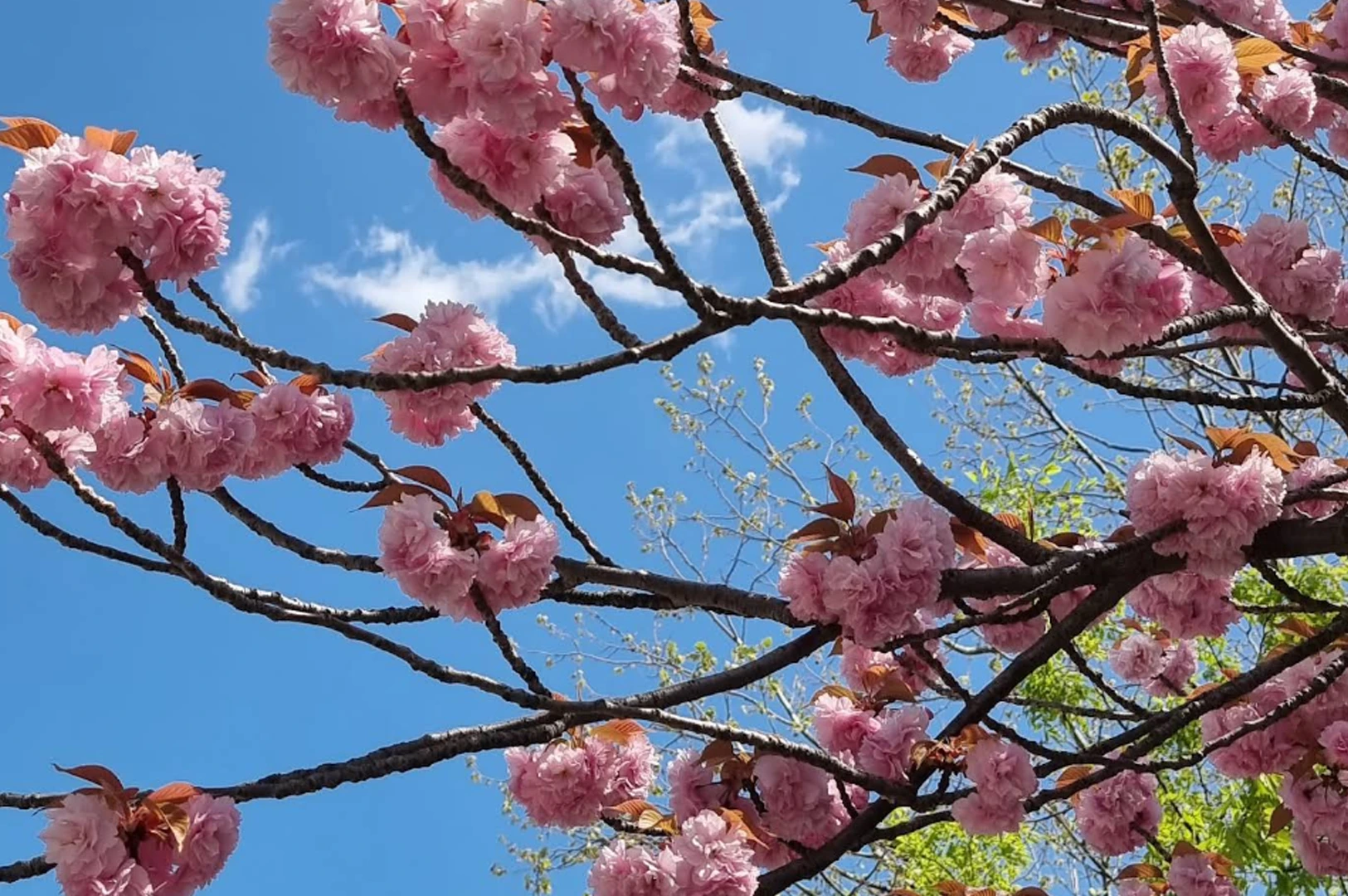
Understanding the climate here is about knowing how to structure your day. In May, Busan transitions beautifully into early summer. The average temperature sits comfortably around 20–22°C (68–72°F) during the day, dropping to a cool 14–15°C (57–59°F) at night.
Compared to other months in the summer monsoon period, May brings a high chance of a clear sky and moderate humidity (around 60–70%). You might experience occasional rain or cloudy afternoons, but the total precipitation and rainfall are low. A typical month sees only about seven to nine rainy days.
When you check your weather app for the week—whether it is a Tue, Wed, Thu, or Fri—you will mostly see a sunny sun icon with a good amount of daylight. However, pay attention to the wind speed and winds. Because Busan sits on the ocean, a system of low pressure can make a breezy afternoon feel quite cold, especially if the avg temperature drops.
Packing for Busan in May: Weather Essentials for South Korea’s Coastal City
Packing for a coastal spring requires flexibility. The high of the day might feel like summer, but the sea breeze can quickly turn a warm afternoon into a chilly evening.
Light Layers: Bring breathable t-shirts for the midday heat, and a solid windbreaker or light jacket for the evenings.
Footwear: Wear comfortable walking shoes—there are lots of stairs. Busan is built on mountains, and navigating the cultural villages or temple paths requires solid grip.
Protection: Bring sunscreen and water—there’s limited shade on the coastal trails and beach promenades. An umbrella is also a smart add to your day bag for those sudden spring showers.
Alex Insider knowledge:
Do not underestimate the coastal wind. Even if the city center feels warm, standing near the Gwangan Bridge around 19 00 (7:00 PM) can be incredibly windy. I always keep a light scarf or extra layer in my bag.
Timing Tips for Exploring Busan Weather Patterns in May Versus Other Months in South Korea
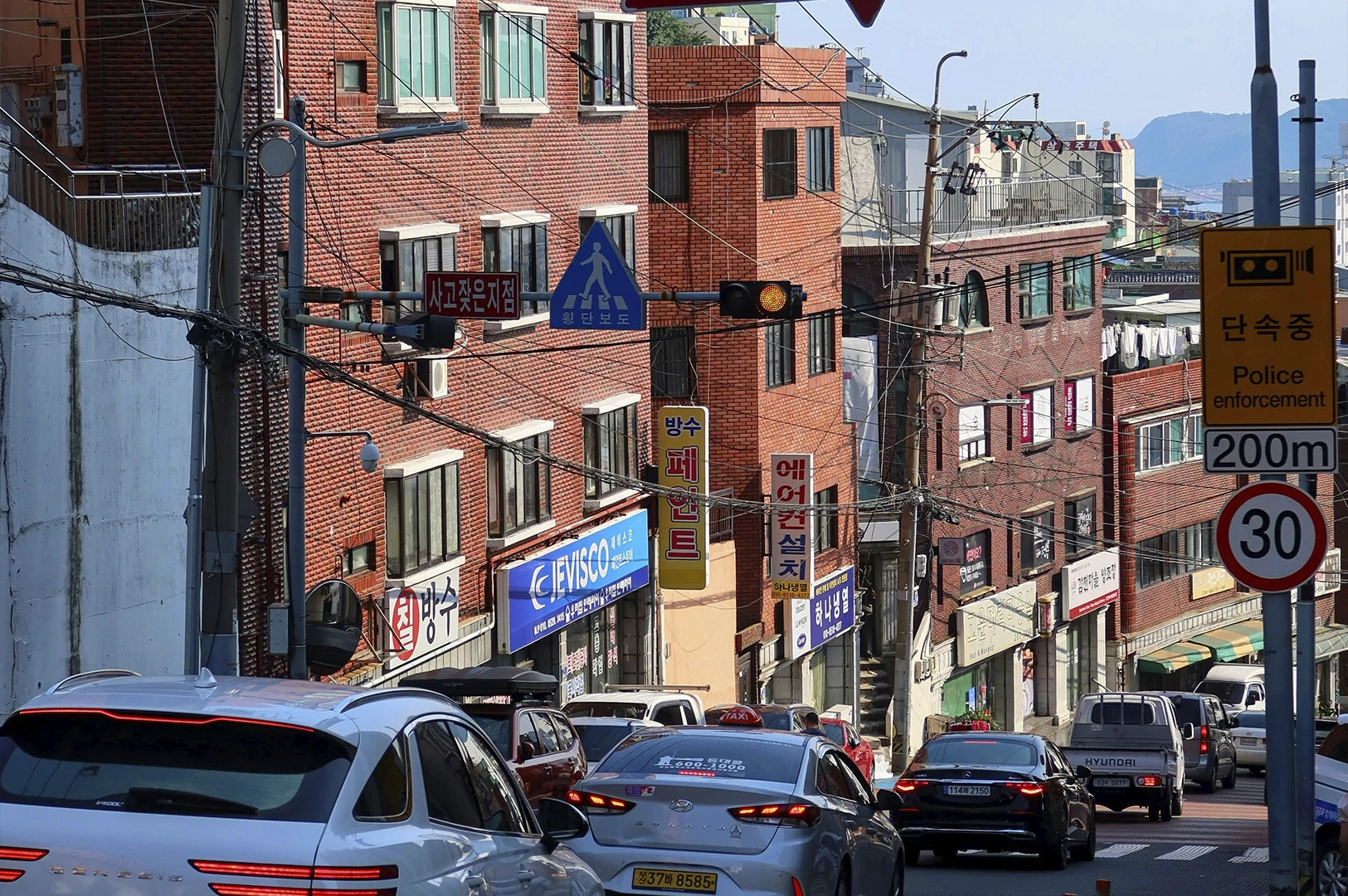
How you structure your day in May can drastically change your experience.
Mornings (7:00 AM – 11:00 AM)
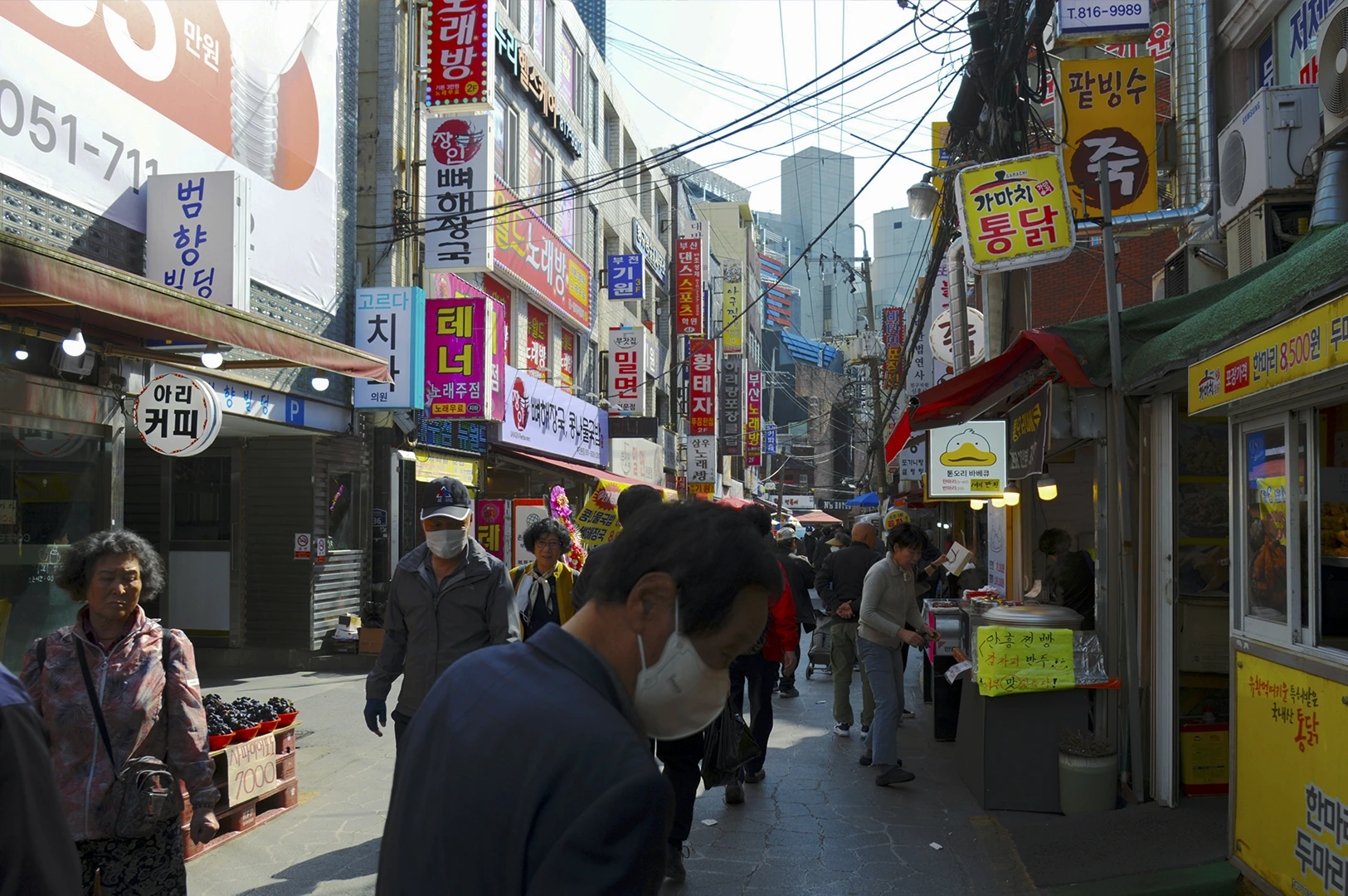
Mornings are cool and crisp. This is the time for steep walks, temple visits, and exploring the Jagalchi Fish Market. Crowd patterns are predictable here: Weekday mornings (9-11am) are quietest.
Midday (11:00 AM – 3:00 PM)
This is when the sun is highest. While it is rarely unbearably hot in May, it is the perfect time to dip into a local cafe, visit a museum, or enjoy a slow lunch of milmyeon (cold wheat noodles), a Busan specialty that costs around ₩8,000.
Evenings (5:00 PM onwards)
The extended daylight in spring is a gift for slow travelers. Sunset timing in May is around 7:20pm—plan accordingly. Walk down to Gwangalli Beach around 6:00 PM, find a spot on the sand, and watch the bridge lights flicker on as the sky darkens. Be mindful of the wind speed and winds near the coast, which can make the evening feel quite cold despite the high daytime temperature.
Why Busan May Weather Makes It the Best Month for Slow Travel in South Korea
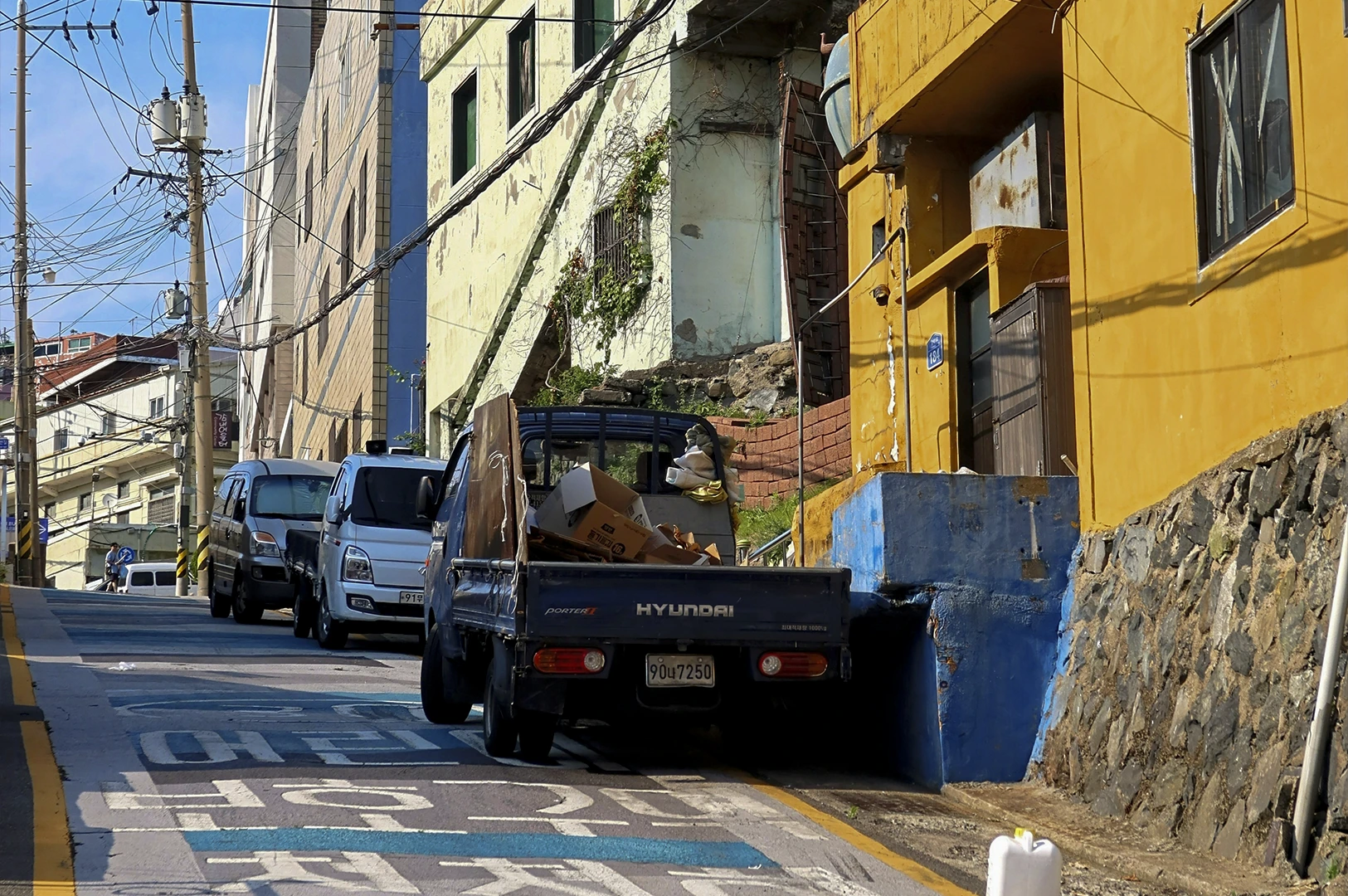
Slow travel is fundamentally about presence. It is hard to be present when you are freezing or overheating. The moderate climate of May removes the physical friction of travel.
You don’t feel the need to rush from one air-conditioned mall to another. You can linger at an outdoor market stall, striking up a conversation with the vendor. You can walk the three kilometers between two neighborhoods simply because the breeze feels nice. The weather stops being an obstacle and becomes a complementary part of your journey.
Alex’s Tips: What Most Tourists Miss in Busan Weather Compared to Other Months
When the weather is this pleasant, you should look for the quiet corners that day-trippers ignore.
The Quiet Art Space: If you visit the Busan Museum of Art, most tourists miss the small gallery on the 3rd floor—it’s quieter and has better photo ops, with large windows letting in the soft spring light.
Smart Souvenir Shopping: In Gamcheon Culture Village, wander away from the main entrance. The souvenir shop on the left, tucked down a narrow alley, has better prices than the main one where the tour buses park.
Night Markets: Bupyeong Kkangtong Night Market is famous, but go slightly earlier (around 6:30 PM) to watch the stalls set up before the massive evening crowds arrive.
Costs, Facilities, and Accessibility for Busan Weather in May
Getting Around:
Buy a T-money or EZL transport card at any convenience store upon arrival. They work seamlessly on all buses and subway lines. A standard subway ride costs around ₩1,400.
Accessibility:
Busan’s geography is unforgiving if you have mobility issues. Many subway stations have elevators, but exploring places like Gamcheon or Huinnyeoul requires navigating steep, uneven stairs. If mobility is a concern, stick to the flat, beautifully paved boardwalks of Haeundae and Gwangalli.
Costs:
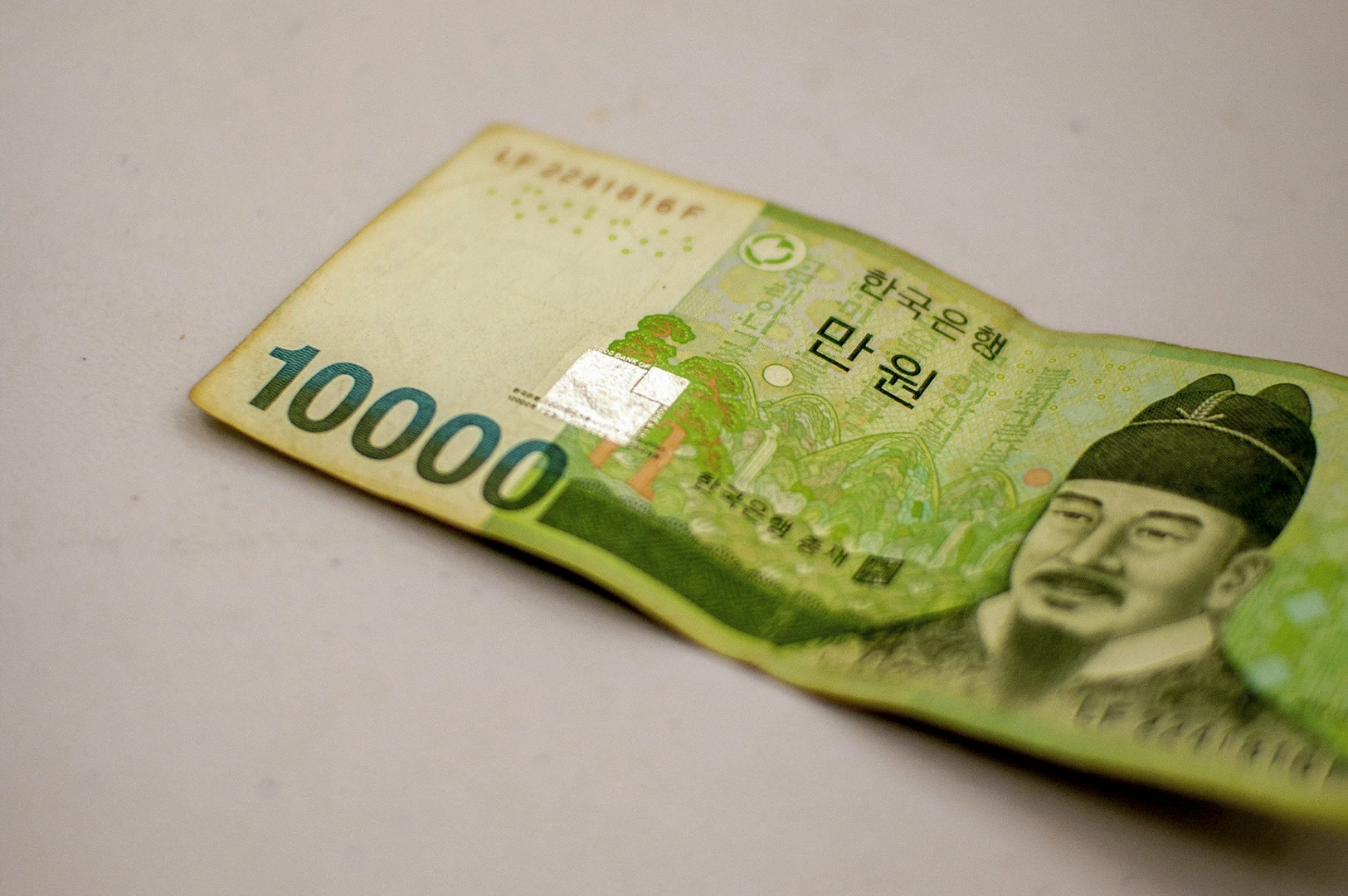
May is a popular time to visit, but it is not peak summer pricing. A standard meal at a local restaurant will cost you between ₩10,000 and ₩15,000. Coffee at an independent roaster is usually around ₩5,000 to ₩7,000.
Embrace Busan May Weather for the Best South Korea Experience
Busan in May is a city exhaling. The bitter winter is gone, the frantic summer crowds have not yet arrived, and the coastal breeze carries the scent of the sea through the streets.
When you travel during this window, you give yourself the greatest luxury a traveler can have: comfort. You can walk without rushing, sit without shivering, and simply exist in the space you have traveled so far to see. Grab a light jacket, step out into the spring air, and let Busan reveal itself to you slowly.