My journey didn’t begin with a grand plan to see the world. It started with a quiet sense of disconnect. My early travels were like so many others: a blur of airports, packed itineraries, and a constant, nagging anxiety about what I might be missing. I collected cities the way others collect stamps, ticking off landmarks from a list. But I’d return home with a camera full of photos and this gnawing sense of emptiness. My experiences felt wide but shallow, and I didn’t know how to fix it.
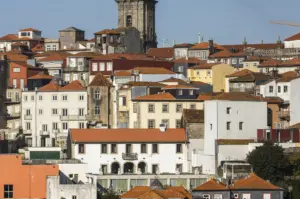
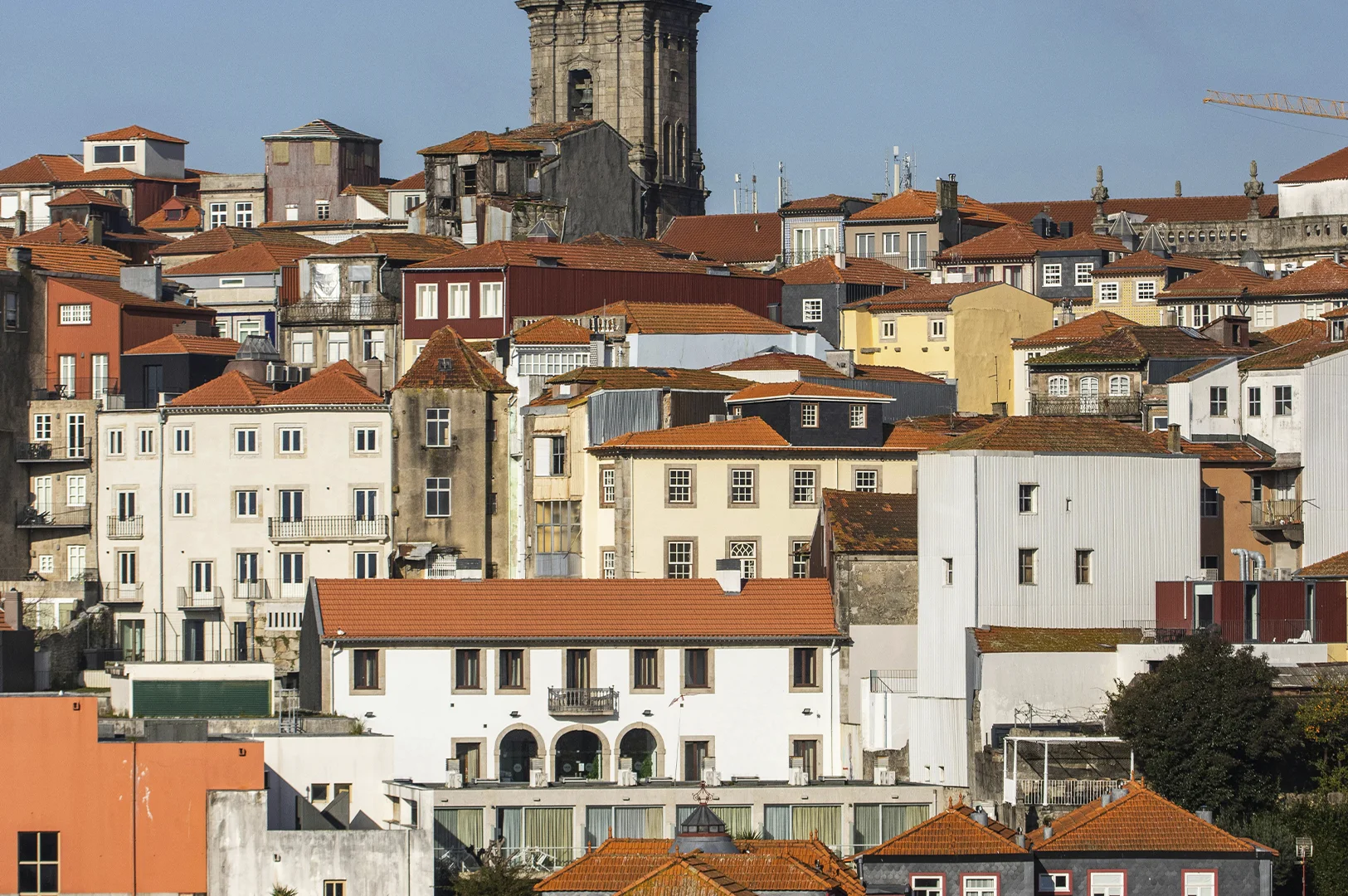
The change didn’t come as a dramatic revelation. It was more of a slow, quiet shift—one that began in a small coastal town in Portugal. I had planned to stay there for only three days, but a mechanical issue with a local train extended my visit to two weeks. At first, I was frustrated. My schedule was completely thrown off, my plans irrelevant. With nothing to do but wait, I started to walk.
Each morning, I wandered the same cobbled streets. At first, it felt monotonous, but soon I began to notice the rhythm of the place. I recognized the fisherman mending his nets, the woman sweeping her stoop at exactly 8 AM, and the baker who quietly set aside a specific type of bread for me each morning. I learned the rhythm of the tide not from a schedule, but by watching it rise and fall as I sat on a bench in the plaza. For the first time, I stopped taking photos of scenes and started noticing the way the afternoon light softened against the whitewashed walls.
Those two weeks changed everything. For the first time, I wasn’t just seeing a place—I was truly understanding it. I realized that being present, without the need to constantly do or achieve, allowed me to connect with the soul of a place. That forced pause taught me that connection isn’t found in covering as much ground as possible. It’s built in routine, repetition, and simply paying attention.
Since then, I’ve approached travel differently. I prioritize longer stays in residential apartments over hotels. I take trains instead of flights, letting the changing landscapes ease me into new destinations. My travel journals, once crammed with logistical notes, are now filled with sketches of faces, snippets of overheard conversations, and reflections on the taste of local cheeses or the sound of church bells at dusk.
I didn’t set out to become a storyteller, but through slowing down, I became a student of place. The stories I share aren’t about “hidden gems” or secret spots. They’re about finding meaning in the ordinary—the moments most travelers rush past. For me, the most profound travel experiences aren’t something you seek. They’re what find you when you slow down enough to let them in.