When I first visited this coastal city in South Korea with my partner, I felt the immediate pressure to build the “perfect” romantic itinerary. I rushed us from temple to market to observation deck, trying to figure out exactly what to do in Busan South Korea before our time ran out. We ended up exhausted, taking photos of places we barely had time to look at.
Busan is Korea’s second largest city, a huge city that is quite spread out. Because of its size and the variety of districts, you’ll need at least two to three days to see the top tourist spots and hidden gems. Planning your Busan itinerary carefully is essential to make the most of your trip.
On my later visits, I realized that a successful Busan trip for couples is not about a checklist. It is about choosing a specific mood. Do you want the lively energy of a beach at night, the quiet intimacy of a cliffside café, or the shared effort of climbing a historic hill?
In my experience, planning a trip here requires you to be honest about your pacing. You do not need to see everything. The best time to visit Busan is during the summer if you want to enjoy famous beaches like Haeundae Beach and Gwangalli Beach, but late spring and fall are also great options thanks to the pleasant weather. This guide is designed to help you and your partner choose the right experiences, focusing on connection, atmosphere, and the joy of taking your time.
Getting to Busan and Getting Around

Traveling to Busan from Seoul is best done via the KTX train, which arrives at Busan Station in a little over two hours. This station is centrally located and serves as a major transportation hub, connecting you to other destinations and local attractions. Once in Busan, public transportation including the metro and buses is convenient, and using a rechargeable T-money or EZL card is recommended for seamless travel.
Due to the city’s spread-out nature, it’s advisable to stay in one area, such as Seomyeon or Haeundae, to minimize travel time. Booking accommodations in advance, especially during peak seasons, is recommended to ensure availability.
Haeundae Beach and the Sky Capsule: What to Do in Busan South Korea
If you are debating between a beach day and a scenic activity, the Haeundae area is the easiest compromise. Haeundae Beach (a 15-minute walk from Haeundae Station Exit 5) is the classic first-timer spot. It is clean, wide, and highly convenient, with cute cafes and food options right across the road. Haeundae Beach is one of the most popular famous beaches in Busan, known for its soft sand and clear blue water.
However, the real romantic draw here is the sky capsule at Haeundae Blueline Park. Unlike the larger beach train, you get a private, retro-style sky capsule that moves slowly along an elevated track by the sea. The 30-minute ride between Mipo and Cheongsapo stations offers uninterrupted time together and stunning coastal views.
I recommend: A classic, easy-to-navigate romantic afternoon.
Dodge if: You dislike structured, ticketed activities.
Alex Insider knowledge: Advance reservations for the sky capsule are practically mandatory. The reservation time is your entry window, so show up 10 minutes early. A one-way ticket for two people costs ₩40,000. For your return trip, walk the wooden coastal trail back—it is free and incredibly peaceful.
Gwangalli Beach: Romantic Evening and Street Food Stalls in Busan South Korea
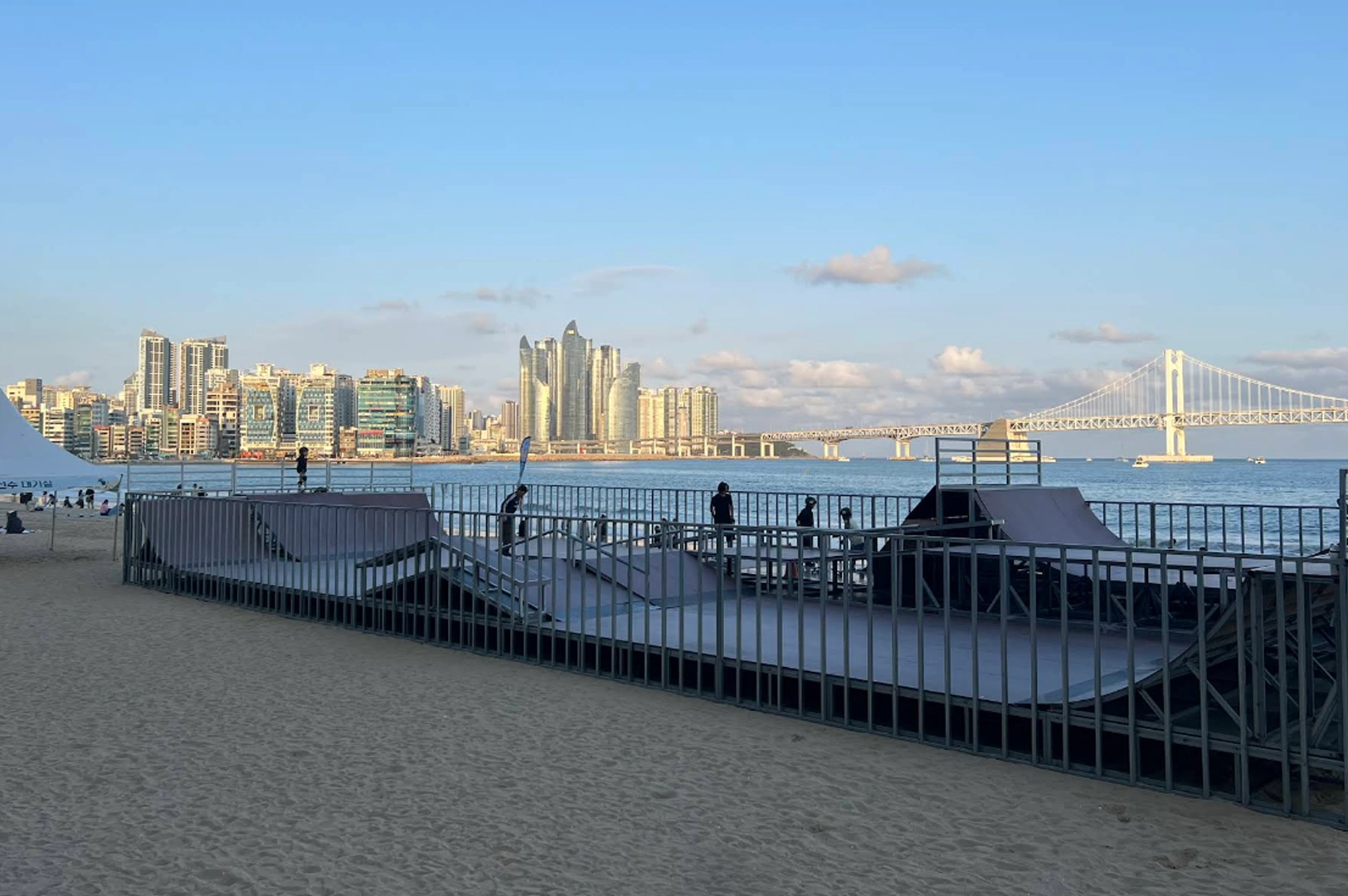
If you are asking where actually feels romantic at night, Gwangalli Beach is my top recommendation. It is a 13-minute walk from Gwangan Station Exit 5. Gwangalli Beach is famous for its soft sand and beautiful views of the Gwangan Suspension Bridge, a major suspension bridge in Busan.
While Haeundae has daytime polish, Gwangalli comes alive after dark. The Gwangan Bridge spans the horizon, glowing with LED lights that reflect beautifully on the water. I prefer visiting in the late afternoon and staying through the blue hour. You can grab a coffee at one of the many sea-facing cafes, sit on the sand, and listen to the street food stalls and street performers.
I recommend: Low-commitment, highly atmospheric evening walks.
Dodge if: You want absolute silence. Weekends here are energetic and deeply popular with locals.
Insider tip: Sunset timing in February is around 7:15pm—plan accordingly so you can watch the bridge lights turn on against a darkening sky.
Haedong Yonggungsa Temple: A Day Trip Worth Waking Up For in Busan South Korea
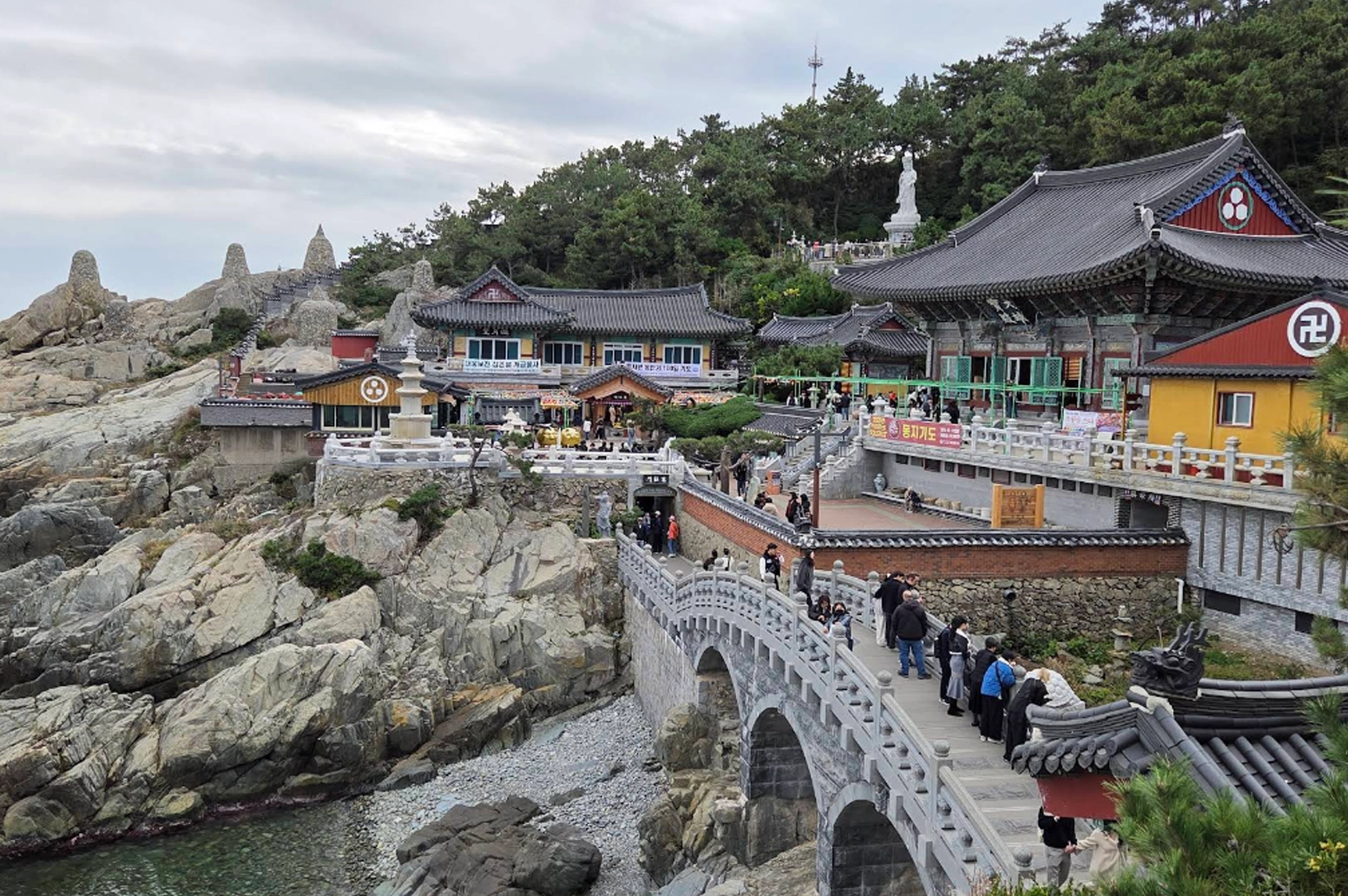
Most Buddhist temples in Busan South Korea are hidden in the mountains, but Haedong Yonggungsa Temple is a beautiful temple uniquely located on the rocky coastline. This beautiful temple stands out among Busan’s temples for its stunning seaside setting and breathtaking panoramic views of the sea. To get there, take Bus 181 or 100 from Haeundae Station Exit 7.
When couples ask me what is actually worth waking up early for, this is always my answer. Visit early morning (7-9am) before tour groups arrive. Standing on the “sunrise rock” and watching the morning light hit the ocean is one of the most serene experiences you can share.
I recommend: Morning people and culture-seeking couples.
Dodge if: You have mobility issues.
Alex tip: Wear comfortable walking shoes—there are lots of stairs. Because the temple is fully exposed to the ocean, the coastal wind is much stronger than in the city. Bring a solid windbreaker, even in the spring.
Gamcheon Culture Village: Exploring Hidden Gems and the Little Prince in Busan South Korea
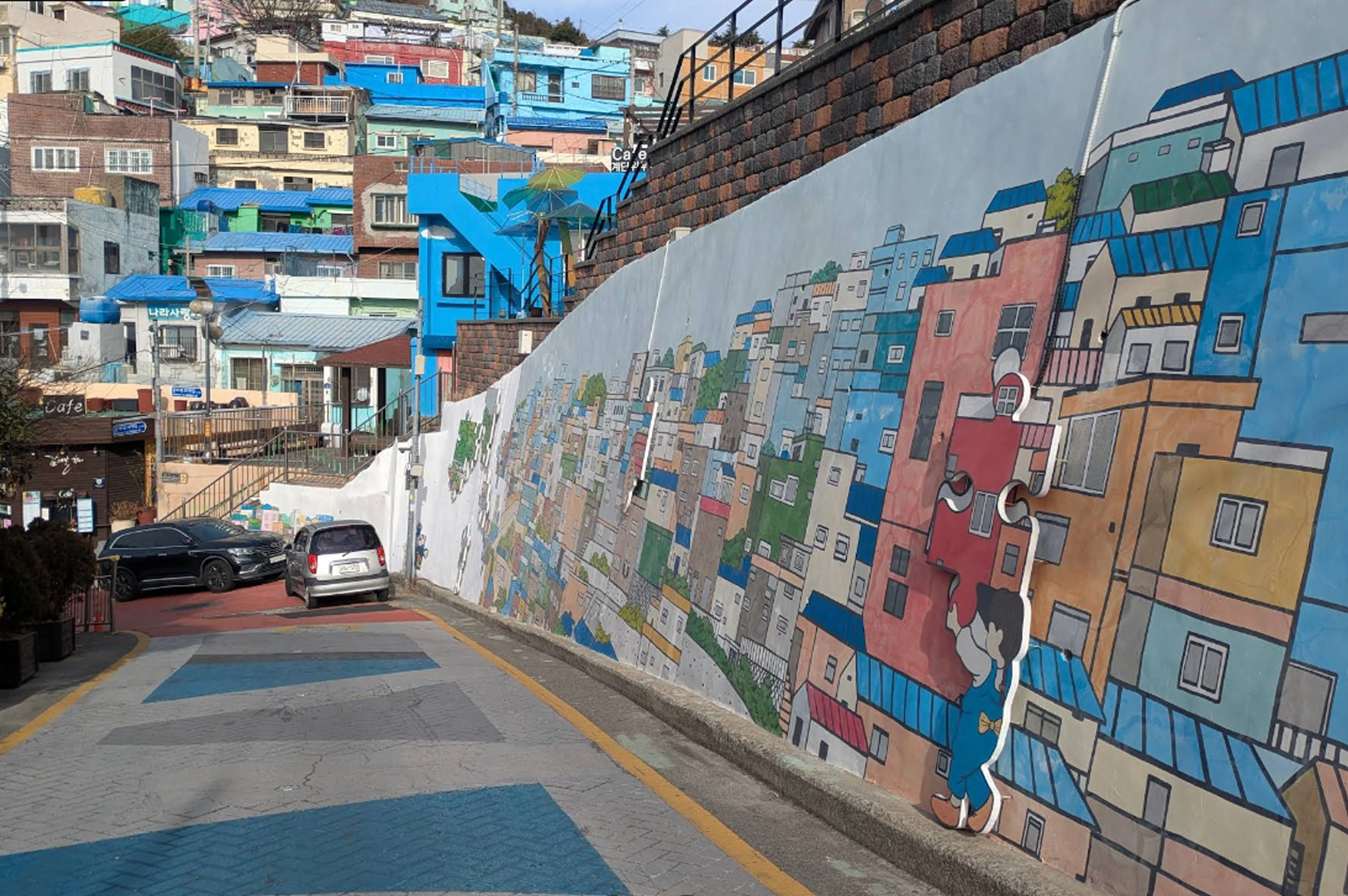
For colorful alleys, vibrant street art, and great photos, Gamcheon Culture Village is a must-visit. Known as the ‘Machu Picchu of Korea,’ this hillside village features pastel houses and artistic murals. Take the local bus from Toseong Station Exit 6.
Originally a Korean War refugee village, Gamcheon was revitalized into a lively community with charming cafes and creative displays. The famous Little Prince statue is a popular photo spot, but queues can be long.
Visitors can collect a map and stamp booklet at the entrance for an interactive experience. Plan 2-3 hours for a full visit or 45 minutes for highlights.
I recommend: Colorful exploration and photography.
Dodge if: You expect gourmet dining; save your appetite for fresh seafood in the city centre.
Insider tip: Taxi up, bus down to avoid the steep climb.
Remember, Gamcheon Culture Village and other cultural villages are residential areas—please be respectful.
Huinnyeoul Culture Village: Slow Pacing and Hidden Gems Near Jeonpo Cafe Street in Busan South Korea
For couples seeking a quieter alternative to Gamcheon, Huinnyeoul Culture Village is ideal. Known as the ‘Santorini of Korea,’ it features narrow alleys, whitewashed buildings with blue roofs, and stunning panoramic ocean views. Located in Yeongdo-gu (accessible via Bus 7 or 71 from Nampo Station), it sits on a cliff above the sea.
Like Gamcheon, it has steep paths and narrow lanes. The village offers cozy cafes and shops with scenic views of the bay and city, popular with locals and tourists alike.
This is the perfect spot for a slow, romantic day: seaside walks, indie bookstores, and cliffside cafes. Don’t miss the Jeoryeong Coastal Trail at the cliff base, best visited on weekday mornings (9-11am) for quiet and soft light.
I recommend: Quiet conversations, café reading, and peaceful coastal strolls.
Dodge if: You prefer major tourist attractions.
Insider tip: Bring sunscreen and water—shade is limited along the coastal path during midday heat.
Exploring Busan’s Markets: Jagalchi Fish Market, Gukje Market, and Traditional Markets
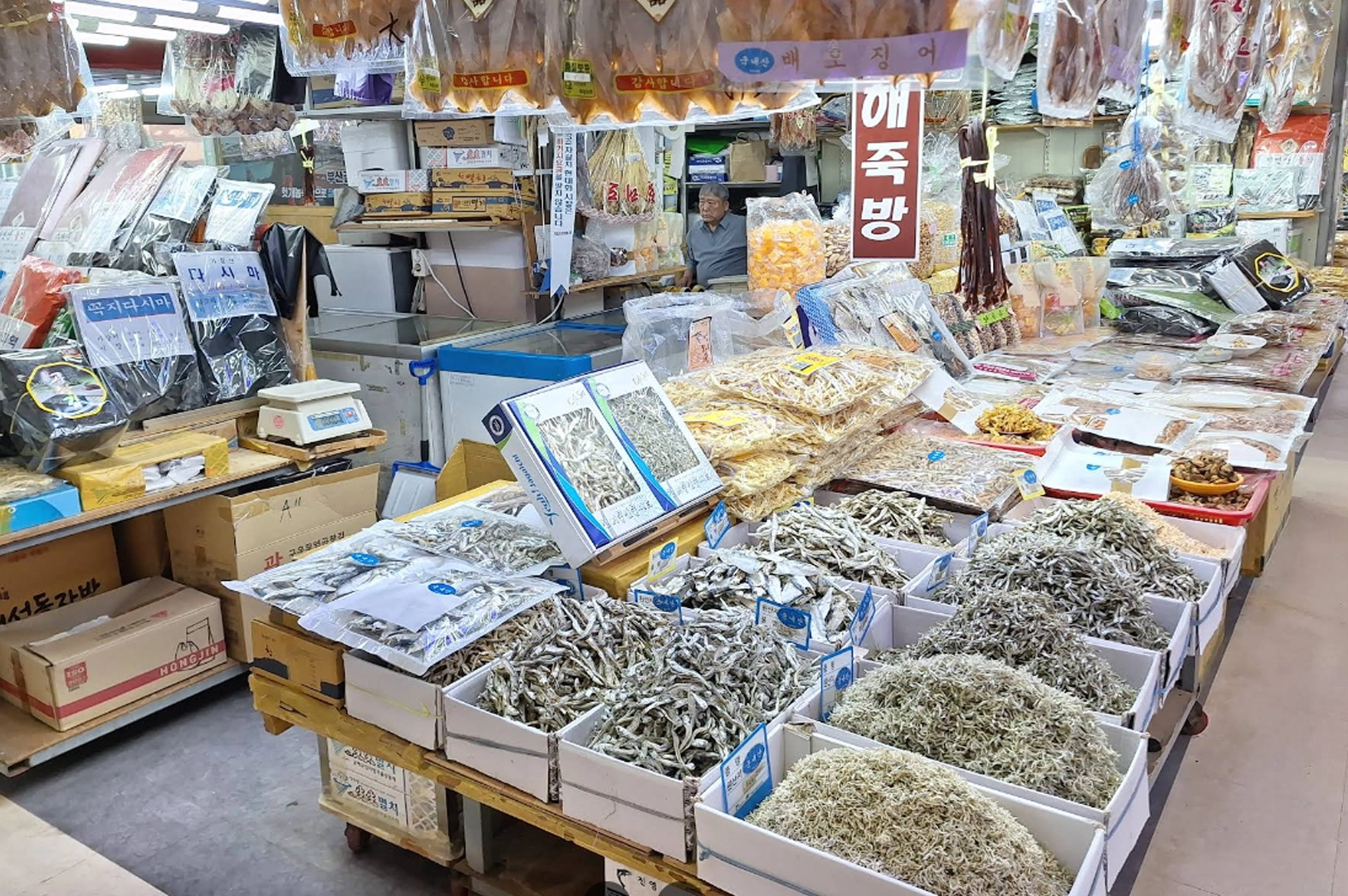
No visit to Busan is complete without a stop at the Jagalchi Fish Market, South Korea’s largest seafood market. Located near Nampo Station, this lively area is famous for its fresh seafood and vibrant atmosphere. You can buy seafood from vendors and have it cooked on site.
Nearby, the Gukje Market offers a broad range of goods, including street food, souvenirs, and traditional Korean items. It’s a bustling lively area perfect for sampling local korean dishes and soaking up the atmosphere.
For a more traditional experience, explore the various traditional markets scattered across Busan, such as the Haeundae Traditional Market, which is known for excellent street food and a fun shopping experience.
Songdo Sky Park and Songdo Cable Car: Spectacular Views and Unique Busan Activities
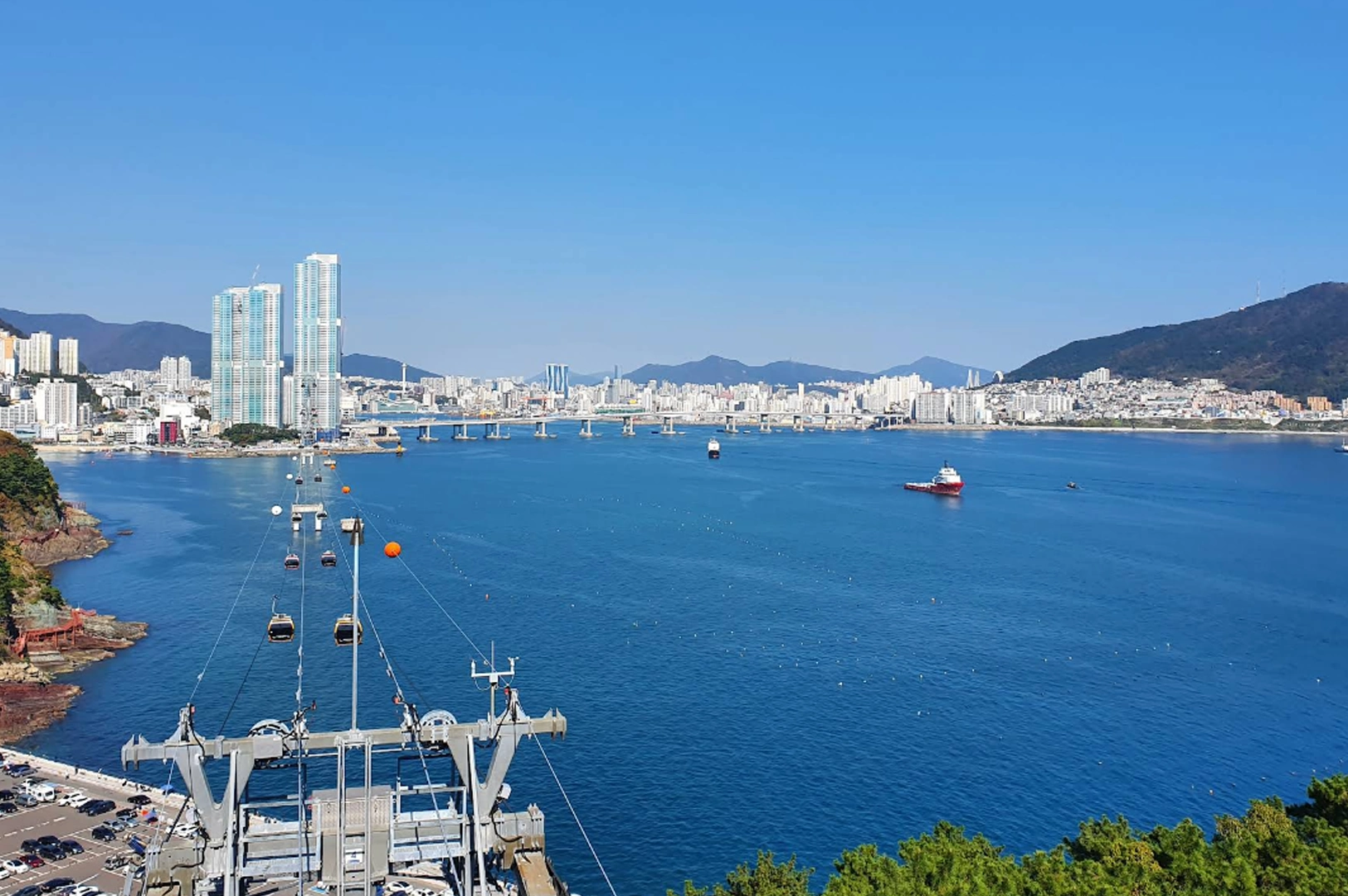
For breathtaking views and a unique experience, visit Songdo Sky Park and take a ride on the Songdo Cable Car. The cable car offers panoramic views of Busan’s coastline and cityscape, gliding above Songdo Beach and the surrounding area.
The park features elevated walkways known as the Songdo Cloud Trails, which provide stunning spectacular views of the sea and marine life below. This is a perfect spot for couples looking for both adventure and tranquility.
Cultural Highlights: Busan International Film Festival, BIFF Square, and Art Galleries
Busan is home to the renowned Busan International Film Festival (BIFF), one of Asia’s most significant film events held every October. The festival’s former location, BIFF Square, remains a bustling shopping and street food hub in the city’s lively area of Nampo.
Art enthusiasts can explore various art galleries scattered throughout Busan, showcasing contemporary Korean art and cultural exhibitions. These spots offer a quieter, more reflective experience compared to the city’s bustling markets and beaches.
Parks and Observation Points: Yongdusan Park, Busan Tower, and Diamond Tower
For panoramic city views, visit Yongdusan Park, home to the iconic Busan Tower. The park provides a peaceful green space in the city centre and is a popular spot for tourists.
For even higher views, the Diamond Tower offers spectacular observation decks with sweeping vistas of Busan’s skyline, harbor, and surrounding mountains.
Insider Tips for Couples on a Busan Trip in South Korea
Shopping for memories: When looking for keepsakes in the cultural villages, wander off the main path. I noticed that the souvenir shop on the left has better prices than the main one right by the bus stops.
Quiet escapes: If you visit the Busan Museum of Art or similar cultural centers to escape the midday heat, most tourists miss the small gallery on the 3rd floor—it’s quieter and has better photo ops for couples wanting to avoid crowds.
Alternative dates: If the beaches feel too familiar, take a taxi to the Jeonpo Cafe Street area. It is perfect for couples who love industrial-chic roasteries, sharing pastries, and simply watching the city go by.
Practical Info: Costs, What to Bring, and Accessibility for Your Busan Trip
Transport: Traveling to Busan from Seoul is best done via the KTX train ride, which arrives at Busan Station in a little over two hours. Busan Station is centrally located and serves as a major transportation hub, connecting you to other destinations and local attractions. Ditch the cash for transit. Rechargeable T-money or EZL cards work seamlessly on all buses and trains in Busan.
What to Wear: For Singapore readers, the biggest mistake is underestimating the Korean coastal climate. Even on a sunny 18°C day, the wind coming off the water at Gwangalli or Songdo Cloud Trails will make you shiver. Always pack a layer warmer than you think you need.
Accessibility: Busan is a city of hills. Places like Gamcheon and Huinnyeoul involve steep inclines and uneven stairs. If mobility is a concern, focus your itinerary heavily on the flat, accessible promenades of Haeundae and Gwangalli.
What to Do in Busan South Korea as a Couple
Deciding what to do in Busan South Korea as a couple does not require packing your days full of transit. The most romantic moments here often happen when you simply sit still.
Whether you are sharing street food stalls at a night market like Jagalchi Market, looking out over a bamboo forest trail, or riding the sky capsule above the sea, allow yourselves the luxury of time. Pick one main activity for the morning and one for the afternoon. Let the rest of the day unfold naturally. The city will reward your patience.