I learned my hardest lesson about luggage on a train platform in Aomori, Japan. I had packed a massive, 28-inch hard-shell suitcase right up to its 25-kilogram weight limit. When I stepped off the Shinkansen, I discovered the station elevator was broken. I spent the next fifteen minutes dragging that dead weight up three flights of stairs in my winter coat. By the time I reached the street, I was sweating profusely and completely exhausted—just as I was hoping to begin my restful retreat in Tokyo.
Most people treat airline luggage limits as strict boundaries to fill, seeing their suitcase as storage to justify the ticket price. But dragging that oversized bag through Aomori showed me that Singapore Airlines baggage restrictions do more than limit luggage—they shape how freely you travel.
Heavy bags cause rushing, taxi use, and exhaustion, while lighter luggage allows flexibility, detours, and slower mornings. Understanding your Singapore Airlines baggage allowance helps you pack intentionally, improving your slow travel experience.
Understanding Singapore Airlines Baggage Allowance and Checked Baggage Rules
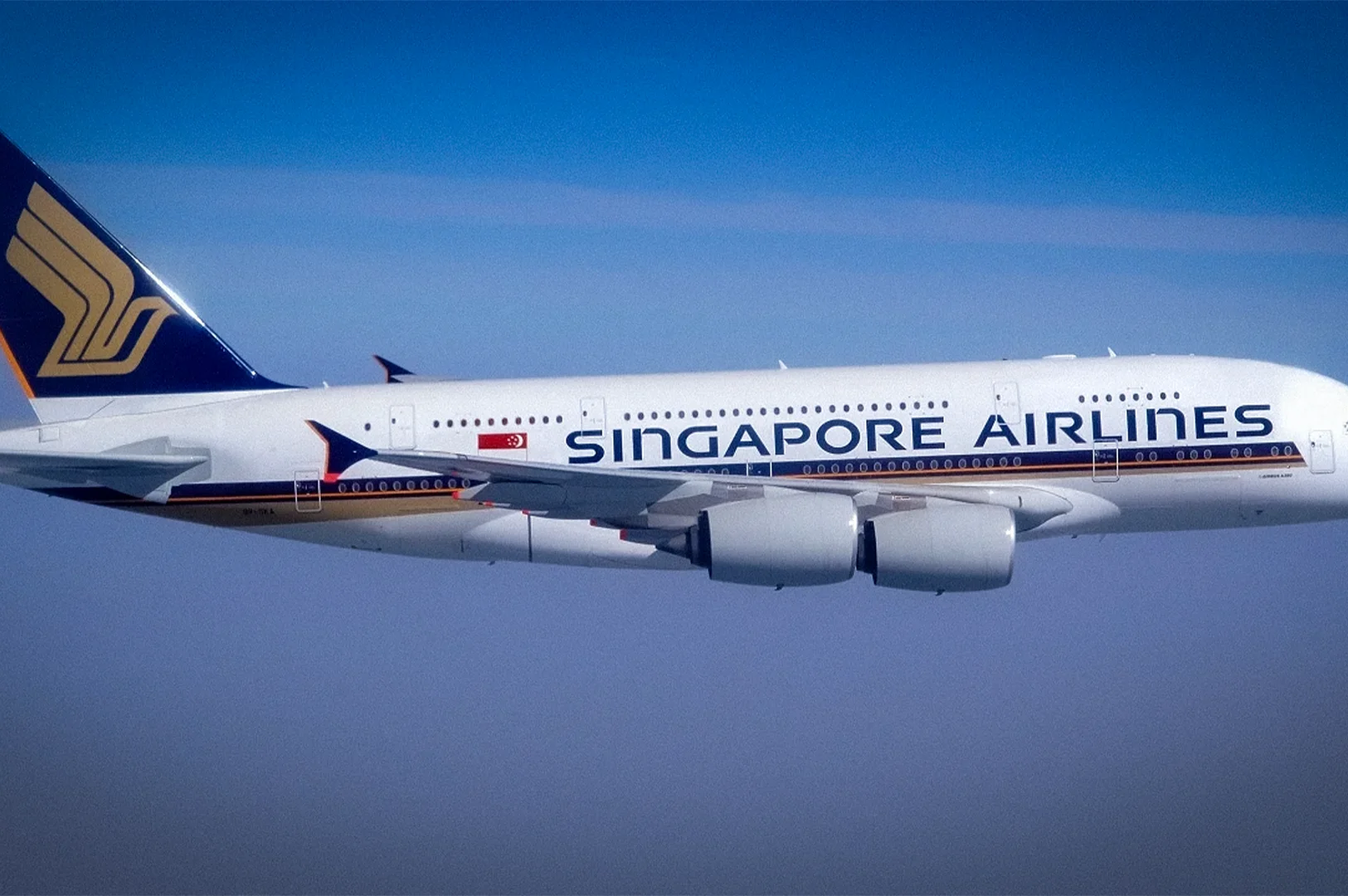
Before you can pack smarter, you need to understand the baseline. Singapore Airlines baggage allowance policies generally operate on two systems, depending on where you are flying.
For most Singapore Airlines flights out of Changi Airport to destinations like Japan, Taiwan, or Europe, the airline uses a weight concept. Economy Lite and Value fares typically include 25kg of checked baggage allowance, while higher fares go up from there, with business class and First Class / Suites reaching as much as 50kg. You can check multiple bags as long as the combined weight stays within your allowance. Premium economy class bumps this up to 35kg.
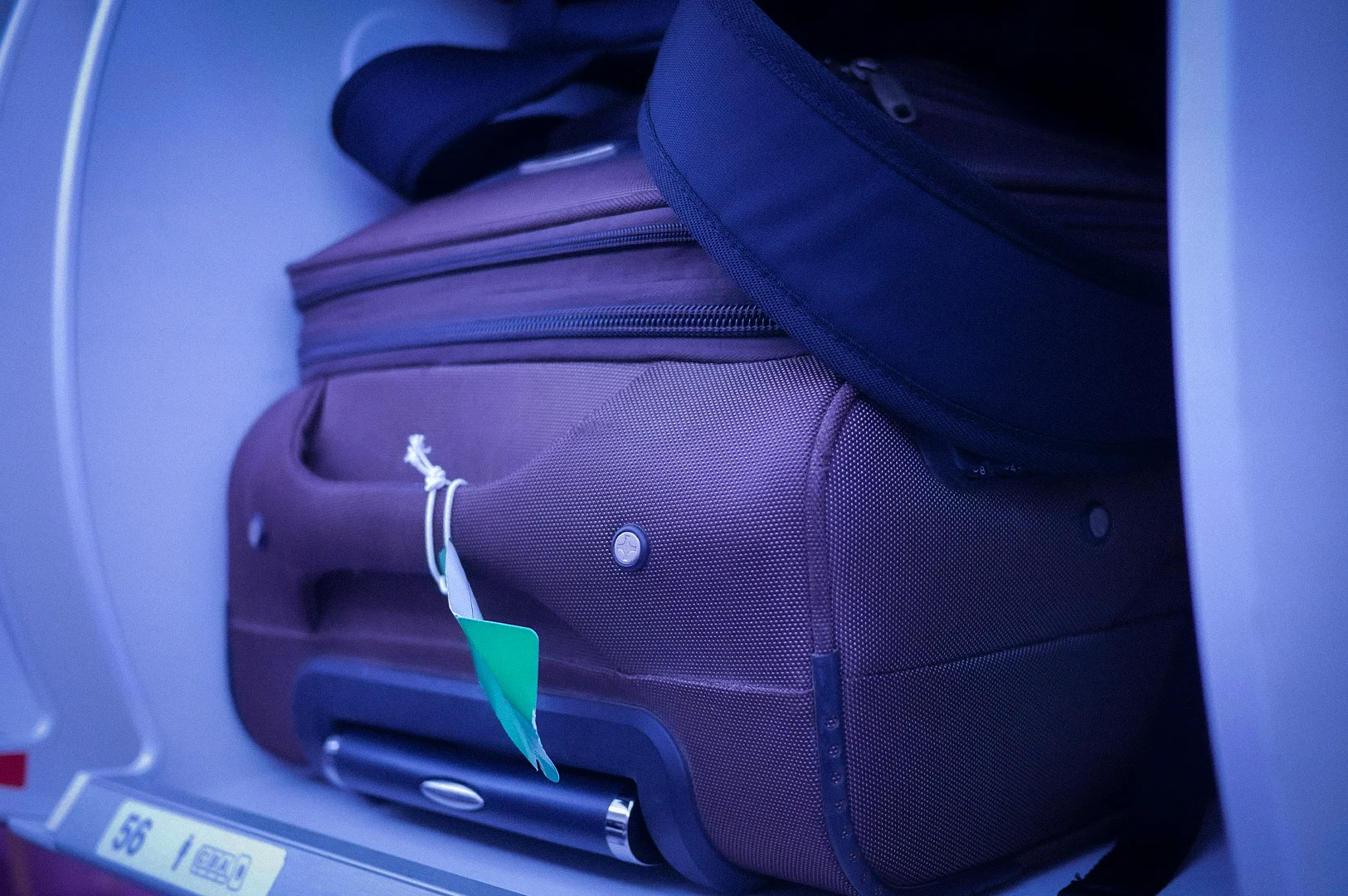
For cabin baggage, you are allowed one carry-on luggage bag weighing up to 7kg, plus one personal item like a laptop bag or a small backpack that fits the maximum dimensions allowed. The overhead bin space is limited, and ground staff will enforce these weight limits strictly.
The generous SIA baggage allowance is wonderful, but it is also a trap for Singaporeans used to “just in case” packing. Just because you can bring 30kg of luggage does not mean you should. When you treat that 30kg as a target to hit rather than a maximum limit, you end up packing your anxieties instead of your necessities.
How Lighter Luggage Changes the Pace of Travel for Passengers
Lighter luggage changes your emotional state on the road. When your bag is light, you do not panic when you see a flight of stairs. You do not feel the need to rush straight to your hotel to dump your belongings.
If you manage to travel with just your 7kg carry-on, the entire airport experience transforms. You skip the check-in counter at Changi Airport entirely. When you land, you bypass the baggage carousel and walk straight out the front doors. You can comfortably carry your bag onto a local bus without taking up two seats.
This physical lightness translates to mental lightness. You spend less time deciding what to wear, less time repacking a bursting suitcase, and more time actually enjoying the destination.
Common Mistakes Singaporeans Make with Singapore Airlines Baggage Restrictions and Policies
Singaporeans love being prepared. We are deeply conditioned to value efficiency and avoid inconvenience, which leads to a few predictable packing traps.
Maxing Out the Weight on Flight Departure
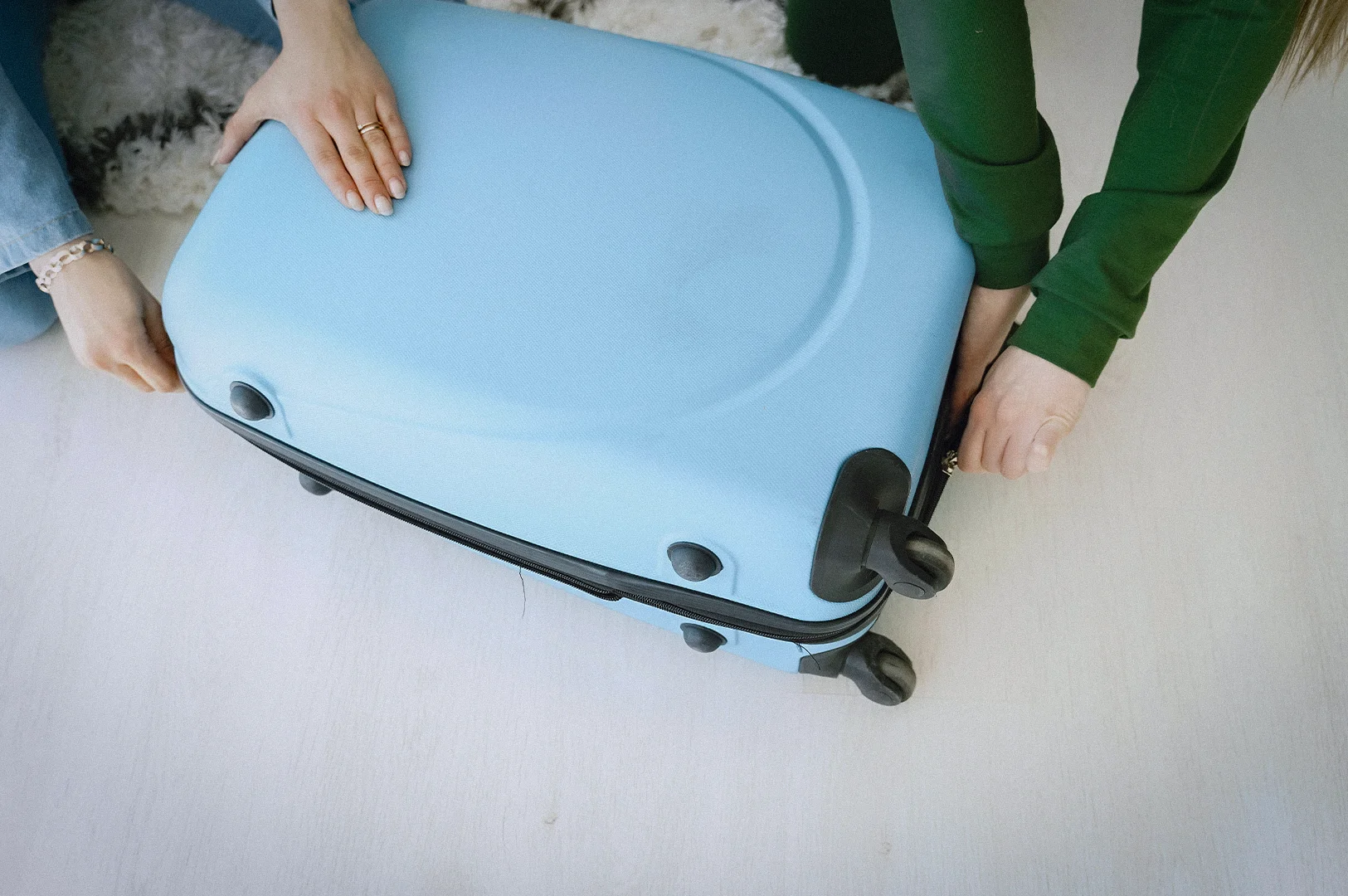
Many people try to maximize their Singapore Airlines baggage restrictions before they even leave home. If you depart Changi Airport with exactly 25kg of luggage, you have zero room for souvenirs, local snacks, or shopping. I always intentionally leave 20% of my suitcase completely empty. This removes the stress of trying to force the zipper shut on the final night of your trip.
Excess-baggage fees can be costly, so buying purchased additional baggage online more than 48 hours before flight departure may save money. Pre-purchased additional baggage is usually sold in 5kg blocks, and additional discounts may apply for early online purchase. These fees are typically charged by extra weight, with route-based rates ranging from USD6 to USD42 per kilogram.
Packing Aspirational Outfits
We pack the clothes we wish we wore, rather than the clothes we actually wear. We bring uncomfortable but stylish shoes, or complex layered outfits. The reality of slow travel is that you will probably wear your most comfortable t-shirt and your favorite cushioned sneakers almost every day.
The Duplicate Toiletries Trap
We pack massive bottles of shampoo, conditioner, and body wash because we fear the hotel won’t have the brands we like. These add enormous weight. Most places you visit will have basic toiletries, and buying a local bottle of soap from a foreign supermarket is actually a fun, grounding experience.
Travel Accessories That Actually Earn Space in Your Bag
I am highly critical of complex travel gadgets, but a few key items earn their space by quietly solving daily problems.
Compression Packing Cubes
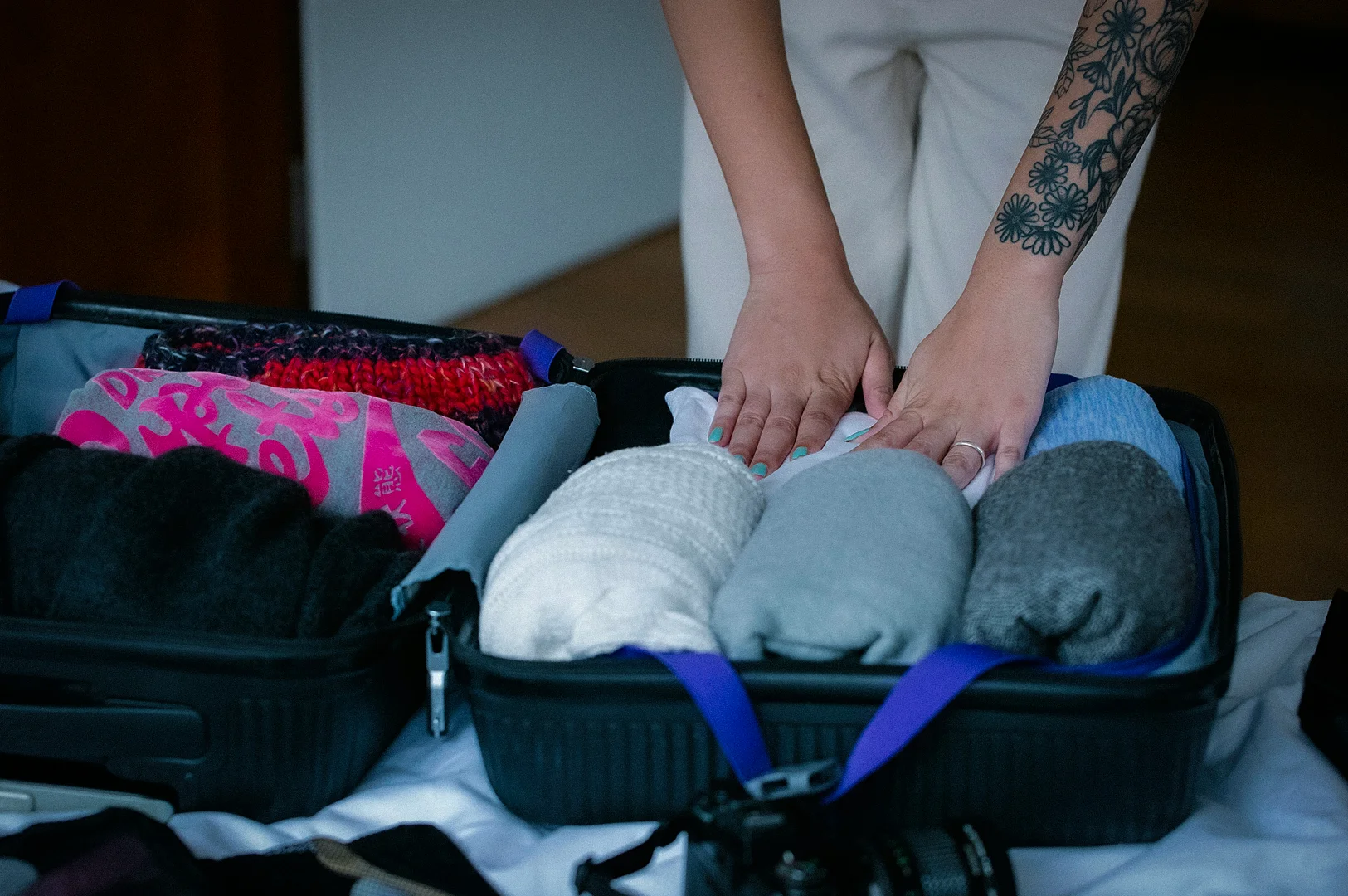
I use simple compression cubes that usually cost around $20 to $40. They do not just save space; they reduce visual clutter. When I arrive at an Airbnb, I pull the cubes out and place them on a shelf. Unpacking takes thirty seconds, and I never have to dig through a messy suitcase to find a clean shirt.
A Lightweight Tote Bag
A foldable canvas tote is essential, and you can pick one up for about $10. It quietly becomes your morning market bag, your laundry bag, and your grocery bag. When you go out for a coffee, you do not want to carry your bulky airport backpack.
A Reliable Power Bank
Using your phone for maps and translations drains the battery fast. A slim, 10,000mAh power bank (expect to spend $50-80) keeps you moving without anxiety.
Important Reminder: Always keep your power banks in your carry-on luggage. Lithium batteries are strictly prohibited in checked baggage for safety reasons. Leaving one in your suitcase can cause your bag to be pulled off the flight during security screening, causing delays or missed flights. Certain batteries and electronics that cannot be turned off are also not allowed in cabin baggage. Other prohibited items in checked baggage include lighters, paint, and pepper sprays, which are not allowed on any flights.
FAQ Section on Singapore Airlines Baggage Allowance, Piece Concept, and KrisFlyer Members
How strict are Singapore Airlines baggage restrictions for cabin baggage?
They are very strict. Your main cabin baggage must not exceed 7kg, and it must fit in the overhead bin. You are also allowed one personal item (like a laptop bag or small handbag) that must fit under the seat in front of you. Items that can be seen or used as weapons, such as toy guns and nail clippers, are not allowed in carry-on baggage. If you exceed this, you will need to check the bag.
Can I pack my power bank in my checked luggage?
No. All power banks and spare lithium batteries must be carried with you in the cabin. If you leave them in your checked baggage, security screening will pull your bag aside, which can delay your luggage or even cause it to miss the flight.
Many people worry about running out of clothes on longer trips. What should I do?
Do not pack 14 days of clothes for a 14-day trip. Pack for seven days and plan to do laundry. Booking an accommodation halfway through your trip that has a washing machine is a total game-changer. It instantly cuts your luggage weight in half.
Are liquids allowed in my carry-on?
You can bring liquids, aerosols, and gels in your cabin baggage, as long as they meet the following requirements: each container must be 100ml or less, and all containers must fit in a single transparent resealable plastic bag up to 1 litre. Larger bottles must go into your checked baggage. Failing to declare restricted liquids or other controlled items can lead to civil or criminal penalties.
What is the piece concept for flights to Canada and the USA?
Singapore Airlines uses the piece concept for these routes. Passengers are allowed two pieces of checked baggage with a maximum weight of 23kg each in Economy and Premium Economy, and 32kg each in Business and First Class. The sum of length, width, and height for each bag must not exceed 158cm. Fees apply if you buy an additional piece or add 9kg to your allowance, with benefits varying for Business Class, KrisFlyer Elite, and KrisFlyer Elite Gold members.