
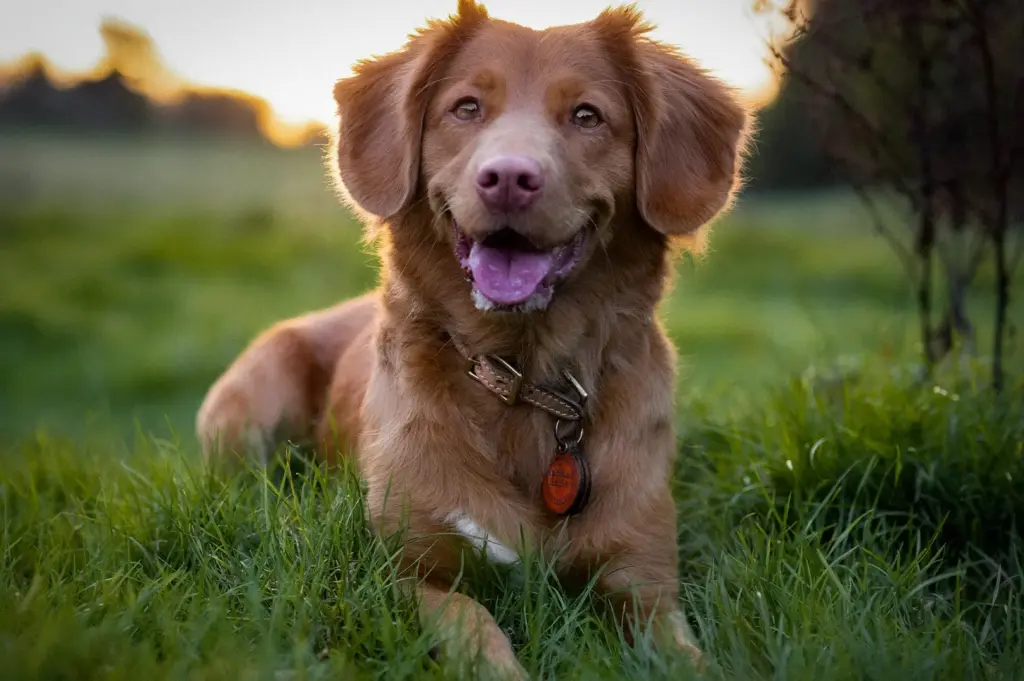
The first time I flew my dog out of Singapore, I nearly missed the trip over a piece of paper.
His name is Biscuit, a brown mongrel who leans on your leg when unsure. I thought I had everything booked—flights, stay, vet visit—until four days before departure, I learned about the AVS export licence I hadn’t applied for.
That night, I anxiously awaited approval. It came, barely in time. Since then, I vowed never to travel so rushed again.
Travelling with pets requires more than booking a ticket: for international flights from Singapore, you need the right AVS export and import paperwork, clear airline rules, and a plan for your pet’s comfort. Without these, trips can quickly become stressful.
Done slowly, with care for your pet, it becomes a tender way to see the world.
If you’re a pet owner in Singapore planning overseas travel, this guide covers licences, airline logistics, crate requirements, packing essentials, slow-travel tips, mistakes to avoid, and common questions.
Here’s what I’ve learned, mistakes and all.
Start With the Veterinary Health Certificate Paperwork, Not the Packing

I know. Not the romantic bit. But Singapore pet travel lives or dies on documentation, so let’s get it right.
Two licences matter most: the AVS export licence to take your pet out, and the import license to bring them home. These come from NParks’ Animal & Veterinary Service, and you need approval before you leave, not after. No permit, no travel. It is valid for 90 days from issuance. It’s that simple, and that unforgiving.
The part that trips people up is the return. To claim GST relief on your pet when you come back to Singapore, you submit your documents to Singapore Customs at least five working days before your return date. Not five calendar days — working days. Weekends and holidays don’t count, which is exactly the maths I got wrong with Biscuit.
What you’ll need to send in: a copy of your passport and NRIC, both licences, the veterinary health certificate, which costs about S$23 for normal service, vaccination records with your cat’s microchip number clearly indicated, or your dog licence, and your flight itinerary. If your pet flies as manifested cargo, add the air waybill.
Air Travel Logistics: The Honest Version for Travelling with Pets
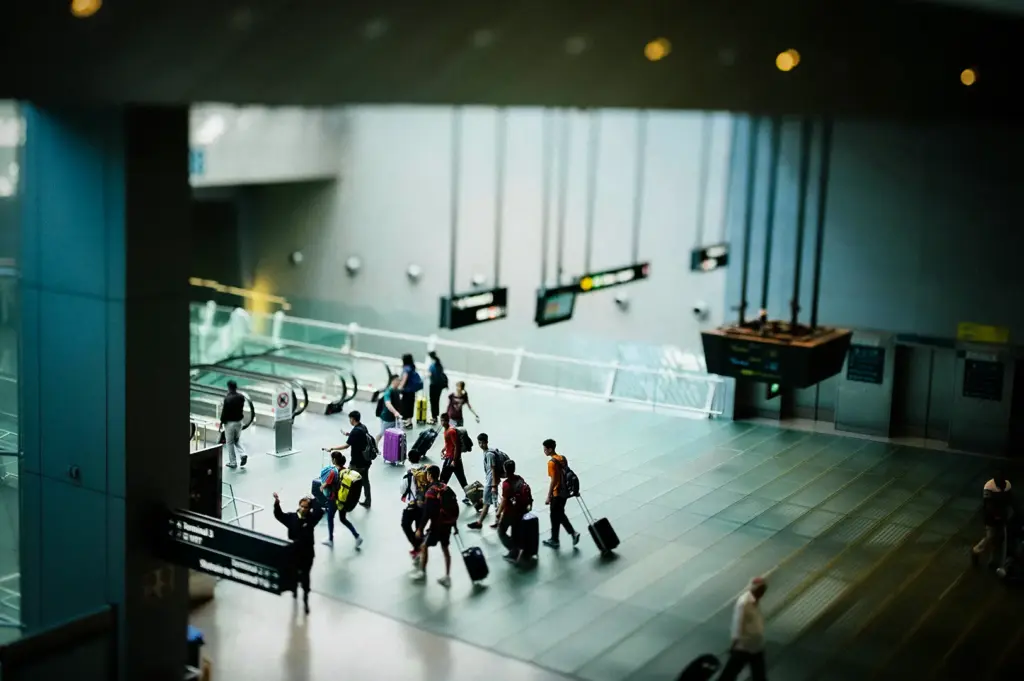
Here’s where I have to be blunt, because I wish someone had been blunt with me. Direct flights are usually the best option if you want to reduce stress during air travel.
Most pets don’t fly in the passenger cabin. Some pet friendly airlines, such as Lufthansa, permit pets up to 8kg in the cabin. On Singapore Airlines, dogs and cats travel as checked baggage in the cargo hold up to 32kg, not curled up at your feet. I struggled with this at first. The idea of Biscuit alone below deck made my stomach turn.
But the cargo hold on their larger aircraft is temperature-controlled and pressurised. It’s not the frozen void I’d imagined. Knowing the actual conditions helped more than any reassurance could.
A few hard rules on pet transport Singapore travellers need to know before booking anything:
Prohibited dog breeds. Singapore Airlines won’t carry certain flat-faced breeds, as cargo or checked baggage, because their breathing struggles at altitude. That list includes Pugs, Shih Tzus, Chow Chows, Boston Terriers, and English, French, and American Bulldogs, among others. If you love a squish-faced companion, this stings — but it’s a safety call, not a bureaucratic one. Those breeds simply can’t regulate their breathing well enough for flight.
The pet container. Your pet container must meet IATA standards, so buy the travel container weeks before you leave. That means rigid plastic, metal, or plywood — never all-wire mesh. A solid, leakproof floor. Ventilation on all four sides. A door with metal hinges and locking pins. Your pet needs room to stand in a natural standing position without their head touching the roof, to turn around, and to lie down comfortably. Too small and they’ll be refused at check-in. Too large and it complicates handling.
The combined weight. Your pet and their crate combined must stay under 32kg. Check the combined weight early. On some carriers, heavier animals must go as manifest cargo — Emirates, for example, requires pets over 32kg to travel as cargo. I’ve seen an owner turned away at the counter because their crate alone pushed a big dog over the line.
The age. Pets must be at least 12 weeks old to fly. For some routes, verify whether cats allowed rules vary by breed or documentation before you book.
Why I Travel Slow With Him Now

After that first frantic trip, I changed how I travel entirely.
I stopped cramming. One destination, not four. A week in one place instead of a whirlwind of trains, taxis, and public transport. Slow travel with pet in tow isn’t a compromise — it’s the point.
Think about it from their side. Every new smell, floor, and loud noise is a lot to process. Rushing through cities is exhausting for them and you. Settling into one quiet spot? They can handle and enjoy that.
I look for homestays and guesthouses that welcome pets, with a garden and a host who doesn’t mind Biscuit exploring. When we arrive, I check for hazards and pet-proof before letting him settle.
Our mornings are simple: a walk before the heat, breakfast under the table, a lazy midday indoors, another walk at dusk. The routine keeps him calm — even in a strange country.
The slow pace isn’t just kinder to him. It changes what I notice too. Without chasing a checklist, I see the neighbourhood: the old men gathering, the stray cat Biscuit befriends, the quiet on a balcony while rain falls.
What to Pack for Your Pet Container
Packing for a pet is its own small art. Here’s my working list, built over a few trips.
The documents. Health certificate, vaccination records with the cat’s microchip number clearly indicated, both licences, rabies letter if your destination country requires it. For pet owners, keep collars with current ID tags on your pets and make sure the microchip details match the paperwork. These live in my folder, copies in two places.
Inside the crate. Absorbent bedding or pee pads — not straw, which airlines prohibit. A water container fixed to the door with outside access for filling. Food and water containers attached in case of delays.
Comfort items. A familiar blanket, unwashed, smelling of home. His scent, my scent, the sofa’s scent. It’s the single thing that seems to settle Biscuit most in an unfamiliar pet container.
The everyday kit. Leash, collapsible bowls, enough of his usual food for the entire journey — switching food abroad invites upset stomachs. Keep identification tags on throughout the trip. Any medication, in its original packaging.
Mistakes I’ve Made So You Don’t Have To
Leaving the paperwork late. My original sin. The five-working-day rule for customs in payment relief has caught more people than I can count. Count backwards from your return, exclude weekends, then add a buffer.
Assuming my pet could fly in the cabin. For most dogs and cats out of Singapore, that’s not the reality. Confirm with the airline the moment you start planning, because pet spots per flight are limited and fill up.
Buying the wrong crate. My first crate had plastic latches. Refused. I had to buy a compliant one at the last minute for far more than it should have cost. Check the IATA rules first, then buy once.
Handling car transfers casually. This is one of the few things that’s easy to get wrong: on road legs, secure pets in a well-ventilated carrier or with a crash-tested harness, never loose in the vehicle. Never leave them unattended in a parked car, and give a light meal a few hours before travel to help reduce motion sickness.
A Few Questions I Get Asked About Dogs and Cats Travelling
Can I really fly my pet out of Singapore? Yes — as long as they meet airline and destination rules, and you’ve secured your AVS recognised pet agent and AVS licences ahead of time. It takes planning, not luck. Quarantine depends on rabies risk categorisation: pets from Schedule II countries may face extra testing and isolation, pets from Schedule I countries typically do not require quarantine, and pets from Schedule III countries require at least 30 days in quarantine facilities.
Is the cargo hold safe? On aircraft with temperature-controlled holds, yes. Choose your pet friendly airlines and route with this in mind, and avoid carriers or planes without climate control. Ask directly before you book.
My dog is a Pug, a prohibited breed. What are my options? Air travel likely isn’t one of them with Singapore Airlines. Look at overland or sea routes to nearby countries like Malaysia instead, always confirming that destination country’s entry requirements first. It’s slower — but slow is what we’re here for anyway.
How far ahead should I start? Months for international trips. Some vaccinations need weeks to take effect, and licences take time to approve. Early planning is the whole difference between calm and chaos. If inspection is required at Changi Airport, pets must go through Changi Animal & Plant Quarantine Station, and booking with the plant quarantine station should be made at least 5 days in advance to avoid extra waiting time.
What does it cost? Beyond airline pet fees, budget for vet certification, microchipping if needed, and a transhipment licence of roughly S$50–100 if you’re transiting Singapore. For many pet owners, travelling with pets can easily cost S$1,000 to S$2,000 overall, with airline transport alone often around USD500 to USD800. Quarantine in Singapore’s quarantine facilities costs about S$16.80 to S$26.25 per day, with non-air conditioned spaces starting at S$16.80 per day, and requirements can vary with rabies vaccination status. It adds up, so plan the money as carefully as the dates.
The Trip and Arrival in Singapore Is Better With Him In It

Somewhere along the way, I stopped seeing pet travel as a burden.
Now, when I plan a slow trip, Biscuit is part of it from the first day — his crate, his food, his blanket, his pace. Travelling with pets forced me to slow down in a way I didn’t know I needed. To choose one place and stay. To notice.
If you’re bringing dogs or cats on the same flight, make sure all necessary arrangements are in place for their comfort and compliance throughout the entire journey.
If you’re mapping out a longer, gentler trip and want a sense of how staying put in a single city can feel, I found this Seoul guide worth a read: https://slowtravels.com.sg/5-best-hotels-in-seoul-south-korea-for-a-10-day-stay-where-comfort-meets-slow-travel/
And if you’d like a fuller breakdown of the documents and timelines before you start, you can find out more here.
The paperwork is real. The rules are strict. The crate matters. None of that is the story, though.
The story is the two of us on a quiet balcony in a country neither of us knew, rain outside, no schedule to keep. Him asleep against my leg. Me, finally, unhurried.
That’s why I do it slow. That’s why I bring him along.
Plan early. Pack his blanket. And leave room in your days for nothing to happen.
You’ll both be better for it.