
The first time I really slowed down, I didn’t mean to.
I’d booked five days in a small town in northern Thailand with a packed plan — temples, waterfalls, a night market two towns over. On day two, it rained hard. So I sat under an awning with a plate of khao soi, the curry slightly cool, and watched water pool in the street.
That afternoon changed how I travel. When people talk about types of travel, they often mean different kinds of travellers — adventurers, cultural seekers, digital nomads, solo travellers, couples, families, business travellers, nature lovers, and food lovers — each with different needs, shaping trips around slow travel.
If you want to understand your travel style, this is for you. I’ll cover traveller types slow travel suits best, why moving slowly leads to better trips, ways to do it — from immersive homestays to eco-conscious journeys — plus planning tips, common worries, fitting destinations, and mistakes that leave trips rushed and tiring.
Let me share what I’ve learned.
Why Understanding Types of Travellers Matters
Here’s something I wish someone had told me earlier: most of us try to travel like everyone else, then wonder why we come home tired instead of full.
The truth is, types of travel aren’t one-size-fits-all. An adventurer and a food lover want completely different mornings. A family and a solo backpacker measure a good day by different things. Some people travel for self discovery, while others want time in different cultures or plan trips around cultural experiences. Many cultural travelers care less about checking off tourist attractions and more about cultural immersion. Adventure seekers often remember movement and challenge more than comfort. When you copy someone else’s itinerary, you’re often chasing joy that was never yours to begin with.
Slow travel gave me permission to stop, and slowing down helped me feel completely present. And once I understood which kind of traveller I was, planning got simpler — and so much kinder.
The Many Types of Travellers — and How Slow Travel Suits Each
I don’t think anyone fits neatly into a single box. I’m part food lover, part solo wanderer, part reluctant adventurer when the mood strikes. Still, seeing the profiles laid out helps.
Adventurers and thrill seekers. Different travelers want different things: adventure seekers may chase challenge and motion, while cultural travelers often care more about place and context. You’d think slow travel and adventure don’t mix. They do. Instead of cramming three treks into a week, you settle near one trail and walk it properly — learning the light, the weather, the quiet stretches most people miss. The thrill deepens when you’re not racing to the next thing.
Cultural seekers. This is where slow travel shines brightest. Staying long enough to notice how a neighbourhood wakes up, which stall the locals trust, how people greet each other — that’s culture you can’t collect in a day trip. When you copy someone else’s itinerary, you usually miss the point. Many travelers now value cultural experiences and cultural immersion over rushing through tourist attractions. Over 65% of travelers prefer immersive experiences over checklists. Following lists and ticking boxes rarely leads to deeper connections, but time spent listening and returning to the same places often does. It also opens the door to meaningful connections with local communities and a better feel for a place’s cultural heritage.
Solo travelers. Traveling alone and traveling slowly belong together. A solo trip gives you room to notice more — and to set your own pace without a single compromise. Solo travelers often worry about loneliness, but a longer stay in one place quietly solves that. You become a regular. People remember your face.
I made this mistake for years, thinking independence meant doing everything alone; in foreign countries especially, learning a few basic phrases and respecting local customs can shape the experience and support self discovery. You also end up in conversation with hosts, neighbours, and fellow travellers more naturally than you’d expect.
Business travelers. Even a work trip can bend toward slowness. Arrive a day early. Skip the hotel restaurant. Walk the neighbourhood on foot. Business travelers who carve out even one unscheduled morning come home with a real memory instead of just another airport. This kind of travel also books year round, which is part of why hotels value steady group and corporate demand.
Nature lovers and food lovers. These two are my people. Nature lovers thrive when they stop treating a national park like a checklist and simply sit in it. And food lovers — well, you can’t rush a proper meal. Slowness is the only honest way to eat.
Luxury travelers. Slow can be indulgent too. Luxury travel often works best when it leaves room to breathe, with longer stays, thoughtful service, and private tours that feel tailored rather than rushed. For some people, guided tours add ease and context without taking away that sense of presence.
The Different Types of Slow Travel
Slow travel isn’t a single thing either. Over the years I’ve drifted through several types of slow travel, and each has its own flavour. For many slow travel enthusiasts, choosing depth over fast paced travel across multiple destinations makes all the difference.
Immersive homestays. Living in someone’s home changes everything. You wake to a family’s routine, eat what they eat, learn the shortcut to the market because your host drew it on paper. It’s the most intimate way to travel I know, and a slow travel journey like this opens the door to local culture, cultural experiences, and stronger ties with local economies.
Eco-conscious journeys. For those who think about environmental impact, eco-lodges and low-footprint travel let you move gently. Sustainable travel often means choosing eco friendly accommodations and using public transportation. You slow down without meaning to, and the land is better for it.
Culinary traditions. Some of my most meaningful trips have been built entirely around food. To explore destinations this way, I look for cooking classes, time in local markets, and meals that keep money with local businesses. Following culinary traditions — a cooking class with a grandmother, a morning at a wet market, learning why a broth simmers for hours — teaches you a place through its plates. This is slow travel I’d choose again and again.
Road trips. A slow road trip is its own quiet joy. Not the kind where you drive twelve hours to reach a destination, but the kind where the detours are the point. If you travel slowly, even a short drive feels fuller, especially with walking tours or a stop arranged by local guides. Stop in the town you’ve never heard of. Eat where the truck drivers eat.
Community-based travel. Staying somewhere run by locals, joining a workshop, helping at a small farm — this ties you to a place and its people in a way tourism rarely does. It also supports local economies in a direct, visible way.
A Simple Slow Travel Guide: Where to Begin
If you’re new to this, here’s the slow travel guide I’d hand a friend over coffee. Four steps, nothing complicated.
1. Identify your traveller type. Look back at what you actually loved on past trips. Be honest, not aspirational.
2. Choose your slow-travel style. Homestay immersion? A culinary trip? A gentle road trip? Match it to who you are, not who you think you should be.
3. Plan a flexible itinerary. This is the hard part for over-planners like me. Schedule one main thing per day — one. Leave the rest open. Let a place surprise you, on your own timeline rather than a tour operator’s. That also gives you room to catch local festivals or detour to local attractions without rebuilding the whole trip. For slow travel enthusiasts, focusing on fewer places often makes all the difference.
4. Set a realistic budget. In Southeast Asia, budget slow travel runs roughly S$40–70 a day with hostels, street food, and public transport. A comfortable mid-range — decent homestays, cafés, the odd workshop — sits closer to S$100–150 a day. If you can, travel in off peak seasons for lower rates, and price in travel insurance before you go. Knowing your number keeps the trip relaxed instead of anxious.
Choosing Your Slow Travel Destinations
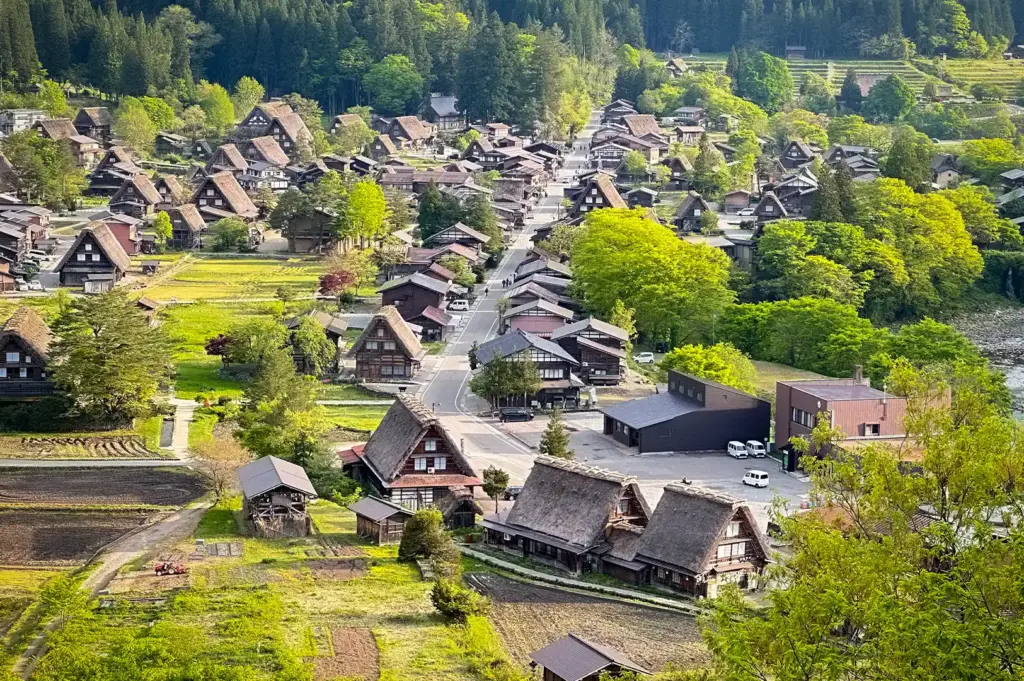
Not every place rewards a slow pace equally. I look for towns with real daily life — markets, walkable streets, food worth returning to, and the kind of hidden gems you only notice once you slow down.
For Singaporeans, the sweet spot is often two to six hours by flight: Penang, Bangkok, Bali, Jeonju, or a residential corner of a bigger city where you can settle in for a week or more. Bali works well if you want iconic destinations balanced by quieter corners. Bangkok suits travellers who enjoy bustling cities without changing hotels every other night. Cities work too, if you resist the urge to see everything. Basing yourself in one neighbourhood and going deep beats skimming across a whole map.
If you’re leaning toward a longer city stay, this slow travel guide to Seoul hotels for a longer stay is worth a look — it’s built around exactly this kind of unhurried, settle-in approach.
And if you want a fuller breakdown before you plan, here’s a detailed walkthrough on matching your traveller type to the right slow travel pace and destinations. For a wider mix, you could also look at Costa Rica for nature-led days, Central America for slower regional routes, Kyoto for ancient traditions, or beach bases where scuba diving, historical sites, ancient ruins, lively nightlife, and vibrant culture can all shape the rhythm of a trip.
Mistakes I’ve Made So You Don’t Have To
Choosing the wrong base. I once booked somewhere that looked central and turned out to be a long, hot walk from anything worth seeing. Check the map properly. Good slow-travel bases can be bustling cities, rural regions, or iconic destinations with enough daily life to settle into, and some travellers may want historical sites, ancient ruins, ancient traditions, vibrant culture, or lively nightlife as part of that. Riverside charm loses its shine when you’re stranded from it.
Copying someone else’s trip. The itinerary that lit up a friend left me flat, because we’re different travellers. What thrills a thrill seeker bores a food lover half to death. Plan for you. Bali works for some people because beyond the busy patches, it still offers hidden gems for slow travelers. Sri Lanka is another underrated slow travel destination. Kyoto suits people drawn to serene gardens and temples, Patagonia to breathtaking views and untouched nature, and the Cotswolds to charming English villages.
Forgetting downtime. Even slow trips can fill up if you’re not careful. Build in hours where nothing happens, whether that’s a long lunch at a local café or an unplanned wander back to your room. Those empty afternoons are where the good memories tend to hide. Costa Rica and parts of Central America also suit travelers who want nature-led slow stays, especially along the coast.
The Slow Travel Journey That Stays With You
I still think about that rainy afternoon in Thailand. The cooling curry. The tea, refilled without a word. The water pooling in the street while I did absolutely nothing.
That’s what understanding your travel type gives you. Not more places. More presence.
So before your next trip, sit with the question of who you really are when you travel. Choose a pace that fits. Pick one town, stay a while, and let the ordinary become the highlight.
You’ll come home with fewer photos, maybe.
But you’ll carry more of the trip inside you — and that, I’ve found, is the whole point.





