
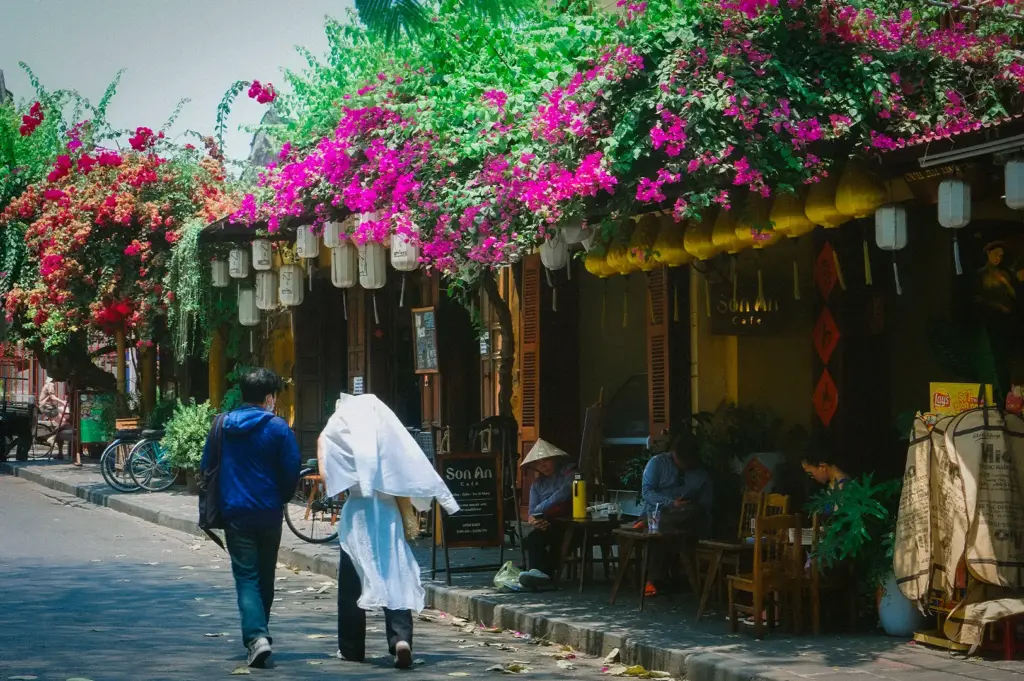
The first time I visited Hoi An, I gave it one afternoon.
I came down from Da Nang after lunch, walked the Ancient Town under a white sun, bought a lantern I didn’t need, and left before dark. On the drive out, the lights along the Thu Bon River were just coming on. I watched them shrink in the rear window and knew I’d rushed it.
I’ve been back three times since. Each trip was longer and slower. Hoi An doesn’t reveal itself to hurried tourists. You find it in the narrow paths of the Old Town before the shutters roll up, in a bowl of cao lầu you return to twice, in a bicycle ride through rice fields with nowhere particular to be.
This guide covers the things to do in Hoi An that stayed with me and the mistakes that taught me how to see them. If you’re planning a slower journey through Southeast Asia, you can also explore these activities in Singapore for another perspective on travelling at a gentler pace.
Getting There From Da Nang

Hoi An has no airport, no metro. From Singapore, you fly into Da Nang International Airport. The two cities sit a short distance apart—about 30–40km—and the drive takes roughly 50 minutes under normal traffic.
From the airport, your options are:
Private transfer: My choice after a late flight. Someone waits with your name, no negotiating required.
Grab: Familiar for Singapore travelers. Open the app at arrivals.
Taxi: Available outside the terminal.
Shuttle: Cheaper, but slower if it makes several hotel stops.
On my second trip, I tried to find a ride at 11pm to save money. I wouldn’t do that again. If you land late, pre-book in a group, the cost splits well.
Once in Hoi An, leave the car behind. The Old Town’s main heritage streets are closed to motorized traffic. Ride bikes through the quiet lanes or walk the busy streets before the heat arrives. You’ll see the town as it wants to be seen.
Insider tip: Stay just outside the centre and cycle in each morning. The short ride becomes part of the day.
When to Visit Hoi An Vietnam
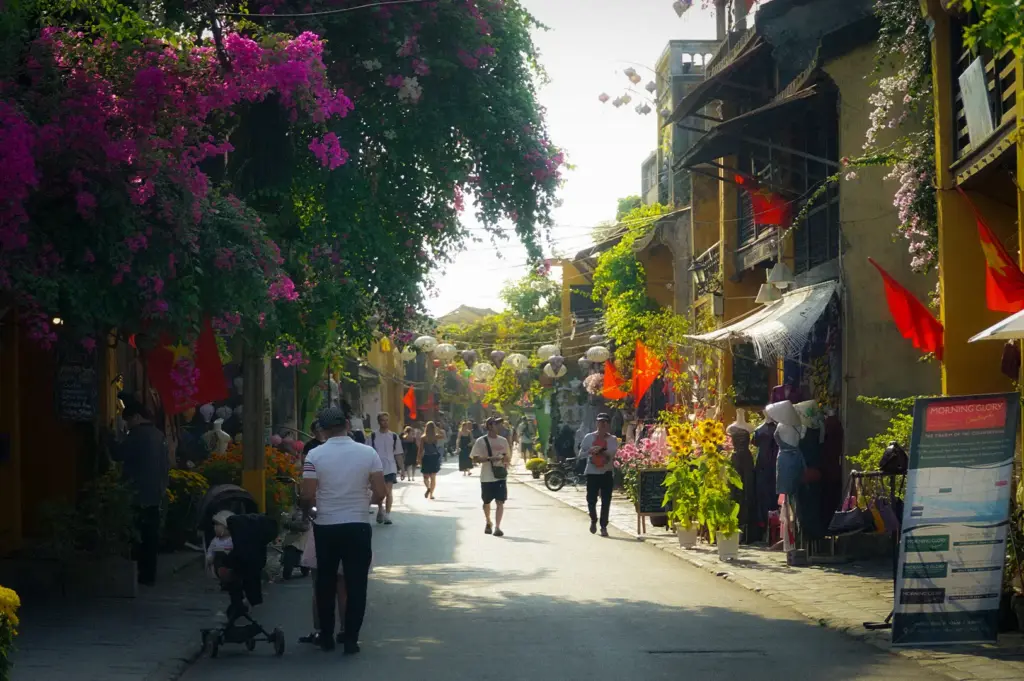
March to May is my favorite window. Pleasant weather, green fields, good light. Broadly, February to August is warmer and sunnier, the most forgiving stretch for a first visit to Hoi An Vietnam.
September to January is the rainy season. Storms arrive around September, with possible flooding through November. I went once in late October. Two of four days were spent watching rain from café tables. I don’t regret it, but keep your plans loose.
The lantern festival falls on the 14th day of each lunar month. Electric lights dim across the Old Town and colorful lanterns take over. Remaining 2026 dates: 23 October, 22 November, 22 December. Beautiful and far busier than a normal night. Book accommodation early.
Crowd tip: The Hoi An Ancient Town is quietest from 6:30am to 9am. Late afternoons, evenings, and the night market area are the busiest, especially on weekends and full-moon nights.
Things to Do in Hoi An: The Highlights I Keep Returning To
Walk the Hoi An Ancient Town, Morning and Night
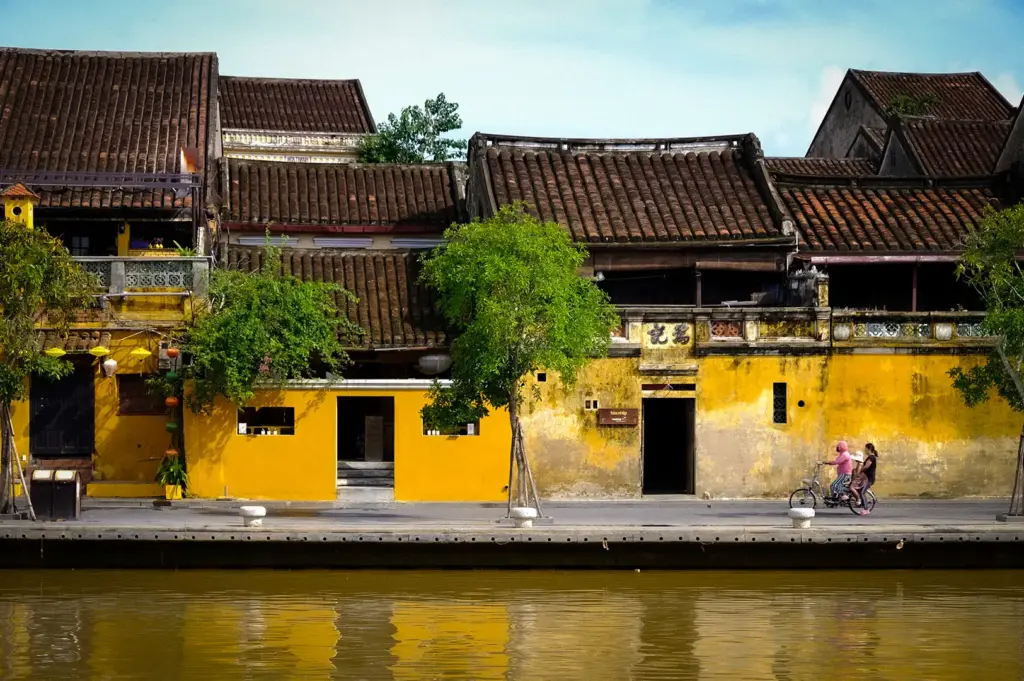
The Ancient Town ticket covers this UNESCO World Heritage Site’s designated cultural landmarks, with funds going toward conservation. It’s not a city entry fee.
80,000 VND: Ancient Town access, one major monument (the Japanese Covered Bridge or Quan Cong Temple), two more heritage sites.
120,000 VND: The above, plus museum access and three additional heritage sites.
If you’re staying several days, get the 120,000 VND ticket. You’ll have time to use all of it.
I’d reccommend walking twice, once before 8am, once after dark. The Japanese Covered Bridge is quieter at 7am. For photos, leave the main streets and turn into the narrow paths—wooden doors, courtyards, colorful lanterns hanging still in the morning air. The side lanes are within easy walking distance and more honest than the riverfront.
Explore the Fujian Assembly Hall: 30 Minutes with History
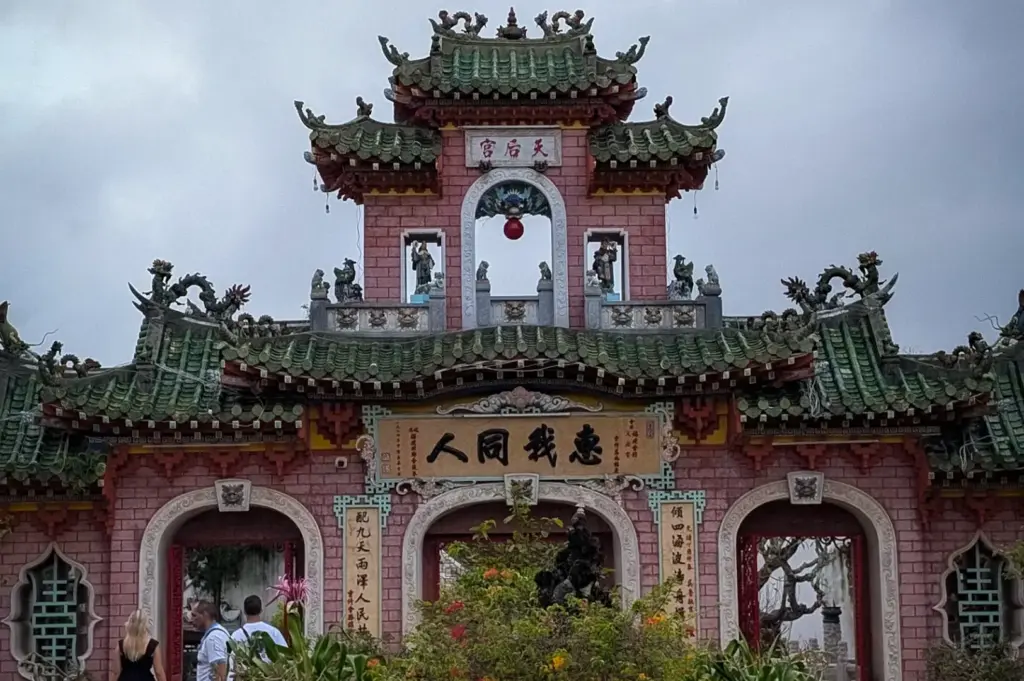
One of the most rewarding cultural landmarks in the Ancient Town isn’t the most photographed.
The Fujian Assembly Hall (Hội Quán Phúc Kiến), at 46 Trần Phú Street, was built by Fujian Chinese merchants and dedicated to Thien Hau, the sea goddess believed to protect sailors. The red-and-gold entrance, ceramic dragons and inner courtyard speak to Hoi An’s history as a major trading port where Chinese architecture and Vietnamese culture met.
Entry is included in your Ancient Town ticket. I’d treat opening hours as roughly 7am to 5pm and confirm on the day. Go early, the courtyard holds heat by midday, and the entrance crowds by then.
An honest note I’d like to share is that on-site information is thin. If the story of Hoi An’s Chinese merchant community interests you, read a little beforehand. Without context, you’ll still admire the carvings. You just won’t know what they’re saying. It remains a working place of worship, on a quiet morning, you may find local people lighting incense rather than tourists taking photos. That changes the air entirely.
Cover your shoulders and speak softly. Give it 20 to 30 minutes, or more if you sit and look.
Cycle Through Tra Que, Cam Chau and Rice Fields
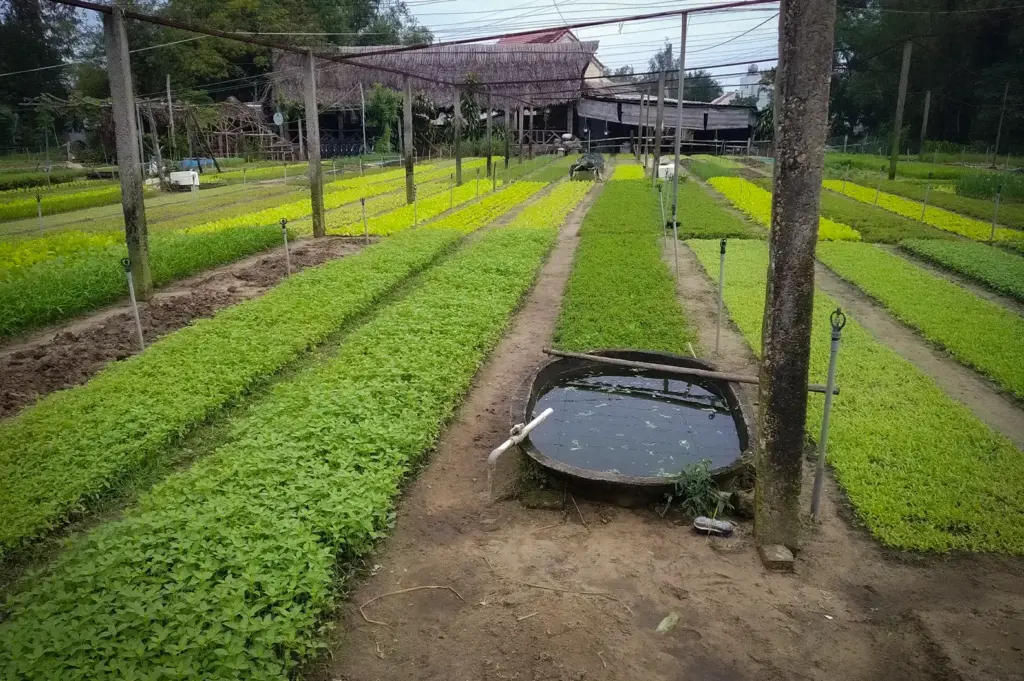
Rent a bicycle for about 50,000–100,000 VND a day and head out.
Tra Que Vegetable Village is tidy rows of green and still ponds—the kind of place that makes you slow your pedaling without meaning to. Cam Chau opens up into rice field views between quiet houses. Cam Thanh has waterways, palms and small communities. The roads are flat, the pace gentle, and within twenty minutes the Old Town crowds feel far away.
Bring a hat. Every sunburn I’ve had in Vietnam taught me the same lesson.
Day Trips: Da Nang as a Companion City
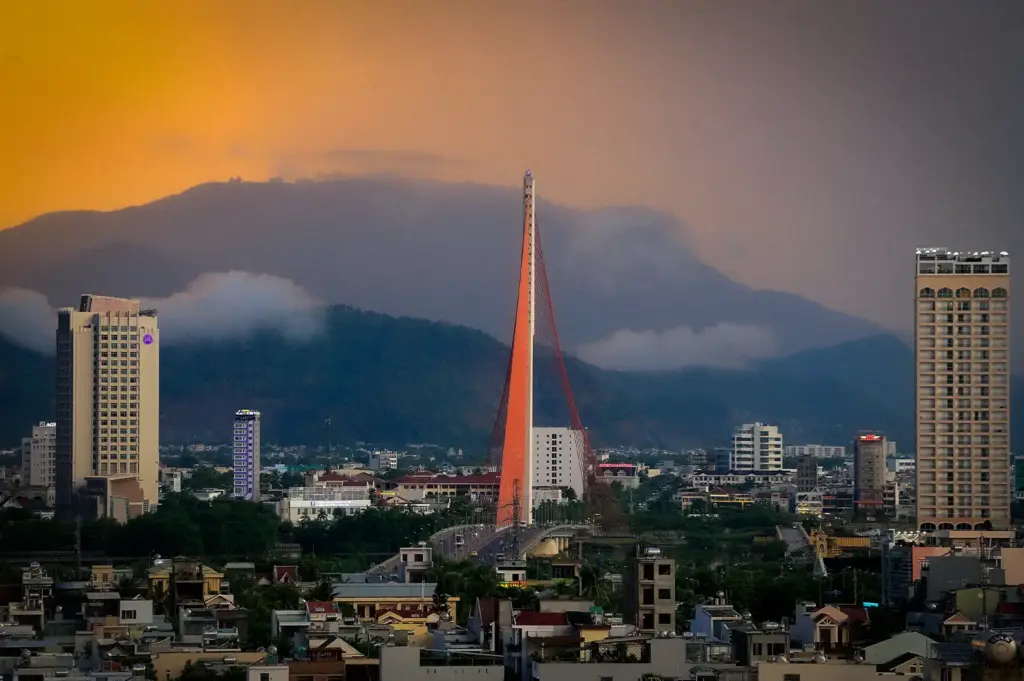
Most Singapore travelers treat Da Nang as a taxi stop. If time is short, that’s fair. But with a day on either side of your Hoi An stay, it earns a longer look.
Marble Mountains — caves, Buddhist temples and ridge viewpoints cut into limestone hills south of the city. Entry to Thuy Son Peak is 40,000 VND; Am Phu Cave adds another 20,000 VND. Both open around 7am. Go early — the steps turn slippery, and midday heat inside the rock is real.
Son Tra Peninsula and Lady Buddha — wide, calm views over the coast from a forested hill above the city. I’d give it a full morning, not a quick stop.
Dragon Bridge and the riverside — this is where Da Nang’s lively atmosphere comes through in the evening. Walk the river, sit near the bridge as the light changes. The coffee shops and open-air cafés along the bank are worth lingering at.
If you plan to visit the Cham Islands, the Da Nang Museum of Cham Sculpture (60,000 VND) adds useful context before you go.
For Singapore travelers, the two cities work well as a pair: a night in Da Nang to arrive slowly, then Hoi An for the slower days.
Stay Overnight on the Cham Islands
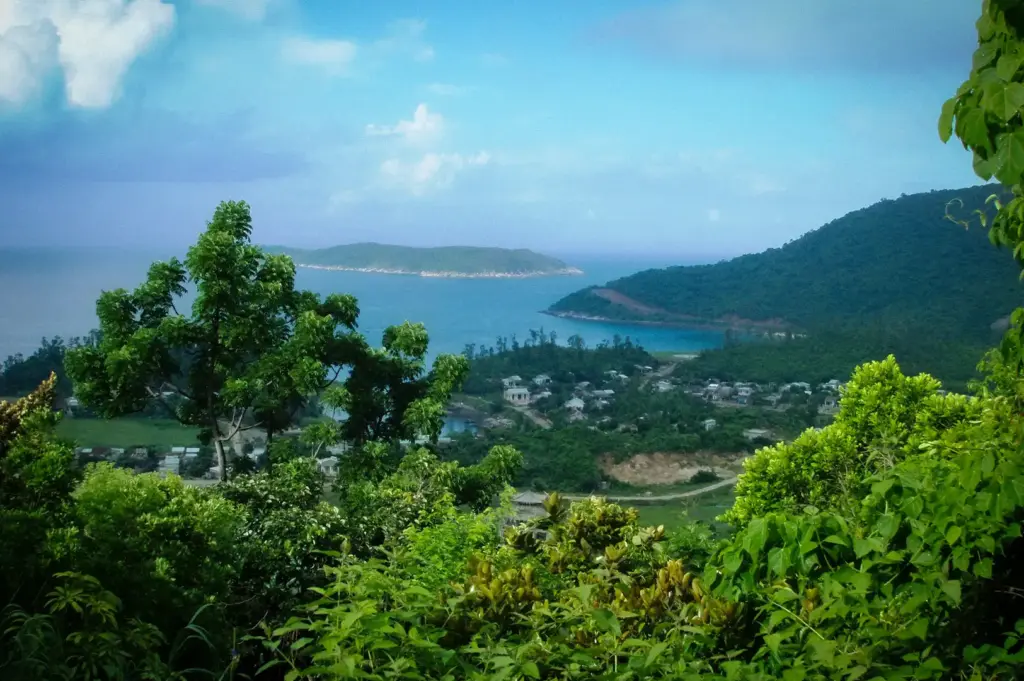
The Cham Islands (Cù Lao Chàm) are a group of eight islands off the coast of Hoi An, part of a UNESCO biosphere reserve. Most visitors do a day trip—a boat, snorkelling, fresh seafood lunch on the beach, and back before dark. On a good day, the crystal clear waters make it worthwhile.
But the day-trip version isn’t the one that stays with you.
Visitors described the island transforming once the boats left: quiet beaches, evening meals at small waterfront restaurants, gentle waves and no tour schedule. They booked two nights and wished they’d taken four or five.
That’s the Cham Islands I’d suggest.
Boats leave from Hoi An/Cua Dai. The sightseeing fee is 70,000 VND plus a 20,000 VND sanitation fee. Day tours start around US$34; snorkelling trips run roughly US$40–60. Prices change — check before you book.
Snorkelling varies. Some find healthy coral and bright fish. Others find crowded sites and short water time. Weather can also cancel departures without warning. Pack reef-safe sun protection, a dry bag and motion-sickness tablets. Leave a spare day in your itinerary.
Take a Cooking Class
Lastly, if you pay extra for one thing, make it a small-group cooking class. Look for one that starts at a local market, explains the ingredients and ends with a shared meal. Some pair naturally with the farms around Tra Que.
Three dishes belong to Hoi An: cao lầu, hoành thánh and white rose dumplings. Learn to make one. Eat all three.
Insider Tips Most Visitors Miss
Don’t stack the day. One area and one experience per half day is enough.
Carry cash. Street food, street vendors, small shops and local transport still run on Vietnamese dong. Most restaurants increasingly take cards, but keep notes in your wallet.
Read recent reviews before booking any workshop, tour or day trip. Quality shifts with season and demand.
Research the Fujian Assembly Hall beforehand. A little context turns a beautiful building into a story.
Book the Cham Islands overnight. The island becomes a different place once the day-trippers leave.
Practical Info: What to Bring
Hoi An is warm and humid. Pack breathable clothing, comfortable shoes, sandals, sunscreen, a hat, a reusable water bottle and a light scarf for temples and heritage sites.
Traveling in October or November? Add waterproof sandals, a compact umbrella and quick-dry clothes.
Food costs: street food runs about 30,000–70,000 VND. Casual restaurants are 70,000–200,000 VND. Vietnamese coffee at a café costs around 40,000–100,000 VND. Eat one street away from the busiest lanes — the value and often the food are better.
Accessibility: the pedestrian Old Town is easier to walk than most Vietnamese towns, with most cultural landmarks within comfortable walking distance. Still, the heat is real, heritage buildings often have steps, and distances add up. If mobility is a concern, keep to early mornings and use Grab between areas.
One Last Thought: The Coffee Shops You’ll Return To
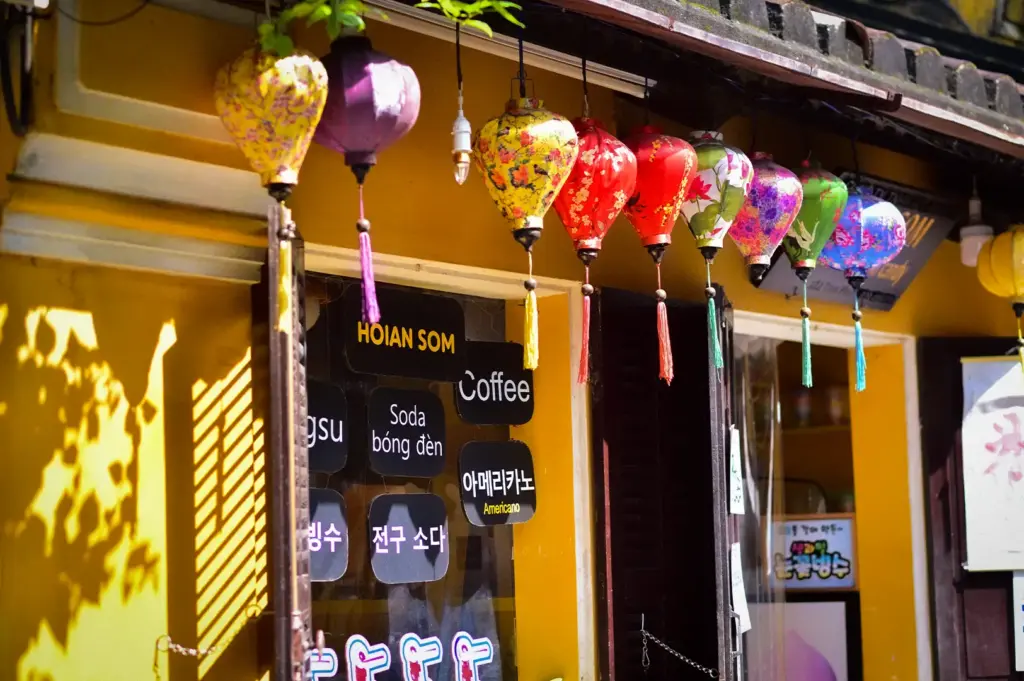
On my last trip, I went back to the same coffee shop three mornings in a row. Same stool. Same yellow wall catching the morning light. Same Vietnamese coffee, dark and sweet, condensed milk settled at the bottom like sand.
On the third morning, the owner brought my coffee before I ordered.
That’s what Hoi An gave me once I stopped rushing. Not more sights, just more of the same few, each one a little deeper. History felt in the walls rather than read off a sign.
Stay four nights minimum. Walk early. Visit the Fujian Assembly Hall before 9am. Take the boat to the Cham Islands and, if you can, stay long enough to watch the day-trippers leave. Give Da Nang a slow morning before you fly home.
Eat cao lầu twice. Maybe three times.
And when you run out of things to plan, let the river decide when your day ends.





