The first time I visited Kanazawa, Japan, I rushed through Kenrokuen Garden, Omicho Market, and the Higashi Chaya District, treating it as just a stop between Tokyo and Kyoto. But Kanazawa doesn’t reward speed. Unlike Tokyo’s energy or Kyoto’s busy sites, Kanazawa reveals itself slowly through repeated visits to its gardens, markets, and traditional machiya streets, reflecting deep Japanese culture.
If you want to truly experience Kanazawa, give yourself four slow days. Return to places like Kenrokuen Garden, Omicho Market, and the Higashi Chaya District at different times to see their changing moods. This city in Ishikawa Prefecture, once the center of the Kaga Domain, is best explored slowly, letting its calm and beauty become familiar.
Getting There: Reaching Kanazawa Without Rushing via Hokuriku Shinkansen
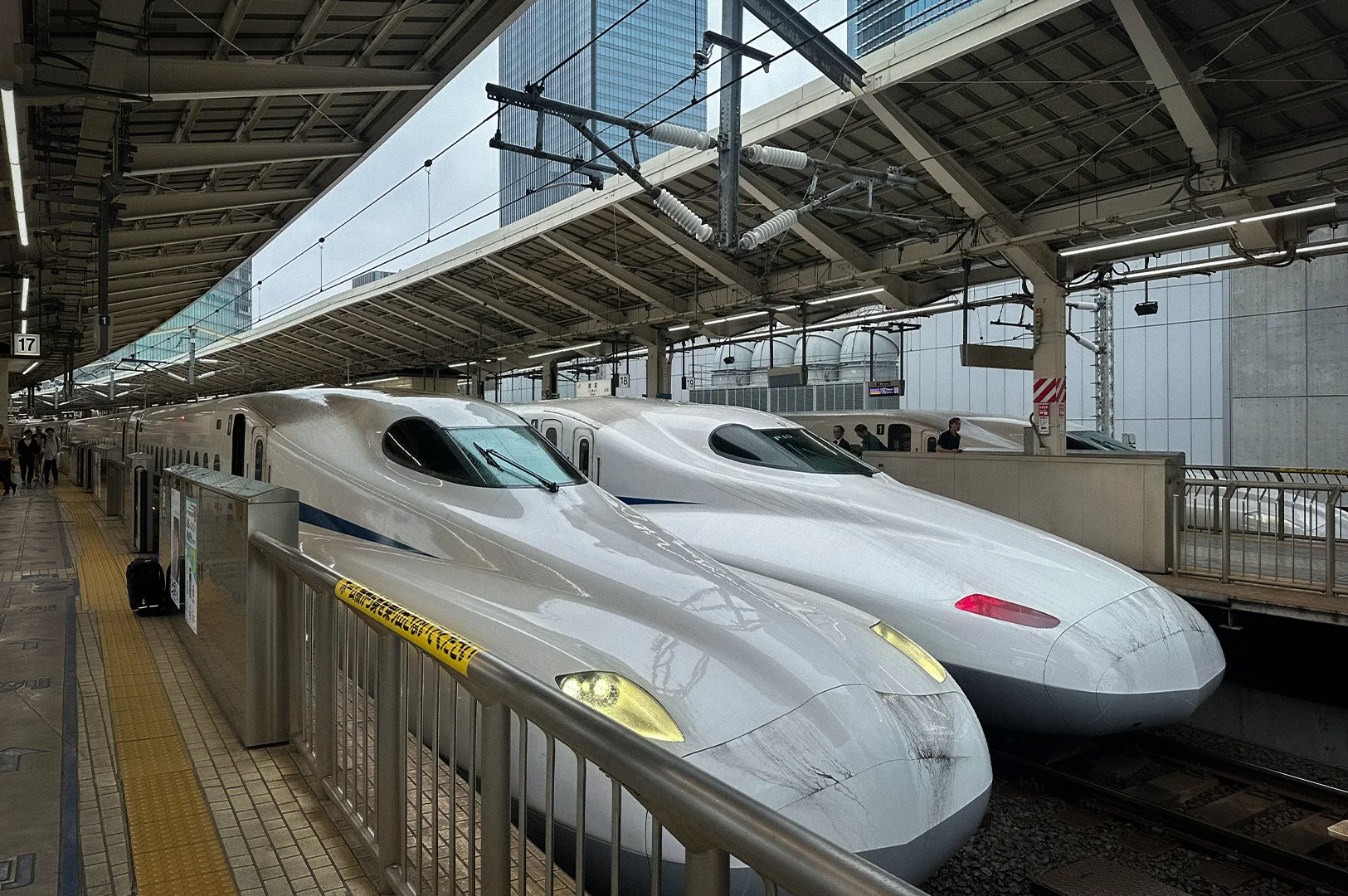
Most travelers from Singapore will not fly directly to Kanazawa. The usual route is to fly into Tokyo, Osaka, or Nagoya, then continue by train.
From Tokyo, the Hokuriku Shinkansen line is the cleanest route. It takes you directly to Kanazawa Station, and the ride is comfortable enough that I’d treat it as part of the trip rather than dead transit time. If you’re planning a longer Tokyo stay before or after Kanazawa, this guide is useful for thinking through slow-travel hotel comfort and location.
From Osaka or Kyoto, you’ll usually connect by limited express and Shinkansen routes depending on schedules. From Nagoya, expect a train connection rather than a direct city-hop.
Kanazawa has no MRT, so transportation is by walking, Kanazawa Loop Bus, local buses, taxis, or bicycle sharing.
If you have luggage, use coin lockers at Kanazawa Station before sightseeing. Dragging suitcases through rainy pavements and stone paths is no fun—I’ve done it once and don’t recommend it.
When to Visit Kanazawa: Let Weather Shape the Day in Central Kanazawa
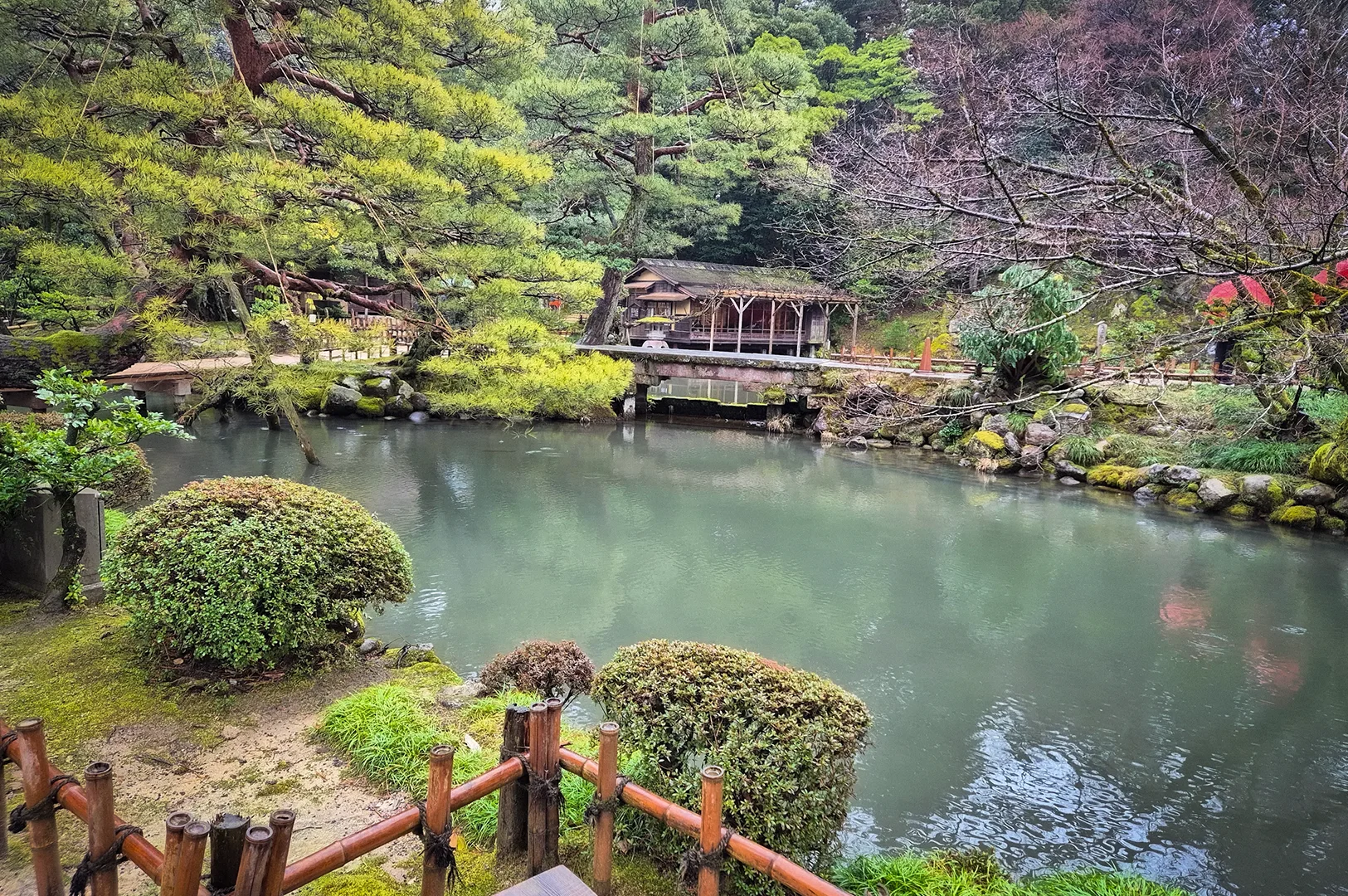
Kanazawa is a weather-shaped city. Rain is common, and that is not always a bad thing. In fact, some of my favorite memories here happened under a compact umbrella, walking past wet stone walls and dark wooden houses.
Visit early morning, 7–9am, before tour groups arrive. This applies especially to Kenrokuen Garden and the Higashi Chaya District. The city feels completely different before the day fully starts.
My preferred rhythm looks like this:
Kenrokuen Garden: early morning, when the paths are quiet
Higashi Chaya District: before 10am, before shops open fully
Omicho Fish Market: earlier in the day, before the lunch crowd peaks
Kanazawa Castle Park: late afternoon into evening
Asano River: after dinner, when the streets feel softer
Sunset in February is around 5:20–5:40pm, not 7:15pm like some Singaporeans casually assume when planning from home. Plan accordingly, especially if you want evening photos around Kanazawa Castle Park or the Asano River.
Spring brings cherry blossoms, autumn brings color, and winter brings snow ropes in Kenrokuen Garden. But I think Kanazawa works best when you don’t chase a perfect season too hard. Rain, mist, and shifting light are part of the city’s personality.
What to Expect: Compact, Walkable, and Better Over Four Days in Kanazawa Castle Park
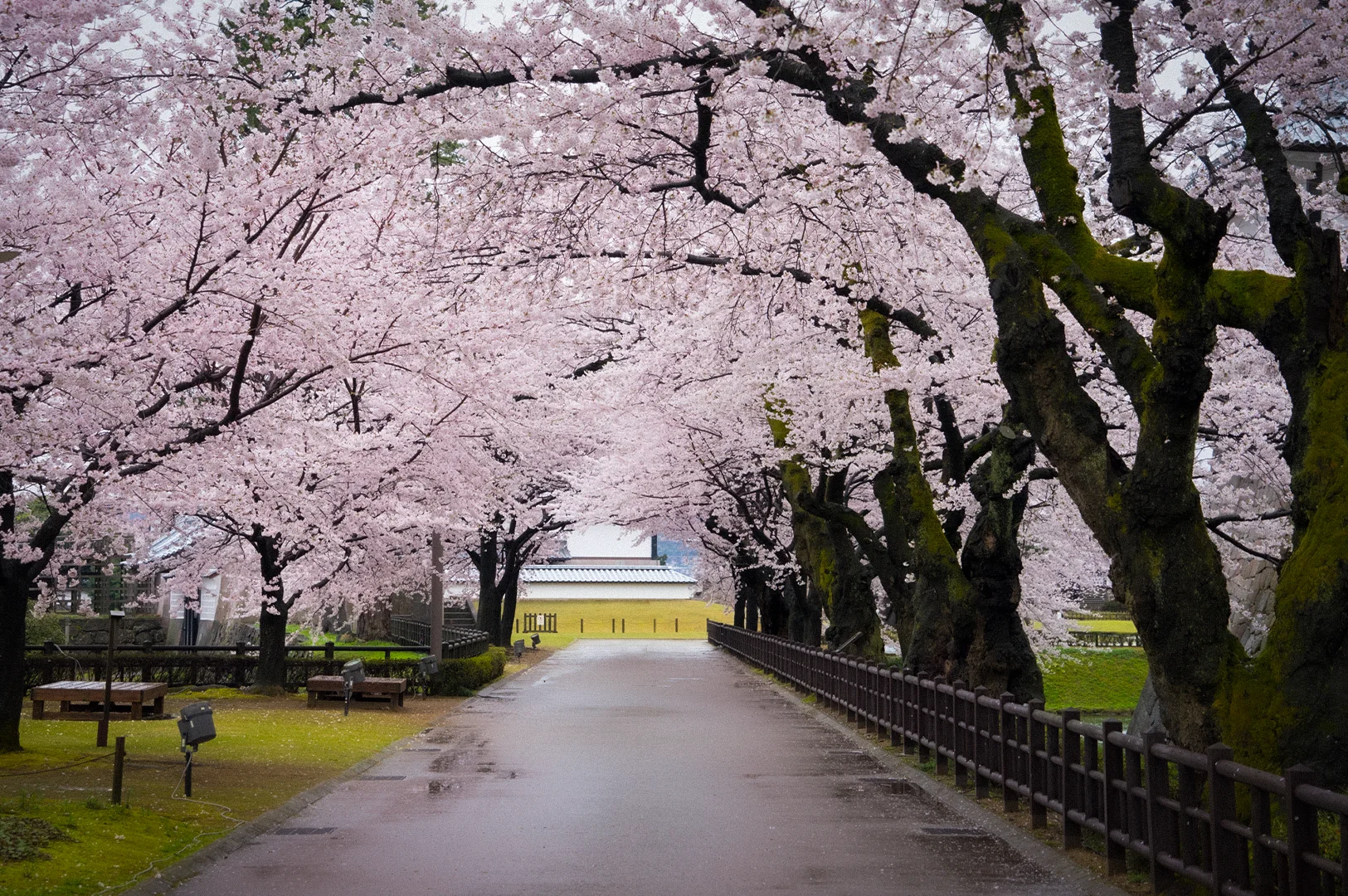
Kanazawa is compact in the best way. Many major attractions sit within roughly a 2 km radius around Kanazawa Castle, including the Ninja Temple (Myoryu-ji), the Suzuki Museum, and the Kenroku-en Garden, which means you can walk between them if the weather is kind.
But compact does not mean “easy to finish.”
That was my first mistake. I saw the map, noticed how close everything looked, and assumed I could cover the city in a day. Technically, you can. Emotionally, you flatten it.
A four-day pace lets you experience Kanazawa properly:
Day 1: Arrive, settle in, visit Omicho Market for fresh seafood from the nearby sea, walk near Kanazawa Station
Day 2: Kenrokuen Garden and Kanazawa Castle Park slowly
Day 3: Higashi Chaya District, Kazuemachi, tea, gold leaf crafts, riverside walks
Day 4: 21st Century Museum of Contemporary Art, Nagamachi Samurai District, repeat favorites
Quick visit: 45 minutes is enough for the highlights of one major attraction.
Better visit: plan 2–3 hours for Kenrokuen Garden and Kanazawa Castle Park if you want to explore properly, sit down, take photos, and not feel chased by your own schedule.
That difference matters.
Kenrokuen Garden: Return in Different Weather and Explore Beautiful Gardens of the Maeda Clan
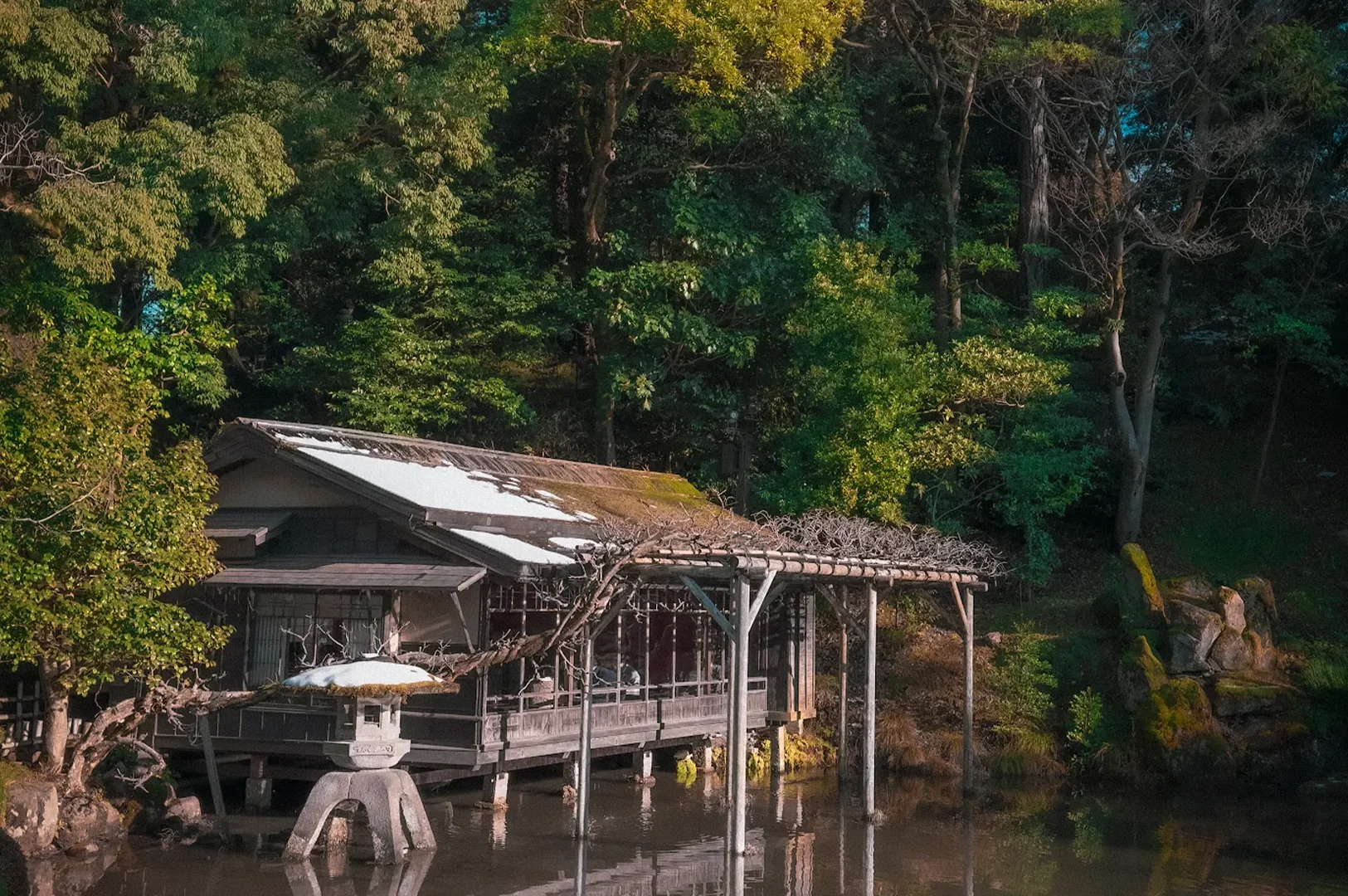
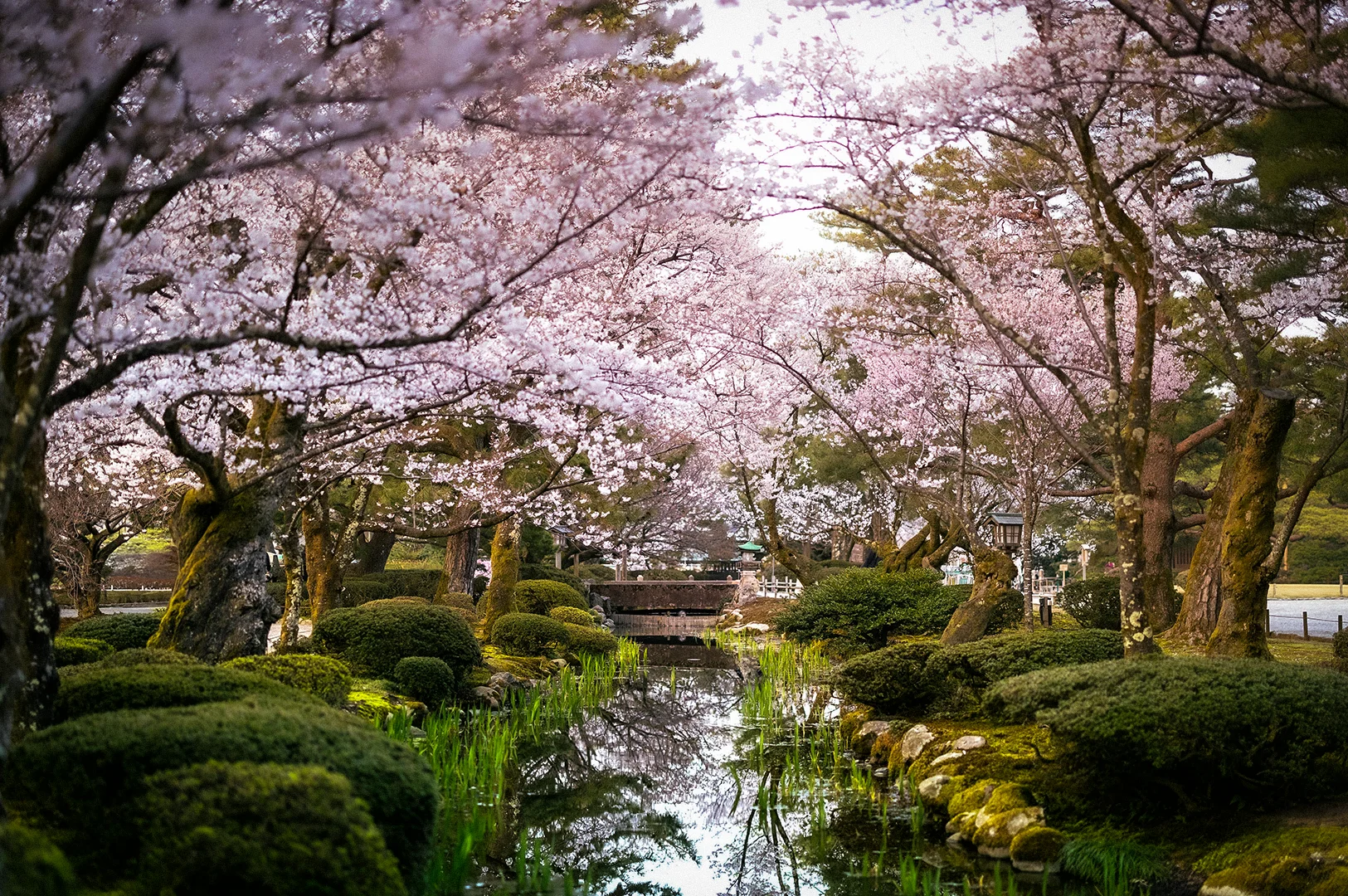
Kenrokuen Garden is the obvious highlight, and it deserves its reputation. The Kotoji-toro Lantern, Kasumigaike Pond, bridges, teahouses, and seasonal planting all create a garden that changes with weather.
The garden was built and maintained by the ruling Maeda family during the Edo Period and is regularly cited as one of Japan’s three most beautiful gardens. The first time I visited, I rushed through it in under an hour. On a later trip, I returned twice: once in clear morning light and once in light rain. The rainy visit stayed with me longer. The stones were dark, the trees smelled fresh, and the garden felt less like an attraction and more like a place breathing quietly.
Plan 2–3 hours if pairing it with Kanazawa Castle Park. Quick visit: 45 minutes, just the highlights.
Omicho Fish Market: Go Before Lunch, Then Go Again for Fresh Seafood and Local Produce
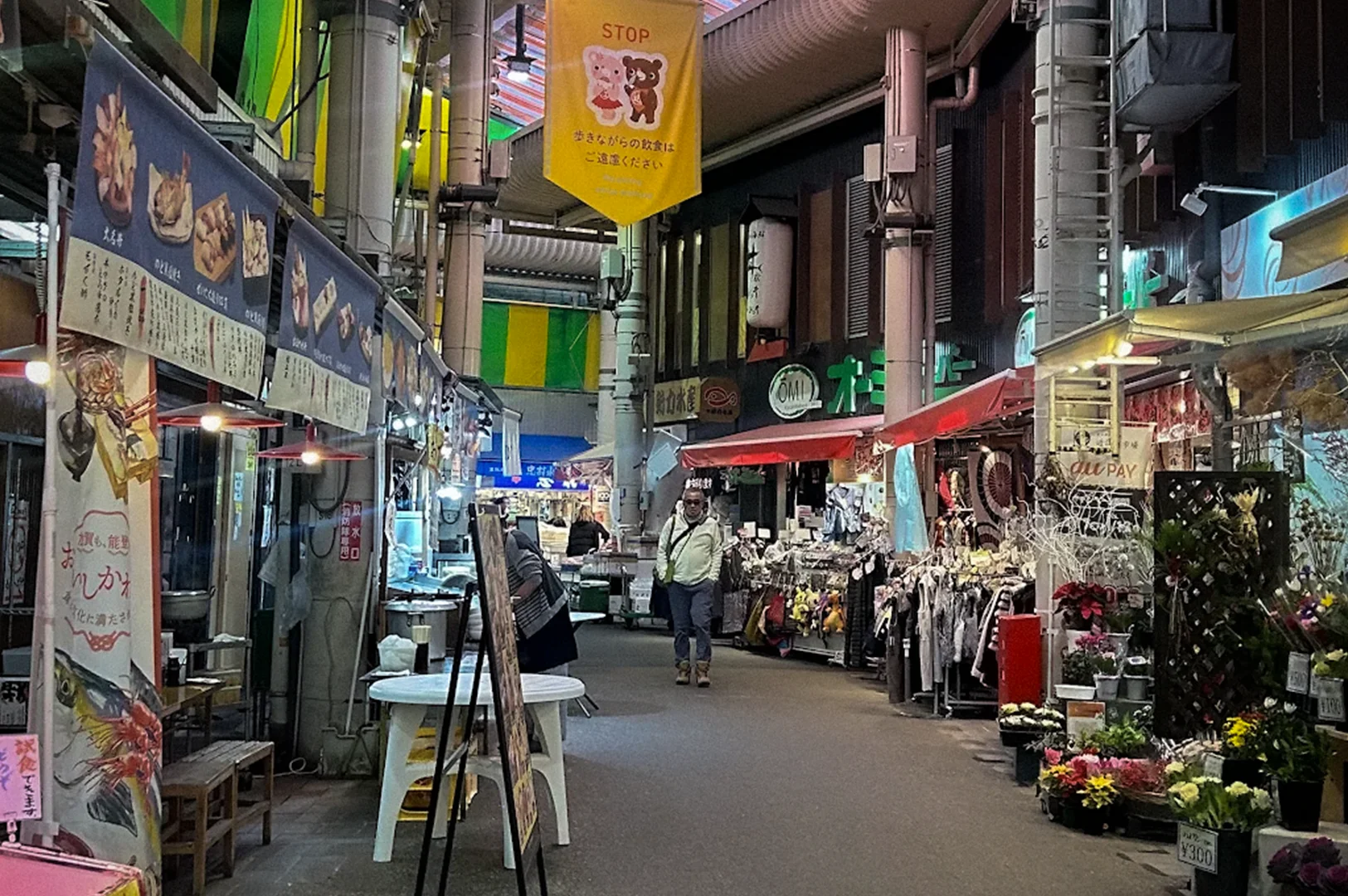
Omicho Market is lively, crowded, and full of fresh seafood from the nearby Sea of Japan. It can also feel touristy if you arrive at peak lunch.
The market is best earlier in the day. Give yourself 45–90 minutes depending on whether you eat. I like arriving before the main lunch rush, walking once without buying anything, then circling back for a seafood bowl or grilled snack.
Most visitors try to eat everything in one visit. I prefer returning twice. One morning for browsing, another for breakfast or early lunch. It removes the pressure.
Higashi Chaya District: Walk Before 10am to Experience Geisha Teahouses and Traditional Architecture
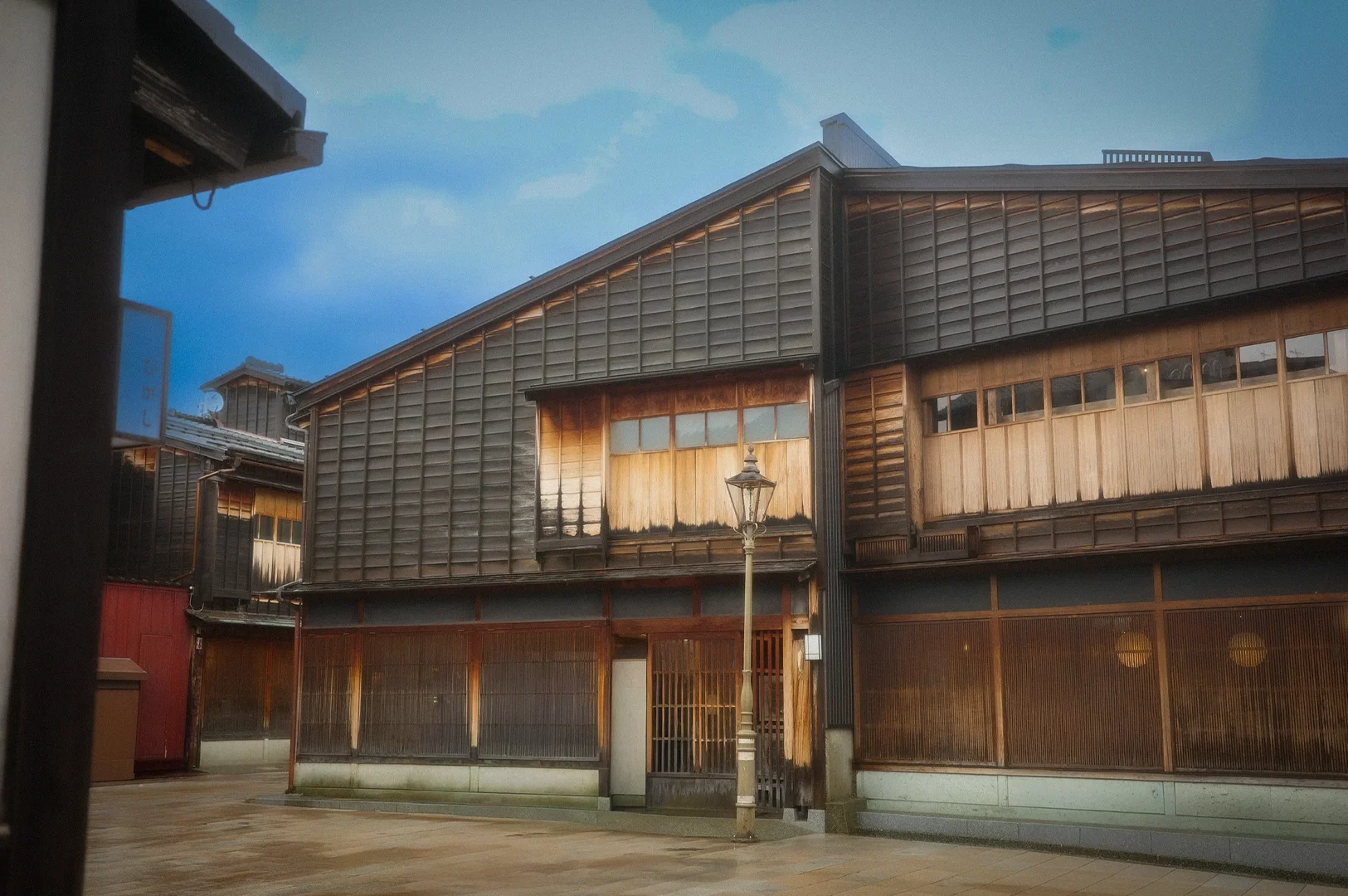
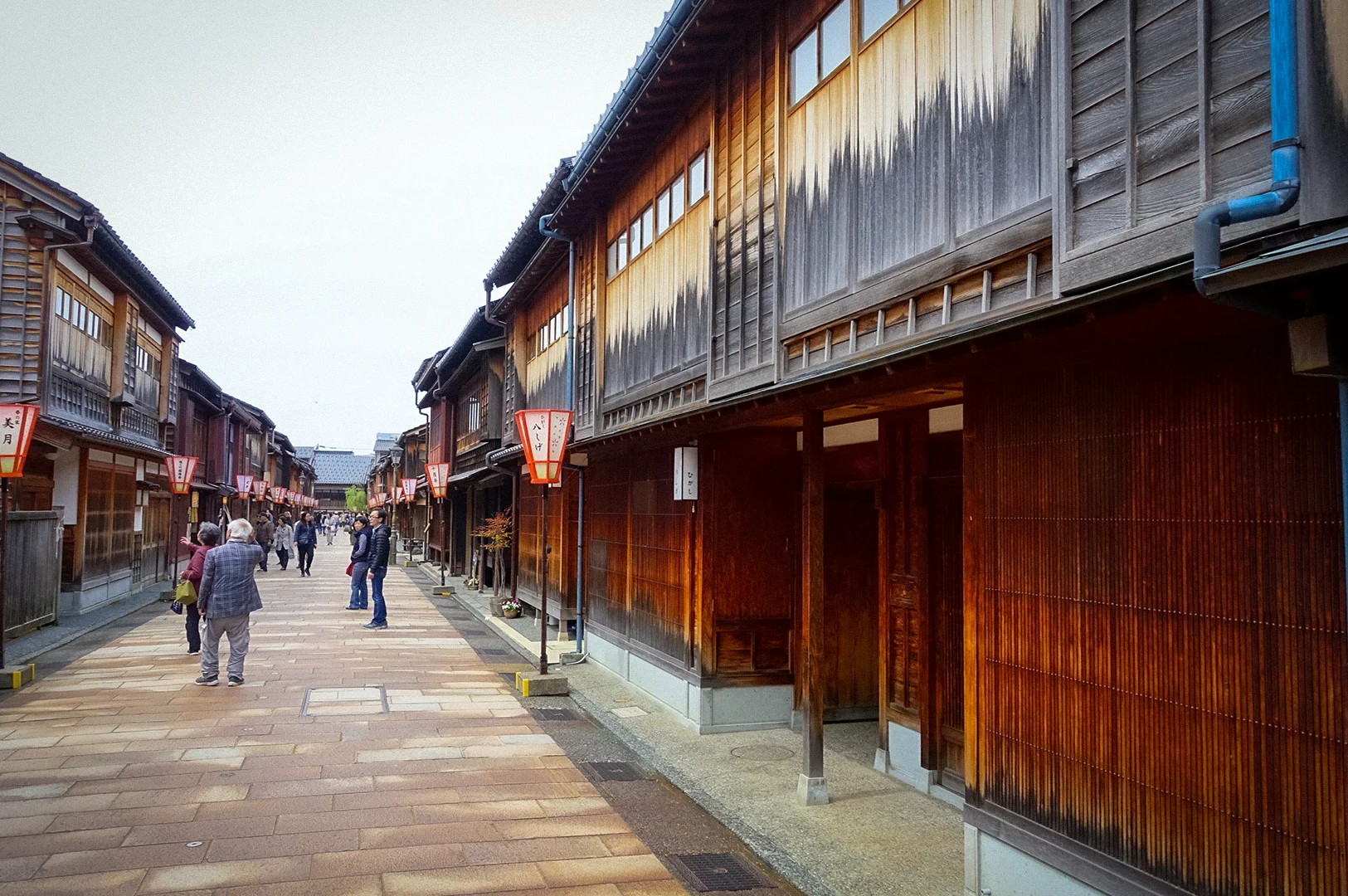
The Higashi Chaya District is famous for its preserved wooden geisha teahouses, gold leaf sweets, craft shops, and old streets. It is beautiful, but it becomes busy quickly.
Go before 10am. Before the shops fully open, the main street feels still. You hear footsteps, shutters, and the soft sound of the neighborhood waking up.
The architecture here reflects traditional machiya townhouses from the Edo Period, with unique wooden latticework and two-story buildings that were primarily used for geisha teahouses.
Plan 60–90 minutes for a first walk. Stay longer if you stop for matcha tea, sweets, or gold leaf crafts.
Kanazawa Castle Park: Best in the Late Afternoon for Historic Districts and Castle Grounds
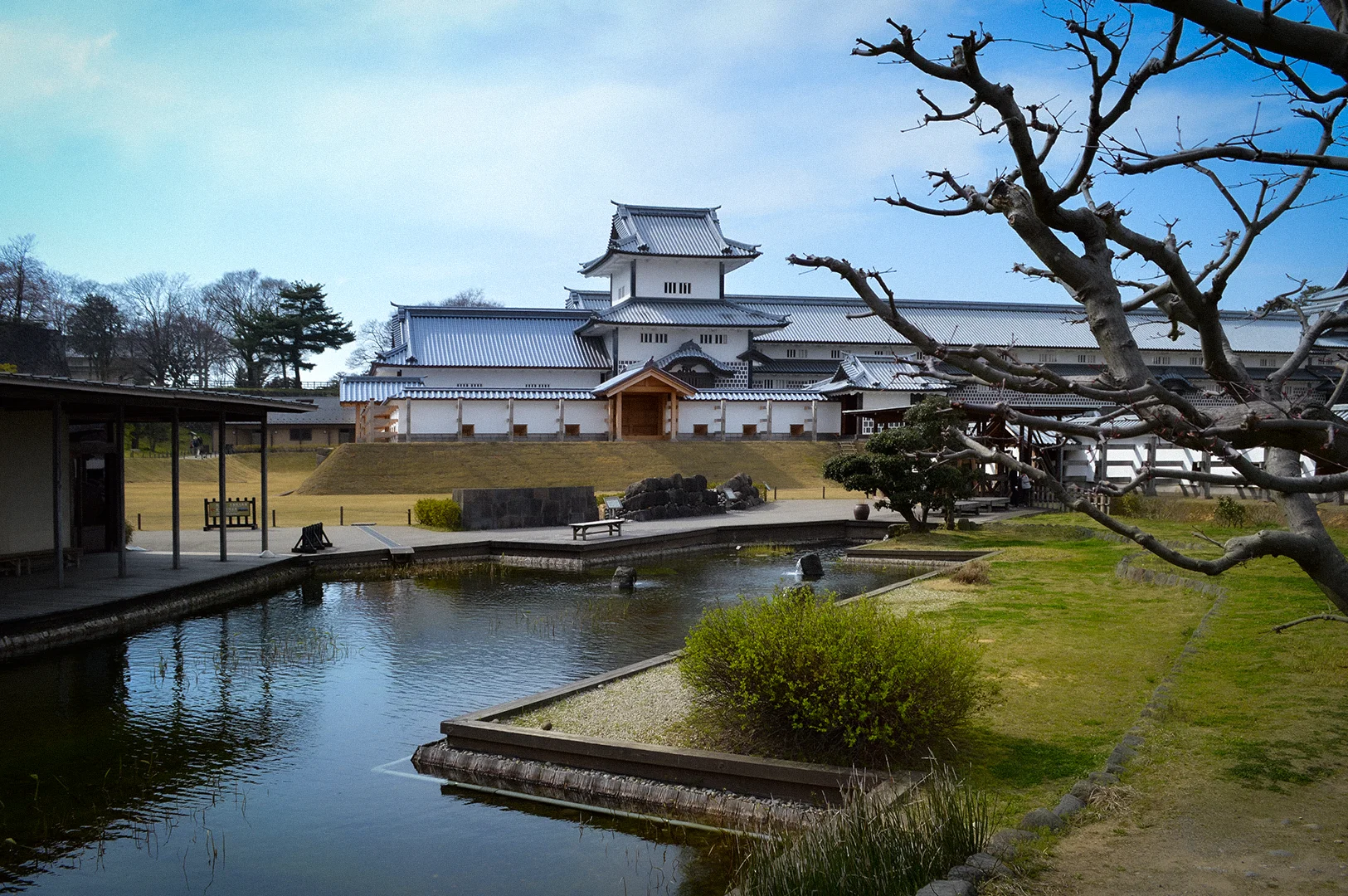
Kanazawa Castle Park is spacious and calming. Some restored buildings require paid admission, but many outdoor areas are free.
I prefer it in the late afternoon. The stone walls catch softer light, and the wide paths make it easy to slow down after a full day. Compared with Kyoto’s more crowded temple areas, the castle grounds give you room to breathe.
Evening walks around the castle became one of my small routines. Not dramatic. Just grounding.
21st Century Museum of Contemporary Art: Don’t Rush the Modern Side of Kanazawa’s Contemporary Art Scene
The 21st Century Museum of Contemporary Art gives Kanazawa a different texture. The circular glass design, open layout, and contemporary art installations create a contrast to the city’s Edo Period streets and gardens.
Some exhibits may require timed tickets or queues, so don’t treat this as a casual five-minute stop. Typical hours are 10am–6pm, with Friday and Saturday opening until 8pm, and Monday closure.
If you like modern art, give it time. If you don’t, still walk around the exterior. The building itself is part of the experience. The museum showcases works by international artists and is one of the modern museums that make Kanazawa worth visiting.
Kazuemachi Chaya District and Asano River: The Quieter Alternative for Riverside Walks
Kazuemachi Chaya District sits near the Sai River and feels quieter than Higashi Chaya. This is where I go when I want Kanazawa without the postcard pressure.
Walk here after Higashi Chaya, or return in the evening. The river softens the city. In light rain, it becomes one of the most atmospheric parts of central Kanazawa.
Nagamachi Samurai District: Slow Down Between the Earthen Walls and Restored Samurai Residences
Nagamachi Samurai District is known for earthen walls, narrow lanes, and restored samurai residences. It is not flashy, and that’s the point.
Walk slowly here. Don’t expect a big “wow” moment. Expect texture: water channels, walls, shadows, and the quiet sense of old Kanazawa still holding its shape.
The Nomura family’s restored samurai residence is open to the public, offering a glimpse into the life of samurai during feudal Japan under the powerful Maeda clan.
Insider Tips: What Most Visitors Miss in Kanazawa
The best hidden gems in Kanazawa are often timing-based, not obscure.
Here’s what I’d suggest:
Use Kenrokuen’s early-morning entry window when available. It can be free before regular paid hours, but you must exit before normal opening.
Walk Higashi Chaya before shops open. It is better for photos and quieter thinking.
Choose Kazuemachi when Higashi Chaya feels too busy. It has the same old-world mood with fewer people.
Don’t rush Omicho Market at lunch. Go earlier, or return another morning.
Use coin lockers at Kanazawa Station. This makes arrival and departure days much easier.
Book one craft experience. Gold leaf crafts, wagashi, tea, or kintsugi workshops help you understand Kanazawa through your hands, not just your camera.
If you enjoy slower Japan routes beyond the usual Tokyo-Kyoto path, you can read more here.
Kanazawa Is Not a City to Complete
Kanazawa is not the loudest city in Japan, and that is exactly why I keep returning. It does not demand your attention the way Tokyo does. It does not overwhelm you with famous temples the way Kyoto can. Instead, it waits.
Spend four days here if you can. Return to Kenrokuen Garden in different weather. Visit Omicho Market more than once. Walk Higashi Chaya before the shops open, then come back later when the street has changed. Let the castle grounds become your evening routine.
Kanazawa remains a city where many attractions blend Japanese culture, history, and artistry, from Japan’s gold leaf crafts to the samurai heritage of the Kaga Domain.
The real beauty of Kanazawa is not just in its gardens, markets, museums, or old districts. It is in the way those places become familiar when you stop trying to finish them.
That is when the city finally starts to reveal itself.