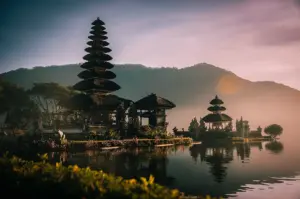
The first morning I woke in a homestay, it wasn’t the alarm that stirred me.
It was a long-tail boat, somewhere out on the river, its engine puttering past before the quiet settled back over the water. I lay there for a while. No hurry. Just the sound of a town waking up around me.
Homestays are places where you stay in a local home or family-run guesthouse, so the trip feels tied to real daily life instead of a room that could be anywhere. I’d spent years booking hotels the way most of us do. Safe. Predictable. Comfortable, yes, but often detached from the place outside the lobby.
Then a friend talked me into a teakwood homestay in Ayutthaya, and something shifted. I’ve never really gone back.
If you travel for culture, connection, and a slower sense of place — and you still want comfort, flexibility, and a price that doesn’t wreck the budget — this is for you. I’ll walk through why homestays often beat hotels, how eco lodge-style stays fit into more sustainable travel, how to choose a good one, what mistakes to avoid, and the practical questions most people have about safety, hygiene, privacy, and comfort.
You Wake Up Inside the Local Culture, Not Beside It
Here’s the thing hotels quietly take from you: proximity to real life.
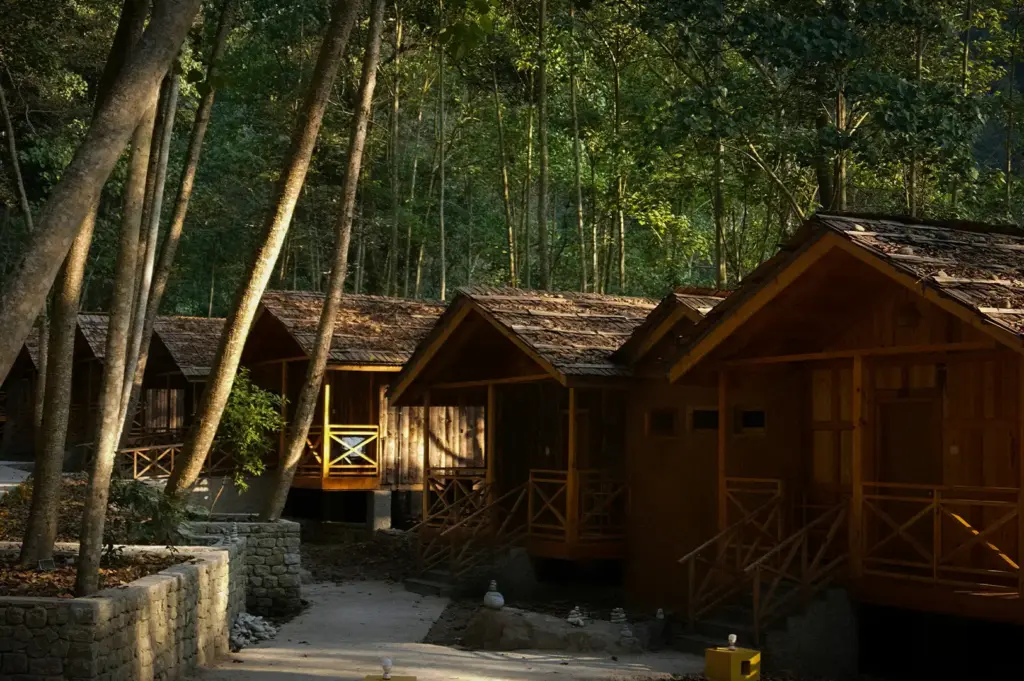
A hotel puts a lobby, a lift, and a security desk between you and the neighborhood. A homestay drops you right in the middle of it. At Athithara Homestay in Ayutthaya, I woke to the river and cycled out most mornings before the heat turned cruel — free bikes waiting by the door, the auntie at the desk sketching me a route to a food stall she swore by. She was right about it, by the way. Best boat noodles of the trip.
That’s the difference. You’re not observing local culture from behind glass or from a distance; you’re often sharing everyday spaces like living rooms, kitchens, or bathrooms. You’re eating it, pedaling through it, learning the shortcut to the market because your host drew it on a scrap of paper. That kind of stay improves the travel experience because you learn local customs and traditions directly from local people.
You don’t get that in a chain hotel. You get a buffet and a keycard.
Based on experience: The best homestays aren’t the ones with the fanciest photos. They’re the ones where the host answers your questions like a friend, not a front desk. When a listing mentions the owners by name and guests reply in kind, that’s your signal.
Comfort Doesn’t Have to Cost a Fortune
Let me clear up the biggest myth first, because I believed it too.
Cheap accommodations do not mean uncomfortable ones. I used to assume a low price meant a hard floor and a cold shower. In my experience, that’s rarely true anymore, though the amenities and facilities can vary a lot between homestays, from very basic setups to more comfortable or even slightly luxury-leaning stays.
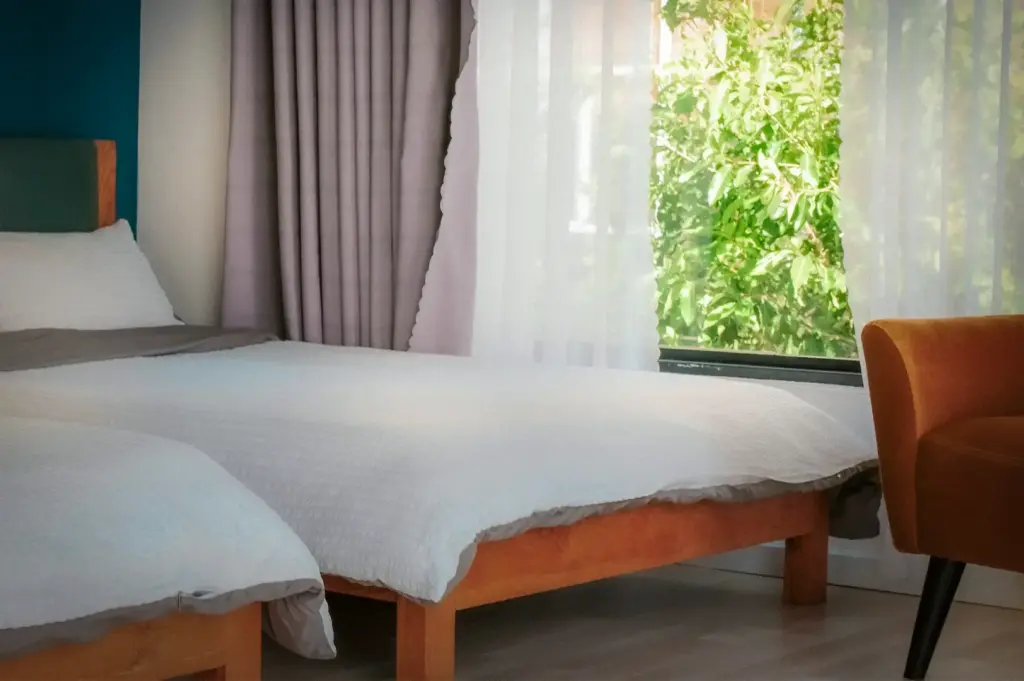
Athithara ran me roughly USD 10–25 a night — call it S$13–34 — for an air-conditioned room, a firm but forgiving bed, hot water that actually arrived hot, and breakfast thrown in: exactly the kind of amenities that matter most, and practical facilities that make an affordable stay feel easy. The bikes were free. At night I heard nothing but the river and the occasional gecko. Try finding that quiet, that price, and that river view in a hotel.
Mid-range eco lodges sit a little higher, around USD 25–60 (roughly S$34–81), and often bundle in breakfast, Wi-Fi, and guided walks. Still a fraction of what a bland business hotel charges to make you feel nowhere in particular.
What I recommend: For longer, slower trips — three to seven days — book private rooms rather than dorms if you value rest. You keep the homestay warmth and the low cost, but you get a door that closes and a quiet you control. It’s the sweet spot I keep coming back to.
Eco Lodges: Sleeping Lightly on the Land
I’ll be honest — I used to think “eco lodge” was a marketing word.
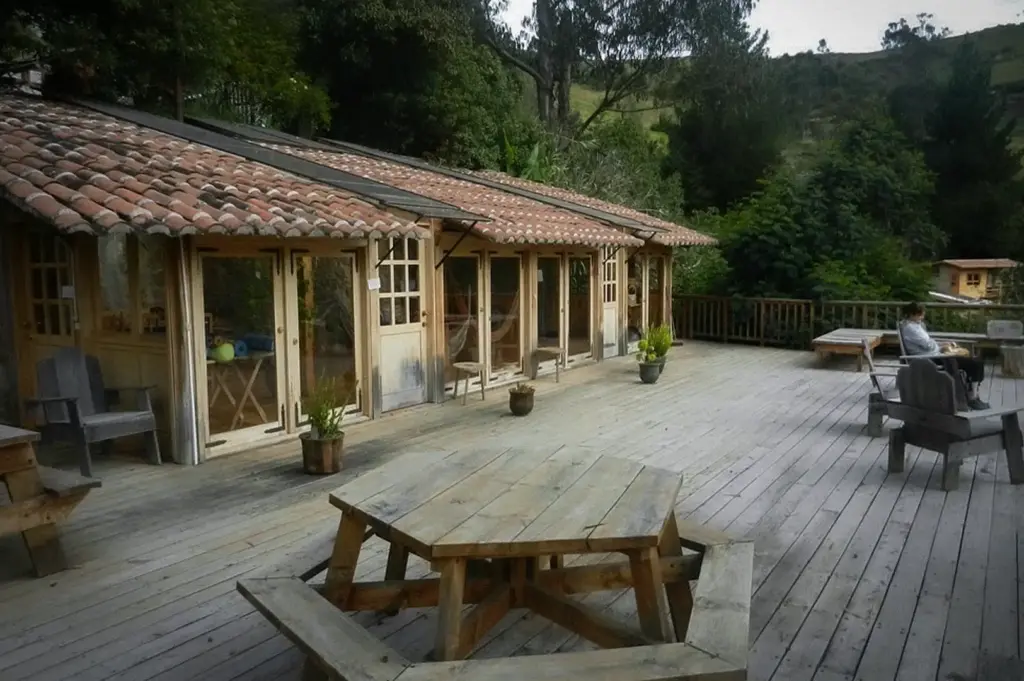
Then I stayed in one built from local timber, running on solar, with rainwater tanks and a compost system out back, and I understood. The building itself was part of a more green approach to the environment, not just a design choice. These places aren’t performing sustainability. They’re living it, quietly, because it makes sense where they are. Many eco lodges also focus on recycling, water preservation, and sourcing food locally, while often employing local staff from the surrounding community; Bali Eco Stay, for example, generates 60% of its power through hydro-electric energy.
What I’ve found is that eco lodges tend to attract hosts who genuinely love their patch of the world, especially when they’re located in places surrounded by forests, wildlife, or even mountains. They’ll tell you which fruit is in season, where the birds gather at dusk, why they don’t run the aircon all day. You slow down without meaning to. That’s the whole point.
If a lighter footprint matters to you — and for a lot of us in Singapore, it’s climbing up the bucket list — eco lodges let you travel gently without feeling like you’re sacrificing anything. Solar power and local materials aren’t a downgrade. They’re often the reason the place feels so grounded. Black Sheep Inn is one example, with a zero waste policy and recycling built into its systems. Staying at eco lodges also supports local economies, local culture, and local families, which makes them a more sustainable option than standard homestays. Many are intentionally rustic rather than a luxury resort or private villas setup. Research their claims carefully instead of taking eco marketing at face value.
Flexibility a Hotel Will Never Give You
Hotels run on schedules. Check in at three. Breakfast ends at ten. Housekeeping whether you asked or not.
Homestays bend around you instead.
When I turned up at a homestay sweaty and early off the train, no one blinked. Someone made me tea and let me leave my bag while my room was readied, which changed how I could spend the rest of the day, not just check in. Later that week I skipped the set breakfast entirely and wandered to the morning market instead, because I could, because nobody was counting.
That freedom to set your own rhythm — linger over local coffee, come back mid-afternoon to escape the heat, head out again when the light softens — is part of the wider journey, with more room to explore at your own pace. Hotels sell you a room. Homestays hand you a temporary home and let you live in it.
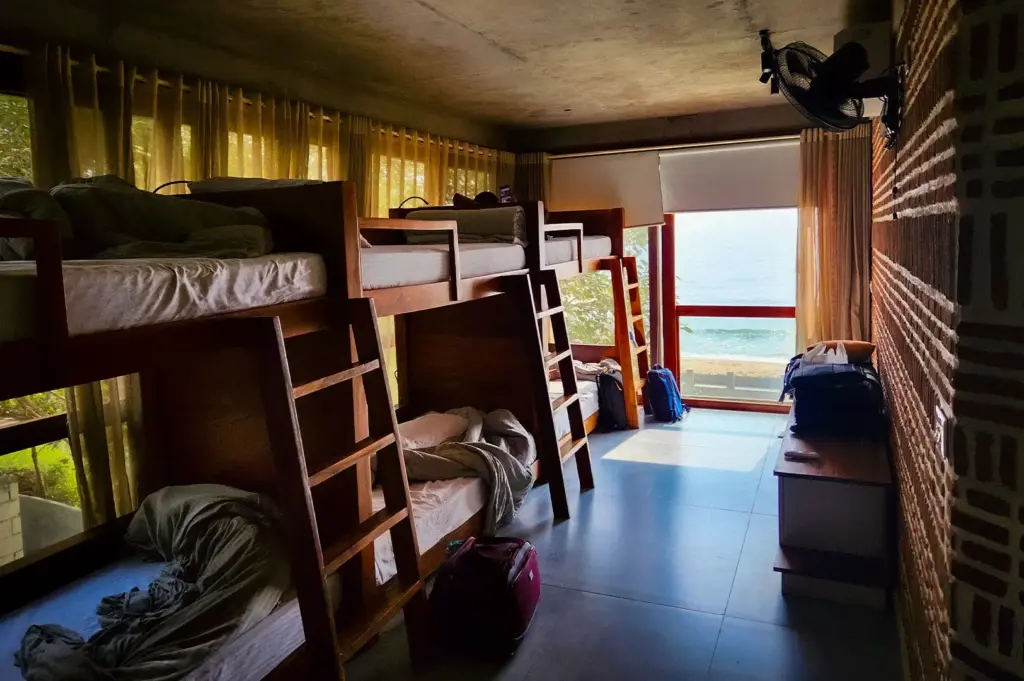
At Stockhome Hostel, near Naresuan Road, the energy was different again — social, budget-friendly, buzzing in the evenings with travelers comparing routes, and ideal if you want to meet friends or other travelers along the way. Not the place for deep silence. But after days of solitude by the river, the company was exactly what I wanted. That’s the flexibility I mean: you can choose your pace, stay by stay, instead of paying one flat rate for one flat mood.
How to Choose the Right Stay: Private Rooms and More

After more trips than I can count, here’s the checklist I actually use.
Read the reviews properly. Not the star rating — the words. Look for repeated mentions of cleanliness, safe locks, and helpful hosts. Many of the most booked homestays in Singapore have guest ratings above 9.0, so consistently high reviews are a useful signal. Consistency over time matters more than one glowing paragraph.
Check the location against a map. “Close to everything” means nothing. See how far the ruins, the market, and the train station really are. For example, Bukit Timah master room is 5.7 miles from Holland Village, which shows how much distance can change your day. Riverside charm loses its shine if you’re a sweaty hour from anywhere.
Confirm what’s included. Free bikes and breakfast quietly save you money and hassle, and so do easy access to transport or sights within walking distance. They’re worth more than a listing makes them sound.
Message the host before booking. How quickly and warmly they reply tells you almost everything about the stay ahead.
Match the vibe to your mood. Want quiet? A riverside homestay. Want people? A social hostel. Don’t fight the nature of the place.
What I recommend: Carry small cash in the local currency. Many homestays and family guesthouses prefer it, and some rural eco lodges don’t take cards at all. Keep a stash of small notes for the ferry, the toilets, the roadside snacks. One of my more essential travel tips, learned the hard way at a pier with only a large bill and no change in sight. If you’re also thinking about how to structure your days once you arrive, https://slowtravels.com.sg/slow-travel-itinerary-format/ is worth a read before you set off.
Common Mistakes to Avoid
I’ve made most of these, so learn from me.
Booking on price alone. The cheapest listing with no reviews is a gamble, though very low prices can still be fine if you confirm what amenities or facilities are actually included. Baan Are Gong, a century-old house, was full of character — but the wooden floors creak, breakfast is minimal, and service can vary. I loved it because I knew what I was getting. Read enough to know before you arrive.
Ignoring the location dot on the map. I once booked somewhere that looked central and turned out to be a long, hot walk from anything I wanted to see. Zoom in, and check whether it’s located near what you plan to visit rather than assuming the pin is convenient. Always.
Expecting hotel uniformity. Homestays have personality, and personality means quirks. A firm bed. A shower with a mood. A host who’s warm one day and tired the next. If you need everything identical and impersonal, stay in a hotel. If you can roll with the human stuff, you’ll be richer for it.
Forgetting to pack for the setting. Lightweight, breathable clothes, modest layers for temples or villages, mosquito repellent for the tropics, a travel lock for peace of mind. Small things that save the trip, especially if you plan to rent a bike or go hiking.
Most homestays in well-traveled places have some English, and a translation app covers the rest, especially if you stay open to local customs and respectful interaction with visitors. Honestly, some of my warmest exchanges happened with almost no shared words — a nod, a bowl handed over, a route drawn on paper.
Come Home to Somewhere That Feels Like Somewhere
I think about that first morning often. The boat, the river, the quiet.
A hotel would have given me a good sleep and forgotten me by checkout. The homestay gave me a memory I still carry — the creak of old floors, an auntie’s rice soup, a bike waiting by the door.
That’s what choosing homestays over hotels really buys you. Not just cheaper nights, though your wallet will thank you. It buys you presence. Connection. A place that feels like a place.
So next time you’re planning a slow trip, skip the chain. Find a homestay by a river, or an eco lodge tucked into the trees, and leave room for a little adventure as you explore what’s around you. If your slow journey eventually carries you somewhere with longer stays — a week in Tokyo, a fortnight in a single neighborhood — it helps to find comfortable extended-stay accommodation that won’t drain your budget or your energy.
Then wake up somewhere that could only be exactly where you are, whether that means a nearby bay, a sea-facing village, or quiet islands. Homestays and eco lodges can shape trips you won’t forget, from Indonesia to India to Australia.
You’ll be full when you leave — and not just in your stomach.