The first time I went backpacking, I got it all wrong.
I had a list. Twelve cities in fourteen days, each one crossed off like a chore. I remember standing in a train station somewhere in Thailand, sweat down my back, checking my watch instead of looking around me. I saw everything and felt almost none of it.
Years later, I sat on a plastic stool outside a noodle shop in Chiang Mai, doing nothing. Just watching the auntie ladle broth. A cat sleeping by the door. Rain starting, then stopping.
I stayed three hours. That was the trip I finally understood.
Backpacking travel is carrying what you need on your back and moving without a fixed itinerary, which gives you the freedom to explore at your own pace instead of rushing from stop to stop. For travelers drawn to solo trips and slow travel, that shift changes the whole point of the journey: less checklist, more presence, better conversations, and memories that actually stay with you. This guide looks at what backpacking really means, how solo backpacking feels in practice, when to slow down, what to pack, how to think about food and budget, and the small habits and expectations that make the experience more flexible, realistic, and meaningful.
What Backpacking Meaning Really Comes Down To
Ask ten people about the backpacking meaning and you’ll get ten answers about hostels and cheap flights.
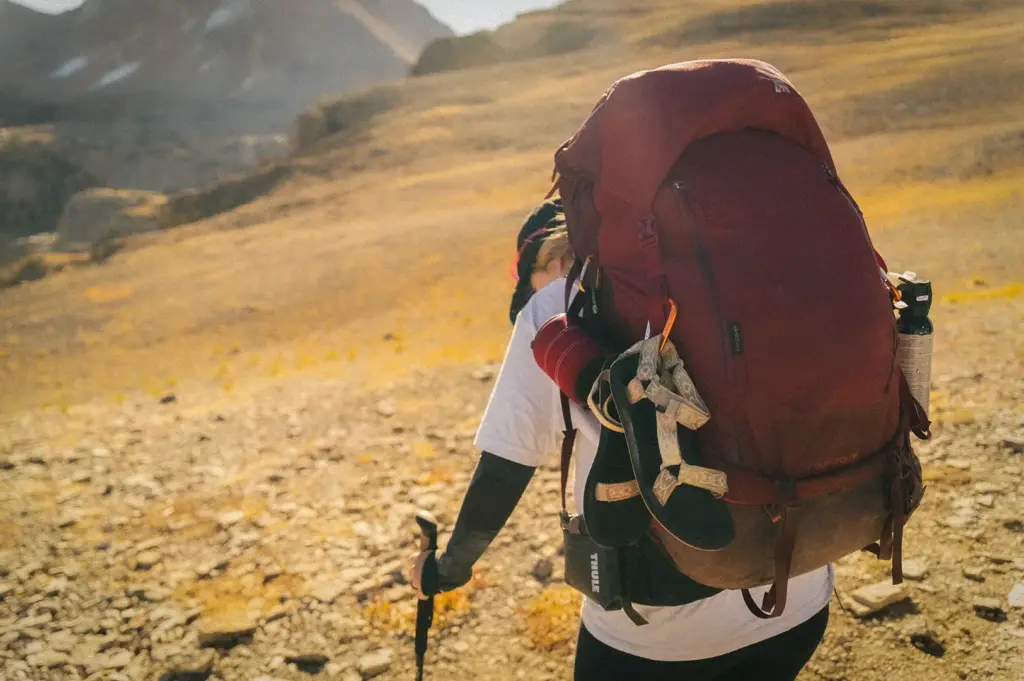
But the philosophy underneath is simpler. Backpacking is freedom. It’s carrying what you need on your back and going where the day takes you. No fixed itinerary. No tour bus. Just you, a bag, and time.
The cheap part is real, sure. Dorm beds and street food keep costs low. But money was never the point. The point is space — room to change your mind, follow a side street, stay an extra night because a place got under your skin.
On my third backpacking trip I stopped booking more than two nights ahead. That one decision changed everything. I’d arrive, feel out a town, and let it tell me how long to stay.
Solo Backpacking
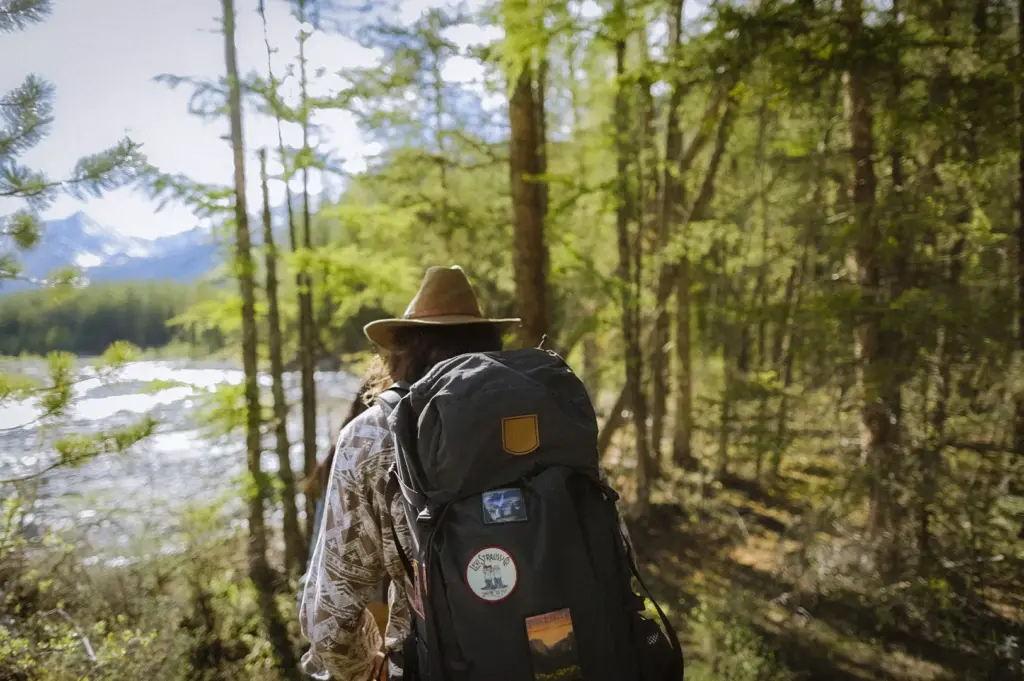
There’s a quiet that comes with traveling alone. I didn’t expect to love it as much as I do.
Solo backpacking hands you full control of your own days. It can also mean a different kind of adventure, combining a long hike with backcountry camping, so the prep is different from hostel-to-hostel travel. You eat when you’re hungry, not when the group decides. You linger where you want. You leave when you’re ready. Nobody to compromise with, nobody to hurry you.
My first solo backpacking trip scared me a little. If you’re new, start small with beginner-friendly outings before harder trips. For a first solo trip, pick a well-trafficked trail so there are other hikers around. I ate my first few dinners staring at my phone, pretending to be busy. By the second week I was chatting with strangers at hostel tables, sharing directions and stories over cheap beer.
That’s the thing about a solo trip — being alone doesn’t mean being lonely. Some of my best travel friendships started in a hostel common room at 9pm, both of us with nowhere to be.
Traveling alone also makes you present. When there’s no one beside you filling the silence, you notice more. The smell of a market. The rhythm of a street. The way locals move through their ordinary morning. For safety, carry the 10 essentials, and make sure your clothing skips cotton in favor of moisture-wicking fabrics.
When to Go and When to Rest
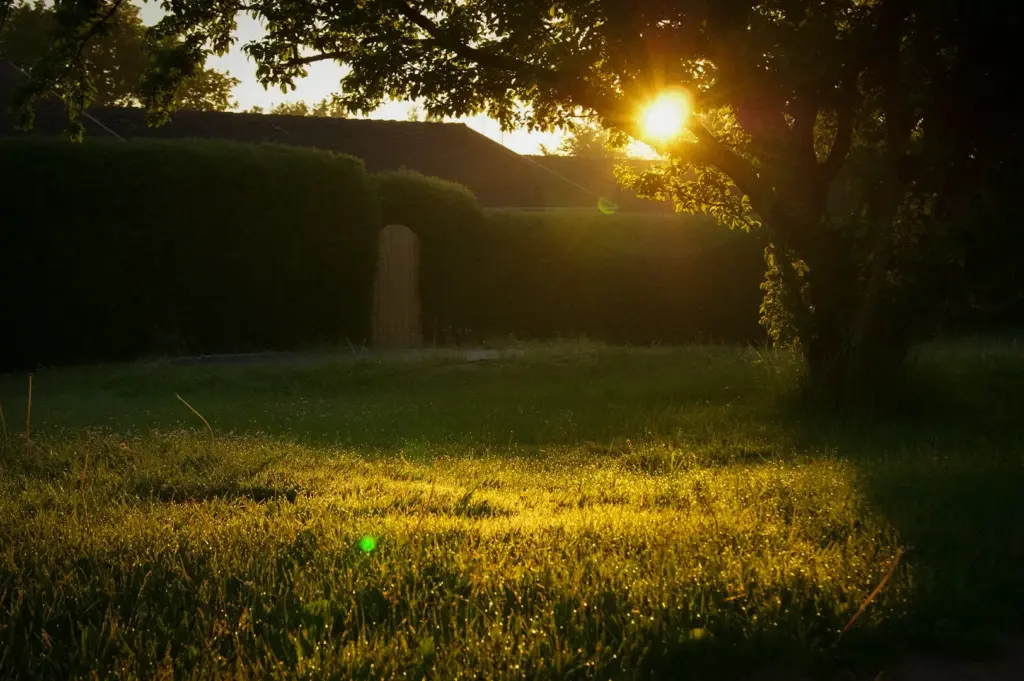
Timing shapes a slow day more than most people realize.
Mornings before 10am are the quietest hours almost anywhere. Markets are fresh and unhurried, streets are cool, and you have popular spots nearly to yourself. I try to be out by 7 or 8 and back indoors by midday, when the heat and crowds both peak.
In Southeast Asia especially, the middle of the day is for resting. A café. A hammock. A long lunch in the shade. I used to feel guilty about “wasting” hours. Now I know those hours are the whole point.
Late afternoon, after 5pm, the world softens again. Crowds thin, light goes golden, and the evening markets start to hum. If I want photos, that’s my window — the hour before dark, when everything looks like it means something.
What to Expect on a Slow Backpacking Trip
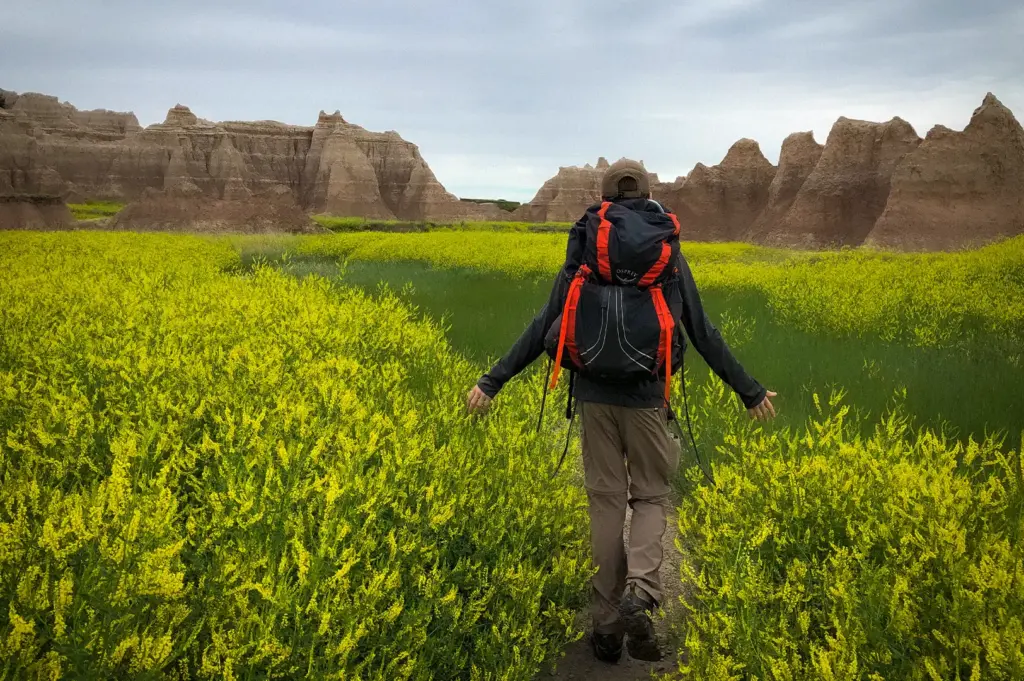
Let me be honest about the parts nobody puts on a postcard.
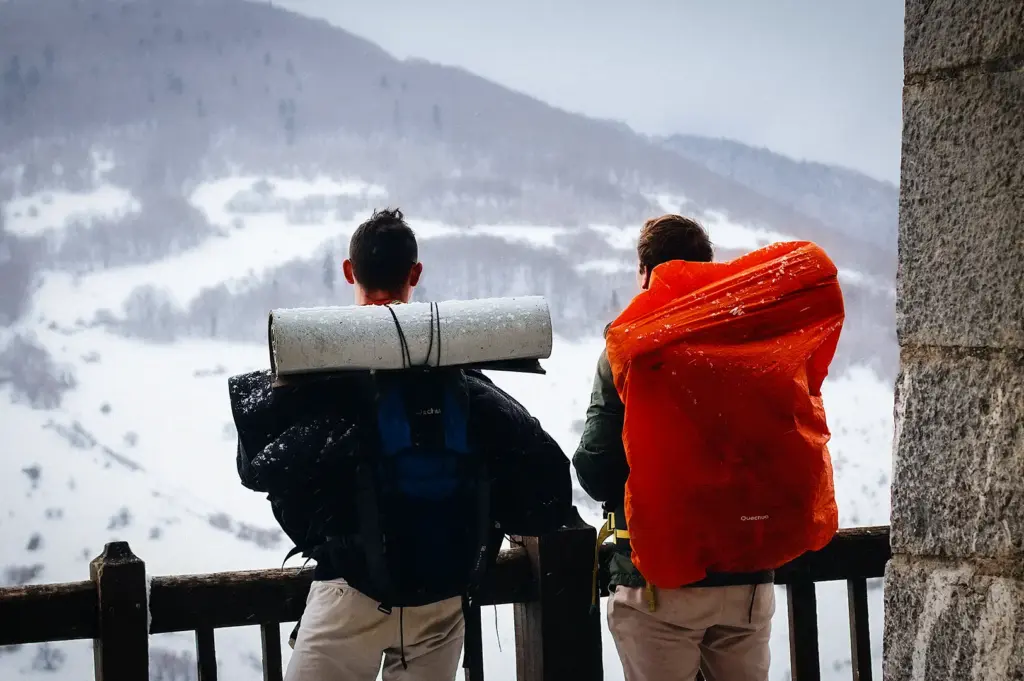
Carrying your pack gets heavy. On my first trip I overpacked so badly I could barely walk up a flight of hostel stairs. Navigating crowded transit with a bulging bag on your back is genuinely tiring, and no amount of romanticizing changes that.
Costs can surprise you too. Food and buses might be cheap, but in pricier cities accommodation and activities climb fast. Budget honestly before you go.
And slow travel asks something of you: patience. There will be days when nothing happens, when you sit in a café and watch rain fall and wonder if you’re doing it right.
You are. That stillness is where the meaning lives.
Backpacking Gear
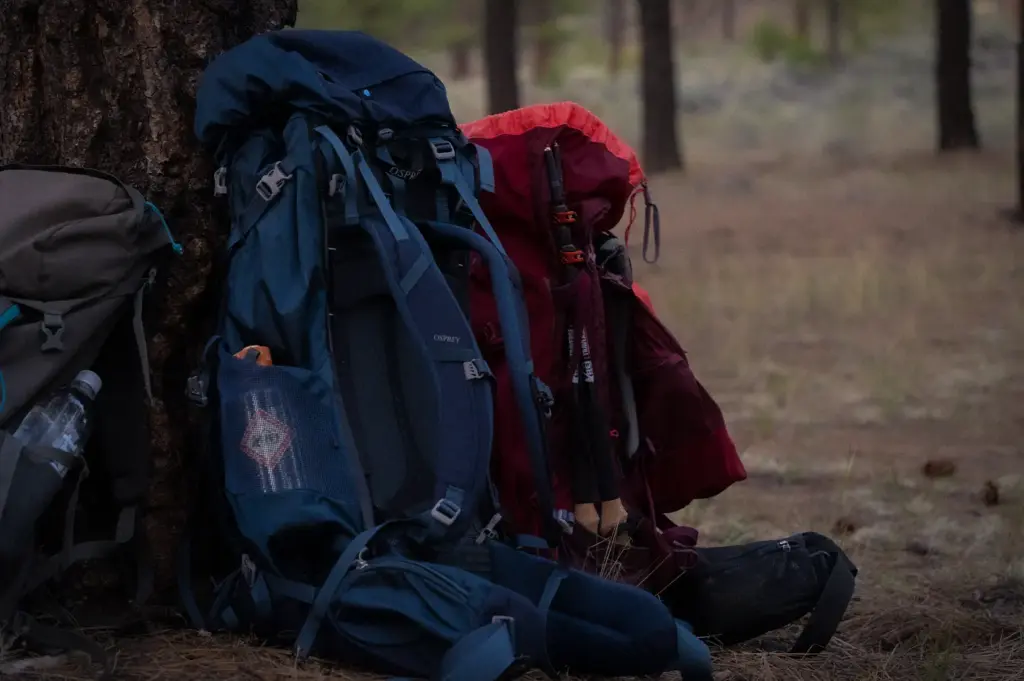
I’ve learned to pack for the trip and destination I’m actually taking, not the one I imagine.
Here’s the honest short list of backpacking gear I never travel without:
Breathable, quick-dry clothes. A few versatile pieces beat a full wardrobe, and moisture-wicking layers work better than cotton. They dry overnight and layer when it’s cool.
Comfortable walking shoes. You’ll be on your feet for hours. Blisters can end a good day fast.
A light rain jacket or compact umbrella. In the tropics, showers arrive without warning and leave just as quick.
For overnight backpacking, the essential gear starts with shelter and sleep. Bring a tent and sleeping bag, and plan for dinner, breakfast, and lunches before you go.
A power bank. Nothing worse than a dead phone when you’re lost and your map is your lifeline.
A refillable water bottle. Cheap, and it keeps you hydrated through the heat.
A travel lock and small cash stash. Small vendors and dorm lockers both need them.
For camping-style trips, a solid plan matters because every item in your backpack adds weight.
My biggest gear lesson: pack half of what you think, then take out a bit more. A lighter bag is a lighter trip.
Backpacking Food
Some of my warmest memories are just meals eaten at plastic tables.
The best backpacking food isn’t in restaurants. But for camping-focused trips, a simple meal plan for dinner, breakfast, and lunches matters just as much. It’s the hawker stall, the market corner, the cart with a queue of locals and no English menu. That’s where you eat what a place actually eats.
I still think about a bowl of hand-torn noodles in anchovy broth, handed to me by an auntie who never smiled. The soup smiled for her. Freeze-dried meals are popular on the trail because boiling water makes them fast and helps keep pack weight down.
Eating this way keeps costs low and stories high. A dorm bed, street food, and a free walking tour will stretch your budget further than any package deal. And sitting elbow to elbow with strangers over shared tables — that’s where the real conversations happen.
Carry cash for these places. The smaller and more wonderful the stall, the less likely they take cards.
Insider Tips Most Backpackers Miss
Skip the headline sights, at least once. One classic example is Southeast Asia’s Banana Pancake Trail, a route many backpackers follow between popular stops. On my second visit to a city I’d “already seen,” I spent a whole day just walking residential streets. No temples, no landmarks. Kids playing, laundry hanging, someone frying something on a corner. That day stayed with me longer than any monument.
Wander in the mornings. Neighborhoods reveal their real selves before the tourists wake.
Use local transit and contactless cards where you can. It’s cheaper and it drops you into everyday life instead of a tourist bubble. In South Africa, the Baz Bus is a hop-on hop-off option many travelers use.
Say yes more. A workshop, a shared meal, a stranger’s suggestion. The unplanned moments are almost always the ones I remember. The Gringo Trail runs from Mexico to Chile through Central America and often takes about three months. In south america, there’s a looser version of that route across more than one country. Central Asia often follows the historic Silk Road from Turkey eastward, though not everyone will find it equally accessible.
Practical Info for Your Trip
A few grounded numbers before you go backpacking.
In cheaper regions, backpackers often spend far less than typical tourists — dorms, buses, and hawker food do the heavy lifting. In pricier cities, expect a daily baseline of roughly S$90–112 once you add up a dorm bed, food, transport, and a small activity.
Where to save: choose hostels over hotels, eat where locals eat, and ride public transit. Where to spend: the occasional guided walk or cultural performance that adds real depth. And when you map out a route, picking the right destination matters as much as budget.
Book ahead around holidays and big events, when prices surge. Before mountain or remote stretches, check weather forecasts closely, especially in summer. The rest of the time, staying loose lets a trip breathe.
If you’re mixing longer stops into your route, it helps to think through a good base city — I’ve found this piece on finding the right place to stay for a longer trip worth a read before you settle in anywhere for a week or more. And if Korea’s on your list, here’s a comfort-focused slow-travel guide worth bookmarking: https://slowtravels.com.sg/5-best-hotels-in-seoul-south-korea-for-a-10-day-stay-where-comfort-meets-slow-travel/
A quick note on solo hiking, since backpacking sometimes drifts into trails: if you’re new to hiking or camping, state parks and national parks are usually easier places to begin. In true wilderness areas, bring a Garmin InReach Mini. Don’t underestimate the terrain, watch the weather, check conditions, and tell someone your route. The mountains are patient, but they don’t wait for the careless.
Go Backpacking, But Go Slow
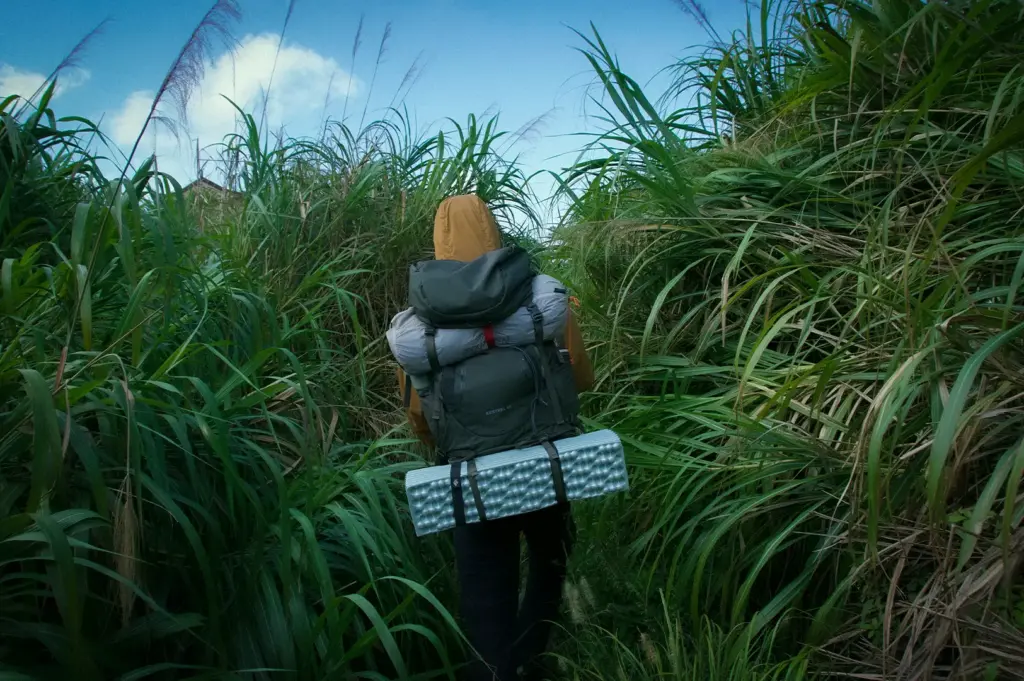
I think about that noodle shop in Chiang Mai often. The stool. The cat. The rain that came and went.
I didn’t photograph it. I just sat there, full and quiet, watching a small corner of the world go about its evening.
That’s what slow backpacking gives you that fast travel never will. Not more places. More presence.
So go backpacking — but leave room in your days for nothing to happen. Skip a sight to sit in a café. Stay an extra night when a place holds you. Eat where the locals eat and let the strangers become friends.
You’ll come home with fewer photos, maybe. But you’ll carry more of the trip inside you.
And that, in the end, is the whole point.