
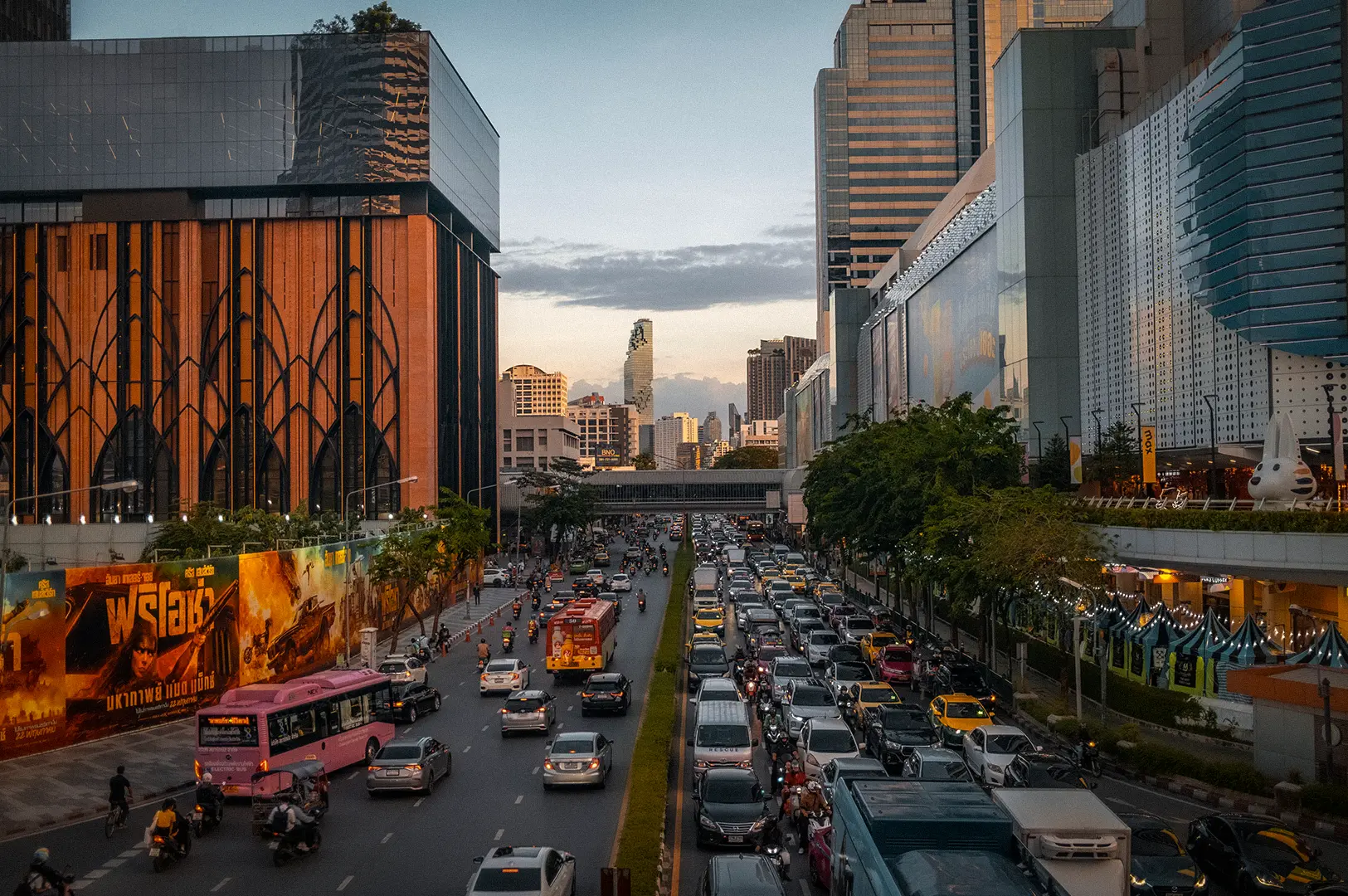
I’ve been to Bangkok more times than I can count on one hand.
The first trip was frantic—five days, a packed itinerary, a taxi meter running nonstop. I saw everything and felt almost nothing. It took returning to this fascinating city, deliberately slower, to understand what Bangkok city was actually offering.
The best things to do in Bangkok rarely appear on the standard checklist. They’re found in the ferry ride at dawn along the Chao Phraya River, the bowl of street food at a stall with no English menu, the quiet temple courtyard nobody else walked into. For more things to do in Bangkok and beyond, check out Slow Travel Itineraries for more helpful tips and guides.
This list covers seven slow-travel experiences I keep returning to when I visit Bangkok — built around neighbourhoods, not landmarks.
Attraction | Price | Location |
|---|---|---|
100 THB entry | BTS Saphan Taksin + ferry to Wat Arun Pier; or MRT Itsaraphap + 15-min walk | |
300 THB entry | MRT Sanam Chai Station + 5-min walk | |
50–150 THB (food) | MRT Wat Mangkon Station + 5-min walk to Yaowarat Road | |
50–300 THB | MRT Kamphaeng Phet Station + short walk | |
15–40 THB/trip | Multiple riverside piers; BTS Saphan Taksin to Central Pier | |
Few baht ferry + 50–150 THB bike rental/day | BTS Bang Na + taxi + ferry crossing | |
100–250 THB | Various neighbourhoods: Talad Noi, Bangrak, Charoen Krung |
1. Wat Arun — One of the Most Iconic Attractions in Bangkok
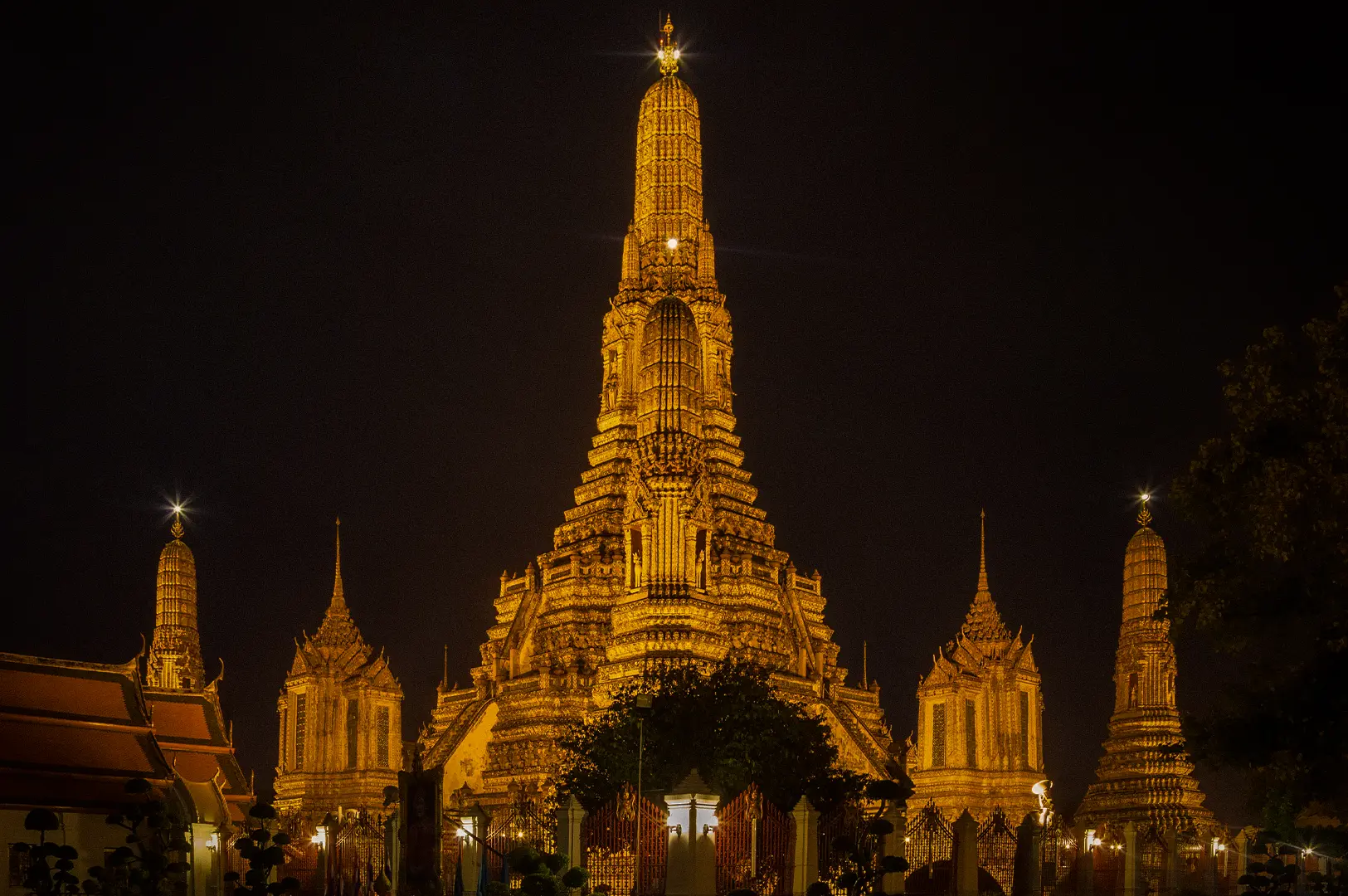
Nearest MRT/BTS: BTS Saphan Taksin + short ferry to Wat Arun Pier; or MRT Itsaraphap + 15-minute walk
Price: 200 THB entry for foreign adult visitors
One of the most recognisable temples in all of Thailand, Wat Arun—the Temple of Dawn—earns its reputation along the Chao Phraya River, but only if you arrive at the right time. The porcelain-encrusted central prang catches the morning light in a way that midday crowds completely dissolve.
The detail work on this temple is extraordinary up close, an attraction in Bangkok that rewards slowing down far more than rushing past. Most people see it from a tour boat and move on. Standing on the temple grounds, examining the tiny pieces of ceramic set into the structure, the Thai art and craftsmanship become something you actually feel rather than just photograph.
Best for: First-time Bangkok visitors, couples, photographers, architecture lovers.
I’d suggest: After your visit, don’t grab a tuk tuk or taxi. Cross the Chao Phraya River by local ferry to Wat Pho. It costs a few baht, takes five minutes, and sets exactly the right mood for a slow Bangkok morning.
2. Wat Pho — Ancient Capital Temple of the Reclining Buddha (Phra Nakhon)
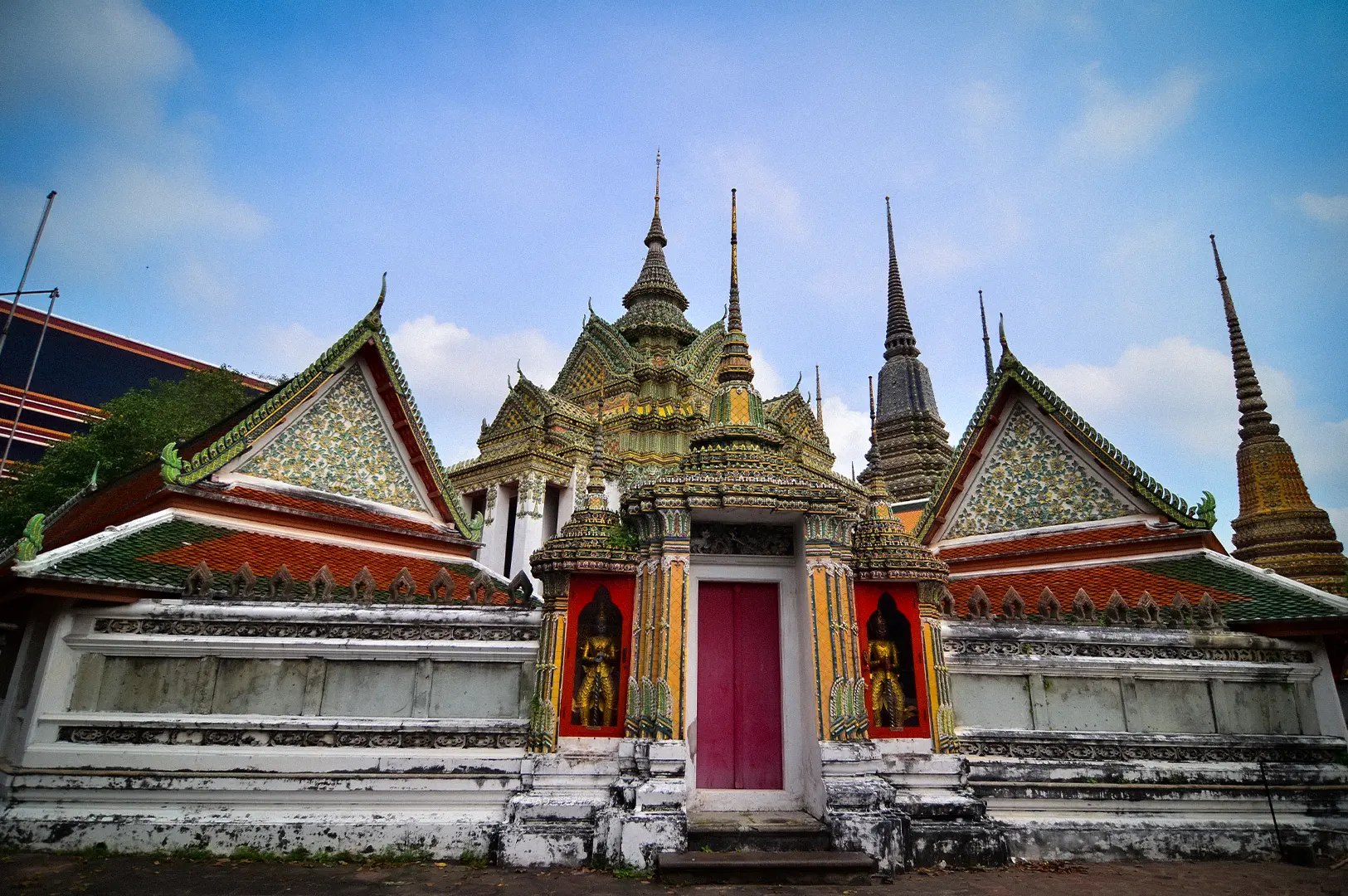
Nearest MRT: Sanam Chai Station + 5-minute walk
Price: 300 THB entry
Opening Hours: Around 8:00 AM–7:30 PM daily (confirm before visiting)
The reclining Buddha, 46 metres of gold, is the reason most people come to Wat Pho, and it’s worth seeing. But this is one of Bangkok’s oldest temples, a larger complex than most visitors realise, and the quiet courtyards behind the main hall are where the temple actually breathes. Wat Pho is also home to a traditional Thai massage school, one of the most respected in the country, if you want to build that into your visit.
The famous hall is crowded by design. The back courtyards and temple grounds almost never are. On my second visit I spent more time wandering those quieter spaces than I did in front of the Buddha, and it became my favourite part of the whole trip—a rare window into Thai culture that doesn’t feel arranged for anyone.
Best for: Culture lovers and first-time visitors wanting depth over speed.
I’d suggest: Combine Wat Arun and Wat Pho as a single riverside morning, crossing the Chao Phraya River by ferry in between. If you’re already planning to visit Bangkok’s Grand Palace nearby, save that for the afternoon—these two ancient temples deserve the unhurried morning hours to themselves.
3. Chinatown — Street Food Stalls and Old Bangkok on Yaowarat Road (Samphanthawong)
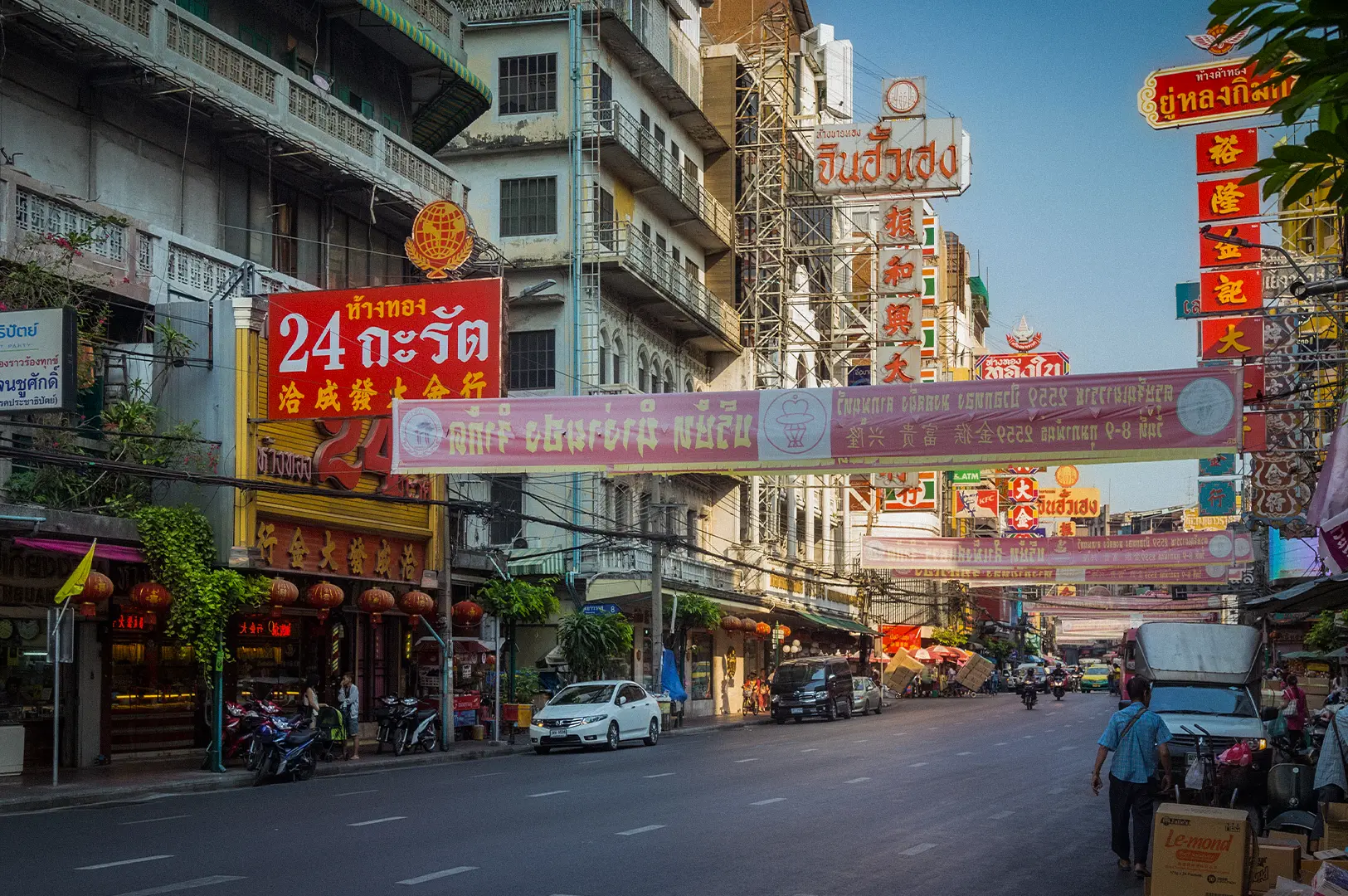
Nearest MRT: Wat Mangkon Station + 5-minute walk to Yaowarat Road
Price: Street Food 50–150 THB; Seafood Restaurants 200+ THB
Bangkok’s Chinatown often considered one of Bangkok’s most memorable street food experiences. Generations of Chinese-Thai cooking compressed into one loud, neon-lit stretch of street food stalls. Thai food here is deeply rooted: delicious street food that hasn’t been softened for tourist palates. Stalls fire up around 5pm. By 7pm the crowds are serious.
The atmosphere is unlike anywhere else in Bangkok. Old shop signs, hawkers who’ve been running the same stall for thirty years, and traditional Thai dishes that haven’t been adjusted for anyone. The tasty food here—pad thai pulled from a wok over a live flame, crab fried rice dished out without ceremony—sits right at the heart of Bangkok’s nightlife energy without trying to be anything other than what it is.
Best for: Food lovers, groups, and evening explorers who love digging into street food stalls and soaking up Bangkok’s nightlife energy.
I’d suggest: Arrive around 5 to 5:30pm and walk the side streets before committing to food. You’ll eat better and spend less than if you follow the most-photographed stall.
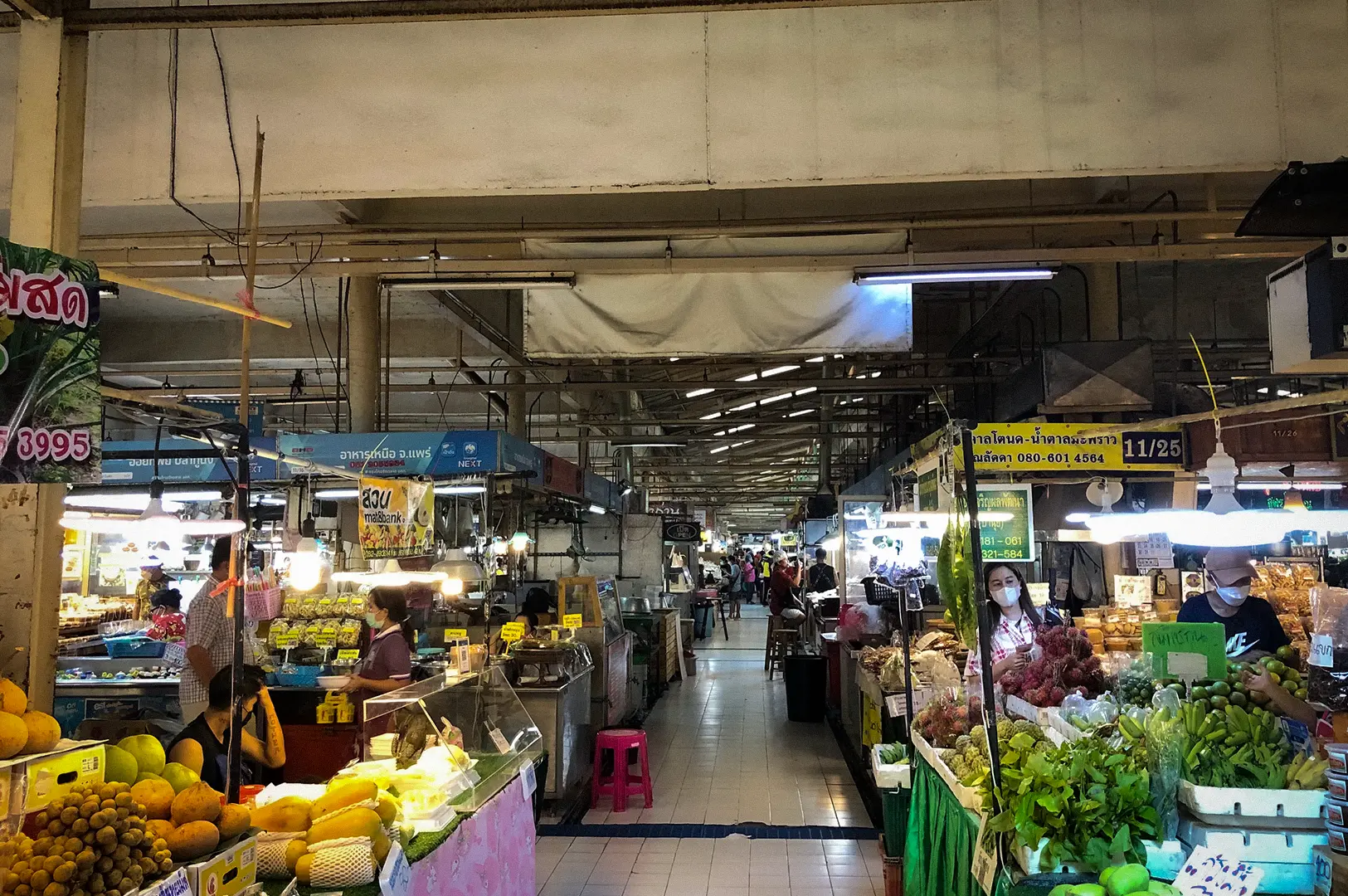
4. Or Tor Kor Market — A Popular Local Food Market Near Chatuchak
Nearest MRT: Kamphaeng Phet Station + short walk
Price: Snacks 50–100 THB; Meals 100–300 THB
Or Tor Kor is the curated, cleaner market experience Bangkok keeps close to its chest. Premium Thai food, prepared traditional Thai dishes, seasonal fruit, and local market ingredients you won’t find in a supermarket. Prices are slightly higher than a wet market but the quality is consistent and the space is manageable.
Best for: Families, food travellers, and anyone wanting real market culture all within walking distance of the Chatuchak Weekend Market if you want to extend the day.
I’d suggest: Go in the morning when the selection is fullest. By early afternoon the prepared food section starts to thin out.
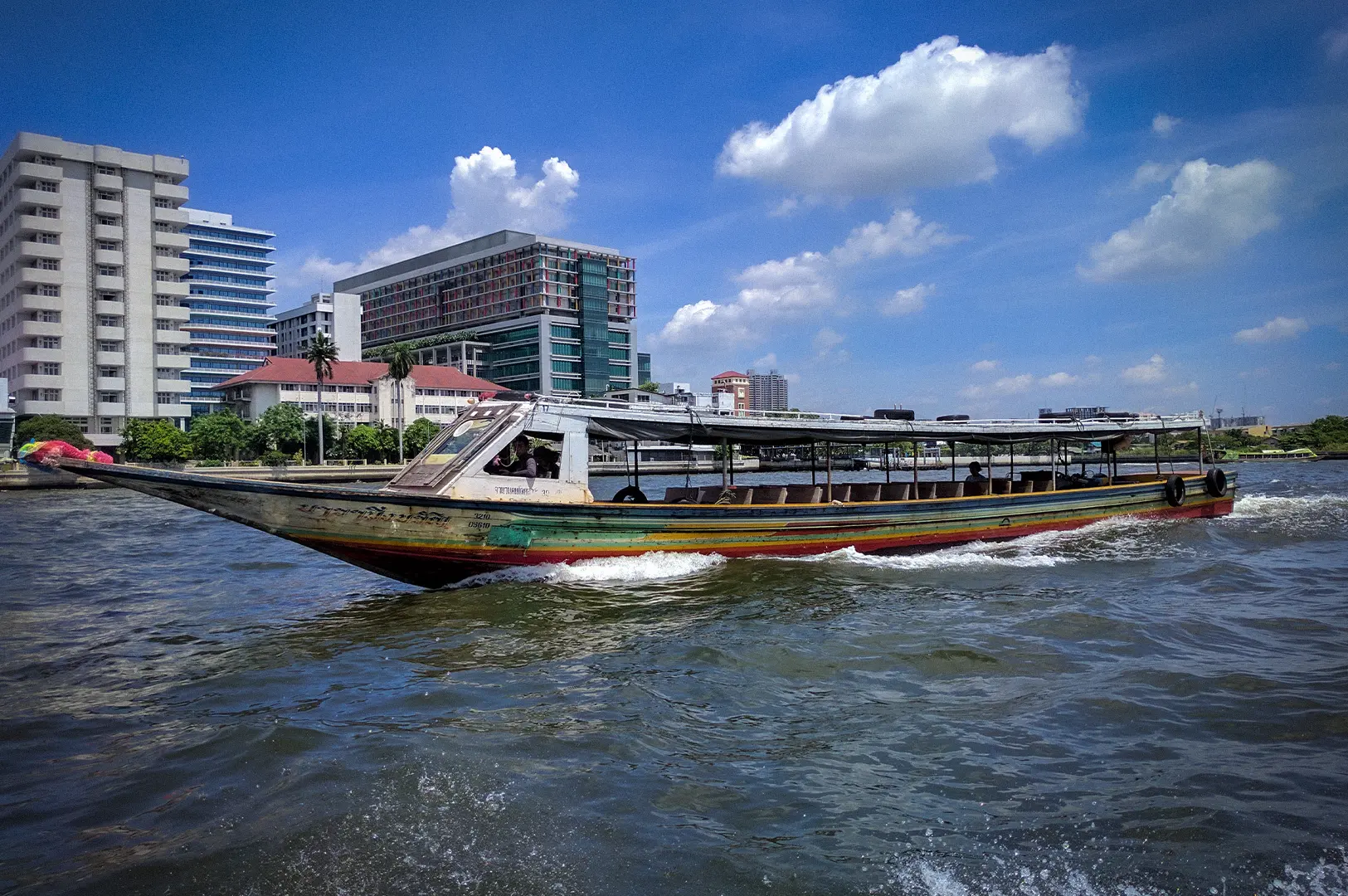
5. Chao Phraya River Ferry — A Different Way to See Bangkok (Riverside)
Access: Multiple riverside piers; BTS Saphan Taksin connects to Central Pier
Price: Around 18–35 THB for most public express boat routes; fares vary by line and distance
Skip the tourist cruise. The public express boats cost 15 to 40 baht, carry Bangkok city’s actual commuters, and run along the Chao Phraya—passing the same temples at a fraction of the price. A dawn ferry along the Chao Phraya River, one of the most storied attractions in Bangkok and a thread woven through Thailand’s history, is one of the most grounding experiences the city offers. Nothing is performed. Nothing is sold. Just the river doing what it’s done for centuries.
Best for: Budget travellers, photographers, and slow travellers who want texture over guided narration or anyone weighing a private tour against just letting the river decide the pace.
I’d suggest: Early morning departures can be a good way to avoid Bangkok’s heat, but check the specific route timetable before visiting. Ask pier staff which route passes the main temples. Routes can confuse first-timers.
6. Bang Krachao — The Best Day Trip from Bangkok City (Bang Krachao, Phra Pradaeng)
Access: BTS Bang Na + taxi/ride-hailing to a Bang Na pier + short ferry crossing to Bang Krachao
Price: Ferry a few baht; Bike Rental 50–150 THB/day
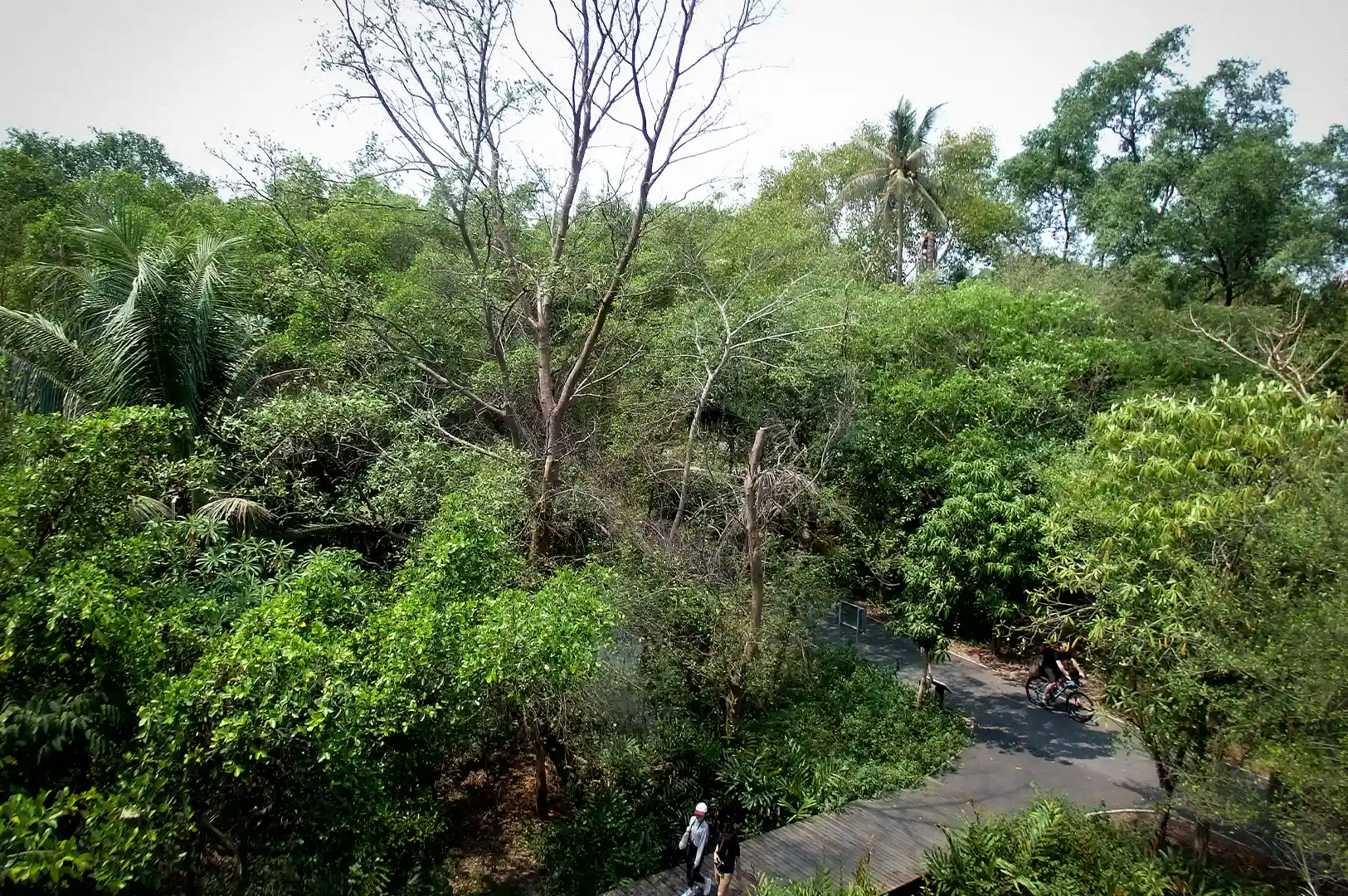
Most first-time visitors don’t believe Bang Krachao exists so close to central Bangkok—which, for a fascinating city of towering skyscrapers and busy streets, makes Bang Krachao the most surprising day trip you can take. A river-looped peninsula of raised cycling paths, community gardens, and a green island-like area of mangroves, gardens, cycling paths, and local communities.
It’s the Bangkok experience that surprises people most. You’re in one of Southeast Asia’s most bustling metropolises, a city of towering skyscrapers and busy streets that never seem to pause and yet here, just across a short ferry ride, the quiet is real. The green is real. And spending a slow morning cycling through it feels nothing like being in one of the region’s largest cities.
Best for: Couples, nature lovers, families, and anyone planning a day trip away from Bangkok’s towering skyscrapers who needs a genuine break from urban noise.
I’d suggest: Don’t try to cover the whole loop. Find a shaded spot or a riverside café and stop there. Bang Krachao is one of Bangkok’s most rewarding hidden gems precisely because the destination is the stillness not the distance covered.
7. Riverside Cafés and Bangkok City's Best Neighbourhood Coffee Stops (Various)
Nearest access: Multiple neighbourhoods — Talad Noi, Bangrak, Charoen Krung
Price: 100–250 THB per drink or light meal
Bangkok’s slowest and most honest moments happen inside renovated shophouse cafés and riverside coffee shops tucked into neighbourhoods across this river city, places that haven’t been rebranded yet, far from Bangkok’s city center gloss, where local life still sets the rhythm.
Some of my clearest Bangkok memories happened in these pauses—a slow hour watching a street wake up, a second coffee I hadn’t planned on, a conversation that only happened because I wasn’t rushing anywhere. After a full day navigating Bangkok’s busy streets or winding down from its lively nightlife, these quiet café corner, far from the rooftop bars and the crowds, are where the city finally exhales.
Best for: Solo travellers, couples, anyone needing a breathing space built into the day especially after long stretches of exploring Bangkok’s hidden gems or winding down from the lively nightlife.
I’d suggest: Don’t cross the city for a café. Find one near where you already are and let yourself stay longer than you planned.
A Suggested Five-Day Itinerary for Things to Do in Bangkok
Day 1: Wat Arun and Wat Pho riverside morning with a local ferry crossing between; spend the afternoon exploring the Grand Palace and Wat Phra Kaew, including the Emerald Buddha
Day 2: Evening food tour in Chinatown sampling authentic street food stalls and local delicacies
Day 3: Or Tor Kor Market at dawn for fresh local produce and mango sticky rice
Day 4: Half-day bike tour of Bang Krachao, Bangkok’s green lung in central Thailand
Day 5: Relax at a riverside café in the afternoon or opt for a day trip to the floating markets or the Ancient City outside Bangkok
Practical Info: Costs and What to Bring to Bangkok City
Carry cash in small notes—markets, ferries, and tuk tuks all prefer it. Cards work at luxury hotels and shopping malls like Siam Paragon, but won’t help you at a street food stall or a river pier. Pack light clothing, a scarf for temples, sunscreen, and genuinely comfortable walking shoes.
Temple entries run 100 to 300 THB
Ferries cost 15 to 40 THB
Street meals sit at 50 to 150 THB
A café stop is 100 to 250 THB
Tuk tuks are useful for short hops between neighbourhoods but agree on a price before you get in.
Bangkok rewards people who are willing to walk and punishes the ones who aren’t. If you’re staying at one of the luxury hotels along the river, you’re already well-placed for the morning ferry — don’t waste that advantage by sleeping in and heading to a shopping mall instead. If this pace appeals to you when you visit Bangkok or explore Bangkok’s slower side in other Asian cities, check out the best low-key things to do in Seoul for travellers who want to experience the city at a human speed.
Final Thoughts on Slow Travel in Bangkok
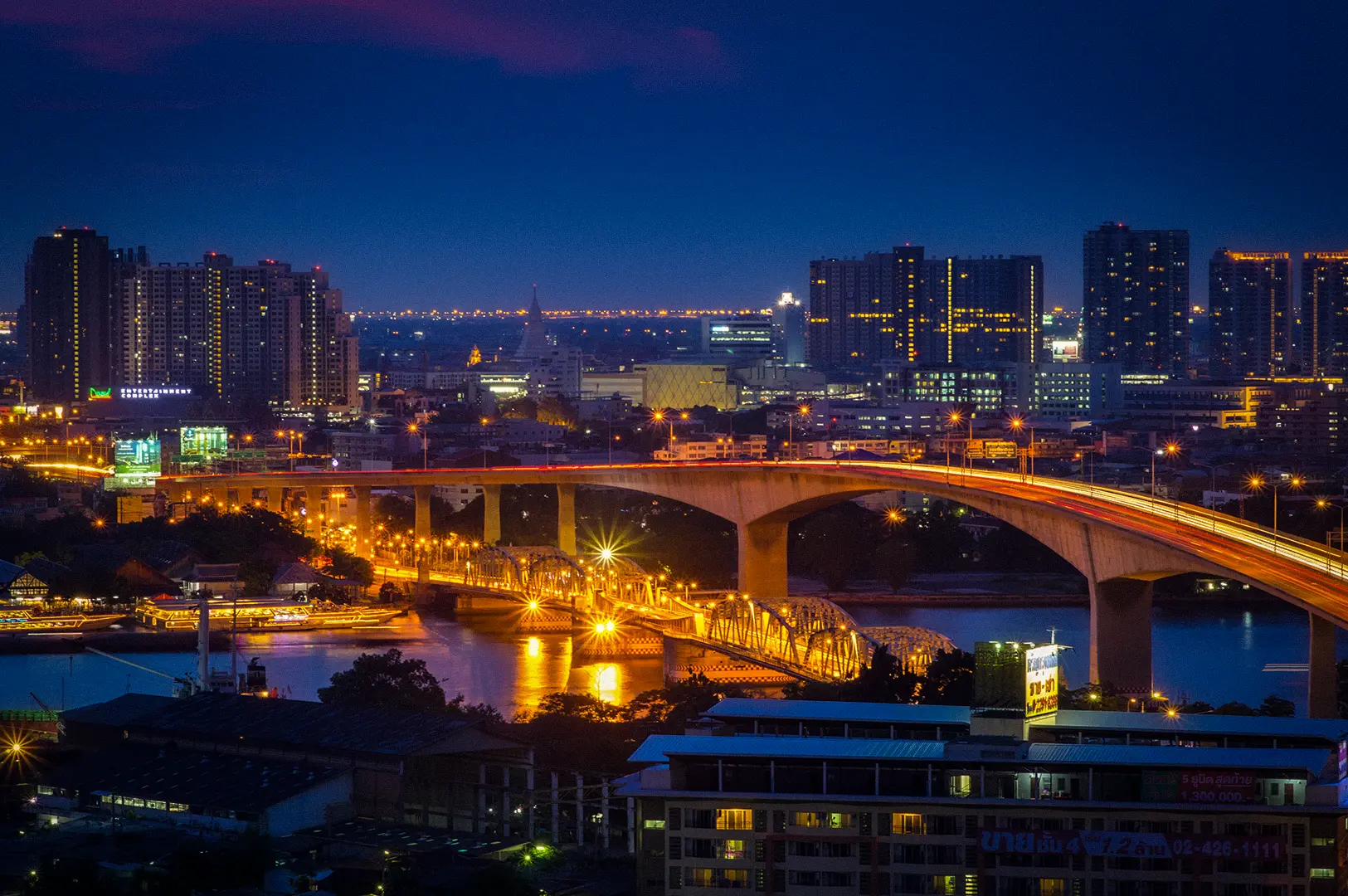
The things to do in Bangkok that stay with you—a dawn ferry along the Chao Phraya, a side-street noodle bowl in Bangkok city, a small temple no guidebook mentions—can’t always be planned and can’t be photographed in a way that captures why they mattered.
This list is my attempt to point you in the right direction when you visit Bangkok, whether it’s your first time or your fifth time exploring things to do in Thailand Bangkok at a pace that actually lets the city land. Bangkok will do the rest, if you give it enough time and a little quiet.
Go slow. Leave room. And come back for the things you didn’t expect to love because in Bangkok city, those are almost always the best ones.





