
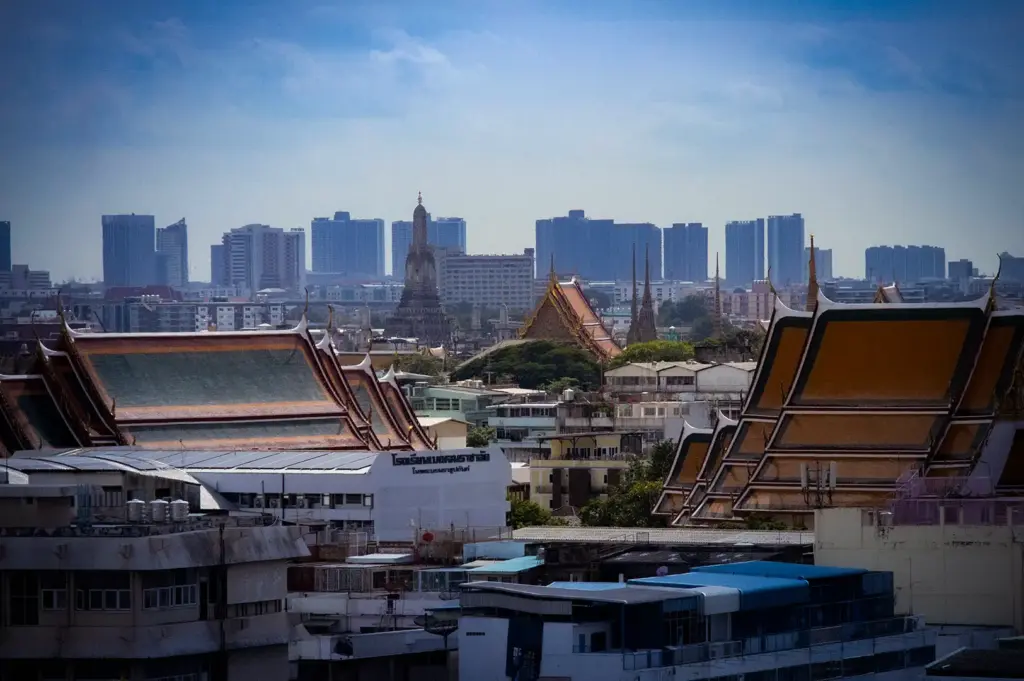
For many Singaporeans, Thailand feels familiar.
It is close, affordable, and convenient. A place we can visit without much planning. Bangkok weekends, beach escapes, food trips, shopping holidays—Thailand has always been an easy choice for a quick getaway.
But beyond its convenience lies something many travellers overlook.
Thailand is a country that teaches you how to slow down.
Not through complicated experiences. Not through carefully designed retreats. But through the rhythm of everyday life.
The way a morning market slowly comes alive. The sound of vendors arranging their stalls before the streets become busy. The smell of grilled food drifting through the air. The way a meal is enjoyed without rushing. The way people gather, talk, and spend time together. The way a quiet afternoon can feel completely worthwhile.
For Singaporean travellers used to efficiency and speed, this can be a refreshing contrast.
Our daily lives often revolve around schedules. Work starts at a certain time. Trains arrive according to a timetable. Meals happen between commitments. Even our weekends can feel planned from morning to night.
Thailand offers a different relationship with time.
It reminds us that not every moment needs to be productive.
Slow travel in Thailand is less about seeing more and more about learning a different pace of living.
One of the most rewarding aspects of travelling slowly in Thailand is experiencing ordinary routines. A quick visitor may see a market as somewhere to buy food. A slow traveller begins to see something more.
The early morning preparations.
The conversations between vendors.
The familiar customers who return every day.
This is where Thailand’s charm often exists. Not only in famous attractions, but in the everyday interactions that happen around them.
For Singaporeans, this style of travel can feel unfamiliar at first. We are often trained to look for the best places. The highest-rated restaurants. The most recommended attractions. The places everyone talks about.
But slow travel asks a different question.
What happens if we stay long enough to discover our own favourites?
That question becomes particularly interesting when it comes to food.
Thailand is famous for its food, but slow travel changes how you experience it. A rushed trip can become a search for famous dishes and popular restaurants. A slower trip becomes an exploration of food culture itself.
You begin noticing how meals fit into daily life. The morning breakfast routine. The afternoon snack. The evening gathering. Food becomes less about collecting dishes and more about understanding people.
A simple meal can sometimes become more memorable than an expensive restaurant experience. Not because it is more impressive, but because it feels connected to the place.
Slow travel turns eating from an activity into an experience. This is one reason Thailand works so naturally for slower journeys. Food is not separated from life. It is part of the rhythm of life.
The same can be said of community.
Many experiences in Thailand are built around connection—families gathering, neighbours knowing each other, and local businesses becoming part of everyday routines. When you stay somewhere for longer, these patterns become easier to notice.
You may begin recognising the same faces each morning.
You may return to the same shop and find that the surroundings already feel familiar.
You may spend longer talking over a meal because there is nowhere else you urgently need to be.
For Singaporeans, this can be especially meaningful. We live in a highly efficient city where convenience is everywhere. Thailand offers a reminder that slower does not necessarily mean less developed.
Sometimes, slower means more connected.
Thailand’s proximity also makes this kind of travel surprisingly accessible. You do not need a month away from work to experience a different rhythm. Sometimes, a few extra days are enough to change the entire feeling of a trip.
Instead of arriving late and leaving quickly, you can spend time settling into a place. Instead of changing locations every two days, you can stay somewhere long enough to recognise familiar streets. Instead of treating Thailand simply as an escape from routine, you begin experiencing it as a different way of living.
And this is where the real value of slow travel appears.
The destination does not just give you memories.
It gives you perspective.
You return home noticing small things. You become less impatient with quiet moments. You appreciate an unhurried meal or a walk without a destination. You realise that travel does not always need to be about moving further, seeing more, or filling every available hour.
Sometimes it is about being more present where you already are.
Thailand’s greatest gift to slow travellers is not only its landscapes or food. It is the reminder that life can be enjoyed at a gentler pace.
Perhaps that is why a country so close to Singapore can still feel like such a change of rhythm.
You leave home expecting a quick escape.
You return having remembered something quieter: that not every hour needs to be filled, not every road needs to lead somewhere important, and not every experience needs to be captured before it can be meaningful.
Sometimes, the best part of travelling is simply having enough time to pause. If you are looking for a destination in Thailand where staying longer allows you to experience local rhythms, food, and everyday life more deeply, explore Chiang Mai Thailand.





