
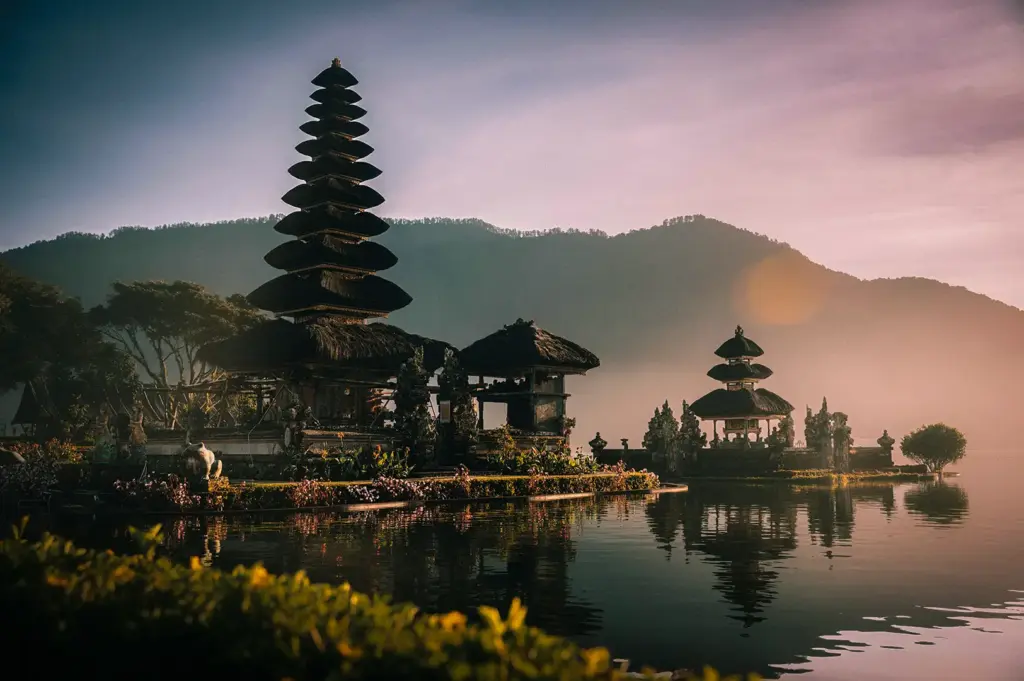
The first time I went to Ubud, I treated it like a to-do list.
Six things in two days. A driver waiting. A phone full of screenshots. I remember ticking off the Sacred Monkey Forest Sanctuary at a near-jog, one eye on the time, the other on a monkey deciding whether my sunglasses were worth the trouble.
I saw a lot. I felt almost none of it.
So I came back. And on that second, slower trip, something shifted. I stopped chasing sights and started joining in—a cooking class here, an early temple morning there, an afternoon that went nowhere in particular. That’s when Ubud finally opened up to me.
These are the things to do in Ubud Bali that stayed with me long after I’d forgotten the photos.
Exploring Balinese Art and Crafts at the Ubud Art Market
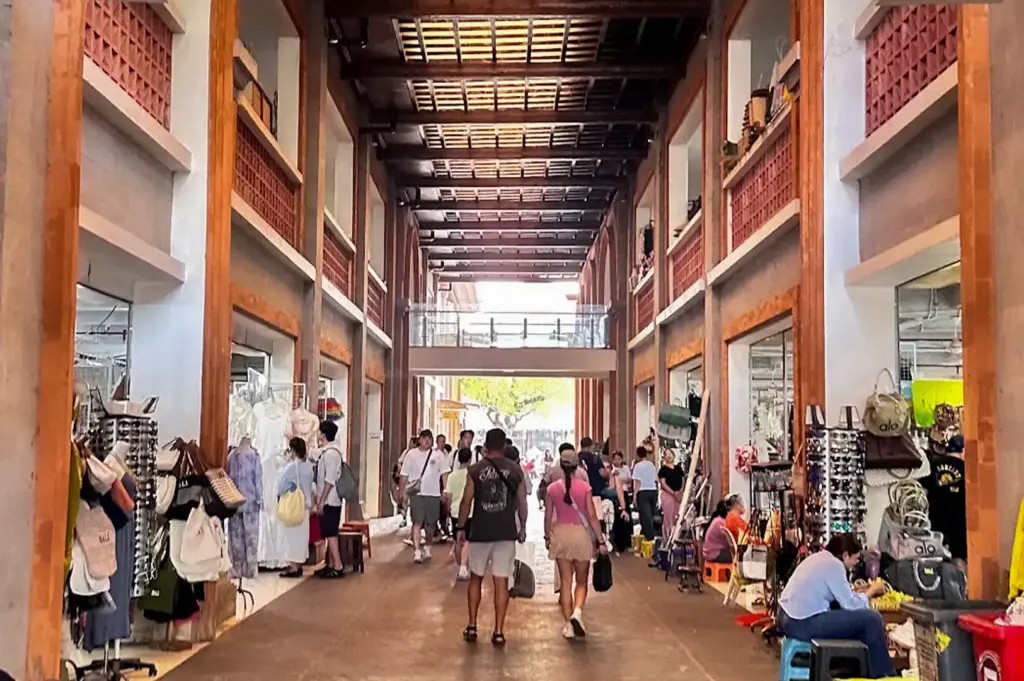
Ubud has always been a town of makers. Painters, carvers, weavers—their work is everywhere, if you slow down enough to notice.
The Ubud Art Market, right across from the Ubud palace in the busy town centre, is where most people start. And here’s my honest advice: don’t rush it. The first time, I walked through in ten minutes, saw only souvenirs, and left unimpressed. On my third visit, I stayed an hour. I talked to a woman selling hand-dyed textiles. She told me which stalls were her family’s and which were resold from elsewhere.
That conversation changed how I saw the whole place.
Prices are negotiable, and that’s part of it, but I’ve stopped haggling hard over a few thousand rupiah. To a maker, it means more than it does to me. If you want the real thing, look past the mass-produced sarongs toward the smaller stalls run by local artists. The Agung Rai Museum of Art, a short ride south, is worth a quiet morning too, if you want to understand where all this craft comes from.
Pro tip: Go to the market early, before 9am. The light is soft, the tourist crowds are thin, and the sellers have more time to talk. By midday it’s shoulder-to-shoulder with other tourists, and nobody’s in the mood for a real conversation
.
Cultural Immersion: Temple Etiquette
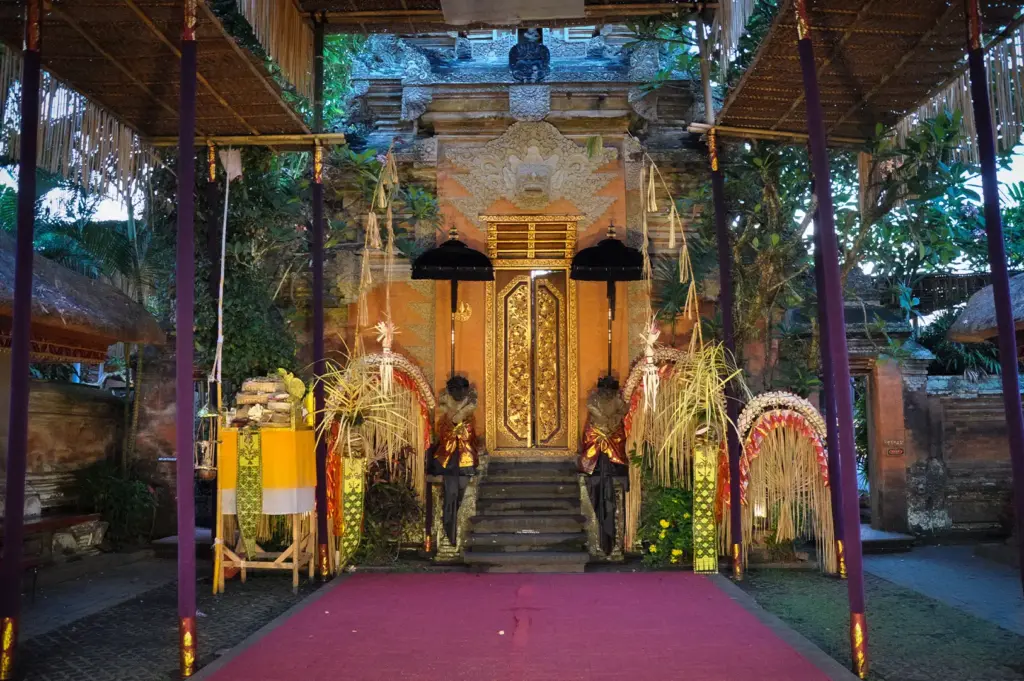
This is where I made my biggest mistake, so let me spare you the same one.
On that first trip, I wandered into a temple courtyard in shorts, camera up, right as a ceremony was starting. A man gently but firmly turned me around. I was embarrassed—rightly so. Balinese temples aren’t attractions. They’re living, working sacred sites, and daily life still moves through them.
So the rules are simple, and they matter. Cover your shoulders and knees. Wear a traditional sarong—many important temples lend them at the entrance, but I carry my own now. Speak quietly. Never step over the small woven offerings (canang sari) you’ll see on the ground everywhere. And always ask before photographing someone mid-prayer.
Puri Saren Agung
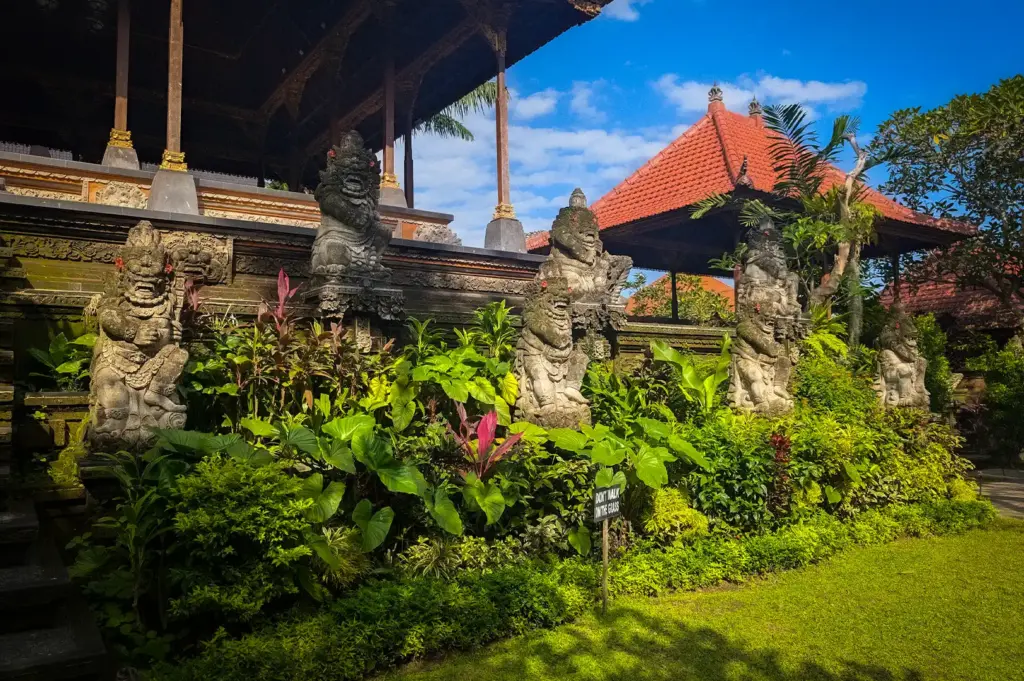
Puri Saren Agung, is the easiest place to begin. It’s the official residence tied to the Ubud royal family, and in the evenings the courtyard hosts traditional dance performances. I’d suggest arriving around 6:30pm for a 7:30pm show—the good seats near the front fill fast. Expect to pay around IDR 100,000–150,000. Watching the gamelan build behind a dancer’s every finger movement is one of my favourite things in all of bali ubud.
Tirta Empul (Water Temple)
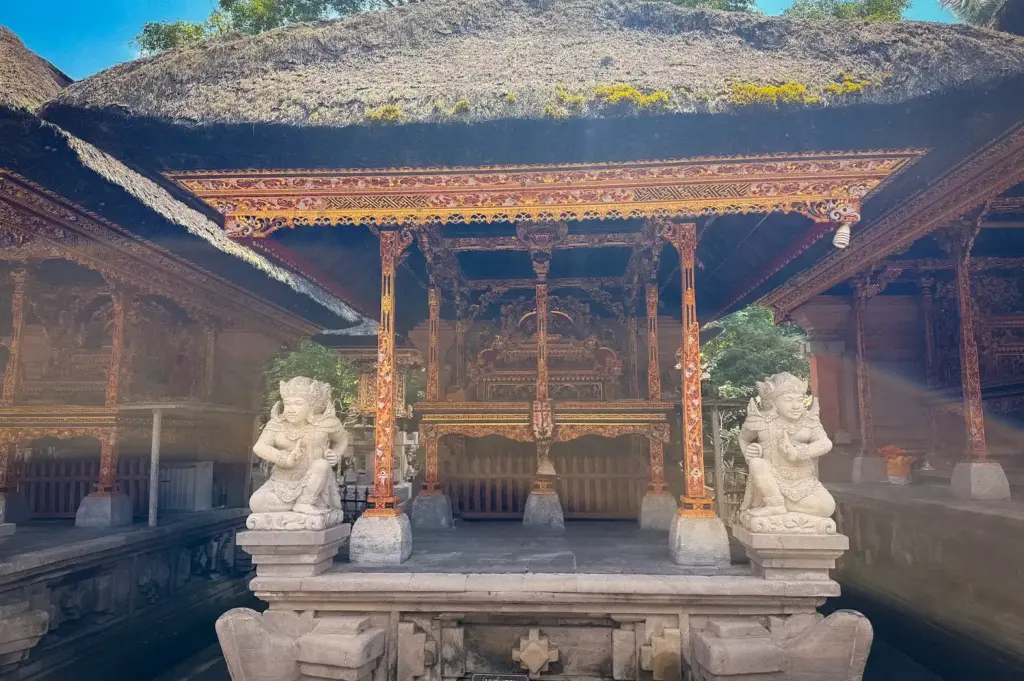
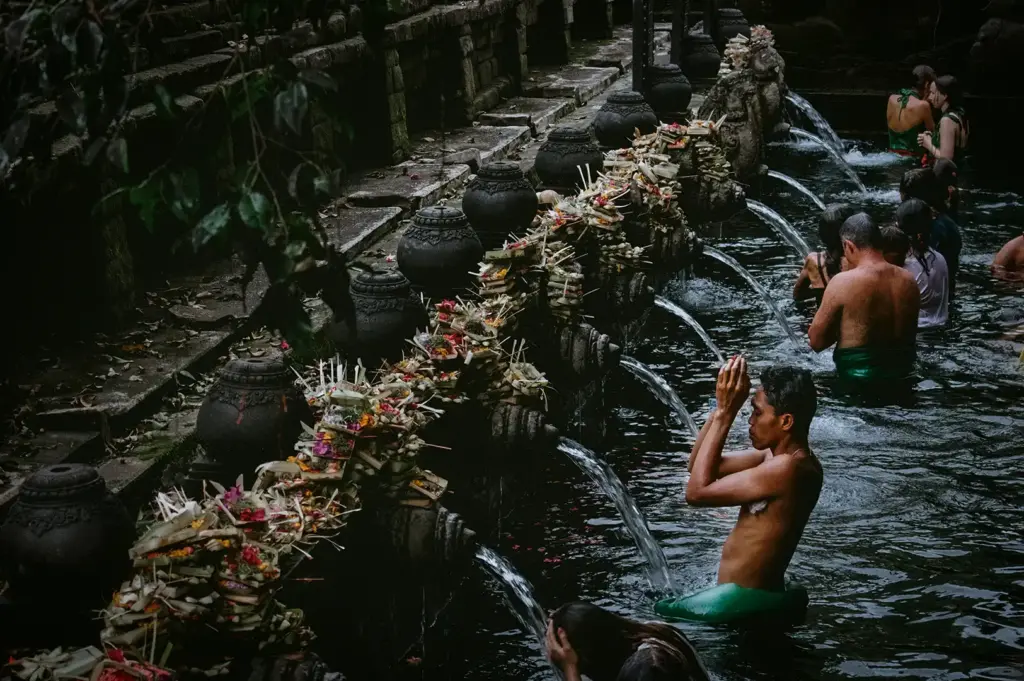
Tirta Empul, the water temple north of town, is different again. People come for the holy water purification ritual, stepping into the bathing pools fed by sacred springs. Entry is around IDR 50,000–75,000. If you take part, understand what it is—a genuine spiritual practice, not a photo opportunity. I watched the first time before ever considering joining. Sitting quietly by the lotus pond at the saraswati temple, listening to the water, taught me more than any queue for a swing ever could.
Slow Nature: Day Trip to Ubud Rice Fields and Waterfalls
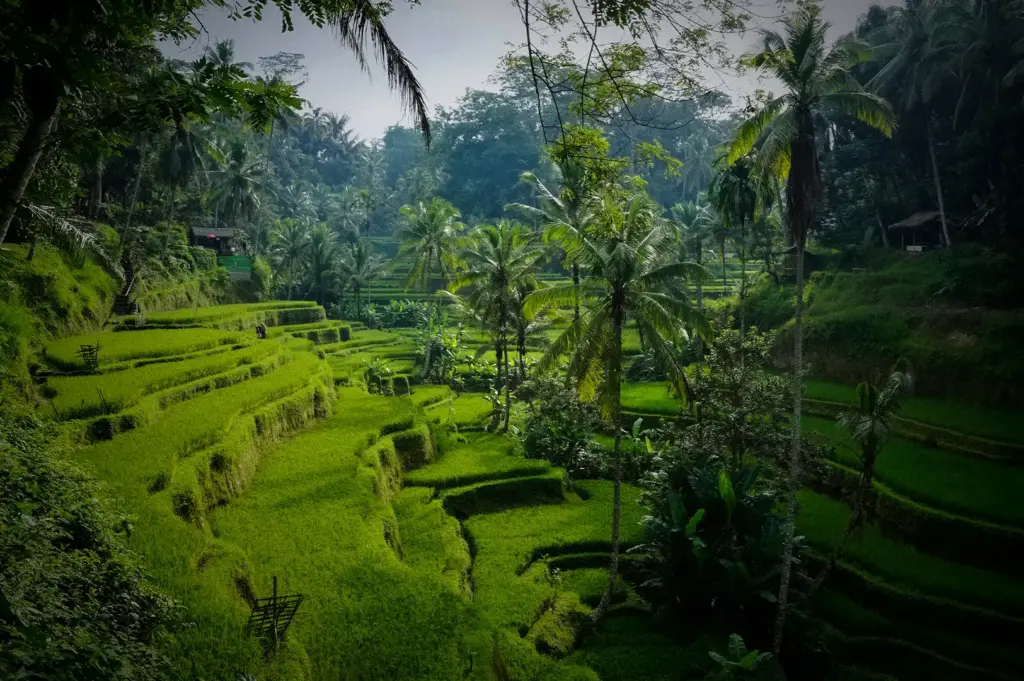
Everyone photographs the tegalalang rice terrace. Fewer people actually walk it.
A trip to Ubud isn’t complete without exploring the famous Tegallalang rice terraces. These many rice terraces, carved into the hillsides, showcase Bali’s traditional irrigation system and provide picture-perfect views. It’s a short drive from central Ubud, and you can easily find a car park nearby using Google Maps.
The famous viewpoint gets crowded and commercial fast—there’s an entrance fee, then more for the famous bali swings and photo platforms. I’ll be honest: it’s beautiful early, and a bit of a circus by late morning. My advice is to arrive before 9am, or better yet, skip the main terrace some days and wander the quieter rice paddies on the back roads toward Tegallalang village. Same green rice terraces, none of the tourist crowds. Just you, the palm trees, and someone’s grandfather tending his plot.
Close to Tegallalang is Gunung Kawi, an ancient temple complex with 11th-century rock-cut shrines. It’s a peaceful spot where you can spend a few hours exploring the ruins and soaking in the spiritual atmosphere.
And then the waterfalls. Tegenungan is the closest and busiest. Tibumana and Kanto Lampo are quieter, fairly easy to reach, and far more peaceful in the early morning. Bring water shoes—the rocks are slick—and go before the day-trip tourist crowds arrive around 10am. For a hidden gem waterfall experience, consider the Reng waterfall or Sumampan waterfall nearby.
Pro tip: Hire a private driver for a full day if you want to string a few of these together, around IDR 500,000–800,000. Bali’s roads are no place to learn to ride a scooter, and a good local guide will know which farm and which waterfall are quiet that particular morning.
Wellness and Cooking Classes: Learning With Your Hands
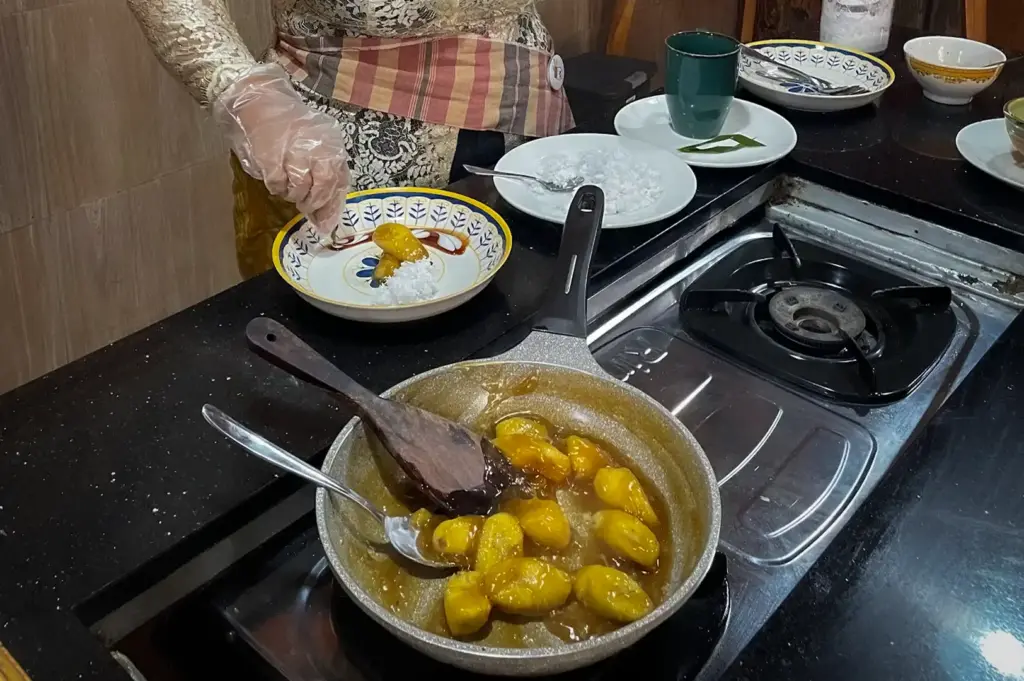
If there’s one activity I’d never skip now, it’s a Balinese cooking class.
Mine started at a morning market—the real kind, where local people shop for the day, not a version staged for visitors. We picked lemongrass, galangal, tiny fierce chillies. Then we cooked, and finally we ate what we’d made, sitting together at a long table. It cost somewhere around IDR 500,000, and it was the best money I spent all week. Food became a way into balinese culture daily life, not just something delicious on a plate.
Yoga and wellness, of course, are what put Ubud on the map for many travelers. The Yoga Barn is the well-known one, and a yoga class runs around IDR 100,000–200,000. I’m no yogi, but a slow morning session followed by a fruit breakfast reset something in me that a packed itinerary never could. Ubud draws a lot of digital nomads and solo travelers for exactly this reason—it’s a place that gives you room to breathe.
You don’t have to be spiritual to appreciate any of it. I’m not, particularly. You just have to be willing to slow down and pay attention.
Visit Balinese Coffee Farm
Coffee here deserves your attention too. A Balinese coffee farm visit usually walks you through the plants, the processing, and a tasting flight at the end. It’s a gentle, unhurried hour. Alas Harum Bali, up near the terraces, has a tree house and viewpoints if you want the scenic version—though I prefer the smaller local farms where the tasting comes with real conversation and a cup of thick, earthy kopi.
Relaxing at a Pool Club in Ubud
After a day of exploring, unwind at one of Ubud’s stylish pool clubs. These spots often feature infinity pools overlooking green rice fields, perfect for sipping a cocktail or enjoying a delicious meal from an à la carte menu. Whether you’re after tranquility or a social vibe, Ubud’s pool clubs offer a refreshing way to end your day.
This section gives you a taste of what to expect when you visit Ubud — a blend of cultural heritage, beautiful nature, and modern comforts that make this part of Bali truly special.
Other Activities to Do in Ubud Bali
Beyond the well-known spots, Ubud has so much more to offer. Start your day with a walk along the Campuhan Ridge Walk, where the green rice fields stretch as far as the eye can see, and the fresh coconuts from nearby stalls refresh your spirit. Stop by the Ubud market to browse colorful market stalls filled with local crafts and delicious food—don’t miss trying the coconut ice cream, a local favorite.
When hunger strikes, Ubud’s amazing restaurants serve everything from traditional Balinese dishes to modern à la carte menus, satisfying every palate with fresh, flavorful ingredients. For those who want to soak in the luxury, many Ubud hotels feature stunning infinity pools and offer the unforgettable experience of a floating breakfast, dining while drifting in a pool overlooking the lush jungle.
Common Mistakes to Avoid in Bali Ubud
I’ve made most of these, so learn from me:
Over-scheduling. My first trip crammed six things into two days. I remember none of them fondly. Do less. Stay longer — four to seven days is the sweet spot.
Never leaving the ubud centre. Central Ubud is convenient but busy, thick with traffic and shops. The Ubud you’re dreaming of lives in the villages just outside it.
Treating temples like backdrops. Dress properly, move quietly, and never let a ceremony become your photo op.
Chasing every famous spot. The bali swings, the ubud monkey forest midday, the packed tegalalang rice terraces viewpoint — some things aren’t worth the crowds. Trade them for a village walk or a slow coffee.
Trying to do all of Bali. Don’t attempt Ubud, Seminyak, Uluwatu, and Nusa Penida in one short trip. Pick Ubud. Go deep.
One Last Thing
It was the rhythm of a quiet morning—learning to slice lemongrass the right way from a cooking-class auntie who laughed at my clumsy hands, then sitting down to share the meal with strangers who felt like friends by the end. It was walking the same rice path two days in a row, hearing the breeze weave through the paddies, feeling the place settle into me as much as I settled into it.
Ubud teaches you something if you let it: that the deepest connections come not from the number of places you visit, but from the moments when you truly pause to listen, to watch, to be. It’s in the conversations you didn’t expect to have and the small rituals of daily life you’re welcomed into.
Come slow. Stay longer than feels practical. Allow yourself the space to connect to the land, its people, and maybe even to yourself. The rice fields will wait, and the mornings will always feel like they hold a little more here. If you’re interested in other travel guide, read things to do in Bangkok Thailand for another idea in your future slow travel plans.





