
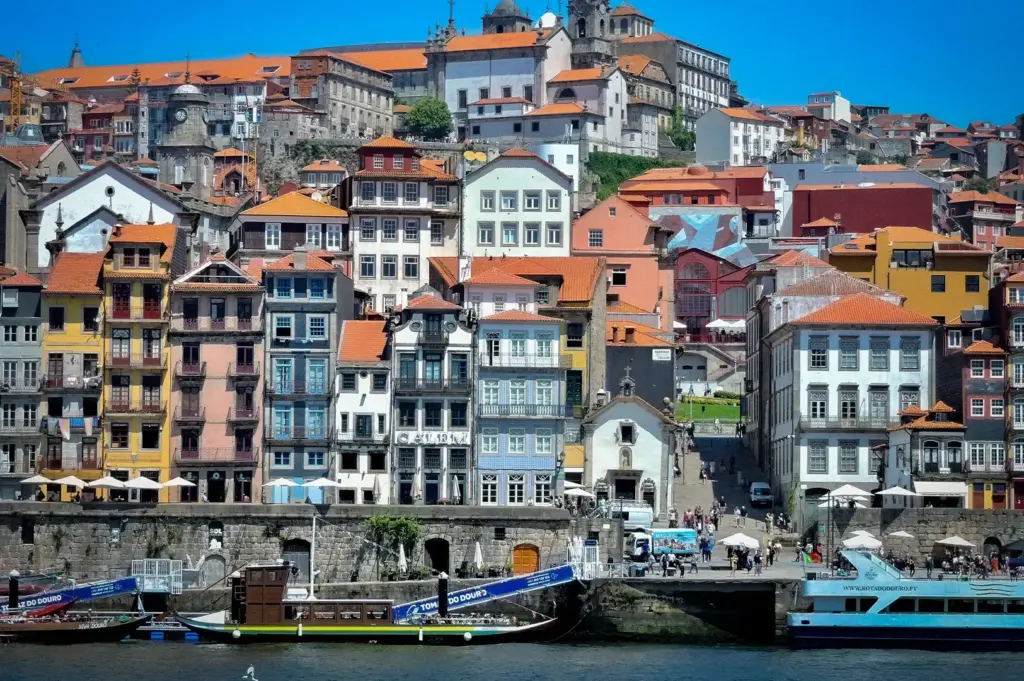
The first time I saw Sintra, it was through a bus window, fogged up from the inside.
I had come on a Sintra day trip from Lisbon, like almost everyone does. Four palaces on my list. A return train I was determined to catch. By noon I was standing in a queue at Pena Palace, shoulder to shoulder with a tour group, wondering why a place this beautiful felt so tiring.
I caught that train. I remember almost nothing from the ride home.
Two years later I came back and stayed five nights in a small guesthouse near Sintra old town. On the second morning, I walked out before breakfast. The mist was sitting low in the trees. A café owner was hosing down the cobblestone streets. Somewhere above me, hidden in the clouds, was the royal palace I had queued for.
That was the Sintra I had missed the first time.
Why Sintra Portugal Deserves More Than a Day Trip
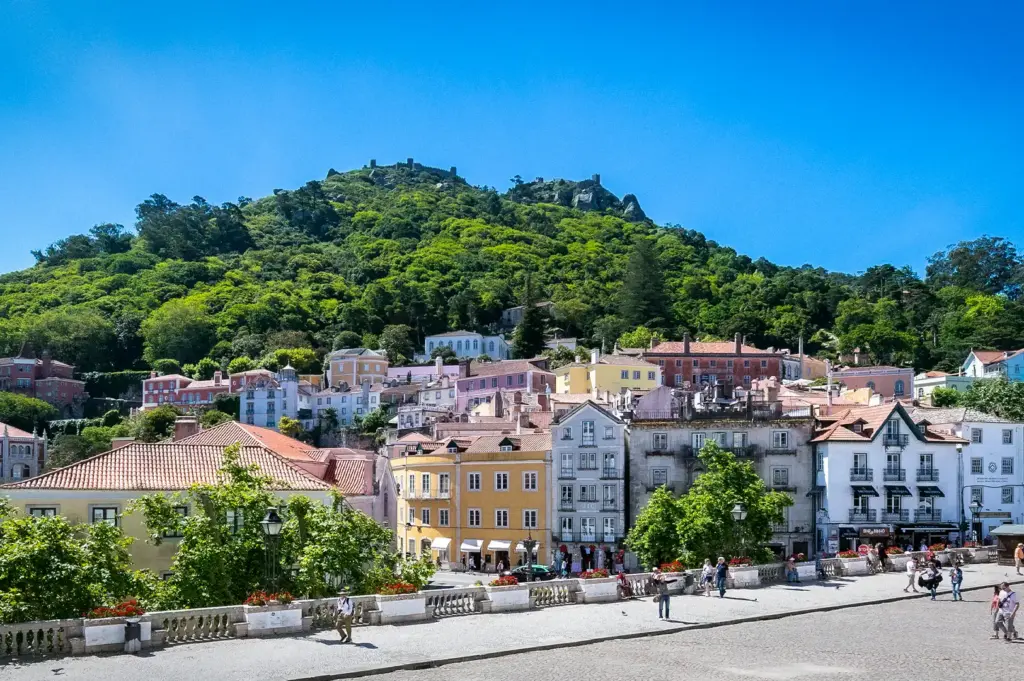
Sintra is a UNESCO World Heritage Site about 30km northwest of Lisbon. It is known for romantic palaces, forested hills, and a mood that feels half real, half storybook.
Most visitors give it one day. I understand why. But visiting Sintra feels completely different after the day-trippers leave. The streets empty. The air cools. You hear footsteps again.
It is the same reason I like to leave room for more than the obvious stops when travelling, whether that means five days in Sintra or taking the time to explore the things to do in Singapore beyond its busiest streets.
For those of us flying in from Changi, usually with a connection and close to 20 hours of travel, it makes little sense to rush the part that stays with you. Five days sounds like a lot. It isn’t. It is just enough to stop checking the time.
Getting There: Rossio Station to Sintra Town
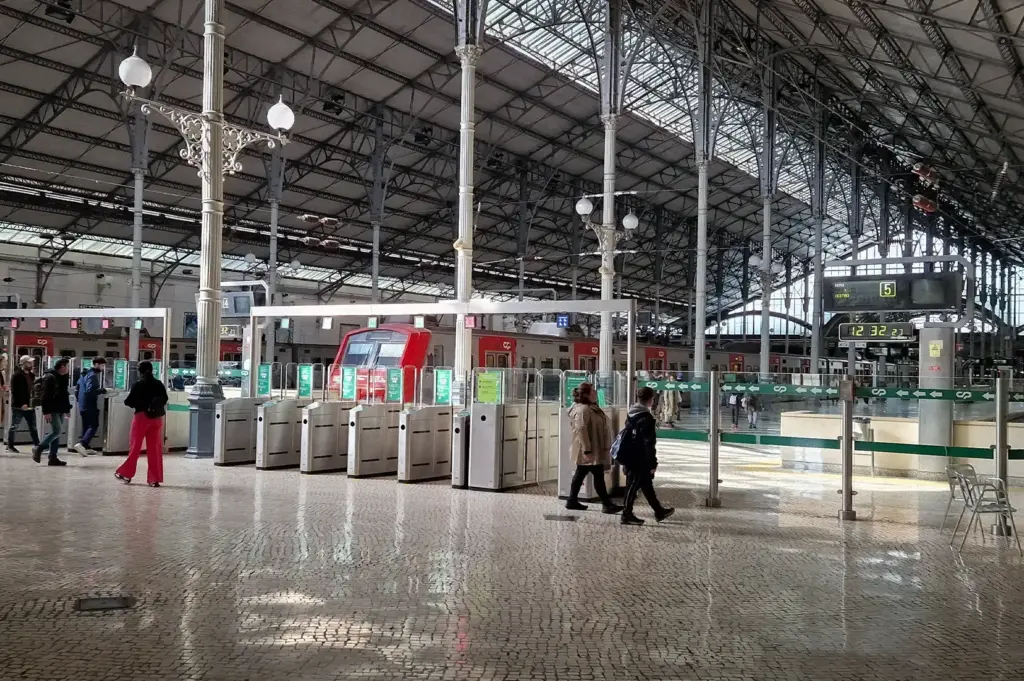
The easiest way in is the train from Lisbon’s Rossio Station to Sintra Train Station. The ride takes about 40 minutes, and train tickets cost around €2–3 each way. You can tap in with a Viva Viagem card, sold at the station machines.
From Sintra Train Station, the city center and the Sintra National Palace are about a 10–15 minute walk. It is mostly flat, and the route is pretty. Plan ahead if you want to avoid the midday rush, the platform at Rossio gets busy from mid-morning onward.
The hill palaces are another story. Pena Palace and the Moorish Castle sit high in the Sintra hills, and the climb is steep. The 434 tourist bus loops between the station, the old town, the castle, and Pena. The 435 heads toward Monserrate and Quinta da Regaleira. Expect to pay around €4–5 depending on the route. Taxis and ride apps work too and save your knees.
Pro tip: Take a train that leaves Rossio before 8:30am. You will beat most of the organized tour buses and reach the first palace close to opening time. On my first visit, I arrived at 11am. That one decision shaped the entire day, and not in a good way.
When to Visit (and What to Wear)
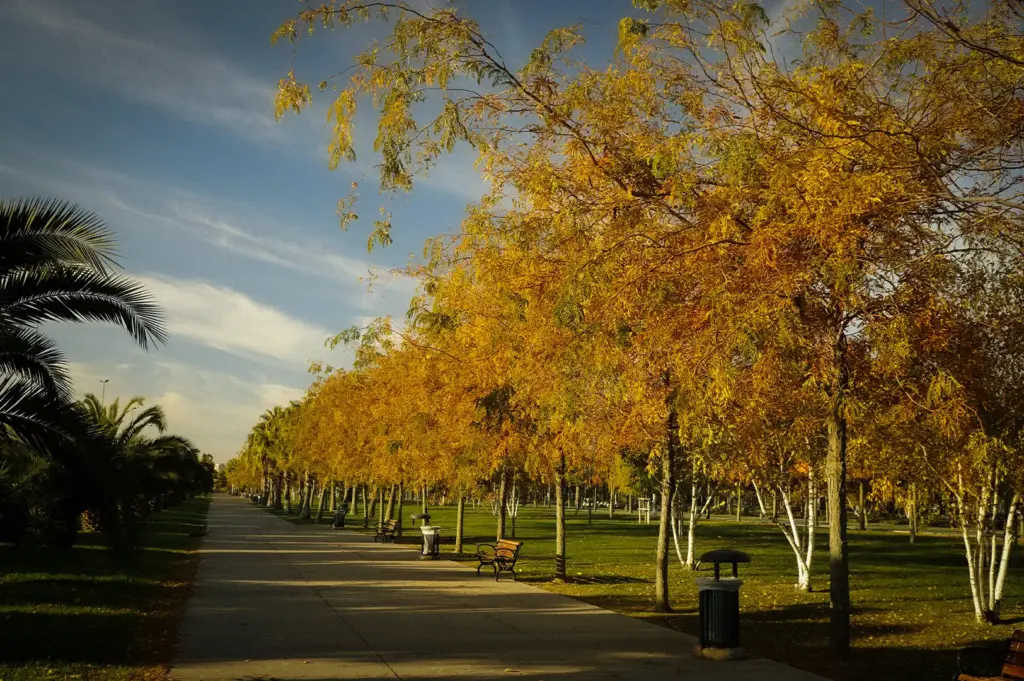
Autumn is my favorite. Fewer crowds, softer light, and temperatures that make walking a pleasure. Spring comes close, with the beautiful gardens in bloom. Summer is warm and busy, especially on weekends. Winter is quiet but damp—check opening hours in advance, as some palace grounds run reduced schedules off-season.
Here is what I got wrong: I packed for Lisbon. Sintra is cooler. The elevation, the forest, and the winds off the Atlantic Ocean can drop the temperature quickly, even in the same afternoon. I spent my first evening shivering in a T-shirt.
Bring layers, a light jacket, rain protection, and shoes with real grip. The paths are uneven, often wet, and many are steep. If you have mobility concerns, focus on the Sintra National Palace, the old town, and parts of Monserrate. The hilltop sites involve a lot of climbing.
Five Slow Days: The Palaces and Places
Day One: Sintra Town and the Palácio Nacional de Sintra
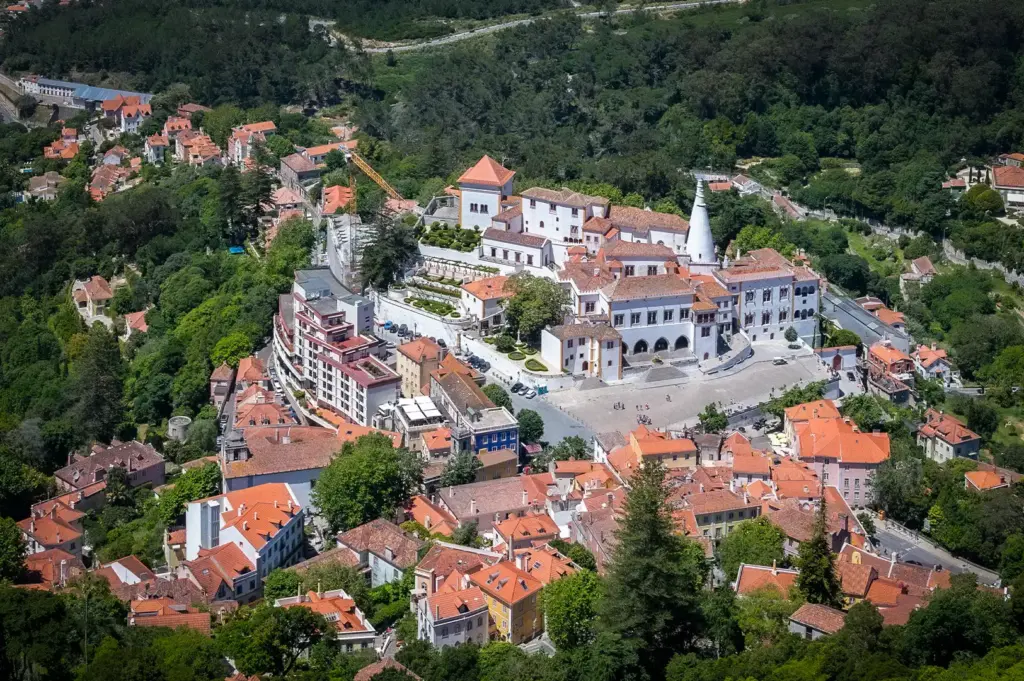
Start small. Arrive, drop your bags, and walk.
The Sintra National Palace (Palácio Nacional de Sintra) is the oldest palace in the area and sits right in the city center, with its two white chimneys rising like something from a child’s drawing. It served as a summer residence and the seat of the royal court for notable Portuguese kings across several centuries. Entry is around €13, and you need about 1–1.5 hours. There’s usually no need to book far ahead, but checking at the ticket booth on arrival can save time.
Some visitors find it less dramatic than Pena. I found it more honest. Tiled rooms. Painted ceilings. A quiet sense that people once lived here.
Afterward, find Casa Piriquita on Rua das Padarias. Order a travesseiro, a flaky almond pastry, still warm if you’re lucky. I ate mine standing outside, sugar on my jacket, watching the town go about its evening.
Day Two: Palácio Nacional da Pena and the Chalet da Condessa d’Edla
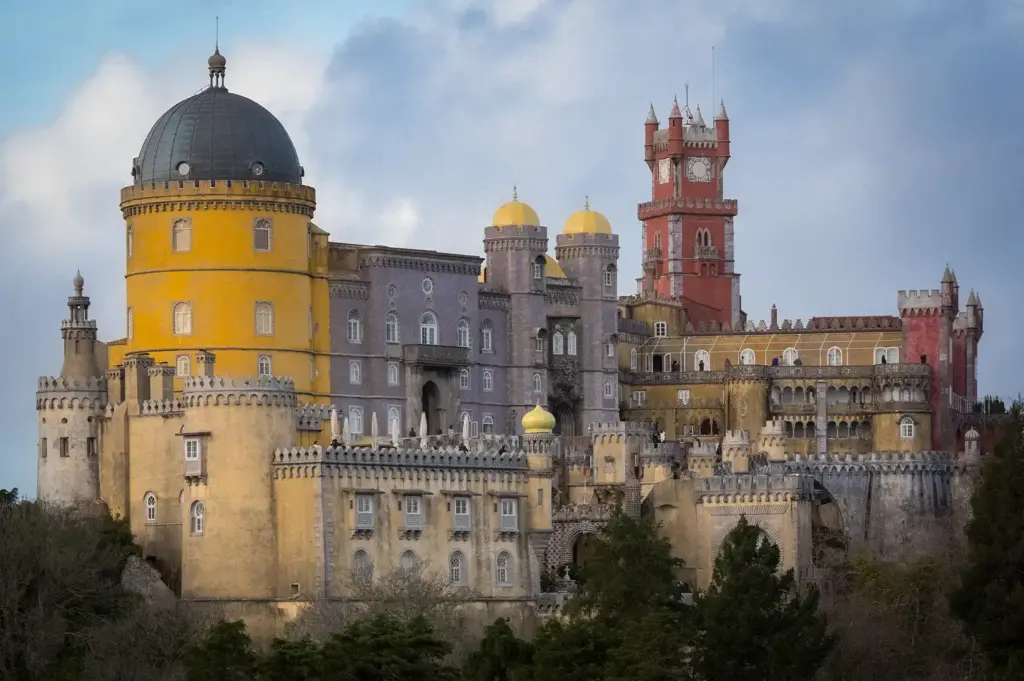
Pena Palace (Palácio Nacional da Pena) is the beautiful palace on every postcard. Bright yellow and red walls. Gothic, Moorish, and Manueline details all layered together. King Ferdinand II built it in the 19th century as a summer residence for the Portuguese royal family—when King Ferdinand decided to transform a ruined monastery into something entirely his own, the result was unlike any palace on the Atlantic coast.
It is beautiful. It is also crowded.
Tickets run around €20–25, and timed entry is worth booking ahead. Arrive at opening, usually 9:30am, and give yourself 2–3 hours. The rooms inside the actual palace are narrow, and the line moves slowly. The Queen’s Terrace, though, rewards patience. On a clear morning, you can see all the way down to the coast. Then leave the palace behind and walk into Pena Park. This is where I found the day’s real quiet.
Deep in the palace grounds sits the Chalet da Condessa d’Edla, a Swiss-style cottage Ferdinand built with his second wife, Elise Hensler. It is small, a little odd, and full of warmth. Very few people seemed to make it this far. I sat on a bench nearby for almost an hour. Nobody asked me to move.
Pro tip: Check which ticket includes the chalet and the park. Options change from season to season. If palace interiors aren’t important to you, a park-only ticket is cheaper and, honestly, more peaceful.
Day Three: Castelo dos Mouros, The Castle of the Moors and Quinta da Regaleira
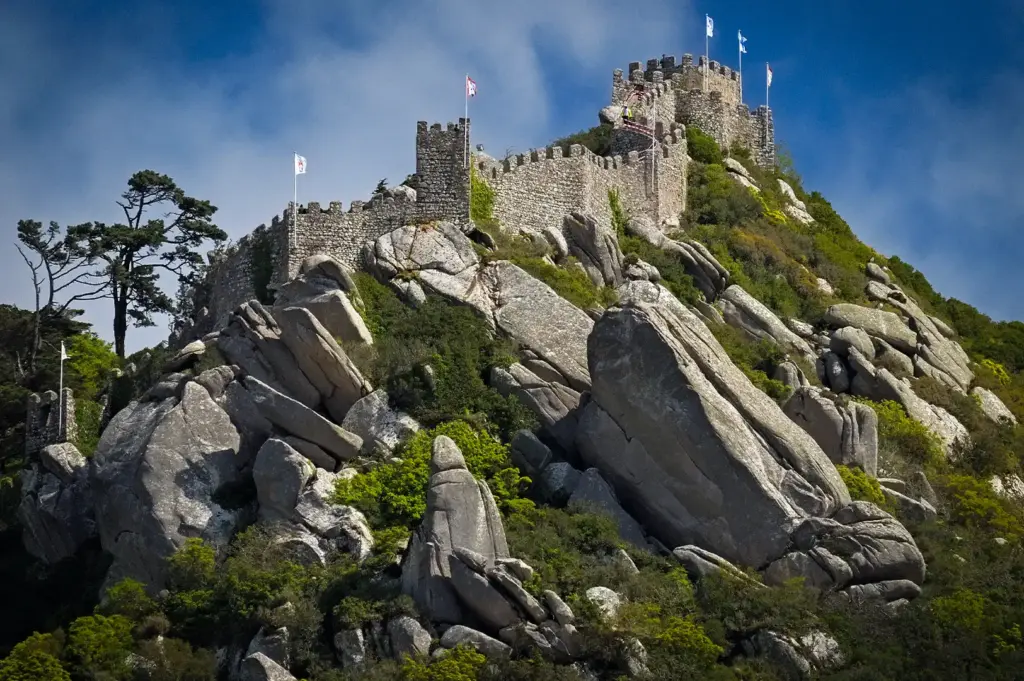
The Castelo dos Mouros, or Castle of the Moors, sits on the ridge just below Pena. It is a national monument that dates back to the Moorish period, more than a thousand years ago. There are no furnished rooms here. Only stone walls, ramparts, and wind.
Entry is around €12–15, and 1.5–2 hours is enough for most people. The steps along the walls are steep and uneven. Hold the rail. The wind up there is stronger than you think.
When I reached the highest tower, the fog cleared for maybe two minutes. Pena appeared across the valley, glowing like a painted toy. Then the clouds rolled back in.
In the late afternoon, head down to Quinta da Regaleira (around €12–15, about 2 hours). This estate belonged to António Augusto Carvalho Monteiro, and it feels less like a palace and more like a puzzle. Tunnels. Towers. Moss-covered grottoes. The famous Initiation Well spirals nine levels into the earth.
At midday, the well is packed. After 4pm, it breathes again.
Day Four: Monserrate Palace, the Quiet One
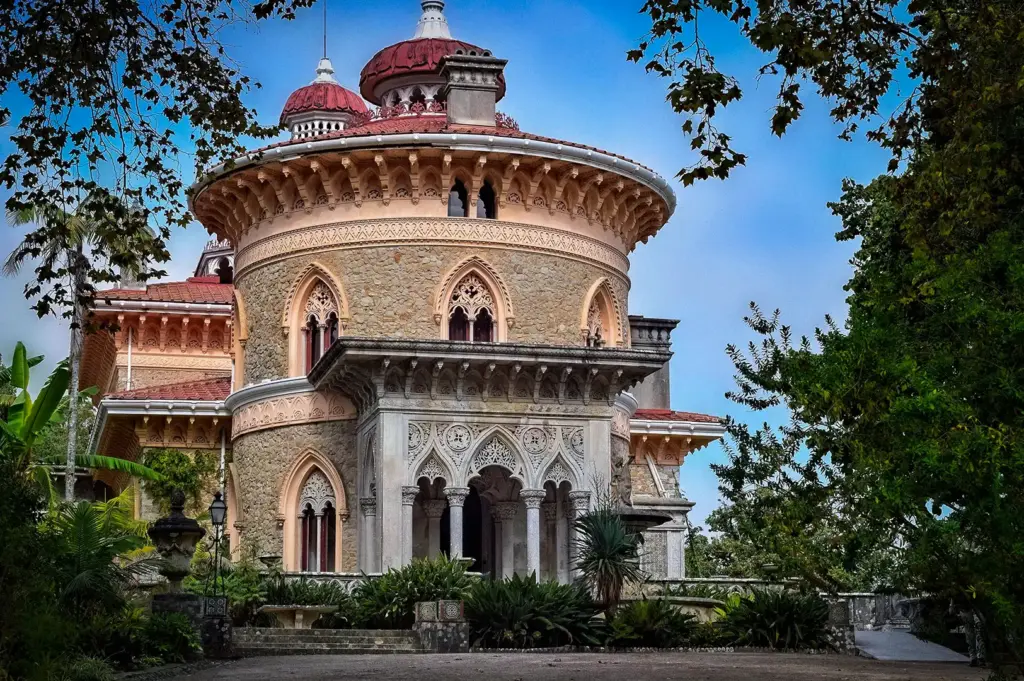
If I could keep only one day, it might be this one.
Monserrate Palace is a short bus ride on the 435, and entry is around €12. Most visitors skip it. That is exactly why I love it.
The palace itself is delicate and pale, like carved lace. But the gardens are the heart of it. Ferns taller than me. Trees from faraway continents. Paths that curve for no reason except to slow you down. Give it 1.5–2 hours, or more if you let yourself sit.
On the way back, stop by Seteais Palace, now a hotel, for its view of the Sintra hills. Or just keep walking.
Day Five: Cabo da Roca and the Edge of the Atlantic Ocean
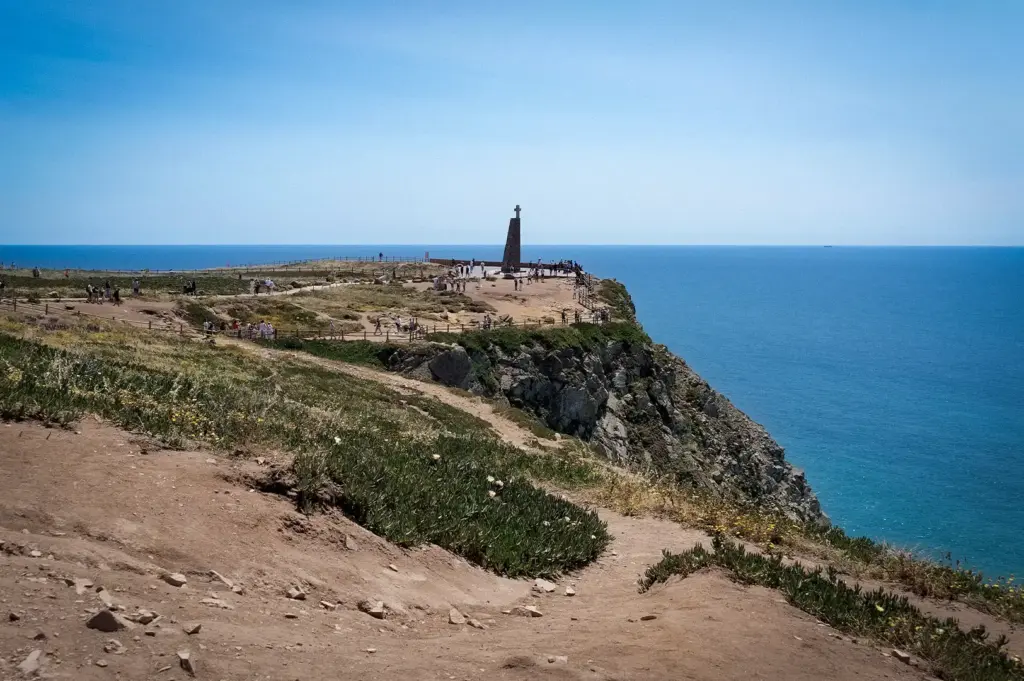
End at the edge of everything.
Cabo da Roca is the westernmost point of mainland Europe—the furthest you can go on continental Europe before the Atlantic takes over. There are cliffs, a lighthouse, a stone marker, and the ocean stretching out forever. Entry is free. You only need 30 minutes to an hour, but I stayed much longer.
It is windy. Very windy. The facilities are limited, and sunset brings crowds. In early October, sunset falls around 7pm. I prefer late afternoon, just before the sunset tour groups arrive.
If you have extra time, the beaches nearby are worth a detour. Praia da Ursa is wild and reached by a steep path. Praia das Maçãs is gentler, with seafood restaurants close to the sand.
Quieter Corners: Villa Sassetti, Mountain Biking, and the Back Way to the Moorish Castle
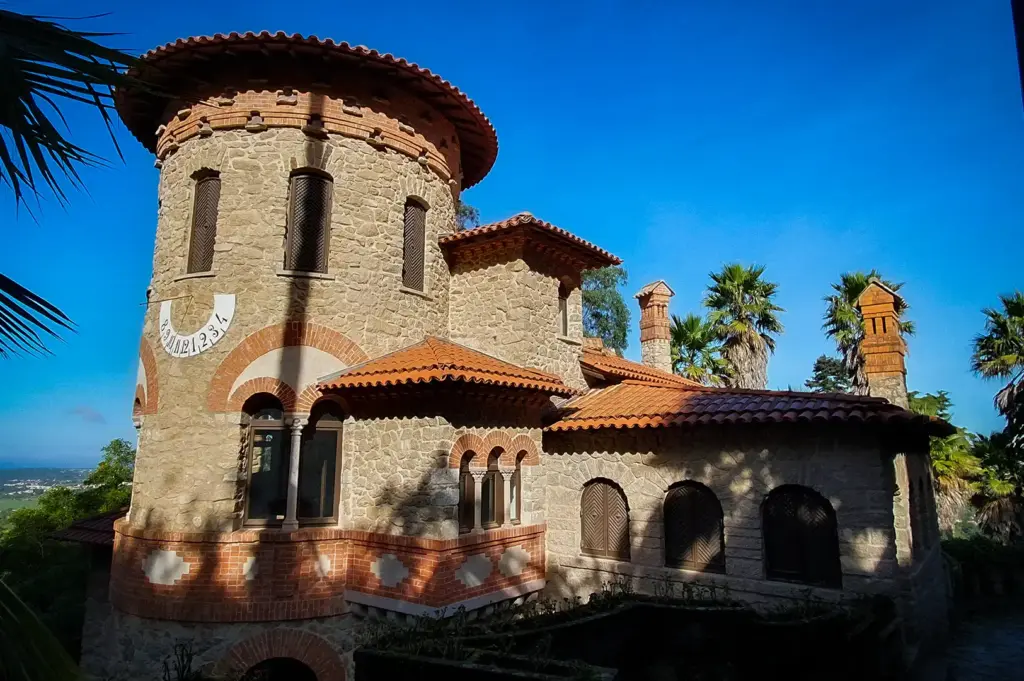
Skip the bus once. Walk the Villa Sassetti trail instead.
It starts near the old town and climbs through forest toward the Moorish Castle and Pena. It takes about 45 minutes to an hour uphill. The path is shaded, mossy, and mostly empty in the early morning. I heard more birds than people. A leisurely stroll through this stretch is one of those small things that rewires the pace of the whole day.
For the more active, the Sintra-Cascais Natural Park has mountain biking trails through the Serra de Sintra. I rented a bike for half a day on my second trip. My thighs regretted it. My memory didn’t. Go with a local operator who knows the routes, because some descents are steep and rocky. And simply wander.
São Pedro de Sintra, just up the road from the center, has a quieter feel and small local restaurants where lunch costs €10–15.
Common Mistakes I Made (So You Don’t Have To)
Doing it as a Sintra day trip. Four palaces in one day left me drained. Choose one palace, one garden, and one viewpoint per day.
Arriving at midday. The queues at Pena and the Initiation Well are longest from 11am to 3pm.
Packing for Lisbon weather. Sintra is cooler and damper. Bring a jacket.
Walking up to Pena in the wrong shoes. The hills are steep. Sneakers with grip, not sandals.
Eating only near the palaces. Cafés on the palace grounds cost more. Bring water and snacks, and save your meals for the old town.
One Last Morning
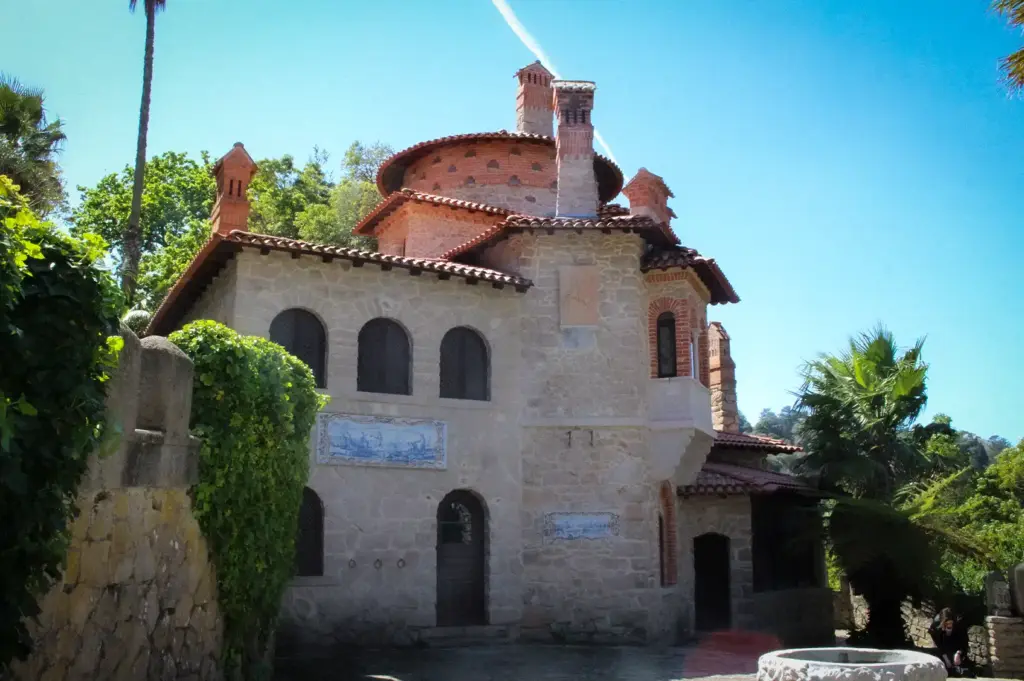
On my final day, I went back to the Villa Sassetti trail. Same path. Same moss. Same fog.
Halfway up, I stopped. Not because I was tired, but because there was no reason to keep going. The castle would still be there. So would the palace.
The first time I came to Sintra, I saw everything and remembered nothing. The second time, I saw less and kept all of it.
Give it five days. Walk more than you ride. Let the fog decide what you see.
Sintra will show you the rest in its own time.





