If you’re like most Singaporeans, planning a trip often feels like a high-stakes operation. Limited annual leave, long-haul flights to exciting destinations like Japan or Europe, and the pressure to “make the most” of every dollar spent can turn your dream vacation into a frantic checklist marathon. A rigid itinerary may seem efficient, but it often leaves little room for spontaneity or authentic experiences, making travel feel rushed and less rewarding.
I’ve been there—trying to squeeze five cities into 10 days in Japan, only to end up exhausted and barely enjoying the experience. That’s when I realised slow travel isn’t just a buzzword. The whole point of slow travel is to prioritise meaningful travel experiences and flexibility over a strict schedule. It’s a smarter way to travel, especially for us Singaporeans.
A slow travel plan should be a loose DIY guide to having meaningful experiences on your trip, allowing you to embrace chance and deeper connections rather than following a rigid itinerary.
Why Singaporeans Struggle With Slow Travel Planning
Singapore’s culture of efficiency and maximising productivity seeps into how we travel. With only 7–14 days off per trip and a 6–7 hour flight to places like Japan, we often adopt a “since we’re already here…” mentality. That means cramming in as many cities and tourist attractions as possible, fearing we’ll miss out if we don’t tick every box. The result? Overplanning, burnout, and a trip that feels more like work than rest.
The Singapore Travel Reality Check
Traveling from Singapore to Japan might seem straightforward, but the reality is layered:
Flight duration: 6–7 hours each way means jet lag and travel fatigue are real.
Weather shock: Winter in Hokkaido can be brutal, with temperatures below -10°C.
Packing constraints: Budget airlines have strict baggage limits, so packing light is essential.
Group travel: Traveling with family means pacing and accommodation preferences vary widely.
Extra planning is needed to research local safety and conditions. Slow travel also helps reduce the environmental impact of air travel.
The Slow Travel Itinerary Format for Singaporeans: The 5-Layer Planning Framework
To help you travel slow without sacrificing your Singaporean efficiency, I developed this 5-layer framework tailored for our travel habits. Choosing authentic accommodation is key, as it often provides insider tips that guidebooks miss. When planning your itinerary slow travel format, consider transportation methods aligned with slow travel values—trains, buses, or electric vehicles—to enhance your experience and reduce your carbon footprint. Setting digital boundaries during travel helps maintain presence and deepen your memory of the journey.
Layer 1: Energy Mapping
Plan your days around your energy levels, jet lag, walking tolerance, and weather.
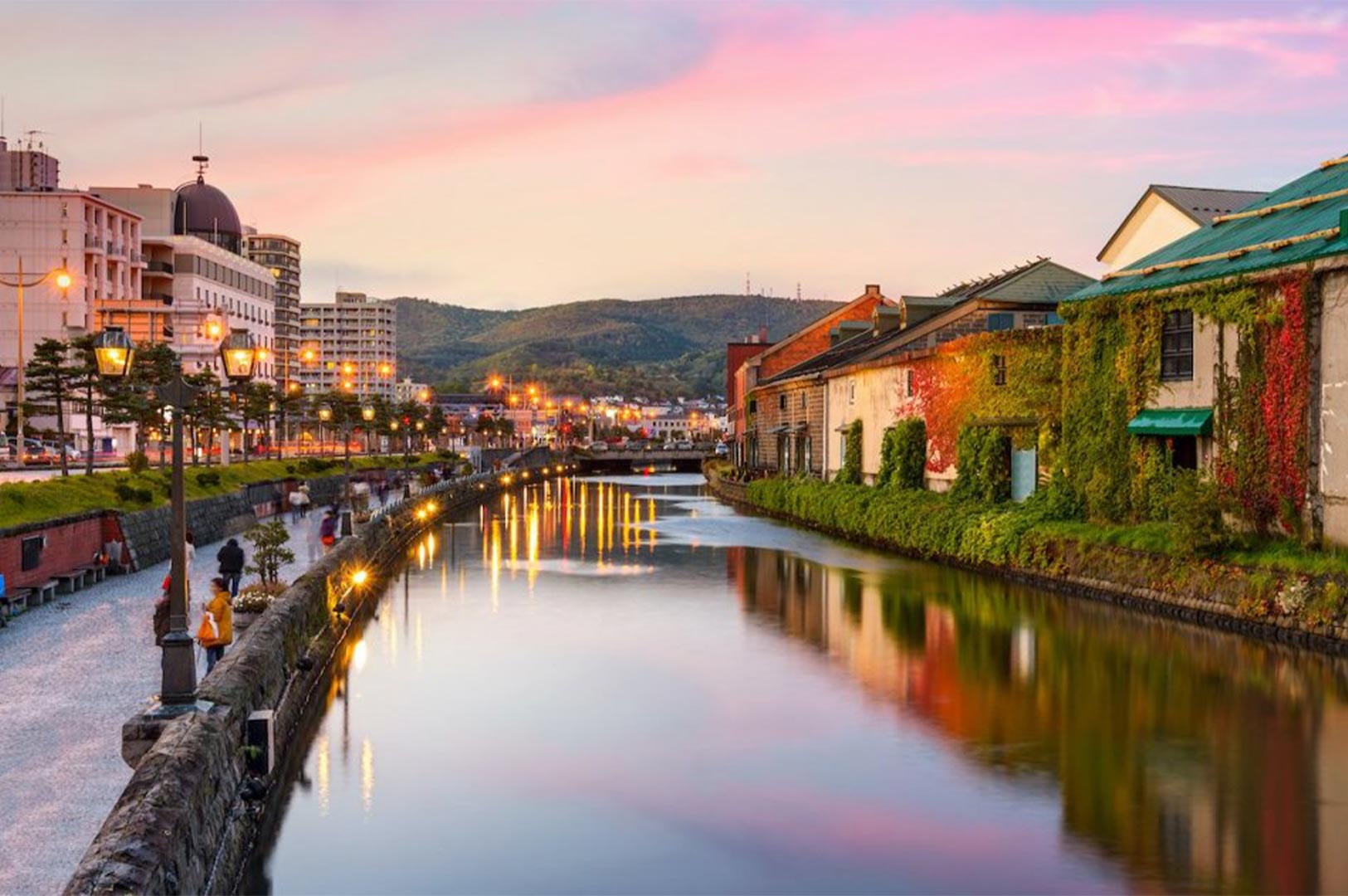
Example: In Otaru during winter, I allocated mornings for leisurely canal walks and afternoons for indoor activities like visiting glass workshops. This pacing respected my energy dips and allowed me to enjoy each moment fully.
Leave plenty of free time so you can explore local activities or relax. Successful slow travel plans often leave at least half the day unscheduled for spontaneous discoveries.
Pro tip: Schedule “snow days” with low-energy activities like café hopping or museum visits, not marathon sightseeing.
Layer 2: Leave Efficiency Planning
Singaporeans are pros at stacking public holidays, so use this to your advantage.
Place “buffer days” after arrival or before departure to recover.
Avoid back-to-back packed days; sprinkle in free days to recharge.
Even with a few days, focus on quality experiences rather than fitting in everything.
Insider knowledge: I once skipped buffer days and spent half a day in my hotel nursing a cold. Don’t make my mistake!
Layer 3: Regional Clustering
Choose one base and take multiple day trips instead of hopping hotels every night.
Example: Stay in Otaru for the week and take day trips to Sapporo or nearby hot springs. This reduces packing stress and travel time, giving you more quality moments.
Consider staying in small hotels or sustainable accommodations to support local communities and responsible tourism. Booking a private room in a small hotel or homestay offers a more authentic, comfortable experience. Slow travel promotes simpler, eco-friendly choices like locally run accommodations.
Layer 4: Weather Contingency Blocks
Winter storms can disrupt plans. Always have indoor alternatives ready.
Museums, galleries, or local workshops are great backups. Check opening hours to avoid disappointment.
Plan flexible activities that can shift based on weather.
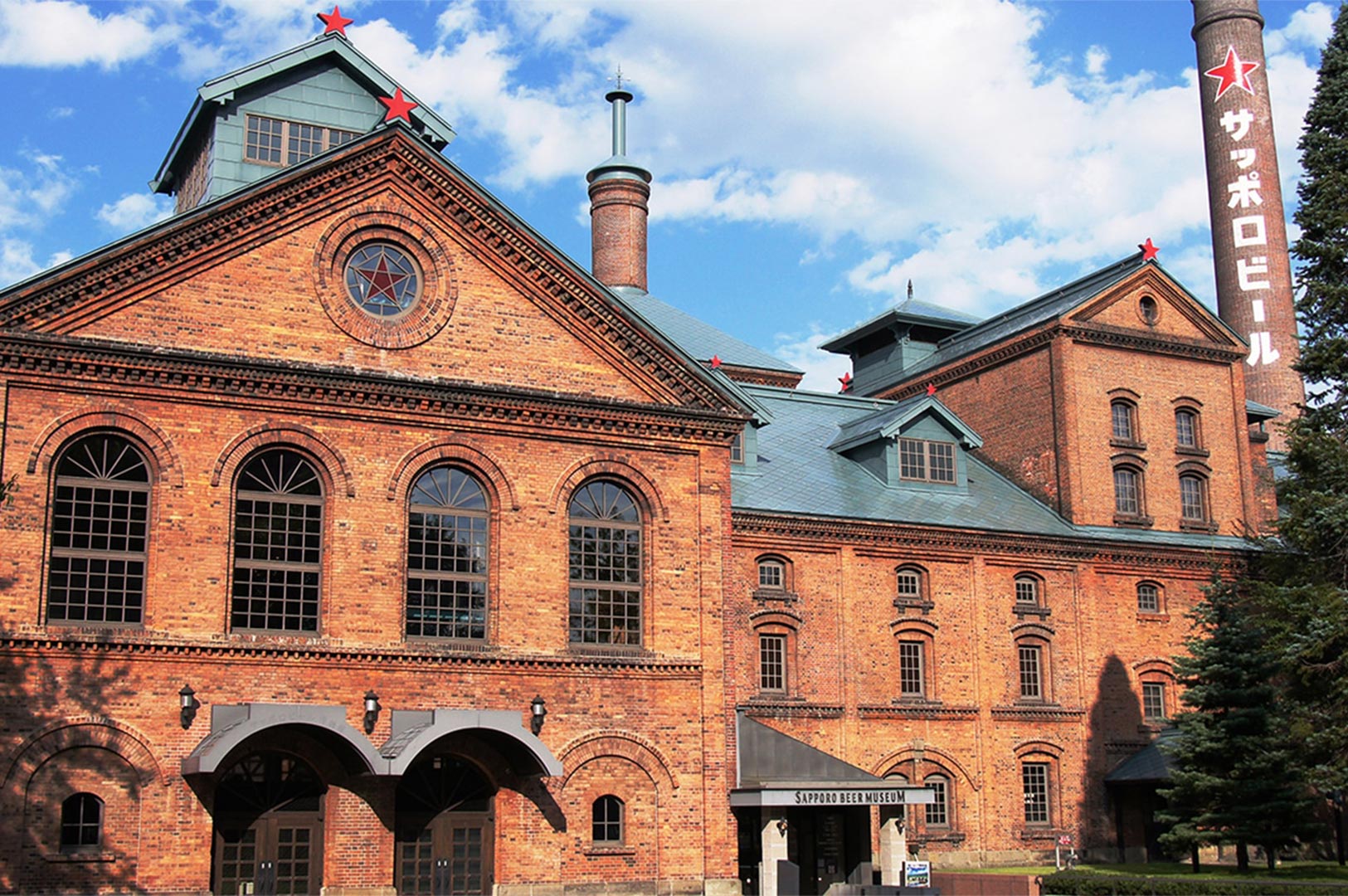
Personal story: A snowstorm in Sapporo cancelled outdoor plans, but the Sapporo Beer Museum became a favourite rainy-day stop.
Layer 5: Food Anchoring to Support Local Businesses
Singaporeans love food, so anchor days around must-eat meals rather than must-see attractions.
Prioritize local markets, ramen shops, or sake breweries. Seek authentic food at local restaurants and avoid chain restaurants.
The slow food movement, which began in Italy in the 1980s, emphasises quality, local ingredients, and connection to place—embrace this by choosing artisanal dishes.
Spend time in local cafés to relax and immerse yourself in the community.
Let meals dictate your schedule and savour local cuisine.
Example: I planned Otaru days around lunch at LeTao for cheesecake and dinner at a seafood izakaya, giving my trip a delicious rhythm.
Common Mistakes Singapore Travellers Make
Changing hotels too often: Moving frequently eats into rest and exploration time. Staying put saves transit time and allows deeper experiences.
Underestimating winter daylight: Days are short in Hokkaido—plan outdoor activities accordingly.
Overbooking JR passes: Unless traveling long distances daily, a full JR pass might not be cost-effective.
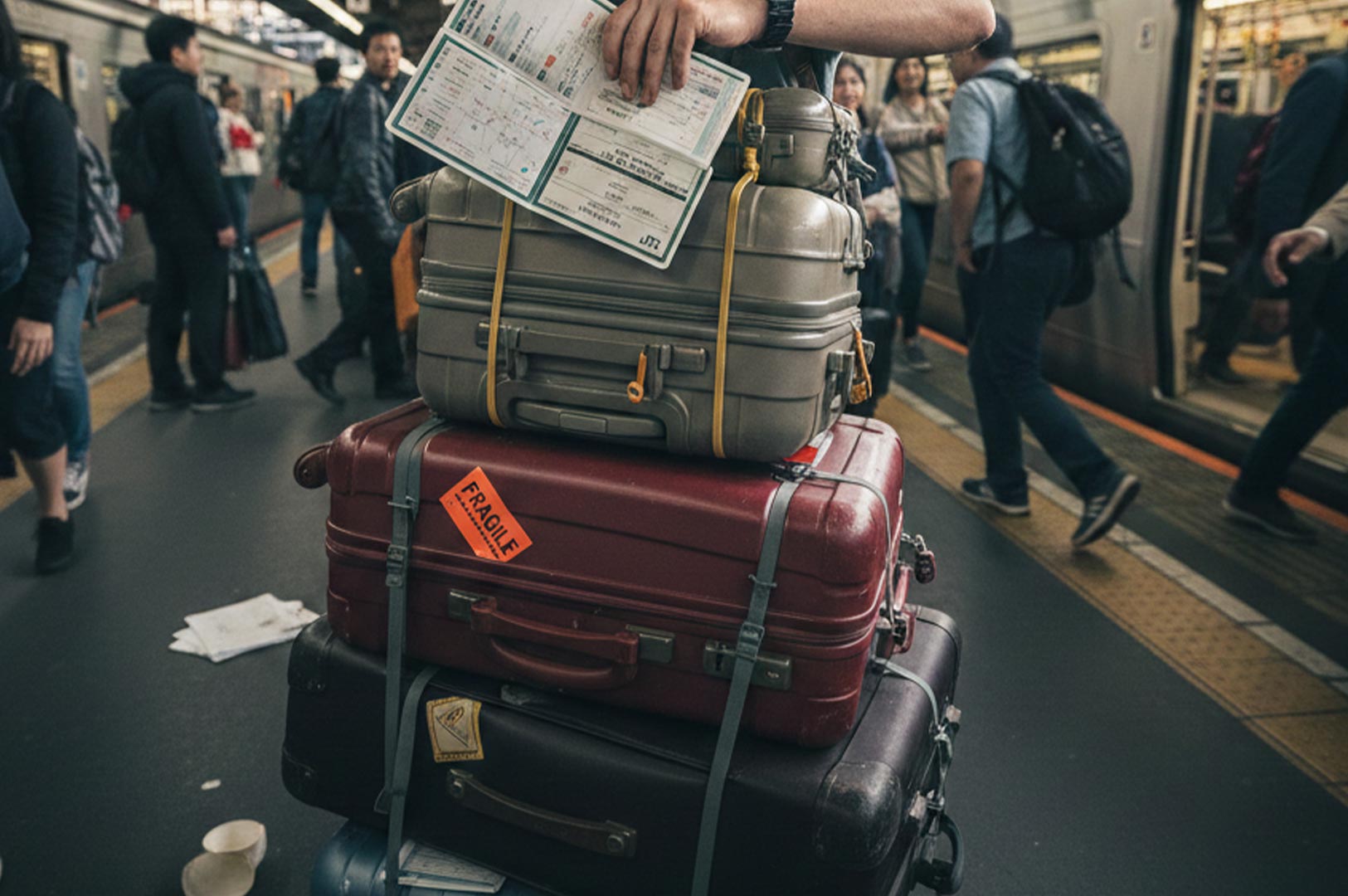
Packing too tight between cities: Moving luggage constantly is exhausting; travel light or use luggage forwarding services.
Not factoring shopping logistics: Plan space for souvenirs and local snacks.
Consider the impact of your choices over the entire trip to ensure your travel leaves a positive footprint.
Slow travel aims to return home feeling enriched by understanding, not just collecting pictures.
A Realistic 7-Day Japan Slow Travel Example (Singapore Edition)
| Day | Morning | Afternoon | Evening | Notes |
|---|---|---|---|---|
| Day 1 | Arrive Sapporo, buffer day | Light walk in Odori Park (explore cobbled streets) | Dinner at Ramen Alley | Recover from flight; use public transport from airport |
| Day 2 | Visit Sapporo Beer Museum (public transportation) | Shopping at Tanukikoji (support local businesses) | Visit Sapporo Clock Tower | Flexible weather plan; walk or use local buses |
| Day 3 | Travel to Otaru by train journey | Canal walk, glass workshop (seek hidden gems) | Seafood dinner at Sankaku | Base established; use local transport |
| Day 4 | Morning snow walk (carbon-free activity) | LeTao cheesecake café | Free exploration (look for hidden beach or off season spots) | Energy-mapped pacing; walking tours encouraged |
| Day 5 | Day trip to Yoichi whisky (train or bus) | Indoor museum visit | Izakaya dinner (support local dining) | Weather contingency day; use eco-friendly transportation |
| Day 6 | Local market visit (support local businesses) | Leisurely stroll, street art (discover hidden gems) | Hot springs (onsen) | Food anchoring + rest; walk or cycle for minimal carbon emissions |
| Day 7 | Buffer day, pack lightly | Last-minute shopping | Flight home | Protect rest before travel; use public transport to airport |
This layout balances energy, weather, food, and rest, making your trip enjoyable and manageable.
Notes:
- Prioritize public transport, train journeys, and local transport to minimise carbon emissions.
- Walking tours and bike rides are recommended carbon-free activities.
- Seek hidden gems like cobbled streets, hidden beaches, and local markets, especially off season for fewer crowds.
- Support local businesses through dining and shopping.
- Longer stays in one location help reduce your carbon footprint and support the local economy.
Budget Psychology for Singaporeans
We often think, “Since the air ticket is expensive, I must see as much as possible.” But more cities don’t equal more value.
- Spending more time in fewer places lets you savour experiences instead of rushing.
- A 7-day focused Hokkaido trip costs roughly the same as squeezing in Tokyo and Osaka but feels more rewarding.
- Consider cost per meaningful experience, not cost per city.
- Supporting local businesses through dining and shopping enhances your connection and supports sustainable practices.
Pro tip: Use luggage forwarding services to save on baggage fees and reduce travel stress.
Staying Safe and Healthy on Your Slow Travel Journey
Preparation is key. Understand local customs, weather patterns, and health resources. Pack a first aid kit and any necessary medications.
Travel insurance is essential for peace of mind, especially for longer trips. Choose policies that cover alternative lodgings, local transport, and activities aligned with slow travel.
Essential Travel Gear for the Savvy Singaporean

Pack light with versatile, layered clothing suitable for your destination’s climate. A reliable backpack, comfortable walking shoes, and a portable power bank are essentials.
Language translation apps and offline maps help you navigate and connect with local people. A reusable water bottle supports sustainability.
Must-Have Travel Apps and Tools for Effortless Itinerary Management
Use trip planning apps that allow flexible itinerary management. Language apps help bridge communication gaps. Offline maps and public transport apps support exploration at your own pace.
Apps that highlight authentic local restaurants help you avoid tourist traps and support local businesses.
Tapping into Travel Communities and Forums for Local Insights

Online communities and forums offer valuable local tips and hidden gems. Engage with fellow travelers to discover authentic experiences beyond guidebooks.
Who This Format Is Best For
Couples seeking quality time without rush.
First-time winter travelers needing energy-conscious pacing.
Families traveling with elderly members.
Burnt-out professionals craving genuine rest and connection.
Slow travel lets you explore at your own pace and design your own adventure, leading to more meaningful and transformative experiences.
How to Apply This to Your Next Trip
Choose your base: Pick one or two cities to minimize hotel changes.
Identify 3 anchors per day: Meals, cultural experiences, and rest windows.
Add 30% white space: Leave room for spontaneity and meaningful connections—practice and embrace slow travel.
Limit city changes: Avoid more than one hotel switch per trip.
Protect 1 reset day: Use buffer days to recover from travel fatigue.
Travel slowly: Notice all the little details, go off the beaten path, and immerse yourself in local culture.
Engage with the local community: Seek local guides, support local businesses, and participate in community activities.
Learn basic phrases: Facilitate interactions and show respect.
Reflect on your experiences: Deepen your understanding and appreciation.
Design for positive impact: Support sustainability and local well-being.
Slow Down, Pack Light, and Enjoy the Ride (No Sprinting Allowed!)
Slow travel isn’t about seeing less; it’s about experiencing more deeply. When I embraced this approach, my trips transformed from exhausting marathons into enriching journeys. I think you’ll find the same.
Ready to slow down and savour your next trip? Start with this itinerary slow travel format tailored for Singaporeans—you deserve it.