When I first started hiking in Thailand Chiang Mai, I treated the mountains like a checklist. I wanted to reach the summit, get the photo, and rush back down to cram in a café visit and a night market all in one day. Coming from Singapore’s hyper-efficient urban pace, it is incredibly easy to bring that same “conquer and complete” energy into the forest.
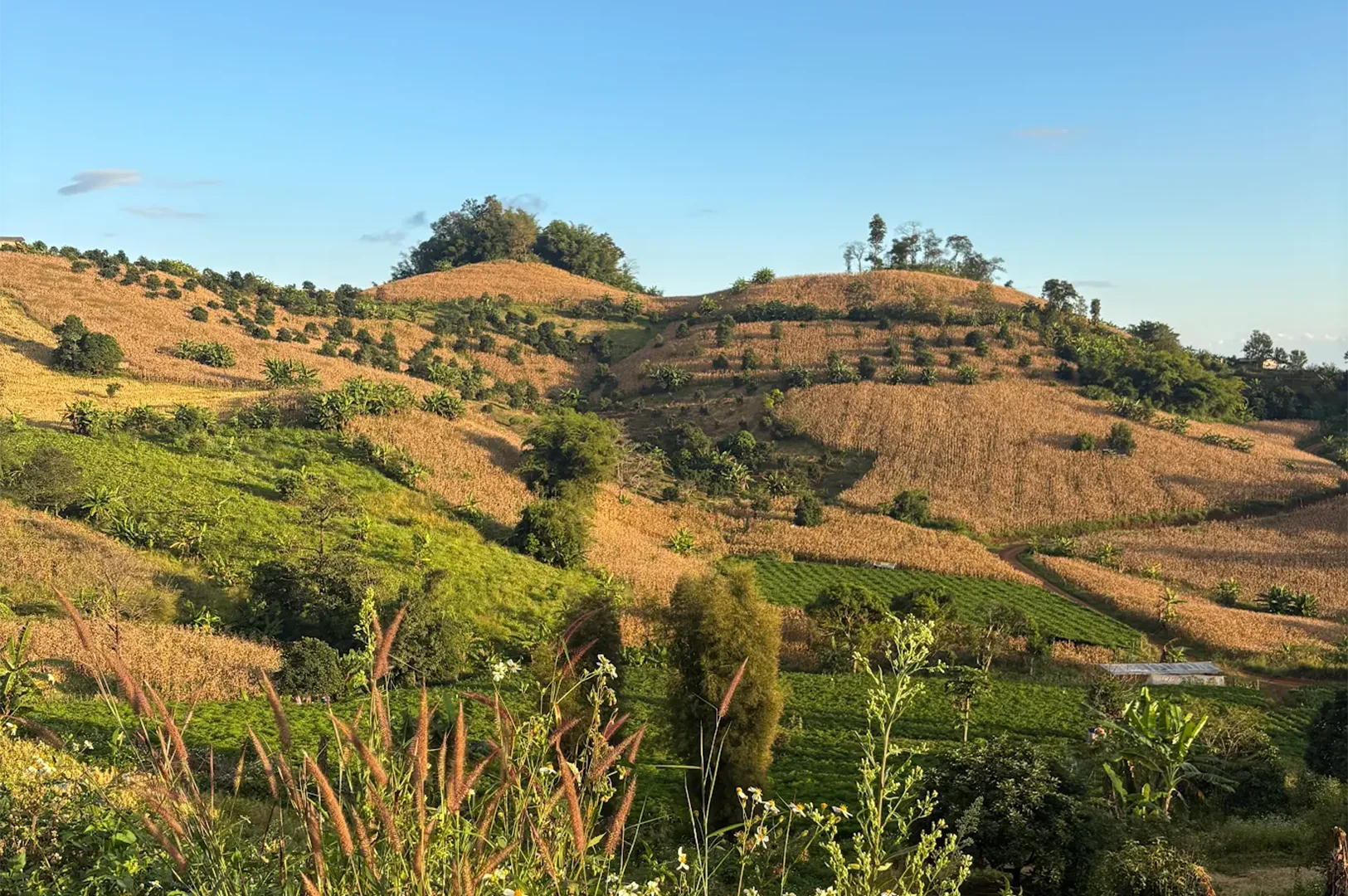
But on my most recent trip, I decided to change my approach. I spent four slow days anchored around the hills of Northern Chiang Mai province, treating the trails not as physical achievements, but as a quiet daily rhythm. My routine became simple: wake up before sunrise, walk slowly through the trees, stop for coffee on the descent, and spend the afternoon resting.
At the center of this four-day reset was the Monk’s Trail to Wat Pha Lat, a temple deeply connected to the history of the Lanna Kingdom and the reign of King Kuena. According to legend, a white elephant carrying a sacred relic of the Buddha climbed the mountain before resting near the temple. This story ties Wat Pha Lat to the famous Wat Phra That Doi Suthep, built after the elephant trumpeted three times and died. If you want a true Chiang Mai hike that demands reflection rather than sheer endurance, here is how to experience these forest trails at a slower pace.
Day 1: Arrival and Easy Exploration Near Wat Pha Lat in Chiang Mai Province
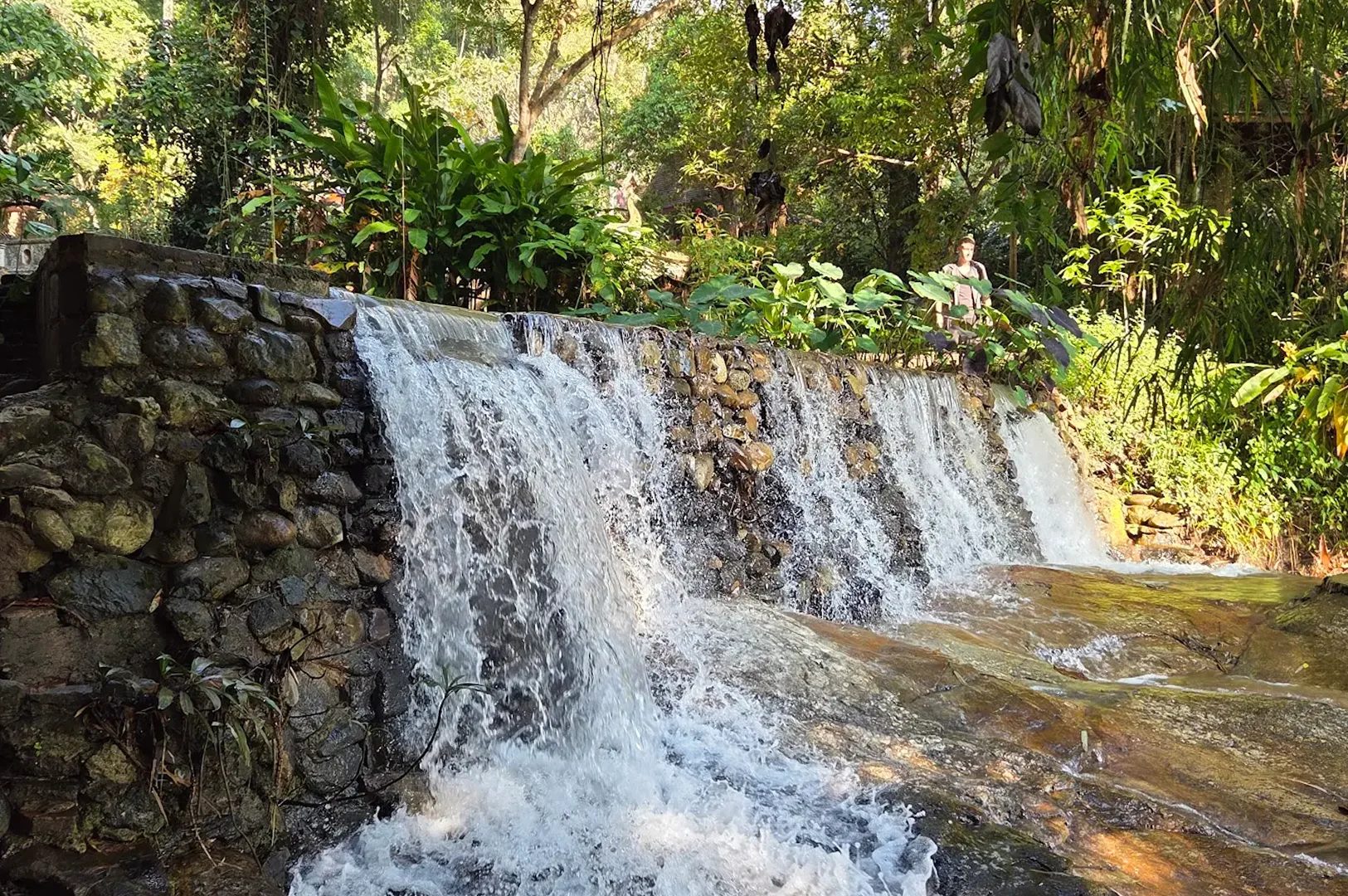
Begin your journey by arriving at the trailhead near Chiang Mai University and settling into the peaceful forest atmosphere around Wat Pha Lat. Spend the afternoon taking a gentle short hike along the base of the mountain, familiarizing yourself with the local flora and fauna. This day is about easing into the rhythm of trekking tours in Northern Thailand and discovering the beauty of the landscape and sights such as the lush jungle and streams.
Day 2: The Slow Path to Wat Pha Lat – An Amazing Experience on the Monk’s Trail
Wake up early to hike the first section of the Monk’s Trail from the base to Wat Pha Lat. This short hike takes about 30–45 minutes at a relaxed pace, following a stream with small waterfalls and crossing wooden bridges. Spend ample time at Wat Pha Lat, soaking in the serene atmosphere, exploring the moss-covered stone structures, and enjoying the peaceful sounds of the forest. This authentic experience offers breathtaking views and a chance to connect with the temple’s spiritual life.
Day 3: Trekking Beyond Wat Pha Lat – Adventure to Doi Suthep and Stunning Views
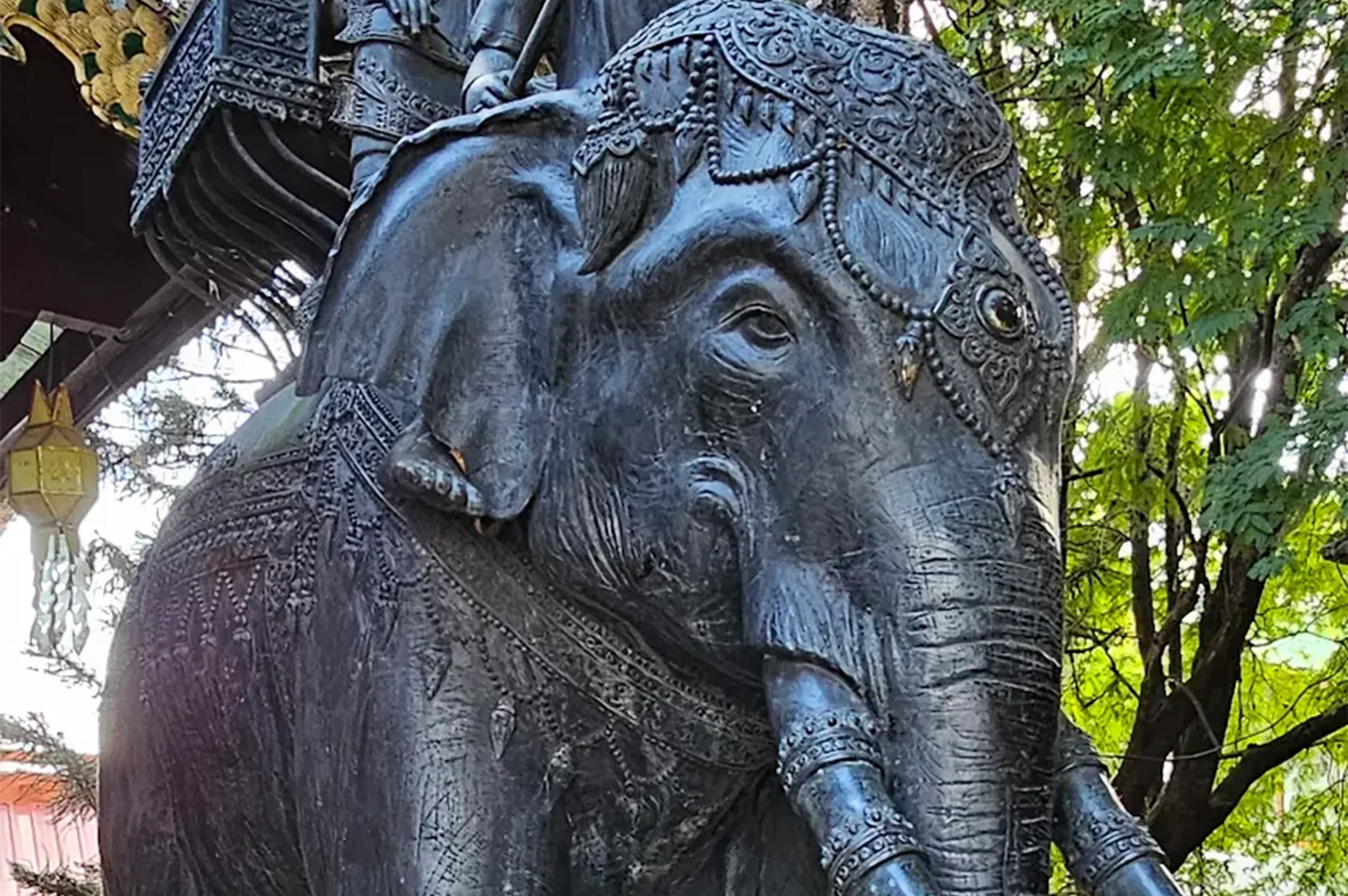
For those seeking adventure, the third day offers the option to continue the trek from Wat Pha Lat up to Wat Phra That Doi Suthep. This challenging uphill route takes 1.5 to 2 hours and rewards hikers with amazing views over Chiang Mai and the surrounding region. The trail ascends north toward the summit, passing through dense forest and rocky paths. For a more enjoyable and safe experience, consider hiring a local guide to navigate the steep paths and learn about the history and significance of the temples along the way, including the revered elephant statue symbolizing the legend of the white elephant. Alternatively, spend the day exploring nearby hill tribe villages or enjoying a bamboo raft ride along the Mae Wang river for a different kind of nature adventure.
Day 4: Reflective Descent and Departure – Rest and Discover the Beauty of Northern Thailand
On the final day, take a leisurely walk back down the Monk’s Trail, allowing yourself to absorb the beauty and tranquility of the forest one last time. Stop at hidden meditation corners and quiet benches along the trail to reflect on your four-day journey through this breathtaking part of Northern Thailand. After descending, enjoy a local lunch in the nearby town before heading back to Chiang Mai city, carrying with you the memories of an amazing experience in nature.
Getting There: Navigating the Base of the Mountain and Entrance to Wat Pha Lat
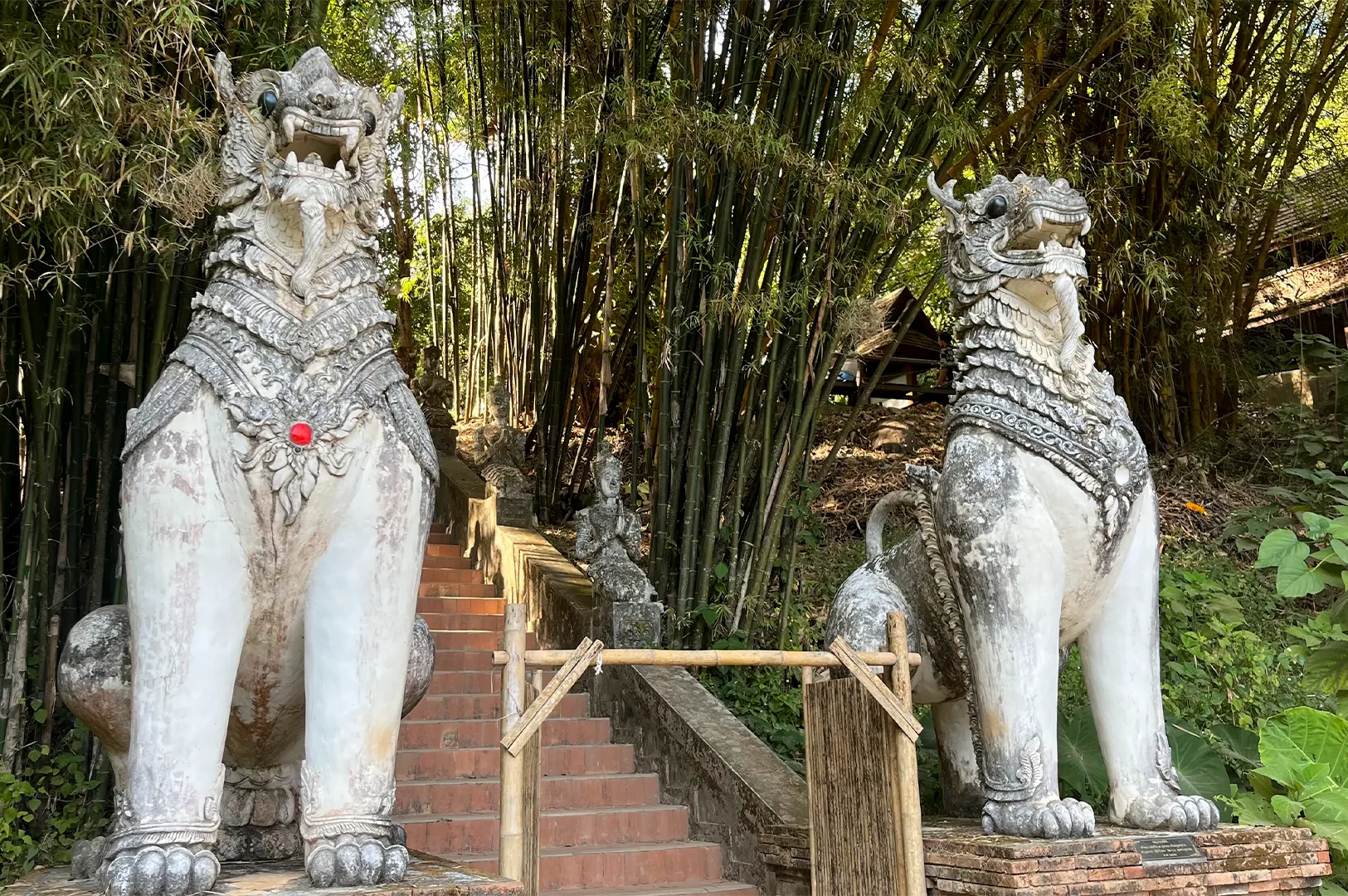
The trailhead for the Monk’s Trail (Wat Pha Lat Hike) is tucked away near Chiang Mai University and the Chiang Mai Zoo.
Detailed Directions:
Do not try to walk to the trailhead from the Old City—it is a long, unshaded uphill slog beside a busy road. Instead, open your Grab app and type in “Wat Pha Lat Hike (Monk’s Trail).” The ride from Nimman takes about 10 minutes and costs around 80-120 baht.
The drop-off point is a small dirt clearing. You will know you are in the right place when you see a wooden sign marking the start of the trail and the first trees wrapped in orange monk’s cloth.
For your return trip, catching a Grab from the temple itself can be tricky due to weak cellular signals. You can easily flag down a passing red songthaew heading down from Doi Suthep (usually 50-80 baht per person back to the city center).
When to Visit Wat Pha Lat: Beating the Heat and the Crowds in Northern Thailand
I cannot stress this enough: visit early morning (7-9am) before the tour groups arrive and before the midday sun penetrates the forest canopy.
When I arrived at 7:30 AM on a Tuesday, the air was crisp, the forest smelled of damp earth and pine, and I had the trail almost entirely to myself. By 10:30 AM, the humidity spikes, and the sloping rock paths reflect the heat.
If you are visiting in the cool season (November to February), early mornings will feel genuinely chilly—around 15°C. Sunset timing in February is around 6:15 PM, so if you prefer an afternoon walk, start your descent by 5:00 PM so you aren’t navigating uneven tree roots in the dark.
What to Expect: A Hike of Two Halves on the Monk's Trail to Wat Pha Lat
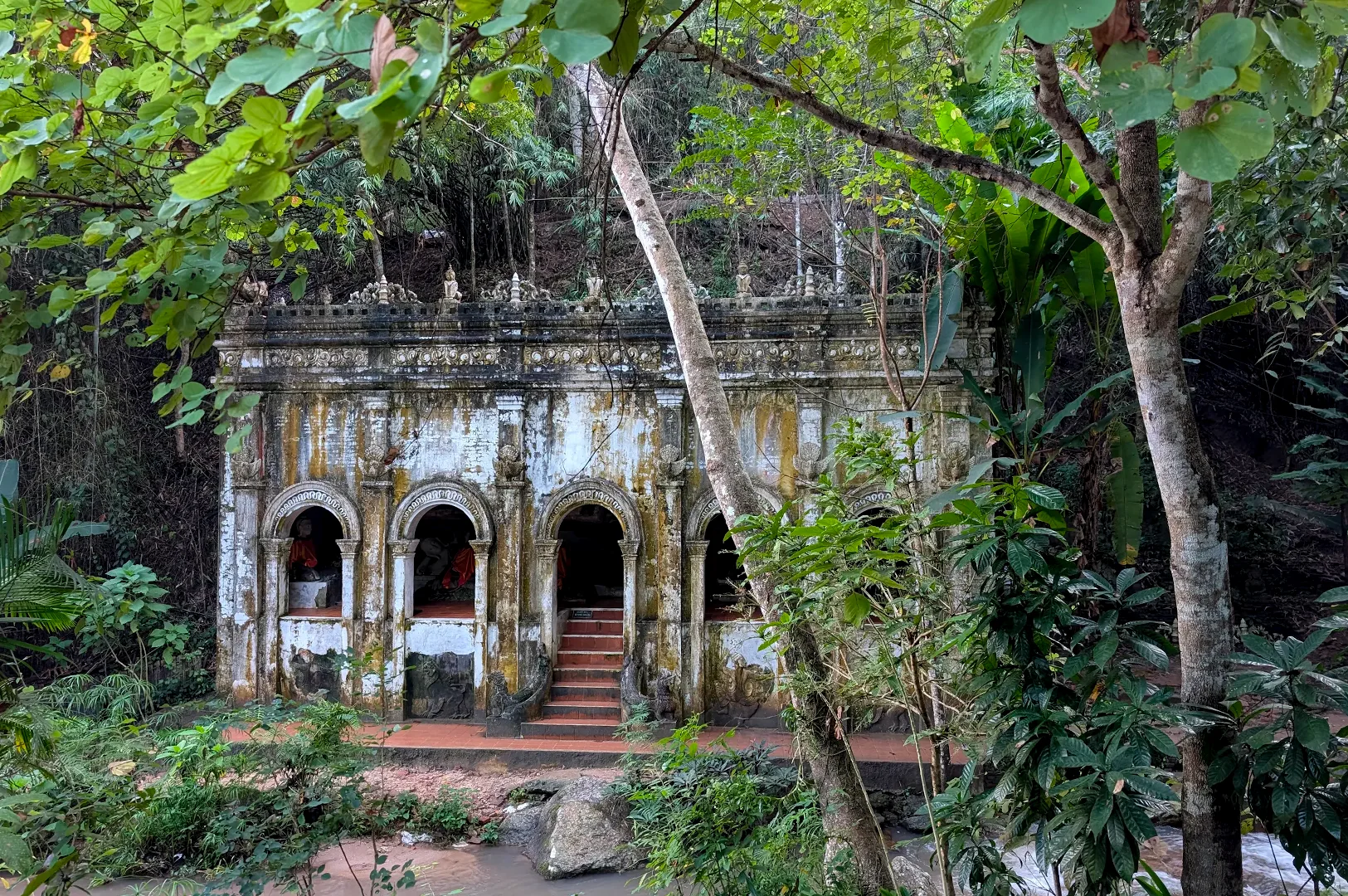
A realistic overview of this hike is that it is actually divided into two very different sections.
Section 1: The Base to Wat Pha Lat (The Slow Path)
This is the gentle, meditative portion. The total distance is short, taking about 30–45 minutes at a relaxed walking pace. The incline is steady but manageable, leading you over exposed roots, small wooden bridges, and sloping rocks alongside a stream.
Section 2: Wat Pha Lat to Doi Suthep (The Hard Push)
If you choose to continue past Wat Pha Lat up to Wat Phra That Doi Suthep, prepare for a grueling, steep, and demanding 1.5 to 2-hour climb. On this upper section, I noticed several aggressive stray dogs near the roadway crossings. For a slow travel trip, I honestly recommend skipping this second half. Wat Pha Lat is the real reward.
Alex’s Tip:
Plan for 2-3 hours if you want to explore properly. A quick visit to the temple takes just 45 minutes, but the magic of this place reveals itself when you sit by the waterfall for an hour and just listen to the forest.
Highlights & Must-Sees: The Magic of Wat Pha Lat's Naga Staircase and Sloping Rock Monastery
When you emerge from the jungle canopy, Wat Pha Lat (the “Monastery at the Sloping Rock“) feels like a forgotten kingdom. It was historically a resting place for pilgrims making the arduous journey up to Doi Suthep.
Unlike the glittering, gold-covered temples in the city, Wat Pha Lat is beautifully understated. The stone structures are covered in thick green moss. A stream flows directly through the temple grounds, cascading over the sloping rocks and offering stunning views of the Chiang Mai valley below.
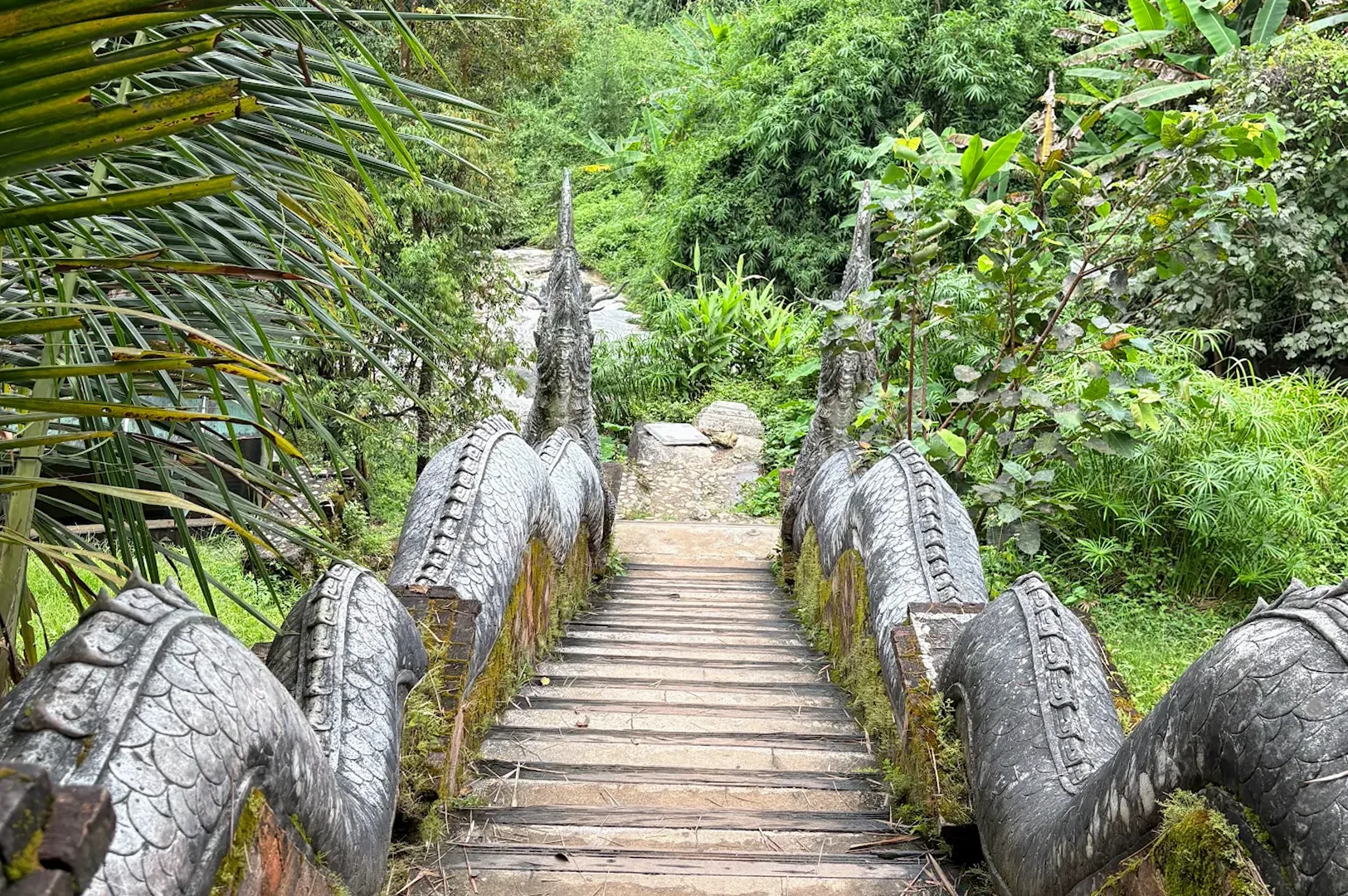
My personal favorite spot is the ancient Naga staircase guarded by weathered stone dragons, half-swallowed by the surrounding jungle. It is incredibly quiet here; the only sounds are the rushing water, the wind in the bamboo, and the occasional sweeping of a monk’s broom.
Insider Tips: Things Most Tourists Miss on the Monk’s Trail and Wat Pha Lat
Most tourists treat Wat Pha Lat as a quick photo op before jumping back into a songthaew. Don’t make that mistake.
Find the Hidden Meditation Corners
If you walk past the main chedi and follow the stream slightly downhill, you will find small, quiet benches tucked away in the trees. Most tourists miss the lower garden area entirely. It is the perfect place to sit, drink some water, and read a book.
Follow the Orange Cloth
If you ever feel lost on the trail, stop and look for the orange monk’s cloth tied around the trees. These act as your trail markers and keep you safely on the right path.
Practical Info: Costs, Etiquette, and What to Bring for a Trekking Tour in Northern Thailand
Costs:
Entry to Wat Pha Lat itself is completely free, though leaving a 20 or 50 baht donation in the temple boxes is a respectful gesture. (If you push all the way to Doi Suthep, there is a 30 baht entry fee for foreigners).
What to Bring and Wear:
Shoes: Wear comfortable walking shoes with proper grip. The rocks near the stream are incredibly slippery, even in the dry season.
Sunscreen and Water: There is limited shade once you reach the temple grounds, and no convenience stores on the trail.
Temple Attire (Crucial): Wat Pha Lat is an active religious site. You must cover your shoulders and knees. I made the mistake once of hiking in a tank top and had to sheepishly wrap a sweaty towel around my shoulders to enter. Wear lightweight, breathable hiking pants, or pack a sarong in your day bag to tie around your waist when you arrive.
Finding Your Rhythm: A Breathtaking Journey Through Nature and History in Chiang Mai Province
Over my four slow days of hiking through Chiang Mai, my mindset completely shifted. Instead of returning to my guesthouse exhausted and sunburnt, I returned energized. I spent my afternoons eating khao soi, reading on my balcony, and resting without guilt.
A Chiang Mai hike doesn’t have to be a multi-day jungle survival test. When you take the Monk’s Trail to Wat Pha Lat slowly, you stop rushing toward the summit and start appreciating the steps in between. Wake up early, respect the quiet of the forest, and let the mountain dictate your pace.
For those interested in broader trekking experiences, the nearby Doi Inthanon National Park offers higher altitude treks with breathtaking views and the chance to witness the stunning king and queen pagodas built in honor of the Thai monarchy. The park is home to diverse wildlife and is a great option for families seeking nature adventures. Similarly, trekking around Doi Luang reveals spectacular natural sights and opportunities to explore traditional hill tribe villages, providing a deeper connection to the culture and history of Northern Thailand.
Whether you choose the historic Monk’s Trail or venture further into the mountains, Northern Thailand’s hiking trails offer a unique blend of natural beauty, spiritual heritage, and cultural richness that few other destinations can match. Remember to always turn left at key trail junctions to stay on the main paths and enjoy the full experience that this remarkable region has to offer.
For travelers who appreciate slow travel and seek comfort in their journeys, you might also enjoy our guide to the Top 10 Best Tokyo Hotels for a 10-Day Stay: Ultimate Comfort and Convenience for Slow Travelers, offering insights on the best places to relax and recharge during an extended visit to Japan’s vibrant capital.