

There’s a gentle hum to Otaru, a small port town on Hokkaido’s rugged coast. It’s not the electric buzz of a sprawling city, but the quiet melody of water lapping against old stone, the distant clang of a harbor bell, and the whisper of a sea breeze through narrow streets.
When I first arrived, I felt that this place doesn’t demand your attention; it politely invites it. For anyone tired of rushed itineraries and packed schedules, Otaru, Japan offers a refreshing chance to slow down and truly savor the moment. The city’s past as a vibrant maritime trade hub and its rich cultural heritage are still alive in the well-preserved architecture and lively local traditions.
This isn’t a destination to be checked off quickly. Instead, it’s a place to be savored over days, letting its subtle charms reveal themselves gently. Embracing slow travel in Otaru taught me to appreciate the quiet moments; the friendly chats in tiny shops, the shifting light on the Otaru Canal, and the taste of freshly caught fresh seafood. It’s about leaving space for spontaneity and discovery. The town’s rich history is everywhere, reflected in its historic buildings and enduring customs, giving visitors a deep sense of connection to the culture.
Arriving with Intention
My mindful journey began even before I stepped foot in the town. Otaru City is easily accessible from Sapporo Station, and I found the train to be the perfect way to transition from the city’s rush to Otaru’s calm.
From New Chitose Airport to JR Otaru Station
After landing at New Chitose Airport (CTS), I resisted the urge to hurry. Taking the JR Rapid Train to JR Otaru Station, I was treated to stunning views of Ishikari Bay along the way. That 40-minute coastal ride felt like a gentle invitation to slow down and breathe in the beauty of the surroundings. It set the perfect tone for my stay; a mindful exploration of a charming town.
The Otaru Canal: More Than Just a Postcard
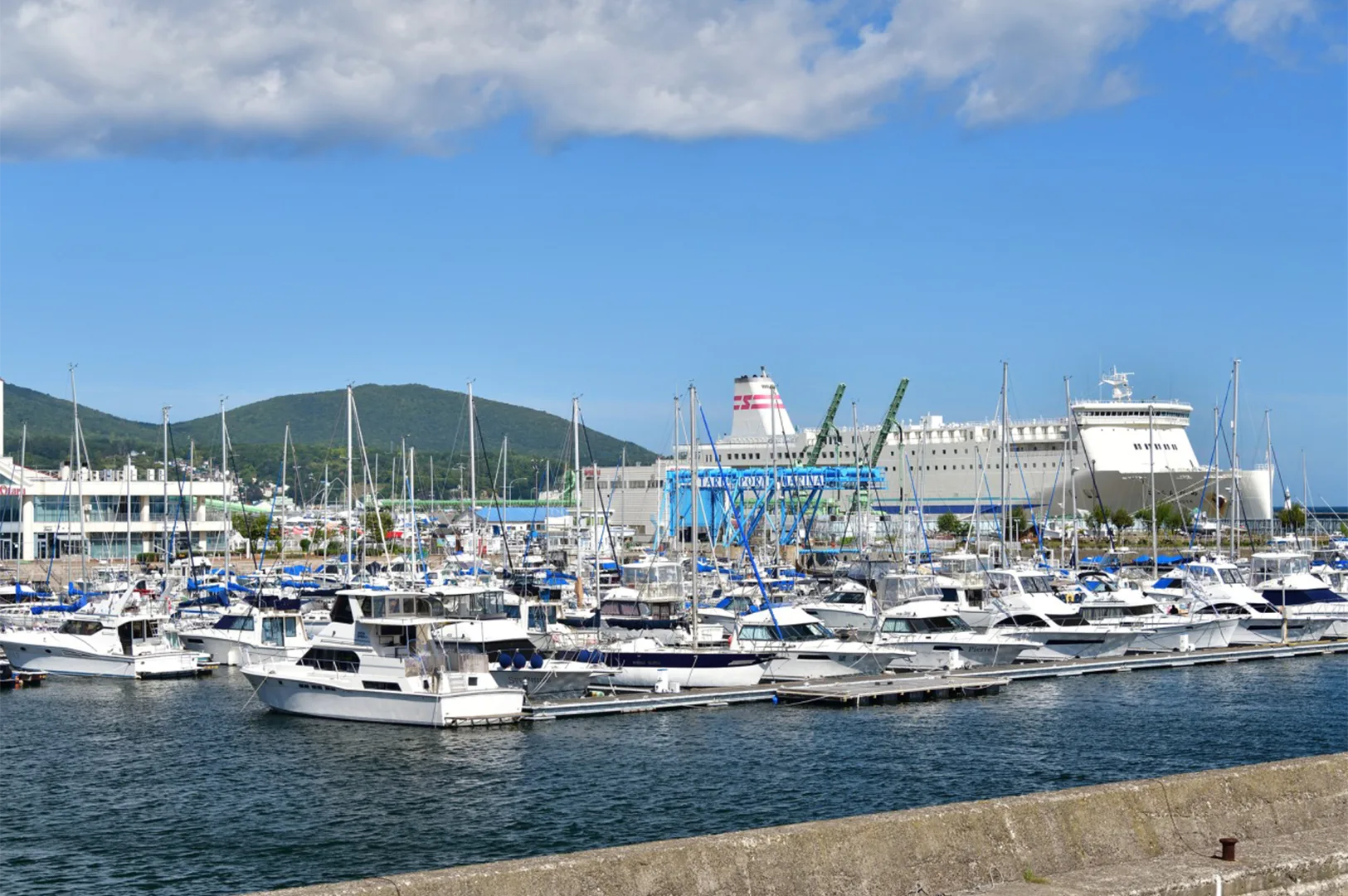
The historic Otaru Canal quickly became my favorite spot. Built in the early 20th century, this waterway was once the lifeline of the bustling port. I loved picturing the large ships anchored at Otaru Port, with barges ferrying goods to the historic warehouses lining the canal. Among these, the former Otaru Branch stands out; a stately building that whispers stories of the past alongside the other old warehouses and cultural landmarks.
Today, these restored stone warehouses are home to cozy restaurants, quaint shops, and intriguing museums, but the canal’s timeless spirit remains.
The air carries a salty tang mixed with the sweet scent of nearby confectionery. The sounds are gentle; the water’s ripple, the murmur of many visitors soaking in the scene. I found that walking the canal at different times offered unique magic. Mornings bathed in soft light, evenings warmed by the glow of gas lamps, creating a truly magical atmosphere.
My Secret Spot
I especially loved the North Canal area, a tucked-away stretch where the warehouses carry a rugged charm, inviting moments of calm and reflection.
Winter’s Warm Embrace
Visiting in February, I was lucky to witness the Otaru Snow Light Path Festival. The canal blossomed into a glowing wonderland, illuminated by countless candles; a heartfelt celebration that truly captured the town’s spirit.
Heartfelt Pause
Instead of rushing through photos, I found myself sitting quietly on a bench, mesmerized by the changing light, the gentle flutter of birds on the water, and ivy weaving its way up the warehouse walls; a moment of peaceful connection.
A Ride to Remember
For a fresh take on the town, I boarded the Otaru Canal Cruise. The serene 40-minute boat journey offered a beautiful new perspective on this charming town from the water.
Sakaimachi Street: A Stroll Through Artisanal History
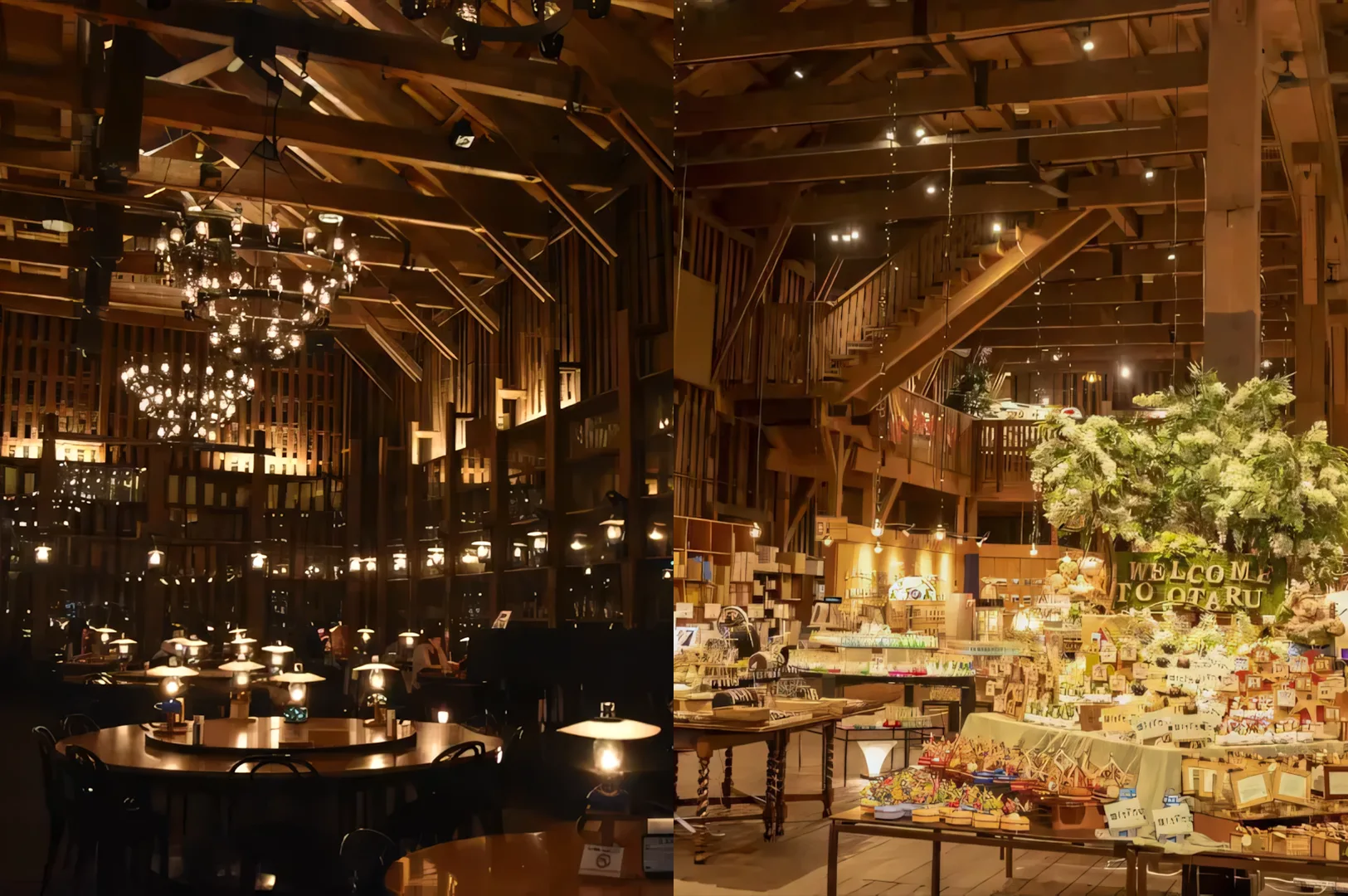
A short walk from the canal brought me to Sakaimachi Street, where the town’s artistic soul truly shines. This beautifully preserved merchant street is lined with historic buildings housing exquisite glass works, music box shops, and delightful sweet stores.
Kitaichi Glass: The Art of Light and Air
I was fascinated by Otaru’s glassware tradition, which began with practical items like oil lamps and fishing floats. Kitaichi Glass is a standout, with several shops along the street. Stepping into the Kitaichi Glass Sangokan—a grand stone warehouse lit by thousands of oil lamps—felt like stepping back in time. Watching artisans shape molten glass with practiced hands was mesmerizing.
Otaru Music Box Museum: Mechanical Melodies
The Otaru Music Box Museum was another highlight. Housed in a charming brick main building, it holds a vast collection of music boxes from around the world. The gentle chiming of thousands of mechanical melodies created a soothing, whimsical atmosphere. This place felt less like a store and more like a celebration of the joy a simple music box can bring.
I walked from Minami Otaru Station down the full length of Sakaimachi Street toward the canal, soaking in the evolving streetscape and ending with a lovely view of the port.
Local Gem
I discovered smaller independent shops tucked between larger ones, where I enjoyed chatting with friendly shop owners and finding unique crafts.
My Quiet Space
The café inside the Otaru Music Box Museum was a perfect spot to rest and reflect on the day.
Beyond the Main Attractions: Finding Otaru’s Hidden Gems
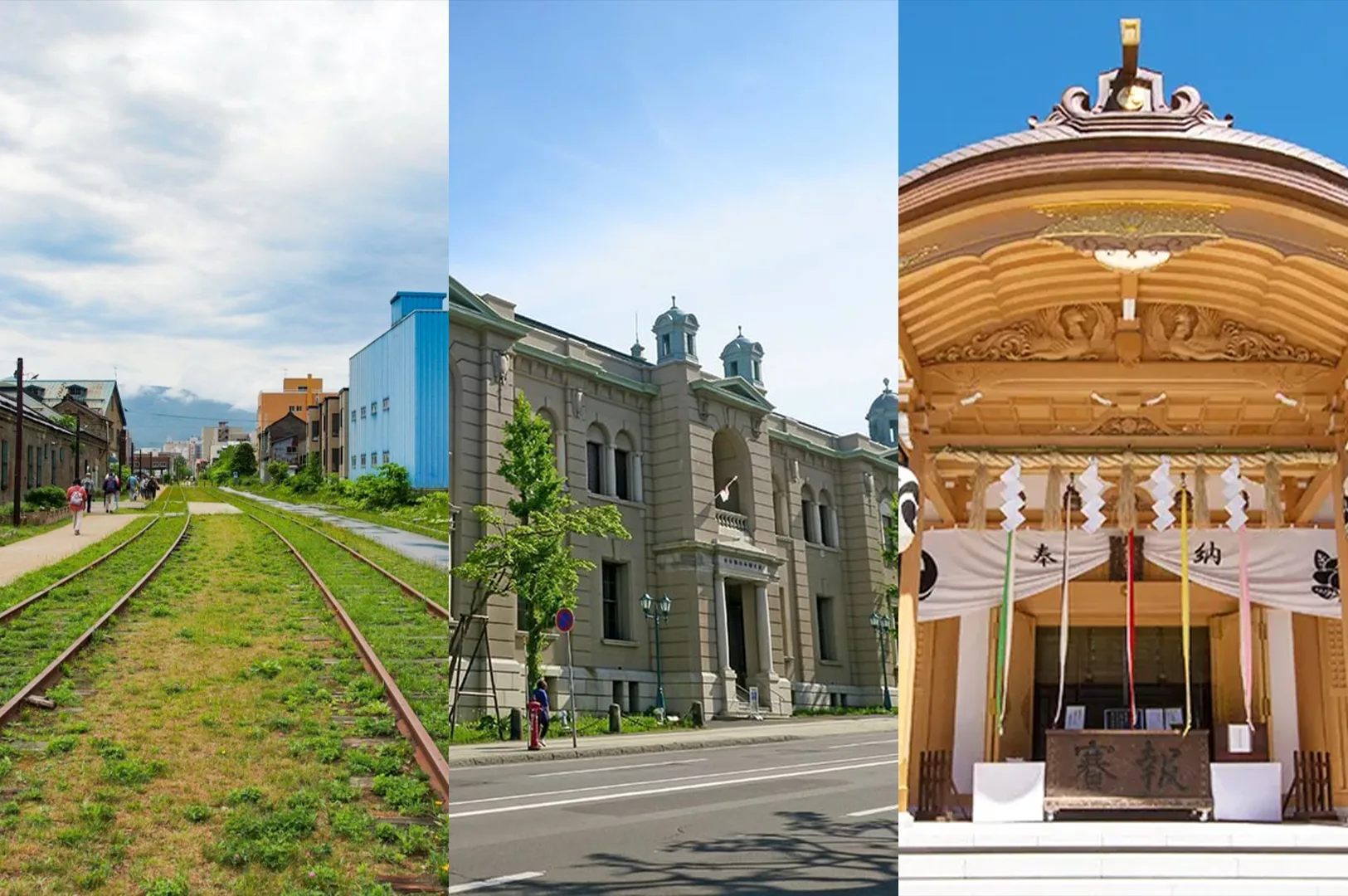
True slow travel, I learned, means venturing off the beaten path. Otaru Shi is full of quiet corners and local treasures waiting to be uncovered.
The Former Temiya Line: Walking on History
The Former Temiya Line, Hokkaido’s first railway, was built in 1880 to transport coal to the Otaru Port. Today, the old tracks have become a peaceful walking path through the city. I loved strolling here, especially in spring when wildflowers bloom, or in autumn when the path is framed by vibrant autumn leaves.
Ironai Banking District: The “Wall Street of the North”
Exploring the Ironai Banking District was like stepping into a different era. The grand Western-style historic buildings tell tales of when Otaru City was a financial powerhouse. Many of these many historical buildings, including the former Bank of Japan Otaru Branch and the Mitsui Bank Otaru Branch, now serve as museums.
The Otaru Art Base; a collection of four museums including the Stained Glass Museum, Nitori Museum, and Western Art Museum—was a treasure trove for art lovers. The friendly staff at the Otaru International Information Center near the canal were a great help.
Shrines and Scenic Views
For breathtaking panoramic views of the town, sea, and mountains, I climbed the steep slope to Suitengu Shrine—a peaceful spot often missed by tourists. Nearby, the serene Sumiyoshi Shrine offered a quiet retreat surrounded by nature. I also took a hike up Mount Akaiwa, rewarded with stunning vistas.
Savoring the Flavors of Otaru

Hokkaido’s reputation as Japan’s culinary heartland is well deserved, and Otaru is a food lover’s dream. I made sure to take my time enjoying every meal.
Tip: Some recommendations in this guide may include affiliate links or involve an extra cost, but I want to assure you that this never increased my overall expenses during the trip. I share these simply to help you find trustworthy options without any extra cost to your adventure.
Sankaku Market: A Feast of Fresh Seafood
Right beside JR Otaru Station, the lively Sankaku Market is a must for any visit Otaru itinerary. The narrow aisles buzz with vendors selling the freshest catch. I indulged in kaisen-don (seafood bowls) piled high with uni (sea urchin), ikura (salmon roe), and sweet shrimp. It was a meal to savor slowly, bite by bite.
Local Eateries and Culinary Delights
While seafood ruled, I also discovered a wide array of dishes at small family-run restaurants tucked away from the tourist crowds. The local specialty zangi (fried chicken) was a delicious surprise. A visit to the historic Tanaka Sake Brewery gave me a taste of sake brewed with pure Hokkaido water.
Must-Visit Restaurants in Otaru
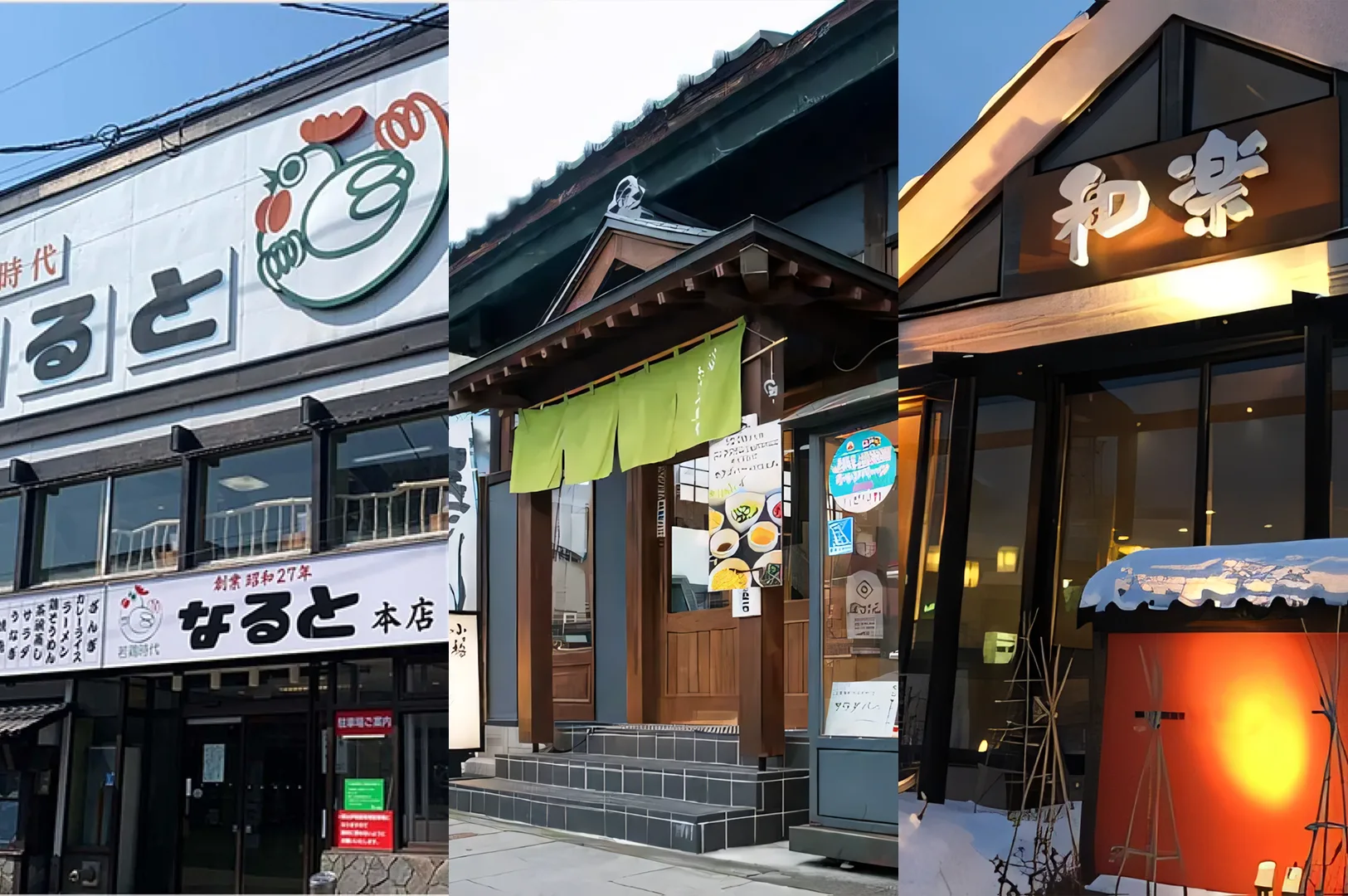
Naruto
Famous for its crispy and juicy fried chicken, this beloved local spot draws crowds eager for authentic flavors. I still remember the satisfying crunch and burst of savory goodness in every bite, making it a must-try for anyone visiting Otaru.
Sushiya-dori (Sushi Street)
A cluster of top-notch sushi restaurants where freshness and quality shine. Many offer unique Edomae-style sushi, focusing on the freshest local seafood without heavy seasoning. Dining here was an unforgettable experience, with each piece of sushi melting delicately on my tongue, showcasing the ocean’s bounty at its finest.
Kitaichi Glass Café
Combining artistic ambiance with delicious coffee and light bites, ideal for a relaxing break. I enjoyed a peaceful afternoon here, sipping rich coffee while admiring the stunning glass art surrounding me.
Otaru Canal-side Restaurants
Several cozy spots along the canal serve fresh seafood and local specialties with picturesque views. Sharing a meal by the water, with the gentle canal breeze and scenic backdrop, made dining in Otaru feel truly special.
Your Mindful Itinerary for Otaru
Forget rushing through a checklist. Here’s how I spent five slow, mindful days in Otaru:
Day 1: Arrived via the scenic train from Sapporo Station. Unwound with an evening stroll along the Otaru Canal as the gas lamps flickered to life.
Day 2: Explored Sankaku Market in the morning, savoring a leisurely seafood breakfast. Spent the afternoon wandering the Former Temiya Line.
Day 3: Dedicated the day to Sakaimachi Street. Visited a glass workshop and the Otaru Music Box Museum. Took my time to enjoy walking and exploring side streets.
Day 4: Delved into the history of the Ironai Banking District and the Otaru Museum. Climbed to Suitengu Shrine for sunset views.
Day 5: Revisited my favorite spots—a quiet café and a bench by the North Canal—before departing.
Taking time to appreciate Otaru’s rich history, stunning scenery, and unique atmosphere made my visit unforgettable.
A Lasting Impression
Leaving Otaru, I didn’t feel like I had just “done” a destination. Instead, I carried with me the memory of quiet mornings, the taste of the sea, and the warmth of a craftsman’s smile. By choosing to explore this charming town with intention, I found the greatest gift of travel: a genuine connection to a place and its people.
For those planning a longer stay, this article is just the beginning. The Otaru Essential Guide: Slow Travel Reflections for 5–14 Day Stays offers practical tips and insights to help you prepare and make the most of your visit. You’ll soon understand why this hidden gem on the coast of Japan has captured the hearts of so many.