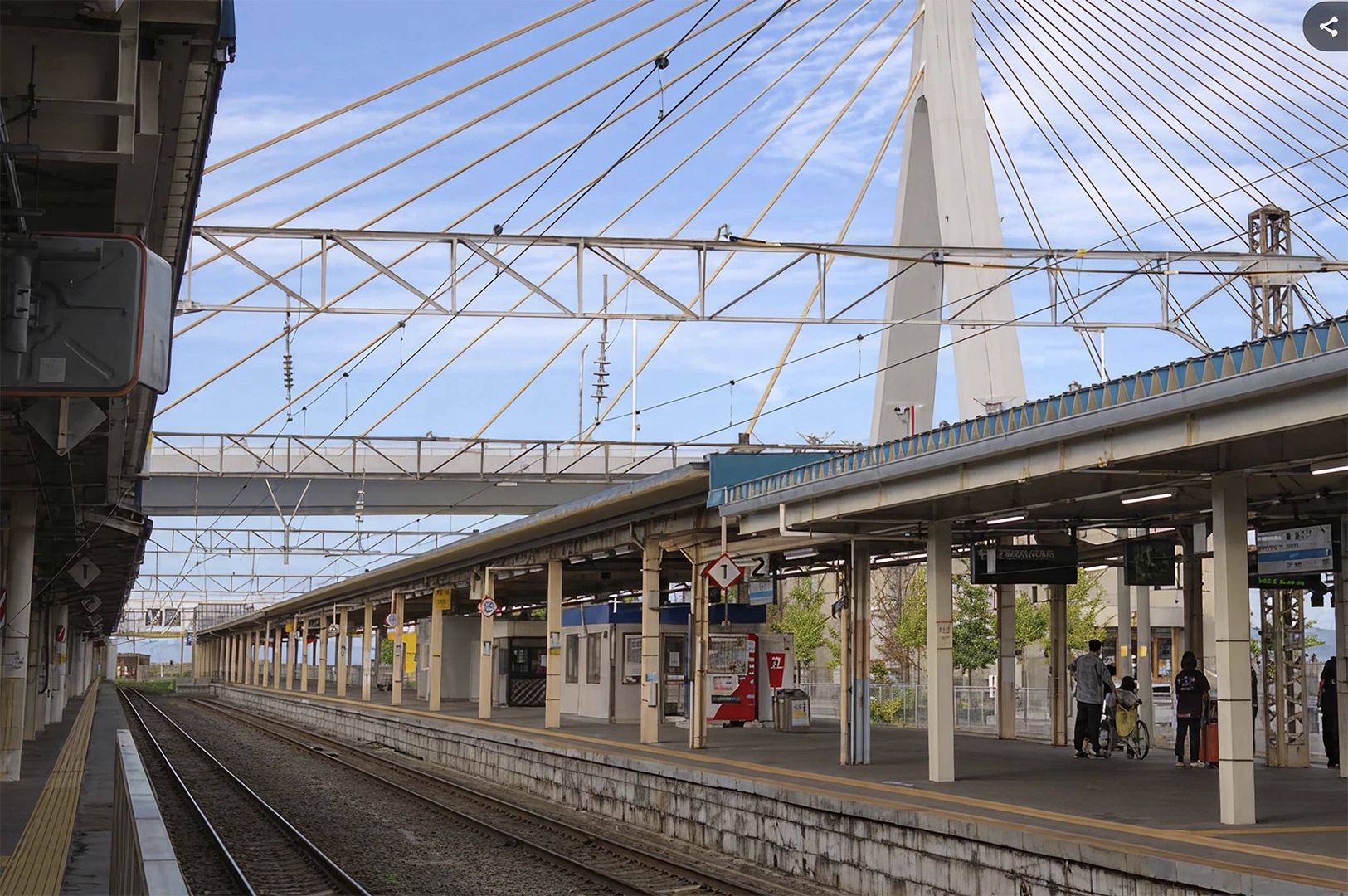
JR Aomori Station welcomes travelers with soft announcements on a quiet mid-afternoon in late October. The shinkansen from Tokyo, Japan’s capital and the primary starting point for most itineraries Japan, deposits passengers into a concourse scented faintly with apple pastries and sea air. Outside, the bay stretches under an overcast sky, with no crowd rushing anywhere.
From SlowTravels’ view, the value of a trip to Japan lies in staying long enough to recognize the barista who remembers your order, the station staff who nod as you pass, and the shifting evening light over a harbor you’ve watched for days. This is not a checklist but an invitation to build routines in a city most first time visitors overlook and discover presence beyond efficiency.
How Many Days in Aomori When You’re Not Chasing It All: Day Trip and Beaten Path Choices
For a first visit with seven days, choosing one or two bases makes more sense than scattering across cities. Most itineraries Japan build on the two cities of Tokyo and Kyoto, as they offer a strong foundation for exploring the country. A two week trip allows for a well-rounded schedule, giving you time to see major sights and enjoy a balanced travel experience. Ten days allows two to three bases with gentle day trips; fourteen days allows three bases plus unhurried excursions.
For Aomori, five to six nights feels like the minimum for immersion. An overnight stay in a single location allows for deeper exploration and helps you avoid crowds, giving you the chance to discover underrated or less crowded areas.
Getting Into Japan Gently: Haneda Airport, Narita Express, Bullet Train, and Luggage
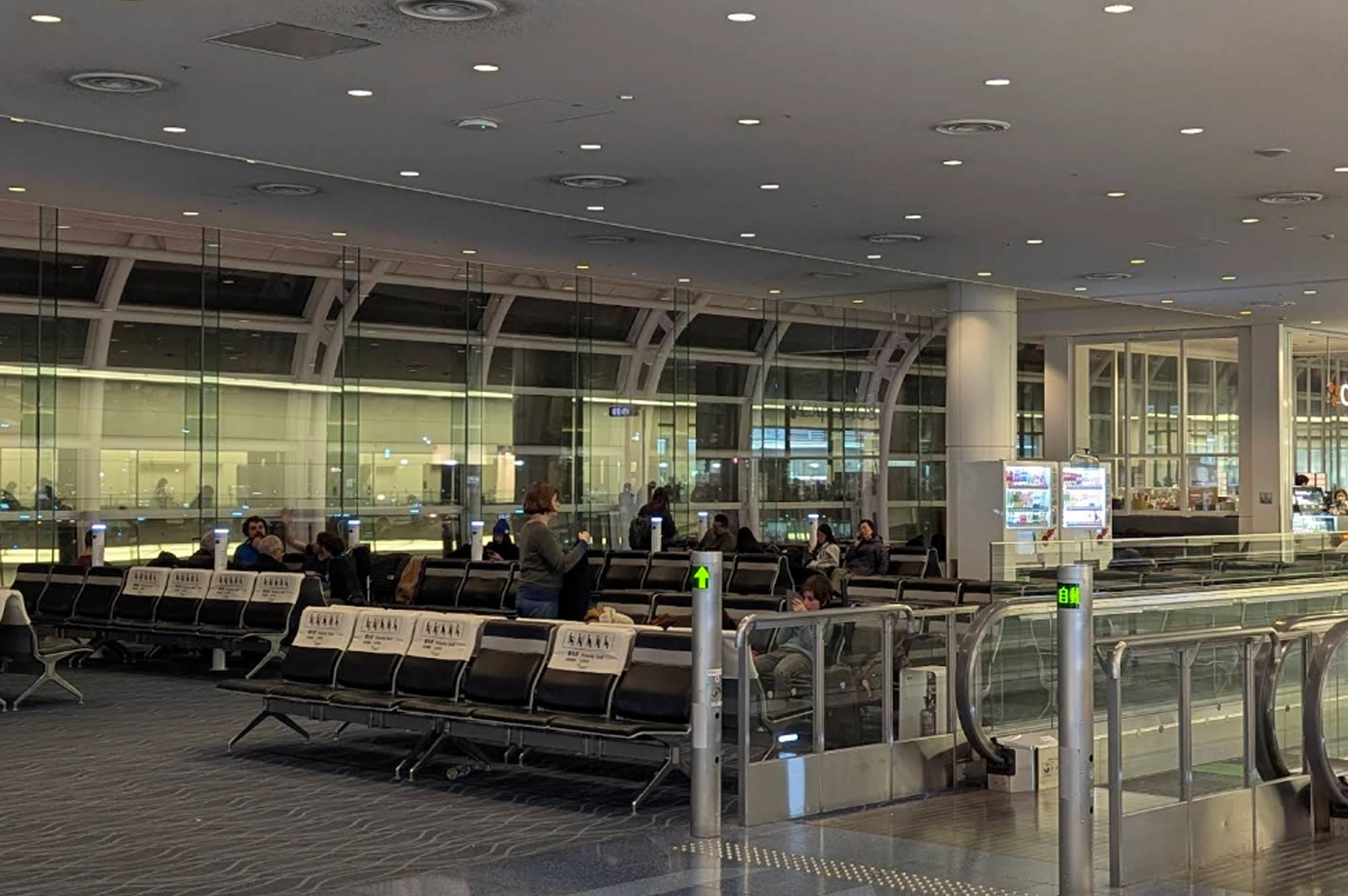
My first trip landed at Narita Airport late, followed by a two-hour Narita Express to central Tokyo. The train was efficient; I was not. Arriving near midnight, the neighborhood was dark and shuttered.
Luggage slows travel. On my first trip, I struggled with a large suitcase on crowded shinkansen platforms. Traveling light between Tokyo and Kyoto or Aomori with a small backpack brought immediate relief.
If you want more flexibility for exploring areas outside major cities, a rental car can be a great option. Taking a road trip allows you to discover scenic spots and off-the-beaten path locations that trains might not reach, offering a different perspective on Japan’s landscapes.
From Haneda Airport to Aomori, take the Monorail to Hamamatsuchō, then JR Yamanote Line to Tokyo Station, followed by the Tohoku Shinkansen t o Shin-Aomori (about 3 hours 15 minutes). Include the return trip in your itinerary for smooth travel.
Season by Season: When These Itineraries Japan Feel Most Alive
Aomori’s streets and stations transform with seasons. An itinerary in late October differs greatly from early May or deep January.
Autumn in Aomori: Late October to Early November
Late October to early November brings autumn foliage across Tohoku. The Hakkoda Ropeway cable car offers views of fiery mountainsides; Oirase Gorge reflects vibrant colors. Weekends bring crowds; I once waited nearly an hour for the gondola on a Saturday in late October, only to find cloud cover at the summit. Extra days in Aomori make such setbacks minor—returning to the fish market or bayfront instead.
Springtime Rhythms: Late April
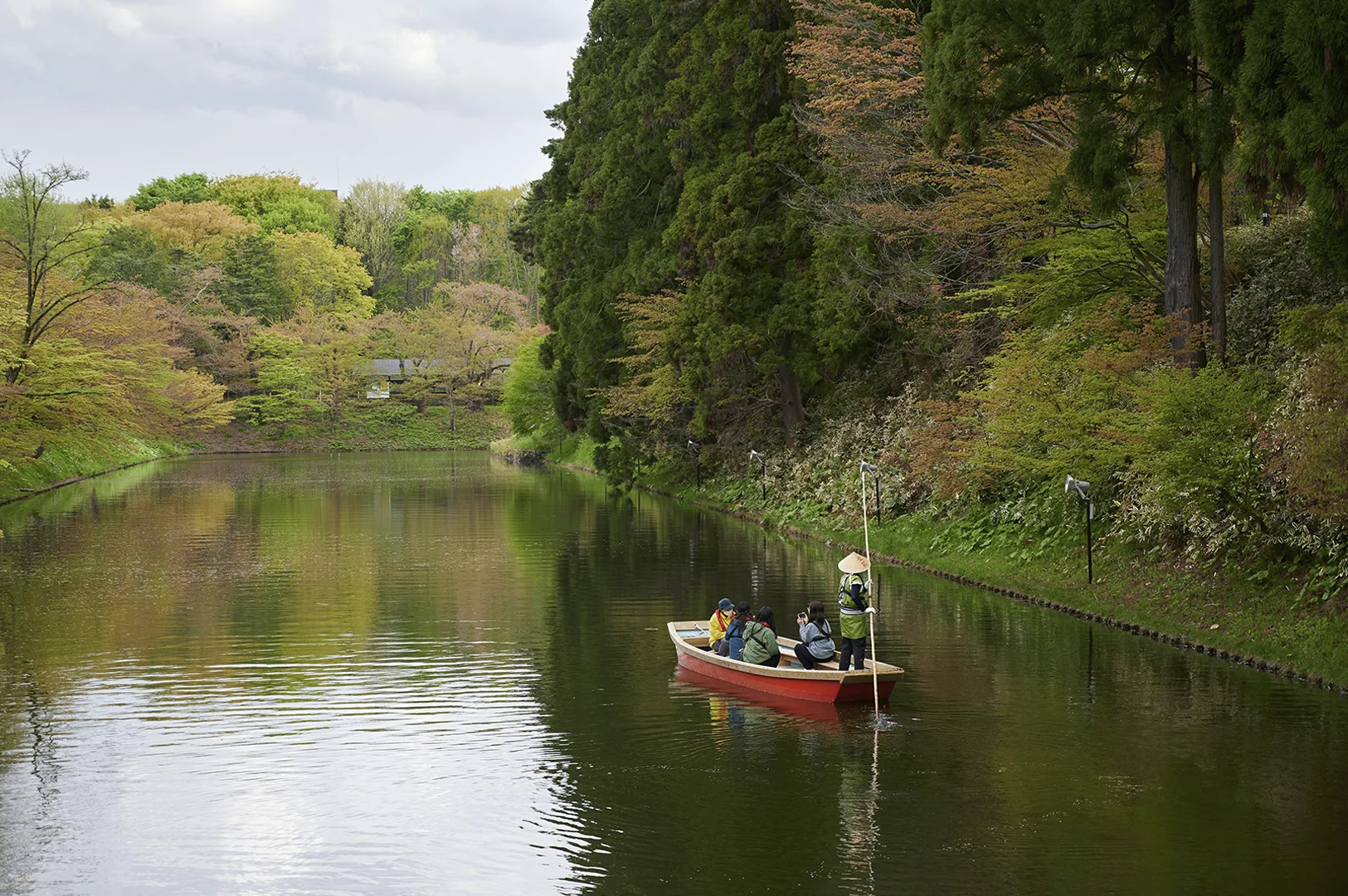
Late April offers a different rhythm. Cherry blossoms fade in Tokyo and Kyoto, but Hirosaki Park near Aomori holds delayed spring blooms. Midweek mornings remain quieter than golden week surges.
Golden Week Crowds: Late April to Early May
Golden Week, late April to early May, fills Japan with holiday crowds. Hotels and trains pack, especially in popular cities like Tokyo, Kyoto, and Osaka, which are particularly busy during this period. Slow travelers often prefer late March or mid April for similar weather with fewer people. When budgeting for your trip, keep in mind that the exchange rate can significantly affect japan cost, especially during peak seasons when prices are higher.
Summer Festival: August Nebuta Festival
August brings the Nebuta Festival to Aomori City (August 2-7), with massive illuminated floats and energetic dancers. Hotels book months ahead; the city’s quiet disappears. Visiting in shoulder months lets you enjoy Nebuta’s floats calmly in the museum.
Winter Wonderland: January and February
Winter, especially January and February, brings deep snow and quiet streets. Temperatures drop near freezing, with biting windchill along the bay. Hot springs feel most necessary. Hakkoda becomes a winter wonderland; the ropeway, when open, reveals a starkly different mountain.
Seasonal Considerations for Travel
Temperature shapes clothing and walking distance. These are invitations to adjust expectations—slow itineraries suit weather better than packed schedules. When planning your trip to Japan, consider using Visit Japan Web to streamline entry procedures.
Sannai-Maruyama & Aomori Museum of Art: Deep Time and White Walls
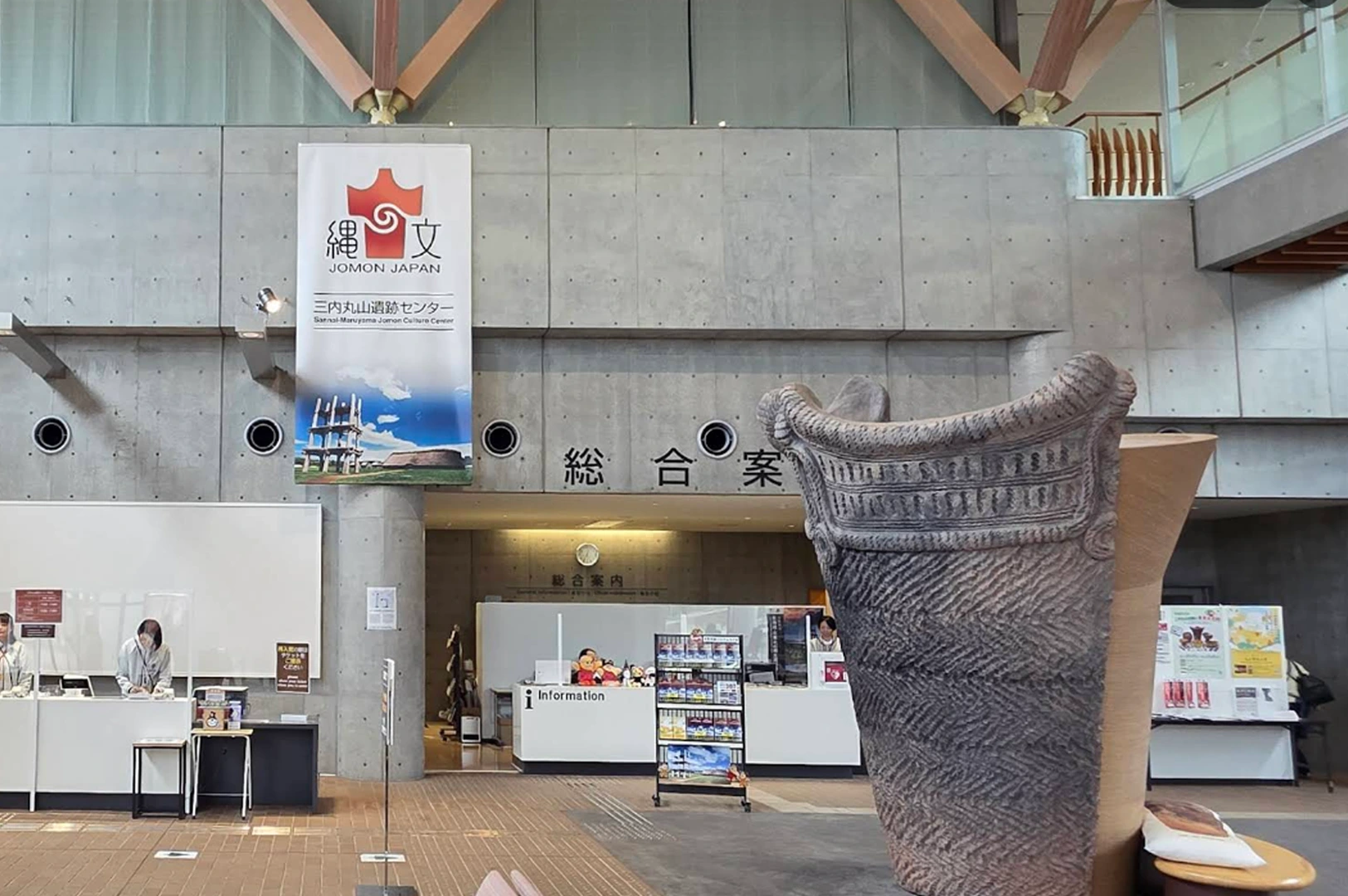
Sannai-Maruyama Site, a Jomon-period settlement (3900-2200 BCE), is outside the walkable core, reachable by local train or bus from JR Aomori Station in 15-20 minutes.
The site features reconstructed pit dwellings, storage buildings, and a large wooden structure, showcasing a settlement that lasted millennia.
Entry costs ¥410 for adults; students pay less; children up to junior high enter free. Hours vary seasonally: 9:00-17:00 (Oct-May), 9:00-18:00 (Jun-Sep, golden week). Closed fourth Monday each month and Dec 30-Jan 1.
On my second visit, I joined a free volunteer guide tour lasting about 50 minutes. The guide’s explanations provided all the details needed to fully appreciate the site, transforming it from abstract reconstructions into a vivid place where people lived, worked, and died. When available, the guided tour enhances understanding far beyond wandering alone.
Aomori Museum of Art is about a ten-minute walk from Sannai-Maruyama along a mostly flat route. Like Naoshima, the renowned art island off Okayama prefecture known for modern art, Aomori’s museum offers a unique cultural experience. Photography is mostly prohibited inside, encouraging visitors to focus fully on the art. A full visit can take two to three hours.
Where to Rest Well: Stays That Soothe and Invite You In
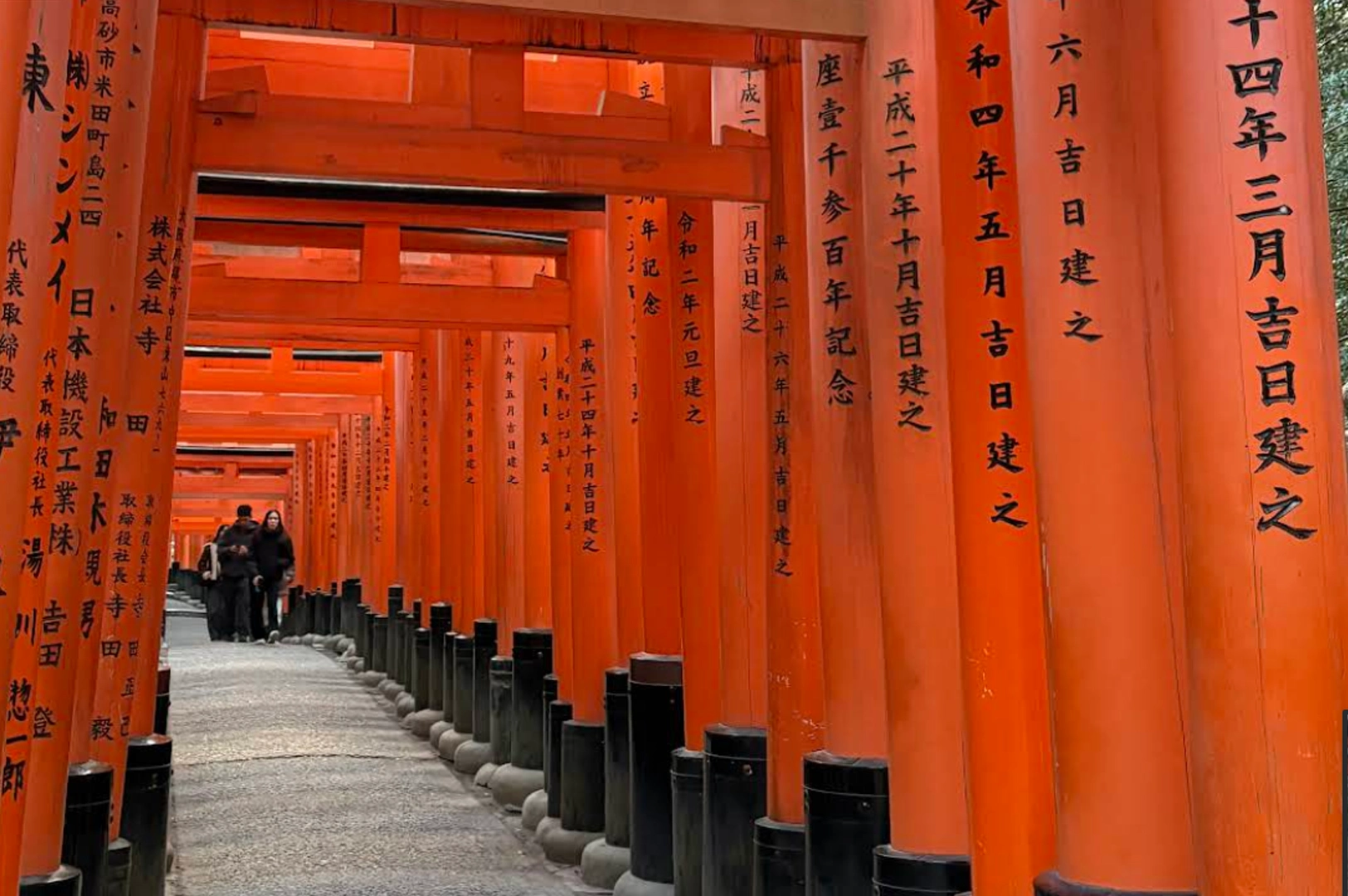
For first-time visitors, cities like Tokyo, Kyoto, and Osaka offer a comforting rhythm of daily life. Waking near Kyoto Station means joining early commuters, while a view of Tokyo Tower reveals a city awakening. These places become familiar: morning walks to shrines like Fushimi Inari, evenings warmed by convenience store coffee, and the quiet presence of vending machines.
Embracing Time Differently in the Countryside
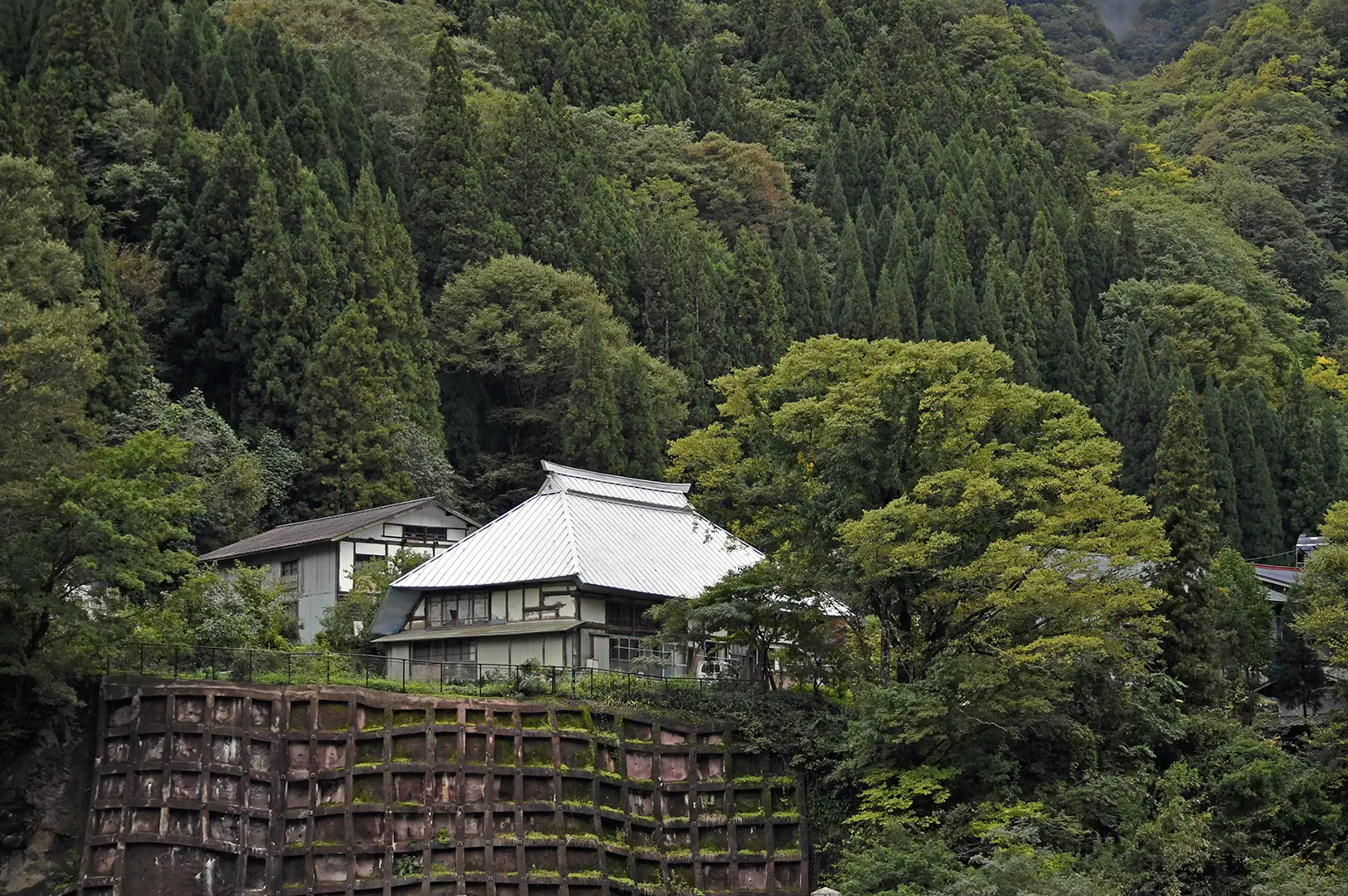
Beyond the urban centers, Japan’s countryside offers a slower pace. In Nagano Prefecture, ryokans provide quiet rituals—removing shoes, tatami floors, and calming mountain mist. Private onsens offer warmth and stillness, while snow monkeys reflect this tranquility. Local craft shops and family inns preserve traditions of peaceful routines and quiet moments over green tea.
Rest as the Foundation of Exploration
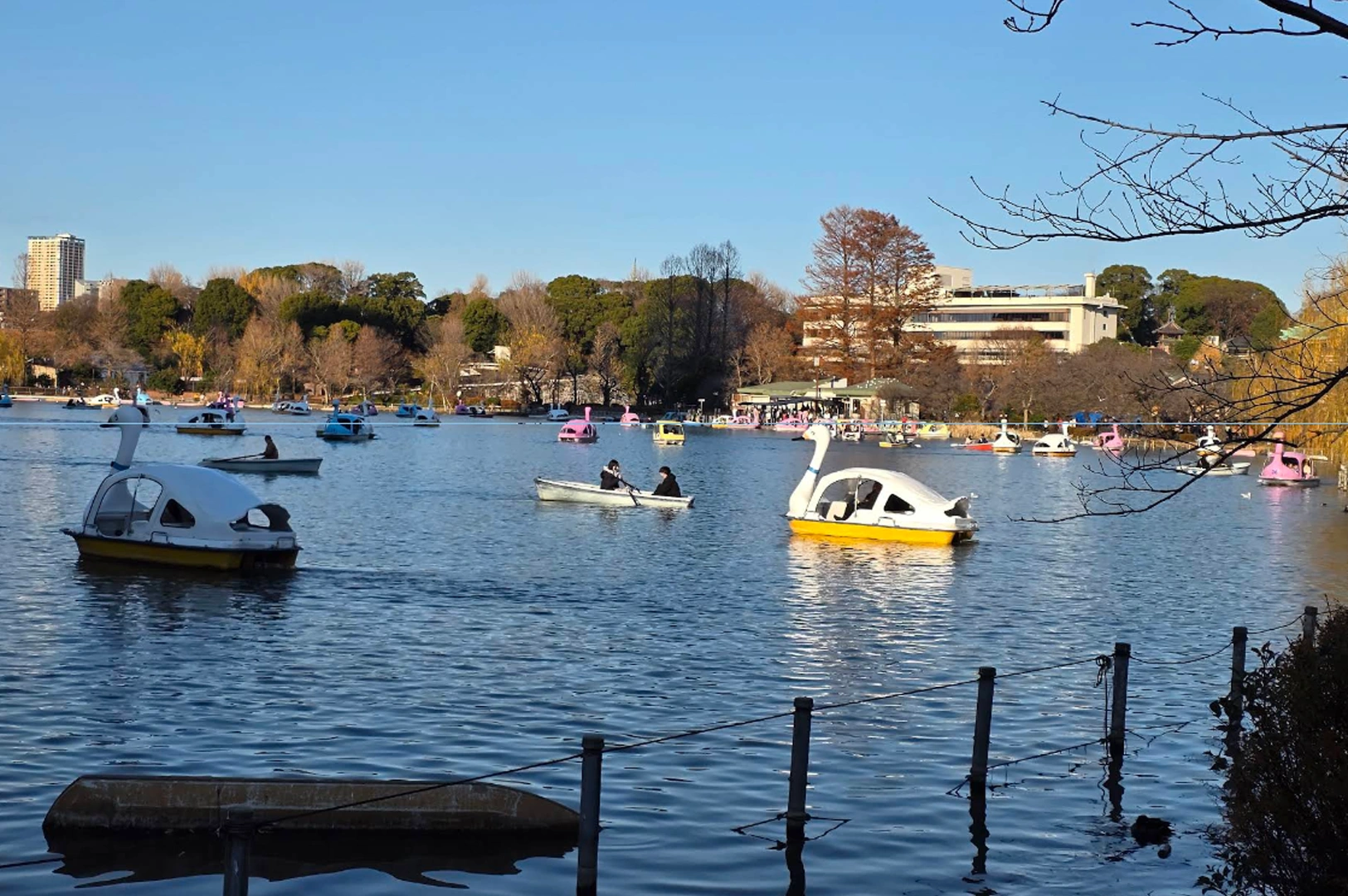
Rest is the foundation for meaningful exploration. It fuels the energy to wander Tokyo’s shopping streets, savor local traditions, admire art, or relax in places like Ueno Park. Whether in the city’s bustle or mountain calm, returning each evening creates a sense of belonging—gentle travel means making space for these quiet returns that turn every journey into coming home.
Soaking in Stillness: Hot Springs and the Art of Unhurried Relaxation
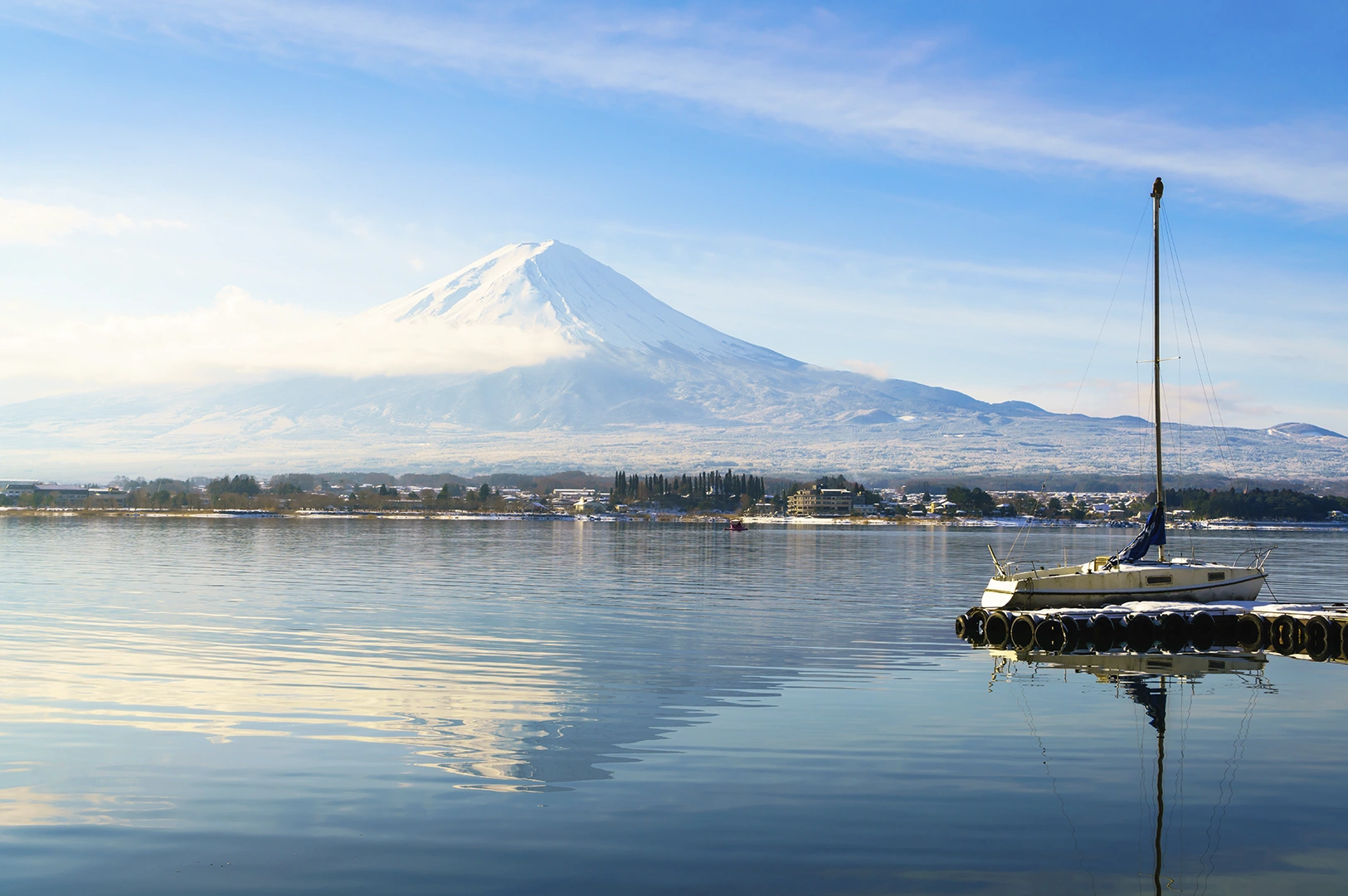
In Japan, the onsen is a timeless ritual; a place to unwind after exploring. These mineral-rich hot springs offer physical relief and deep restoration.
Each onsen reflects its surroundings. In the Fuji Five Lakes region, volcanic waters meet views of Mount Fuji. At Shuzenji Onsen, bamboo groves and streams create a tranquil setting.
The Japanese Alps offer serene outdoor baths where warm water blends with falling snow, inviting peaceful solitude.
Onsen customs encourage mindfulness: washing before entering, setting aside towels, and speaking softly. These shared practices connect visitors in quiet presence.
When planning your Japan trip, include onsen visits as moments to pause and connect with the landscape, not just checklist stops.
Costs and How Money Flows Through a Slow Japan Itinerary
Understanding japan cost realities helps plan without obsession. A slow itinerary in Aomori tends toward modest daily expenses compared to Tokyo or Kyoto.
Entry Fees and Food Costs
Entry to Sannai-Maruyama costs ¥410; ASPAM observatory about ¥800. Daily meals average ¥3,000-5,000, more affordable than in major cities. Travelers can enjoy a wide variety of japanese food and local delicacies in Aomori and nearby regions, making meals both affordable and culturally rewarding.
Payment Methods and Cash Access
Payment varies: A-FACTORY and larger shops accept credit cards; smaller stalls and buses often prefer cash or IC cards like Suica or Pasmo, which are also usable at convenience stores for quick purchases. Carrying some cash helps avoid delays.
What Slower Travel in Japan Asks of You (and Gives Back)
These itineraries Japan leave free time for revisiting markets, bayfront walks, or watching commuters. A popular day trip from Kyoto is visiting Nara to see the iconic Great Buddha at Todai-ji.
The perfect trip does not exist. What exists is presence—being somewhere long enough that the place recognizes you. Aomori offers this with grace. It is one of japan’s quieter cities, off the beaten path most first timers follow. Its art galleries forbid photography. Its street food comes from markets where you build bowls ticket by ticket. Nearby hot springs require weather patience.
On my last evening, walking the familiar bayfront side street, the same route taken each night, the station’s public transport schedule scrolling without my needing to read, the warm izakaya’s grilled fish scent drifting out—I had not entered it once in five nights. It remained a reason to return. In slow travel, leaving such reasons is not failure. It is the point.
For more practical tips and inspiration on planning your own slow travel adventure, check out our dedicated blog post about slow travel in Japan at Slow Travels.