Aomori Japan offers a quietness perfect for couples; not the silence of emptiness, but the hush of deep snow, rustling apple orchards, and the gentle lap of bay waters. Located at the northern end of Honshu, Japan’s main island, on Matsu Bay, Aomori City serves as a port town and gateway to the northern island of Hokkaido.
Unlike Tokyo’s neon rush or Kyoto’s crowds, this northernmost prefecture invites you to slow down and savor space; to walk without crowds, sit with a view, and simply be together. From steaming outdoor onsens to the glowing faces of Nebuta floats, Aomori reveals itself as a place to connect.
Getting There: The Slow Approach to Aomori Prefecture
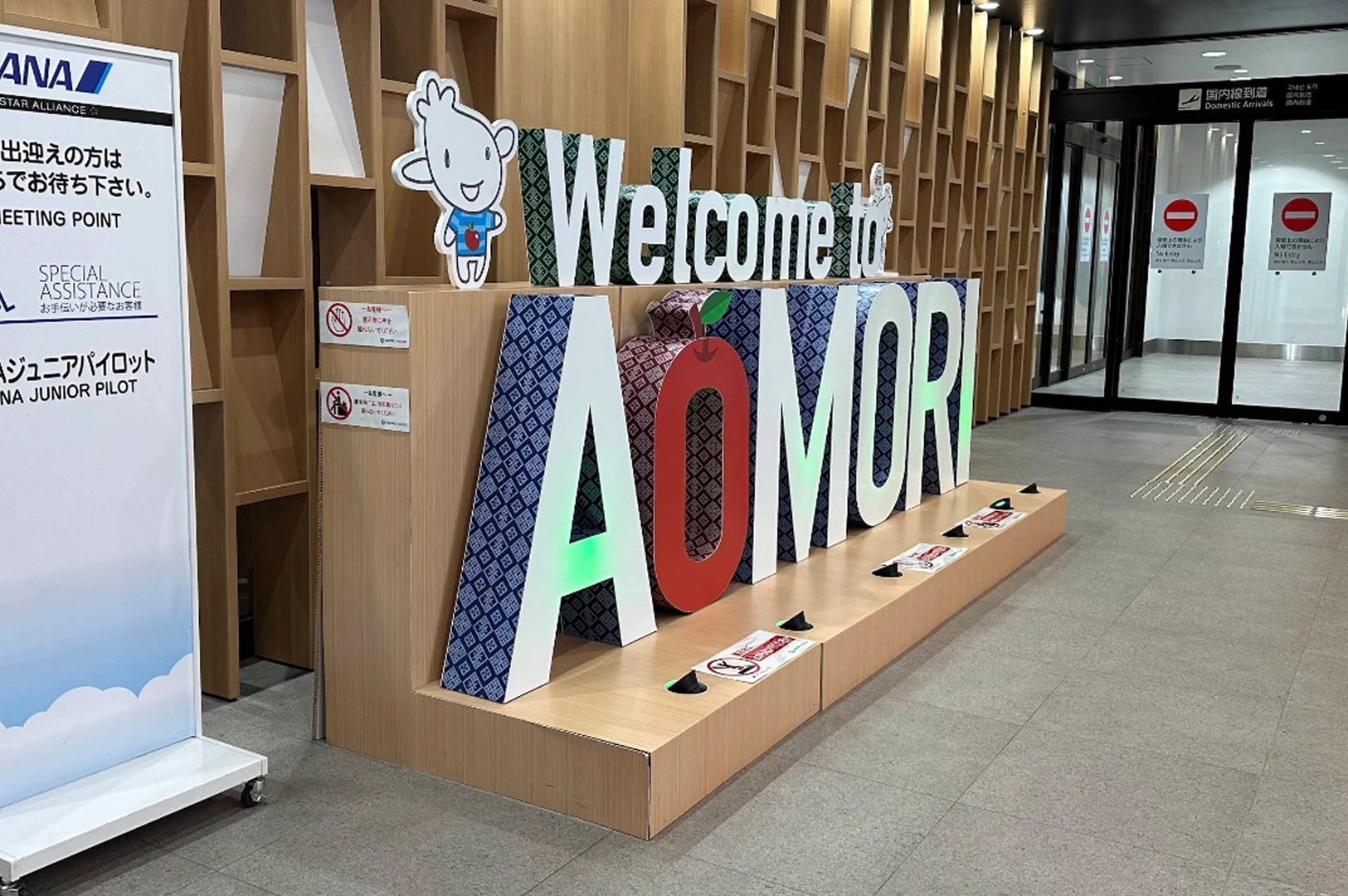
Traveling to and making itinerary for Aomori Prefecture is part of the experience. Fly into Aomori Airport, which offers domestic and some international flights, or take the JR Tohoku Shinkansen to Shin Aomori Station from Tokyo in about 3.5 hours. The Japan Rail Pass covers this route and other JR lines, making travel convenient. From Shin Aomori, transfer to Aomori Train Station in the city centre, a short 6-minute ride, but note trains can be infrequent.
If coming from Hokkaido, the Seikan Ferry crosses the Tsugaru Strait in about 4 hours, offering a peaceful journey. Around Aomori City, public transportation includes local trains and buses, though schedules are limited; plan carefully. The city is walkable, especially near Aomori Station and the bay.
When to Visit: Cherry Blossom and Seasonal Highlights in Aomori City
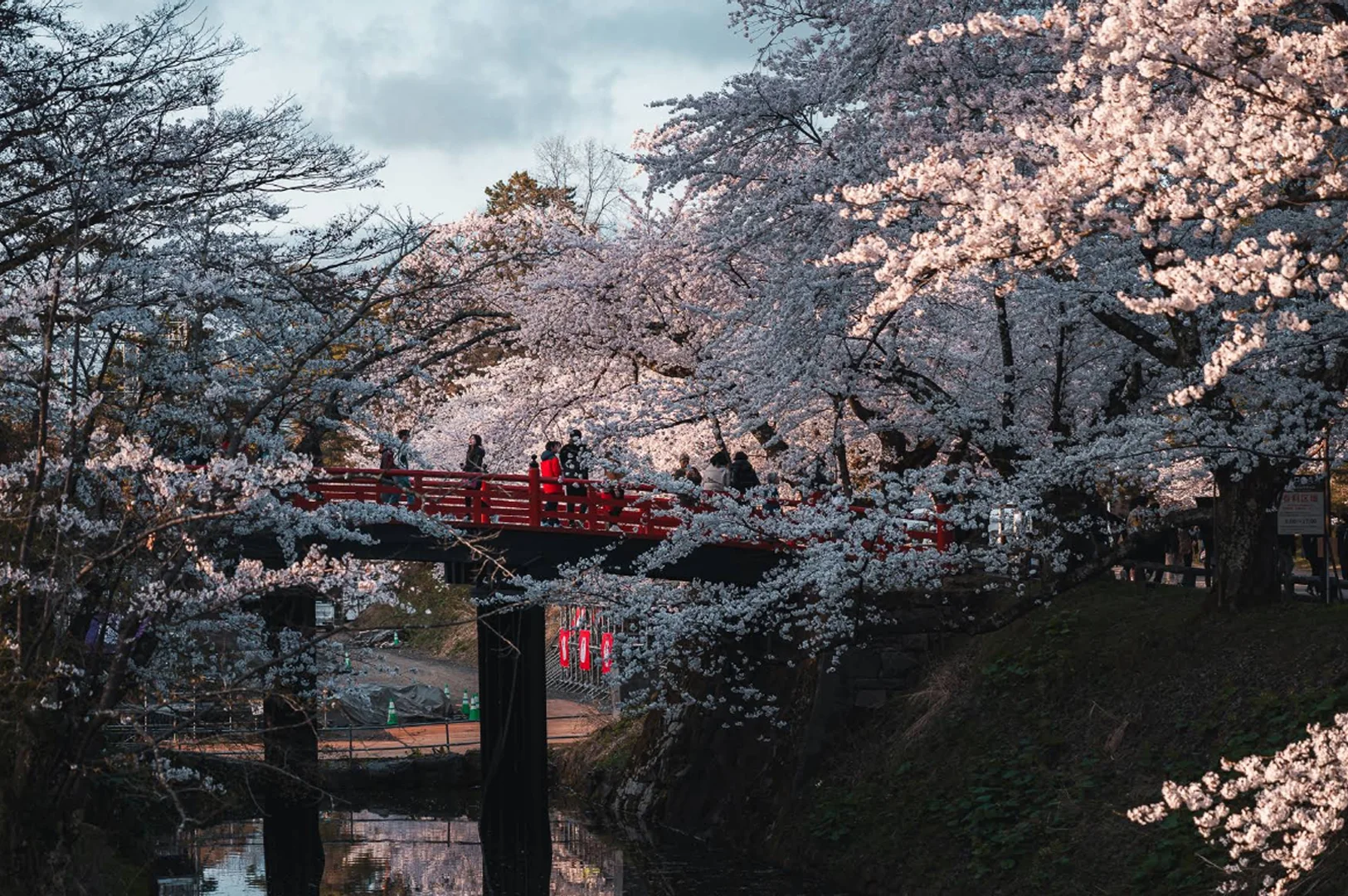
Late April (Spring): Experience classic romance with cherry blossom at Hirosaki Park, one of Japan’s best spots. The sakura carpet of petals on the castle moat is magical, especially early in the morning when crowds are minimal.
January–February (Winter): Aomori Ken is one of the snowiest regions globally, blanketed in white. Snowy landscapes and steaming hot springs like Sukayu Onsen offer a cozy retreat. Be mindful of possible travel delays from blizzards.
Autumn (Mid-October): Oirase Gorge’s golden and crimson foliage is stunning, though this is a busy season. Aim for weekdays to avoid crowds. Late September marks the start of autumn colors across the region.
August: The Aomori Nebuta Festival, from August 2 to 7, features massive illuminated paper floats parading city streets, accompanied by taiko drums, musicians, and dancers in colorful Haneto costumes. This vibrant festival draws around 3 million visitors annually.
Atmosphere and Pace in Aomori City Centre
Aomori City is authentic and rugged. English signage is improving but still limited outside the city centre. Expect to rely on gestures and translation apps, which often leads to warm, genuine interactions. The pace is set by nature; slow walks through snow or frequent café stops in summer. Embrace this rhythm to inhabit the moment fully.
Highlights & Must-Sees: A Couple’s Must Try in Aomori
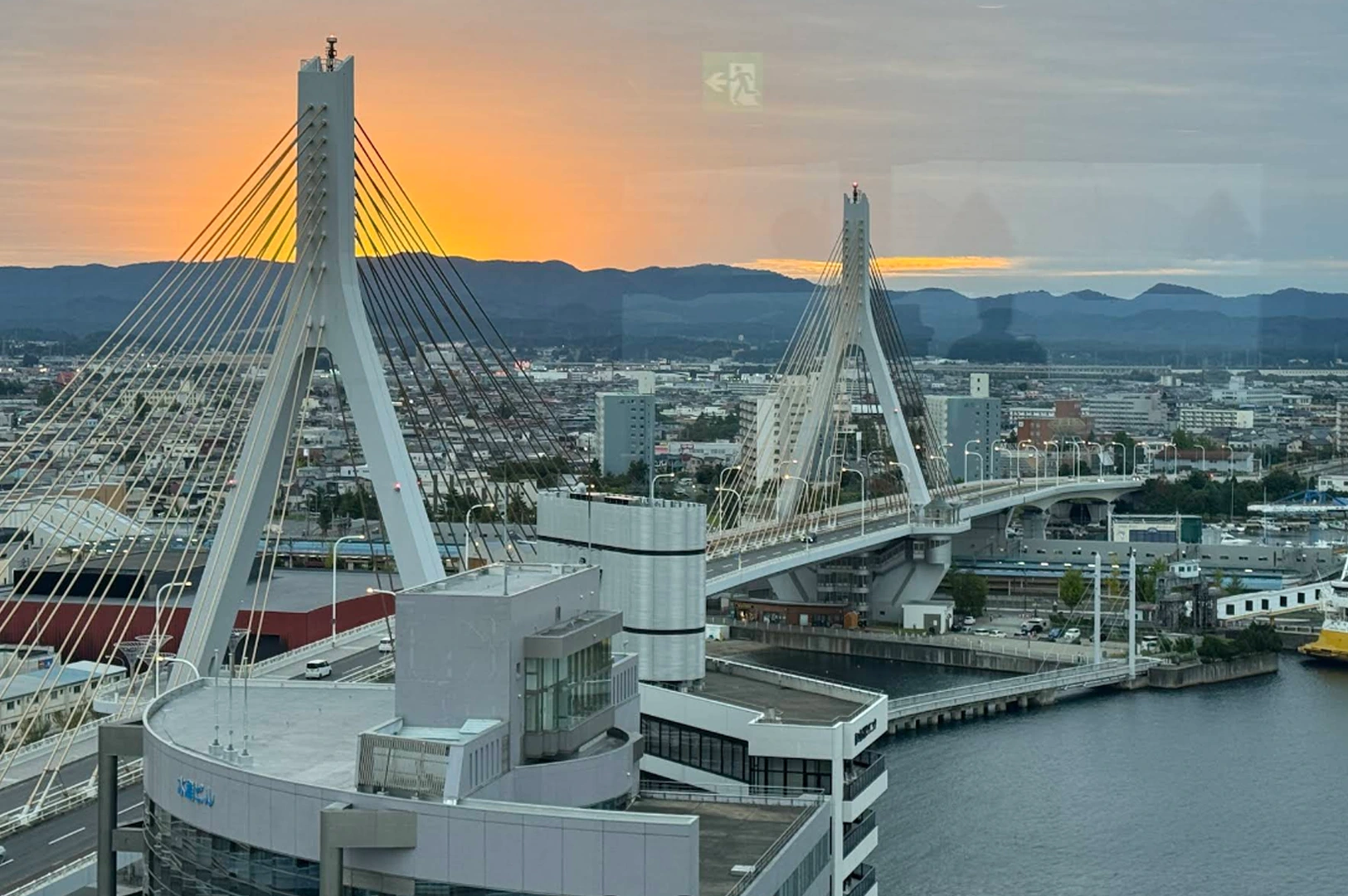
1. Watch the Sunset at ASPAM (Aomori Bay)
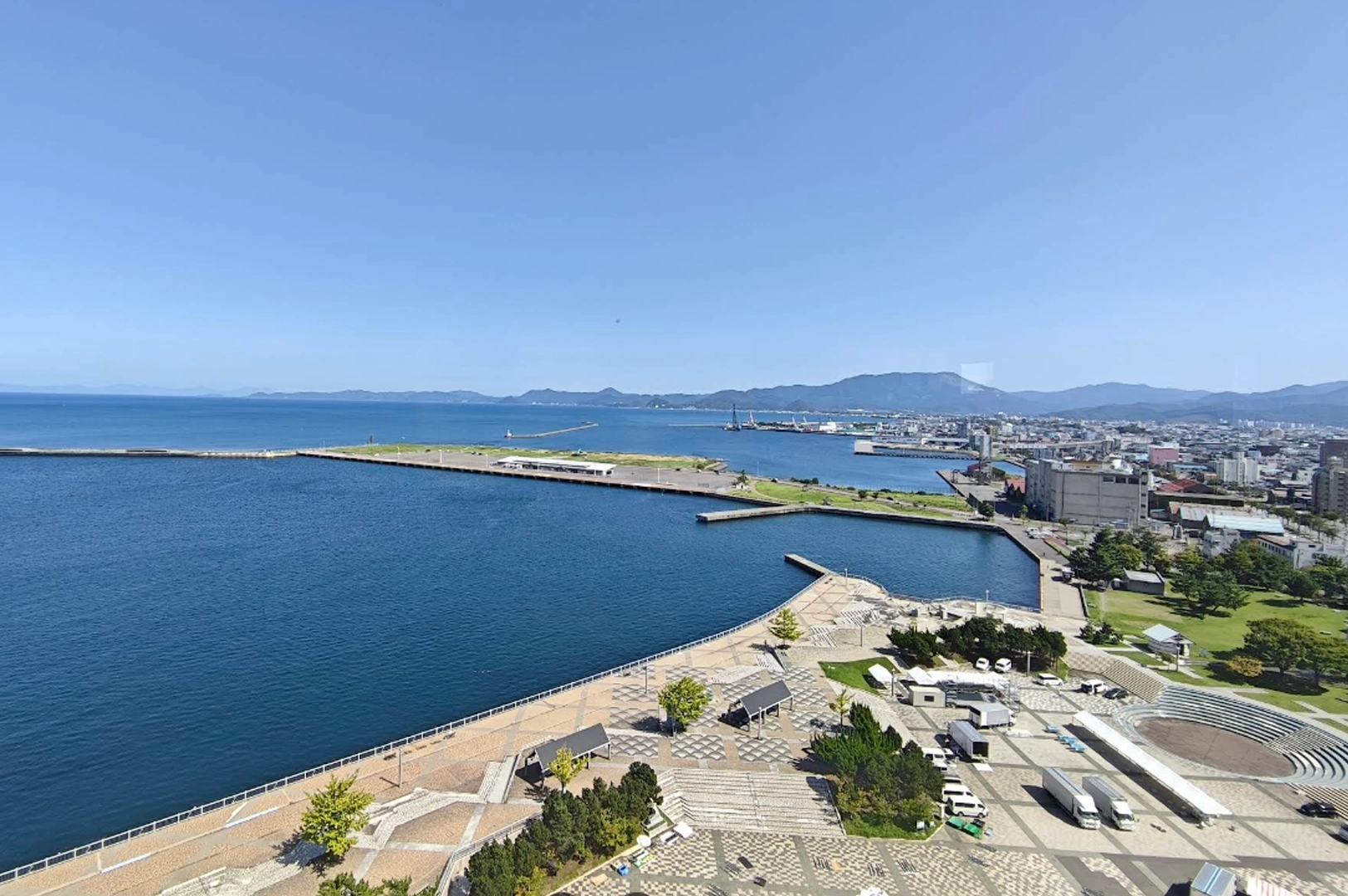
This triangular waterfront building offers intimate panoramic views of the bay and distant Akita mountains. It’s an 8-minute walk from the East Exit of JR Aomori Station. Arrive 45 minutes before sunset to experience the peaceful transition from golden hour to twilight. Admission is around ¥800.
2. Explore Nebuta Museum WA RASSE near Aomori Train Station
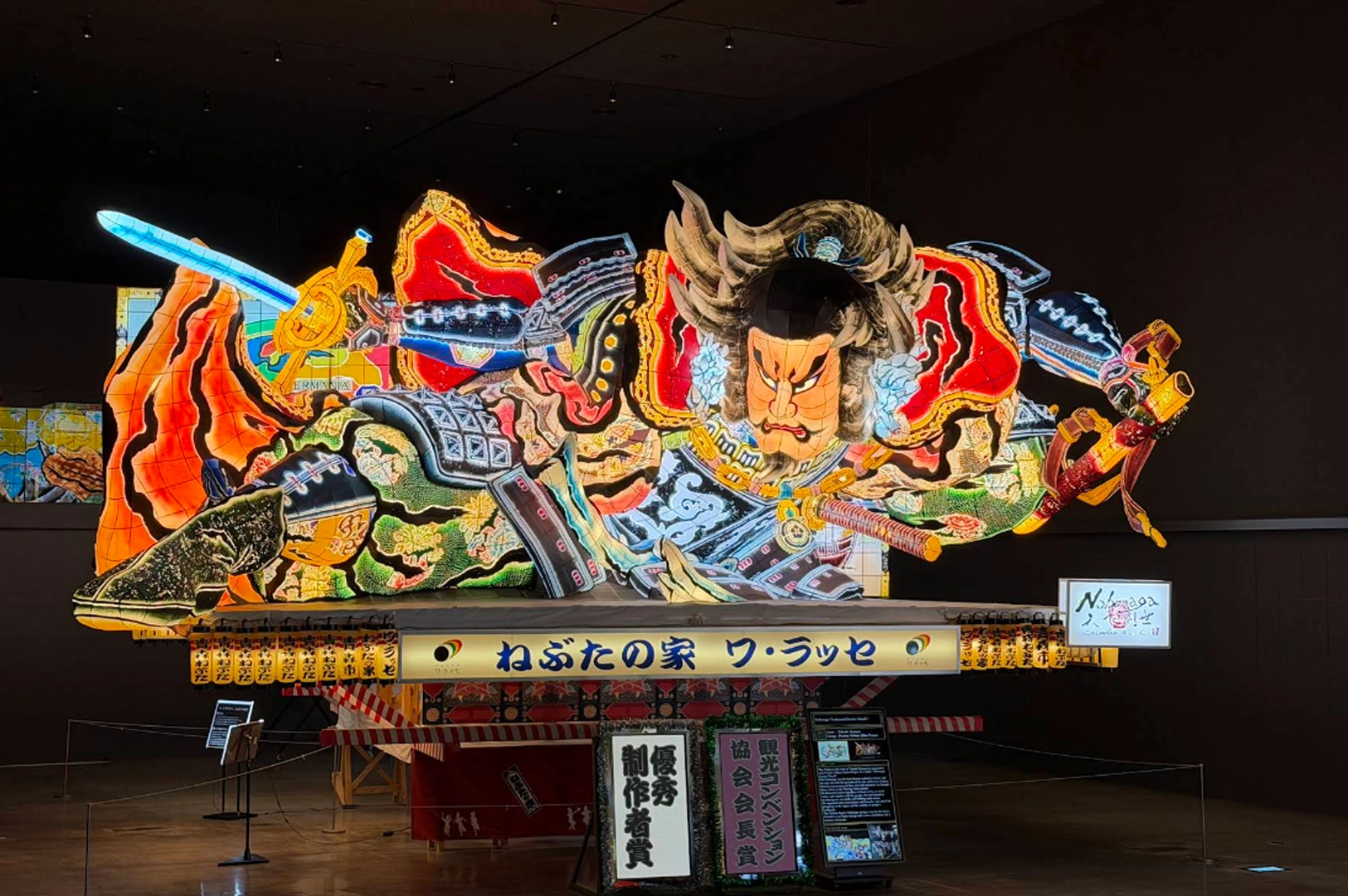
Just 2 minutes from Aomori Station, this museum displays the massive floats from the Nebuta Festival. Each float weighs about 4 tons and depicts characters from Japanese legend and history, illuminated in a dramatic, low-lit hall. Visit late afternoon to enjoy a quieter atmosphere. Allow about an hour here.
3. Build Your Own Seafood Bowl (Nokke-don) at A Factory
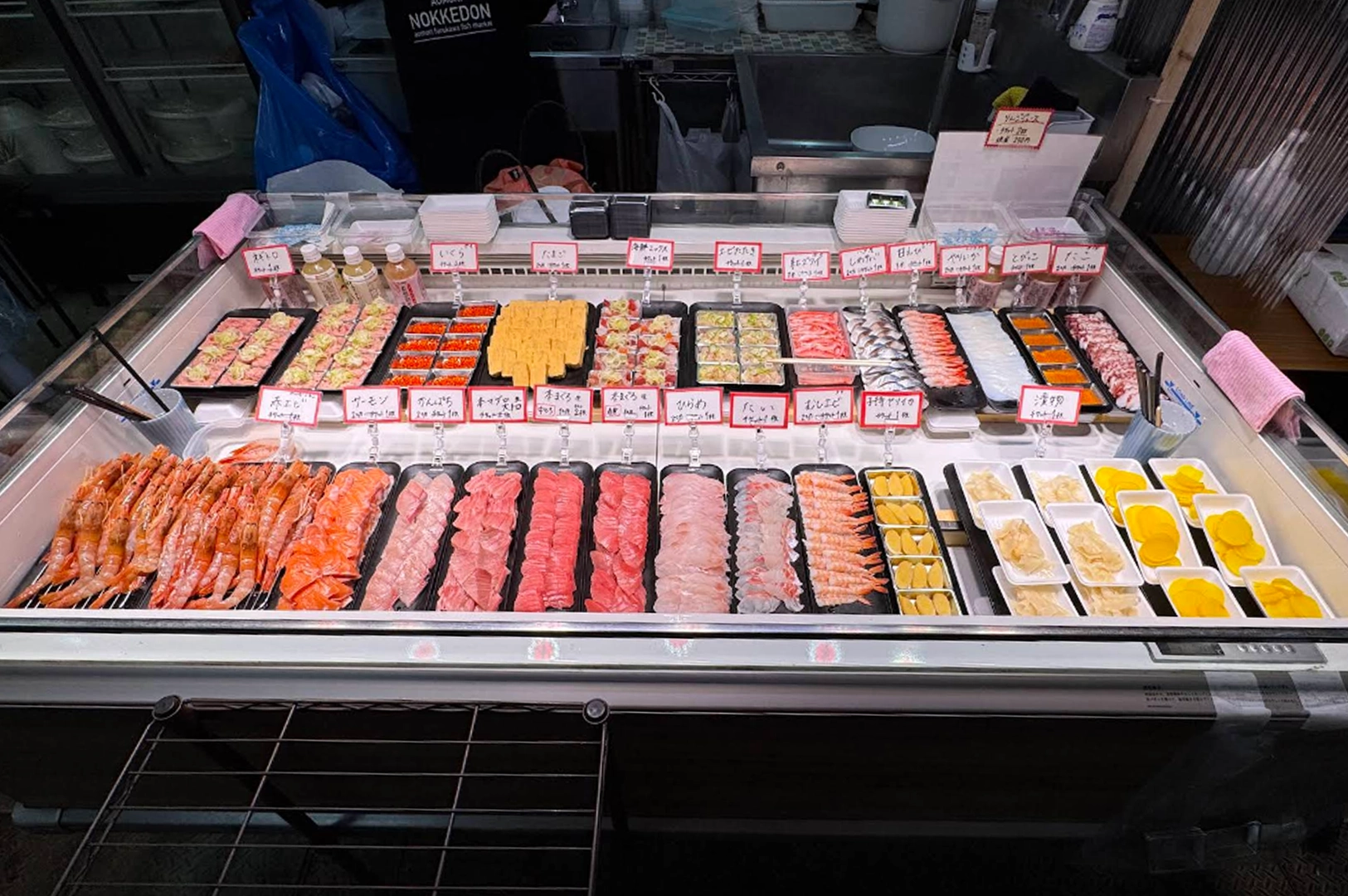
Located in the city centre near Aomori Station, A Factory celebrates Aomori apples, which make up around 60% of Japan’s apple production. Visitors can watch apple products being made, taste fresh-pressed juices and ciders, and enjoy local dishes in the restaurant. At the Furukawa Fish Market or the Aeromori Fish and Vegetable Center, create a custom seafood bowl by exchanging tickets for fresh sashimi toppings. Sea urchin (uni) is a prized choice, reflecting Aomori’s coastal fishery heritage. Arrive before 11:00 AM for the best selection. The market is closed on Tuesdays.
4. Walk Oirase Gorge Hiking Trails
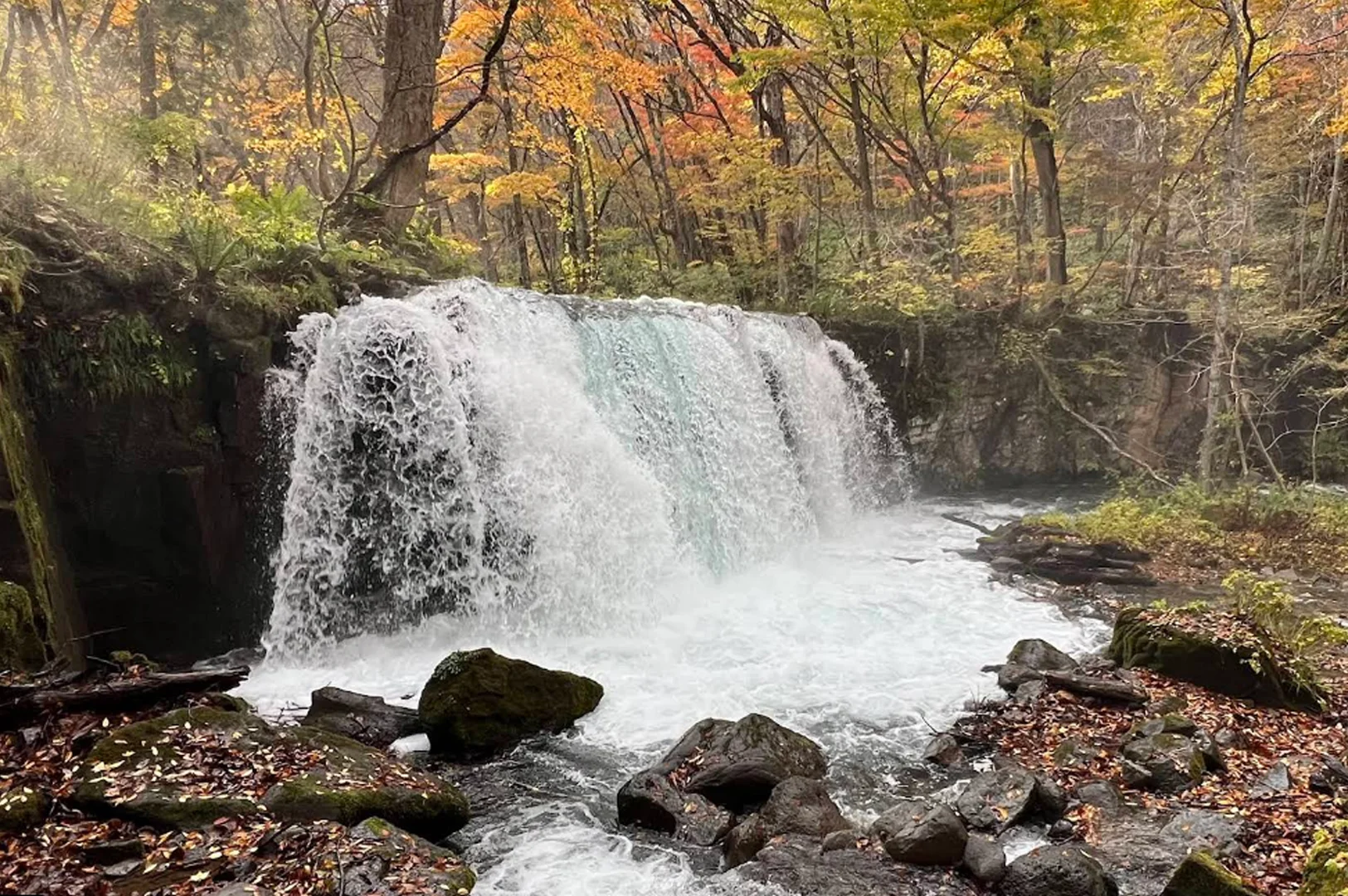
This scenic 14km trail follows Oirase Stream through mossy virgin beech forests and waterfalls. For a manageable hike, take the bus to Ishigedo, walk 2.8km to Kumoi no Taki waterfall, then return by bus. Summer offers lush greenery; autumn brings vibrant colors but more visitors.
5. Snowy Romance and Onsen Relaxation at Sukayu Onsen
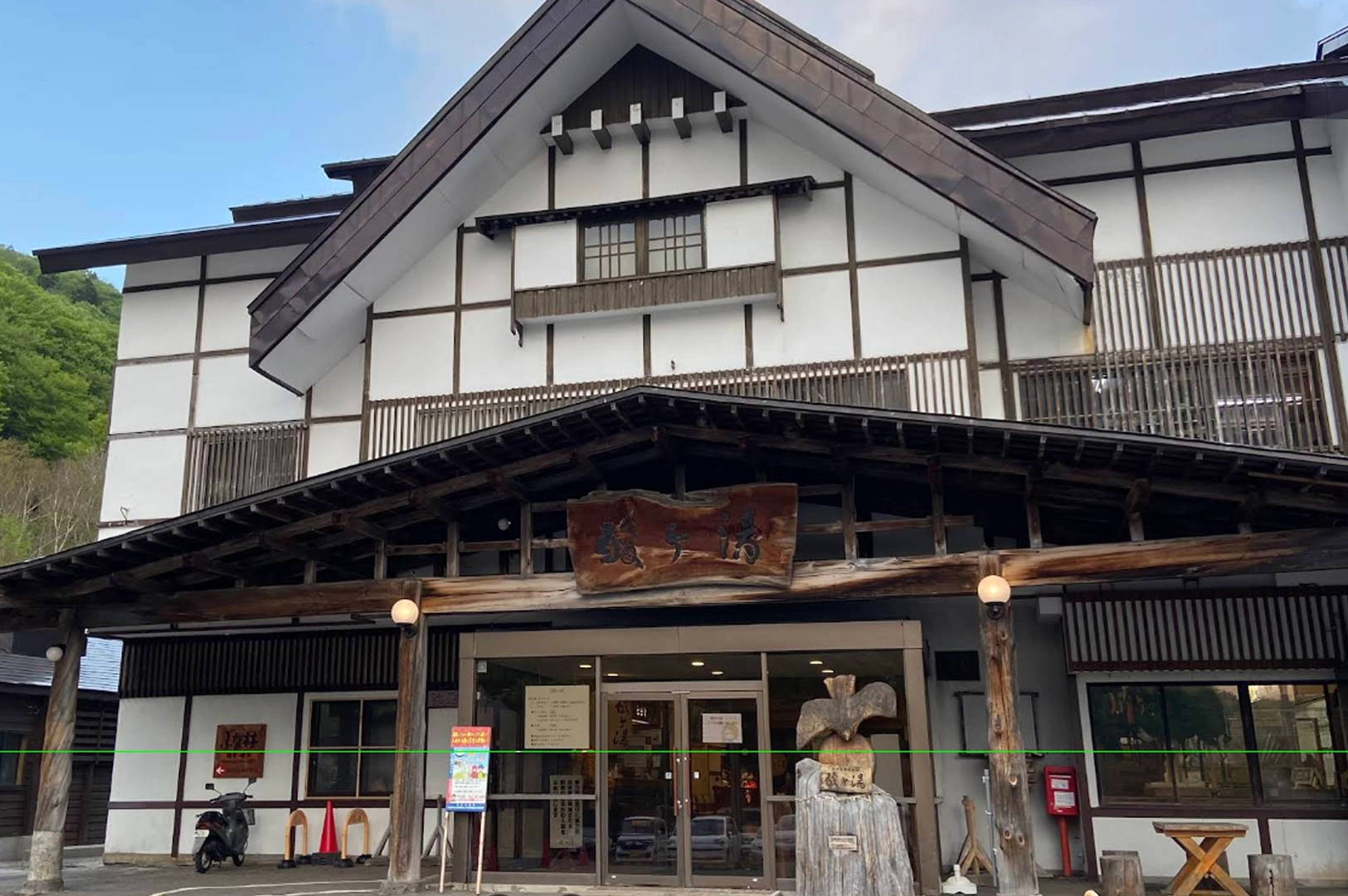
In winter, ride the Hakkoda Ropeway over the “snow monsters”; trees frozen into surreal shapes by Siberian winds. It’s freezing but breathtaking. Warm up afterward at Sukayu Onsen, famous for its large mixed-gender hot spring bath, a rustic and unforgettable experience.
Nearby Lake Towada, a stunning crater lake in Towada-Hachimantai National Park, offers hiking, boat trips, and spectacular scenery year-round.
Seasonal Delights: Cherry Blossom at Hirosaki Castle and Hirosaki Park
Hirosaki Castle’s grounds boast over 2,500 cherry trees blooming from late April to early May. The petals create a gentle snow over the moats, reflecting the Edo period architecture. Visit early mornings to enjoy the serenity and avoid crowds. The cherry blossom season here is less about spectacle and more about shared moments and culture.
Where to Stay for Romance in Aomori Prefecture
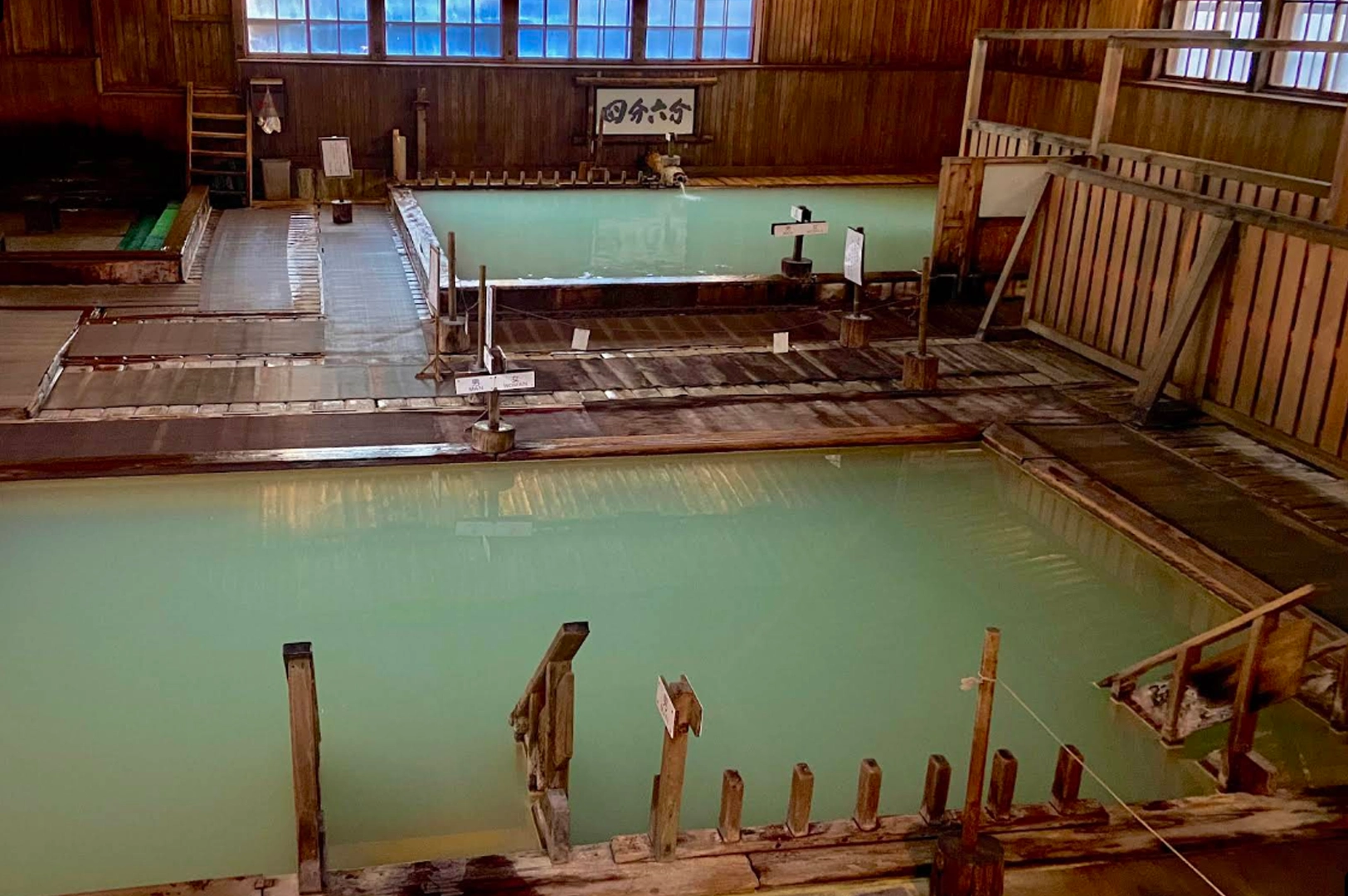
Aomori offers traditional ryokan and modern hotels. Sukayu Onsen’s ryokan provide open-air baths with views of seasonal landscapes, from snow to autumn colors. In Aomori City, hotels along the Pacific Ocean offer relaxing stays with easy access to attractions like Hirosaki Castle and the Hakkoda Ropeway. Family-run guesthouses blend comfort with timeless Japanese hospitality, serving local seafood and apples at dinner.
Helpful Tips for Visiting Aomori, Japan
Budget-Friendly Travel
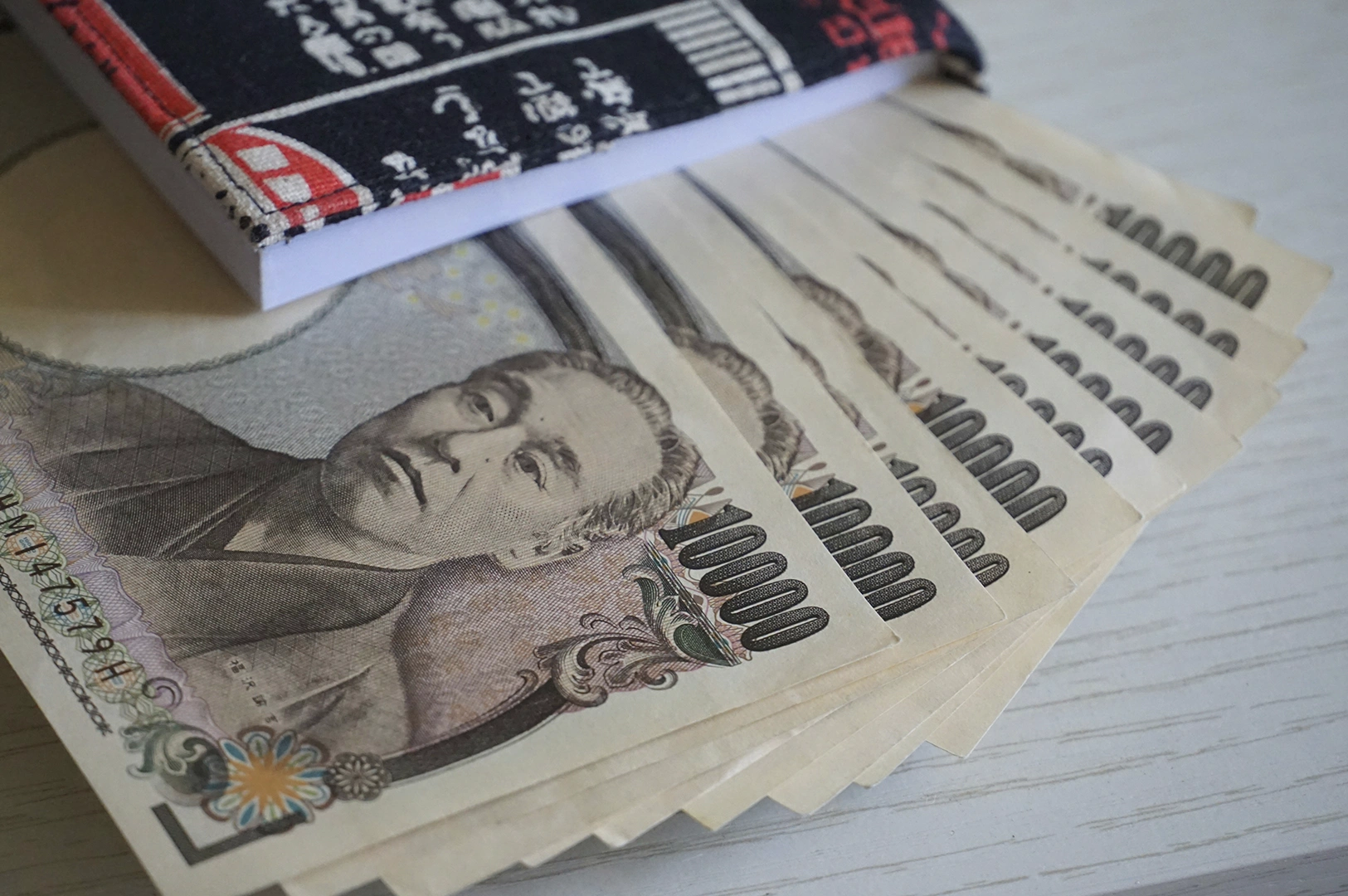
Costs in Aomori are generally lower than Tokyo, making it an affordable destination for travelers seeking a more relaxed and budget-friendly experience without sacrificing quality.
Museum entry fees typically range from ¥600 to ¥800, offering excellent value to explore the rich history, art, and culture of the region.
Enjoy a delicious Nokke-don lunch, a customizable seafood bowl, which usually costs about ¥2,000 per person. Early arrival is recommended to get the freshest selection of toppings.
Ryokan stays, which often include traditional meals and access to soothing hot springs, usually range from ¥15,000 to ¥30,000 per night. Booking in advance is advised, especially during peak seasons like cherry blossom and festival times.
Packing and Seasonal Advice
Pack appropriately for the season: heavy coats, waterproof boots, gloves, and thermal layers for winter to handle the heavy snowfall; breathable, lightweight fabrics for summer’s mild warmth; and versatile layers for the cooler, changeable weather in spring and autumn.
Planning Your Itinerary
Plan your itinerary with a balanced pace in mind; one major activity in the morning and one in the afternoon is enough to fully enjoy each day without feeling rushed, allowing time to savor the serene atmosphere and scenic beauty.
Getting Around Aomori
For transportation, consider purchasing a Japan Rail Pass if you plan to travel beyond Aomori, or use local buses and trains to explore the city centre and surrounding areas. Renting a car can be a convenient option to access more remote natural sites like Oirase Gorge and Lake Towada.
Communication and Local Etiquette
English signage is improving but still limited outside the city centre, so having a translation app or phrasebook can enhance communication and ease navigation.
Be mindful of local customs and etiquette, especially when visiting onsens (hot springs), to ensure a respectful and enjoyable experience.
In a Nutshell
Aomori Japan does not shout for your attention; it waits for you to notice. For couples, this is its greatest gift: the chance to share genuine time without pressure. Whether sharing a seafood bowl at the market or watching snow fall from a hot spring window, the memories you make here will be rooted in presence.
Take your time. The train will wait, but the light on the water changes every second. For more travel inspiration and tips, visit Slow Travels.