There is a weight to the silence in Aomori Prefecture, Japan. It’s not an empty silence, but a presence—held in the deep drifts of winter snow, the ancient bark of cherry trees in Hirosaki City, or the stillness of Lake Towada at dawn. When I first traveled north to Aomori-ken (青森 県), I expected to tick off a few sights and move on. Instead, I found myself canceling my next train ticket. This northernmost prefecture demands that you stop rushing.
Planning itineraries Japan travelers often follow usually involves a frantic dash between Tokyo, Kyoto, and Osaka. But Aomori Prefecture operates on a different frequency. It is rugged, sincere, and deeply connected to the seasons. This 7-day guide is about immersing yourself in the rhythm of the north, from the lantern-lit famous festivals of the capital city to the quiet moss of the Oirase Gorge.
Exploring Aomori Prefecture Japan: The Northernmost Tip of Honshu
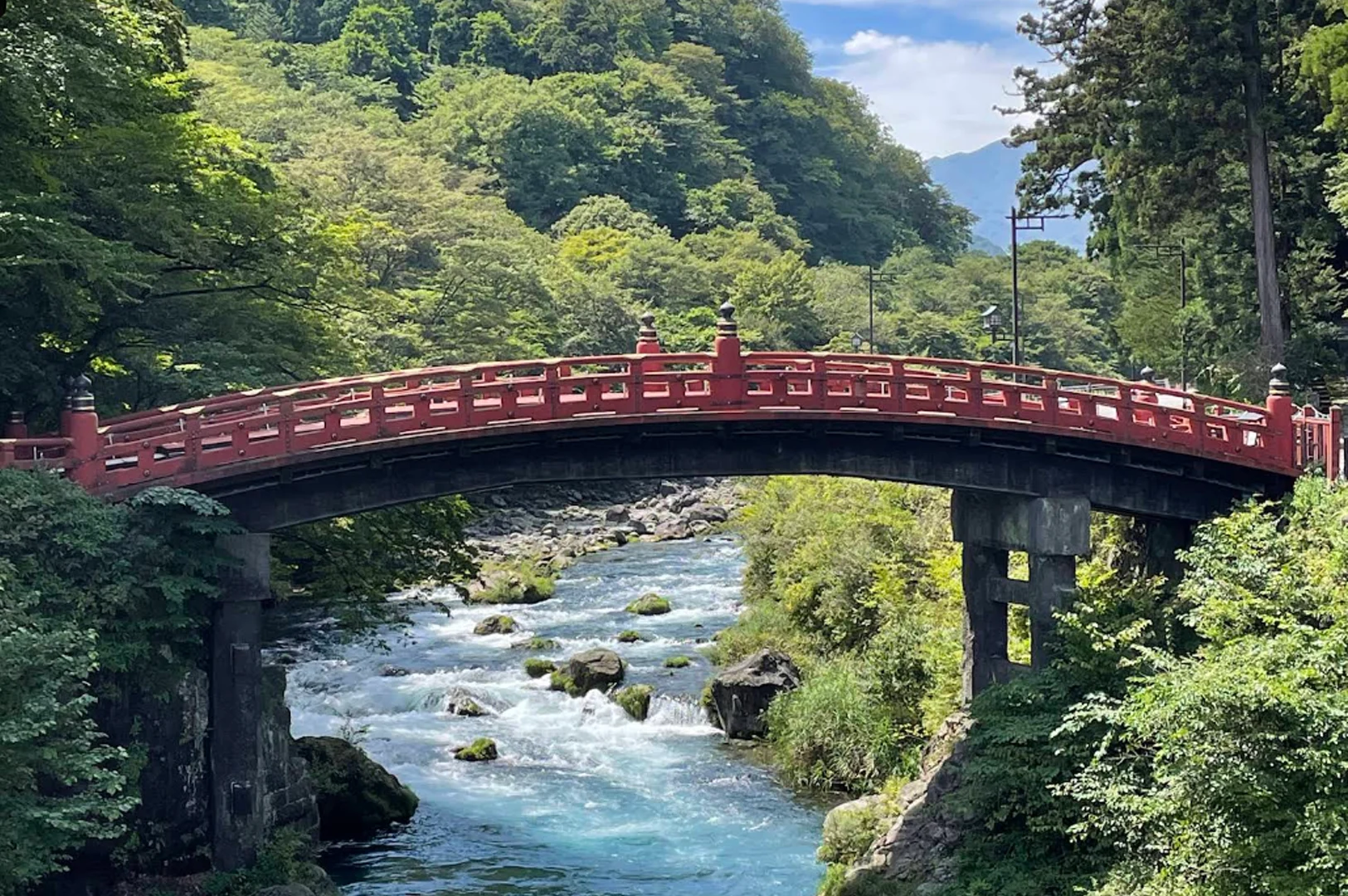
At the northernmost tip of Honshu, where Japan’s main island surrenders to cooler air and quieter rhythms, Aomori Prefecture unfolds like a gentle revelation. Here, in the uppermost corner of the Tohoku region, the sea and mountains breathe life into every morning ritual and evening reflection. Arriving at Aomori Station or Aomori Airport, you sense a place that understands patience. The name Aomori (青森 県 aomori), meaning “green forest,” was chosen centuries ago by the Hirosaki clan of the Tsugaru region, reflecting the lush woodlands that cradled their harbor settlement.
The waters here tell three stories: to the east, the Pacific Ocean; to the west, the Sea of Japan; and to the north, the Tsugaru Strait, a narrow passage between Honshu and Hokkaido. Whether in the city center or at a windswept northernmost point, Aomori invites you to discover a harmony of tradition and the present moment.
Getting There: The Shift North to Aomori City and Aomori Airport
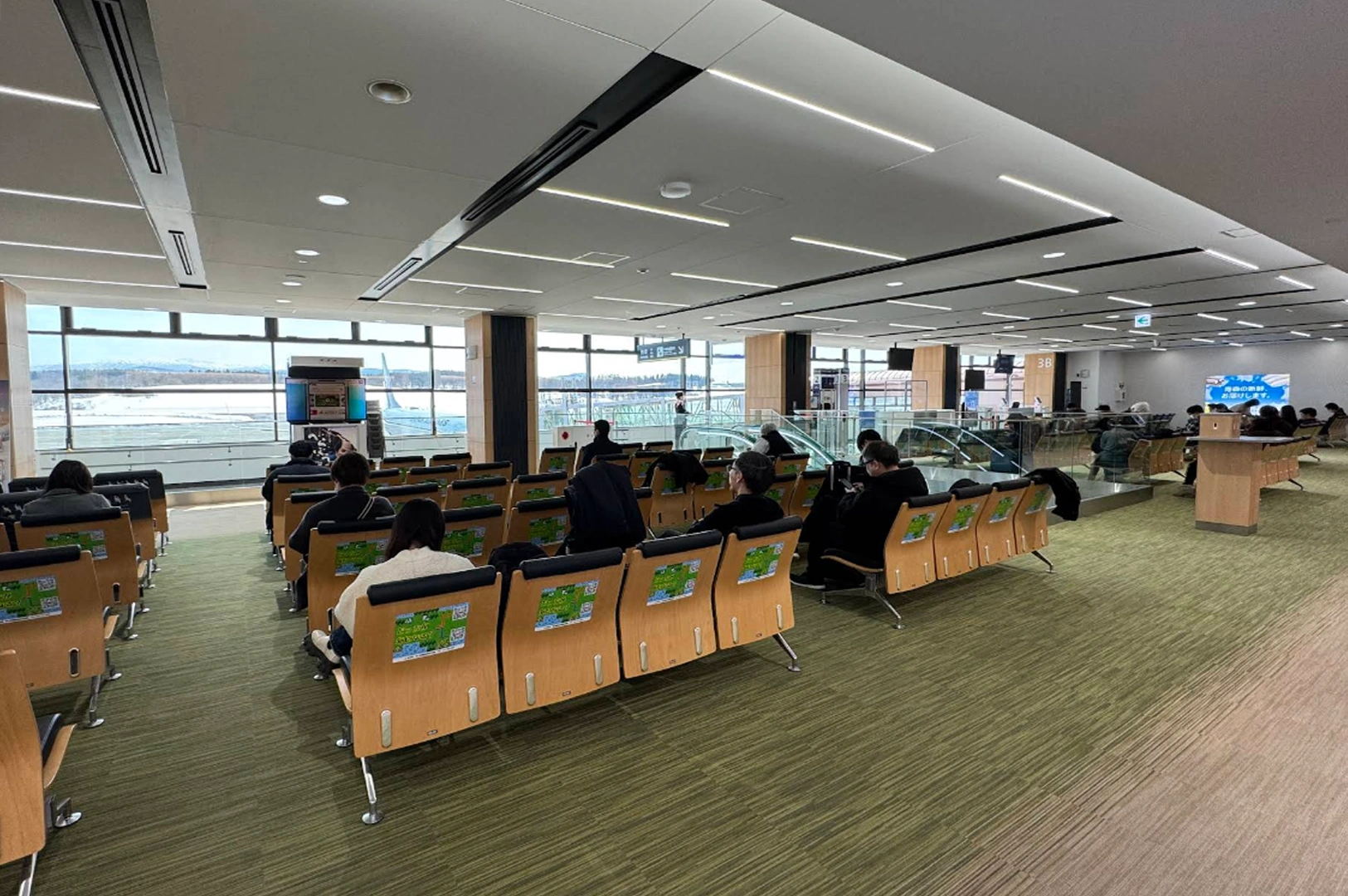
Reaching Aomori City, the prefectural capital, helps reset your internal clock from the frenetic energy of bigger cities.
By Shinkansen to Shin Aomori and Aomori Station
The JR Tohoku Shinkansen connects Tokyo Station to Shin-Aomori Station in about 3.5 hours. From Shin Aomori, transfer to a local train to reach Aomori Station in the city center.
By Ferry Across the Tsugaru Strait
The Seikan Ferry crosses the Tsugaru Strait from Hokkaido in about 4 hours, offering a slow, reflective approach to the northernmost prefecture.
Getting Around by Highway Buses and Car
A car is recommended for Days 4–6 to explore remote areas like the Tsugaru Peninsula and Shimokita Peninsula. Days 1–3 and 7 are manageable by train and foot. JR buses and highway buses connect major cities but have limited schedules in rural areas.
By Air: International Flights to Aomori Airport
Aomori Airport offers domestic flights and some international flights to Taiwan and South Korea.
When to Visit: Finding Your Season for Cherry Blossom Festival and Snow Monsters
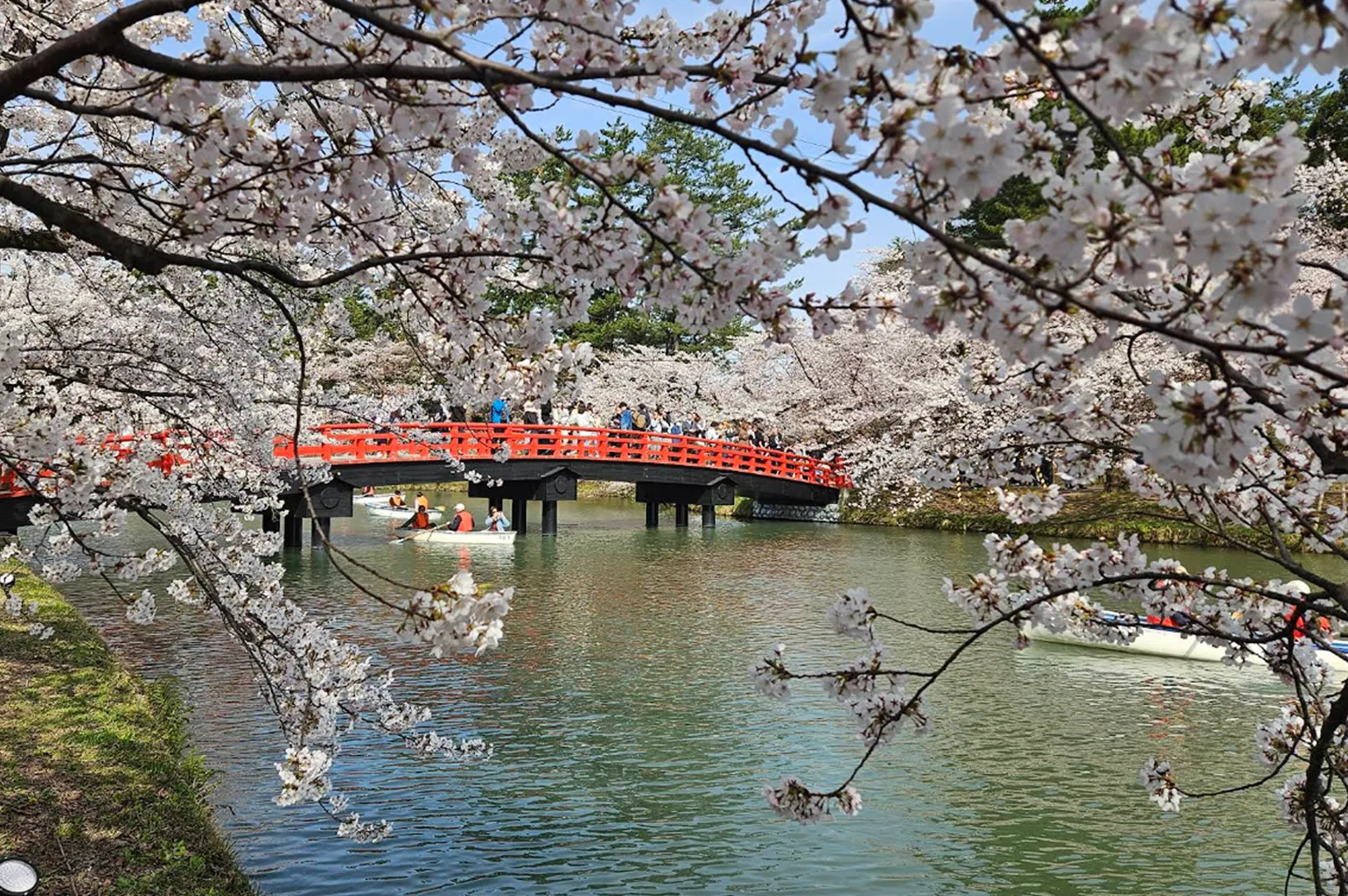
Late April (Springtime) Cherry Blossom Festival at Hirosaki Castle
Cherry blossom season in Hirosaki City is spectacular, especially during the cherry blossom festival at Hirosaki Castle, the only remaining Edo period castle in Tohoku.
January–February (Winter) Snow Monsters of Hakkoda Mountains
Experience the surreal “snow monsters” of the Hakkoda Mountains on the eastern side of the prefecture. Be prepared for possible train delays.
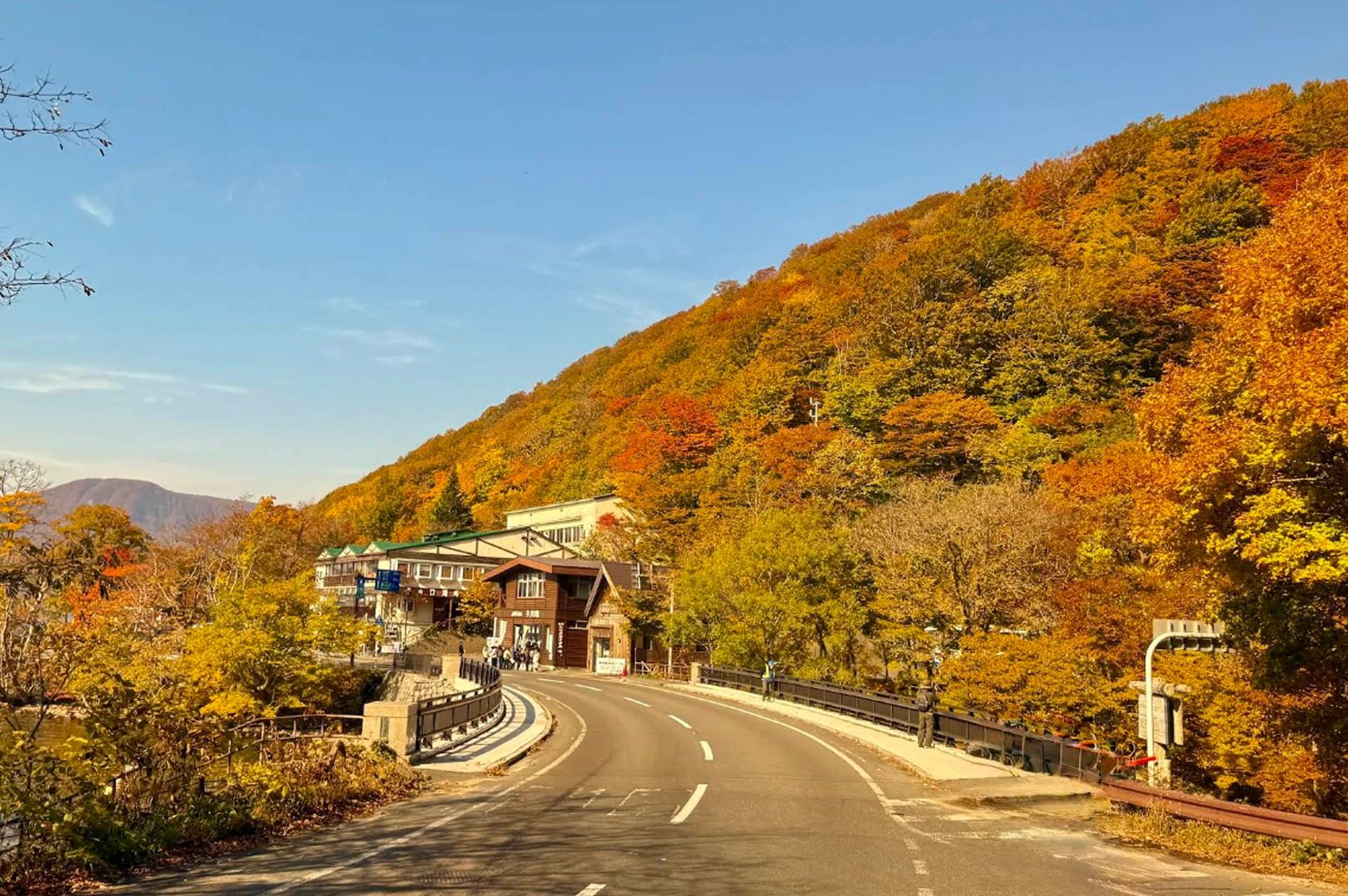
October (Autumn) Colors at Oirase Gorge and Lake Towada
The Oirase Gorge and Lake Towada, both part of national parks and recognized as world heritage sites, are stunning with autumn colors but can be crowded.
Early August: Nebuta Matsuri, One of the Famous Festivals of Aomori
The Nebuta Matsuri fills Aomori City with energy and vibrant floats every early August, showcasing the culture of the Tsugaru clan and the Tsugaru area.
What to Expect: Rugged Authenticity in Aomori Ken
Aomori-ken is authentic and less polished than major cities. English signage is limited outside urban areas. Translation apps and gestures often lead to warmer, more human interactions. The pace is dictated by nature and the seasons—embrace the slower rhythm.
Highlights & Must-Sees: Attractions in Aomori Prefecture Japan
Aomori Prefecture sits at the northernmost tip of Honshu, bordered by the Pacific Ocean to the east, the Sea of Japan to the west, and Hokkaido across the Tsugaru Strait to the north.
The prefecture is home to national parks like Towada-Hachimantai and Sanriku Fukkō, and the Shirakami-Sanchi mountain range, a UNESCO World Heritage Site with the largest surviving virgin beech forests in East Asia. The northernmost point of Honshu is at Ōma on the Shimokita Peninsula.
Day 1: Aomori City Arrival & Mutsu Bay
Nebuta Museum WA RASSE: Near Aomori Station, it houses the massive illuminated floats from the summer Nebuta Festival. Visit late afternoon for a quieter experience.
A-FACTORY: A market for apple-themed goods and local cider, highlighting apples from the Tsugaru plain.
ASPAM Observation Deck: Offers panoramic views of Mutsu Bay, perfect at sunset.
Day 2: Ancient Roots & Modern Art in Aomori Ken
Sannai-Maruyama Archaeological Site: An early-middle Jōmon period settlement with reconstructed longhouses. The site is a Special National Historical Site and part of UNESCO-nominated Jōmon Prehistoric Sites.
Aomori Museum of Art: Features the famous “Aomori Dog” sculpture by Yoshitomo Nara.
Day 3: Hirosaki Castle & Tsugaru Region Culture
Hirosaki Castle & Park: Authentic Edo period castle surrounded by over 2,600 cherry trees, a prime sakura viewing spot. The castle was the seat of the Tsugaru clan, who played a key role in the region’s history.
Hirosaki Neputa Village: Experience the unique Neputa Matsuri floats and local Tsugaru-jamisen music.
Day 4: The Mountains — Hakkoda and Sukayu Onsen
Hakkoda Ropeway: Offers views of “snow monsters” in winter.
Sukayu Onsen: Famous for its historic “Thousand Person Bath.” Rustic and authentic, it’s a unique onsen experience.
Day 5: Deep Nature at Oirase Gorge and Lake Towada
Oirase Gorge: Walk along the scenic stream trail, especially the mossy rocks and waterfalls. Recommended to take the bus to Ishigedo and walk a 2.8km section to Kumoi no Taki waterfall.
Stay near Lake Towada: Enjoy the calm of this caldera lake, a world heritage landmark.
Day 6: The Remote Shimokita Peninsula and Northernmost Point
Osorezan (Mount Osore): A sacred volcanic landscape with sulfur vents and a temple dedicated to the deceased.
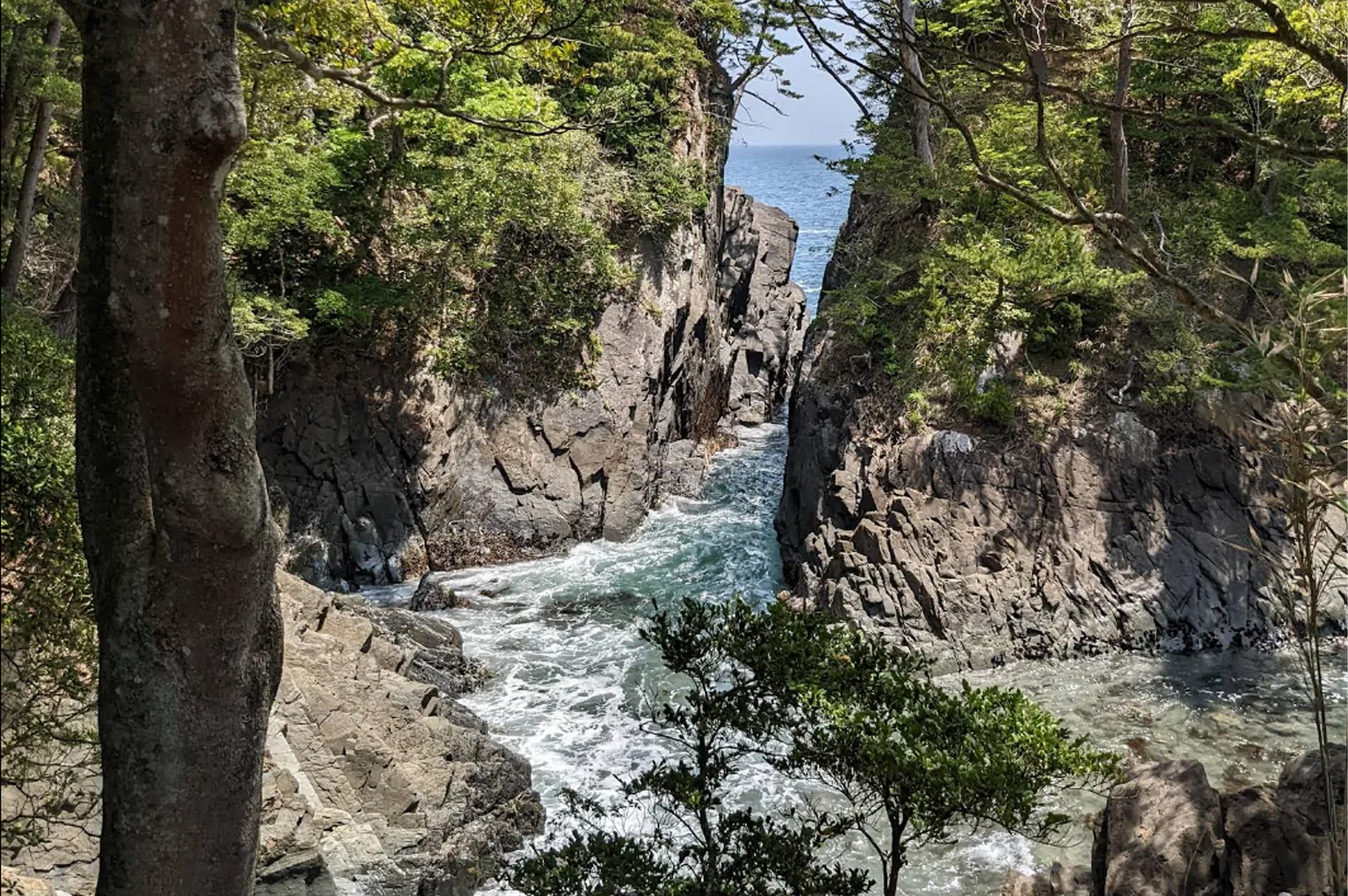
Hotokegaura Cliffs: Dramatic coastal rock formations.
Day 7: Coastal Calm & Departure from Aomori City
Asamushi Onsen: A beachside area with foot baths and local fishermen.
Final stop: Return to Aomori City for last-minute shopping, like apple pies at A-FACTORY.
Gastronomy and Beverages in Aomori Prefecture Japan
Aomori’s food culture is deeply connected to its land and sea. The Tsugaru Plain produces Japan’s largest share of apples, known for their crisp sweetness. Seafood like sea urchin and scallops reflect the cold waters and seasonal rhythms. Local specialties include ichigo-ni, a sea urchin roe and abalone soup, and hittsumi, a hearty chicken and vegetable stew.
Black garlic production is significant here, adding rich umami flavors to dishes. The Nebuta Matsuri in early August is a time when food culture shines alongside music and dance.
Accommodation in Aomori Prefecture Japan
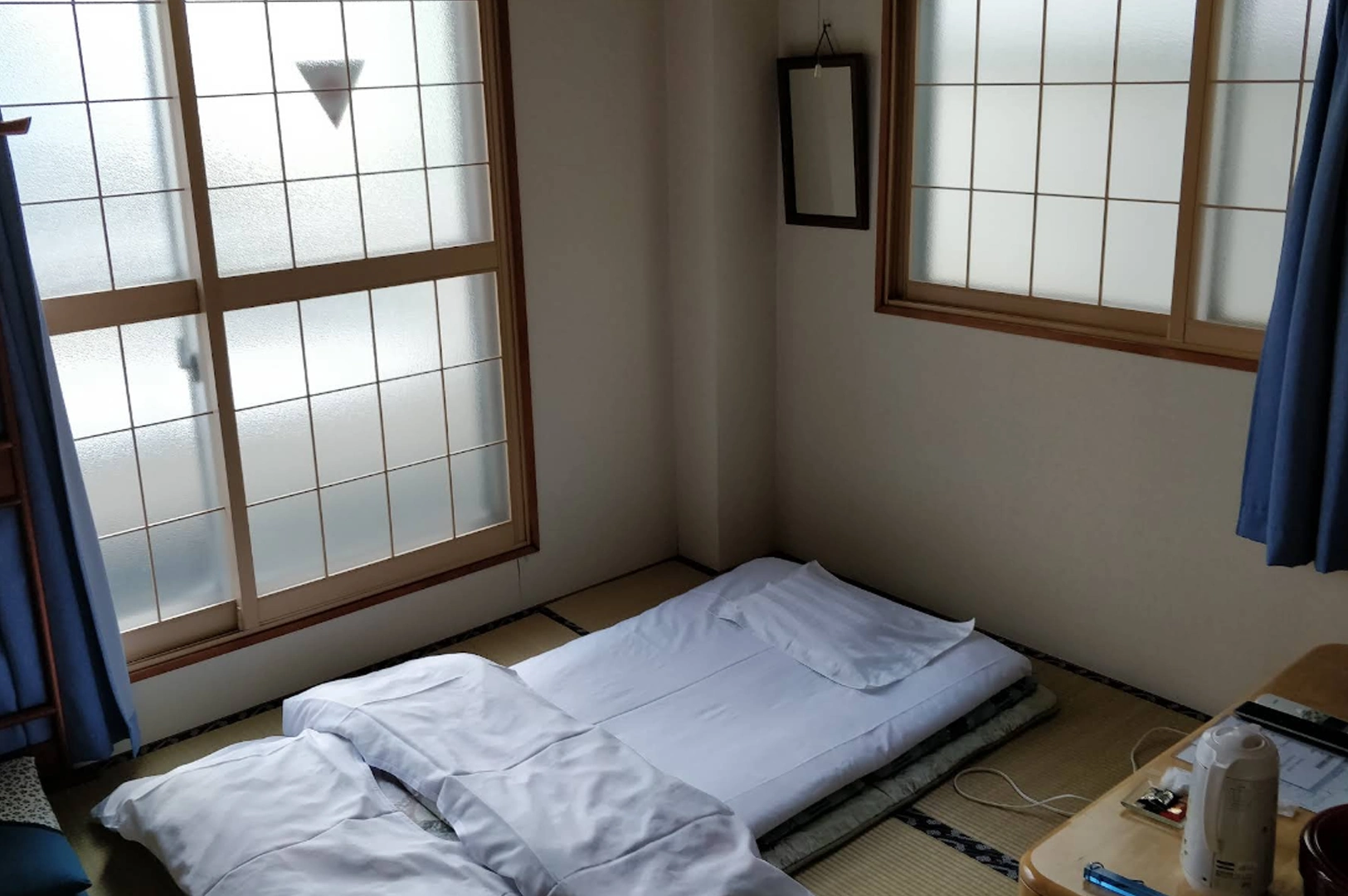
Aomori offers a diverse range of accommodations to suit every traveler’s preference and budget. In Aomori City, you’ll find cozy family-run guesthouses that provide a warm, local atmosphere. For a more traditional experience, countryside ryokans offer serene settings, often featuring hot springs and authentic Japanese meals.
Seasonal highlights influence lodging choices: springtime invites visitors to stay near Hirosaki Castle to enjoy the vibrant cherry blossom festival, while winter travelers often prefer accommodations close to the Hakkoda Mountains to easily access snowy landscapes and warm up after outdoor adventures.
Practical Information for Travelers to Aomori Ken
Costs
Budget hotels typically range from ¥6,000 to ¥10,000 per night. Ryokans with meals included usually cost between ¥15,000 and ¥25,000 per night. Expect to spend around ¥3,000 daily on food.
Transportation
The JR East Pass (Tohoku Area) is highly recommended for convenient and cost-effective train travel, especially when arriving from Tokyo.
What to Wear
Winters in Aomori Prefecture are cold and snowy—pack heavy coats, waterproof boots, gloves, and hats. Summers are cooler than Tokyo but can still be humid, so light, breathable clothing is advised. Comfortable slip-on shoes are ideal for visiting temples and walking tours.
In a Nutshell: Aomori Prefecture Japan Awaits
Aomori Prefecture, Japan does not shout for your attention. It waits for you to notice it. This 7-day itinerary encourages slowing down to appreciate the subtle shifts in light, the unique flavors of local apples, and the quiet moments between destinations.
Take your time. The mountain will wait. The train will come. The memories you make here will be rooted in the quiet moments between the destinations. For more thoughtful travel guides and tips, visit Slow Travels.