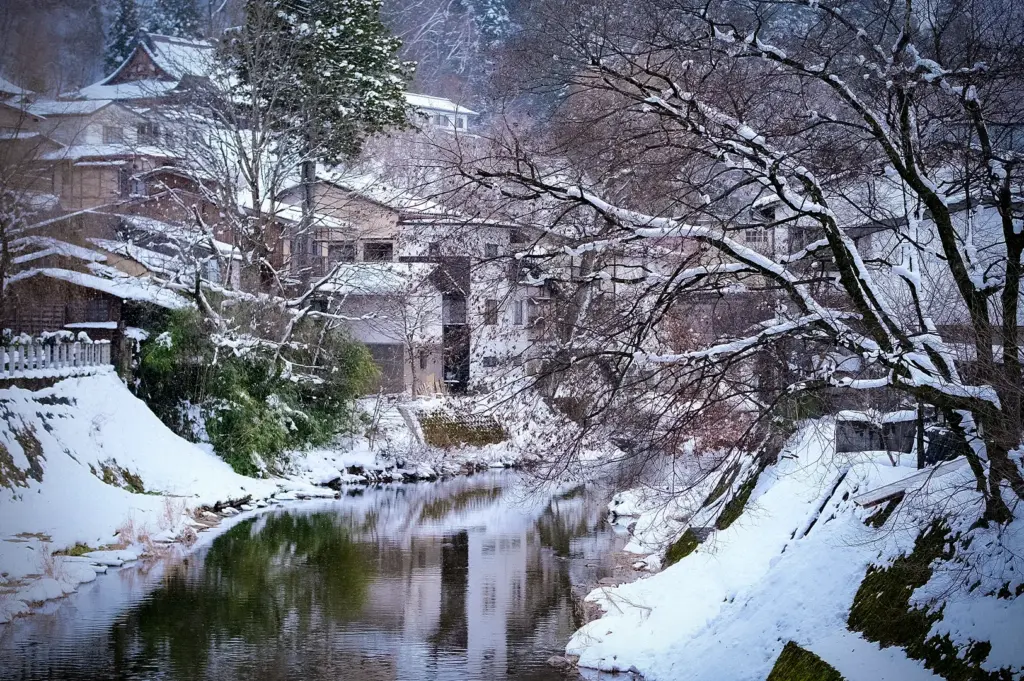
The first time I went to Takayama, I gave it an afternoon. I was on my way from Shirakawa-go to Kanazawa, and the town felt like a comma in someone else’s sentence. I walked the old streets, bought a skewer of Hida beef, took a few photos, and left before the light turned gold.
I thought I had seen it. I hadn’t.
On my third visit I discovered the truth that most travelers wishing to visit Takayama miss: Takayama doesn’t open up for people in a hurry. It rewards patience. The longer you stay, the more layers of history, rich culture, and everyday life quietly reveal themselves — in the steam rising off a Miyagawa Morning Market stall, in the smell of fermenting rice drifting from sake breweries, in the way the wooden façades soften at dusk once the highway buses have gone.
This is my case for staying five nights in the beautifully preserved old town of Takayama. Give Takayama Japan that kind of time, and it stops being a stopover and starts feeling like somewhere you briefly belonged.
Getting There: The Slow Train Into the Mountainous Hida Region of Central Japan
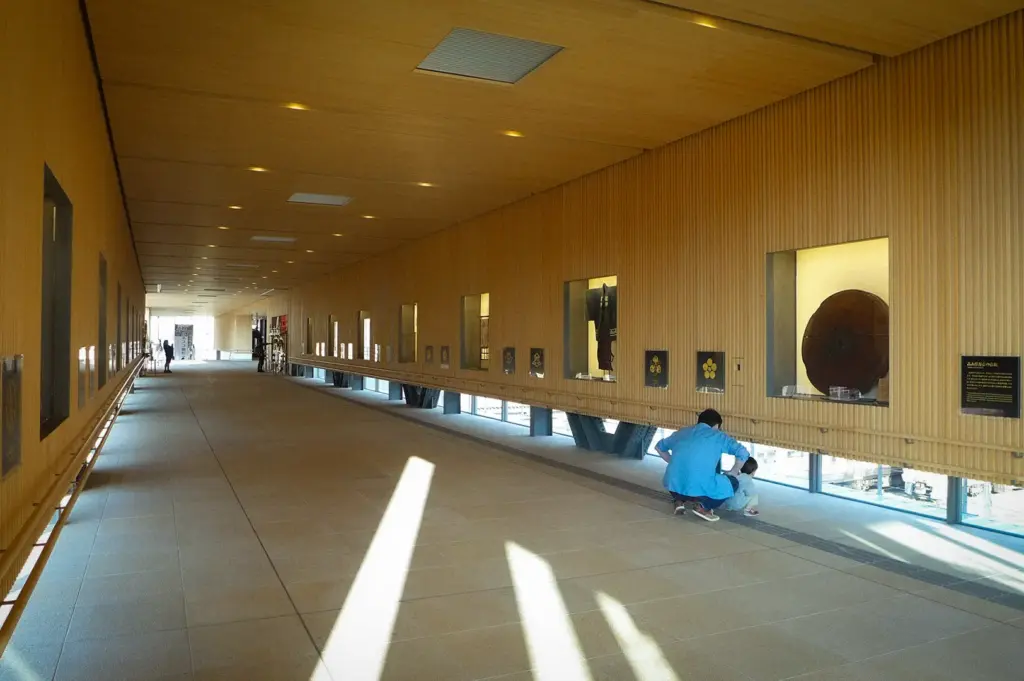
Let me clear up one thing first. There is no subway or MRT in Takayama city. You arrive the old-fashioned way, by train or bus, climbing slowly into the Hida region of the Japanese Alps.
The most common route is the Limited Express Hida from Nagoya to JR Takayama Station. The ride takes around two and a half hours, winding along rivers and through forested gorges of the northern alps. It’s one of the prettier train journeys in central Japan, so take a window seat and let the scenery slow you down before you even arrive.
From Takayama Station, most of the Takayama area attractions are a gentle 10 to 15 minute walk. The old town, your traditional Japanese inn, the markets — all conveniently located and reachable on foot. Highway buses also run from Nagoya, Tokyo, and Kanazawa, often cheaper than the train, though slower and more affected by traffic.
Alex’s Notes: If you’re stitching Takayama into a longer Japan trip, sort out your city stays first. For the Tokyo leg, https://slowtravels.com.sg/best-tokyo-hotels-10-day-stay/ is where I’d start. Lock in the cities, then let the mountains be the slow middle.
When to Visit Takayama: Let the Season and the Hour Decide
Spring and autumn are the kindest seasons for walking here. Spring brings cherry blossoms and cool, clear air. Autumn turns the surrounding hills amber and gold, with lush greenery still evident in pockets. Both line up with the famous Takayama Festival, considered one of Japan’s top vibrant festivals and a captivating glimpse into traditional Japan. The ornate floats and karakuri performances fill the historic streets with energy and historic character. The spring event is the Sanno Festival, held on April 14th and 15th. The autumn event is the Hachiman Festival, held on October 9th and 10th.
But the season matters less than the hour. Visit the Takayama old town early morning, between 7 and 9am, before the tour groups arrive. The streets belong to residents then, sweeping their thresholds and opening their shutters. By midday, the same lanes fill with crowds.
I’ll be honest about my preference: I love Takayama at dawn and again after dusk. The middle of the day is for retreating to a café or wandering the riverbanks near Kappa Bridge. The edges of the day are when the town feels like itself.
What to Expect in Takayama City: A Compact Town That Whispers History and Tradition
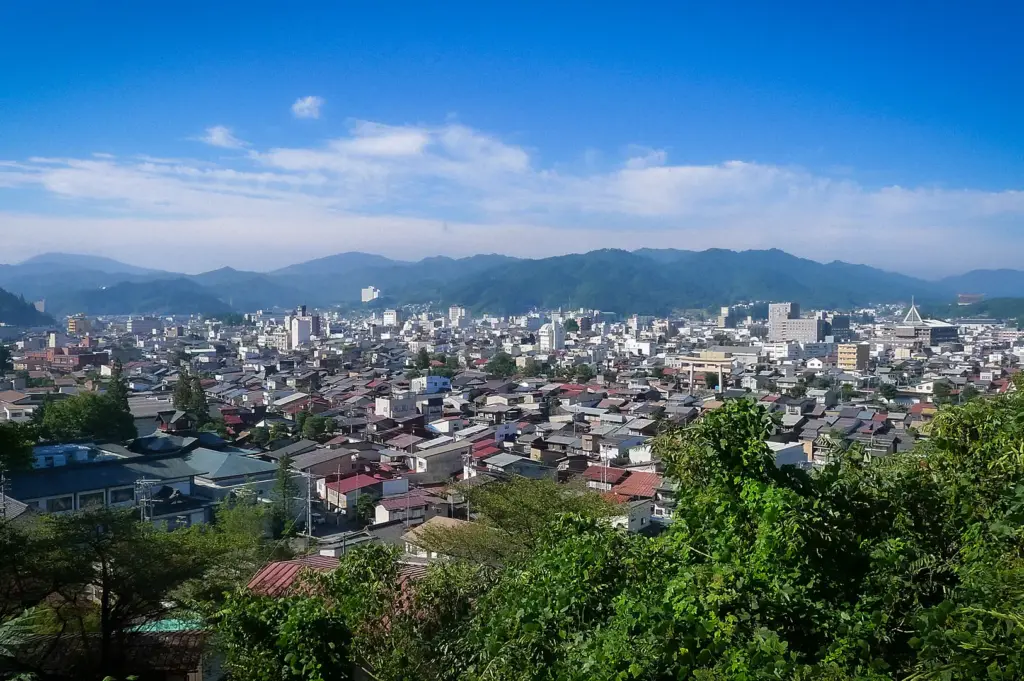
Takayama is small. If you’re coming from Tokyo or Osaka, the quiet can surprise you. Some visitors expect grand attractions and feel let down. But that smallness is the whole point.
The beautifully preserved Takayama old town sits at the heart of Takayama city — wooden merchant houses, sake breweries marked by their hanging cedar balls, craft shops, and cafés, with Edo period traditional architecture that preserves a record of samurai-era town life under the Tokugawa Shogunate and a feeling of a bygone era. It is also a hub for traditional craftsmanship by master craftsmen, including woodworking and lacquerware. Morning markets line the river, showcasing local produce and mountain vegetables. Beyond the center, the Hida region opens into mountains, farmhouses, and thatched-roof villages shaped by traditional buildings.
This is a place built for slowness, not for ticking boxes. Walk it like you live there, and it gives you far more than a day trip ever could.
Five Days in Takayama and the Hida Region: A Slow Itinerary for Alpine Adventure
Here’s how I’d spend five unhurried days exploring Takayama, Gifu Prefecture, and the surrounding rural Japan.
Day 1: Arrive and Wander Sanmachi-suji in Takayama Old Town
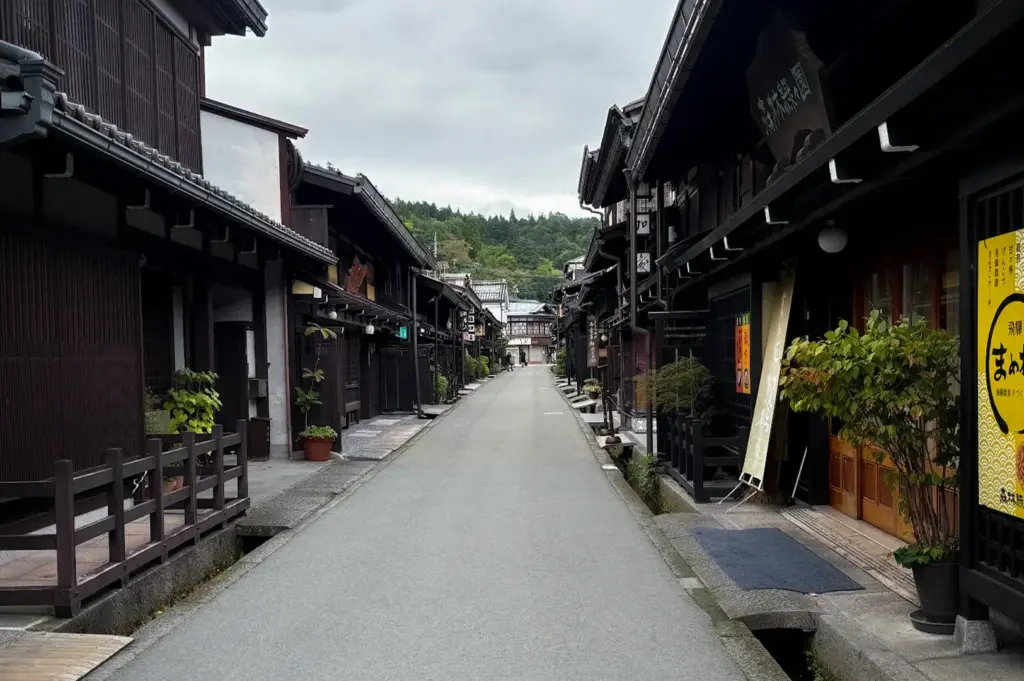
Settle into your traditional Japanese inn, then take a slow first walk through Hida Takayama’s Sanmachi-suji, the historic heart of the Takayama area. Often called “Little Kyoto” for its charming, beautifully preserved buildings and historic streets, Sanmachi-suji offers a picturesque glimpse into traditional Japan. Some sake breweries here offer free tastings. You can also sample local cuisine such as Takayama ramen and wagyu sushi in the district. In the evening, walk the same lanes again once the crowds thin. The quiet transformation is your first lesson in why this town offers an unforgettable journey through its old streets.
Day 2: Miyagawa Morning Market, Takayama Jinya, and Kappa Bridge
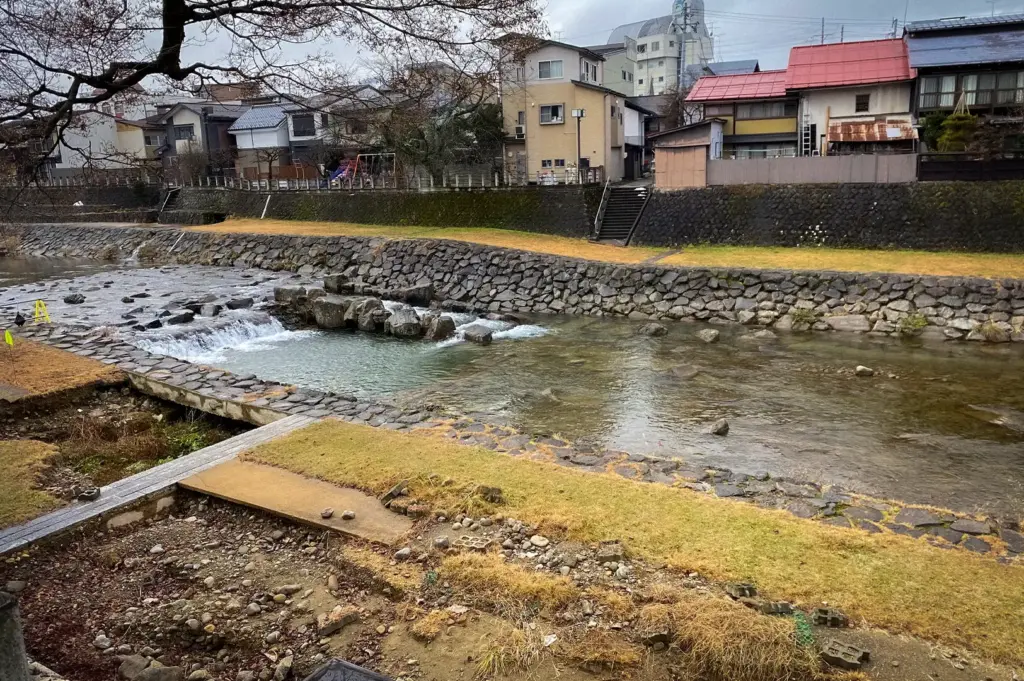
Wake early for the Miyagawa Morning Market along the river. Arrive near 7am, when the local produce is freshest and the stalls aren’t yet busy. Talk to the vendors. Try the pickles, the sweets, the warm cups of amazake, and seasonal items such as mountain vegetables.
Afterward, visit Takayama Jinya, the former local government office under direct control of the Tokugawa Shogunate, for a grounded look at Edo period governance and daily life. Then cross the red-railed Nakabashi Bridge over the Miyagawa River — lovely in any light, especially morning.
Day 3: Hida Folk Village (Hida no Sato) – The Folk Village Experience
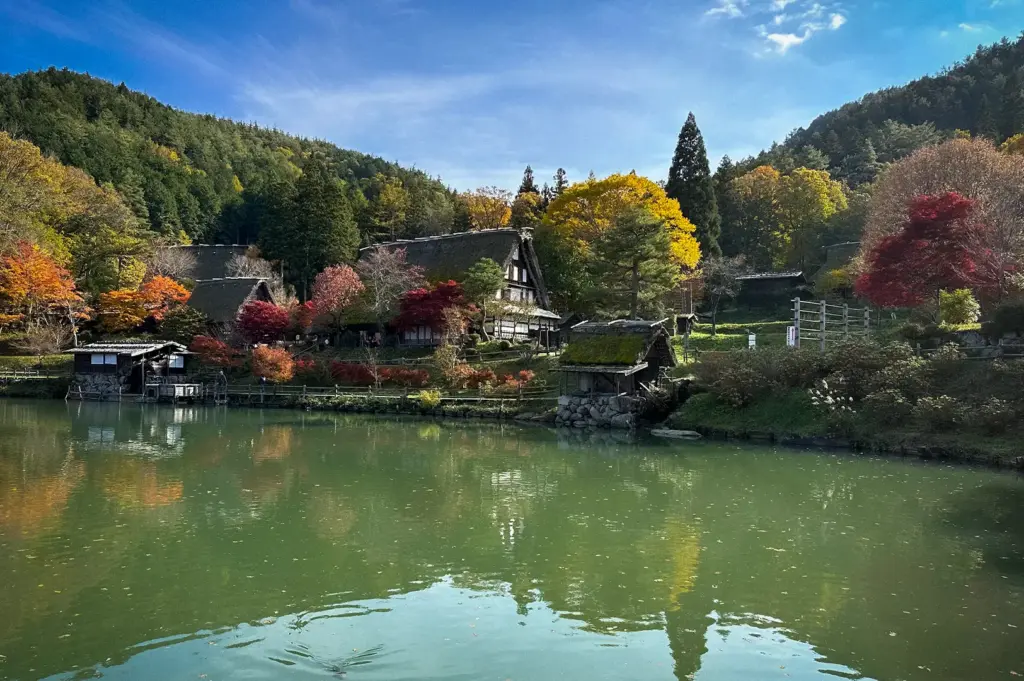
Local buses run every 30 minutes from JR Takayama Station to Hida Folk Village, or Hida no Sato.
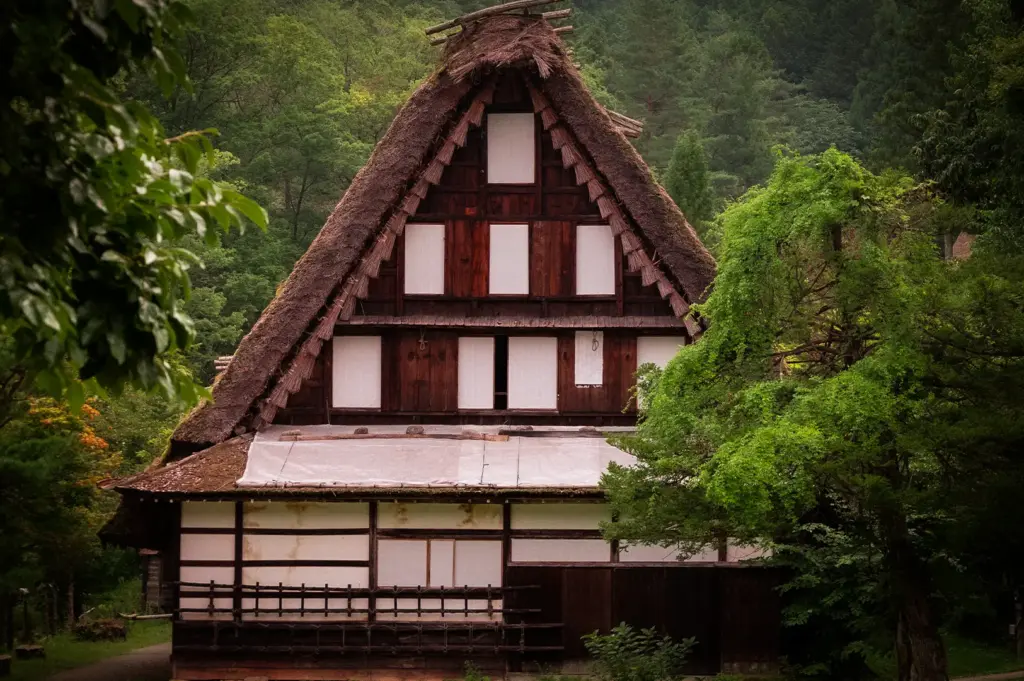
Give a full day to Hida Folk Village, the open-air museum in the Hida area with over 30 traditional buildings relocated from across the mountainous Hida region. These historic buildings were relocated in 1971 for preservation. Walk slowly between the houses. Step inside, sit on the worn floors, watch the light fall through the steep gassho-zukuri village’s thatched roofs. It’s a quiet, moving glimpse into how mountain families once lived, with carefully preserved traditional architecture and distinctive thatched roofs.
You can also participate in craft workshops here, learning skills of master craftsmen. This folk village is a fantastic destination for travelers wishing to experience rural Japan’s natural beauty and rich history.
Day 4: Shirakawa-go World Heritage Site or Peaceful Escape to Hida Furukawa and Gero Onsen
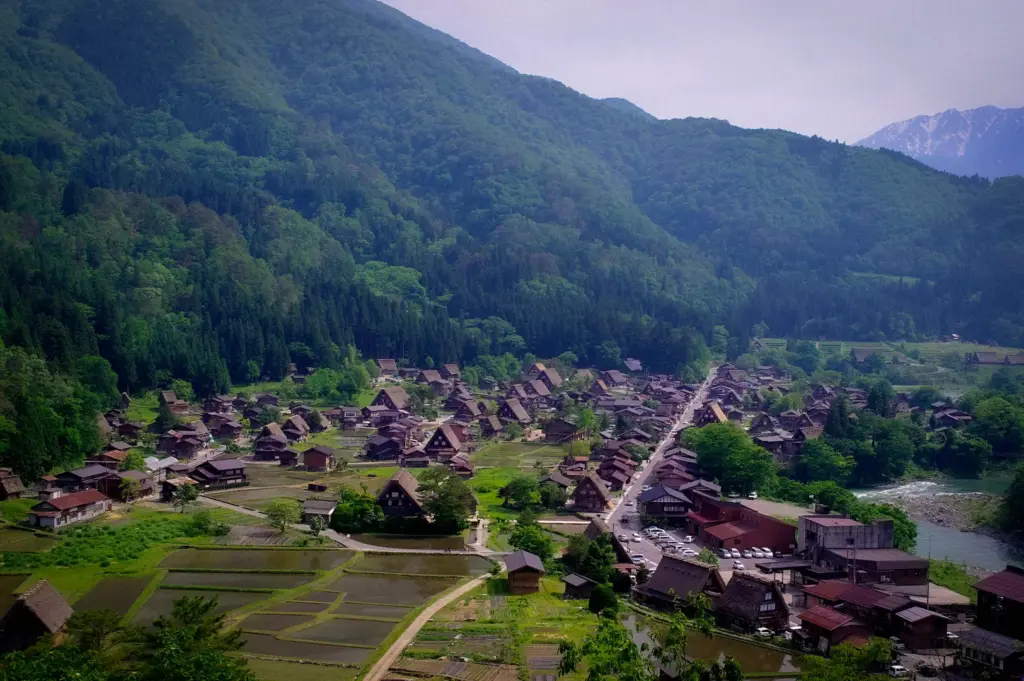
Take a day trip to Shirakawa-go, a nearby UNESCO World Heritage site about an hour away by bus from Takayama. The gassho village’s thatched houses against the mountains are unforgettable, and the village is a world heritage site, though it draws crowds. Go early, and walk to the edges where it grows quiet. For a hot spring alternative, Gero Onsen is about one hour south of Takayama by bus, offering a serene escape with renowned hot springs.
If you’d rather stay slow, swap it for Hida Furukawa, a peaceful escape with canals full of carp and far fewer visitors. Nearby Gujo Hachiman, known as the ‘Water City,’ offers crystal-clear canals and vibrant festivals.
Alex’s Notes: If days like this resonate with you, I’d point you toward this guide on gentle Japan itineraries that leave space to return. Slow routes through quieter regions are where Takayama-style travel truly belongs.
Day 5: Revisit, Then Leave Slowly
Spend your last morning returning to whichever corner stayed with you. Mine is the north end of Sanmachi-suji. Have a long, slow café morning, watch the town wake one last time, then make your way back to JR Takayama Station unhurried.
Stay Longer in Takayama and the Hida Area, and the Town Opens Up
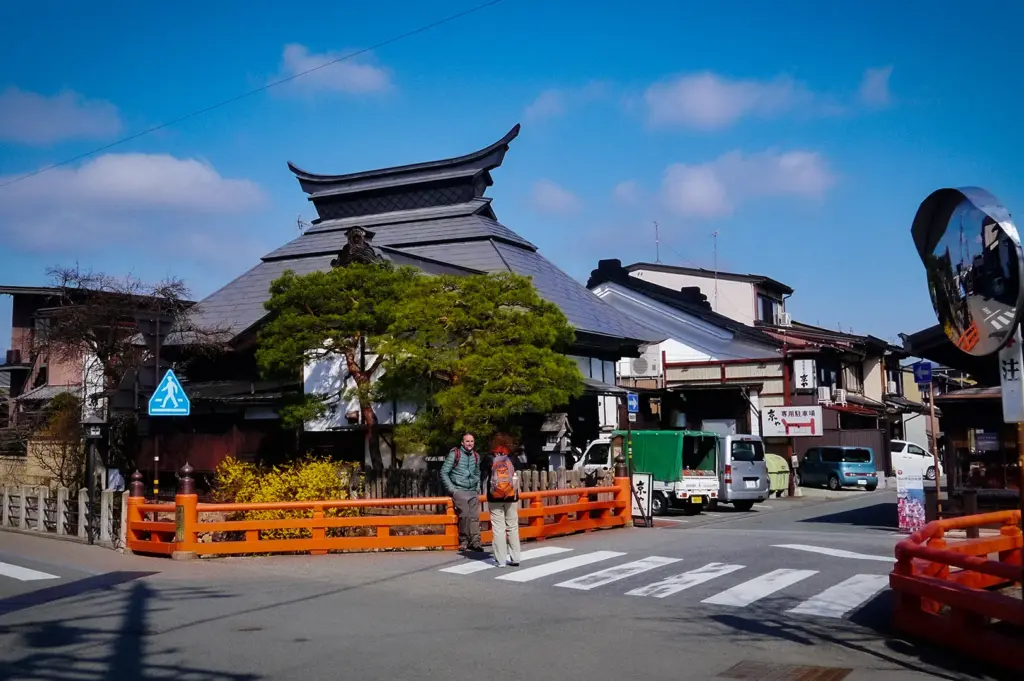
Takayama is not at its best as a comma in someone else’s journey. It is a fantastic destination in its own right and a convenient base for the surrounding region. It rewards the travelers who stay — who walk the same lane at dawn and again at dusk, who sit on a farmhouse floor and let the quiet settle in.
Give it five nights. Use the town as a base rather than a checkpoint, and let it reveal itself slowly: the markets, the sake breweries, the mountains beyond. If you want to explore the town’s rich history, the Takayama Castle Ruins offer serene beauty and date to 1588, when Kanamori Nagachika built the castle. Broader outings can also include the Shinhotaka Ropeway, which rises to 2,156 meters for a serene escape into the Japan Alps. Book your inn, slow your pace, and let Takayama become a place you briefly knew how to live in.