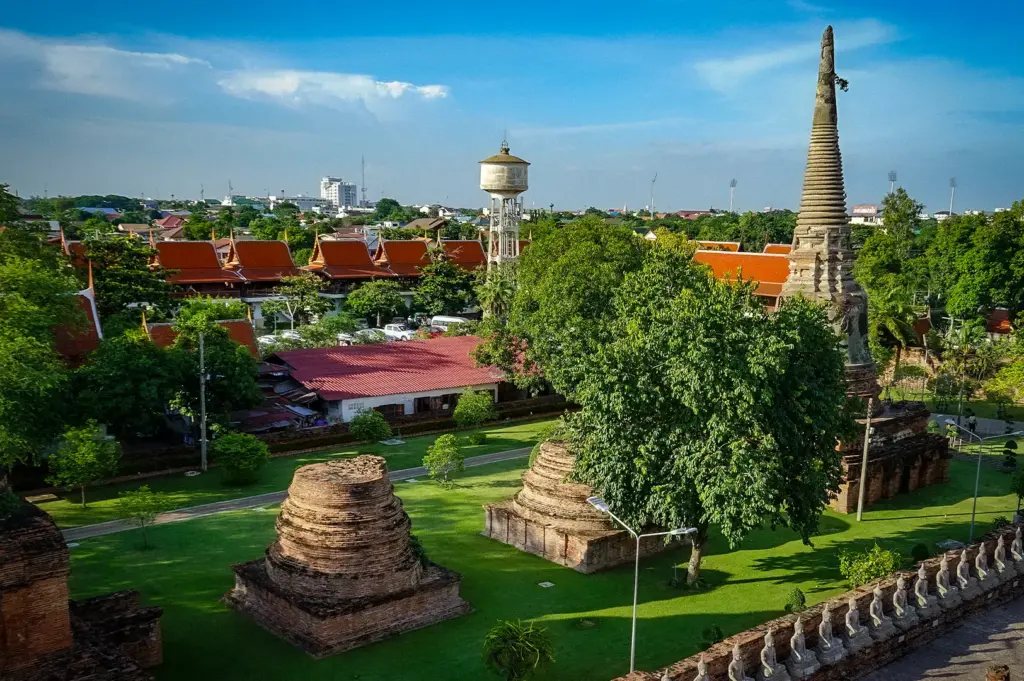
Ayutthaya, Thailand, is the former capital about 80 kilometers north of Bangkok, best known for its ancient capital, historic city ruins, and the Ayutthaya Historical Park — a UNESCO world heritage property famous for its Buddha statues and major temples. In August, the heat, rain, and dress code expectations shape nearly every part of a visit to this city of Ayutthaya.
The first time I went to Ayutthaya in August, I wore the wrong shirt.
It was sleeveless, cotton, soaked through by nine in the morning. A guard at Wat Mahathat gestured quietly at my shoulders, and I stood there, embarrassed, digging through my bag for something to cover up with. I had nothing. I bought an elephant-pant shirt from a stall outside and wore it, damp and creased, for the rest of the day.
That small mistake taught me more than any guidebook. Ayutthaya in August asks something of you — patience with the heat, respect at its temples, and a willingness to move slowly. If you’re planning a day trip and want practical help getting there, choosing the right temple hours, dressing for the weather, picking the highlights, and working out costs without turning the day into a slog, this is the part that matters. Get those three things right, and the old ancient capital opens up in a way the day-trippers from Bangkok never see.
I’ve been back three times since. Each visit, I pack lighter and plan gentler. Here’s what I’ve learned.
Ayutthaya Dress Code: What to Wear Respectfully at Famous Temples
This is where preparation earns its keep, especially at any Ayutthaya temples with an active chapel.
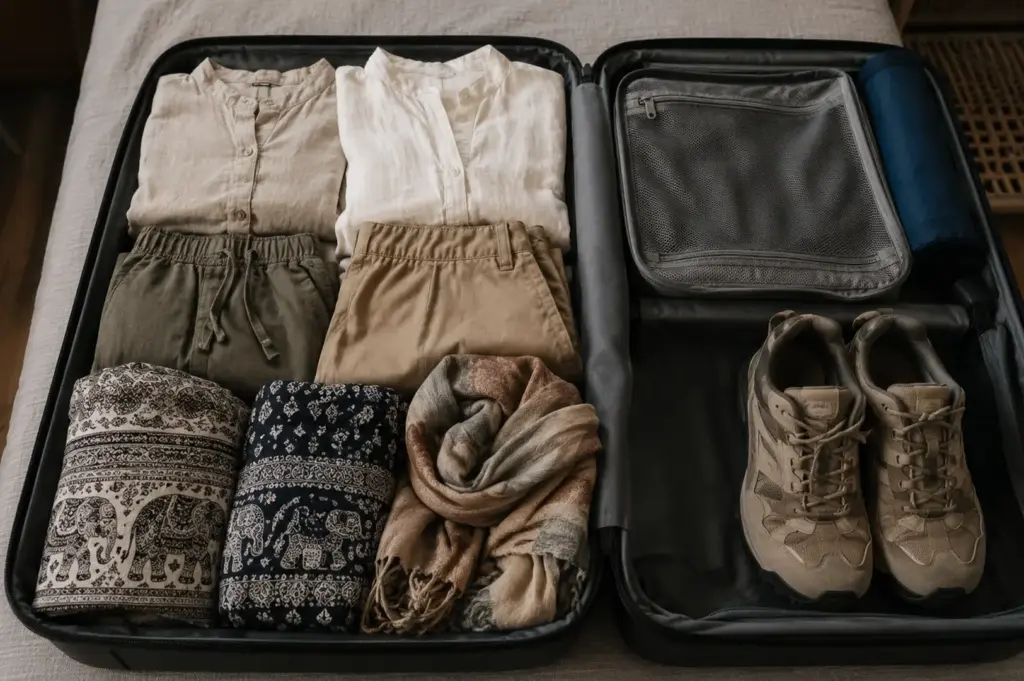
The rule is simple: there’s no strict overall dress code in town, but temples still expect respectful coverage of shoulders and knees. Sleeveless tops, short shorts, anything revealing — you’ll be turned away, as I was that first sweaty morning.
What I pack now:
Lightweight linen or cotton tops with sleeves. Breathable, modest, and forgiving in the humidity.
Long pants, capris below the knee, or the soft elephant pants sold everywhere. Cool and respectful at once.
Quick-dry fabrics. After an afternoon shower, you’re comfortable again within the hour instead of sitting in damp cotton all day.
A light sarong or scarf. My most useful item. It covers shoulders in a second, doubles as sun protection, and folds to nothing in a bag.
Sturdy shoes with grip. The brick paths turn slick after rain. I’ve watched people slip in flip-flops near Wat Mahathat. Skip them for the longer temple circuits.
Round it out with a wide hat, sunscreen, sunglasses, and a refillable water bottle. The heat reflects off the old stone, and hydration is the difference between a good day and an early collapse.
Getting to Ayutthaya Historical Park in Thailand Ayutthaya
Take the train. I say this every time someone asks.
Ayutthaya sits about 80 kilometers north of Bangkok, one of the world’s largest cities, and there’s no MRT that reaches it — the city has no metro at all. The train from Bangkok costs under 100 THB each way, takes about 1 hour, and drops you at Ayutthaya train station, but you’re not on the old Ayutthaya island yet. Tuk-tuks are available for hire at the train station.
Walk down toward the Chao Phraya River and catch the small ferry across. It’s about 10 THB, a short crossing on a plain little boat. The first time I stood at the pier waiting for something grander, until a local waved me onto what looked like a fishing boat. That was it. That was the ferry.
Once across, rent a bicycle. Most guesthouses and shops offer them for 40 to 80 THB a day, and the island core is flat and compact, with several Ayutthaya temples within walking distance. On my third visit I discovered that a bicycle is the only honest way to see the Ayutthaya Historical Park slowly — you stop when a quiet ruin catches your eye, not when a driver decides.
If you’d rather skip the rail route, minivans also leave for Ayutthaya from Mo Chit Northern Bus Terminal near Hua Lamphong Station.
What to Expect in the Historic City of Ayutthaya
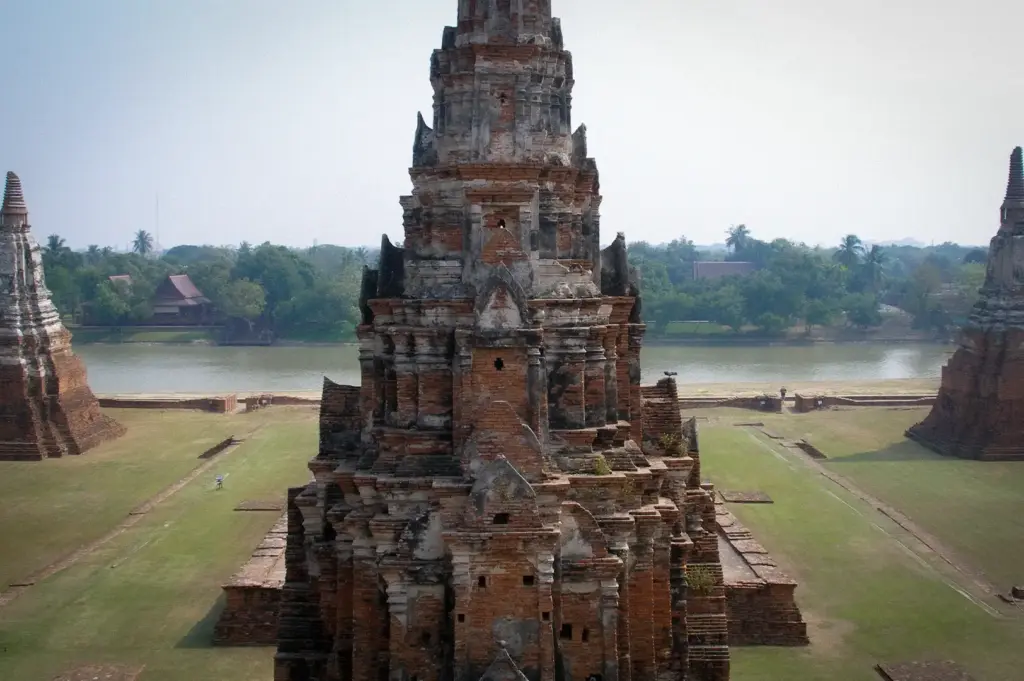
August falls in the rainy season, which runs from May to October, and the weather has a pattern worth learning.
Expect highs around 32°C and thick humidity that sits on your skin. Mornings usually stay clear. The clouds gather through the day, and the rain — when it comes — arrives in the afternoon as a short, heavy burst that clears the air and quiets the ruins.
In August, most tourists thin out, so this stretch usually brings lower prices as well. That rain isn’t the enemy. Some of my best moments have come right after a shower, when the brickwork darkens to a deep red and the paths empty out. On my second trip I sheltered under a temple eave with two other travelers, waiting out ten minutes of downpour, and we watched the whole complex fall silent and shining.
Most of all the temples in the Ayutthaya Historical Park are open-air. There’s little shade among the gigantic monasteries and reliquary towers. Plan for that, and August becomes generous rather than punishing.
Ayutthaya Temples and the Famous Buddha Head
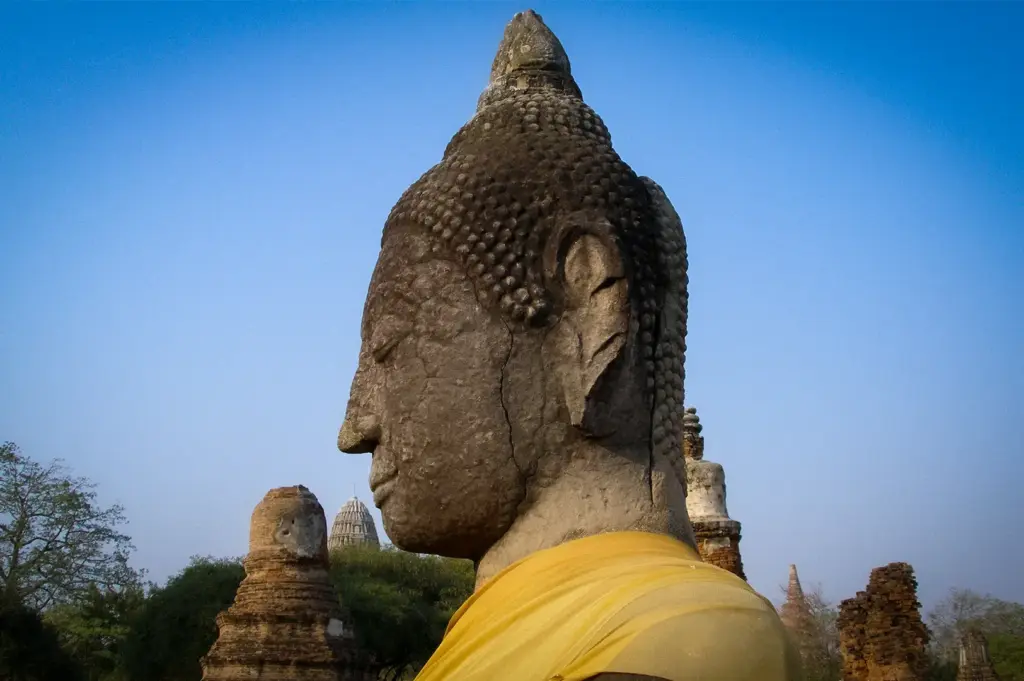
The Ayutthaya Historical Park is a UNESCO world heritage site recognized in 1991; this historic city spans 289 hectares with over 400 temples, many of which are considered the best temples to visit. Highlights include Wat Mahathat, famous for the Buddha head entwined in the roots of a banyan tree, built in 1374 and a key historical site; Wat Chaiwatthanaram, constructed in 1630 and often compared to Angkor Wat, with its stunning central prang reflected in the river at golden hour; and Wat Phra Si Sanphet (Wat Phra Si), once the holiest temple within the grand palace grounds, known for its three iconic grey chedis. Other notable sites include Wat Ratchaburana, renowned for its striking central prang and architectural detail, Wat Na Phra Men across the river offering a quieter atmosphere, and Wat Phra Ram, a peaceful temple near other major temples.
Beyond the core ruins, the Ayutthaya Historical Park features Wat Phu Khao Thong, a less-visited temple with a white chedi offering panoramic views of the surrounding rice fields and distant spires; Wat Lokayasutharam, famous for its 42-meter reclining Buddha statue; and Wat Yai Chai Mongkhon, known for its large central stupa and rows of seated Buddhas. These temples showcase the rich Ayutthaya history and blend of Khmer and early Thai architectural styles, making them essential stops for anyone exploring the historic city and its vast network of sacred sites.
My Personal Tips for Your Visit Ayutthaya Experience
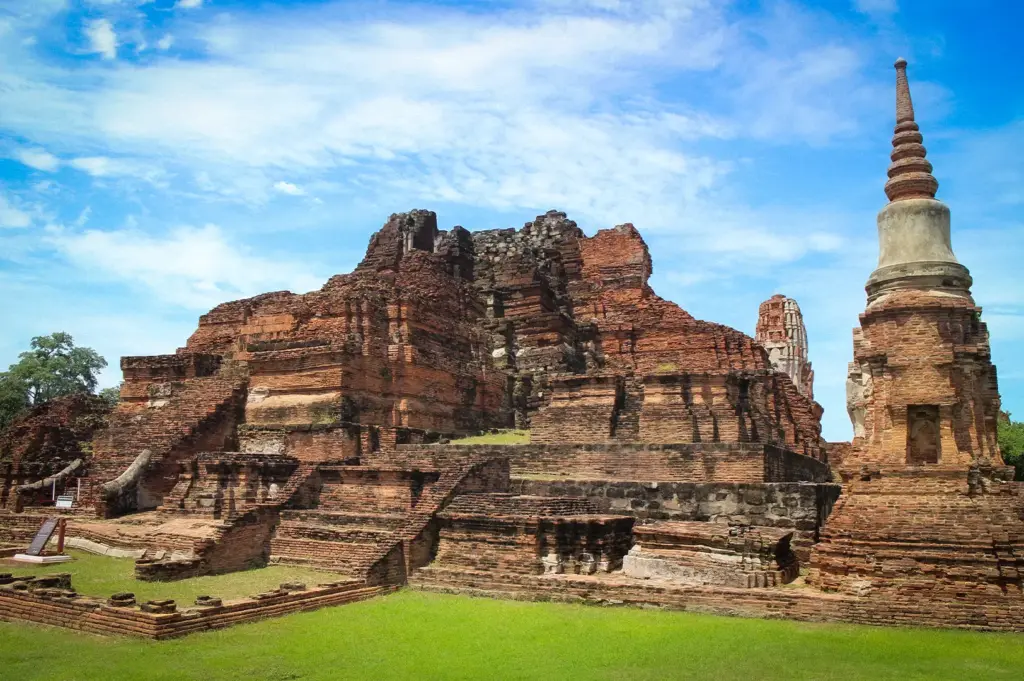
Buy the combo pass. If you plan on more than four temples, the combined ticket at roughly 220 to 300 THB beats paying 50 to 80 THB at each gate. For five slow days, it pays for itself easily.
Carry small cash. Toilets, the ferry, snacks — all need coins. Keep a pocket of 10 and 20 THB notes for the little things.
Cycle off the main route. The classic circuit is only part of the story. Turning down shaded lanes, I’ve found unnamed ruins with no one else around. Cycling through the quieter neighborhoods and past the riverside cafés shows you a version of the city most visitors never slow down enough to notice. Between temple stops, duck into one of the city’s museums for historical context and a clearer sense of its rich Ayutthaya history.
Eat slowly. August’s smaller crowds make the evening markets around Naresuan Road easy and pleasant, though some stalls get jam packed with locals at peak time. A bowl of boat noodles at a plastic table, or a strip of Roti Sai Mai with rain drying off the road, no one rushing you — those are the meals I remember.
Practical Info for Your Ayutthaya Day Trip
Here’s what to plan for in Thailand Ayutthaya:
Founded in 1350 as Thailand’s second Siamese capital, this historic city became the new capital of Siam for over 400 years before being destroyed by the Burmese army in 1767, and its impressive archaeological ruins show a mix of Khmer and early Thai designs across hundreds of magnificent temples and Buddhist monasteries.
Entrance fee: around 50 to 80 THB per site; combo pass roughly 220 to 300 THB
Bicycle rental: 40 to 80 THB per day
Ferry crossing: about 10 THB
Train from Bangkok: under 100 THB each way from Hua Lamphong Station
Opening hours: roughly 08:00 to 18:00, with a few sites open a little later
Payment: cash first; carry baht for temples, vendors, and toilets
Staying overnight rather than day-tripping is the single change that transforms this place, though Ayutthaya also works well as a day trip from Bangkok. The city belongs to those who linger past four in the afternoon.
If your slow journey eventually carries on toward Japan, we’ve put together notes on the best places to stay for an extended trip — read more here if you’re planning a longer visit. And if you’d rather keep exploring the north of Thailand at the same gentle pace, this guide to slow travel through Chiang Mai and the northern region pairs well with a trip here.
A Last Word on the City of Ayutthaya
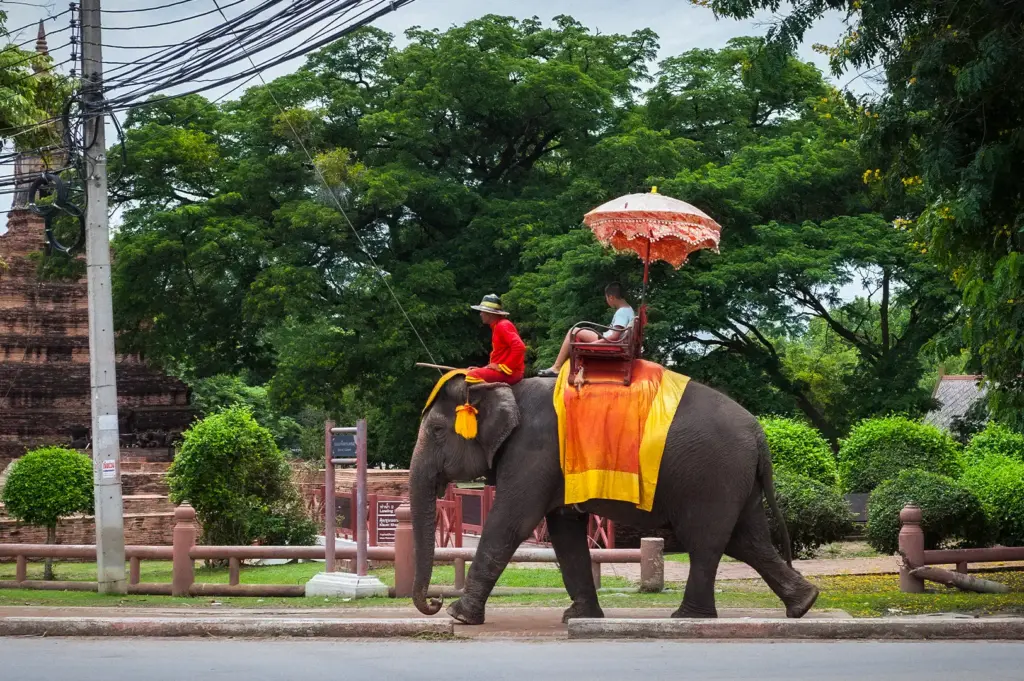
Ayutthaya in August isn’t the easy season. The heat is real, the rain is real, and the temples ask you to dress respectfully.
But the reward is a city mostly emptied of buses, brick glowing after the afternoon showers, and long quiet mornings with the old stones almost to yourself.
Pack the linen. Carry the sarong. Rise early, rest through the heat, and return when the light softens.
Give it five slow days. It gives back more than you’d think.