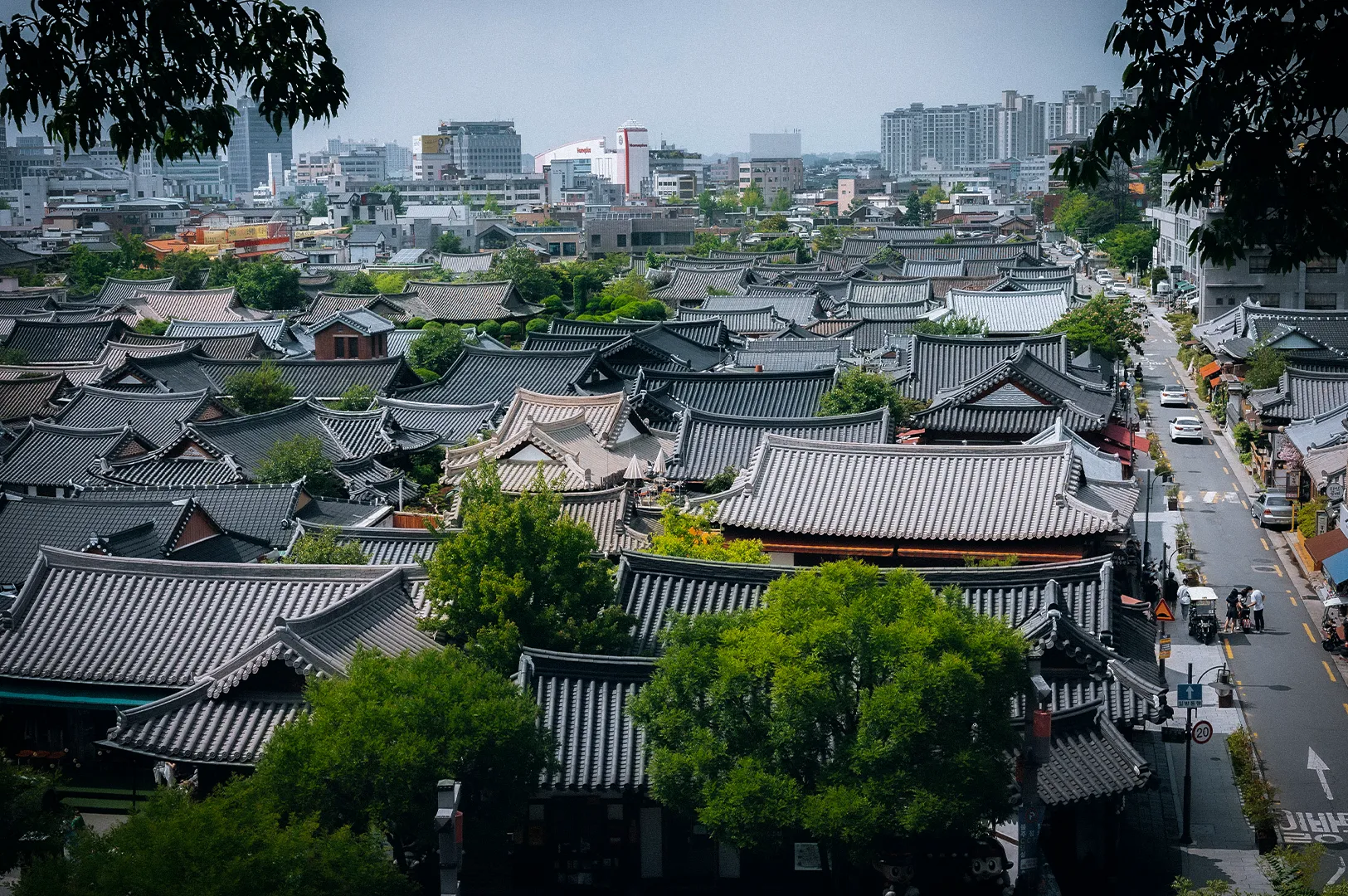
The first time I went to Jeonju, I made the same mistake as everyone else. I treated it as a day trip from Seoul. I took an early train, walked through the Hanok Village in a swirl of selfie sticks and rented hanbok, ate a quick bibimbap, and rushed back to the capital by evening. I told myself I had “seen” Jeonju.
I hadn’t. I had only photographed it.
On my third visit I discovered the obvious truth: Jeonju is not a city you visit for its attractions. It is a city you stay in for its atmosphere. The same alley that feels crowded at lunch becomes quietly beautiful at 8am. The same market that feels touristy by day turns warm and local by night.
If you give South Korea Jeonju four slow days instead of four rushed hours, the whole city changes. Here is how I would experience Jeonju City now: slowly, with room for repetition, weather, and long meals.
Getting There: Reaching Jeonju Without Rushing

Let me clear up one thing first. There is no MRT or subway in Jeonju. If you are used to Singapore’s seamless train network, this requires a small mental shift. You will move around by walking, local bus, and the occasional taxi.
For most travelers, you start in Seoul. The cleanest route is the KTX high-speed train, which gets you to Jeonju in roughly two hours. An express bus is a slower but cheaper alternative, and honestly, the ride is comfortable enough to treat as part of the trip.
Once you arrive, here is the practical reality: from Jeonju Station or the intercity bus terminal, the old city and Hanok Village area is about a 15-minute taxi ride, commonly around ₩8,000 depending on traffic. I usually just grab a taxi straight to my accommodation rather than wrestling luggage onto a local bus. If you prefer public transport, local buses also connect Jeonju Station to Hanok Village. If you are pairing your trip with the capital and want slower things to do in Seoul before you head south, this guide is a useful place to start.
When to Visit: Let the Crowds Decide Your Timing
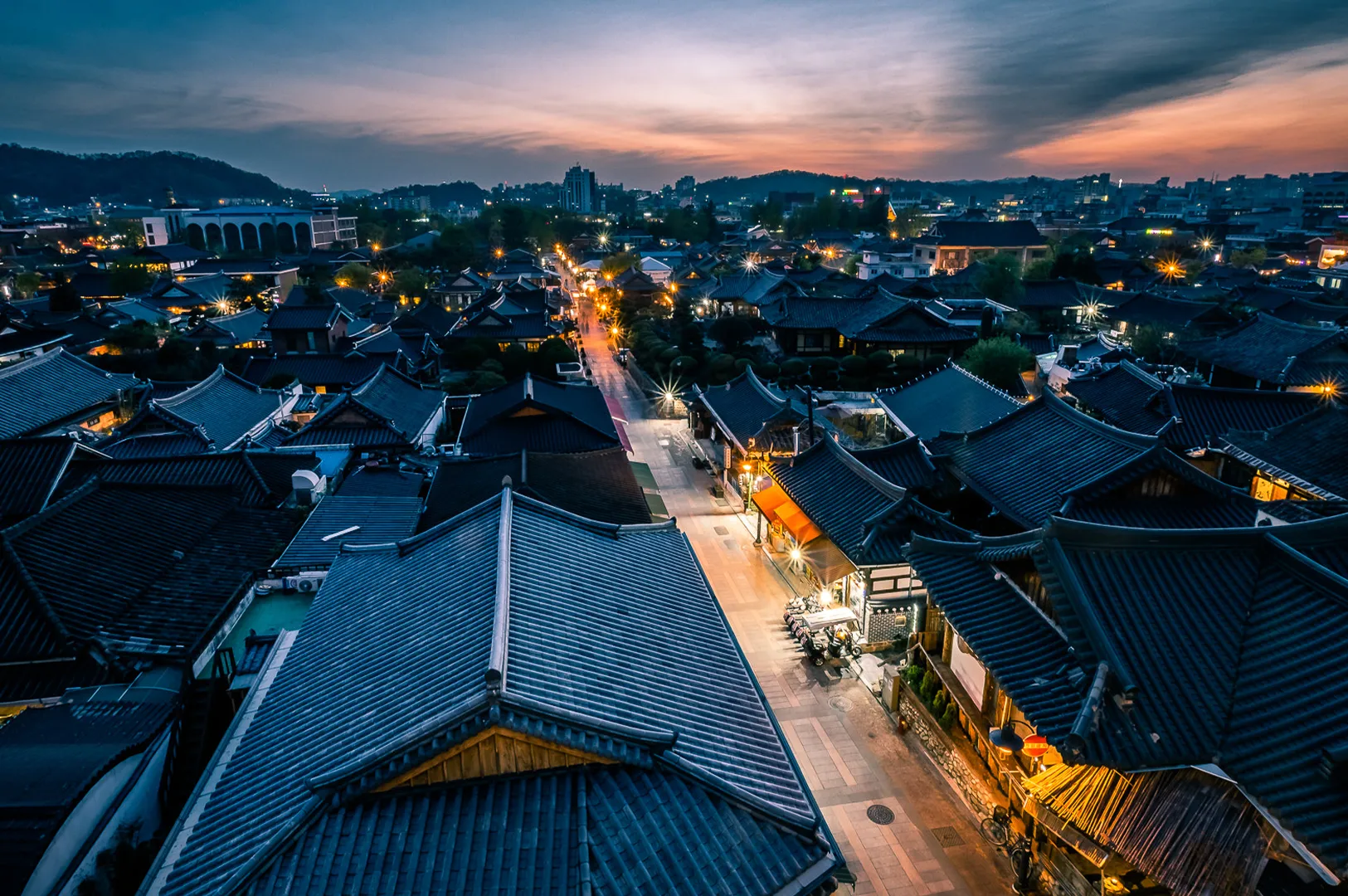
The biggest lesson I learned in Jeonju is that timing matters more than season. The Hanok Village is free and open 24/7, but the experience swings wildly depending on when you walk it.
Visit the popular streets early morning, before 9am, when the shops are still rolling up their shutters and the lanes belong to residents. Then go again after dinner, when the day-trippers have boarded their buses back to Seoul and the streets soften under lantern light.
Avoid the worst crush: weekends and lunch hours, when tour groups peak around the main streets. The difference is dramatic. The same lane that felt like a theme park at 1pm feels like a living neighborhood at 8am.
This is exactly why staying overnight changes everything. A day-tripper only ever sees Jeonju at its busiest. Stay one or two nights, and you unlock the quiet bookends of the day that most visitors never experience.
What to Expect: Why Four Days Actually Works
Jeonju is compact, calm, and built for walking rather than ticking off sights, but it is also often called the culinary and cultural heart of South Korea. Many first-timers worry there isn’t “enough to do” for several days. They are thinking about attractions. Jeonju rewards atmosphere.
As a unesco city recognized as a UNESCO City of Gastronomy and a slow city since its 2010 International Slow City designation, it makes sense to give it four days.
Four slow days give you space for the things that make the city memorable:
Repeated walks through the same alleys at different times of day
Long lunches over proper Jeonju bibimbap instead of a rushed bowl
Artisan workshops like hanji paper-making or a tea ceremony
Riverside and neighborhood strolls beyond the main streets
Softer evenings once the crowds disappear
A rushed day trip covers the Hanok Village highlights in about 45 minutes. A slower walk through the village plus nearby alleys takes 2 to 3 hours. The point isn’t to fill the days; it’s to leave room for the city to reveal itself.
Highlights and Must-Sees in Jeonju
The best things to do in Jeonju are not single moments. They are places worth approaching slowly, or returning to more than once.
Jeonju Hanok Village
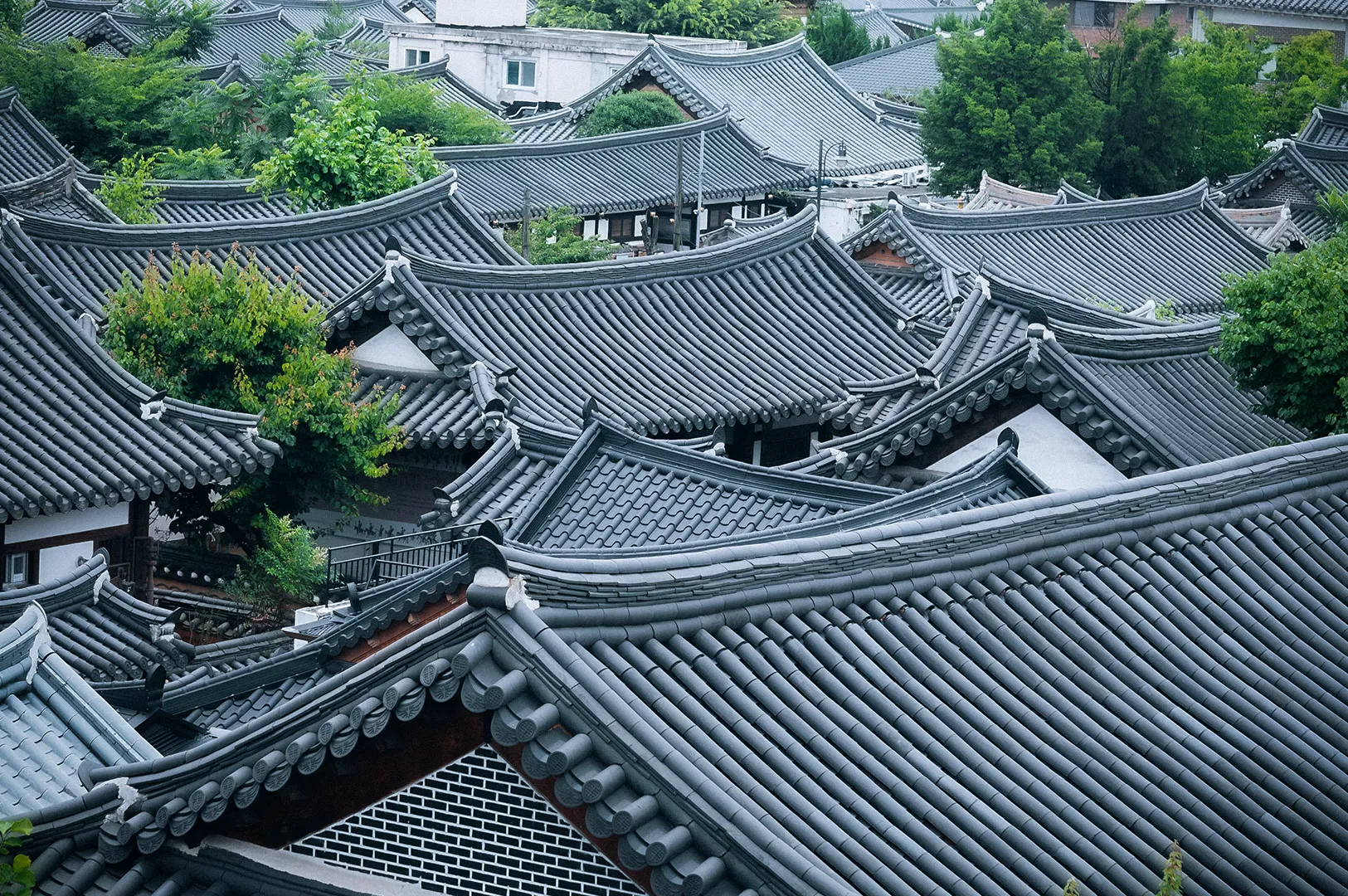
With around 700 hanok houses and traditional houses, this traditional hanok village is Korea’s largest urban hanok village, and the heart of any visit. But don’t treat it as one walk-through. Wander it early for stillness, then again at night for atmosphere. Many visitors rent traditional hanboks for a fun experience, and there are hanbok rental shops throughout the village, including near Gyeonggijeon Shrine, where you can try the traditional Korean dress. You can choose from traditional and fusion hanboks, with rental prices starting around KR₩40,000. Two completely different cities live in the same lanes, with beautiful hanoks, many shops, Korean restaurants, and traditional tea houses lining the lanes around the main sights of this large hanok village and its traditional culture.
Gyeonggijeon Shrine
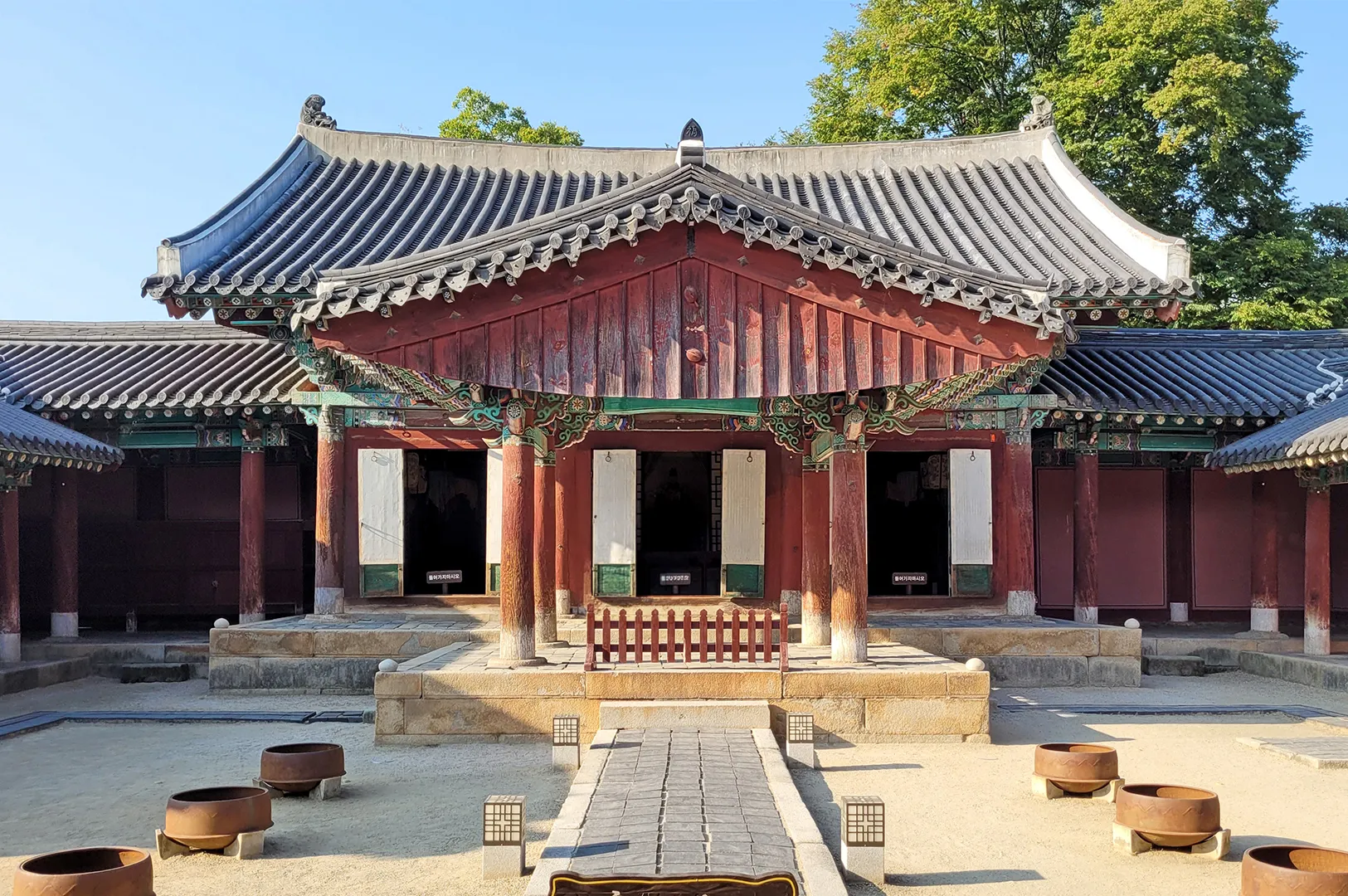
This historic site tied to the joseon dynasty preserves the portrait of King Taejo, the first king, and includes a lovely bamboo forest and old stone walls. It was built in 1410, during the Joseon period that ruled Korea from 1392 to 1910. Jeonju is widely regarded as the birth place and spiritual capital of that era, which gives the shrine added meaning and a rich history. Adult entry is commonly around ₩3,000. I’d budget 1 to 2 hours for the shrine and the surrounding streets, especially if you slow down for photos in the bamboo grove and exhibits that hint at everyday life. The royal portrait museum is also here, and many tourists visit in hanbok for photos around the grounds.
Jeonju Hyanggyo
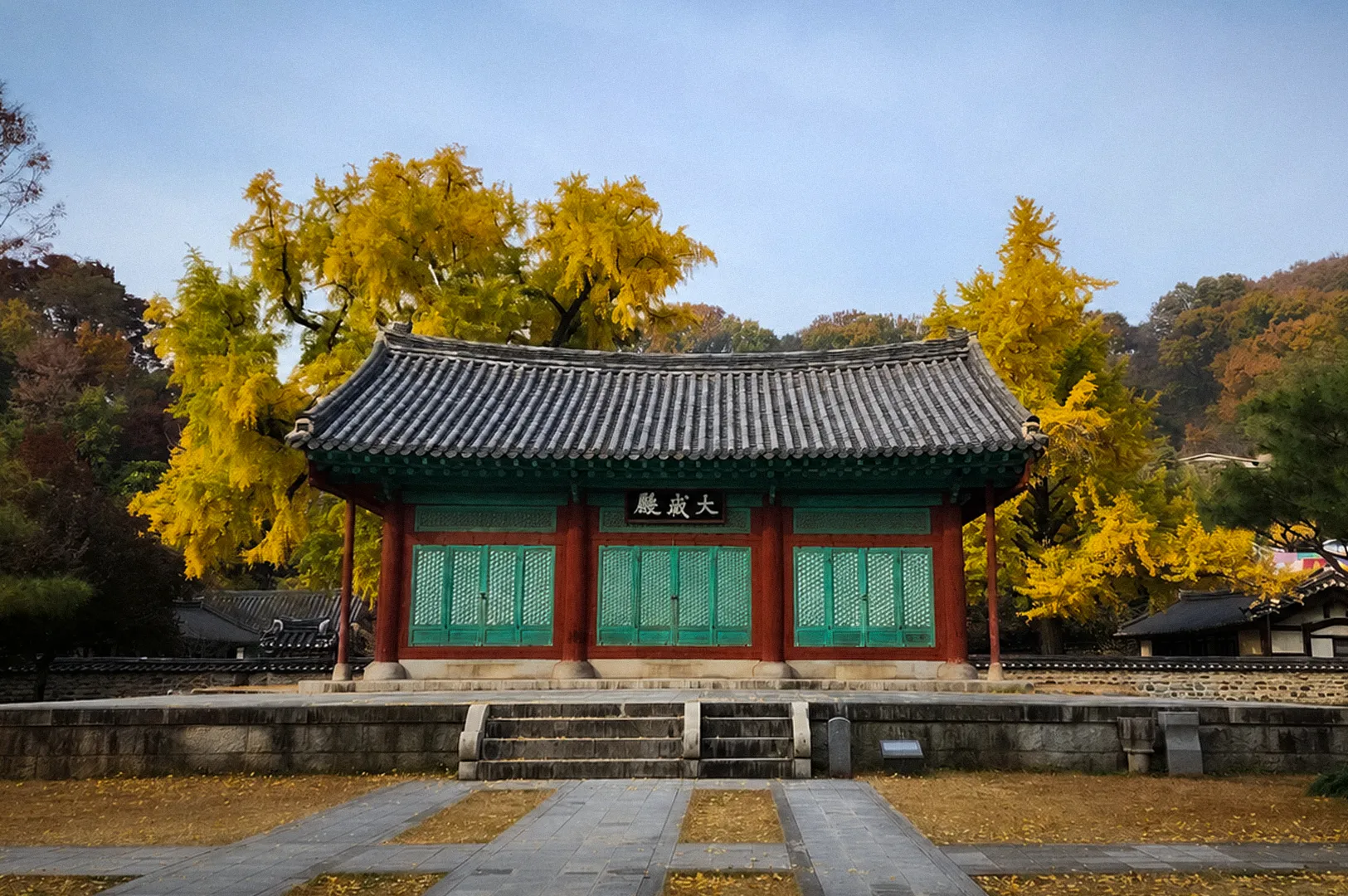
Jeonju Hyanggyo Confucian School, established in the 15th century during the Joseon period, is my favorite quiet corner in the city. It is far calmer than the main streets, and in autumn the ginkgo trees turn a brilliant gold. It is also a popular filming location for K-dramas, especially when the ginkgo trees turn in autumn. Come in the morning, sit for a while, and let the place breathe.
Nambu Market and the Youth Mall
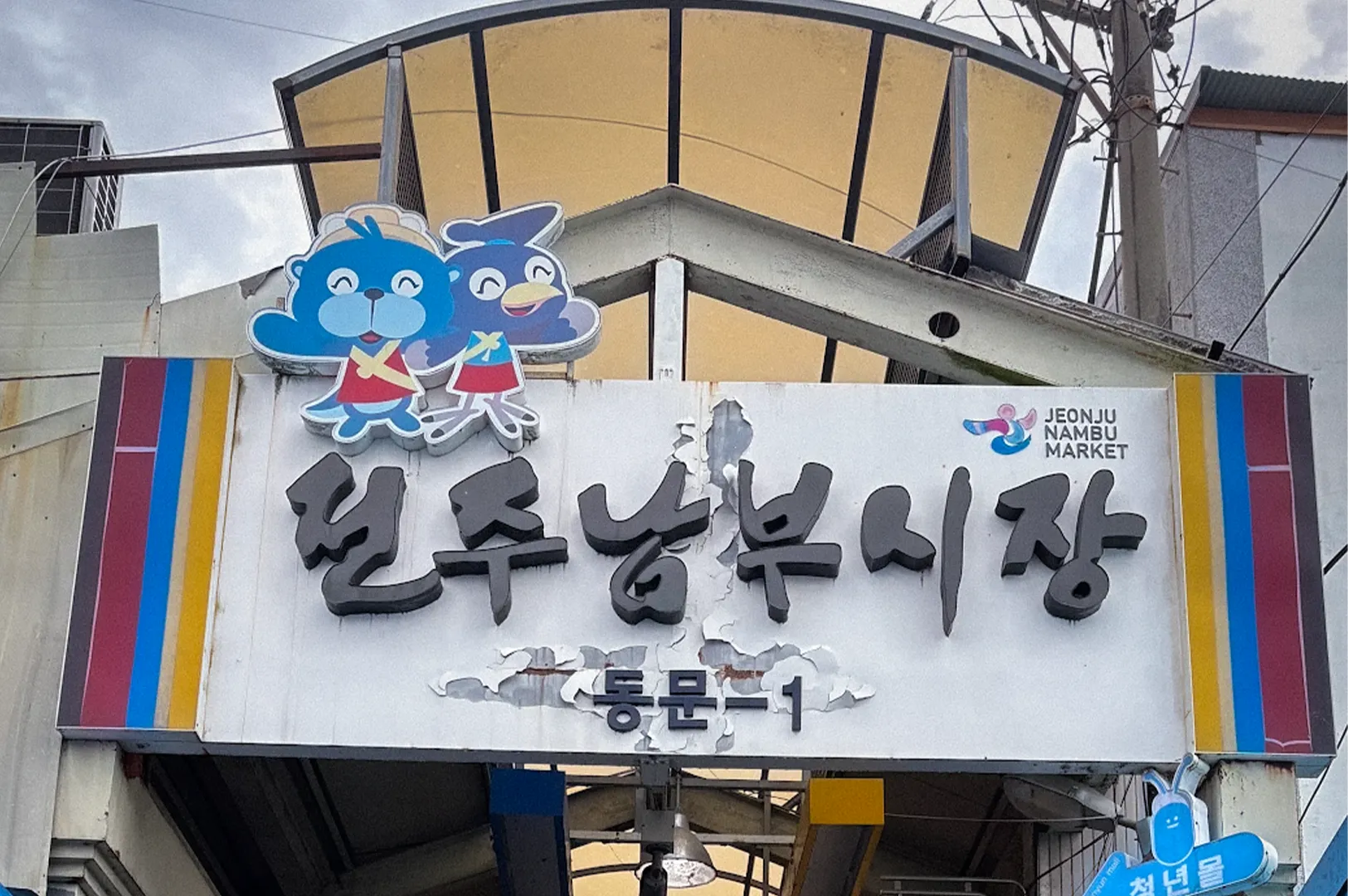
A 200-year-old market in the city centre, Nambu Market is the largest in North Jeolla Province and feels like two places depending on the hour. By day it is local and practical; by evening, especially when the Nambu Night Market runs on Fridays and Saturdays, it comes alive. The Youth Mall on the second floor is run by young shop owners and makes for a creative, photo-friendly browse. It is also known for street food, with around 30 stalls at night. Allow 45 to 90 minutes, longer if you eat your way through.
Omokdae and Imokdae
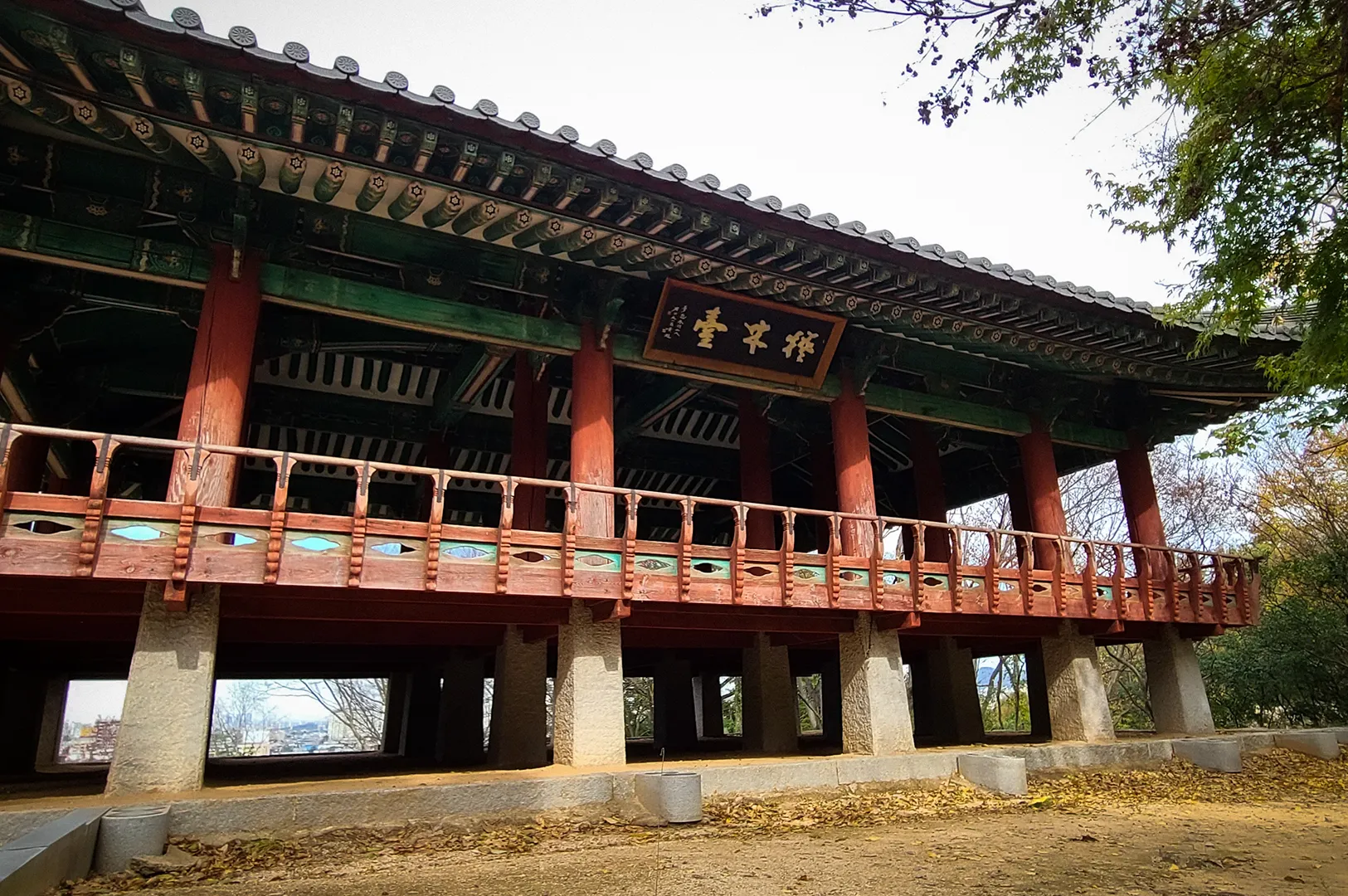
Climb up to Omokdae, a historic site commemorating King Taejo’s victory over Japanese invaders, for wide rooftop views over the hanok tiles. The nearby Imokdae shrines are only a short walk away. It is one of the best vantage points in the city and a quieter spot to pause between walks.
Jaman Mural Village and Deokjin Park
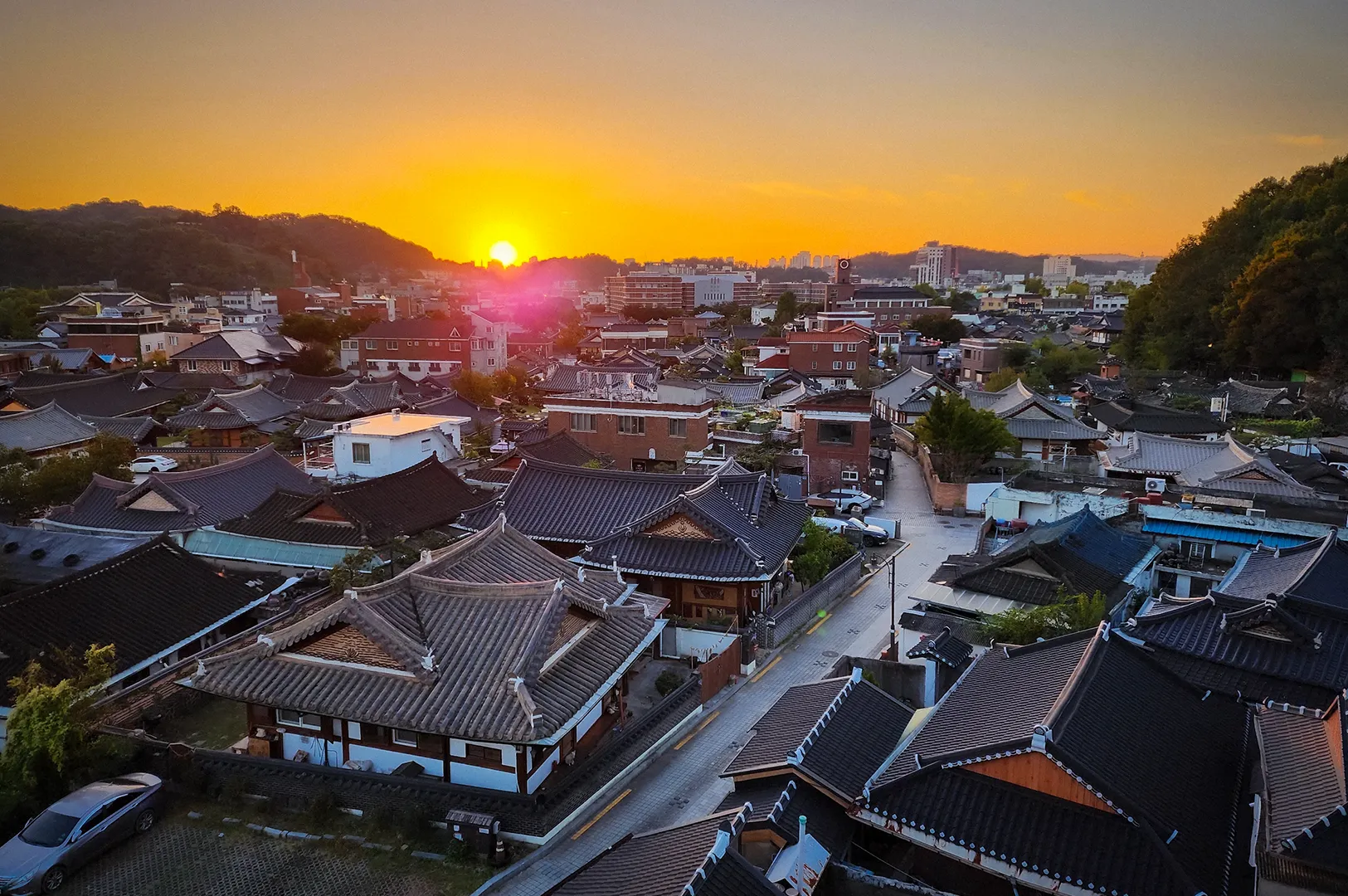
The hillside Jaman Mural Village sits across from the Hanok Village, with colourful murals splashed along its winding lanes. The alleyways also have souvenir shops. I’ll be honest: it gets mixed reactions, and some visitors find parts a little neglected. It’s a pleasant detour if you’re nearby, but I wouldn’t make a special trip for it. Deokjin Park, on the other hand, is lovely for lotus flowers and relaxed nature time when you want a break from the alleys.
Insider Tips: What Most Visitors Miss
The real “hidden gems” in Jeonju are as much about food culture as timing and patience, not secret locations.
Walk the Hanok Village before 9am. It is the single best thing you can do for your trip.
Choose Jeonju Hyanggyo when the main streets feel too busy. It offers the same old-world calm with far fewer people.
Visit Nambu Market twice, once by day and once at night, to feel how the mood shifts.
Seek out delicious bibimbap at Hankookjib, a Korean restaurant known for this signature meal, where Jeonju style means a brass bowl topped with beef tartar and a raw egg yolk; the city even celebrates it with a Bibimbap Festival every October.
Order Kongnamul Gukbap for a comforting rice bowl. This traditional Korean dish is built around bean sprouts and rice soup, and it is one of the most local things you can eat.
Climb Omokdae for rooftop views most day-trippers skip.
End one evening with makgeolli, a traditional rice wine often served with side dishes.
Stay in a hanok overnight. Sleeping on a warm ondol floor inside a traditional house is the experience that turns a visit into a memory.
If you want to extend this slower rhythm across more of the country, this seven-day Busan-based slow-travel route is worth a look: https://slowtravels.com.sg/busan-what-to-see-7-day-slow-travel-south-korea/
Practical Info: Costs, Logistics, and What to Bring
A slow trip still needs a little planning. Here are the details I keep handy.
Key places and costs
Jeonju Hanok Village: 99 Girin-daero, Wansan-gu, Jeonju-si, Jeonbuk-do. Open 24/7, free to enter.
Gyeonggijeon Shrine: adult entry commonly around ₩3,000.
Taxi from Jeonju Station to the Hanok Village area: about 15 minutes, roughly ₩8,000 depending on traffic.
Nambu Market food crawl: often around ₩10,000–20,000 per person, depending on appetite.
What to bring
Comfortable walking shoes (you’ll be on your feet all day)
Light layers
Umbrella or rain jacket
Reusable bag for market snacks
Small cash wallet for stalls and small shops
Portable charger
Camera or phone with plenty of storage
A note on weather: Don’t pack as if it’s Singapore year-round. Jeonju can be genuinely cold in winter and hot and humid in summer, so check the season and layer accordingly.
Accessibility, honestly: the Hanok Village streets are walkable, but the climbs up to Omokdae and through Jaman Mural Village involve slopes and steps. If you’re traveling with older family members, lean on taxis more generously and keep the days unhurried.
Stay Longer, and Jeonju Opens Up
Jeonju is absolutely jeonju worth if you value a city that trades flash for depth, and that is exactly why I keep returning. Lonely Planet listed Jeonju in 2016 for its beauty and cultural charm. It does not overwhelm you with must-see attractions. Instead, it gently rewards the travelers who stay.
Give it three or four days. Walk the Hanok Village at dawn and again after dark. Sit quietly at Jeonju Hyanggyo. Eat a long, proper bibimbap, then return to Nambu Market when the night crowd arrives. The city becomes more interesting after the first walk, the second meal, and the third quiet evening.
So book the extra nights, slow your pace, and visit Jeonju in a way that lets it stop being a checklist stop and start becoming a place you briefly know how to live in.