
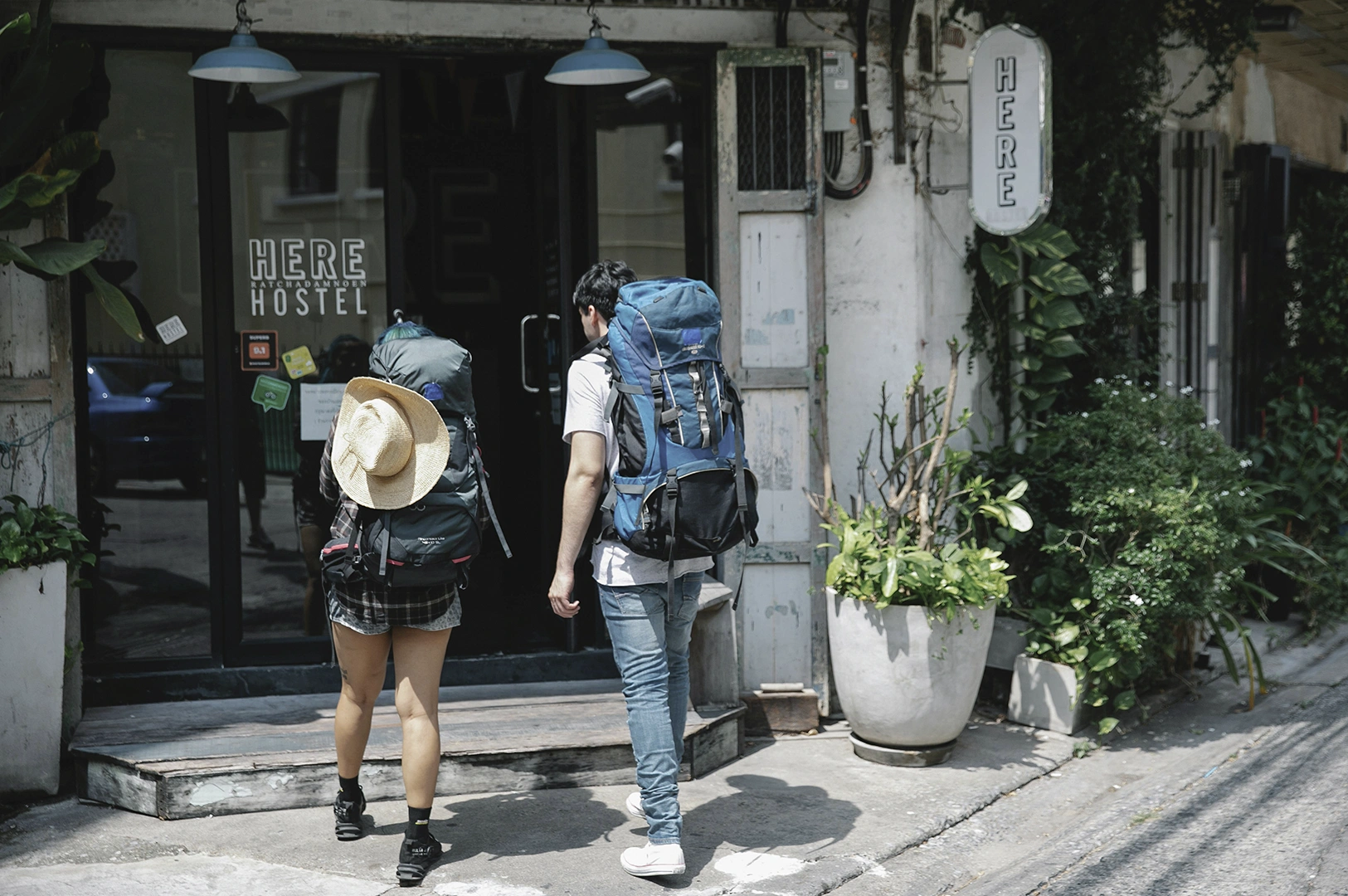
I made this mistake on my first major trip with my partner to Kyoto. I had built a massive, color-coded spreadsheet—a master travel itinerary template—designed to maximize our limited annual leave. By Day 3, we were standing outside a subway station, exhausted, hungry, and snapping at each other because we were “15 minutes behind schedule” for a matcha cafe that I insisted we visit.
I’ve found that the fastest way to kill the romance of a holiday is to treat it like a military operation. When you are rushing to check off a list, you stop looking at your partner and start staring at your watch.
Singaporean couples travel with a unique set of pressures. We have limited leave, a deep love for food, and a daily life defined by efficiency. But bringing that efficiency on holiday rarely works. You don’t need to do everything. You just need to enjoy doing a few things together.
Here is why your planning might be causing friction, and a free itinerary planner template designed specifically for couples who want to return home feeling connected, not exhausted. Reviewing other itinerary templates can also give you an idea of what works and what doesn’t before you create your own.
Why Most Trip Itinerary Templates Don’t Work for Couple

If you search online for a standard itineraries template or trip itinerary template, you will usually find grids broken down into 30-minute intervals. These free itinerary templates are designed for solo backpackers or intense sightseeing tours, not for two people navigating a foreign city together. While some templates are rigid, starting from scratch allows couples to customize their itinerary to fit their unique travel style.
They fail couples for a few reasons:
No breathing room: They do not account for the reality of getting lost, needing the bathroom, or simply wanting to sit on a bench for twenty minutes.
Different travel energies: One partner usually wants to sit in a quiet café, while the other wants to conquer three museums by noon. Customizing your itinerary can help balance both partners’ preferences, while a rigid schedule forces one person to compromise constantly.
The checklist trap: When you use a heavily structured travel itinerary template, skipping an activity feels like a failure. It turns the trip into a performance.
Alex’s tip: Ditch the hour-by-hour Google Sheets itinerary. A good travel itinerary doesn’t control your trip; it gives your trip room to breathe. Plan 60% of your day and leave 40% entirely open.
How Singaporean Couples Actually Travel: A Travel Experience
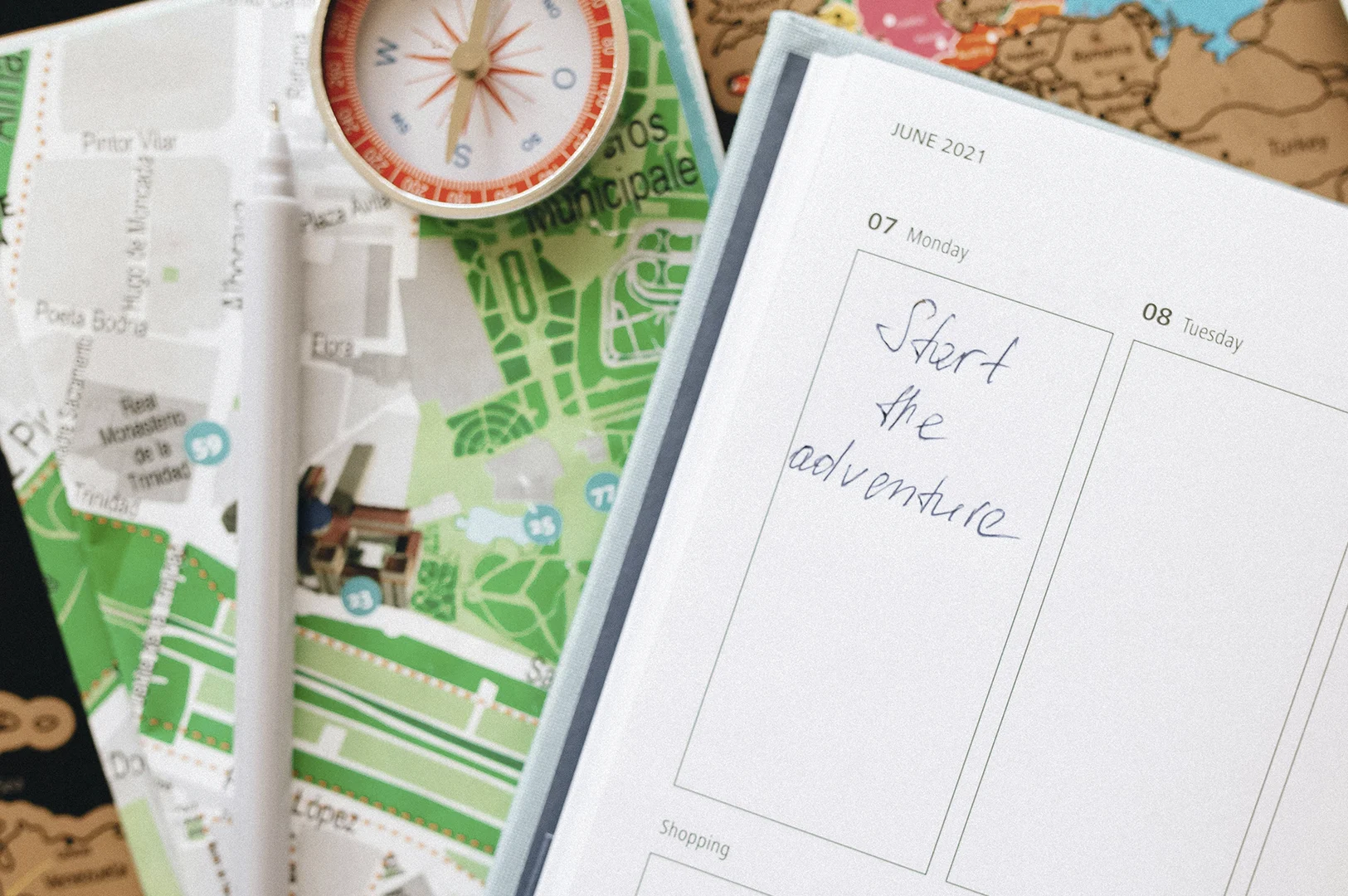
In my experience, planning a trip for Singaporeans requires acknowledging our specific habits and vulnerabilities. We usually take 4-to-7 day trips to places like Japan, Taiwan, or South Korea. Including the destination in your itinerary helps with planning and organization, ensuring you make the most of your time and avoid missing key locations.
Because our trips are relatively short, the pressure to “maximize” is intense.
We are also heavily food-driven. A delayed lunch because we spent too long at a museum will inevitably lead to “hangry” arguments. Furthermore, we are rarely conditioned for the weather or the physical toll of traveling. Walking 15,000 to 20,000 steps a day in the cold winds of a Korean autumn is a massive shock to a system used to air-conditioned malls and MRT rides. Fatigue sets in quickly, and fatigue breeds friction.
A good trip overview should list key details such as dates, destination addresses, contact numbers, and confirmation numbers to keep everything organized.
Your Slow Travel Framework: A Detailed Itinerary Template for Your Next Adventure

Instead of the exhausting norm of scheduling six to eight planned activities per day, I suggest adopting a slow travel framework.
1–2 Anchor Experiences: Choose only one or two “must-do” things per day. Everything else is optional filler.
Flexible Time Blocks: Group activities by neighborhood to avoid crossing the city multiple times.
Built-in Rest: Schedule physical breaks. You need time to sit, not just move.
Breaking your day into manageable tasks helps reduce stress and keeps your trip organized by ensuring you track and manage all responsibilities and activities.
Using an itinerary template streamlines the process of creating detailed schedules by providing a pre-formatted structure that saves time and keeps all your information in one place.
The Free Itinerary Template: Start Customizing Your Travel Plan

To help you put this into practice, here is a free, complete itinerary template you can adapt for your next trip. It covers all aspects of trip planning and breaks the day into energy blocks rather than rigid hours.
Morning (Slow Start & Light Exploring)
Pacing: Wake up naturally. Avoid setting alarms unless absolutely necessary (like a flight or a specific train).
Activity: Coffee at a local neighborhood cafe, followed by a light stroll. You can also use this time to schedule specific events, such as a guided walking tour or a morning yoga class.
Mindset: This is your buffer to ease into the day. No rushing.
Midday (The Anchor Experience)
Pacing: 11:00 AM – 2:00 PM.
Activity: Your main activity or event for the day. This could be a major museum, a specific cultural village, or a renowned market.
Mindset: You have plenty of energy, so tackle the thing that requires the most walking or attention.
Afternoon Buffer (Rest & Spontaneity)
Pacing: 3:00 PM – 5:00 PM.
Activity: Nothing scheduled, or you can add spontaneous events like a local festival or a pop-up art show. Go back to your accommodation to nap, or find a quiet bakery to read and rest your feet.
Mindset: Fatigue peaks here. Acknowledge it. Rest saves the evening.
Evening (Food & Connection)
Pacing: 6:00 PM onwards.
Activity: A sit-down dinner. Afterward, a short, ambient event or activity like a night walk along a beach or river.
Mindset: Reflect on the day together.
Using an itinerary template helps streamline the process of creating detailed schedules and saves time by providing pre-formatted sections for you to fill in relevant information.
A Slow Travel Experience in Action: Example for Couples Using Google Maps and Hotel Addresses

Let’s look at how this free itinerary template works in reality. Imagine you are spending a day in Busan, South Korea. You can also use a site like Etsy or booking platforms to download travel itinerary templates and resources to help plan your trip.
Instead of an overplanned nightmare (e.g., 8:00 AM Haeundae Beach, 10:00 AM Haedong Yonggungsa Temple, 12:00 PM Jagalchi Market, 2:00 PM Gamcheon Culture Village), your slow travel day looks like this:
Morning: Sleep in. Walk to a nearby roastery in Jeonpo Cafe Street. Spend an hour sipping drip coffee (around SGD 6) and sharing a pastry. Use Google Maps to explore the location and upload your own photos and additional information to your itinerary planner.
Midday (Anchor): Take the subway to Huinnyeoul Culture Village. Spend two hours walking the cliffside paths and browsing the small indie bookstores. Add hotel addresses, transportation details, and convenient links to your travel itinerary file for easy access.
Afternoon Buffer: You are tired from the coastal wind and stairs. You retreat to a sea-facing cafe in the village, order a citron tea, and just watch the ships for an hour. Use this time to manage your notes and expenses if needed.
Evening: Take a taxi to Gwangalli Beach. Have a slow, relaxed dinner of Korean BBQ (expect to spend SGD 50-80 for two). Afterward, walk barefoot on the sand and watch the Gwangan Bridge light up. This fun and relaxing evening closes your day perfectly.
This day feels realistic. It leaves space for unexpected discoveries and ensures you actually enjoy each other’s company. Using digital tools like Google Docs or specialized travel apps also keeps your itinerary accessible from your mobile device throughout your trip.
Common Mistakes to Avoid When Using a Travel Itinerary Template
Based on my own trial and error, here are the pitfalls you need to dodge:
Treating an Itinerary Like a Checklist:
I made this mistake once in Taipei. We were so obsessed with hitting five different night market stalls across town that we didn’t actually sit down to enjoy any of the food. The best parts of a trip are rarely planned.
Ignoring the Weather’s Impact on Fatigue:
In colder climates, your body burns more energy just trying to stay warm. If you plan a highly active outdoor day in 5-degree weather, you will be exhausted by 2:00 PM. Always adjust your pace to the season.
Booking Back-to-Back Ticketed Attractions:
Nothing kills spontaneity faster than having a strict 1:00 PM entry ticket followed by a 3:30 PM reservation across town. You will spend the entire afternoon staring at Google Maps instead of your surroundings. Limit yourself to one strict reservation per day.
Final Checklist
In the quiet hours before departure, there exists a sacred ritual of preparation—a meditative gathering of the elements that will anchor you to both home and destination. The passport rests heavy in your hands, its pages holding the weight of borders crossed and stories yet to be written, while visa stamps await their purpose like sleeping promises. Travel insurance becomes not merely protection but a gentle acknowledgment of uncertainty’s role in every meaningful journey. The confirmation numbers for flights and lodging transform into coordinates of intention, each digit a deliberate step toward immersion in places unknown.
Within the slow ceremony of packing, each folded garment and carefully chosen essential becomes a considered companion—the weathered adapter that will connect you to distant currents, the worn chargers that will bridge communication across continents. Even the mundane act of notifying banks carries contemplative weight, as you prepare the invisible threads of commerce to stretch across oceans without breaking. This unhurried review of details reveals itself not as mere logistics but as a quiet meditation on readiness—a patient cultivation of confidence that allows the traveler to arrive fully present, unencumbered by forgotten necessities, free to receive whatever gifts await in the unfolding moments of discovery.
Create Your Own Travel Itinerary and Enjoy Your Next Trip
A good travel itinerary shouldn’t feel like a business trip schedule. It should be a gentle guide that points you in the right direction while allowing you the freedom to wander off the path.
When you use these free templates to block out your energy rather than your minutes, you remove the friction that plagues so many couples abroad. You accept that doing less actually means experiencing more. So for your next adventure, close the heavy spreadsheets. Choose your anchor, leave the afternoon empty, and give yourselves the space to just be together.
To start customizing your own itinerary planner, simply download a free itinerary template in your preferred format—whether Google Sheets, PDF, or a Canva account—and begin adding your own content, hotel addresses, transportation details, important dates, budget estimates, and planned activities. This will help you stay organized, manage your journey effectively, and truly enjoy your vacation. Happy travels!