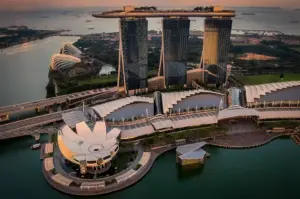
Landmarks are easy.
They are visible. Recognisable. Often already familiar before you even arrive.
But neighbourhoods are different.
They require time.
When you travel slowly, you begin to realise that the soul of a place is rarely found in its landmarks. It lives in its neighbourhoods.
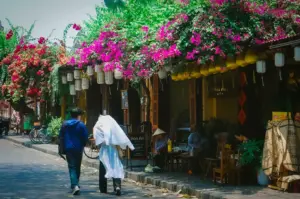
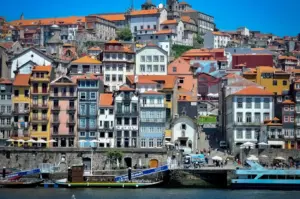
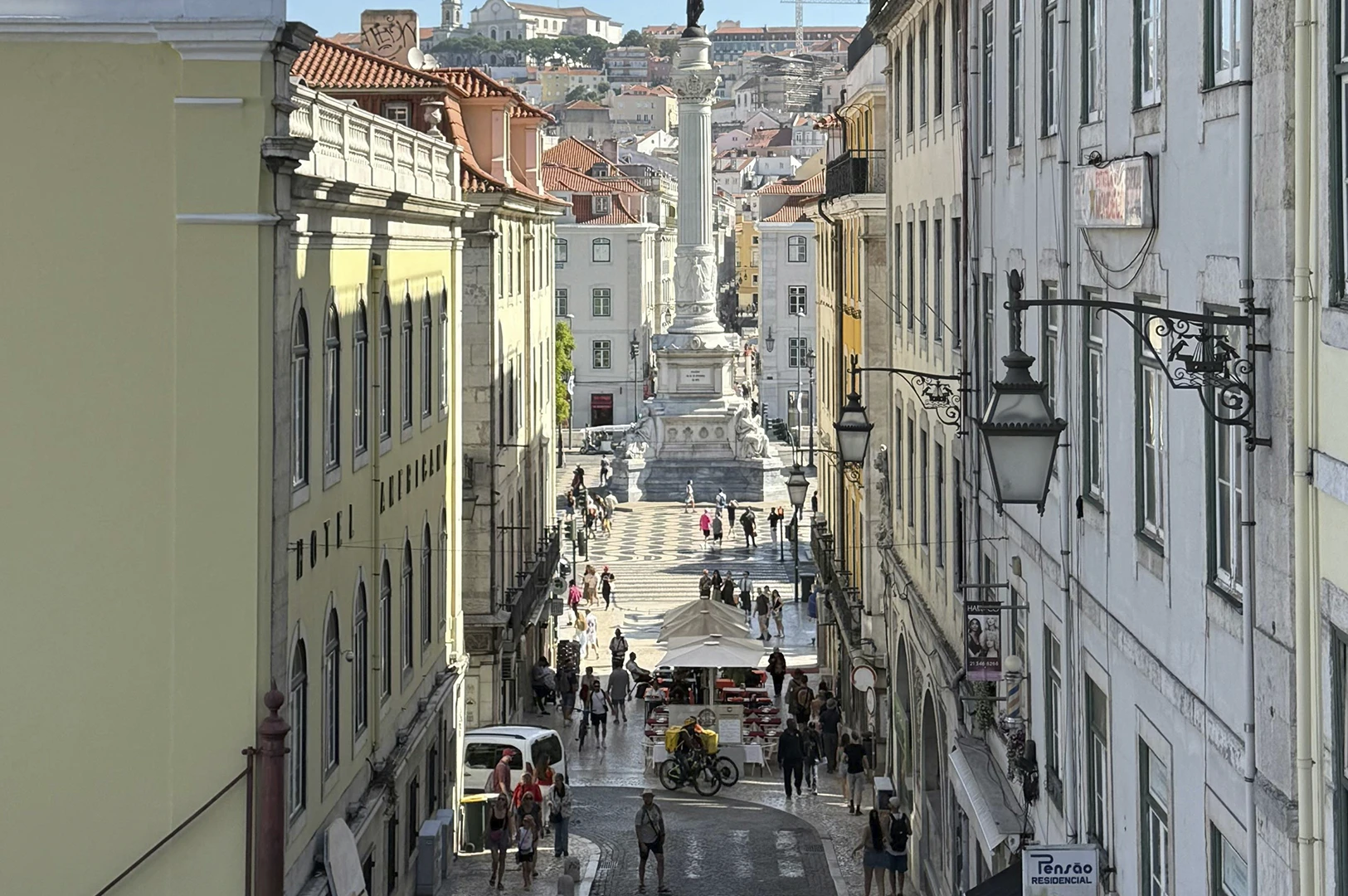
In the small streets. The local bakeries. The quiet parks. The everyday routines.
For Singaporeans used to structured sightseeing, this shift can feel subtle but powerful.
Instead of moving from one major attraction to another, you stay within a smaller area. You walk more. You observe more.
And gradually, the place starts to open up.
You notice patterns. Which shops are busy. Which ones are quiet. Which streets feel lively, and which feel still.
This kind of travel builds familiarity.
It also builds connection.
Urban studies have long highlighted that neighbourhood-level exploration leads to a deeper sense of place attachment. You can explore more about this concept through resources like Project for Public Spaces.
When you focus on neighbourhoods, you are not just seeing a place.
You are experiencing how people live within it.
That shift changes everything.
Meals feel different when they are part of a routine rather than a checklist. Walks feel more personal when you recognise where you are.
Even time slows down.
Because you are no longer navigating constantly. You are returning.
Returning to the same streets. The same corners. The same small discoveries.
This repetition is not boring.
It is grounding.
It gives your trip a sense of continuity that fast travel often lacks.
So instead of asking “What should I see?”, try asking something else.
Where should I stay long enough to understand?
Because in slow travel, place matters more than points of interest.
And often, the most meaningful experiences are not the ones you planned.
They are the ones you stumbled into while simply being there.
If you are curious how neighbourhoods shape your stay, this article explores it through Otaru:
Otaru Inn Cozy Neighborhoods & Hidden Gems