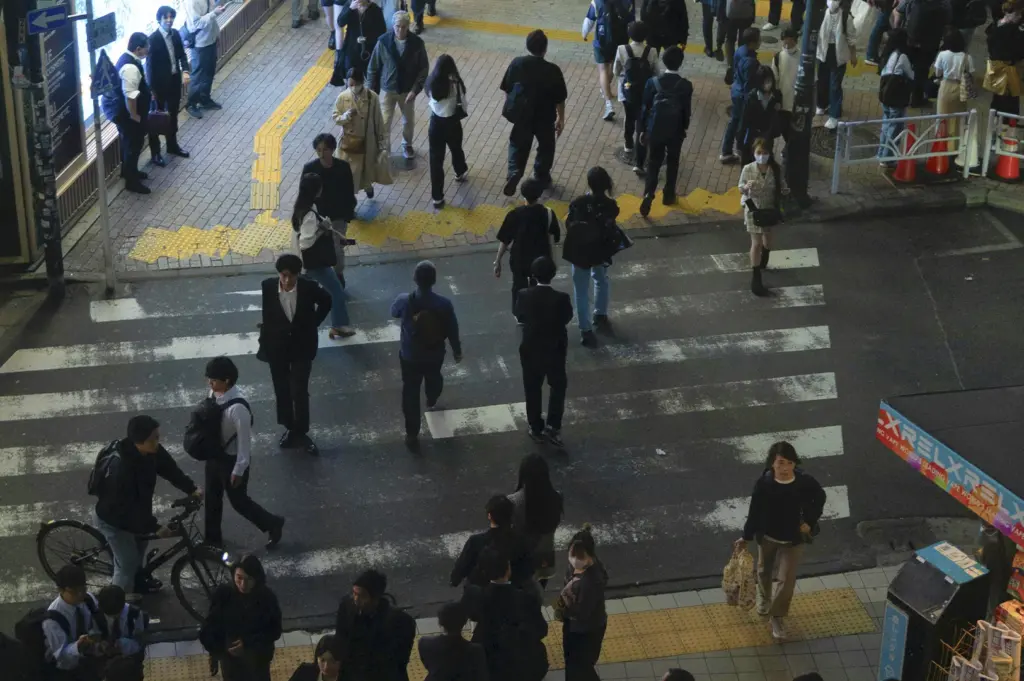
When I first planned a solo trip to Tokyo, I created a strict travel budget worksheet tracking every yen. To save money, I booked a cheap guesthouse far from the city center. By day three, I realized the extra transit time, fares, and fatigue outweighed the $40 savings per night.
Traditional budgeting often feels restrictive, focusing on cutting costs. But for slow travel, money is a tool to buy time, comfort, and presence.
To return feeling connected, you need a different approach. Here’s how to reframe your spending with a travel budget worksheet designed to help you spend better, not just less.
Reframing Your Travel Budget: A Travel Budget Worksheet Mindset
Most travel budget advice revolves around an efficiency mindset: How can I see 10 landmarks for under $50?
This mindset is exhausting. When you travel to maximize your dollar, you end up treating your itinerary like a checklist. You skip the beautiful, slightly pricey local café because it is not in the budget, and instead, you eat a rushed convenience store sandwich while running to a museum you do not even really care about.
A slow travel budget flips this dynamic. It is not about saving money at all costs. It is about intentional allocation. It requires you to ask: What actually makes this trip meaningful to me?
Take time to decide, either on your own or together with your travel companions, which aspects of your trip are most meaningful and worth allocating your budget to. Reaching a mutual decision on priorities—like accommodations, transportation, or experiences—ensures your travel budget worksheet truly reflects what matters most.
Introducing a Slow Travel Budget Structure: A Travel Budget Template Example
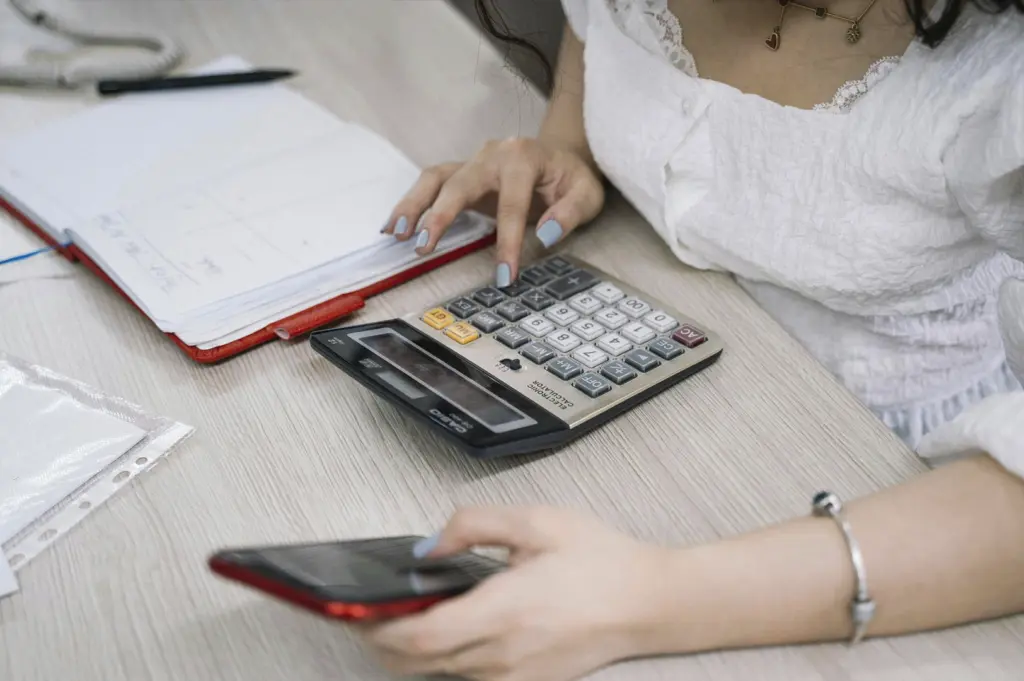
Traditional budgeting uses rigid categories like Accommodation, Flights, Food, and Attractions. Many travelers use ready-made templates in Google Sheets or Excel, which offer clear tables and easy customization for your travel budget worksheet.
I categorize expenses by their impact on energy and time:
🏡 Stay (30–40%): Your accommodation is your sanctuary. Spending more for a central, comfortable place with a kitchen is worth it. Enter quantity (nights) for accurate total cost.
🍜 Food (20–25%): Meals are experiences. Track quantity of meals or grocery trips to estimate expenses precisely.
🚶 Movement (10–15%): Slow travel means more walking, less long-distance transport. Budget for local buses or occasional taxis. Record quantity (rides or miles) for accuracy.
🎟️ Experiences (10–20%): Budget for meaningful activities, noting quantity to keep it realistic.
☕ Time & Flexibility (15–20%): Reserved for spontaneous café stops, taxis, or unexpected purchases.
Google Sheets and apps make it easy to customize, share, and update your travel budget template.
Alex’s Tip: Never aim for zero flexibility. The best moments come from your “Flexibility” category.
The Free Travel Budget Worksheet Template: A Convenient Budget Spreadsheet in Google Sheets or Excel
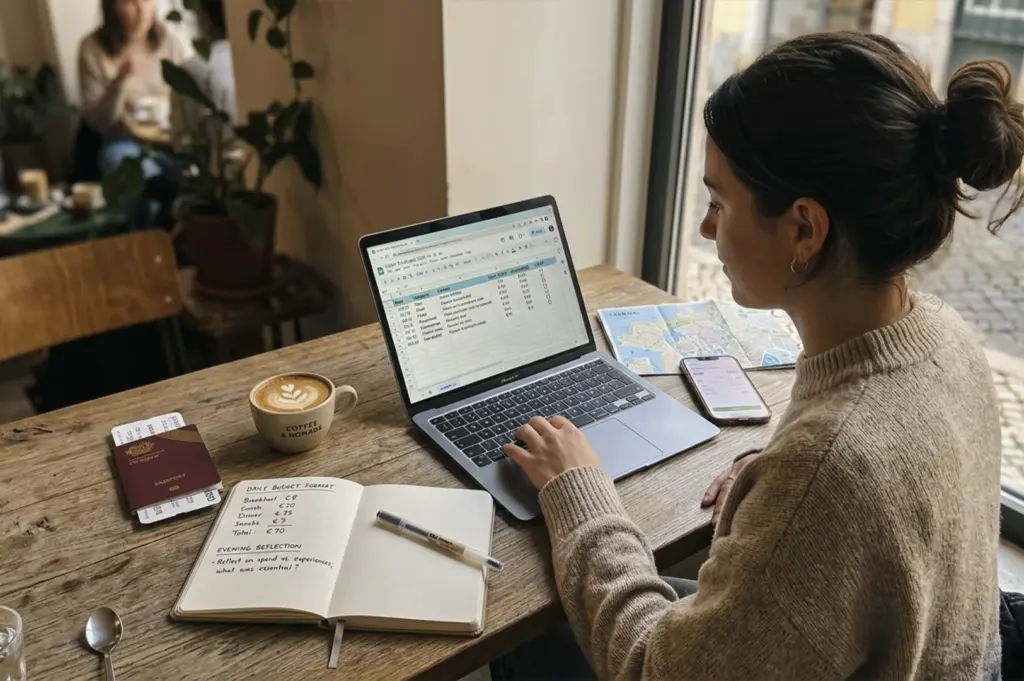
You do not need complex accounting software to manage your trip. Whether you use a physical notebook, a Google Sheets travel budget template, or an Excel spreadsheet, keeping your format simple is key to using it and staying organized. A good travel budget worksheet should include pre-trip estimates, booking tracking, and on-trip expense logging to help you plan and monitor spending effectively.
Here is my daily travel budget worksheet format. Copy and paste it into your notes or budget template. Log actual expenses daily, track expenses in local currency, and convert totals at trip’s end to avoid confusion. Also, record important dates like payment due dates or booking deadlines to stay organized.
Daily Budget Format for Tracking Travel Expenses
Date: [Insert Date]
Location: [Neighborhood/City]
Planned Daily Allocation:
Stay: $_________ (Divide total accommodation cost by number of nights)
Food: $_________
Movement: $_________
Experiences: $_________
Flex / Buffer: $_________
Total Daily Budget: $_________
Evening Reflection (Take 2 minutes over dinner):
What felt entirely worth the money today?
(Example: The $15 artisan tea at the cliffside cafe where we sat for two hours.)What felt unnecessary or rushed?
(Example: The $25 observation deck ticket. It was crowded and we only stayed 15 minutes.)
Tracking your daily reflection is far more important than tracking your exact cents. It helps you adjust your spending in real-time. If you realize you hated the crowded paid attractions on Day 2, you can confidently skip the one you planned for Day 4 and reallocate that money to a nice dinner.
Highlighting Trade-Offs in Your Travel Budget Template: Managing Travel Expenses and Unexpected Costs
The core philosophy of slow travel is the trade-off. You cannot do everything, and you should not try. When you accept this, your travel budget template becomes a tool for making empowering choices. An effective travel budget worksheet allows you to balance high-level planning with granular, real-time tracking, making it easier to deal with unexpected expenses and trade-offs as they arise.
Whether you’re planning a personal adventure or a business trip, the process of dealing with trade-offs is similar—though business travelers may have different priorities or expense categories, such as client meals or transportation for meetings.
Consider these common slow travel trade-offs:
Stay longer in one place ➔ Lower movement costs. By staying in one city for a week instead of hopping between three cities, you eliminate expensive high-speed train tickets or domestic flights.
Fewer attractions ➔ Higher quality experiences. Skipping three mediocre $15 tourist traps allows you to confidently spend $45 on an incredible, unhurried local meal.
Cooking occasionally ➔ Better food balance. Having a kitchen means you can spend $8 on fresh market ingredients for a quiet morning breakfast, saving your food budget for a spectacular evening dinner.
Tips for dealing with travel budgeting challenges: Track expenses daily, set aside a small emergency fund, prioritize must-do experiences, and review your worksheet regularly to adjust as needed.
I Recommend: Have an honest conversation with your travel partner or friends before the trip about your personal trade-offs. My partner and I always agree on one “premium” experience each. I might want a pricey coffee tasting, while she wants to visit a specific textile workshop. We budget for those anchors and keep the rest of the days beautifully simple.
Effective Budgeting Strategies
Mindful travel budgeting combines preparation and presence, focusing on essentials like shelter, transport, and experiences. Track your spending daily to see where your intentions meet reality and adjust your budget as needed. Thoughtful research and reflection help your travels align with both your resources and dreams.
Teaching a Spending Philosophy with Your Budget Spreadsheet: Prioritizing Travel Expenses and Travel Insurance
To truly master the travel budget worksheet, you need to adopt a specific spending philosophy.
Spend more on:
Location and convenience: A slightly pricier Airbnb or hotel in a walkable, residential neighborhood will save you hours of transit time and transportation costs.
Comfort: If you are exhausted after a long day of walking, spending $15 on a taxi or car ride instead of dragging yourself to the subway is money well spent. It protects your mood for the next day.
Repetition: Do not be afraid to spend money at the exact same restaurant twice. Returning to a place you love reduces decision fatigue and deepens your connection to the neighborhood.
Travel insurance: Never forget to budget for travel insurance as a necessary expense to protect against unexpected expenses and extra costs during your trip.
Spend less on:
Checklist attractions: If you are only going to a famous tower because “you have to see it when you are in the city,” skip it. Keep that money in your pocket.
Constant moving: Checking in and out of hotels every two days drains your wallet and your energy.
Impulse tourist spending: Buying a cheap, generic souvenir near a major landmark is usually a regret. Save that budget for a local artisan shop you stumble upon organically.
After your trip, review your travel budget worksheet to see what you actually spent. Analyzing this data helps you set realistic benchmarks for the future and plan more accurately for future trips. By understanding your past spending patterns, you can make better decisions and estimate costs more effectively for upcoming travel experiences. Tracking expenses during your trip can also prevent financial surprises after returning home, as many travelers either estimate poorly or fail to track their spending altogether.
Common Travel Expenses and Mistakes to Avoid in Your Travel Budget Spreadsheet
I’ve made many financial mistakes on the road. Here are key red flags to avoid when planning your travel budget worksheet.
Mistake 1: Relying on Google averages
If Google says “$50 a day on food,” remember slow travelers might spend $80 because meals are a main activity. Base your total budget on your travel style, not averages.
Mistake 2: Overlooking “small leaks”
It’s rarely the big hotel bill but the $4 water bottles, extra bus fares, and snacks that blow budgets. A strong “Flexibility” category in your travel budget worksheet is essential.
Mistake 3: Forgetting travel insurance, visas, and documents
I learned this on a Taiwan trip when a clinic visit drained my flexible cash. Travel insurance is a non-negotiable baseline expense protecting your trip. Also budget for visas and essential documents.
Tip: Use travel aggregators to compare flights, hotels, and tours. Apps like Splitwise help manage and split expenses with travel companions, tracking who owes what.
Pro tip: Consider courses or resources to improve your travel budgeting skills and make the most of your travel budget worksheet.
Using a Travel Budget Worksheet and Budget Template for Your Trip
How much should I budget per day for slow travel?
It varies by country, but a good estimate for slow travel in Asia (like Japan or South Korea) is SGD 100 to SGD 150 per person daily, excluding flights and accommodation. This covers meals, cafés, and local transport comfortably.
Is slow travel more expensive?
Not really. You may pay more for central accommodation but save on fewer intercity trips and avoid costly tourist spots. Overall, costs often balance out with a better experience.
How to avoid overspending without stress?
Review your budget daily, focusing on the total, not individual expenses. If you overspend one day on a special find, balance it by spending less the next day on free activities and cheap local food. Balance, not perfection, is key.
Finalizing Your Travel Budget
Finalizing your travel budget is a deliberate, thoughtful process that balances careful planning with flexibility. Modern tools like apps and websites help track expenses, while travel insurance offers peace of mind against unexpected events. This mindful approach builds confidence, allowing your journey to begin with assurance and intentional preparation.
Create Your Own Travel Budget Spreadsheet to Save Time and Stay Organized
A good travel budget worksheet does not limit your trip; it liberates it. When you stop worrying about how to stretch your money across fifty different activities, you give yourself permission to deeply enjoy your 10 day stay.
Money should serve your peace of mind on the road. By shifting your mindset away from rigid savings and toward intentional spending, you allow your destination to reveal itself to you slowly. Open up a notebook, your Google Sheets, or Excel, set your categories, and start planning a trip that actually feels like a holiday. This comprehensive budget template will help you manage your travel expenses, afford experiences that matter, and stay prepared for unexpected expenses like travel insurance or extra costs.
Happy travels and happy budgeting around the world!