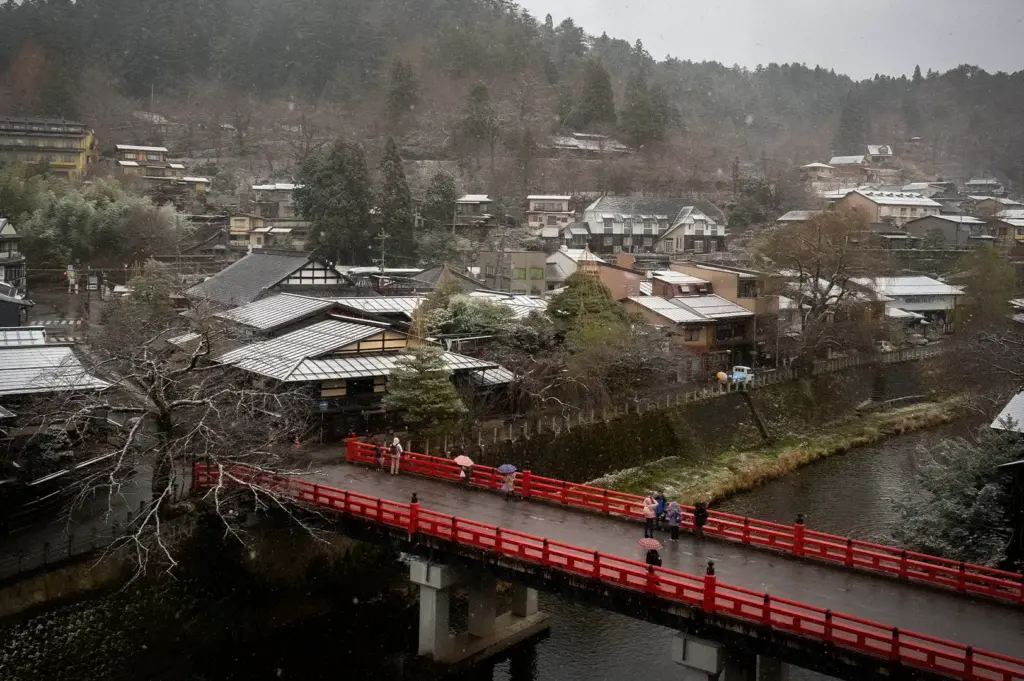
We almost missed it. The auntie at the Miyagawa Market was wrapping a still-warm cup of amazake in both hands, and my wife reached for it the same moment I did. Our fingers touched on the paper cup. We laughed, a little embarrassed, and shared it on the riverbank while the morning fog lifted off the water.
That was the moment Hida Takayama stopped being a place on our japan itinerary and became part of our story.
I’ve found that this town does something quiet to couples. It doesn’t dazzle you. It slows you down until you’re paying attention to each other again — to the steam off a market stall, to a hand reached for in a narrow lane, to the soft hush after the day-trippers leave.
This is my case for giving it seven nights. Here’s what you’ll get from this guide:
A day-by-day itinerary built for two, not for a checklist
Real costs, timings, and honest notes on the quiet
The small, shared moments most visitors rush past
Getting There: The Slow Climb Into Central Japan and the Mountainous Hida Region
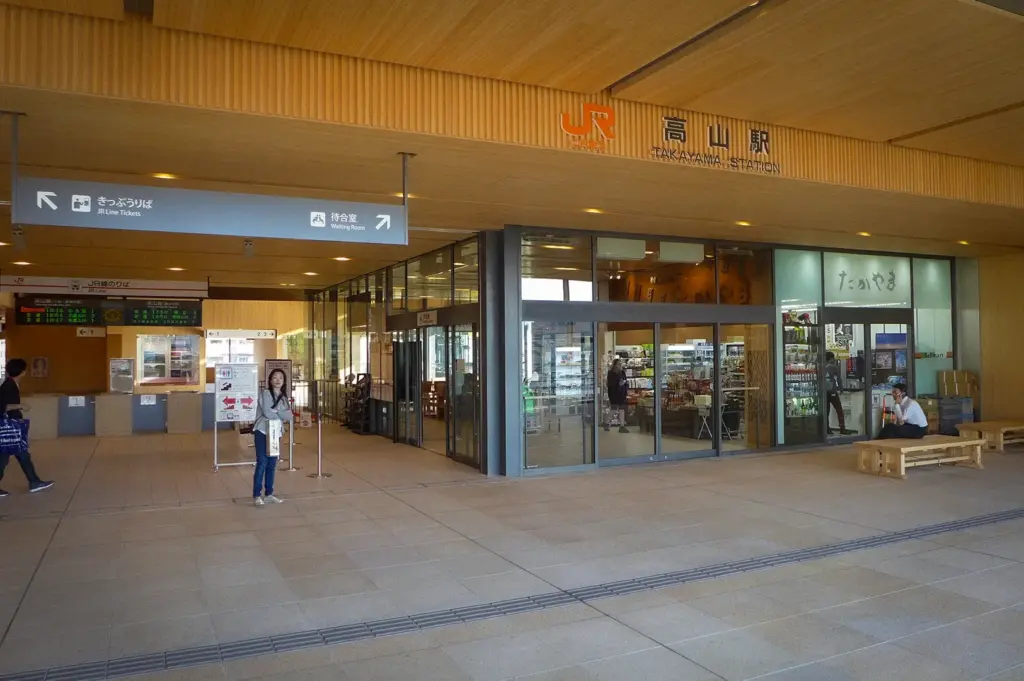
There’s no subway here. You arrive by train or bus, rising slowly into the mountains of the Japanese Alps, and I think that journey matters for couples especially. It’s a chance to put the phones down and watch the gorges roll by together. For anyone visiting Takayama, this small city in Gifu Prefecture sits in the mountainous Hida region near the Japanese Alps, and it’s known for a well-preserved old town, cultural traditions, and preserved Edo-period traditional buildings.
The simplest route is the Limited Express Hida from Nagoya to Takayama Station, about two and a half hours along rivers and through forested valleys of central Japan. Take a window seat. Share it.
From the station, the old town is a gentle 10 to 12 minute walk east across the Miyagawa River. Your inn, the markets, the lantern-lit lanes — all within reach on foot. Highway buses from Tokyo, Kyoto, and Osaka run cheaper but slower.
Alex’s Notes: Most couples thread Takayama into a longer trip. If Tokyo bookends yours, sort the city beds first — this guide to where to stay in Tokyo is where I’d start: Settle the cities, then let the mountains be the slow middle.
When to Visit Hida Takayama and Experience the Takayama Festival in Gifu Prefecture
Spring and autumn are the kindest seasons for two people walking side by side, and the Takayama Festival is a biannual event held in April and October. Spring brings cherry blossoms and cool, clear mornings. Autumn turns the hills amber. Both feel made for lingering.
The Sanno Festival is celebrated on April 14th and 15th, while the Hachiman Festival takes place on October 9th and 10th.
But the hour matters more than the season. Walk the old town early, between 7 and 9am, before the tour groups arrive. The streets belong to residents then, and to you. By midday, the lanes fill.
We learned this the hard way on an early trip — we slept in, hit Sanmachi Suji at 11am, and spent more time dodging selfie sticks than holding hands. Now we wake early and nap in the afternoon. The mornings and the dusk are when the town feels like it’s yours.
What to Expect: A Town That Asks You to Slow Down and Explore Local Life
Takayama is small. If you’re coming from Tokyo or Osaka, the quiet can catch you off guard. Some couples worry it’ll be too sleepy, that they’ll run out of things to do in Takayama by day three.
I understand the fear. But here’s what I’ve found: the quiet is the gift, not the flaw. When there’s less to rush toward, you start noticing each other again. You linger over a second coffee. You take the long way back along the river just to keep talking.
Takayama old town, especially Sanmachi Old Town, is lined with beautifully preserved buildings, historic cafes, and traditional architecture; there are also charming restaurants and a few places worth ducking into as you wander, but the real pleasure is the compact, walkable pace with mountains rising beyond. Treat it as a place to live for a week, not a list to clear.
Seven Slow Days: Things to Do in Takayama as a Couple
Here’s how I’d spend seven unhurried days. Nothing here is rigid. Leave room to wander off-script together.
Day 1: Arrive and Wander Sanmachi Suji at Dusk in the Historic Streets
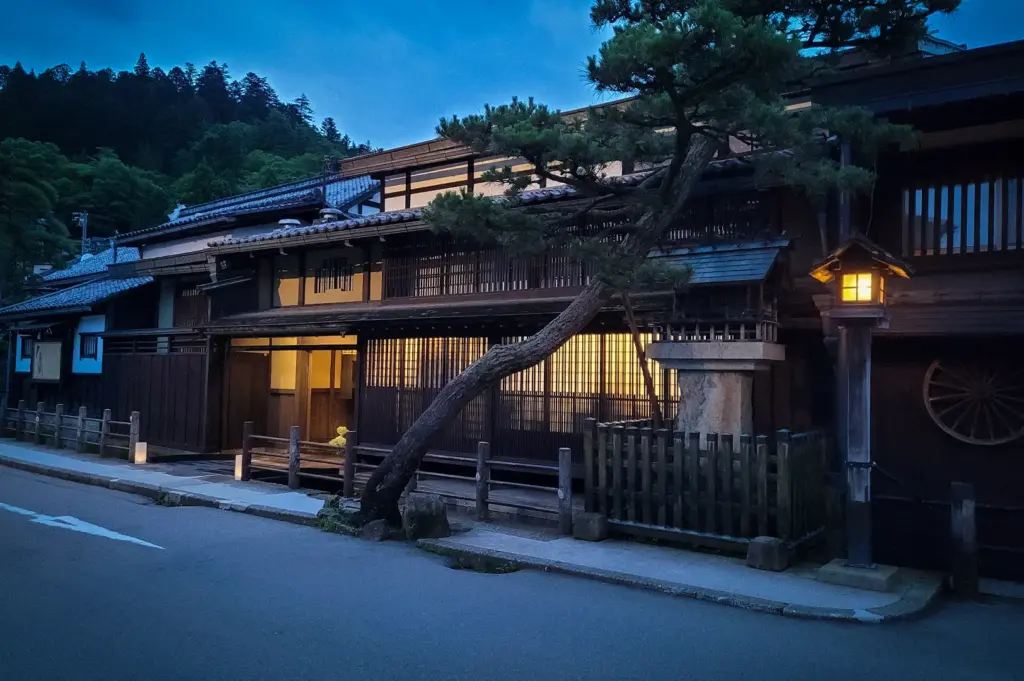
Settle into your traditional Japanese inn, then take a first slow walk through Sanmachi Suji, Takayama’s well-preserved old town of Edo period buildings. Don’t aim to see everything. Drift through this part of the Takayama area in the Hida area, lined with traditional buildings and small shops selling local crafts, and share a Hida beef skewer standing in the lane—Takayama is celebrated for its mountain culture, and Hida beef is a famous local specialty; or try gohei-mochi topped with sweetened soy sauce. Come evening, when the lanterns glow and the crowds thin, walk it again. That quiet transformation is your first shared secret.
Day 2: Miyagawa Morning Market and Takayama Jinya – A Glimpse of Local Government Office and Historic Character
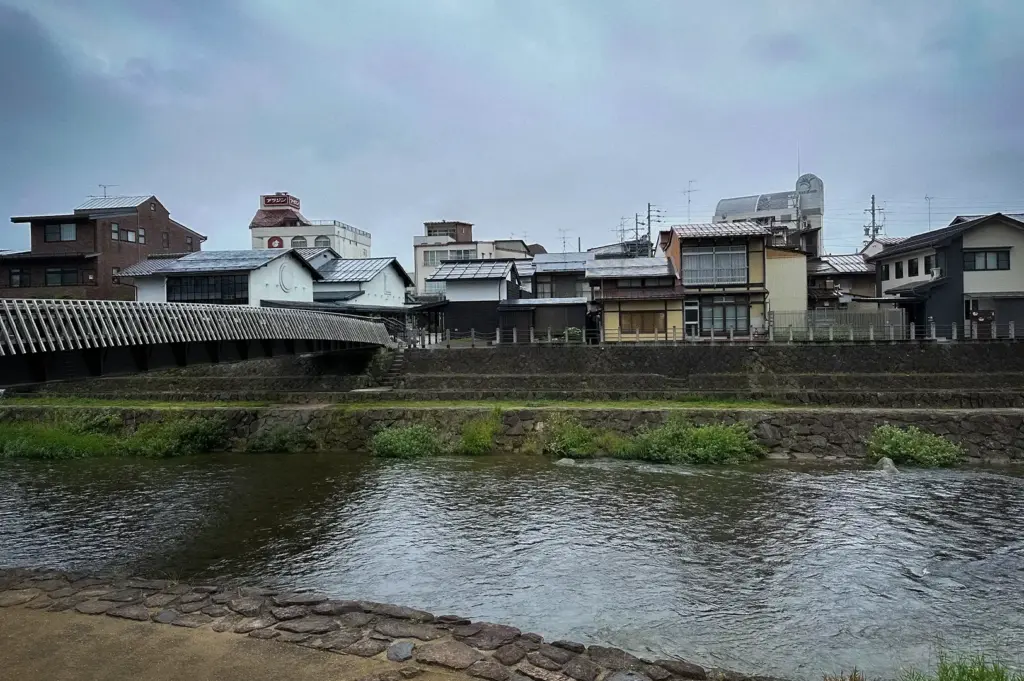
Wake early for the Miyagawa Morning Market along the Miyagawa River — Takayama has two morning markets, generally open from 7 am to 12 pm, and this one is busiest after 9, so arrive near 7 for the calm and the freshest produce. Try the pickles, the mochi, a shared cup of amazake, and browse local produce and local crafts, with artisans selling miso, soy sauce, and sake. Talk to the vendors.
Afterward, visit Takayama Jinya, which served as the Edo period government headquarters from 1692 to 1871 under the Tokugawa shogunate, for a grounded look at how the Hida region was once ruled. The market outside Takayama Jinya has operated for over 300 years. Cross the red-railed Nakabashi Bridge slowly. It’s lovely in morning light.
Day 3: A Slow Day at the Hida Folk Village (Hida no Sato) – A Picturesque Glimpse of Rural Japan
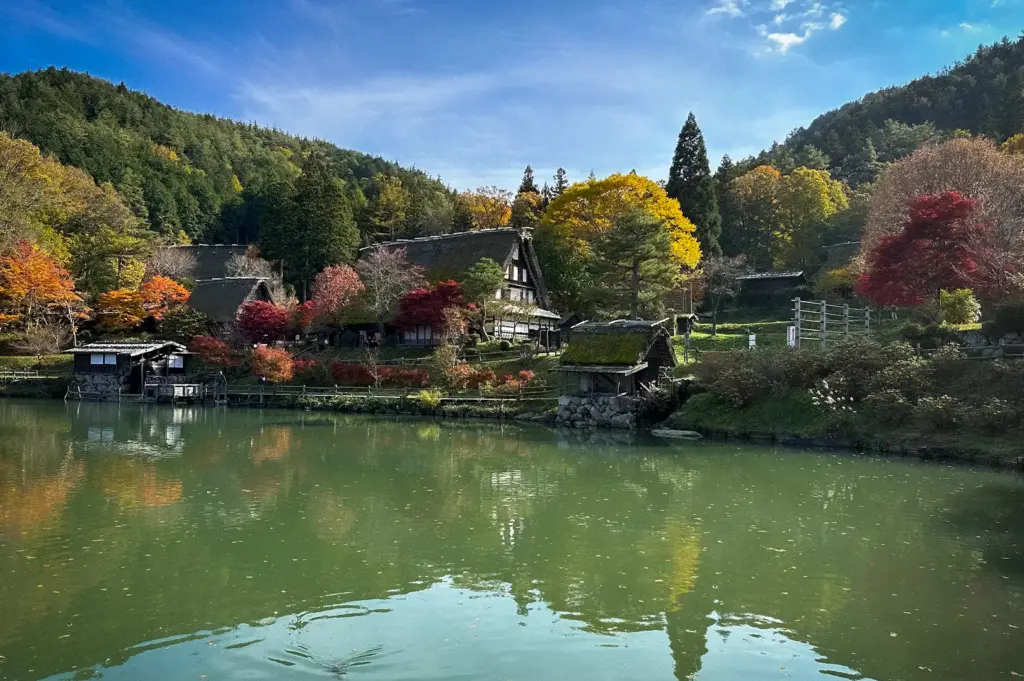
Buses run roughly every 30 minutes from JR Takayama Station to Hida no Sato, also known as Hida Folk Village, the open-air folk village.
Give it a full, unhurried day. This open-air museum in the Hida region has over 30 historic buildings to explore, including traditional houses with thatched roofs, all carefully preserved examples of rural architecture. Walk hand in hand between the farmhouses, step inside, sit on the worn floors, watch the light fall through the steep Gassho roofs. Many couples sign up for a craft workshop here — try one together. There’s something tender about both of you fumbling at the same new skill.
Day 4: Sake Breweries and Sakurayama Hachimangu Shrine – Taste Local Cuisine and Traditional Architecture
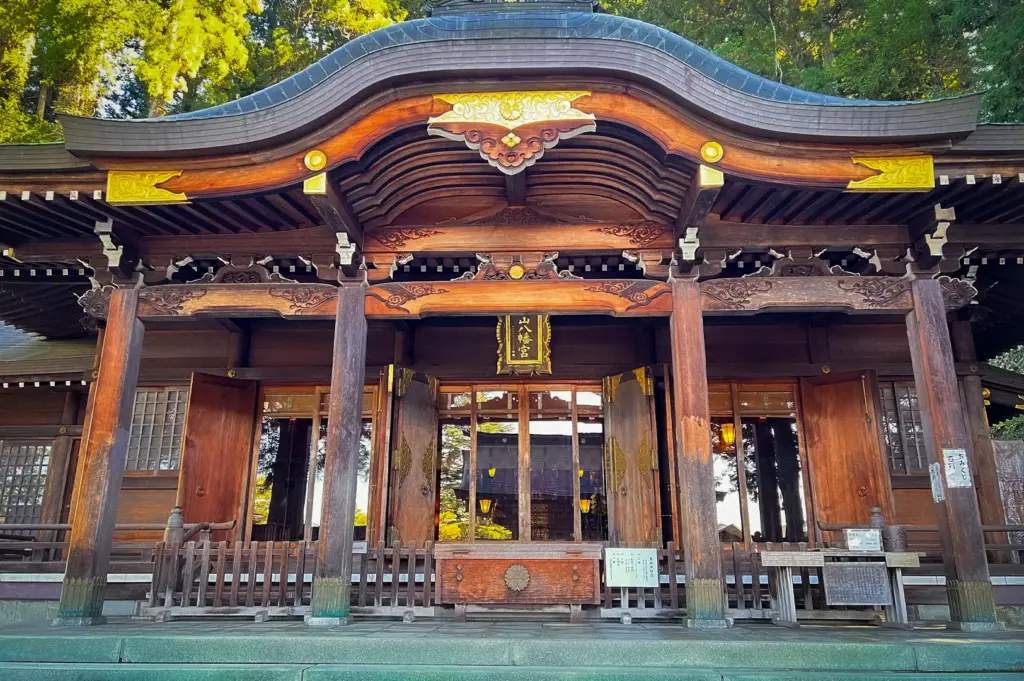
Spend a slow late morning tasting sake. Look for the sugidama cedar balls above brewery doors; local sake tasting is available at several sake breweries in Takayama, and smaller shops often pour without reservation. Share the sake cup, compare notes, disagree gently about which one you preferred.
In the afternoon, walk to Sakurayama Hachimangu Shrine and Takayama Yatai Kaikan, the festival float hall. It displays floats used in the Takayama Festival, recognized as one of Japan’s top three festivals and known for ornate floats and traditional performances. The grounds are calm, the cedar air cool. It’s an easy, quiet place to sit together.
Day 5: A Buddhist Temple Morning and Hida Beef Dinner in Central Japan
Takayama’s eastern hills hold a string of Buddhist temples along the Higashiyama walking course. Start at a quiet Buddhist temple before the day warms — the gravel paths and mossy stones make for slow, talkative walking.
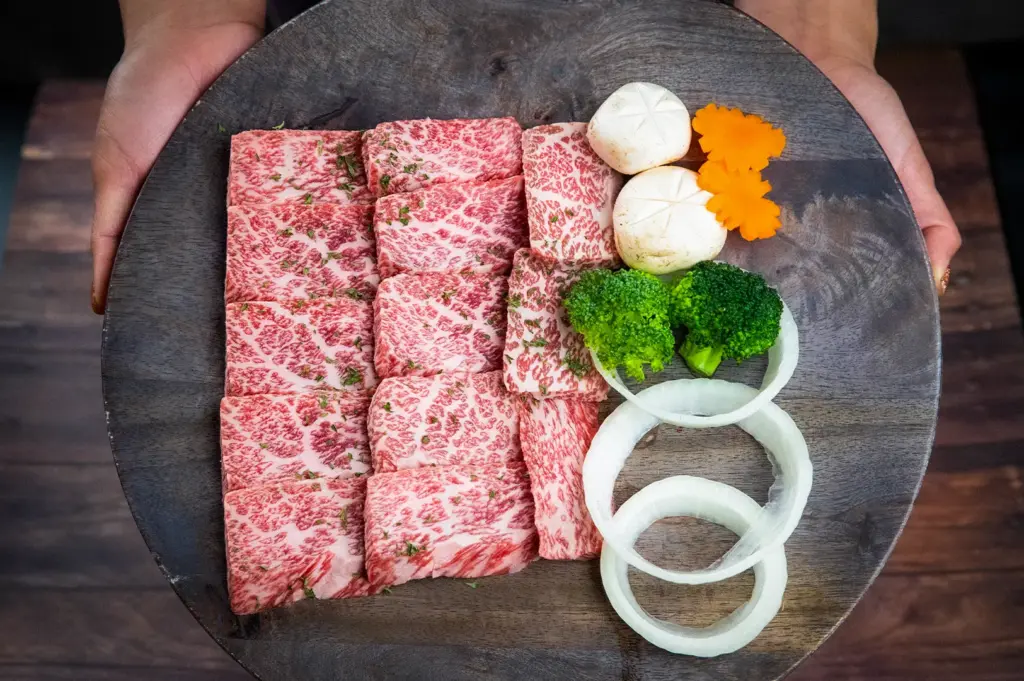
Save the evening for Hida beef done properly. After days of skewers and snacks, treat yourselves to a sit-down dinner. It’s pricey, around ¥5,000 a head and up, but worth it once. Order it grilled simply and let it speak for itself.
Alex’s Notes: If days like these resonate, you’ll likely love these gentle itineraries through quieter Japan. Slow routes through softer regions are exactly where this kind of travel belongs.
Day 6: A Day Trip to Hida Furukawa or Gero Onsen – Peaceful Escape and Hot Spring Relaxation
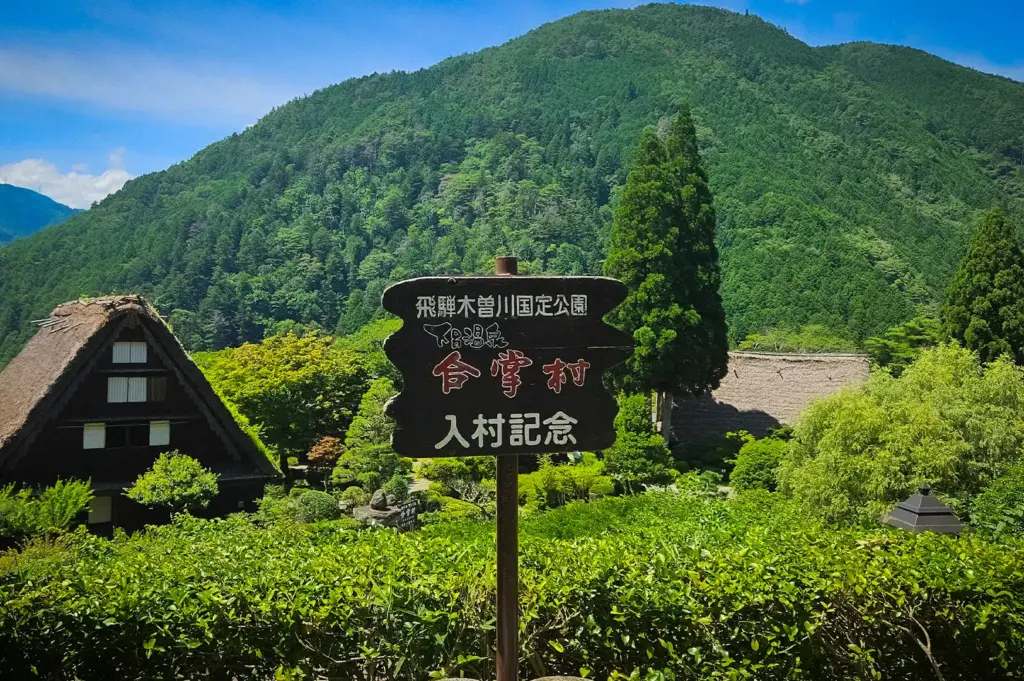
Take one slow day trip out of town. For something gentle, ride 15 minutes north to Hida Furukawa, a peaceful escape with scenic canals, traditional candle-making heritage, and far fewer visitors. We spent an afternoon there doing almost nothing, and it remains one of my favorite memories of us.
If you’d rather soak, Gero Onsen sits about an hour south by bus, with hot spring baths made for unwinding together at the end of a long week. If you’d prefer a mountain stop instead, Hirayu Onsen is another good option around Takayama.
Day 7: A Slow Farewell Morning Around Takayama Old Town
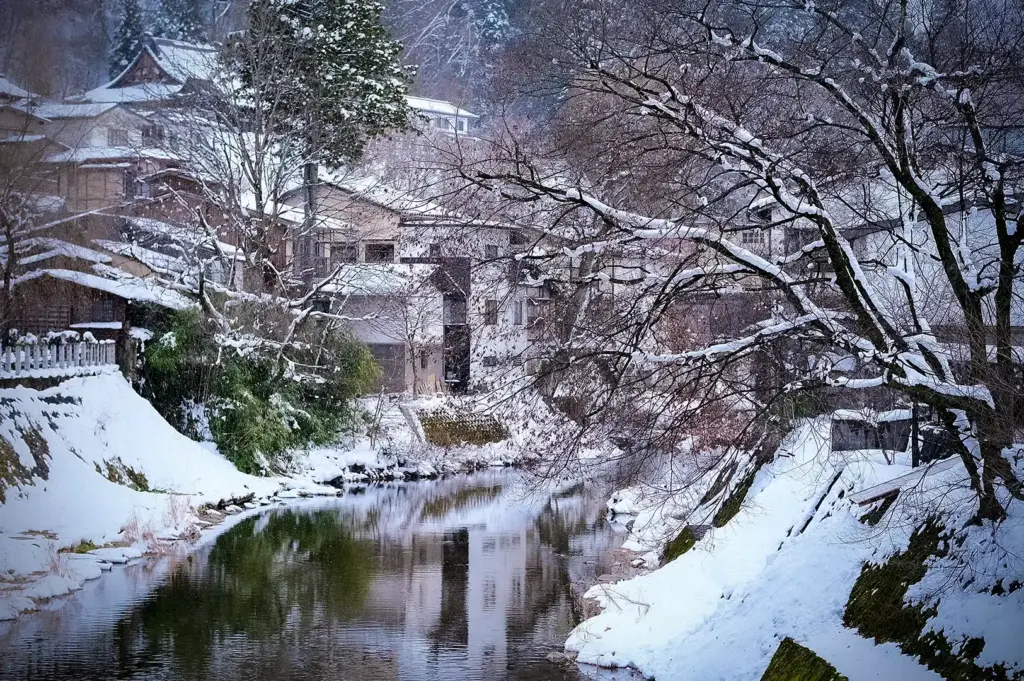
Spend your last morning returning to whichever corner held you both. For us, it’s the north end of Sanmachi Suji, soft and empty at dawn. Have a long café morning, watch the town wake one last time, then make your way back to the station unhurried.
Insider Tips for Travelers Wishing to Experience Local Life in the Hida Area
After several visits, these are the small things I keep coming back to.
Walk the side alleys. The three main streets draw the crowds, but Sanmachi and the old town are also lined with traditional buildings, historic cafes, and charming restaurants. Slip into the quieter northern lanes for intimate, unhurried walks.
Time the old town for soft light. Before 9am or after 4pm, the lanes empty and the wooden façades glow. These are the hours for photos and for each other.
Look for sugidama. Those cedar balls mark sake shops; the smaller ones often pour without fuss or reservation, and some are easier to spot on Google Maps.
Skip the midday wander. When the tour buses peak between 10 and 2, duck into a café or tea house instead. Let the crowds pass.
The biggest mistake I made early on was over-planning — packing each day so tightly we never just sat. Leave gaps. The gaps are where the trip lives.
Practical Info: What to Bring and Budget for Visiting Takayama in the Hida Region
A slow trip still needs a little planning. Here’s what I keep handy.
Realistic costs:
Hida beef skewers: ¥500–800
Mitarashi dango: ¥300–400
Sake tasting: free to about ¥1,000 without a guided tour
Sit-down Hida beef dinner: ¥5,000+ per person
Walking the old town, river paths, and markets: free
Takayama ramen is also a worthwhile budget meal, usually made with thinner, curly noodles in a chicken broth.
A Last Word Before You Go: Embrace the Historic Character and Natural Environment Around Takayama
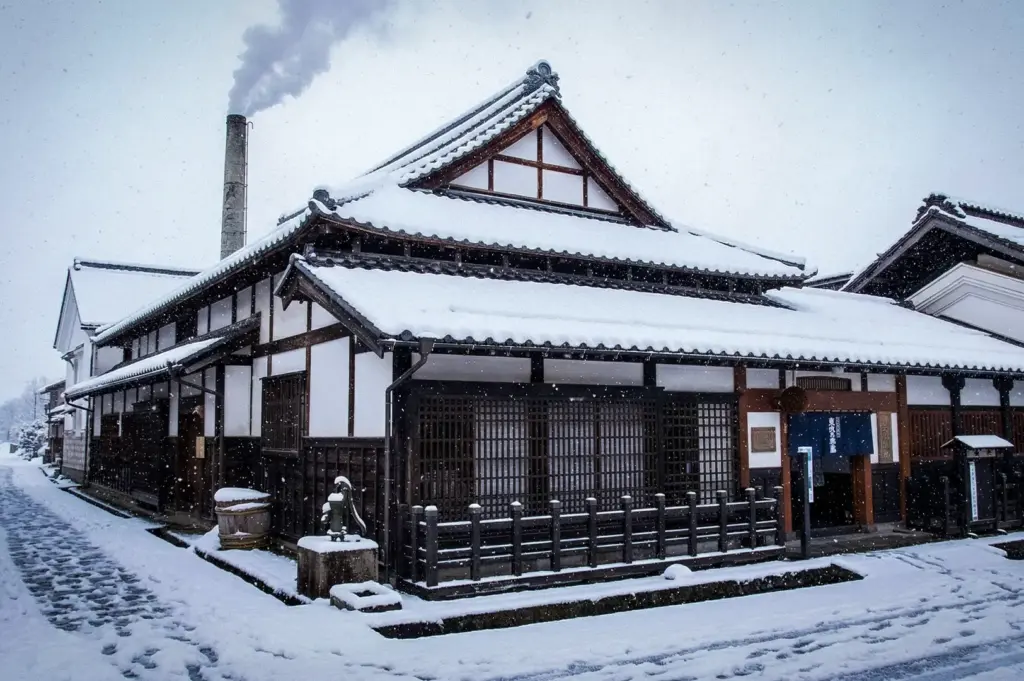
Hida Takayama won’t compete for your attention. It simply makes room — for slow mornings, shared cups, and the kind of quiet that lets two people hear each other again.
If you have extra time, add nearby Shirakawa-go, a UNESCO World Heritage Site and part of Japan’s World Heritage worth visiting for its preserved farmhouses with thatched roofs; Kamikochi in Chubu Sangaku National Park offers hiking trails, breathtaking scenery, and a protected natural environment, while the Shinhotaka Ropeway rises over 2,000 meters for high alpine views.
The trips I remember best aren’t the busy ones. They’re the unhurried ones: a market stall at dawn, a lantern-lit lane after dinner, an afternoon in Furukawa doing nothing at all.
So give it seven nights. Pick a traditional Japanese inn, slow your steps, and let the town fold itself gently around the two of you.
And here’s my question for you both before you book: when was the last time you traveled somewhere just to be together, rather than to see it all?