
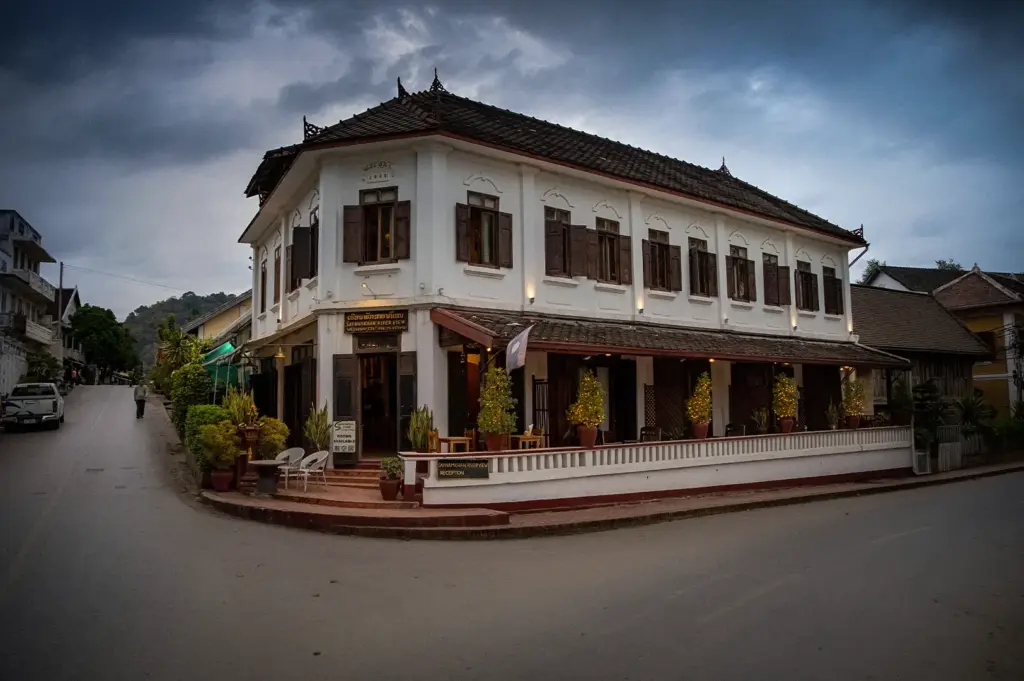
The first time I went to Luang Prabang, I stayed two nights.
I saw the temples. I climbed the hill. I bought a scarf at the night market and boarded my onward bus feeling like I’d done the place.
I hadn’t. Not even close.
It took a second trip, then a third, before I understood that Luang Prabang is a small town in Laos beside the Mekong, known for golden Buddhist temples, French colonial architecture, and a quiet, slow-paced charm that doesn’t reveal itself on a rushed stop. It’s not a city you complete. It’s a place you slowly get to know — the way you get to know a person, over quiet repeated mornings rather than one loud introduction.
If this kind of unhurried travel speaks to you, you might enjoy a guide to spending time gently in another fascinating Asian city. And if you’re weighing where to stay for a longer settle-in trip elsewhere, you can read more here. Cooking classes are another practical cultural activity worth booking ahead.
Getting There: Arriving via the Mekong River
There are no direct flights from Singapore, so make peace with a connection early.
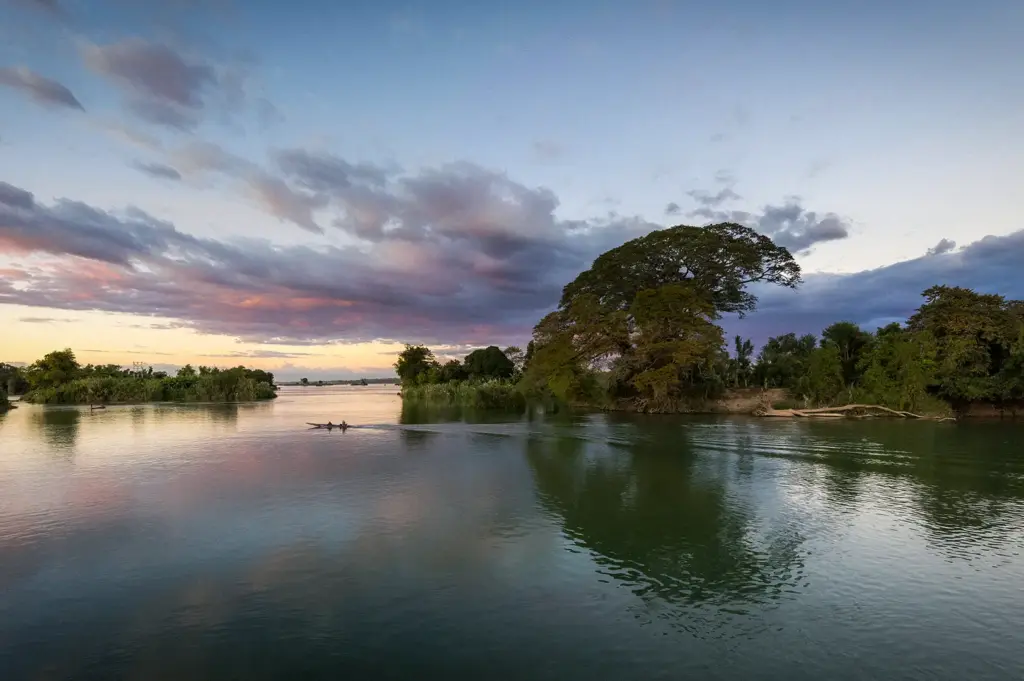
The routes I’ve used most are Singapore to Bangkok, then a short hop up to Luang Prabang Laos. You can also reach Luang Prabang overland from Vientiane and Vang Vieng, while public buses from Vientiane to Luang Prabang take about 10 hours, or come by slow boat from Huay Xai after the border crossing from Chiang Khong; that river trip takes 2 days. Singapore to Hanoi works too, and if you’re already wandering northern Thailand, Chiang Mai connects easily. On my third visit I flew in via Chiang Mai after a slow week there, and arriving overland-adjacent like that felt right — the pace already softened before I landed.
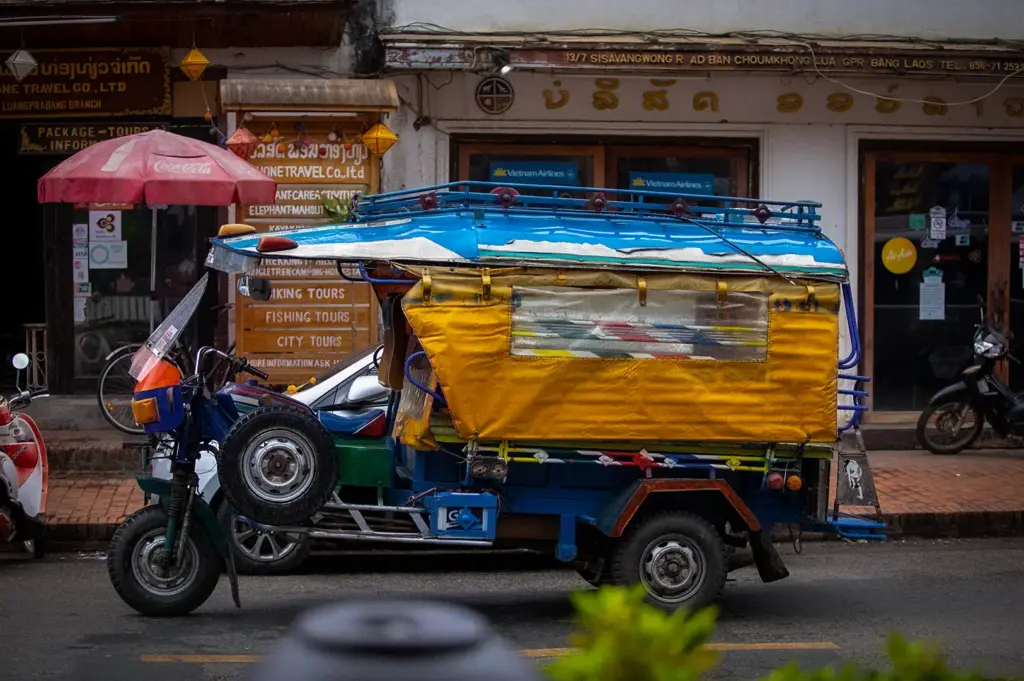
Luang Prabang International Airport is about 4 km from the city center, and a tuk-tuk usually costs USD 3-7.
The high-speed railway station is about 15 km from town and is handy if you arrive from Vientiane.
Once you’re in the city center, forget any idea of a metro or subway. There isn’t one, and you won’t want one. The compact core of this UNESCO World Heritage Site is mostly within a ten to twenty minute walk, and as a former royal capital in northern Laos, it stands out for its blend of traditional Lao architecture and French colonial buildings. I rent a bicycle for wider loops and take a tuk-tuk when the heat wins. Otherwise, I walk. The town was built for it.
When to Visit
Cool season, November to February, is the easy answer. Days sit somewhere between 15 and 30°C, the light is gentle, and long walks don’t leave you soaked through. Pack a light layer for the mornings — I forgot mine my first cool-season trip and shivered through a sunrise I’d waited an hour for. In general, this is the best time to visit Luang Prabang, especially if you want to walk a lot and catch seasonal sights like the Nam Khan Bamboo Bridge, which opens only in the dry season.
The hot season, March to May, is honestly punishing. Dry, bright, and heavy. If you come then, move early and rest through the afternoon like the locals do.
Rainy season, June to October, surprised me. Yes, the afternoon showers arrive without warning and the paths turn to mud. But the countryside goes impossibly green, the Kuang Si Waterfall runs full and thunderous, and the crowds thin right out. On a rainy September morning I had a temple courtyard entirely to myself. Some travelers call this the most beautiful time. I’ve come around to agreeing. Shoulder months can also bring smoky skies and worse air quality, so timing matters.
Whatever season, the rhythm of crowds stays the same. Sunrise and early morning are the quietest hours anywhere in the city. The single busiest moment is sunset at Mount Phousi, when what feels like every visitor in town funnels up the same steps. It also suits slow-paced travel: the Morning Market runs daily from 5am to noon with local produce for the early hours, and Luang Prabang Night Market runs daily from 5pm to 10pm with handmade textiles.
What to Expect
Luang Prabang is quieter than people expect, and that catches first-timers off guard.
If you’re picturing Bangkok’s energy or Chiang Mai’s buzz, adjust now. Shops close early here. Nightlife barely exists beyond the markets. After the evening stalls pack down, the streets go still.
For slow travelers, that stillness is the whole point.
What fills the days instead: French colonial lanes with shuttered windows, beautiful temples and amazing temples among the more than 30 Buddhist temples spread across town, monks moving through the neighborhoods at dawn, and the two rivers — the Mekong on one side, and the Nam Khan River on the other — shaping everything, with the Mekong still serving as a major transportation route as well as part of the town’s natural beauty. The town sits on the finger of land where they meet, a calm corner of Southeast Asia that still draws foreign tourists.
Its culture is shaped not only by monks and temples, but also by local people, Lao people, and ethnic minorities from the wider region.
Highlights Worth Your Time: Luang Prabang Night Market
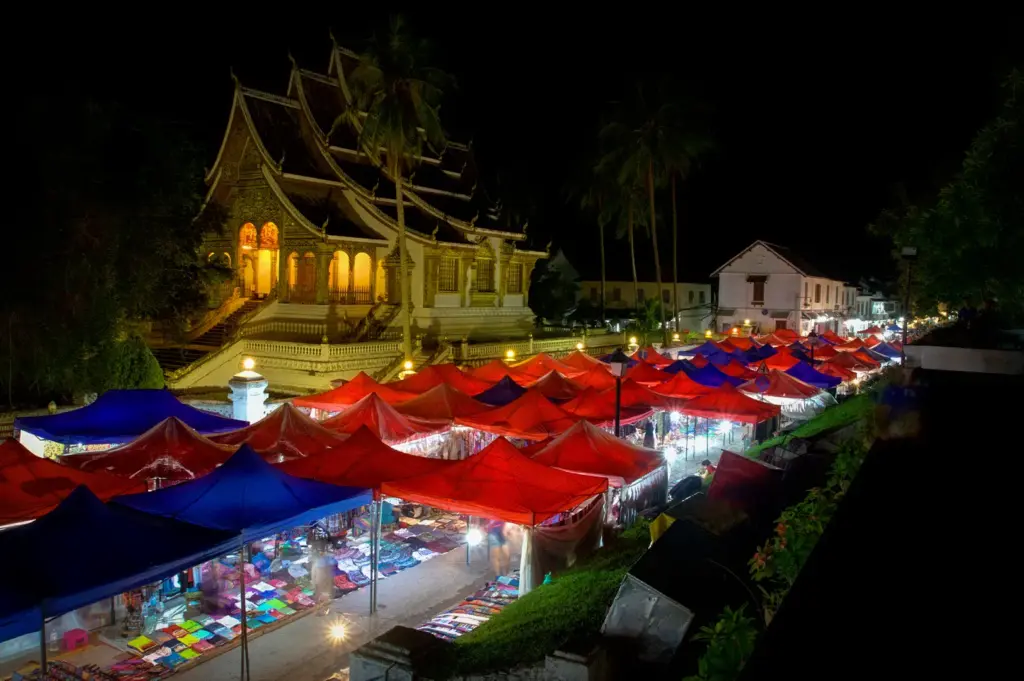
The usual Luang Prabang attractions are worth seeing. The trick is how you see them.
Wat Xieng Thong. A 16th-century temple complex and the holiest temple in Luang Prabang, it is the most beautiful of the city’s temples, all golden mosaics and low sweeping roofs, resting near the river. Go at 7 or 8am. Entry runs around 20,000 LAK, and in that early hour you’ll have the courtyards nearly to yourself before the tour groups arrive. The light on the gold at that time is something I still think about.
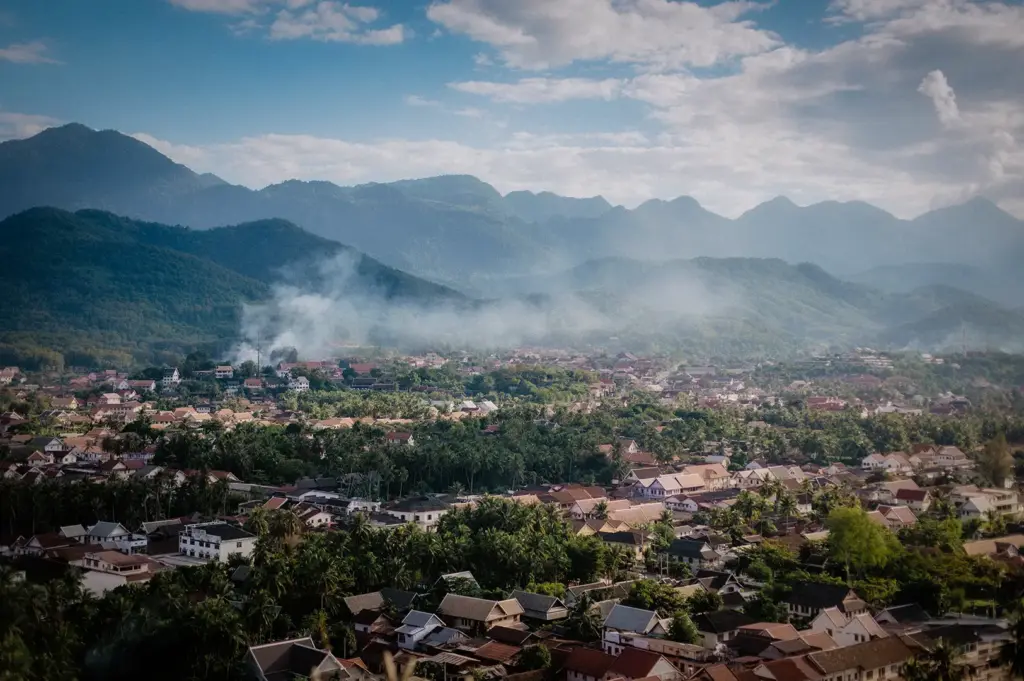
Mount Phousi. Everyone climbs it for sunset. I’d skip that scrum entirely and go for sunrise instead, when the steps are empty and the town below is still waking. Phousi Hill gives you a 360-degree panoramic view over Luang Prabang, with a fraction of the people. Entry is around 20,000 LAK.
The morning alms giving ceremony. Known locally as Sai Bat, it happens daily at dawn, usually around 5:30 AM to 6:30 AM, as monks collect offerings from locals and tourists in single file. It is not a photo opportunity, whatever social media suggests. Keep your distance. Dress respectfully with covered shoulders and knees, remain silent, no flash, and don’t interrupt. Watch quietly, or better, don’t watch at all unless you’re participating with genuine respect. The dignity of it is the point.
Beyond the Usual: Where the City Really Lives – Kuang Si Falls
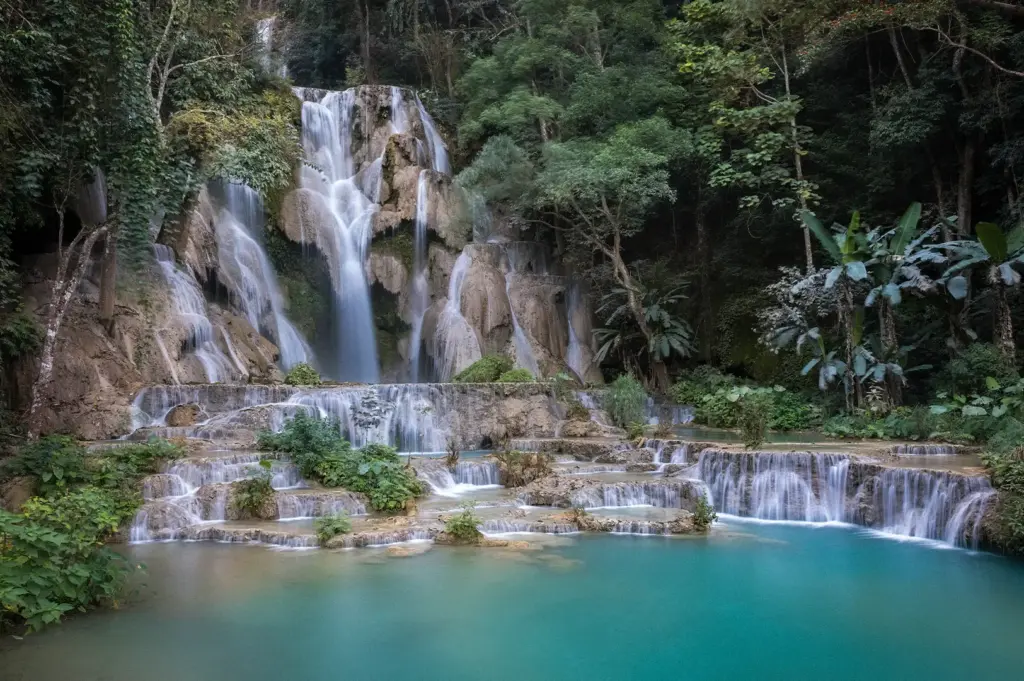
The deeper pleasures sit just outside the main streets.
Ock Pop Tok Living Craft Centre sits by the river and runs weaving demonstrations. Watching the looms work, seeing where the dyes come from — it reframes every scarf in the night market.
Pak Ou caves are about 25 kilometers upstream and are best reached by boat ride on the Mekong; the caves hold more than 4,000 Buddha statues, which makes them clearly worth visiting.
Many travelers pair that trip with whisky village, a fun place for a quick stop and local tasting.
The royal palace museum was once the royal residence, and the complex includes Haw Pha Bang temple, which houses a sacred Buddha statue tied to the Lao royal family.
The former royal palace is also an easy add-on if you want a short guided tour with more historical context.
Phousi Market in the morning is where I’d send anyone wanting to explore Luang Prabang beyond its postcards. Fresh produce, breakfast stalls, everyday Lao life before the tourists stir. This is where Lao cuisine actually lives — the sticky rice, the grilled river fish, the herbs I couldn’t name.
The Bamboo Bridge across the Nam Khan river is a seasonal crossing, rebuilt each year after the rains wash it away. The nearby Nam Khan River Bridge offers another crossing and a different perspective over the area. Cross it early, when the morning light is soft and you’re the only one on the planks.
And the riverside cafés away from the center — this is where my best hours in Luang Prabang have quietly happened. A coffee, a book, boats drifting past. Nothing to do and nowhere to be. Beyond coffee stops, the city also has diverse dining options from local eateries to fine dining; if you want a brief recommendation, Tamarind is my favourite restaurant.
Practical Things Worth Knowing: Lao Cuisine and More
Costs here are gentle. Street food runs 10,000 to 30,000 LAK. Budget hostels start at 7€ per night, private rooms at Khounphet Heritage House from 15€, and mid-range accommodation options such as Golden Lotus Namkhan View from 21€. A bicycle costs 20,000 to 50,000 LAK a day; a tuk-tuk anywhere from 20,000 to 100,000 depending on how far you’re going. Some luxury hotels can exceed 800$ per night, while many budget hotels cluster along the Nam Khan Riverfront.
Carry Lao kip in cash. Markets, tuk-tuks, and small cafés strongly prefer it, and while ATMs exist, they charge foreign withdrawal fees that add up over a longer stay in Luang Prabang; if you want a hotel room near the main street or city center, book ahead.
Pack a light scarf and breathable long pants for the temples — shoulders and knees covered, always. Add sunscreen, mosquito repellent, a reusable water bottle, and genuinely comfortable walking shoes. You’ll be on your feet more than you plan to be. For easy local meals, look for Khao Piak Sen and sticky rice skewers, and try Bamboo Garden Restaurant for a more traditional Lao stop.
Six Days In
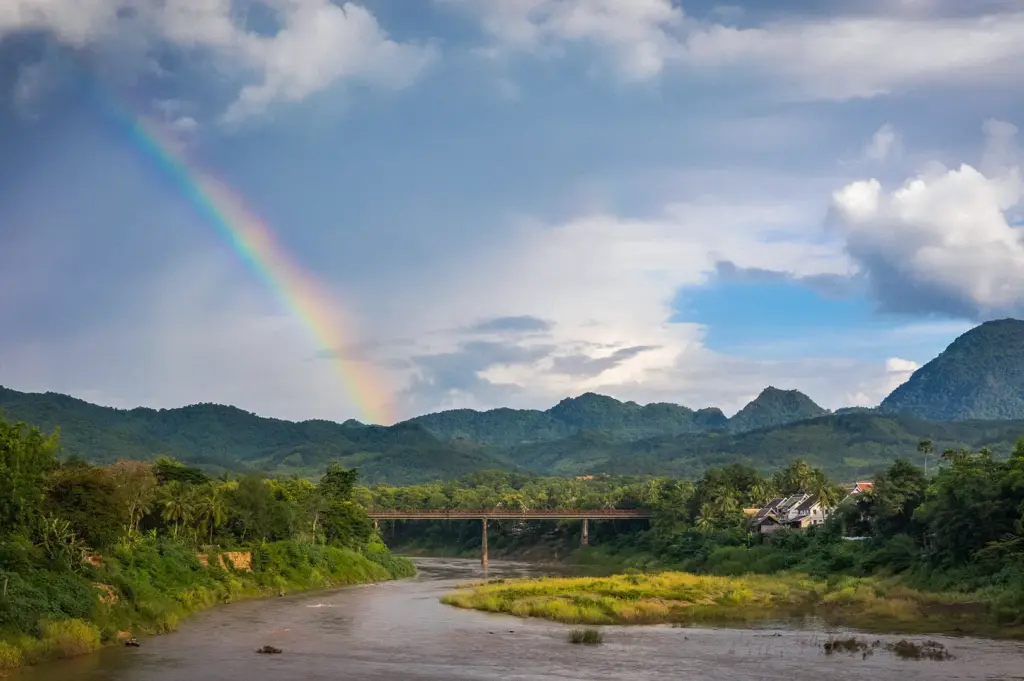
Here’s what six slow days gave me that two never could, which is why a rushed guided tour or quick temple hopping reveals less of the city.
The same café two mornings running, until the woman there knew how I took my coffee. The same river walk at different hours, watching the light change. A quiet temple courtyard before the town woke. A slow conversation with an artisan over her loom. That slower rhythm is what makes Luang Prabang, Laos, worth visiting for longer than most people plan. A Mekong sunset I watched without once reaching for my camera.
That’s the soul of Luang Prabang. Not in ticking off more Buddhist temples or squeezing in another tour, but in letting the ordinary become familiar.
You don’t finish this city.
You just, slowly, come to know it.





