
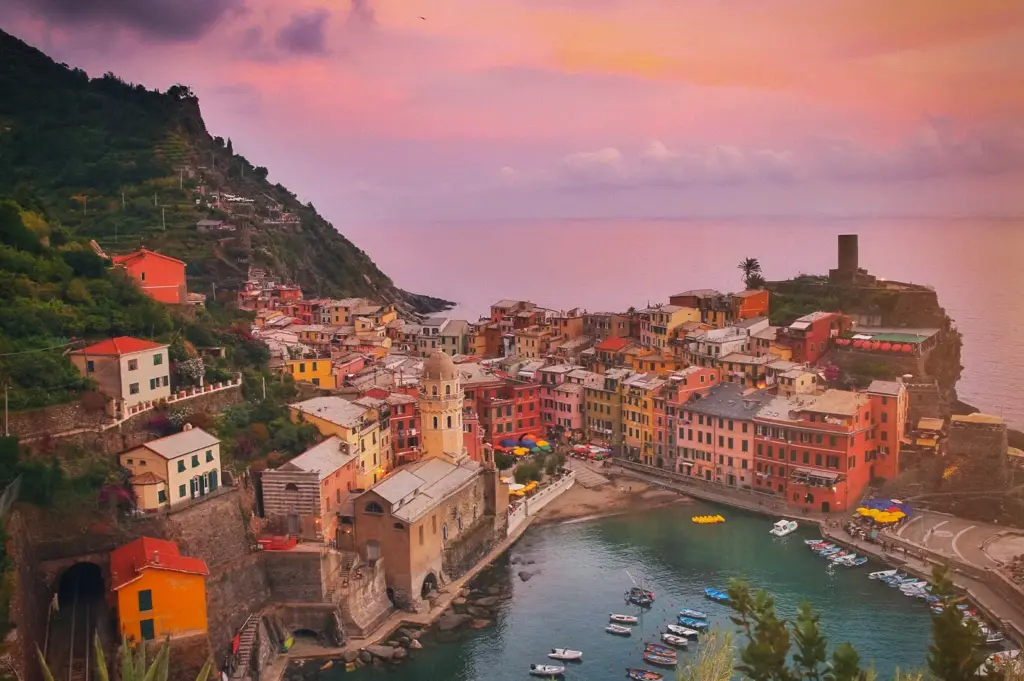
By eight in the morning, the streets are only beginning to wake.
A family steps out of their hotel together, grandparents walking a little more slowly than the grandchildren. The younger ones are already looking ahead, noticing a bakery window or a passing train. The adults talk quietly about where to have breakfast. Nobody is in a hurry.
They walk for a while, stop at a small café, and settle around a table near the window. There is no discussion about how much time remains before the next attraction. For once, the morning is simply allowed to unfold.
This is one of the quieter pleasures of travelling across generations.
A family holiday with grandparents, parents, and children brings together people who experience time differently. Children often want movement and discovery. Parents carry the invisible work of making everything run smoothly. Grandparents may prefer comfort, conversation, and enough time to appreciate where they are.
A tightly planned holiday can make those differences feel like obstacles. Slow travel allows them to become part of the journey.
Modern travel often encourages efficiency. There are attractions to see, restaurants to try, photographs to take, and neighbourhoods to cross off before returning home. Social media adds another layer of pressure, making a holiday appear incomplete unless every day produces something worth sharing.
But a place rarely reveals itself according to a schedule.
A neighbourhood becomes more familiar when you walk through it twice. A café feels different when the person behind the counter recognises you on the second morning. A train journey becomes part of the memory when there is time to watch the landscape change rather than immediately thinking about what comes next.
For families, these small repetitions can be especially meaningful.
Perhaps the grandparents sit with coffee while the grandchildren watch bicycles pass outside. Everyone returns to the hotel after lunch because the afternoon is warm and someone needs to rest. Later, they wander out again, taking a quieter street and discovering a small shop they might have missed on a faster route.
Nothing remarkable has necessarily happened.
Yet these are often the moments people remember.
Longer stays make room for this kind of travel. Instead of constantly packing and unpacking, families can settle into one neighbourhood and develop a gentle daily rhythm. Public transport becomes familiar after a few journeys. Walking routes are no longer just directions on a map. The hotel begins to feel less like a temporary room and more like a place to return to.
That familiarity changes the emotional texture of a trip.
For older travellers, it means less pressure to keep pace with everyone else. For parents, it offers moments when they are not constantly watching the clock. For children, it creates space to be curious without turning every discovery into another scheduled activity.
The family can travel together without having to do everything together.
Someone may sleep late. Someone else may want to explore the morning market. The grandchildren might spend an hour in a bookshop while their grandparents rest nearby. Later, everyone meets again for lunch.
There is freedom in that arrangement. It recognises that travelling as a family does not require every person to experience every minute in exactly the same way. Perhaps this is why slow travel can be so valuable across generations. It shifts the purpose of a holiday from completing an itinerary to sharing time.
And shared time has its own rhythm.
Travel can reveal family relationships in ways that everyday life rarely allows. Grandparents may discover new interests in their grandchildren. Parents may see their own parents experiencing a place with fresh curiosity. Children may remember not the name of a museum, but the afternoon their grandfather laughed after taking the wrong train.
Memory is rarely organised like an itinerary.
It gathers around sensations instead: the smell of breakfast drifting through a quiet street, rain against a café window, the warmth of a shared meal, or the sound of footsteps returning to a familiar hotel at the end of the day.
These ordinary details become easier to notice when there is enough time.
For families accustomed to busy Singaporean lives, where different generations may see one another mostly during weekends, celebrations, or short visits, travelling together can create a rare stretch of uninterrupted time. Away from familiar routines, there is room to listen, observe, and simply be together.
The destination matters, of course. But perhaps the deeper gift is what happens when it stops being something to conquer.
A holiday does not need to be full from morning until night to feel worthwhile. Sometimes the richest travel day begins with a quiet walk, pauses over breakfast, disappears into an afternoon of rest, and ends with everyone sitting around the same table.
Slow travel leaves space for those days.
And years later, what remains may not be everything the family managed to see, but the feeling of having had nowhere else to be.
For families looking to explore this gentler approach to travel, the Ultimate Slow Travel Itinerary Guide offers a useful starting point. Because sometimes the most meaningful journey begins when there is finally enough time to stop counting the hours.





