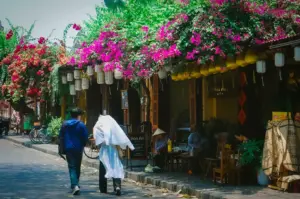
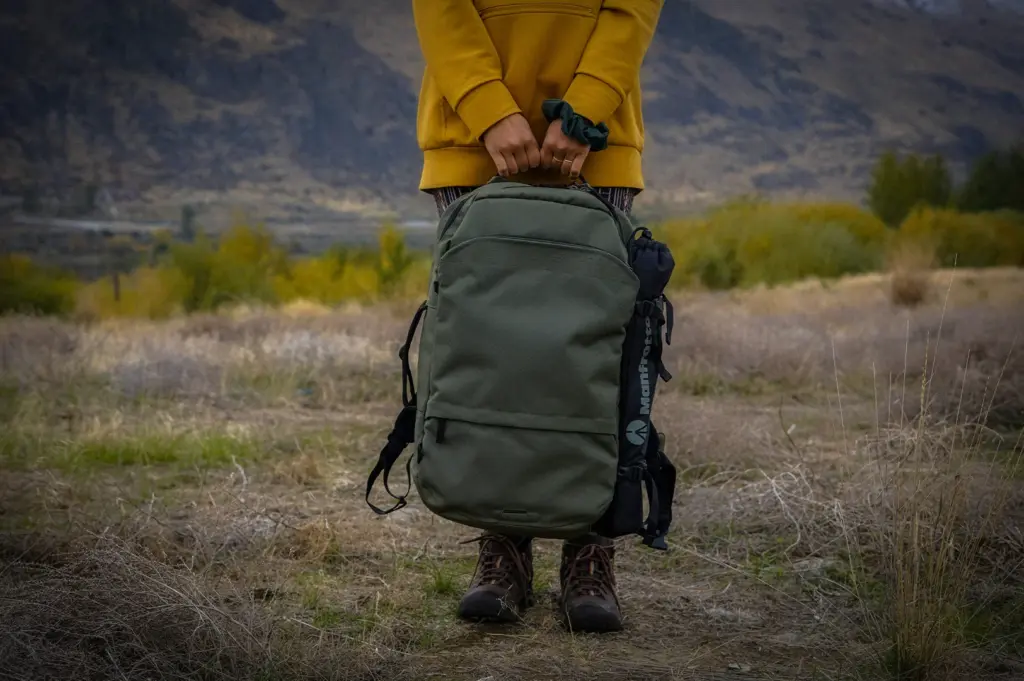
When I packed for my travel essentials to my trip to Japan, I learned to prioritize lighter, more versatile items that suited the local climate and activities, which made my journey much smoother and more enjoyable.
How you pack shapes how you travel. For fast trips, packing focuses on efficiency and photos. Slow travel demands settling in, building routines, and carrying less to notice more.
Choosing the right travel essential items isn’t about buying every gadget but selecting reliable ones that improve daily moments. Here’s what I pack to make long travel days lighter.
Why Slow Travel Changes the Way You Pack: A Travel Essential Approach
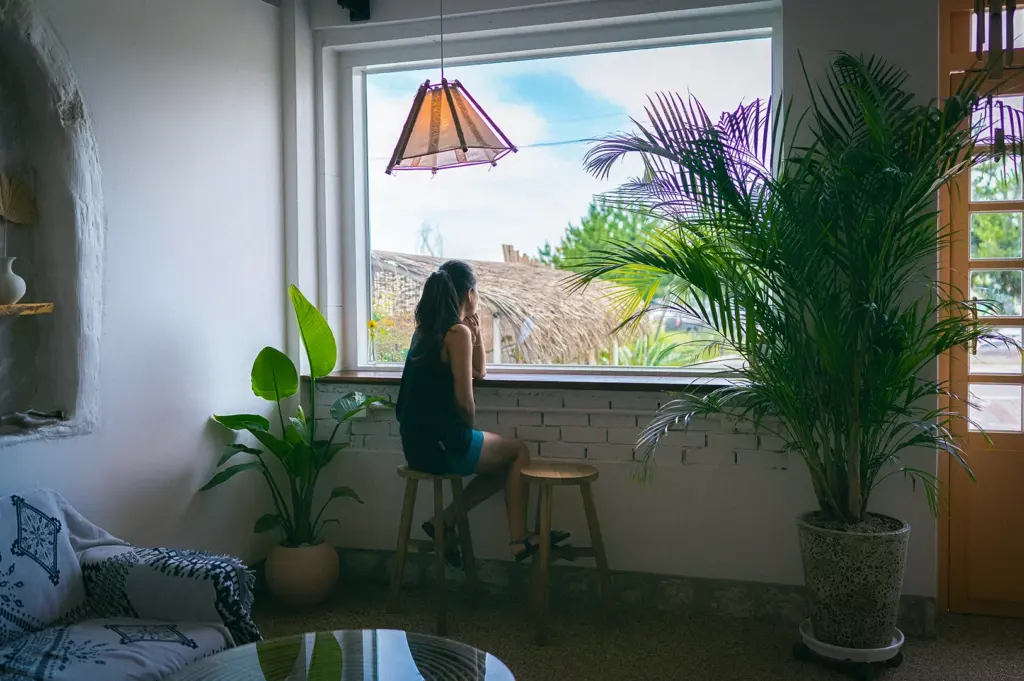
Slow travel means staying longer in one place and treating your accommodation like a temporary home, not just a sleeping pod. This changes your packing priorities.
You don’t need a new outfit every day or heavy essential travel accessories you rarely use. Instead, pack breathable clothing for comfort during long café stays.
Singaporeans often overpack out of convenience and fear of the unknown, bringing backup outfits and bulky gear. Slow travel encourages trusting local options like buying shampoo conditioner or enjoying laundry as a grounding routine.
Essentials That Quietly Improve Everyday Moments: The Ultimate Travel Packing List
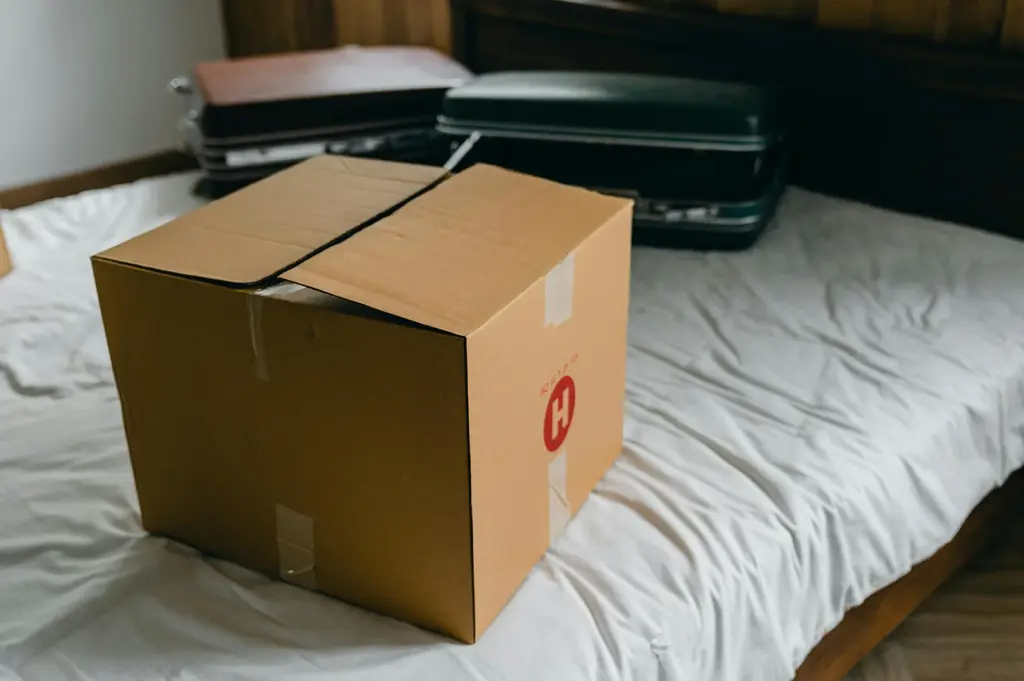
A true travel essential is an item you reach for every single day without thinking about it. Over the years, I have stripped my packing list down to these core items that truly matter.
The Packable Tote Bag
I never leave home without a lightweight, foldable tote bag (I usually grab the $15 ones from MUJI). When you are slow traveling in places like Chiang Mai or Bali, you will find yourself walking to morning markets to buy fresh fruit, or carrying a laptop to a coworking space. A heavy backpack feels like a burden; a simple tote feels like you actually live there.
Reliable Power Bank to Stay Powered
When you are wandering without a strict itinerary, your phone is your map, your translator, and your camera. It is also how you keep quick access to your boarding pass, so a dead battery creates instant panic. I carry a slim, fast-charging 10,000mAh power bank (expect to spend around SGD 60 to 80), and I keep it in my carry-on bag because lithium-ion batteries cannot go in checked luggage. A compact all-in-one plug adapter is the most practical charger companion for different countries. It keeps me powered during long train rides without adding a brick of weight to my bag.
A Reusable Water Bottle
I refill a lightweight insulated water bottle every morning. It saves me from buying countless plastic bottles and ensures I stay hydrated during long afternoon walks in the tropical heat.
An E Reader and Eye Mask for Comfort and Rest
Slow travel means you will spend a lot of time in transit or resting in your room. An e reader is perfect for quiet afternoons, and a comfortable silk eye mask plus earplugs can make all the difference on a long journey when you need to stay comfortable and rest, especially if you are trying to overcome jet lag.
Alex’s Expert Tips: Ditch the bulky travel wallet. I use a simple, flat zip pouch (around SGD 5 from a stationery shop) to hold my passport, an emergency $50 USD bill, and my travel insurance printout. It slides easily into any bag and keeps my important documents safe without taking up space.
Packing for Routines, Not Photos: The Essential Packing Checklist
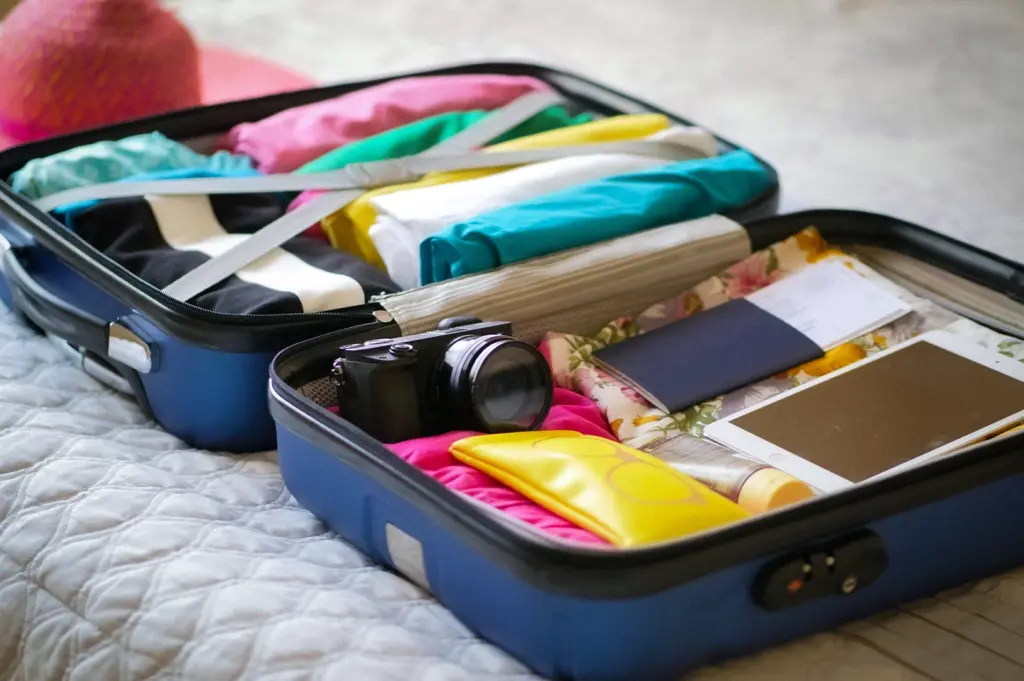
One of the biggest breakthroughs I had was learning to pack for repetition. A simple travel checklist like the 5-4-3-2-1 method—5 tops, 4 bottoms, 3 pairs of shoes, 2 layers, and 1 set of accessories—helps avoid overpacking.
I pack three to four neutral, breathable t shirts (like Uniqlo AIRism shirts) and two versatile pairs of bottoms. That is it. I wear them, I wash them, and I wear them again. One set of accessories can also cover practical extras like a hat, sunglasses, or a belt. A packing checklist built for routines prioritizes quick-dry fabrics and layers over statement pieces.
When you know you will be walking 15,000 steps a day, shoes take up the most space, so your footwear becomes your most vital piece of gear. Do not pack shoes just because they look good. Bring one pair of highly cushioned, supportive walking sneakers, and one pair of comfortable sandals that can handle sudden rain, and wear the bulkiest pair in transit instead of packing it. For long flights, compression socks can also help reduce achy legs and support circulation.
I Recommend:Invest in a set of compression packing cubes (around SGD 20 to 40). They do not just save space; they act as mobile drawers. When I check into a serviced apartment, I simply take the cubes out of my carry on bag and place them on a shelf. Unpacking feels temporary, gentle, and organized, rather than chaotic.
How to Avoid Overpacking: Travel Tips for Traveling Light
The most common learning experience for any traveler is realizing that the bag gets heavier every day. You buy snacks, pick up small souvenirs, and suddenly the zipper will barely close.
To avoid this, I use the “20% rule.” I always leave 20% of my carry on luggage completely empty when I leave home. If I am checking a bag, I keep one full spare outfit in my carry on in case my checked luggage is delayed. This empty space reduces the stress of repacking when I move to a new city. It also gives me the flexibility to buy a bag of local coffee beans or a handmade ceramic mug without worrying about how I will get it home.
If you are struggling to edit down your pile of clothes, pack your bag completely, zip it up, and carry it around your house for 20 minutes. Walk up and down the stairs. If your shoulders are aching, your luggage is too heavy. Take it back to the bedroom and remove three items of clothing. Laundry sheets can help you wash clothes on the road instead of overpacking, especially if your trip includes multiple destinations.
My Common Packing Mistakes to Avoid: Essential Items and Full Sized Toiletries
I have made plenty of packing errors on the road. Here are the red flags to watch out for before you zip your suitcase.
Mistake 1: Packing Full Sized Toiletries
I made this mistake once on a trip to Europe, bringing massive bottles of shampoo conditioner and lotion. They took up a quarter of my suitcase and leaked under cabin pressure. Stop packing full sized toiletries. Buy reusable toiletry bottles, and keep carry-on liquids under 100ml, including lip balm, sunscreen, and hand sanitizer, or better yet, just buy your body wash and shampoo conditioner at a local supermarket when you arrive. It forces you to interact with the neighborhood immediately.
Mistake 2: Buying Overly Complex Travel Accessories
We often think that more gear equals better travel. We buy oversized camera bags, complicated electronic organizers, and rigid neck pillows. In reality, these bulky items slow you down. Keep your personal items simple and streamlined. Focus on other essentials that matter more, like charging cables and a universal adapter.
Mistake 3: Forgetting a Laundry Bag
Living out of a suitcase means your clean clothes and dirty clothes will inevitably mix if you aren’t careful. A lightweight, collapsible laundry bag is one of those crucial essential items that most people forget until they desperately need it. A compact first aid kit and personal prescriptions in their original bottles, plus basics like pain relievers and anti-diarrheal meds, are also more useful than extra gadgets.
Before you pack, make sure your passport has at least six months of validity left and check visa requirements for your destination.
FAQs From My Travel Experiences
How do you handle unpredictable weather conditions without overpacking?The secret is layering, not bulk. Instead of bringing a massive winter coat for a chilly evening in Northern Thailand, I pack a breathable t-shirt, a long-sleeve thermal base layer, and a lightweight rain jacket (like a SGD 40 windbreaker from Decathlon). You can stack them when you are freezing, or wear them separately as the weather shifts. A light scarf is also handy for extra warmth or sun protection.
Can I really survive a 10-day trip with only a carry on bag?Absolutely. Traveling with just a carry on bag forces you to be intentional. Having your in-transit essentials set up for easy access matters even more when you are living out of one bag. You move faster through airports, you never have to wait at the baggage carousel, and you can easily carry your bag onto a local bus. The key is booking an accommodation halfway through your trip that has a washing machine.
What should I buy before the trip versus locally?Buy your travel documents organizer, power bank, universal adapter, essential medications, and travel insurance in your home country, and keep your travel insurance documents together with your passport and booking details, plus carry at least two different credit or ATM cards and a small amount of local and USD cash for emergencies where you can reach them quickly. Buy your heavy toiletries, snacks, and “just in case” umbrellas at your destination.
Pack Light and Enjoy Your Next Adventure
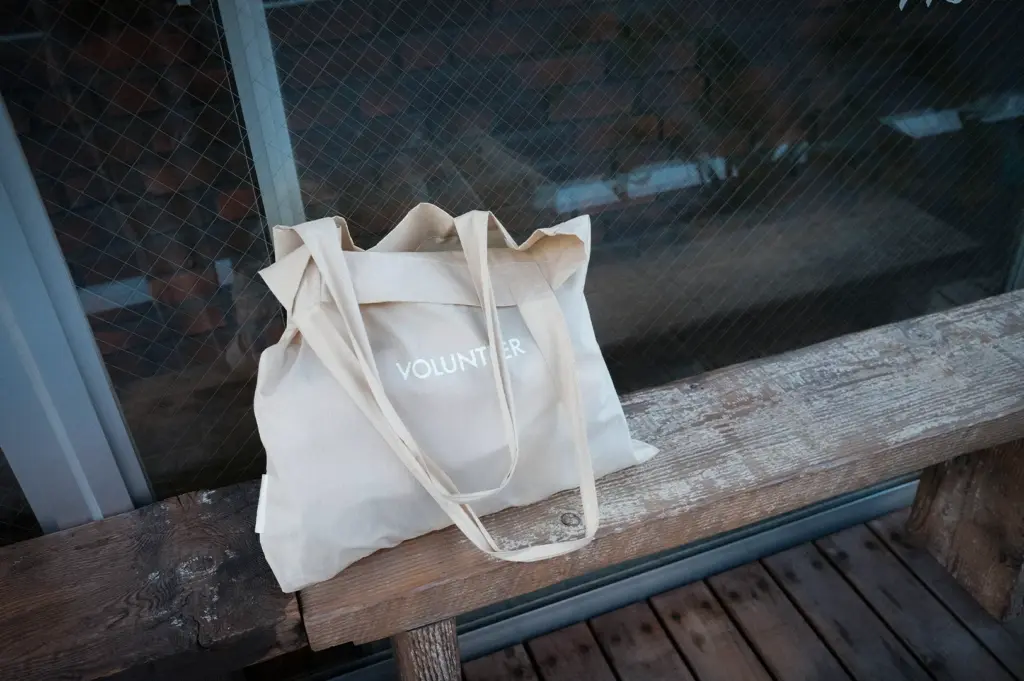
At its core, packing is an emotional exercise. When we stuff our bags full of backup outfits and emergency gadgets, we are trying to pack a sense of control.
But the beauty of slow travel is learning to let go of that control. When you carry less, you move through the world with more grace. You stop wrestling with heavy luggage on narrow sidewalks, and you start looking up at the architecture.
Next time you pull out your ultimate travel packing list, challenge yourself to remove just three items. Pack a simple tote, grab a good book or your e-reader, and make sure your plan still works for the whole family if you are not traveling solo. You’ll be amazed at how much more you can take in when your hands—and your mind—are finally free. And if you’re planning a trip to Tokyo, be sure to check out our guide on the perfect hotel options to make your stay comfortable and memorable—click here to learn more.