The first time I visited Seoul, South Korea, I tried to see everything—five royal palaces, three food markets, two towers, and many subway transfers in four days. I returned with sore feet and a full camera roll but little memory of the city.
It took more trips to realize the best things to do in Seoul aren’t always the biggest attractions. Often, they’re quiet moments: wandering alleys filled with street art, lingering in coffee shops while it rains, or sitting by the Han River after dark.
Most Seoul lists focus on maximizing sights; this one is different. After slow travels, I’ve chosen 10 experiences that reward time and attention. Each is better when you stop rushing. Here’s how to enjoy slow days in Seoul, South Korea.
Attraction | Price (₩) | Location / Nearest MRT Station |
|---|---|---|
Gyeongbokgung Palace | 3,000 | Gyeongbokgung Station, Exit 5 |
Bukchon Hanok Village | Free | Anguk Station, Exit 3 |
Seoul Station & Digital Media City | Free | Seoul Station |
Korean Fried Chicken & Food Markets | Varies | Gwangjang Market, Namdaemun Market |
Changdeokgung Palace & Secret Garden | 3,000 (palace), 5,000 (garden) | Anguk Station, Exit 3 |
Coffee Shop Culture | Varies | Ikseondong, Hongik University |
Food & History Tours | Varies | Various Markets |
Salt Bread & Creative Desserts | Varies | Ikseondong |
Seoul Subway & T-money Card | T-money card cost varies | Available at convenience stores and subway stations |
Lotte World & Yeouido Hangang Park | 59,000-65,000 (Lotte World) | Jamsil Station (Lotte World), Yeouido (Hangang Park) |
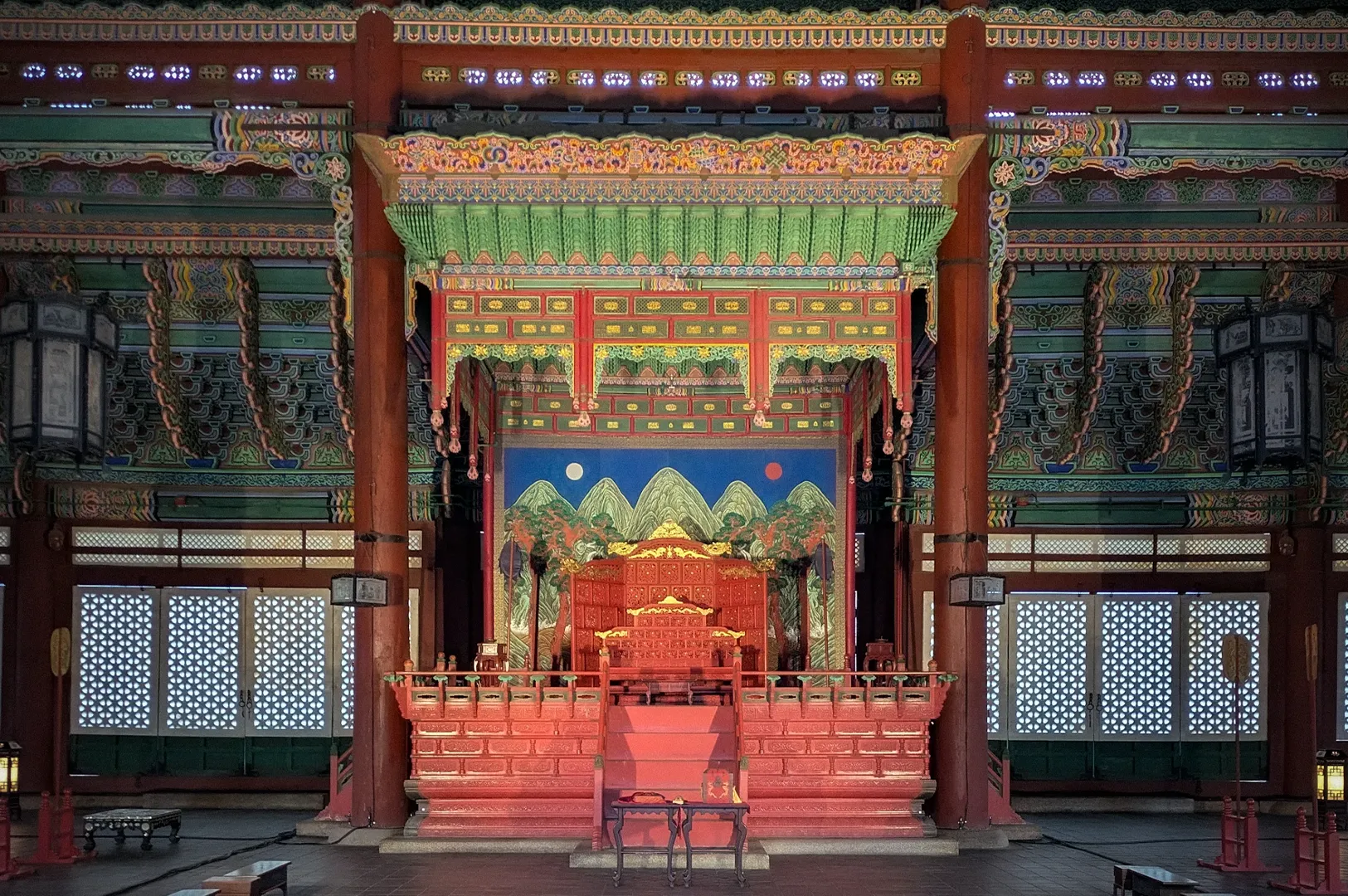
1. Gyeongbokgung Palace and the Five Royal Palaces (Joseon Dynasty)
Nearest MRT: Gyeongbokgung Station, Exit 5 (under 5 minutes)
Price: ₩3,000 (approx. $2.50 USD)
Gyeongbokgung Palace, the primary royal residence of the Joseon dynasty, is a must-visit for first timers to Seoul. Built in 1395, it holds immense historical significance as the primary royal palace, was destroyed during the Japanese occupation and later reconstructed, and is one of the UNESCO World Heritage sites in Seoul. The grounds are vast, large enough for an entire afternoon visit, and include the National Folk Museum.
Adult entry is just ₩3,000, and a palace combination ticket for all five royal palaces is ₩10,000 (approx. $8.50 USD). Try to catch the changing of the guard ceremony, and consider renting a hanbok nearby, which often grants free entry. Plan for 2 hours to wander slowly, or 45 minutes for highlights.
Best for: First-time visitors, culture-focused slow mornings.
I suggest: Arriving early to avoid crowds; midday can be overwhelming. Pair it with Seochon Village afterward instead of rushing to another palace.
2. Bukchon Hanok Village: Traditional Houses and Boutique Shops
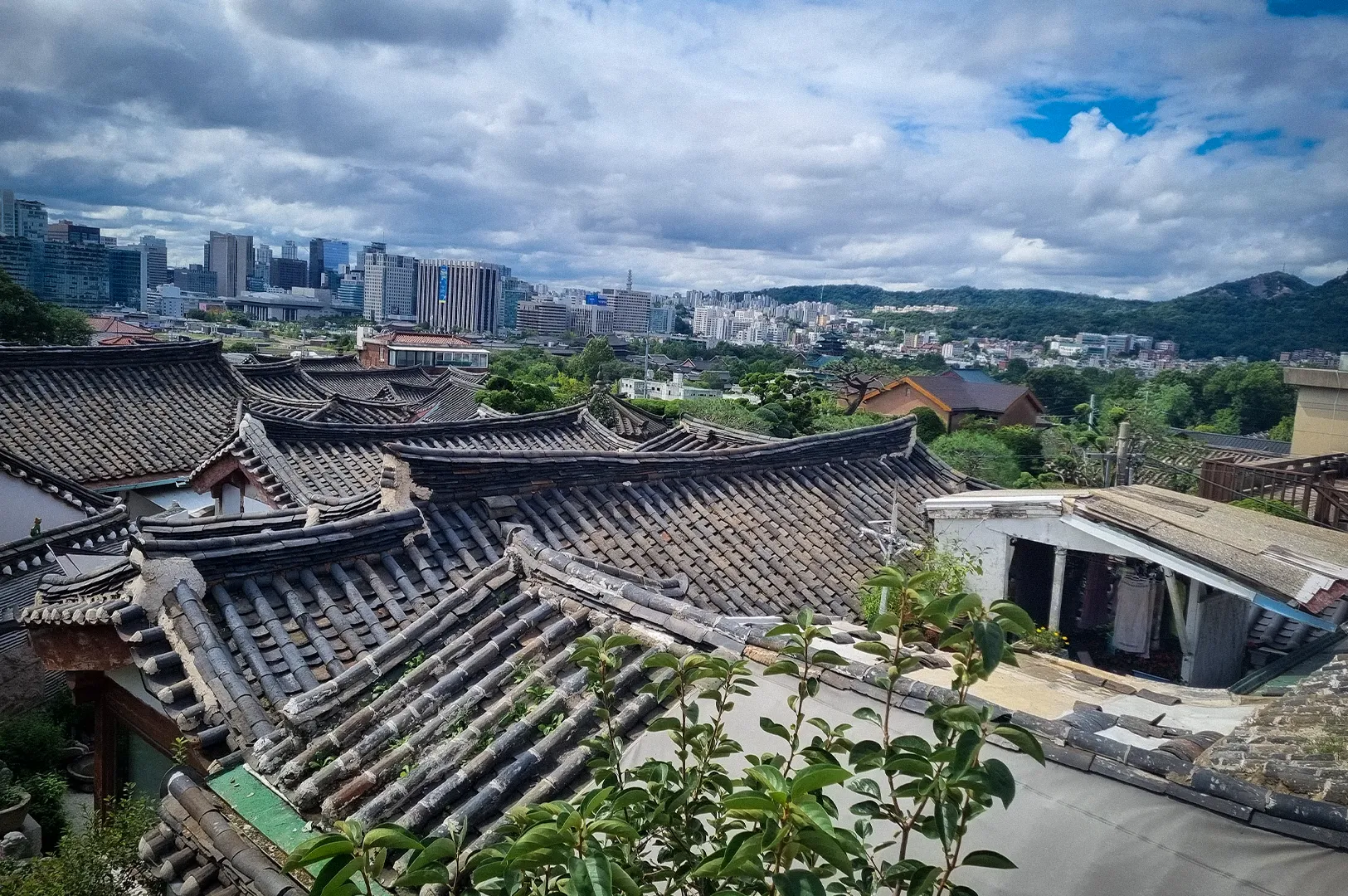
Nearest MRT: Anguk Station, Exit 3 (around 10 minutes, slightly uphill)
Price: Free to walk
Bukchon Hanok Village is a living neighborhood of over 900 traditional houses (hanoks) nestled between Gyeongbokgung and Changdeokgung palaces. It offers a glimpse into Korean culture and architecture, with boutique shops, unique cafes, and a few stores selling crafts or prints by Korean artists tucked into narrow alleys.
Visiting Bukchon rewards early arrivals before the crowds. The village is open from 10 AM to 5 PM to respect residents. Take your time to appreciate the historical significance and quiet streets.
Best for: Photography, cultural walks, and unique coffee shops.
I suggest: Visiting early or late in the day to avoid peak crowds, which can undercut the charm. Visit a Studio Ghibli inspired cafe here for creative desserts and a cozy break.
3. Seoul Station and the Digital Media City: Modern Seoul
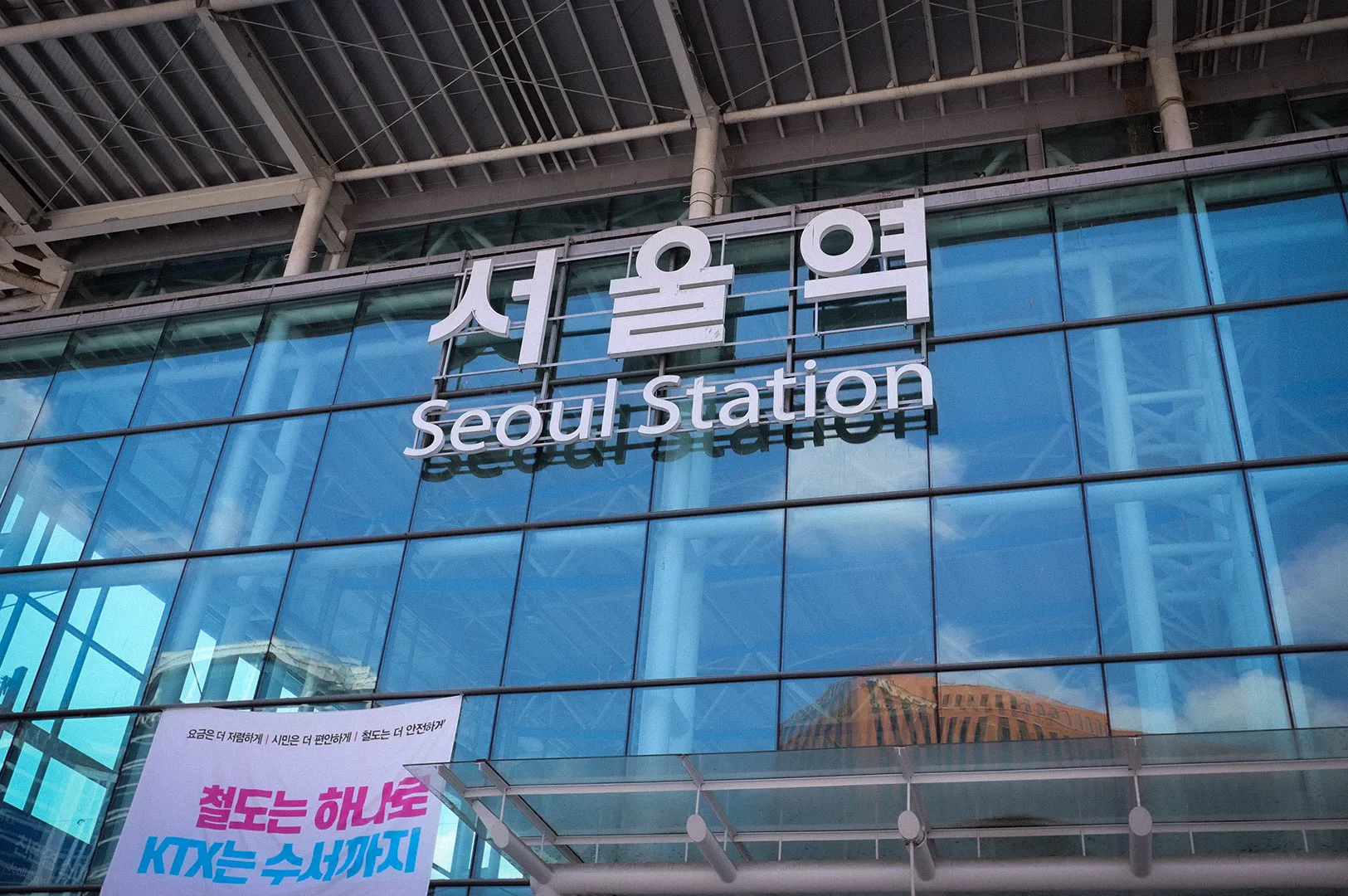
Seoul Station is a major transportation hub connecting you to the airport railroad express from Incheon International Airport and the metro system. Nearby, Digital Media City showcases Seoul’s contemporary art and digital innovation, and modern districts such as Seongsu-dong are often called the ‘Brooklyn of Seoul’ for shopping.
This area offers a blend of modern city life and creative street art, with boutique shops and food stalls nearby. Gangnam’s COEX Mall is another major modern destination, especially for the Starfield Library. It’s a great spot to experience Seoul’s urban culture beyond the historical palaces.
Best for: Tech lovers, urban explorers, and art enthusiasts.
I suggest: Using Google Maps or the Naver app for easy navigation.
4. Korean Fried Chicken and Street Food: Delicious Food Markets
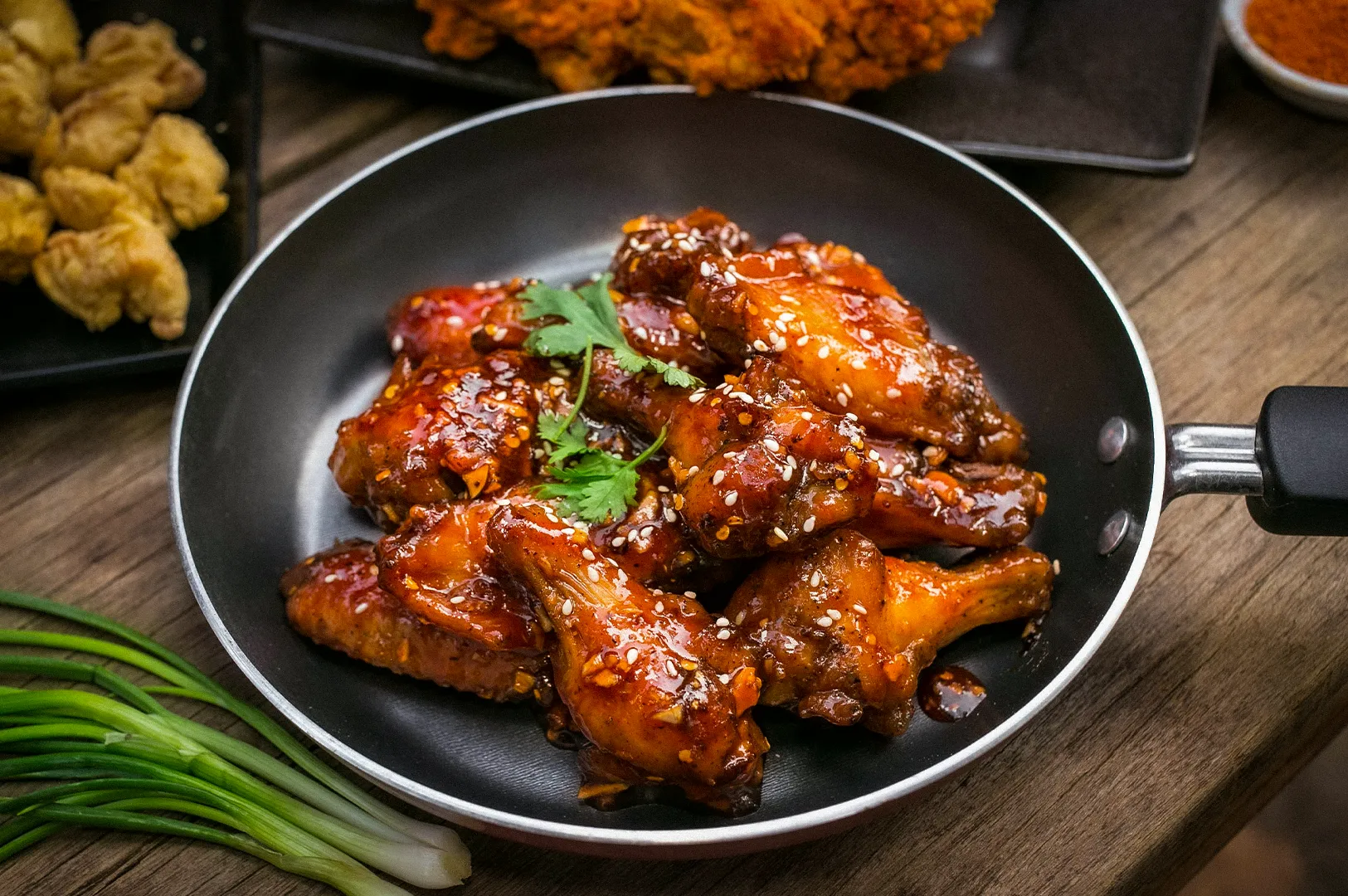
Korean fried chicken is a must-try when you visit Seoul. Many specialty restaurants serve it with a variety of sauces, often paired with local beer. For authentic Korean street food, visit Gwangjang Market, Seoul’s oldest market with over 5,000 vendors, or Namdaemun Market, one of Seoul’s largest and oldest markets, both bustling food markets with countless food stalls. Garak Market is the largest wholesale food market in Seoul, with produce arriving from the entire country. Noryangjin Fish Market stays open 24 hours for fresh seafood.
Sampling Korean street food is one of the best ways to taste Seoul’s vibrant food culture. Take a slow food tour or explore the markets at your own pace. Authentic Japanese cuisine in Seoul also stands out for seafood-only dishes, and omakase dining usually requires reservations while featuring seasonal seafood chosen by the chef. It is prized for precision and craftsmanship at the sushi counter, where you can watch the chef work, and top-quality fish may come through markets such as Toyosu Market.
Best for: Food lovers and casual group meals.
I suggest: Stopping by Hotteok Namdaemun Vegetable for popular Korean hotteok pancakes, then adding fried pancake and salt bread for a sweet and savory treat.
5. Royal Palaces: Secret Garden at Changdeokgung
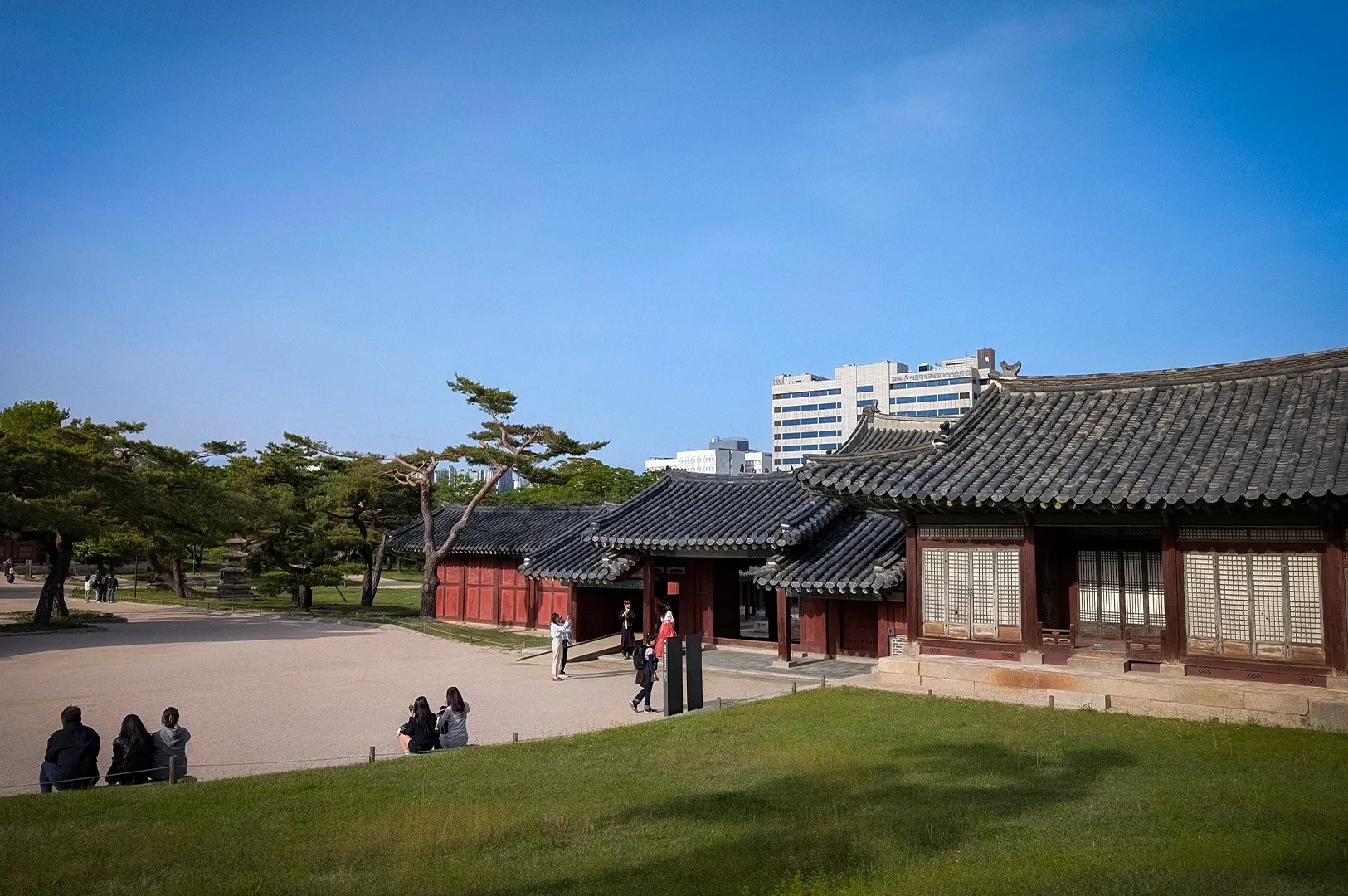
Nearest MRT: Anguk Station, Exit 3 (around 5 minutes)
Price: ₩3,000 for palace entry, ₩5,000 (approx. $4.25 USD) for Secret Garden tour
Changdeokgung Palace is a UNESCO World Heritage site known for its Secret Garden, a serene space with ponds and pavilions that change beautifully with the seasons. Seoul has five royal palaces, but Changdeokgung stands out among most palaces for its Secret Garden and natural layout. The palace layout follows the natural terrain, offering a poetic contrast to the grand symmetry of Gyeongbokgung.
Entry to the palace is around ₩3,000, but the Secret Garden requires a separate timed ticket costing ₩5,000. Book early as slots fill quickly. Budget 2 to 3 hours if including the garden tour.
Best for: Garden lovers, repeat visitors, slow walkers.
I suggest: Booking or arriving early specifically for Secret Garden access, as slots often sell out. Explore the palace at leisure after the garden tour.
6. Coffee Shop Culture and Unique Cafes in Seoul
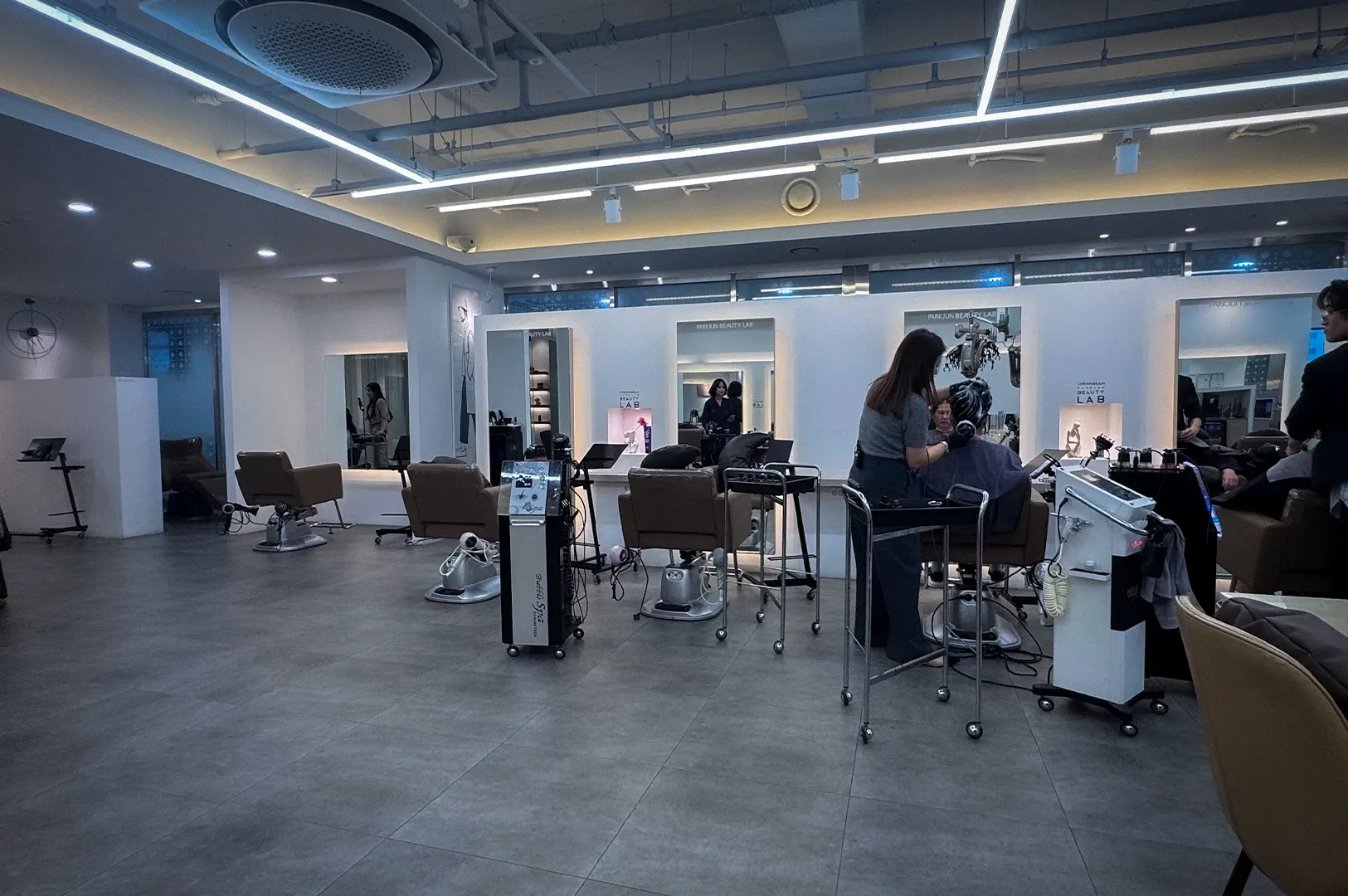
Seoul offers an amazing café culture with countless unique and boutique coffee shops. From traditional tea houses to creative dessert cafes, coffee shops are perfect spots to slow down and soak in Korean culture. It’s also a hub for beauty treatments. Skin analysis and hair treatments are especially popular, including 15-step scalp treatment experiences. ParkJun Beauty Lab is one well-known spot for scalp treatments.
Visit areas like Ikseondong and Hongik University for diverse café experiences, including themed cafes and Studio Ghibli inspired cafes. Olive Young is also a convenient stop for Korean beauty products, with over 600 locations in Seoul. Coffee Hanyakbang is a hidden retro-style coffee shop in Myeongdong. Be prepared for queues, especially mid-morning.
Best for: Coffee lovers, rainy afternoons, solo travelers.
I suggest: Arriving early or late afternoon to avoid crowds. Some café-style spots also let you write a letter to your future self and have it mailed later.
7. Best Tours: Exploring Seoul's Street Food and History
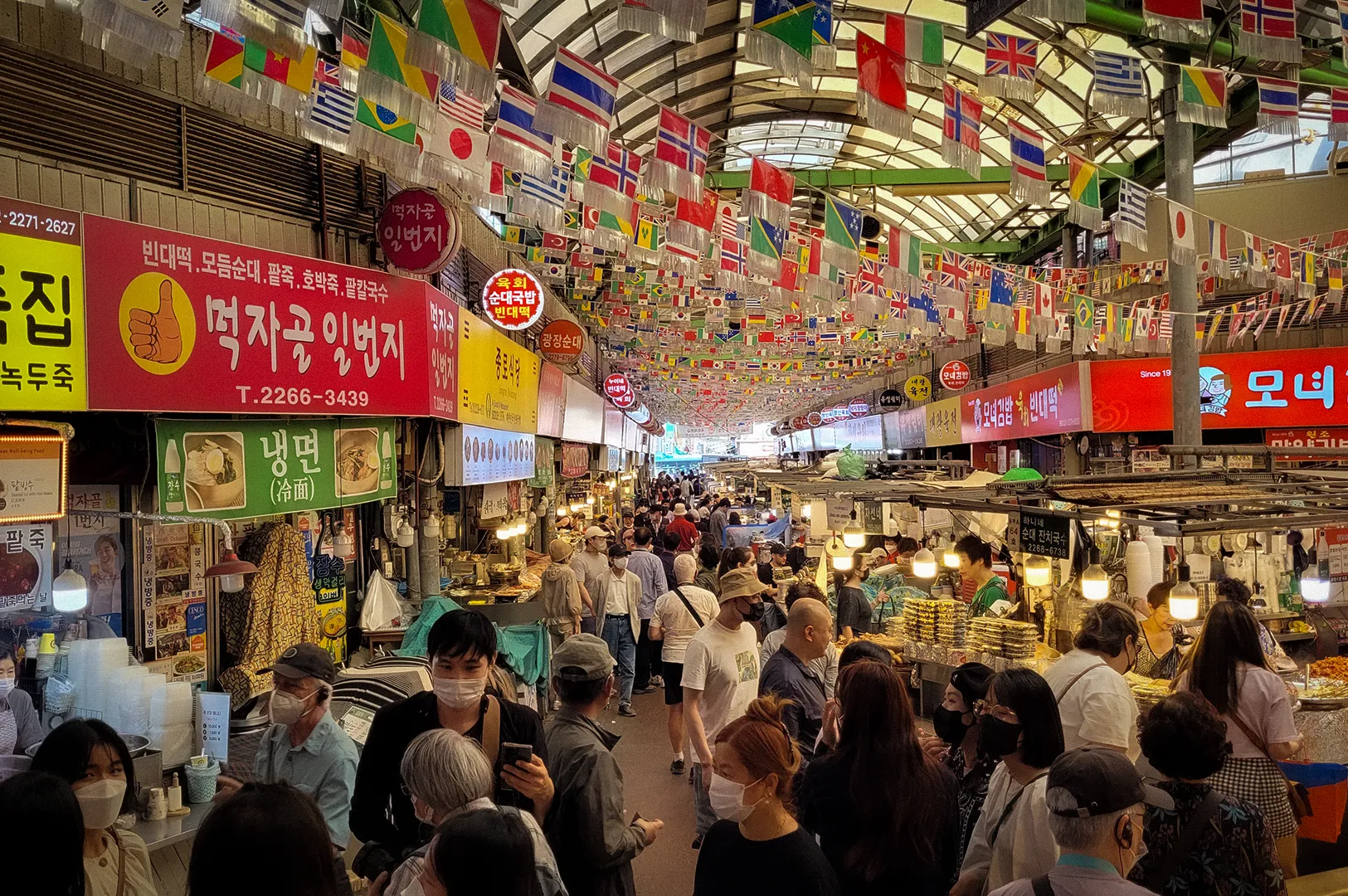
When planning your visit to Seoul, consider booking the best tours that combine street food tasting with historical insights. Food markets like Gwangjang Market offer guided tours that introduce you to Korean street food staples and the cultural context behind them, and some options cover the whole tour experience with multiple tastings across the market’s stalls.
Tours also cover Seoul’s royal palaces, Seoul City Wall, and Namsan Park, where guided routes can include hiking trails and background on Seoul City Wall history, giving you a comprehensive experience with expert guidance.
Best for: First-timers, foodies, history buffs.
I suggest: Booking in advance to secure spots on popular tours. Choose tours that match your interests for a richer experience.
8. Salt Bread and Creative Desserts: Sweet Things to Try in Seoul
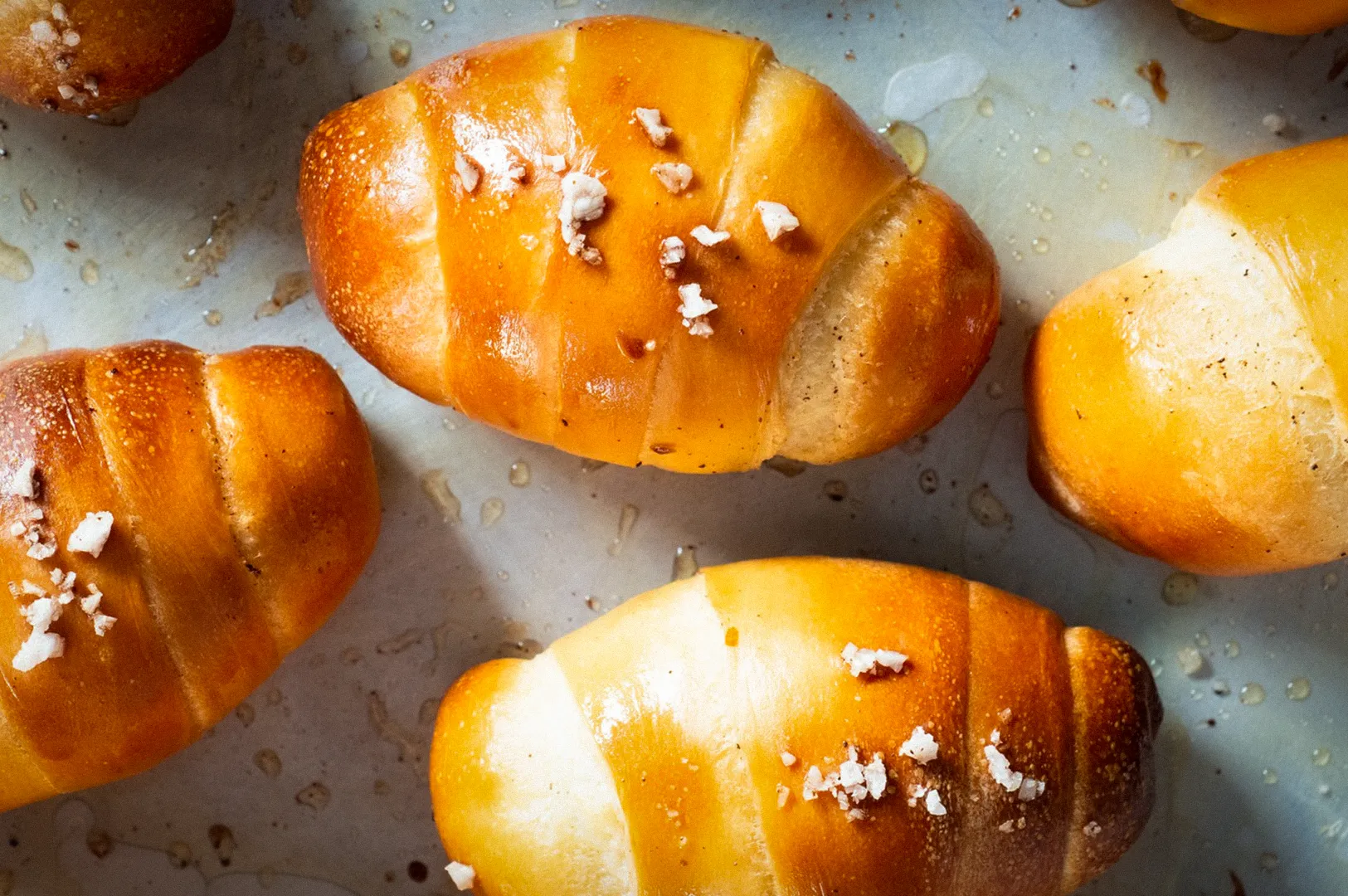
Salt bread is a beloved Korean version of a soft, salty bread roll, often found in bakeries around Seoul, especially in areas like Ikseondong. Alongside, Seoul offers a wide range of creative desserts, from traditional sweets to modern takes.
Try these unique cafes for creative desserts and enjoy the best of Seoul’s sweet offerings.
Best for: Dessert lovers and foodies.
I suggest: Pairing desserts with a specialty coffee from a local coffee shop. Explore different neighborhoods for a variety of sweet treats.
9. First Timer's Guide: Navigating Seoul's Subway System and T-Money Card
For first timers visiting Seoul, understanding the metro system is essential. The T-money card is a rechargeable transit card that works on subways, buses, and even convenience stores. Purchase it at convenience stores or subway stations.
Use apps like Naver or Kakao for navigation since Google Maps has limited functionality in South Korea. Always budget extra time for transfers at large stations like Seoul Station.
Best for: New visitors and independent travelers.
I suggest: Getting a T-money card on arrival at Incheon International Airport for convenience. Familiarize yourself with the Naver app for smooth navigation.
10. Lotte World and Yeouido Hangang Park: Fun Things and Scenic Views
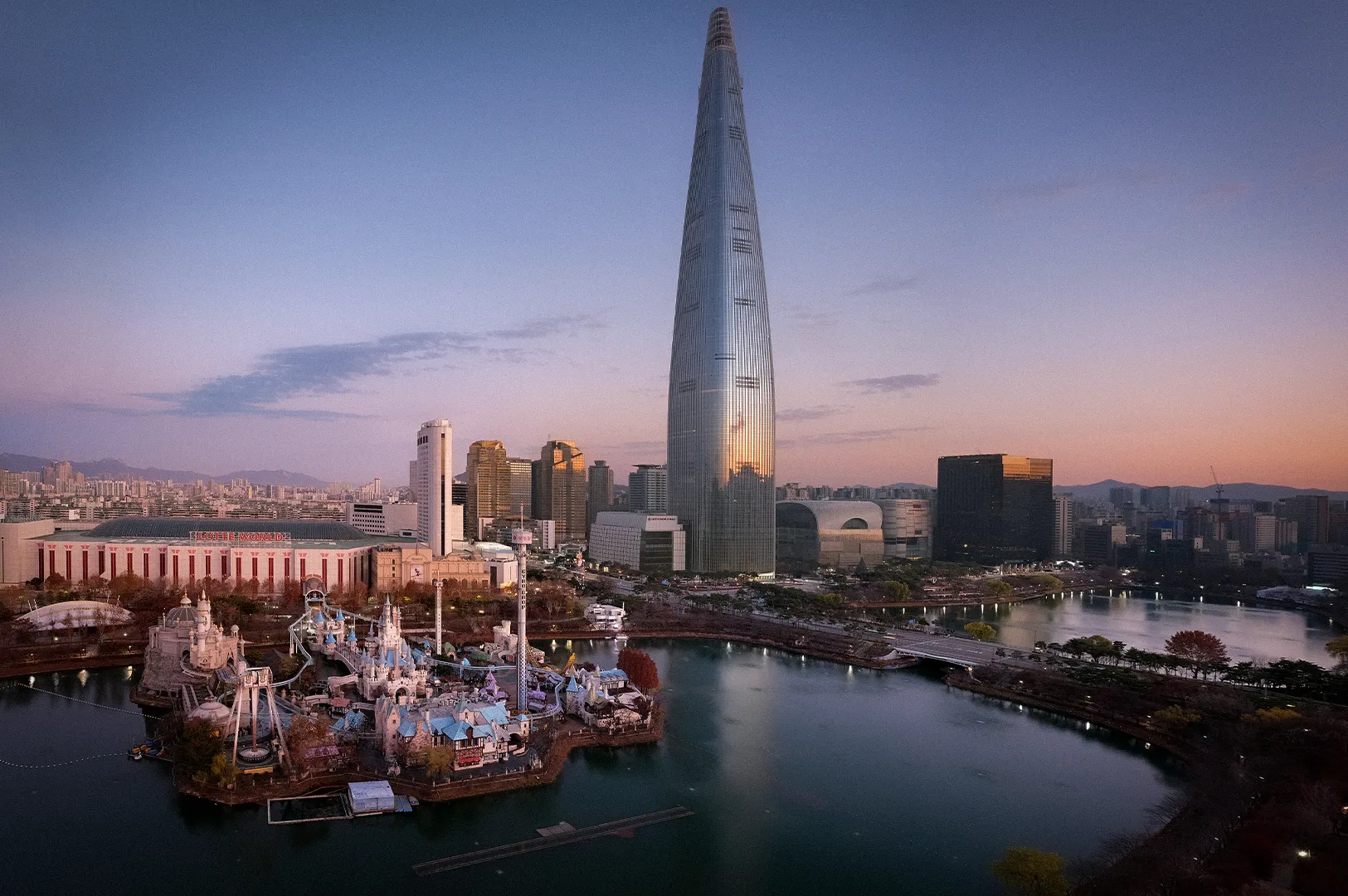
Lotte World is a huge amusement park with thrilling rides, including an indoor section and Magic Island outdoor area. It’s perfect for a fun day out in Seoul, especially for families.
Price: Admission ranges from ₩59,000 to ₩65,000 (approx. $50-$55 USD) depending on the day and ticket type.
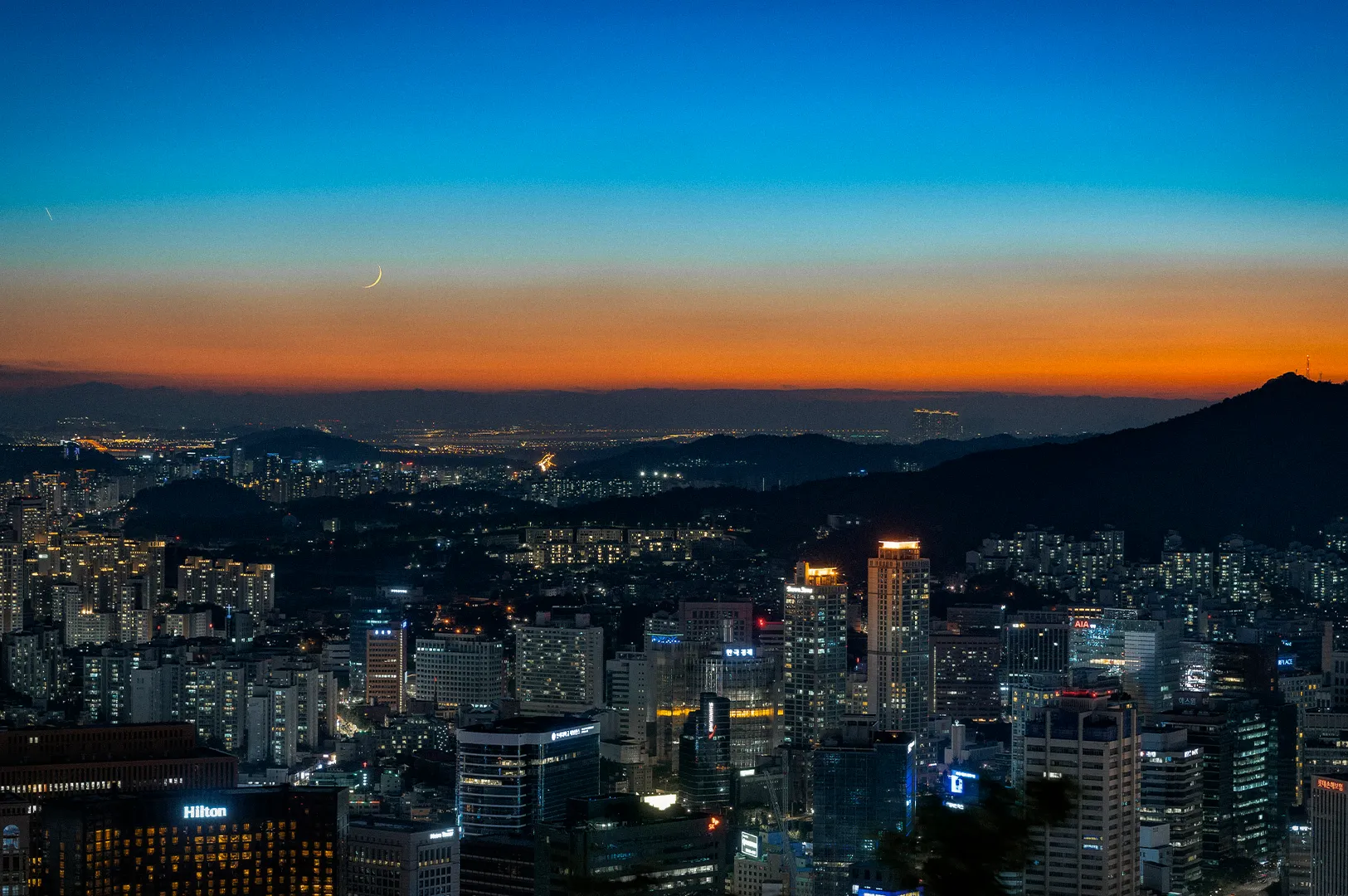
For a more relaxed pace, Yeouido Hangang Park offers beautiful riverside views along the Han River, perfect for picnics or evening strolls. Banpo Hangang Park is another scenic spot famous for its light shows. N Seoul Tower is another iconic landmark to add nearby, and its observation deck offers panoramic, 360-degree views of the city. You can reach it by cable car or by walking through Namsan Park, which has multiple hiking trails with scenic views. Cheonggyecheon Stream is also worth considering in central Seoul if you want an 11 km pedestrian-friendly area for an easy stroll.
Best for: Families, couples, and those seeking fun things to do.
I suggest: Visiting Yeouido Hangang Park near sunset for stunning views toward the tower. Take the cable car up to N Seoul Tower for the best views and enjoy the walking trails in Namsan Park.
A Quick Note on Getting Around and What to Bring (Incheon International Airport to Seoul)
Seoul’s metro system and subway station network are excellent, but the city is deceptively large. A transfer that looks simple on the map can mean a 10-minute underground walk between platforms. I learned to budget extra time for this, especially when changing lines at major stations like Seoul Station.
Before you go, pack comfortable walking shoes (you’ll easily log 15,000 steps a day), a portable charger, and an eSIM or pocket WiFi. Pick up a T-money card or a Climate Card for transport, and always carry a compact umbrella or rain jacket. Seoul’s weather shifts quickly, and light layers make spring and autumn—the preferred seasons—far more comfortable.
If you’re combining Korea with a longer Japan leg and researching the best hotels, this amazing guide to best hotels in Seoul and Tokyo is a useful place to start thinking about pacing and location.
Slow Down and Let Seoul Surprise You
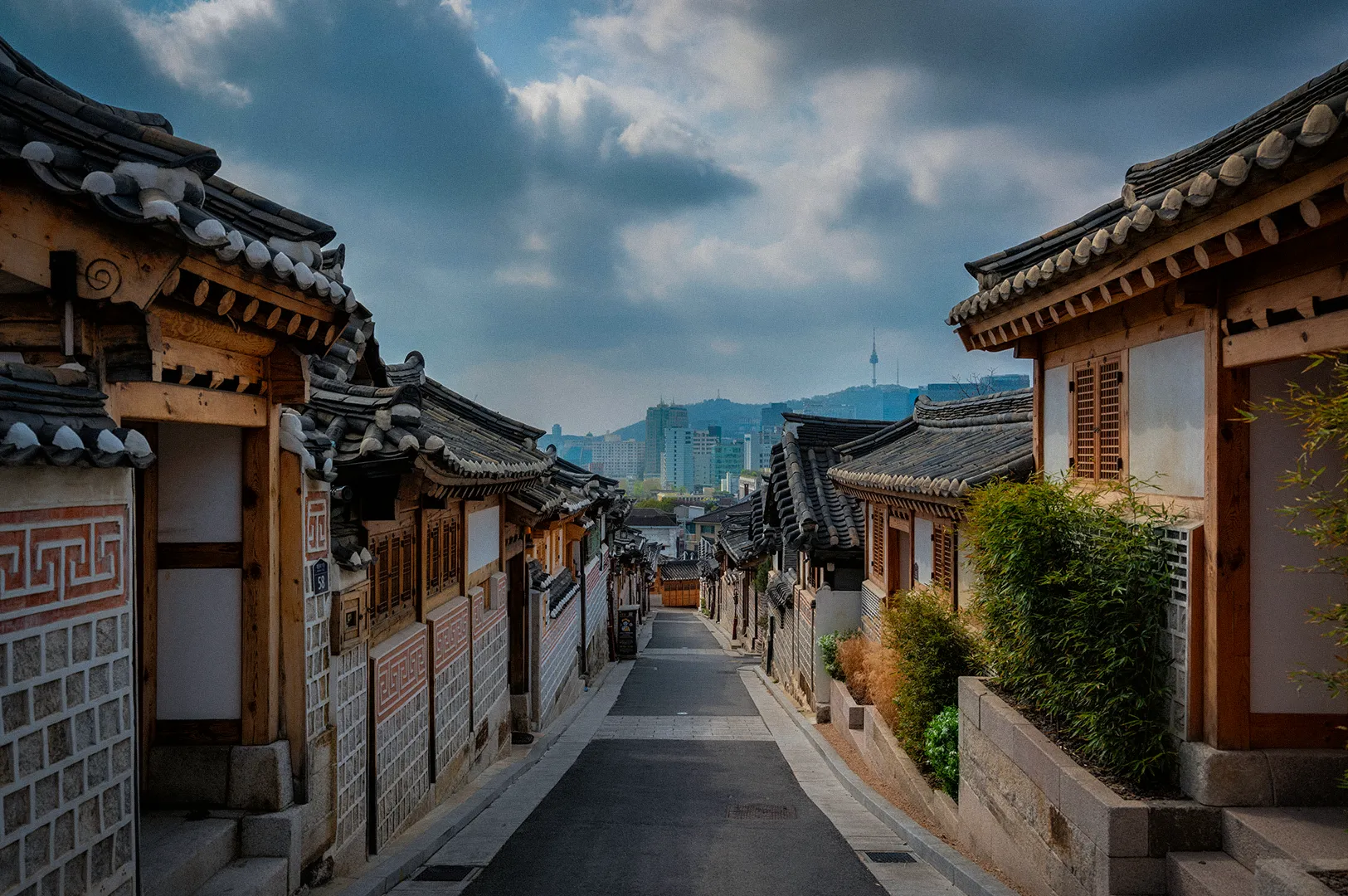
Here’s what all these years of visits taught me: the magic of Seoul, South Korea isn’t in covering the most ground. It’s in giving a single palace courtyard, one coffee shop alley, or a riverside bench enough time to actually become a memory. Spring is especially popular for cherry blossoms in Seoul, and it’s one of the easiest times to understand why people love Seoul.
My honest advice is to choose no more than two areas a day. Leave room for street food, sudden rain, and returning to a place you liked after dark to see how it changes. The best Seoul attractions don’t run away; they reward the travelers who slow down enough to notice them.
So pick two or three of these, build easy days around them, and let the moments between the sights become the amazing trip you actually remember.