The first time I planned a trip to Busan Korea, I tried to see Haeundae Beach, Gamcheon Culture Village, Haedong Yonggungsa Temple, Jagalchi Fish Market, and Gwangalli Beach in two days. I returned with many photos but little memory of the city itself.
On a later visit, I slowed down. I focused on one neighborhood, ate street food where locals queued, and walked the harbor twice. That trip helped me truly understand Busan, South Korea’s vibrant coastal city.
By the end, you’ll know which neighborhoods reward a slower pace, how to use public transportation with a T money card, and how to build 3–4 days in Busan that feel like living there rather than rushing through it.
Why Busan Reveals Itself by Neighborhood, Not Attraction Count
Most first-timers see Busan as a checklist of distant attractions. The map makes everything look close, but the city is spread across hills, coastline, and working districts, making transit between sights time-consuming. You spend more time traveling than exploring.
Instead, pick neighborhoods and let each set the pace. Nampo-dong offers market mornings and harbor energy. Yeongdo Island has quieter seaside cafés and coastal trails. Dongnae shows local life away from tourists. These aren’t just attractions but places to live in for a while.
This neighborhood approach reveals Busan’s layered charm rather than feeling scattered.
Nampo-dong: Jagalchi Fish Market, Morning Markets, Street Food, and Harbor Walks
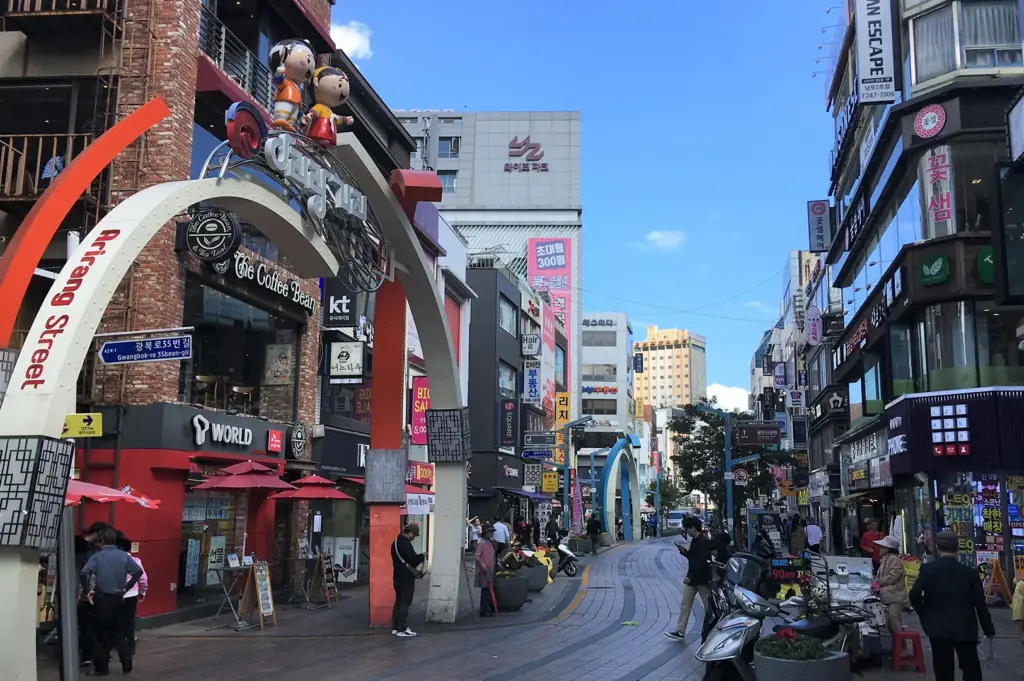
Nampo-dong is where I always start, and I’d suggest you do the same. It has the classic Busan energy: markets, street food, and the harbor all within walking distance.
Begin your morning at Jagalchi Fish Market, South Korea’s largest fish market. I prefer arriving late morning, after the earliest chaos but while the stalls are still buzzing. Watch the vendors work, and pick a busy stall, because a busy stall means fresh seafood and fast turnover. Nearby Gukje Market is perfect for wandering with no plan at all, snacking as you go, and BIFF Square is an easy detour if you want more street food and shopping.
For Singaporeans, this part feels instantly familiar. If you love wandering a hawker centre, eating a little here and there, Busan’s markets scratch the same itch. Street snacks usually run ₩3,000–10,000 (roughly SGD3–8), so you can graze happily without thinking twice, and some of my favorite restaurants in the area are the simplest ones with short menus and long lines.
Alex’s notes: Carry cash. Many market stalls and smaller eateries technically accept cards, but cash keeps things smooth, especially with older vendors. I learned this the awkward way, fumbling at a stall while a queue formed behind me.
After eating, walk it off toward the harbor. Yongdusan Park and Busan Tower are right there if you want a view, though Busan Tower has an entrance fee, and honestly, I prefer just strolling the waterfront and watching the boats. Give Nampo-dong a full half-day. There’s no need to rush, and this neighborhood-first approach works better than forcing a rigid Busan itinerary or overpacked day itinerary, especially if you only have a few days in Busan.
At Jagalchi, even if you are not buying anything, it is fun to spot unusual sea creatures in the tanks and trays. If you arrive via KTX from Seoul Station to Busan Station, which takes about 2-3 hours, you’ll appreciate staying near the city center or choosing one zone at a time.
Yeongdo Island: Quieter Seaside Cafés, Harbor Air, and Slower Views
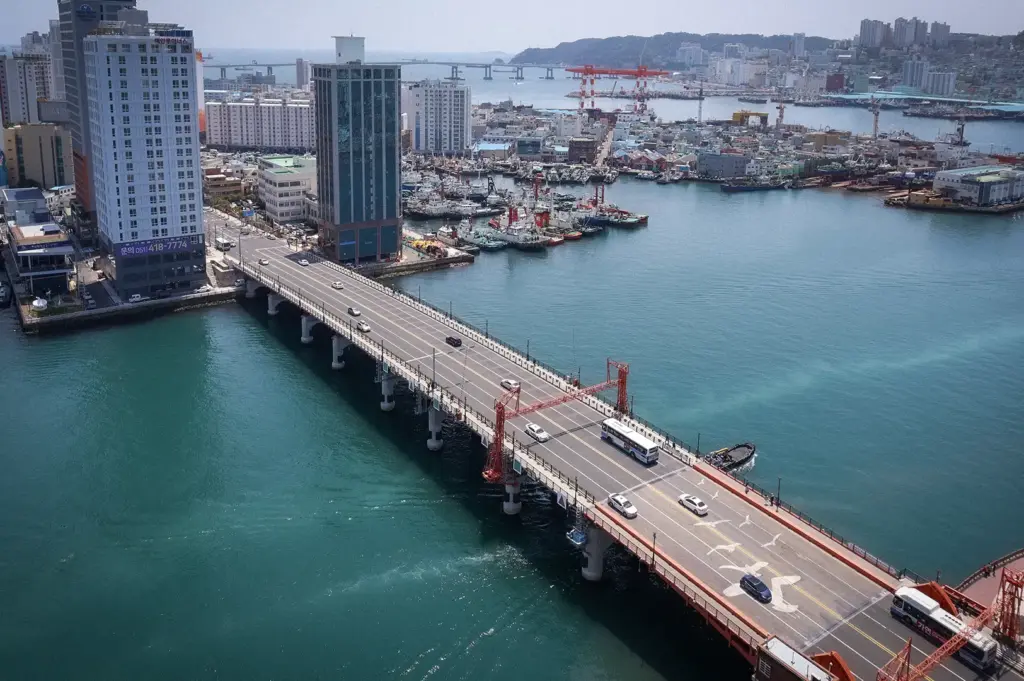
Yeongdo is the island just across the water from Nampo-dong, and it’s my favorite slow corner of Busan. The pace drops the moment you cross over to Yeongdo Island.
This is café country, but the good kind, where the sea view matters more than the interior design. Huinnyeoul Culture Village is a cliffside cultural village with colourful houses, narrow paths, bits of street art, and small cafés tucked into old homes. I’ve spent entire afternoons here doing very little: one coffee at fun cafes, one slow walk along the coastal trail, one long look at the water. The walking trails are part of the appeal, with coastal views, city views, and some truly epic views opening up between the lanes. It still feels like a hidden gem, especially if you arrive early for the most stunning views.
A word of honesty though. Yeongdo has hills and slopes. Huinnyeoul’s paths are uneven and the climbs are real, so wear proper walking shoes. On a windy day, the coastal air can be sharp, even when the sun is out. I once underestimated the wind here and spent the afternoon cold in a thin shirt, regretting my packing choices.
Alex’s notes: Huinnyeoul is a living neighborhood, not a theme park. People actually reside in those houses. Keep your voice down and be respectful with photos. The quiet is the whole point.
Budget a relaxed half-day for Yeongdo. The slower you go, the better it gets.
How to Build a Slower Busan Itinerary and Travel Rhythm Across 3–4 Days
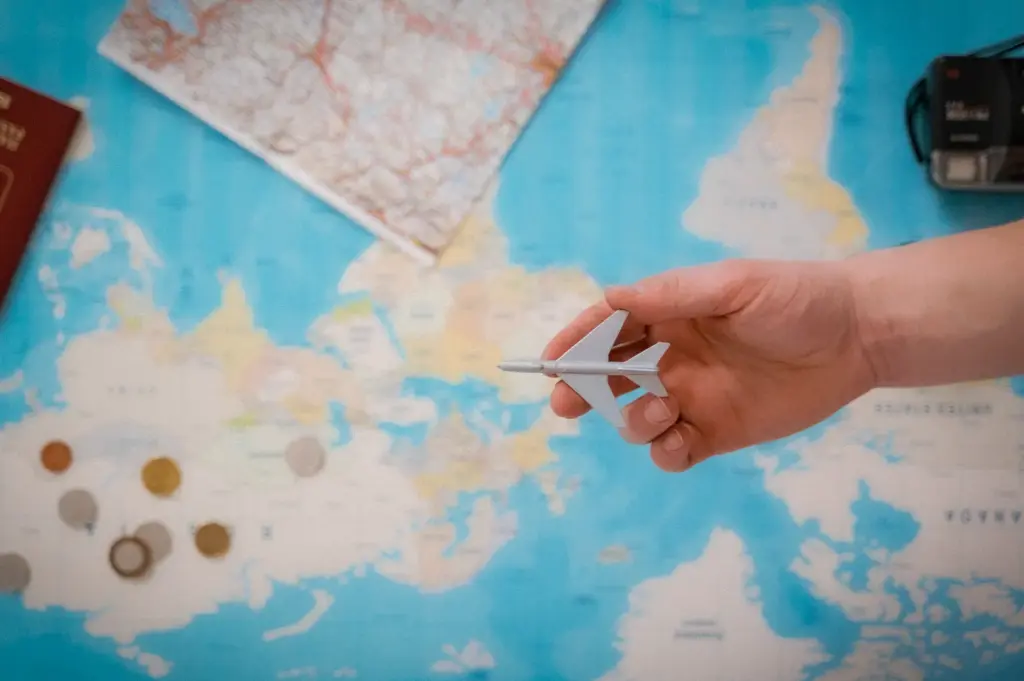
Here’s how I’d structure a slower trip. None of this is rigid; the goal is to leave room to linger, and if you’re deciding how many days in Busan to spend, this kind of pace helps.
Day 1 – Nampo-dong: Market morning at Jagalchi and Gukje, harbor walk in the afternoon, easy dinner nearby.
Day 2 – Yeongdo: Cross over for seaside cafés, the Huinnyeoul coastal path, and a slow afternoon by the water.
Day 3 – Dongnae: Local food like dwaeji gukbap, Busan’s pork rice soup, quiet streets, maybe the hot springs at Spa Land, and an unhurried wander.
Day 4 – Haeundae: Ease into the Haeundae area for cafés, waterfront views, and some beach time by the famous beach before dinner. You can also enjoy the Haeundae Sky Capsule and Haeundae Blueline Park for stunning views and coastal experiences.
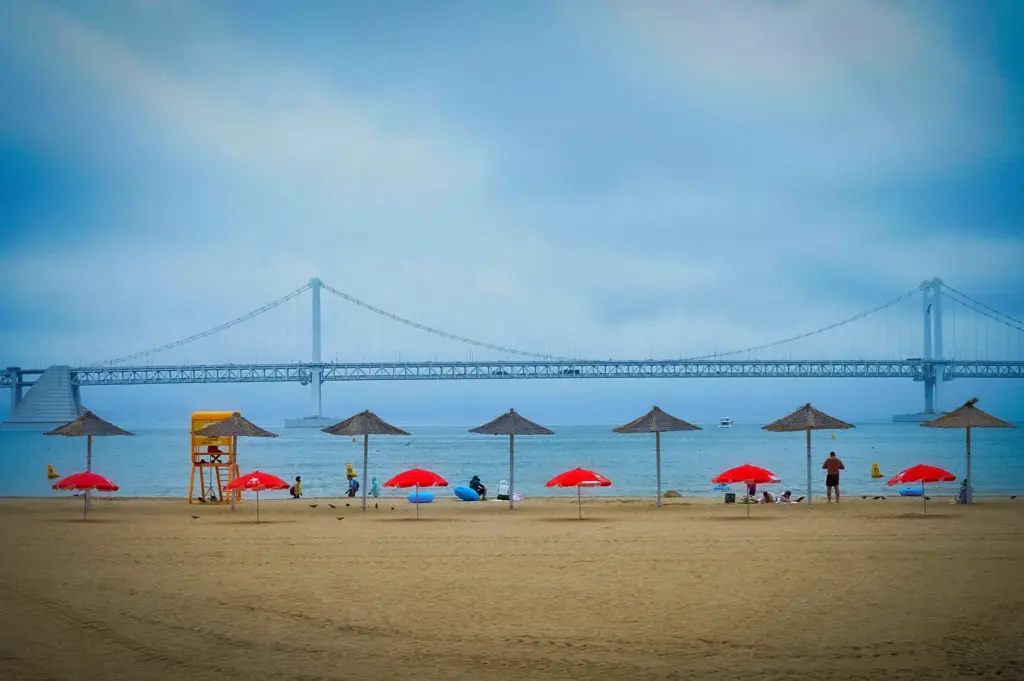
Day 5 – Suyeong: Spend a relaxed afternoon around Gwangalli Beach, with the Gwangalli beach area especially good for sunset, bridge lights, and an evening stroll.
Notice the pattern: one neighborhood per day. That single rule does more for a calm trip than any itinerary trick. For a longer, more detailed plan, this unhurried Busan itinerary is worth weaving into your thinking.
Busan’s best meals are often in busy local restaurants where lines move fast and food arrives hot without ceremony. While Busan has three one-star Michelin restaurants, many memorable meals come from these unfussy neighborhood spots.
Step-by-Step: Practical Planning for a Slower Busan Trip
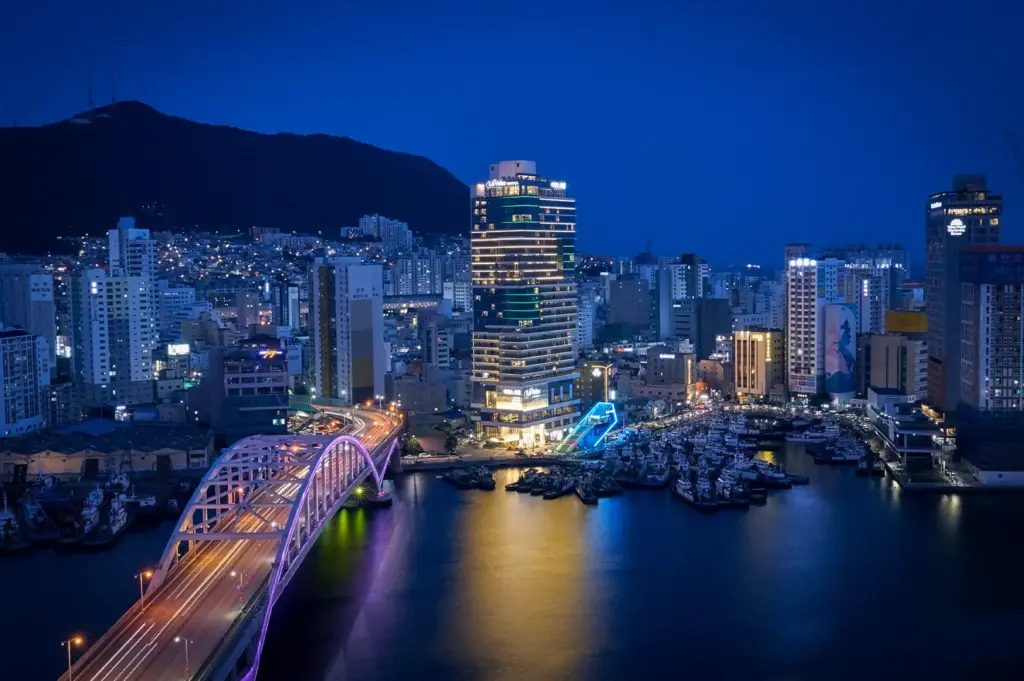
A relaxed trip still benefits from a little setup. Here’s the order I’d follow.
1. Sort Out Transport First
Busan’s subway has four lines, an English-friendly system, and it’s the backbone of getting around. On arrival, grab a T money card or Cashbee card from any convenience store or subway station. You top it up and tap, exactly like an EZ-link card back home, so Singaporean travelers adapt almost instantly.
Subway rides cost around ₩1,600–1,800 by card (under SGD2). Taxis are reasonable too, usually ₩5,000–12,000 for cross-city rides, which is handy for evening transfers or when you’re tired.
Alex’s notes: Download Naver Map or KakaoMap before you go. Google Maps is unreliable in Korea for walking and transit directions. Naver Map will tell you exact subway exits, which saves real confusion when you surface from an underground station.
2. Choose a Base That Matches Your Pace
Where you sleep shapes your trip:
Nampo-dong: Classic city and market atmosphere, lively and close to the city center.
Seomyeon: Excellent transit hub with a strong food and coffee scene, and a practical place to stay in Busan.
Yeongdo: Quieter, seaside, slower rhythm, but less central.
I usually base myself in Nampo-dong or Seomyeon for the transit links, then day-trip out to the quieter areas.
3. Group Your Days by Zone
When deciding where to stay in Busan, let pace, access, and proximity to the city center shape your Busan itinerary. This is the single most useful slow-travel habit: organize each day around one neighborhood, not a scatter of distant sights. It cuts transit friction dramatically and leaves you with energy to actually enjoy where you are.
Seomyeon: Best if you want a central base with straightforward subway connections, late-night food, and shopping; for example, the Arban Hotel is in the Seomyeon area.
Nampo-dong: Best if you want easy access to Jagalchi Market, BIFF Square, and the older core of the city.
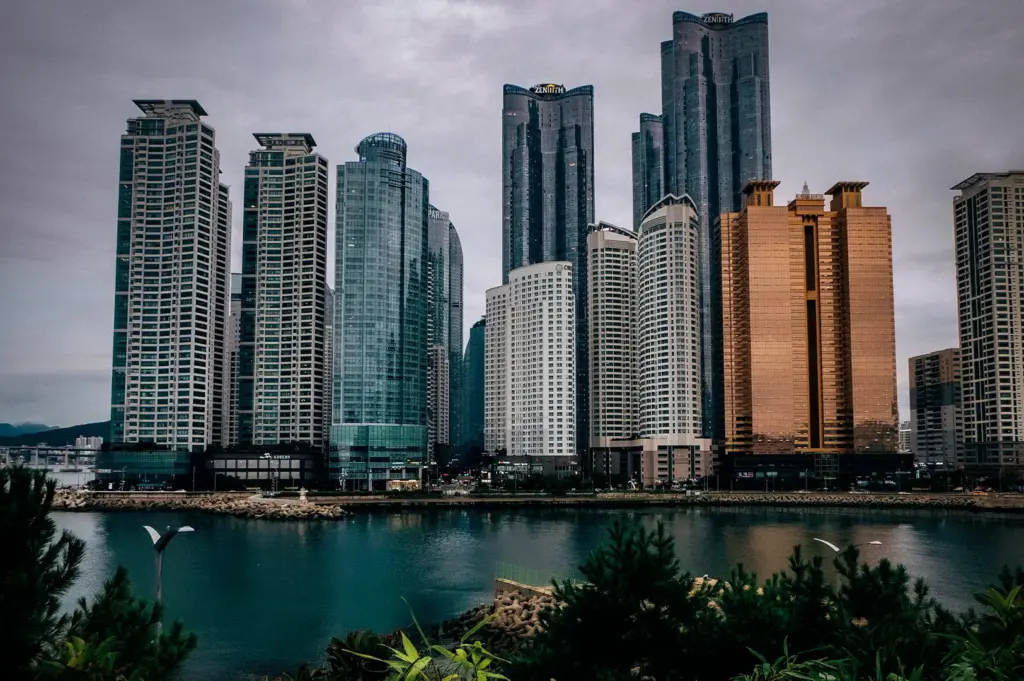
Haeundae: Best if your priority is the beach, ocean views, and a resort-style feel, even if it means longer trips to some inland sights.
If easier city-center access matters most, Nampo-dong or Seomyeon are the most practical bases.
Let Busan Set the Pace
Busan whispers more than it shouts. The first time I rushed it, I missed the whole thing. The trips I remember now are the slow ones: a market breakfast in Nampo-dong, a windy coffee in Yeongdo, a steaming bowl of dwaeji gukbap in Dongnae among locals on their lunch break.
So here’s my final advice for your trip to Busan Korea. Pick a base, group your days by neighborhood, and remember that this southern coast city is spread out, so the easiest rhythm is usually a mix of metro, buses, and the occasional taxi. Eat where the locals queue, and leave room to return to the places you love. Don’t measure the trip by attractions ticked off. Measure it by mornings that felt unhurried.
If you want to see more of this slower approach to travel, you can read more here:
https://slowtravels.com.sg/10-things-to-do-in-seoul-when-you-have-time-to-slow-down/
Book a few extra nights, slow your pace, and let Busan become a city you briefly knew how to live in.
Frequently Asked Questions
How do I get around Busan easily? The subway is your friend. Four lines, English-friendly, cheap at around ₩1,600–1,800 per ride. Get a T money card or Cashbee card on arrival, and use Naver Map or KakaoMap rather than Google Maps. Taxis fill the gaps for around ₩5,000–12,000. If you plan to combine Songdo Beach, the Songdo Cloud Trails, and the Songdo cable car, budget more time for transfers and walking than the map suggests.
Which area feels most local? Dongnae, easily. It’s inland, far less touristy, and full of everyday routines and honest local food like milmyeon and dwaeji gukbap. Nampo-dong feels authentically lively too, especially compared with the resort vibe of Haeundae. For a more residential-feeling seaside stretch, Gwangalli Beach has plenty going on without feeling as self-contained as the main hotel zones.
How long should I stay? Two full days is the bare minimum for any substance. I’d suggest 3–4 days for a genuinely leisurely pace, and honestly, even longer feels refreshing. The city reveals itself slowly, so give it time. If you’re deciding when to visit Busan, mid-March can still feel cold and overcast, while late spring and fall are usually more pleasant for a slower trip. Haeundae Blueline Park and the Haeundae Sky Capsule near Mipo Station also take more time than people expect, especially if you want to ride the capsules in the opposite direction for a different view.
Is Busan worth visiting if I don’t care about beaches? Absolutely. Some visitors worry there’s “nothing to do” beyond the sand. In my experience, the opposite is true. The markets, seaside cafés, hillside villages, and local food culture give you plenty, and arguably the better half of the city. Places like Haedong Yonggungsa Temple, a 650-year-old seaside Buddhist temple, and Oryukdo Park are memorable for their coastal views even if you skip the beach entirely. You can also take the cable car for a different perspective, and you won’t run out of things to enjoy.