

The first time I planned a trip out of Changi on my own, I spent a good hour hunting for a “Singapore departure card.” I was sure I’d missed something. Some form. Some queue. Some bureaucratic hoop I’d regret skipping at the immigration counter.
I found nothing official. Just a few websites offering to “process my departure card” for a fee.
So I called a friend who travels often. She laughed, not unkindly, and told me the truth: there is no departure card anymore. Hasn’t been since March 2020. I’d been chasing a piece of paper that no longer exists.
That small relief is what this guide is about. If you’ve ever felt the same flicker of doubt — am I forgetting something? — let me walk you through what actually matters when you are leaving Singapore, and where the real form (the one for coming back) fits in.
What the SG Departure Card Actually Is Now

Here’s the short version: it’s gone.
Singapore retired the physical sg departure card in March 2020. There’s no slip to fill in, no white card to hand over, no separate etravel singapore departure form you need to submit just to leave the country.
Departure endorsements have also been ceased for all foreign travellers since 22 April 2019, so you won’t find any related paperwork for leaving Singapore.
When you depart, the system tracks your exit electronically. Your boarding pass and travel document do the talking. If you ever need proof you left on a certain date — say, for a visa application later — your boarding pass and passport records are accepted as accurate departure details.
I’ve found that this confuses travellers most when they’ve recently travelled to countries that do still use arrival and departure cards. You land somewhere, fill in two forms, and assume Singapore works the same way. It doesn’t anymore.
So the sg departure card you may be searching for isn’t a task on your to-do list. That’s the first weight off your shoulders.
So What Is eTravel Singapore and What Are the Entry Requirements, Then?
This is where the confusion usually clears up.
The form that genuinely matters is the SG Arrival Card (SGAC) — and it’s for entering Singapore, not leaving. When people talk about the etravel singapore process, this is almost always what they mean.
The SGAC is the digital replacement and electronic version of that old paper card. It includes an electronic health declaration, and everyone arriving by air or sea needs to submit it before they enter Singapore. That includes singapore citizens, permanent residents, long term pass holders, and foreign visitors.
There’s one exception worth knowing: singapore residents (citizens, PRs, and Long-Term Pass holders) entering through the Woodlands and Tuas land checkpoints don’t need to submit it.
So if you’re flying home from your trip, you’ll fill in the SGAC before you board your return flight back to Singapore. That’s the real form. Not on the way out — on the way back.
Visa requirements may change at short notice, so it’s always best to check the latest entry requirements and visa requirements with the appropriate embassies or official websites before travelling.
How to Submit the SG Arrival Card, Step by Step

The actual process takes a few minutes. I’ve done it half-asleep in an airport lounge more than once.
Here’s how it goes:
Choose your channel. Submit online via ICA’s official SGAC e-Service, or through the MyICA Mobile app. Both work. The app is free to download on the App Store and Google Play, providing convenience and easy access to the latest information and related links.
Pick the right path. The form splits into two options — one for Singapore citizens, PRs, and Long-Term Pass holders (health declaration), and one for foreign visitors (arrival information plus health declaration). Choose the one that fits you.
Fill in your details. Enter accurate passport information, flight details, and where you’re staying, then click through carefully. Take your time here. Small errors cause real headaches later.
Submit the health declaration. This is part of the same form and is required. False declarations are an offence under the Infectious Diseases Act, so answer honestly.
Wait for the acknowledgement email. It lands in the inbox you declared. Keep it available — screenshot it if you like. When arriving at the arrival immigration clearance counter, present it with your travel document upon immigration clearance. It’s your confirmation.
A note on timing: submit within three days before you arrive, including the day of arrival itself. If you land on June 30, you can submit from June 28 onward. Do it too early and the system won’t accept it, so submit once your plans are firm in case details change.
The Mistakes I've Made (and Watched Others Make)

I’ll be honest about the ones I got wrong, because they’re the easiest to avoid once you know.
Paying a third party. On that first anxious trip, I nearly handed money to one of those “departure card processing” sites. Don’t. SGAC submission is completely free of charge through ICA, so any third-party payment request is a red flag. The agency has said plainly that it doesn’t endorse commercial services charging a fee for this. If someone wants payment to submit your card, walk away.
Leaving it too late. A colleague once filled in her SGAC in the taxi to the airport, fumbling passport numbers on a moving vehicle. She made it, but barely, and stressed the whole ride. Give yourself a quiet ten minutes the night before instead.
Wrong details. I once typed my passport number with a digit transposed. It wasn’t catastrophic, but it meant extra questions at the immigration counter. Double-check the passport number, the flight number, and your arrival date before you hit submit.
Assuming you can edit nothing. You can. If your health status changes after submitting, use the “Update SGAC” feature on the e-Service. Better to update than to arrive with a declaration that’s no longer true.
The One Departure Rule That Does Apply: Cash
While there’s no departure card, there is one thing to declare when departing Singapore — and it catches people off guard.
If you’re departing Singapore carrying more than S$20,000 in physical currency or bearer negotiable instruments (think traveller’s cheques, bearer bonds), you must make a CBNI declaration. That threshold counts foreign currency at its equivalent value too.
Most of us won’t ever cross it. But if you’re carrying serious cash for a property deal, a wedding, or a family matter overseas, sort the declaration before you reach the immigration counter. It’s the one real piece of departure paperwork that still exists.
Getting Through Immigration Clearance at the Checkpoint Smoothly
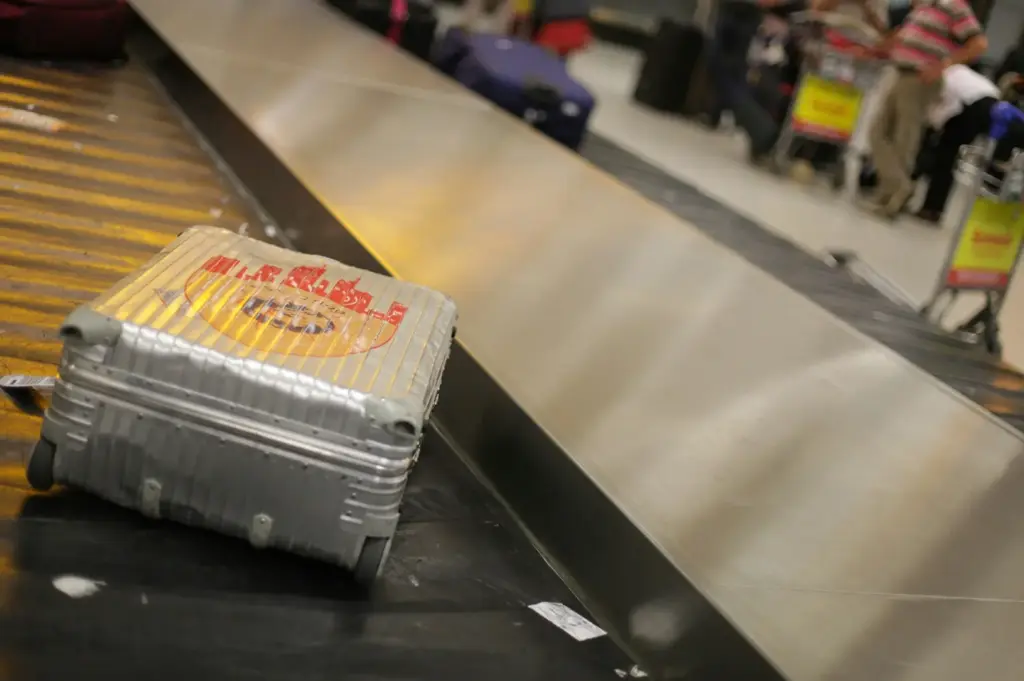
For the leaving Singapore process, the principle is to avoid unnecessary delays.
You’ll present your travel document and boarding pass at clearance. You’ll also provide your biometrics — fingerprints, facial, or iris — during immigration. This is standard now, and skipping it can affect your ability to enter Singapore in future, so don’t try to dodge it.
If you’re eligible, automated lanes or automated clearance are the fastest ways through. Returning Singaporeans, permanent residents, and many enrolled travellers can use automated clearance at the passenger halls, and a valid ICAO-compliant passport is required to use them on exit. They save real time during peak periods, helping you to avoid unnecessary delays.
Driving out through Woodlands or Tuas? You can use the QR code for immigration clearance, and remember the Three-Quarter Tank Rule if you’re in a Singapore-registered vehicle.
What to Bring on Departure Day
Keep it simple. Here’s my own short list:
Passport or other travel document, generally with at least 6 months of remaining validity for return entry into Singapore
Boarding pass — physical or on your phone
Visa or entry documents for wherever you’re heading, and check entry requirements and visa requirements before travelling
GST refund receipts, if you’re claiming a refund before immigration
A few quiet minutes to submit your SGAC for the return trip when the time comes
That last one is the part most people forget, so refer to official sources for the latest rules. The form for coming home is the one that needs doing, not the one for going — it’s the electronic version of the old paper card for the return journey.
If you’re sketching out the trip itself, a clear structure helps as much as a tidy document checklist. Slow travel works best when your itinerary leaves room to breathe — this framework is a good place to start if you want your days to feel unhurried rather than packed.
Frequently Asked Questions

Do I need a departure card to leave Singapore?
No. The physical departure card was abolished in March 2020. There’s no form to submit just to exit. Your boarding pass and passport serve as your record of departure.
Is eTravel Singapore the same as a departure card?
Not quite. The form people mean is the SG Arrival Card (SGAC), which is for entering Singapore. There’s no separate digital departure card for leaving.
How much does the SG Arrival Card cost?
Nothing. It’s free through ICA’s official e-Service or the MyICA Mobile app. Any service charging a fee to submit it is not affiliated with ICA.
When should I submit the SGAC?
Within three days before your arrival, including the day you land. I find the evening before my return flight is the sweet spot.
Can I fix a mistake after submitting?
Yes. Use the “Update SGAC” feature on the e-Service to correct details or update your health status.
Do residents using land checkpoints need to submit it?
No. Citizens, PRs, and Long-Term Pass holders entering through Woodlands and Tuas checkpoints are exempt.
What if I’m carrying a lot of cash?
If you’re departing with more than S$20,000 in currency or bearer instruments, you must make a CBNI declaration before the checkpoint.
Do I need a work pass to enter Singapore?
If you’re planning to work in Singapore, you must have an applicable work pass approved before arrival. This is separate from the SG Arrival Card process and essential for legal employment.
Where can I find related links for SG Arrival Card submission?
Official related links are located on the ICA website and the MyICA Mobile app, providing convenience and access to the latest information.
A Last, Quiet Word
The thing I wish someone had told me on that first solo trip is simple: leaving Singapore asks very little of you.
No card to chase. No fee to pay. Just your passport, your boarding pass, and a few honest minutes filling in the SGAC for the journey home.
Once you understand that, the paperwork stops being a worry. And you get to spend that energy where it belongs — on the trip ahead and the places you plan to visit. If you’re already daydreaming about settling into somewhere for a long, slow stay, this guide is a good place to start: https://slowtravels.com.sg/best-tokyo-hotels-10-day-stay/
Sort the small things early. Then go.