Ayutthaya City is Thailand’s ancient capital: a historic island city of temple ruins best experienced slowly, on foot or by bicycle, rather than as a rushed day trip. The first time I went to Ayutthaya, I gave it four hours.
I took the day trip from Bangkok, ticked off three temples, ate a rushed lunch, and left before the light turned gold. I remember thinking it was fine. Nice ruins. Good photos.
I didn’t feel a thing.
It took a second visit, and then a third, before the city finally reached me. And it only happened once I slowed down enough to let it. Now I come for a week at a time. Seven quiet days of cycling between old stones, sitting by the river, and returning to the same temple at different hours just to watch the shadows move.
This guide is for solo travelers and anyone drawn to a slower, more immersive way of seeing Ayutthaya city. It covers how to get there from Bangkok, when to go, what the ruins and main temples in the Ayutthaya historical park are actually like, what things cost, how to get around, and the small choices that make the city feel less like a checklist and more like a place you genuinely remember.’
Getting There: The Train Is Half the Story to Visit Ayutthaya
Skip the tour vans. Take the train.
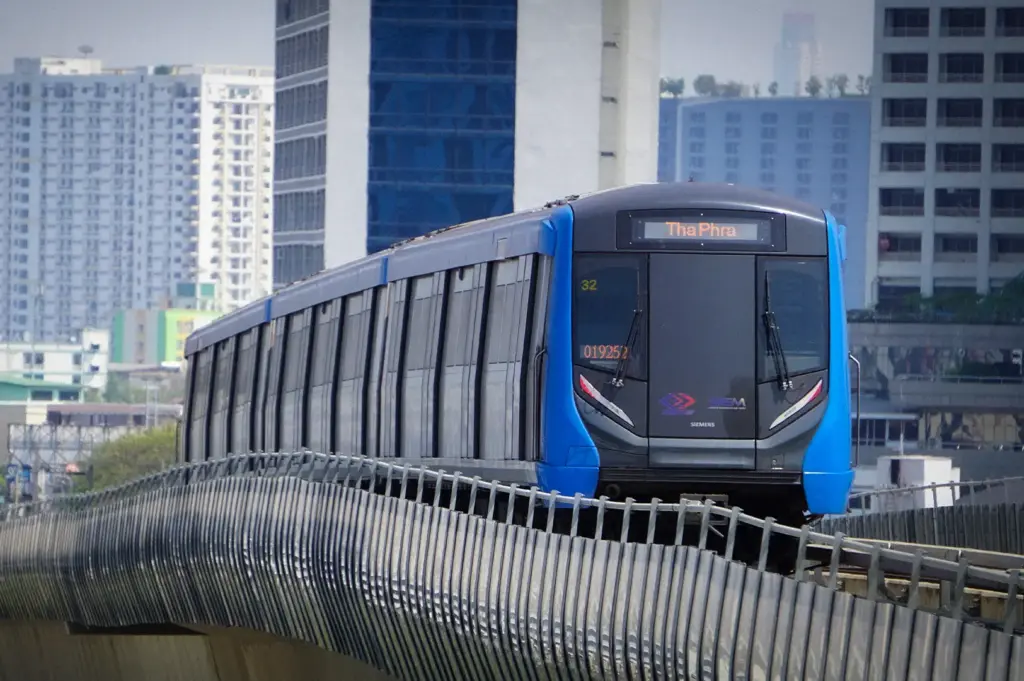
From Bangkok’s Hua Lamphong Station, trains run north to Ayutthaya Railway Station, a journey of around 80 to 90 kilometers that takes roughly one and a half to two hours. Trains leave about every hour, and the cheapest fare can be around 20 baht. The trains are cheap, and the slow ones — windows open, vendors passing through with grilled things wrapped in banana leaf — set the right pace for what’s coming.
Buses also run to Ayutthaya from Mo Chit Northern Bus Terminal.
When you arrive at the station, you’re not quite on the old city island yet. Walk a few minutes toward the Chao Phraya river and catch the small ferry across. It costs about 10 baht. On my first solo trip I stood confused at the station for twenty minutes, certain I’d missed something more official. There isn’t anything more official. It’s a little boat, a little money, and a short ride across the water. That’s it.
The ferry crossing is the moment the modern city falls away behind you. I’ve come to love it.
When to Visit: Learn the Rhythm of the Crowds in This Historic City
Ayutthaya has a daily tide, and once you understand it, the whole city opens up.
The tour buses from Bangkok arrive late morning and leave by mid-afternoon. That window — roughly 10:00 to 15:00 — is when the major temples fill with groups, heat, and hurry. It’s also, not coincidentally, the hottest part of the day.
So I flip my days around it.
I’m out by 08:00, when the ruins open and the air still holds a little of the night’s coolness. By late morning I retreat — a café, a long lunch, a nap even. Then I head back out from around 15:00 and stay until closing near 18:00, when the light softens and the crowds have gone home.
Those early and late hours are Ayutthaya at its truest. On my third visit I discovered that Wat Mahathat at 08:15 is almost empty. The same temple at noon is a scrum. Same stones. Completely different feeling.
What to Expect: Open Sky and Old Brick in Ayutthaya Historical Park
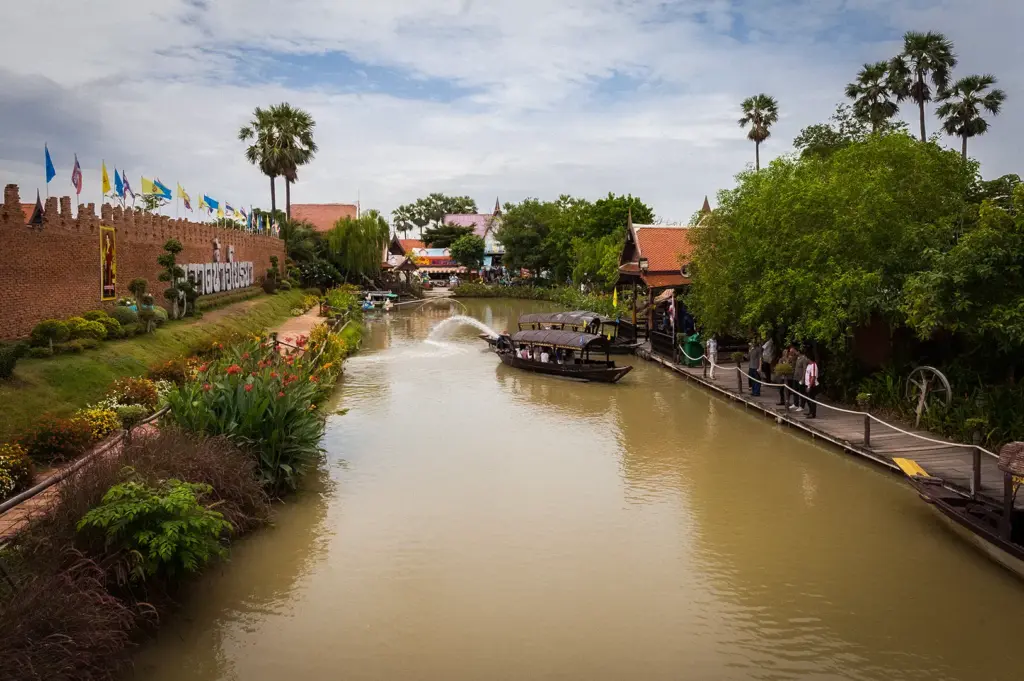
Ayutthaya Thailand isn’t a single site. It was the capital city of Siam from 1351 to 1767, and Phra Nakhon Si Ayutthaya — or Si Ayutthaya — grew into one of the kingdom’s defining royal cities. Its name comes from Ayodhya, linking the city to a wider cultural story in Southeast Asia as well as Thailand’s own past. It’s a whole island city of ruins on Ayutthaya island, laid out between three rivers and threaded with canals that helped earn it the nickname Venice of the East.
Many political and cultural foundations of modern Thailand were shaped during the Ayutthaya period, and its architecture went on to influence Thai art and urban planning. The brick bones of temples and gigantic monasteries also mark the destruction left when the Burmese army razed the city in April 1767, after which a new capital was later established at Thonburi. Today, the main ruins Ayutthaya are protected within the Ayutthaya historical park, a UNESCO World Heritage Site since 1991.
Most of it is open-air. There’s little shade among the chedis, reliquary towers, and tall prang, and the old brick throws heat back at you in the middle of the day. This is the honest challenge of the place. Come unprepared and the sun will wear you down by 11am — I learned that the hard way, dizzy and cross on my first visit because I’d brought neither water nor a hat.
So bring both. A wide hat, real sunscreen, a full water bottle you refill often. Lightweight, breathable clothes in linen or cotton. And because many of the temples have active chapels, cover your shoulders and knees. I’ve watched travelers turned away at entrances for sleeveless tops and short shorts. Keep a light scarf or sarong in your bag; it handles both modesty and the sun.
The Temples That Stay With You, Including Wat Phra Si Sanphet and Wat Chaiwatthanaram
Wat Mahathat
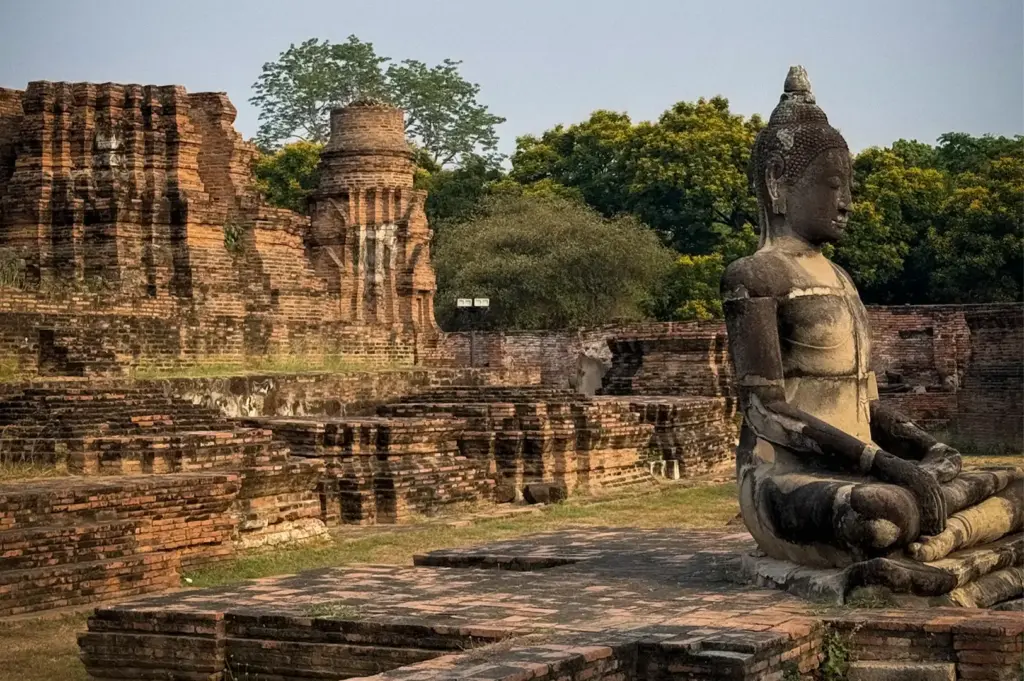
Wat Mahathat is where you’ll find the famous Buddha head cradled in the roots of a banyan tree, the roots grown gently around the stone face over centuries. Everyone photographs it. Go early, before the groups, and you might have a quiet minute with it. Kneel down when you take your photo — out of respect, your head should never sit higher than the Buddha’s. A guard reminded me of this once, kindly, and I’ve never forgotten. Around the ruins, headless and seated Buddha statues make the scale of the old temple complex feel even more affecting.’
Wat Chaiwatthanaram
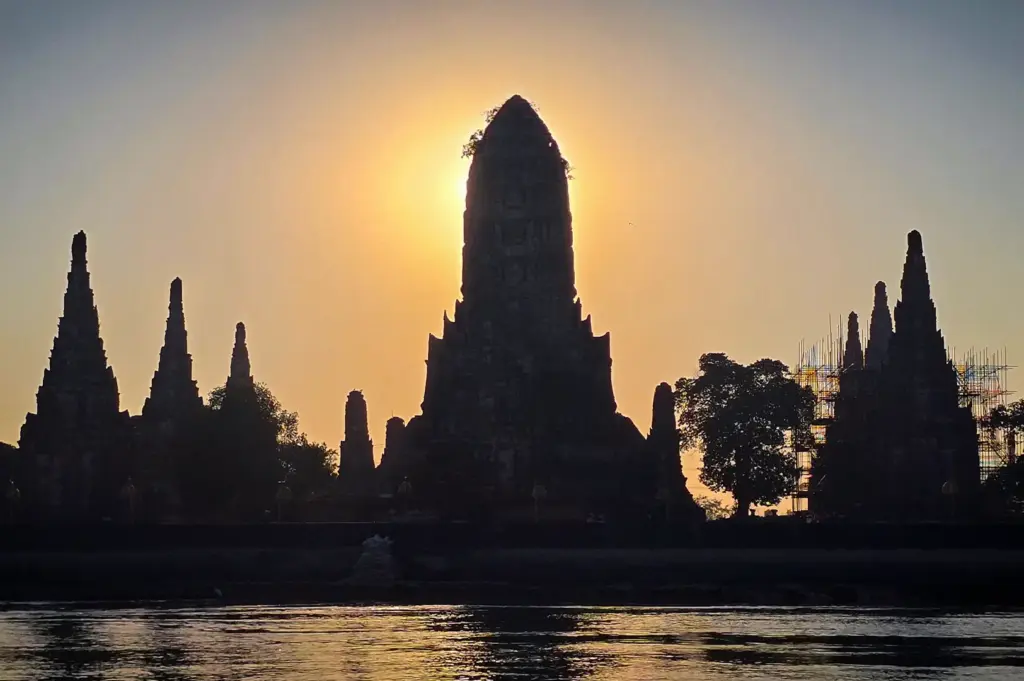
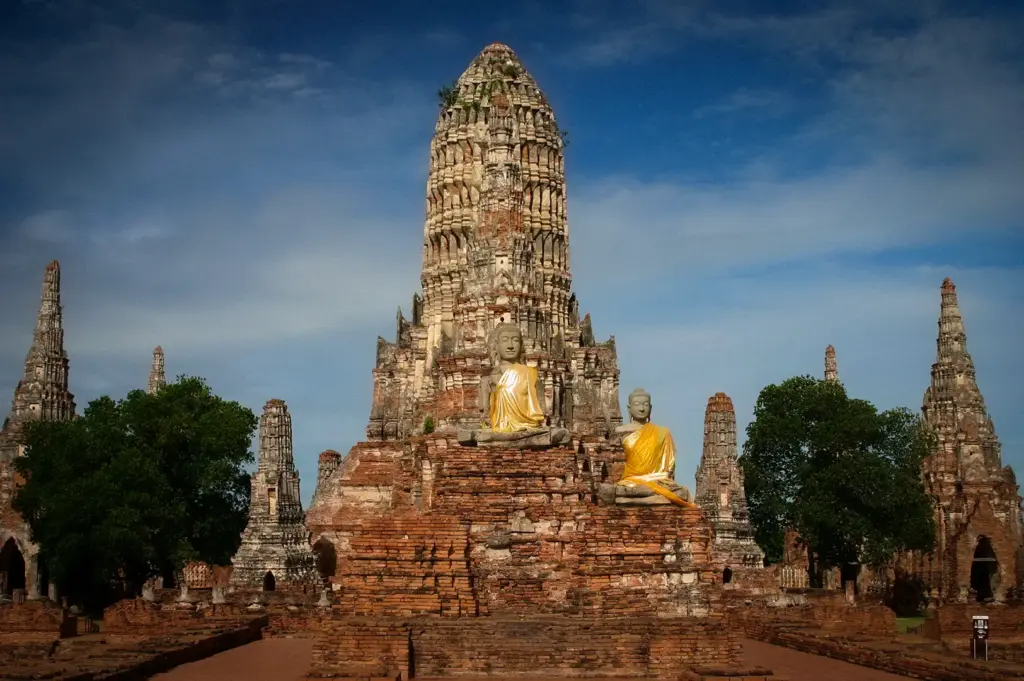
Wat Chaiwatthanaram is my favorite at sunset, without question. It sits along the Chao Phraya river west of the island, its central prang reflected in the water as the sky goes amber. Built in 1630 in Khmer style, it has the kind of grand temple silhouette that stays with you, reminiscent of Angkor Wat. I’ve spent whole evenings here doing nothing but watching the light change. Arrive by 17:00 to settle in before the colors come.
Wat Phra Si Sanphet
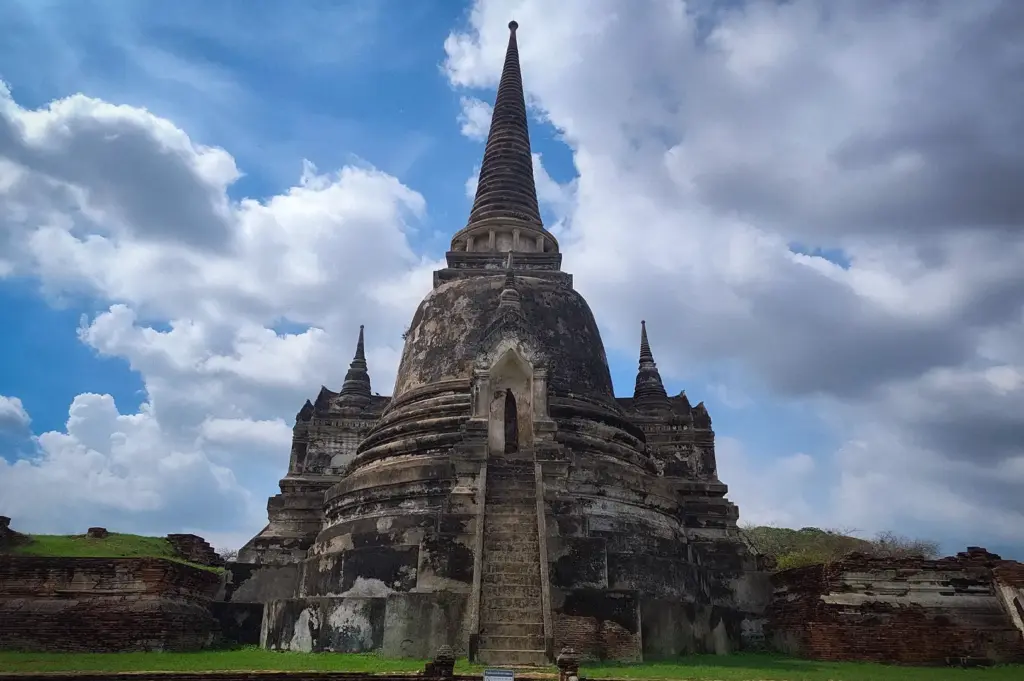
Three grey chedis in a row, the classic silhouette of Ayutthaya. Wat Phra Si Sanphet was the royal temple of the former grand palace, sometimes described as The Grand Palace in older references. Beautiful in soft morning light, when the stone glows warm and the grounds are still.
Wat Lokayasutharam
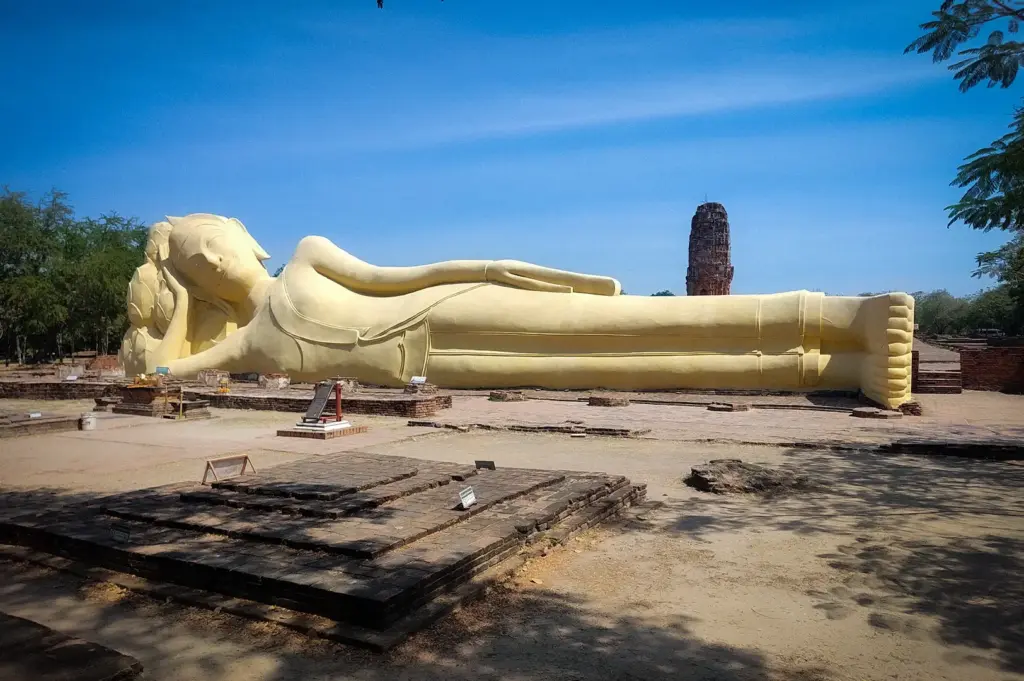
A huge reclining Buddha in an open field, draped in yellow cloth. Wat Lokayasutharam is far quieter than the main cluster. I’ve sat here alone more than once while tour groups queued elsewhere. There’s a stillness to it that the busier temples can’t offer. These are some of the key historical sites in Ayutthaya historical park, not an attempt to list every ancient monument or Buddhist monasteries spread across the old Siamese capital.
Wat Phra Ram
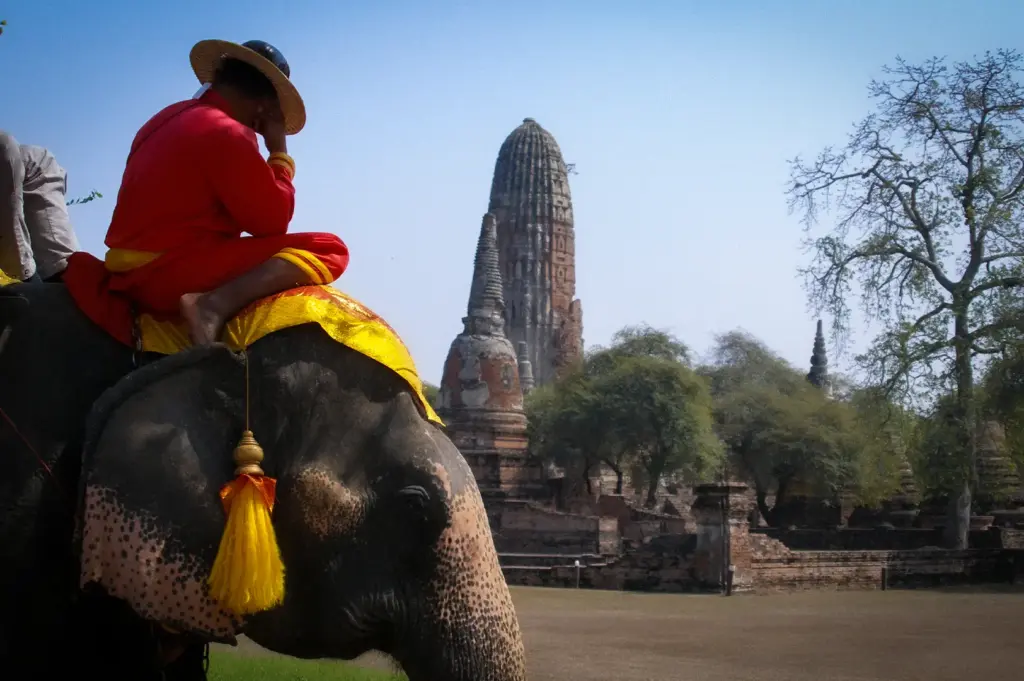
Wat Phra Ram is notable for its tall prang and peaceful grounds. It’s part of the urban template of the Ayutthaya historical park and offers a quieter experience compared to the more famous sites.
Wat Ratchaburana
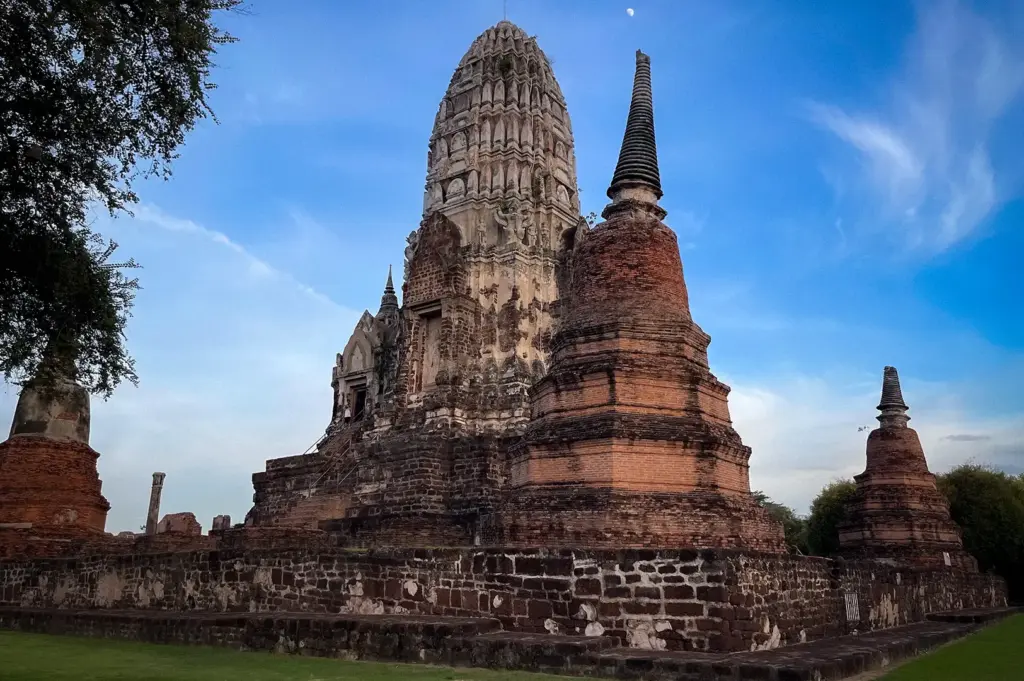
Featuring a tall prang with Indian architectural influences, Wat Ratchaburana is a must-see for those interested in the diversity of Ayutthaya’s temple complex styles.
Wat Phanan Choeng
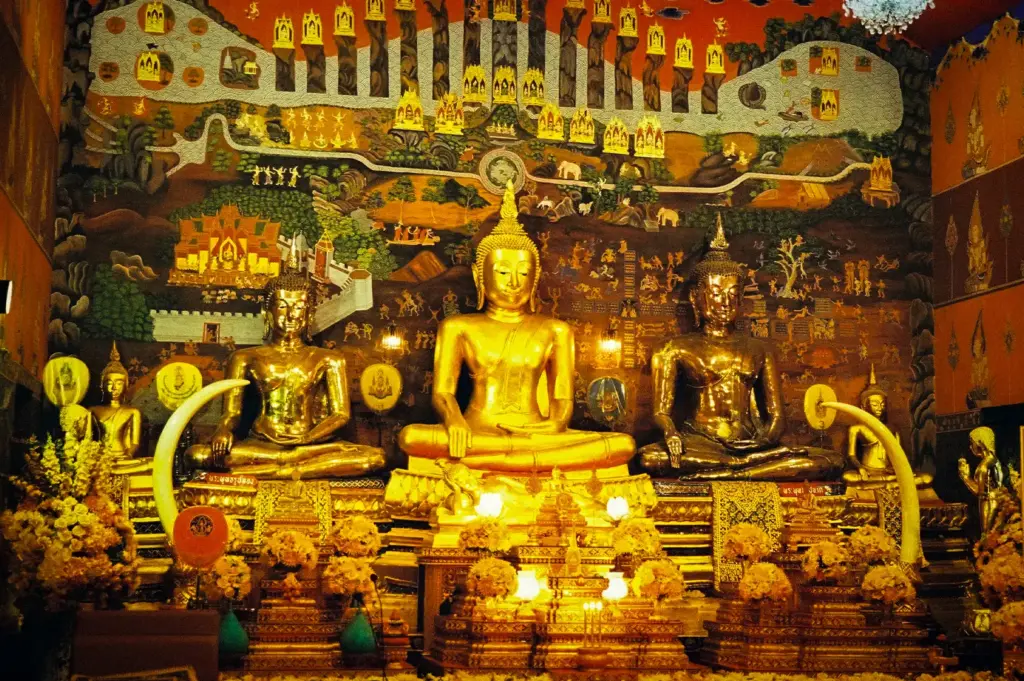
Located on the same island but outside the historical park boundary, Wat Phanan Choeng important temple predates Ayutthaya founded and remains active.
Things I Wish I’d Known About the Floating Market and Boat Ride
Cycle. Rent a bicycle for 40 to 80 baht a day and you’ve unlocked the city. The entire island is flat, the distances gentle, and the freedom to stop wherever something catches your eye is the whole point of slow travel here. I’ve discovered small unnamed ruins down shaded lanes simply by turning off the main road. If you want point-to-point transport or a break from the heat, tuk tuks are available for hire throughout Ayutthaya city. A tuk tuk, at 200 to 300 baht an hour, can’t give you that.
Buy the combined pass. If you plan to see more than four temples, the roughly 300-baht pass covering seven major sites in the Ayutthaya historical park beats paying around 80 baht at each gate. For a week of slow visiting, it pays for itself easily.
Carry small cash. Toilets, the ferry, snacks, water — all need a few coins. Many small vendors take only Thai baht. I keep a pocket of 10 and 20 baht notes just for the little things.
Skip the floating market. The Ayothaya floating market feels built for tourists rather than lived in, while Khlong Sabua is more popular with Thai visitors. On a slow week, your time is better spent among the real ruins or on a late-afternoon boat ride around the island, which shows you the temples from the water.
Eat alone, slowly. Solo travel in Ayutthaya means unhurried meals, and the riverside cafés and market stalls are made for it. I’ve spent long lunches with a bowl of boat noodles and a notebook, watching the town move. Mae Pranee Boat Noodles on Naresuan Road is a reliable local stop. Coffee Old City, opposite Wat Mahathat, is an easy café stop near the ruins and also serves good food. No one hurries you. Nobody minds one seat taken.
Practical Info at a Glance
Here’s what to plan for:
Temple entry: around 80 baht per major site; combined pass roughly 300 baht
Bicycle rental: 40 to 80 baht per day
Ferry crossing: about 10 baht
Tuk-tuk hire: 200 to 300 baht per hour, if you’d rather not cycle
Opening hours: roughly 08:00 to 18:00, with a few sites open a little later
Payment: cash is king; carry baht for temples, vendors, and toilets
A word on comfort: guesthouses on the island are plentiful and kind to a solo budget. Staying overnight — rather than day-tripping — is the single change that transforms the trip. The city belongs to those who linger past 4pm.
If you’re planning a longer, slower loop through northern Thailand, a gentle week through Chiang Mai’s temples and quiet neighbourhoods is worth building into your itinerary before you head south — the full guide is at https://slowtravels.com.sg/chiang-mai-thailand-what-to-see-over-5-7-days-when-you-slow-down/. And if your journey carries on toward Japan afterward, locking in where you’ll stay early makes a real difference over a longer trip — read more here for a practical starting point.]
A Last Word Before You Go: Ayutthaya Thailand and Its Rich History
Ayutthaya doesn’t perform for you. It won’t hand over its meaning in four rushed hours. I know, because I tried, and I left with nothing but photographs.
What to do in Ayutthaya, really, is less about the list of temples and more about the pace you bring to them. Come slowly. Return to the same quiet corner at a different hour. Sit with the Buddha head in the banyan tree roots until the crowd thins and it’s just you and the old stone face, patient beyond counting.
Give this ancient city a week, and it gives something back. Not a highlight reel. Something quieter than that, and harder to leave behind.
I’ve gone three times now. I already know I’ll go again.