It was my fourth night in four different beds.
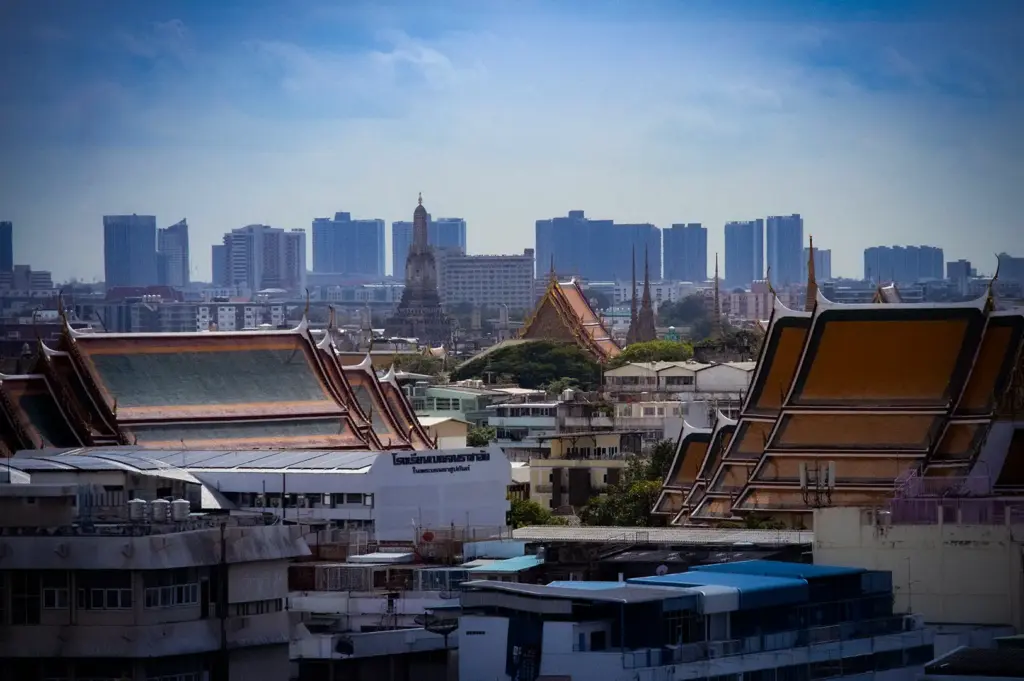
I was sitting on a curb outside a bus station in northern Thailand, eating a plastic bag of sticky rice and doing math on my phone. The trip was eight days long. I had planned Bangkok, Ayutthaya, Chiang Mai and Pai, one after another, like stops on the MRT.
The numbers didn’t look good. Round trip flights, vans, taxis to hotels, taxis back to stations. Rushed meals near terminals. A late checkout fee I’d forgotten about.
I hadn’t overspent on anything special. I had overspent on moving.
That night changed how I travel. I still travel on a budget. But I’ve stopped thinking that budget travel means spending as little as possible. Now I think it means spending less on what doesn’t matter, so there’s more left for what does.
For me, slow travel is how that happens.
What Budget Travel Really Means

There’s a difference between cheap travel and travel on a budget.
Cheap travel asks, “How little can I spend?” while budget travel asks, “Where should my money go?” then slow travel adds one more question, “What costs can I remove so I can spend more intentionally?“.
That might mean skipping a second flight so you can afford a cooking class, a better guesthouse or a meal you’ll still remember in ten years.
One honest note. Slow travel isn’t automatically budget friendly. You can slow-travel through expensive resorts. The savings come from how you shape the trip, not from the word “slow.”
How Slow Travel Helps You Save Money
Transport: The Cost of Constantly Moving
This is the biggest lesson I’ve learned. Every time you change destinations, you trigger a chain of travel expenses:
A flight, train or ferry ticket
Baggage fees
An airport or station transfer
A taxi to your new hotel
Meals eaten in transit
Booking fees
Remove one move, and you remove the whole chain. That’s usually worth far more than saving S$5 on lunch every day.
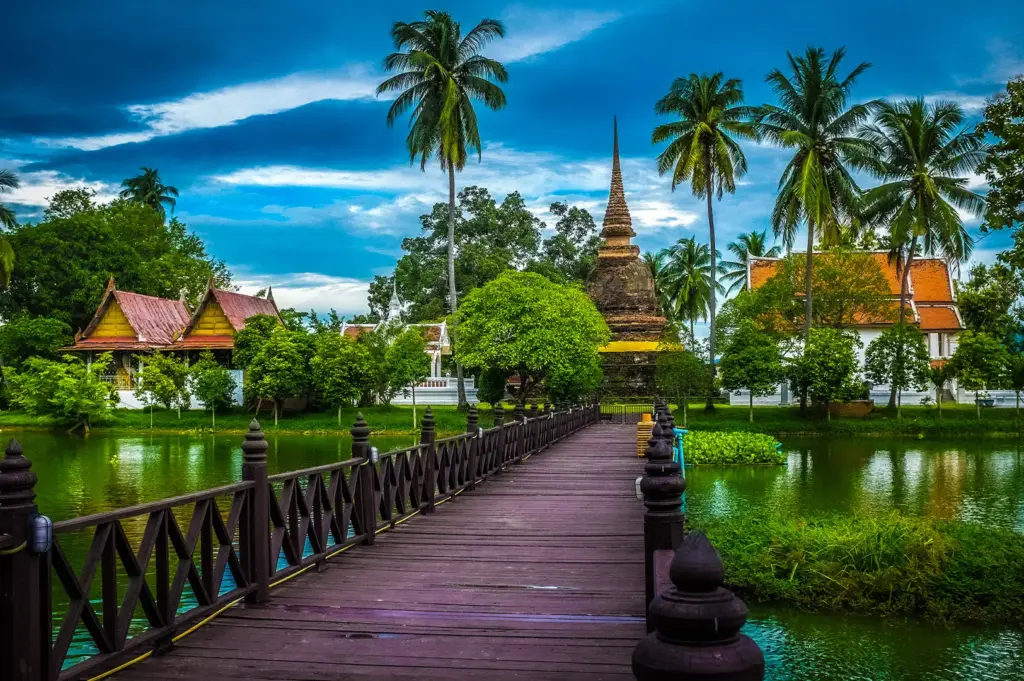
On my second Thailand trip, I flew out of Changi Airport to Chiang Mai, spent time in Pai, and flew home. No Bangkok stopover. No Ayutthaya day squeezed in. My travel costs dropped noticeably, and I came home rested for once.
Accommodation: Fewer Check-Ins, Better Value
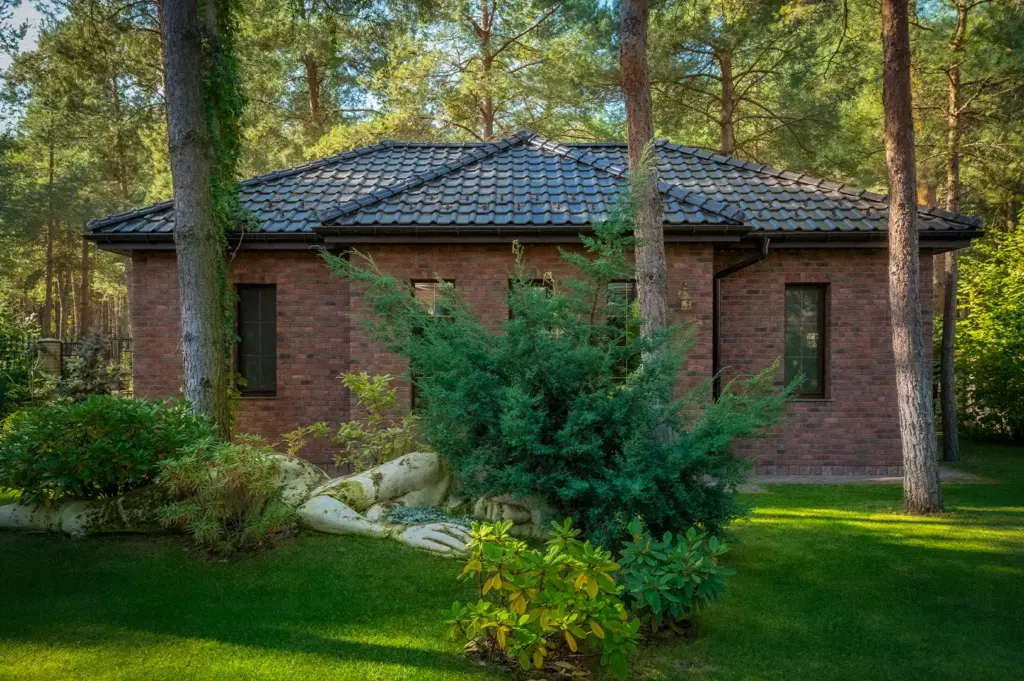
Longer stays can open up weekly rates and real cost savings on accommodation costs overall. They also mean fewer check-in deposits, fewer taxis with luggage and fewer nights spent somewhere chosen in a hurry.
You don’t need hostels, either. Guesthouses, homestays, serviced apartments and small budget hotels all work. What matters is length of stay and location, not just the accommodation prices on the booking page.
Food: Eating Where You Live
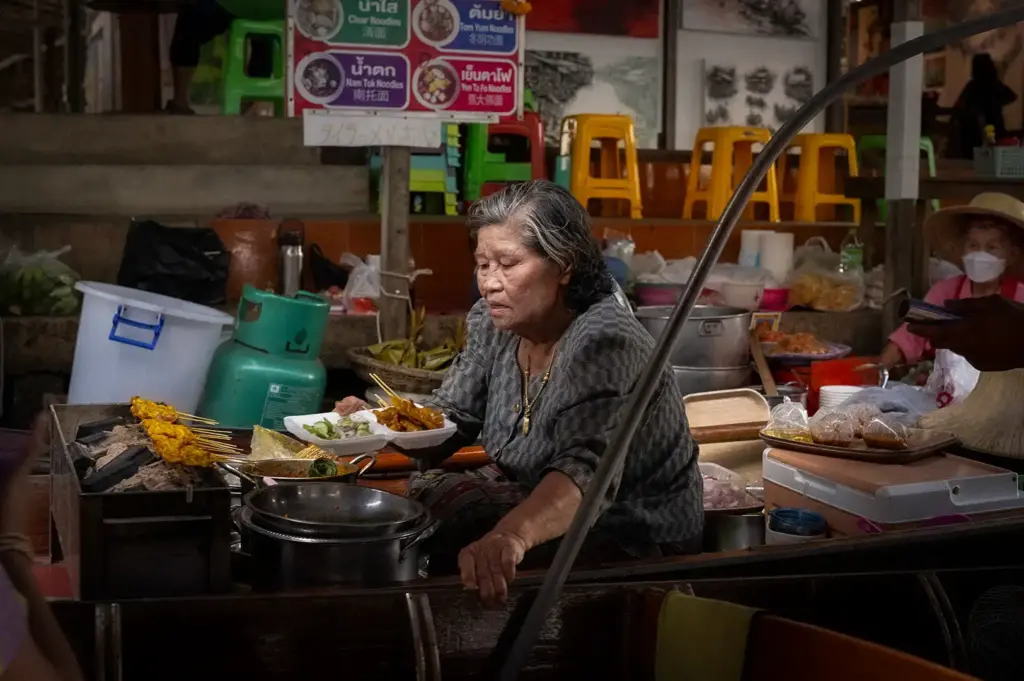
When you stay put, you start eating like a neighbor instead of a tourist.
In Chiang Mai, I found a khao soi stall near my guesthouse in the first week. Plastic stools. A fan turning slowly overhead. By the third visit, the auntie started reaching for the chili before I asked.
That bowl cost less than a drink in the Old City’s tourist bars. It also became the thing I miss most about that trip—one of those travel experiences that no itinerary can plan for you.
Local food costs less. But that isn’t the only reason to seek it out.
A Step-by-Step Way to Build Your Travel Budget
Step 1: Pick One Base
Instead of three vibrant cities in five days, try one city for five days. Or two bases for a week at most. That single choice cuts hotel changes, transportation costs, packing time and lost hours.
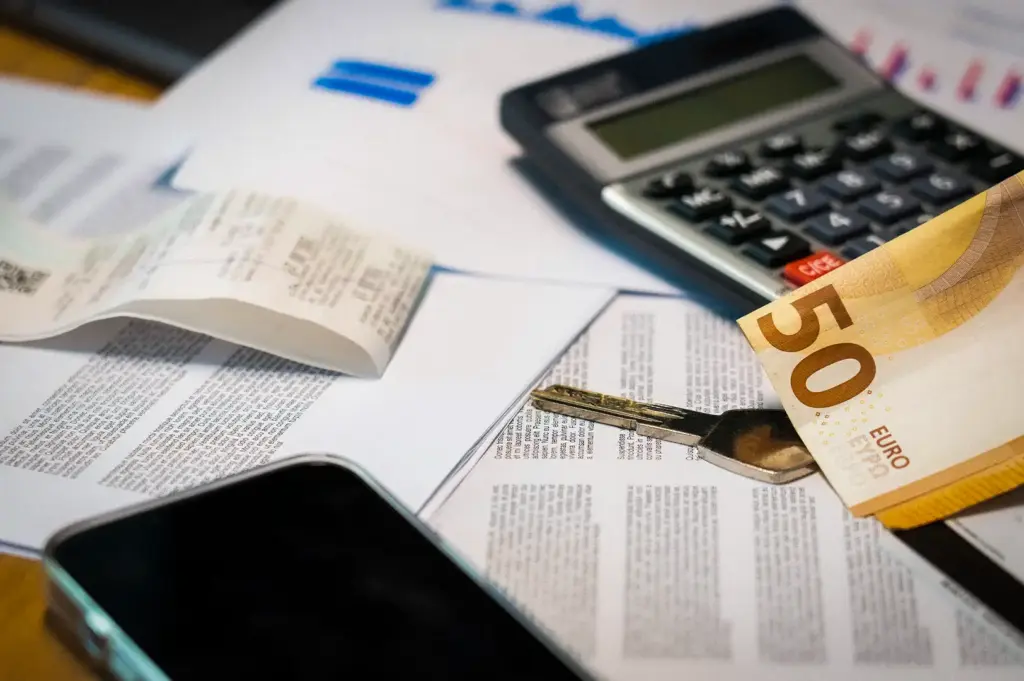
Step 2: Calculate the Full Cost, Not the Nightly Rate
Add it all up: accommodation, transport, food, activities, fees, travel insurance and connectivity, such as a local SIM card.
Here’s an example I think about often:
| S$40 room | S$60 room |
|---|---|---|
Daily taxis | S$15 | Walking distance |
Breakfast | S$10 | Free breakfast included |
Laundry | S$5 | Laundry on-site |
Real daily cost | S$70 | S$60 |
The “cheaper” room costs more. Accommodation prices only tell part of the story.
Step 3: Look for Everyday Value, Like a Free Breakfast
For longer stays, I prioritize:
Free breakfast
A small kitchen
Laundry access
Reliable Wi-Fi
Restaurants within walking distance
A nearby bus stop or MRT station
A free breakfast removes one meal a day. A kitchen means you don’t have to eat out every time you’re hungry.
Pro tip: Before you book accommodations, open a map and check what’s within a ten-minute walk. If it’s only a highway and a convenience store, you’ll be paying for taxis all week. That’s a great tip I wish someone had told me earlier.
Step 4: Budget Weekly, Not Daily
Instead of telling yourself, “I can spend S$70 a day,” try, “I have S$490 for the week.”
Some days you’ll spend S$40. Others, S$90. That flexibility matters. You won’t feel guilty about one good dinner, and you won’t waste money just because a daily allowance is sitting there.
Step 5: Walk and Use Public Transport
Stay somewhere that makes walking and public transport realistic. Taxis and ride-hailing add up quietly, a few dollars at a time. Pack light too, it changes everything about how freely you can move around a city on foot.
Step 6: Build a Food Routine
A local bakery in the morning. A neighborhood restaurant for lunch. The market for dinner. Routines make food spending predictable. They also make a place feel like yours.
Insider knowledge: I keep a simple split before every trip: roughly 30–45% accommodation, 10–25% transportation, 20–30% food, 5–15% activities and 5–10% buffer. These aren’t rules. In Southeast Asia, I often shift more toward experiences because rooms and meals come at great prices — and accommodation costs are low enough to leave room for the things that matter.
Traveling on a Tight Budget: Common Mistakes I’ve Made
Chasing the lowest nightly price. I once booked a suspiciously cheap room in Bangkok. Hidden fees, a broken air conditioner and a location that needed taxis everywhere. It became the most expensive night of the trip.
Trying to see everything. Fear of missing out is expensive. Every extra stop has a price.
Allocating every dollar before leaving. Without a buffer, one surprise turns into stress. Use your own money wisely — that means leaving room for the unexpected.
Cutting everything that costs money. Budget travel isn’t about free activities all day. Some things are worth paying for.
Booking at peak times without checking deals. Accommodation prices and flights both shift significantly. A bit of flexibility around your dates can go a long way.
Ignoring red flags in reviews. Watch for repeated complaints about cleanliness, unclear additional costs and unreliable cancellation policies.
Budget Travel Lessons From Home: Singapore
We live in an expensive country. Maybe that’s why so many of us travel fast. We’re used to getting places quickly, and we want our leave days to count.
But I’ve found that the best way to understand slow, budget-minded travel is to look at how we’d show someone around Singapore.
Hawker Centers and the MRT
If a friend is visiting Singapore, I don’t take them to a hotel restaurant. I take them to a hawker center. A plate of chicken rice, a cup of kopi, the clatter of trays being stacked.
Our public transport covers most of the island and accepts contactless cards and mobile wallets. You can cross the city for a few dollars and land at almost any attraction without a taxi.
The Botanic Gardens and Free Things in Singapore
Most of our nature parks and reserves are free to enter, including the Botanic Gardens. I like it early, when joggers pass and the air still feels cool. The National Orchid Garden inside charges a small fee, and I think it’s worth paying for once.
Gardens by the Bay’s outdoor gardens are free too. The Flower Dome and Cloud Forest charge entrance fees, so decide in advance whether they matter to you. Merlion Park is free and easy, a good spot to start before the crowds land.
Little India on Foot
A walking tour of Little India costs nothing. Flower garlands on string. Spice shops. The Buddha Tooth Relic Temple nearby in Chinatown, another quiet stop worth a wander. A plate of thosai at a corner coffee shop. It’s one of the free things I’d recommend to anyone on a tight budget.
The National Gallery: Check Before You Go
The National Gallery currently charges tourists S$20, while Singapore residents enter free. It’s a good reminder to check current admission policies instead of assuming.
Singapore Zoo, Raffles Hotel and the Singapore Sling
The Singapore Zoo and Universal Studios Singapore are among the bigger tickets in town. They can be lovely. They just shouldn’t be booked by default.
A Singapore Sling at the Long Bar in Raffles Hotel is the same. It costs more than several hawker dinners combined. I’ve done it once, slowly, with peanut shells on the floor and no rush to leave the lounge area. It was worth it to me as a single, chosen moment.
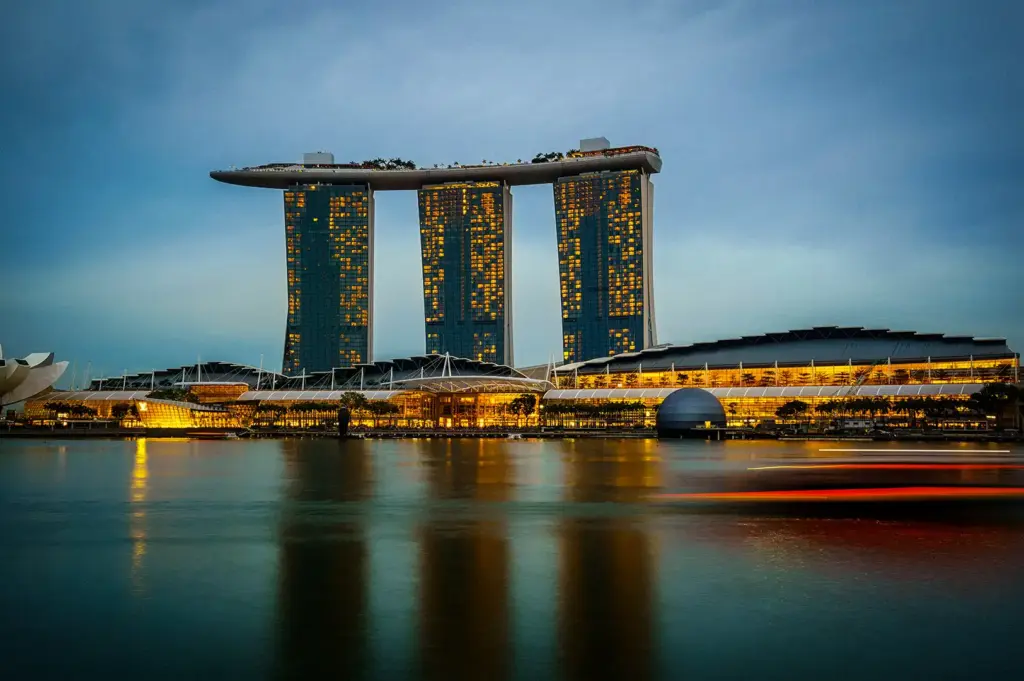
Marina Bay Sands follows the same logic. The skypark observation deck isn’t cheap. But if it’s on your bucket list, budget for it deliberately rather than squeezing it in alongside three other paid attractions on the same day. Mount Faber is a quieter option, a cable car ride or an evening walk with views over the harbour. Not free, but gentle on the budget and genuinely lovely.
That’s the point. Spend on purpose. For more slow ways to see our city, I wrote about them here in things to do in Singapore.
A Quiet Last Thought
I think about that curb outside the bus station sometimes. The sticky rice. The tired math.
I wasn’t short on money. I was spending it on the wrong things.
Now my trips have fewer stops and longer mornings. I know a few stallholders by face. I come home with some savings, and with lasting memories that feel earned.
Move less. Stay longer. Eat where people live.
Then spend what’s left on the moments you’ll want to keep.