
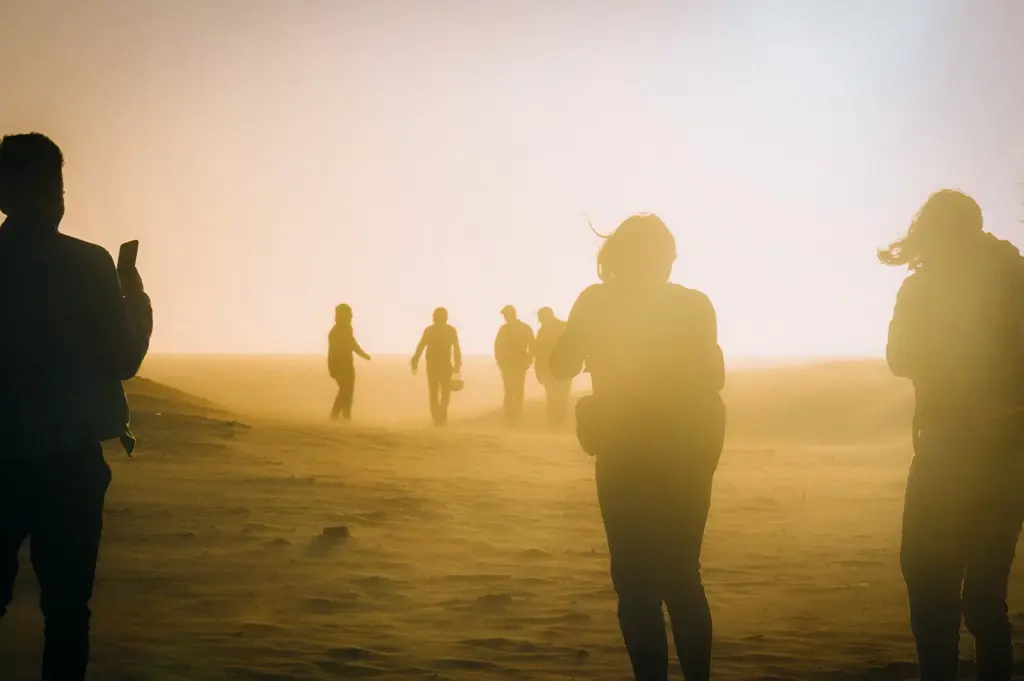
The trip I remember most had almost nothing on the itinerary.
Four of us, a rented car, a stretch of quiet coast. We’d planned to explore three towns in a day. We saw one. Someone spotted a roadside stall selling grilled corn, and we pulled over. That was it. We sat on a low wall, corn in hand, arguing about nothing, laughing about less.
None of us can name the towns we skipped. All of us remember the corn.
I’ve done group travel the other way too—the packed version, where every hour has a destination and a queue. By day three, we were snapping at each other in a museum nobody really wanted to be in. That’s the trip I learned from. The one I regret.
So here’s what I’ve come to believe after years of travelling with friends and like minded people around the world: the best group travel memories aren’t the places you tick off. They’re the moments everyone stopped looking at the schedule and simply enjoyed being together.
Why Slowing Down Actually Fixes Group Travel
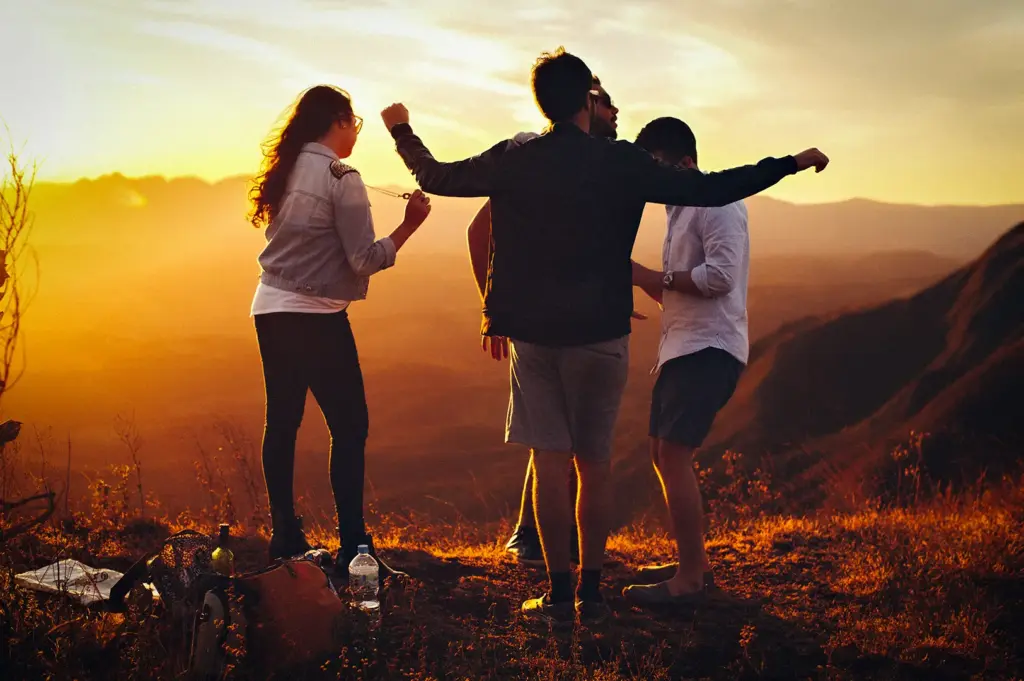
Group travels get tense for a simple reason. Different people want different things, at different speeds, for different budgets. Pack that into a tight itinerary and every decision becomes a negotiation.
Slow travel doesn’t erase those differences. It just gives them room to breathe.
When you stop trying to see everything, you stop needing everyone to agree on everything. The pressure drops. And in that space, the good stuff shows up—the long conversations, the inside jokes, the compromises that don’t feel like losses.
I don’t think the goal is making everyone like the same things. The goal is enough shared time to create memories, and enough freedom for each person to still feel like themselves. Importantly, the journey matters as much as the destination.
The Slow Activities That Bring Small Groups Closer
Cooking Classes: Unforgettable Adventures at the Wet Market
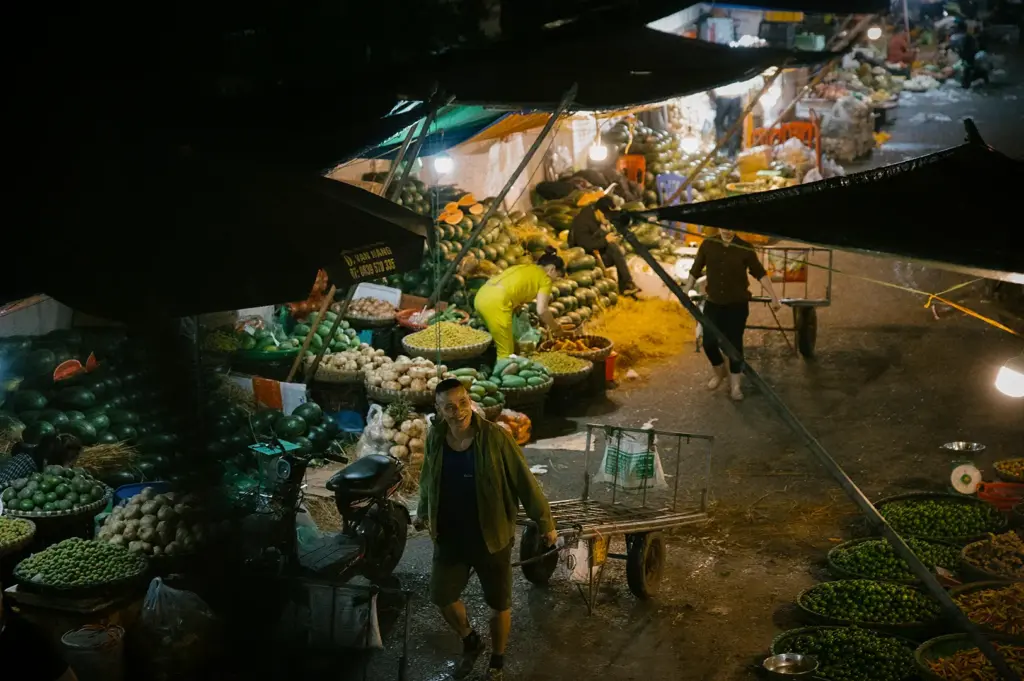
Cooking classes are my top pick for small groups. They assign everyone a role—chopping, stirring, or burning garlic—and the conversation flows naturally. The best start at wet markets, where you buy ingredients and learn about local culture before cooking together. These classes, typically around three hours and costing about S$120–150 per person, deliver unique experiences that restaurants can’t match.
Travel Tip: Book the class early in the trip. Shared memories like “Remember who dropped the prawns?” become ongoing jokes that bond the group.
Long Local Meals: Savoring Culture and Connection
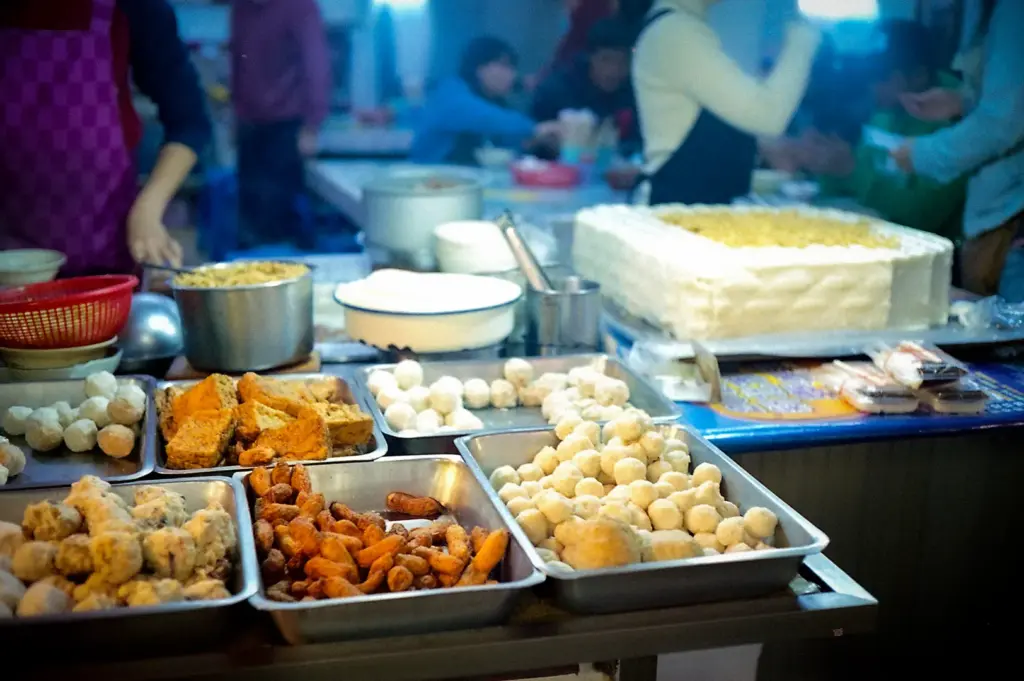
Long meals are the opposite of ticking off food checklists. Order several dishes, share, talk, and linger. This style suits groups because no one commits to a full meal they might not like, and everyone tastes everything. Choose spots where you can relax without rush, hawker stalls or family-run eateries are perfect for authentic moments that turn holidays into lifelong memories.
Wandering Quiet Neighborhoods: Finding Hidden Gems Off the Beaten Path

Fixed routes can frustrate groups—someone falls behind, another wants to stop, and resentment builds. Give a neighborhood with no plan, and the walk breathes naturally. Pause for coffee, duck into shops, discover unexpected bakeries. The quieter the area, the better. Small groups thrive in sleepy neighborhoods, living inside the city rather than just visiting.
Sometimes the best group travel activity is simply wandering somewhere unfamiliar without deciding exactly where you need to end up. You can discover how Hoi An Vietnam rewards this kind of slower exploration here, from its ancient streets and quiet temples to its lantern-lit evenings and local food stalls.
Scenic Train and Road Journeys: Turning Transport into Adventures

Most travellers treat transport as dead time to survive. I’ve learned to treat it as the point.
On a slow train or a long drive, there’s nowhere to be and nothing to tick off. That’s exactly when the good conversations happen. Cards come out. Snacks get passed around. Someone plays a song, and everyone has an opinion about it. The journey itself becomes part of the adventure.
Travel Tip: Assign a “snack person” before any long journey. It sounds silly. It is not. A well-stocked bag of local snacks turns three dull hours into the part of the day people talk about long after they return home.
Market Mornings: Freedom to Explore and Connect
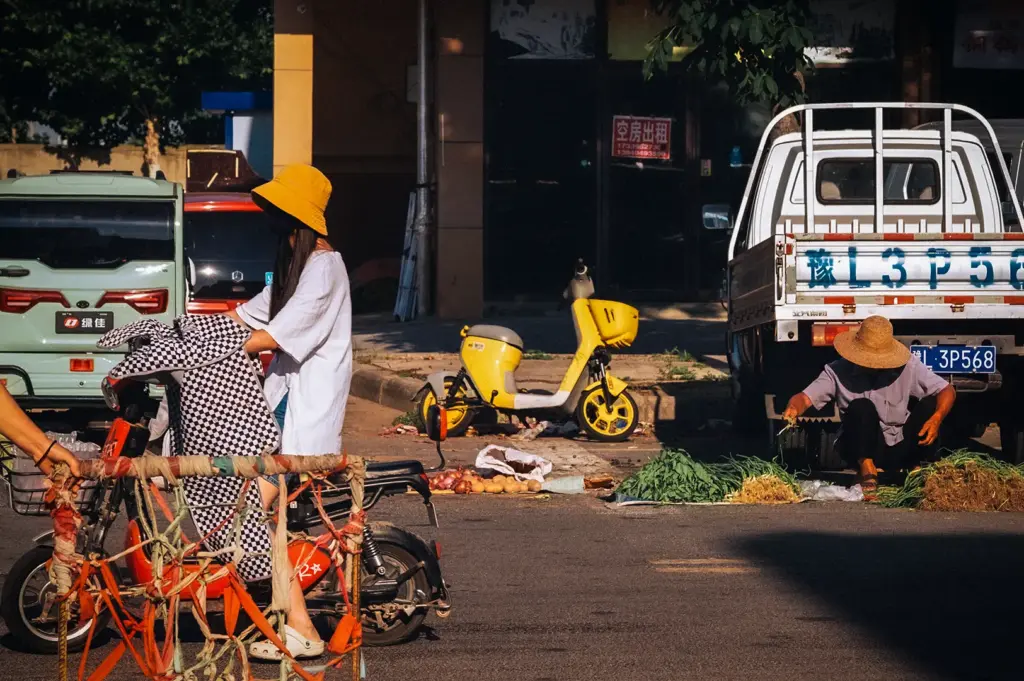
Markets are perfect for groups because they allow everyone to wander at their own pace. One hunts breakfast, another explores crafts, and someone watches lively haggling. You drift apart and regroup naturally, sharing discoveries and new tastes. This blend of freedom and connection creates joy and authentic cultural experiences.
A shared meal, an unplanned walk, or a quiet stop can become the memory everyone talks about later. Thailand is particularly well suited to this kind of travel, things to do in Bangkok rewards taking your time through markets, temples, and neighbourhoods.
Sitting by a River at Sunset: The Joy of Unhurried Moments
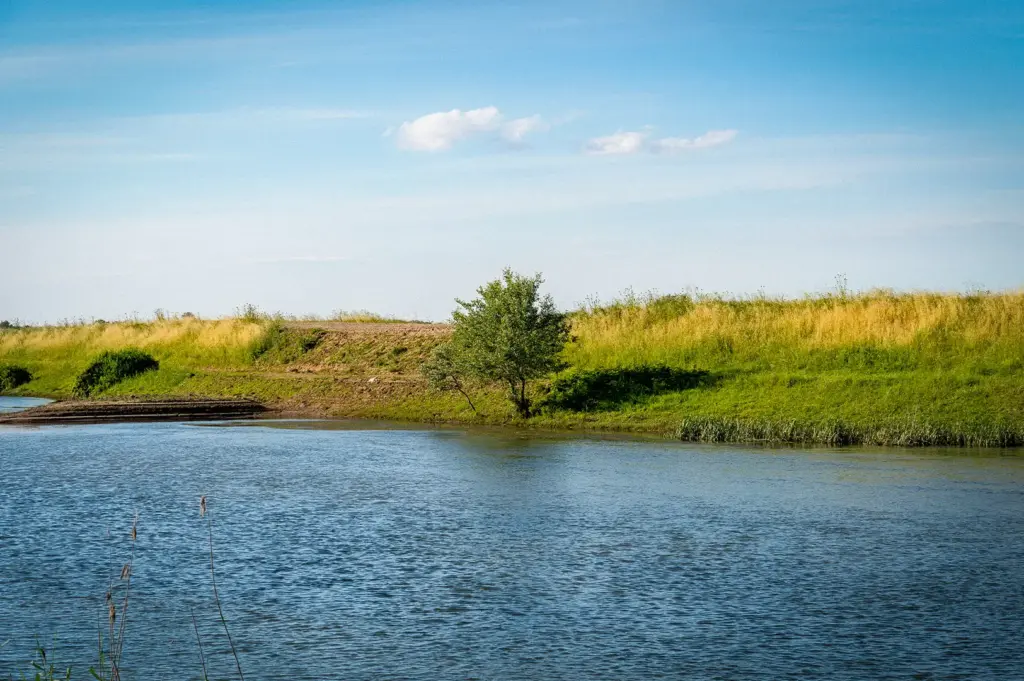
This is the one people underrate.
No activity. No spending. Just a group of friends sitting by water as the light goes soft, saying whatever comes to mind or saying nothing at all.
Some of the closest moments I’ve had with friends on a trip have come in complete silence, watching a river go orange. You can’t schedule that feeling. You can only leave room for it and when it arrives, the joy is real and unhurried.
Planning Your Group Trip: Essential Steps Before You Book
Most group travel conflict is settled before the trip even starts. A short, honest conversation upfront saves a lot of hassle later. Here’s how to get the planning right so the trip itself can breathe. Sit down together and talk through five things.
Budget. This is the awkward one, so do it first. Talk about the overall trip cost and the daily stuff—meals, activities, transport. Agree on whether you split everything evenly or track it separately. Decide which activities are optional so a splurge for one person doesn’t quietly become a splurge for everyone. Nobody should leave the trip in debt.
Pace. Early risers or late sleepers? Be honest now. The person who wants an 8am start and the one who surfaces at noon can absolutely travel together as long as they know before booking, not at breakfast on day two.
Food. Any allergies or dietary restrictions? Simple, but it shapes half your days. Discovering different cultures through food is one of the joys of travel, make sure everyone can join in.
Accommodation. Shared rooms or separate? Some friendships survive a shared room. Some don’t. Know yours before you book, and decide whether the budget supports both options.
Must-dos. Have everyone name their top three things they genuinely care about. Not a long list, just three. This gives everyone a voice without forcing the group to accommodate every whim.
The “One Shared, One Personal” Rule
This single habit has saved more of my group trips than anything else.
For each day, plan one shared thing everyone does together, and leave one block of personal time for people to follow their own interests.
A day might look like this:
Morning: cooking class, together
Afternoon: free time—nap, café, wander, whatever inspires you
Evening: long dinner, together
Time apart isn’t a failure of group travel. It’s what makes the time together better. One friend sleeps in while others hit the market. You all meet for lunch with something to talk about. The trip ends feeling full rather than frantic.
Pro Tip: Rotate who chooses the shared activity each day. When everyone gets a turn to pick, nobody feels dragged along, and the quiet person finally gets to show the group the spot they actually wanted to discover.
Booking Tips and Finding Minute Deals for Popular Destinations
Sorting flights and accommodation as a group can feel like herding cats. A few things I’ve learned:
Book accommodation early when travelling in small groups, rooms that fit four or five people fill up fast, especially around school holidays and popular departure dates. If budget is tight, look for last-minute deals in the final weeks before travel, but be ready to be flexible on the destination.
Splitting costs per person is easier when you agree upfront. Use a shared notes app to track who paid what, and settle up before you fly home rather than on the trip itself. That way, money doesn’t become a mood.
If you’re flexible on dates, mid-week departures often work out cheaper. Europe, in particular, rewards flexible travellers — prices for flights and accommodation can shift significantly depending on when you search and book.
Common Mistakes to Avoid in Group Travel
Over-scheduling every hour. My worst trip had a destination for every slot. It felt like work. Now I leave deliberate empty space in the itinerary, and that empty space is usually where the memories land.
Letting one person run everything. The unofficial trip dictator—picks every meal, controls every wake-up time—breeds quiet resentment. Share the decisions. Take turns.
Ignoring the “anything is fine” friend. The person who never says what they want isn’t easygoing. They’re storing it up. Ask them directly, early, and keep asking.
Skipping the money talk. I’ve watched a trip sour because one friend wanted nice restaurants and another was counting every dollar. Neither was wrong. They just never discussed it before booking.
Trying to maximise every day. We get limited annual leave, so the urge to cram three cities into five days is strong. I’ve stopped fighting that urge with more activities. I fight it with one destination, done properly and I return home more rested than I left.
The Moments That Make Group Travel Unforgettable
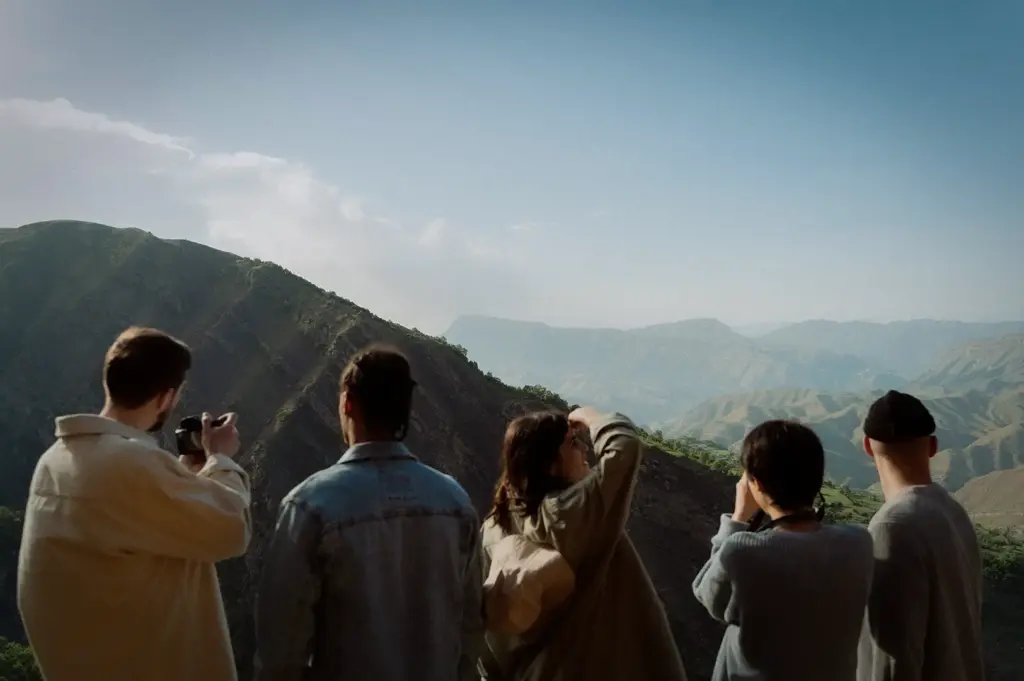
You won’t remember every landmark or packed itinerary. You’ll remember the roadside corn, the laughter in the cooking class, the silence by the river. Group travel is about the people beside you, the connections you create, and the memories you bring home.
So, when planning your next adventure with like minded people, leave space in your itinerary. Step back from the checklist. Let the trip breathe. Watch how moments, joy, and friendships fill the gaps, turning your journey into one of the best holidays of your life.
If you want more inspiration or support, join Facebook travel groups, search for relevant tours, and explore last-minute deals. Travel is about delivering authentic experiences that stay with you long after you return home. Fly with confidence, plan with heart, and most importantly, enjoy every step of the journey.





