
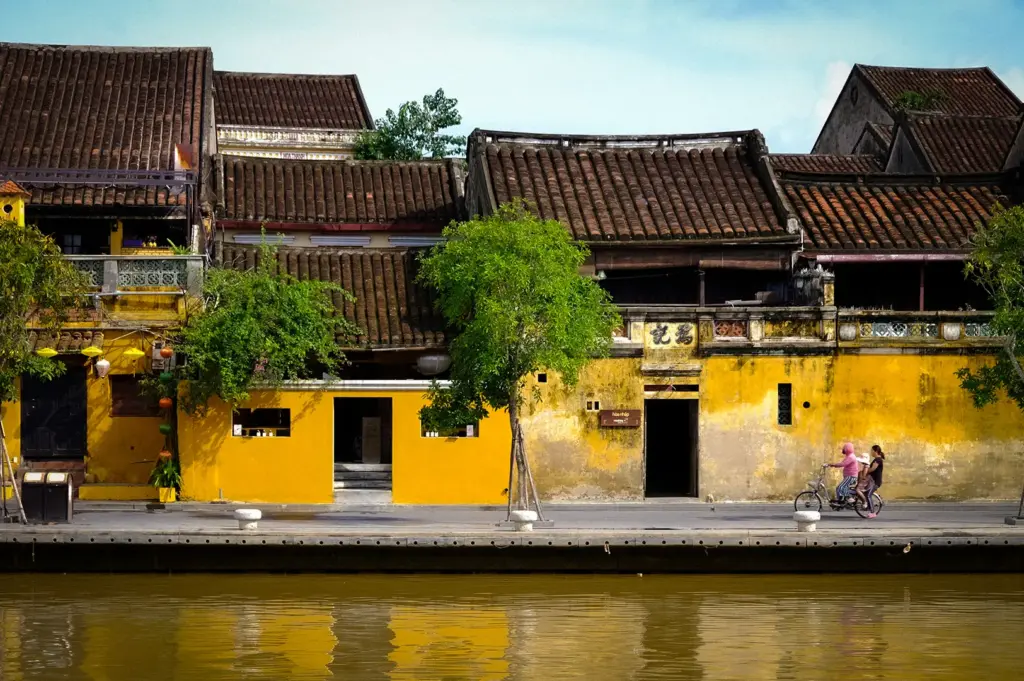
My first visit to Hoi An Vietnam was a rushed day trip from Da Nang International Airport. I grabbed a Grab app taxi to the ancient town, walked the lantern-lit streets, snapped photos of the Japanese Covered Bridge, tasted cao lầu, and called it a night. But I hadn’t really seen Hoi An.
It took a longer return visit to explore Hoi An properly—to slow down, soak in the local life, and discover why this UNESCO World Heritage Site is a hidden gem in central Vietnam.
This guide is what I wish someone had told me before that rushed first day. Honest, practical, and built for slowing down. If this kind of slow, neighbourhood-first approach appeals to you, this slow travel guide to Chiang Mai Thailand works on the same logic, stay longer, move less, notice more.
Hoi An Ancient Town: Explore Early Morning to Beat the Crowds
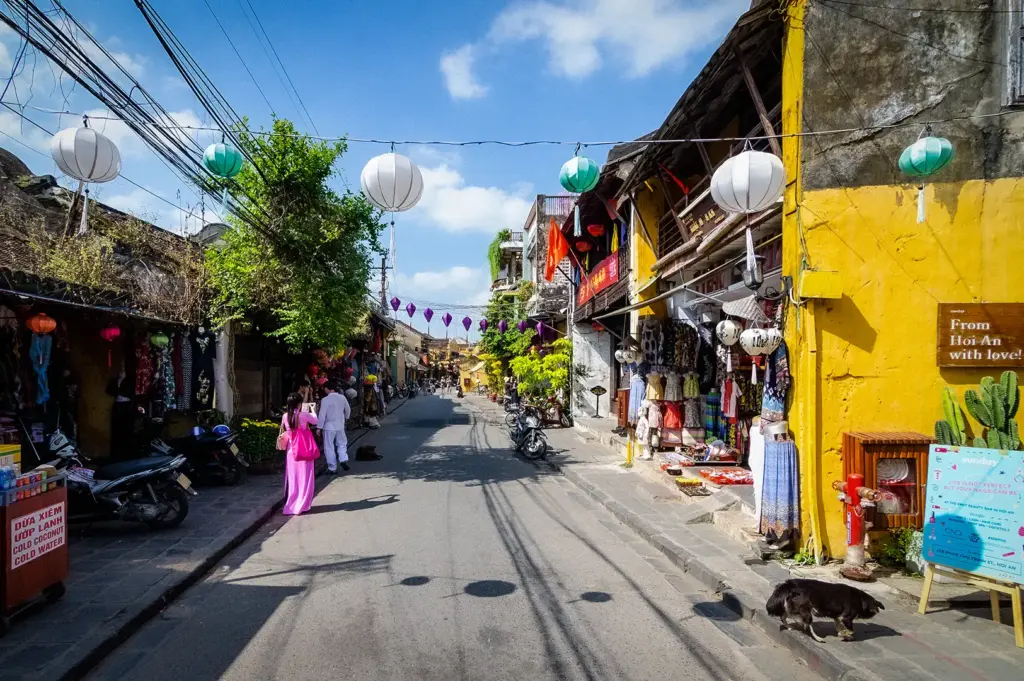
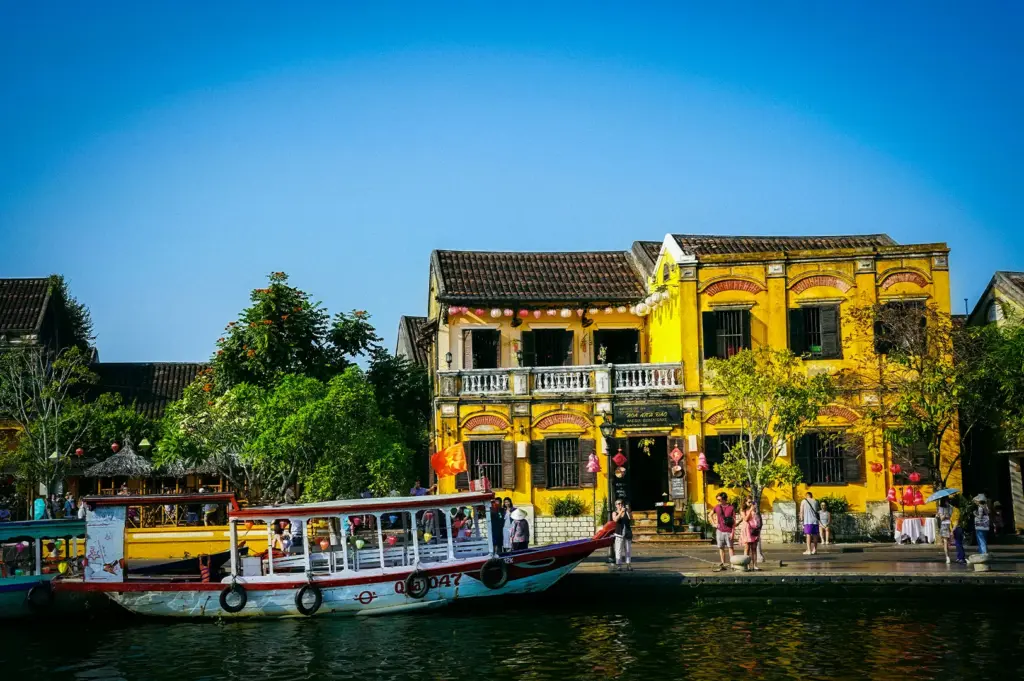
Hoi An Ancient Town is a UNESCO World Heritage Site famed for its yellow ochre walls, traditional crafts, and vibrant lantern festivals. The key travel tip? Visit early morning. Before 9am, the streets along Hai Ba Trung Street and the lanes behind it are quiet. Shopkeepers open their doors, and the soft light casts a golden glow on centuries-old merchant houses.
Buy the Ancient Town ticket (about 120,000 VND) to access historic sites like the Tan Ky and Phung Hung houses, and Ba Mu Temple—a quiet spot near the central market often missed by tourists. Don’t rush to see everything; pick a few places and savor the experience.
Nearby, the local market buzzes from 6:30 to 8am with vendors selling fresh herbs, fish, and bánh mì. This glimpse of local life is authentic and vibrant perfect for starting your day with a Vietnamese coffee from one of the many coffee shops.
Hoi An Lantern Festival: Experience the Magic of Lantern-Lit Streets
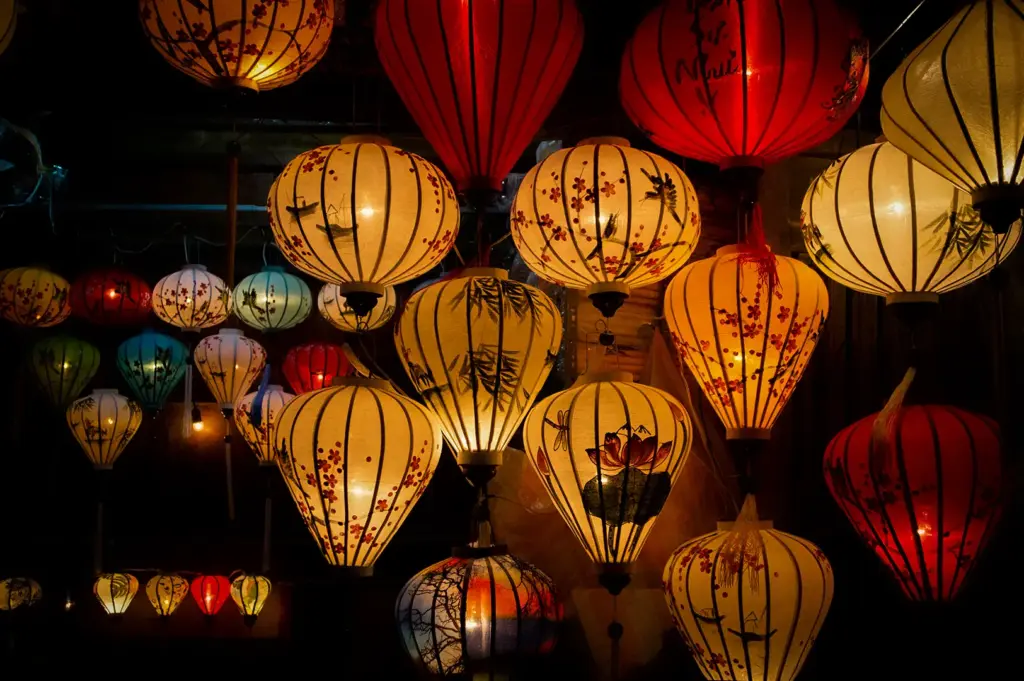
Everyone comes for the lanterns. They’re not wrong to.
Hoi An’s lantern-lit streets are half the fun of visiting the old town. After sunset, colorful lanterns glow in every doorway, reflecting on the Thu Bon River. The best time to enjoy the lanterns is after the evening crowds subside, around 9:30 or 10pm.
Plan your trip to coincide with the Hoi An Lantern Festival on the 14th day of each lunar month. During this event, the town dims electric lights, leaving only lanterns and moonlight to illuminate the streets—a huge difference from regular nights. It’s quieter and more atmospheric than a normal night—but also more visited, so the early-dinner trick matters even more.
Pro tip: For a few thousand dong, you can release a small paper lantern onto the Thu Bon River from one of the little boats near the central market. It’s touristy, yes. But sitting low on the water at dusk, watching your light drift off with a hundred others, is a small moment I’ve never regretted.
Ba Mu Temple and Other Historic Sites: Discover Quiet Corners of Hoi An
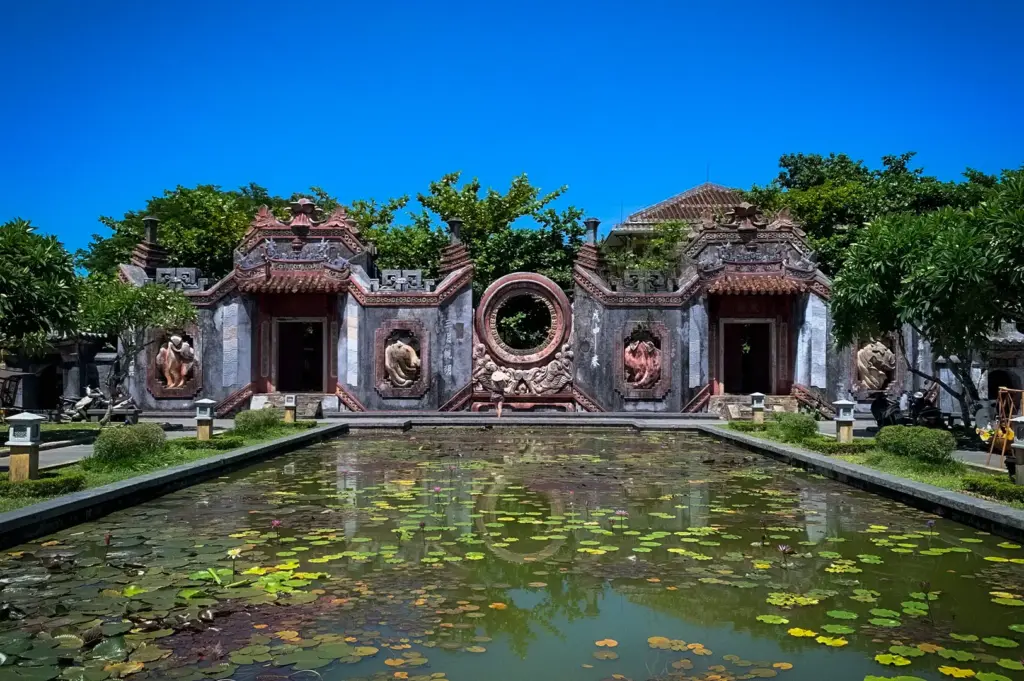
Most visitors in Hoi An follow the same trail: Japanese Covered Bridge, assembly halls, the famous old houses. All worth seeing. But Ba Mu Temple, tucked near the edge of the old town, is one I’d point you toward specifically because almost nobody goes there.
It’s small, genuinely old, and often empty. No ticket queue. A caretaker, maybe, sweeping the courtyard. Incense burning for nobody in particular. That’s the Hoi An that gets lost in the rush.
The same is true of the back lanes off Hai Ba Trung Street—past the central market, away from the river strip. Old shop fronts, a tailor still working by hand, a family temple behind a wooden door left ajar. Leave room for this kind of wandering. It’s where the town actually lives.
For another perspective on experiencing temples through local history and culture, explore the temples and cultural landmarks of Thailand, one of Hoi An’s neighbouring country, here.
Vietnamese Food in Hoi An: Eat Like a Local

Hoi An has three dishes it can genuinely call its own, and you should eat all of them where locals eat, not where the signs are biggest.
Cao lầu is the one I think about when I’m home—thick noodles, slices of pork, crunchy croutons, a little broth, greens. The noodles are supposedly made only with water from a specific local well. True or not, they taste like nowhere else. Expect to pay 30,000 to 50,000 VND at a proper food stall.
Then there’s white rose dumplings, delicate translucent parcels of shrimp and bánh mì, which in this town reaches a level worth the hype. Banh Mi Queen on the main strip is the famous stop, and it earns it, but I’d also wander a little and find your own. A good bánh mì runs around 25,000 to 40,000 VND. Local restaurant meals sit comfortably at 60,000 to 150,000 VND, and a cà phê sữa đá—iced coffee with condensed milk—is 50,000 to 120,000 VND at most coffee shops.
Skip the touristy spots and seek out food stalls where locals eat. A food tour, like those offered by Love Vietnamese Food, is a great introduction to central Vietnam’s regional specialties and street food culture. For hands-on learning, join a Vietnamese cooking class or coffee making class to master local dishes and drinks.
Street Food and Night Market: Savor Hoi An’s Vibrant Food Scene
The night market on the An Hoi Peninsula, just across the footbridge from the Ancient Town, runs every evening from around 5pm. It’s lively, honest, and built around street food rather than souvenirs.
Grilled corn, fresh spring rolls, bánh xèo (sizzling rice pancakes), skewers of everything, walk the full length before you commit to anything, then go back for what looked best. Regional specialties appear here that you won’t find in Ho Chi Minh City or Hanoi. Central Vietnam has its own food logic, and this is one of the better places to eat through it at your own pace.
Seafood restaurants line the riverside near the market too. They’re priced for tourists, but the setting—water, lanterns, the evening coming in—makes a long dinner there worth it once.
Hoi An Activities: Boat Trip at Thu Bon River at the Right Hour
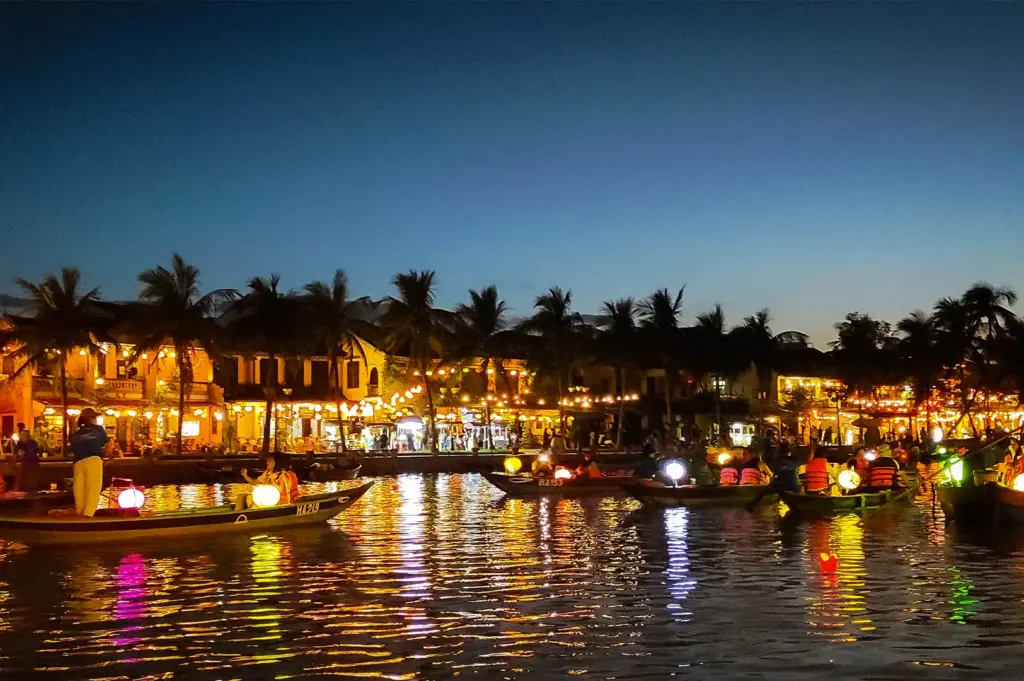
The Thu Bon River is the reason this town exists. Take a boat trip on it if you can, not the big tourist cruise boats, but a simple ride at dusk when the lanterns are just coming on.
Small wooden boats leave from near the night market in the early evening. The ride lasts around 30 to 45 minutes and gives you a view of the Ancient Town from the water—ochre walls, silk lanterns, the old bridge—that you simply can’t get from the bank.
The other option is a basket boat tour through the Bay Mau Coconut Forest or Cam Thanh Coconut Village, a short Grab ride from town. Fishermen spin the round coracle boats in circles on the narrow waterways while ducks weave between the roots. It runs about 150,000 to 200,000 VND per person. It’s the kind of thing that sounds gimmicky in description and feels completely worthwhile when you’re actually in the water among the palms.
Pro tip: Rent a bicycle and ride to the coconut village yourself instead of joining a group. The Son Sanctuary area nearby is quiet, shaded, and almost unknown to first-time visitors.
A 4-5 Day Slow Travel Tips for Visiting Hoi An Vietnam
Most of us fly Singapore to Da Nang Airport, then make the short transfer south to Hoi An — and most of us leave too soon. Here’s a rhythm built around staying long enough for the town to feel familiar.
Day 1: Arrive and choose your base. Ancient Town for walking, Cam Chau for rice paddies, or An Bang Beach for sea views. Take it easy: find the river before sunset, have a cold drink, and soak in the town’s atmosphere.
Day 2: Be up before 9am to explore the quiet Ancient Town. Wander back lanes off Hai Ba Trung Street, visit Tan Ky or Phung Hung houses before crowds arrive, see Ba Mu Temple, and reach the Japanese Covered Bridge before midday. Enjoy a local lunch, rest in the afternoon heat, then return after dinner to the lantern-lit streets when crowds thin.
Day 3: Start early at the local market—pick fresh herbs, watch vendors, and have bánh mì before the heat. Join a family-run Vietnamese cooking class beginning at the market. Rest in the afternoon, then dine slowly at the night market on An Hoi Peninsula or a favorite food stall.
Day 4: Bike out early through rice paddies to Tra Que Vegetable Village, where farmers tend herbs and soil. If you wish, continue to Cua Dai or An Bang Beach for a relaxed afternoon by the water. Return by the river at dusk to watch boats and lanterns light up the town.
Day 5: No new sights. Revisit the best cao lầu stall, sip cà phê sữa đá at your favorite café, and stroll familiar lanes slowly. Let the day belong to what you’ve already discovered.
Alex’s Tip: Avoid over-planning Day 5. By then, you’ll know which cao lầu is worth the trip, which café deserves a second visit, and where the river holds the perfect light. Staying longer turns Hoi An from a destination into a personal experience.
What Hoi An Gives You When You Stay Long Enough
I know the pull to see everything. Coming from Singapore, with a tight Vietnam itinerary and only so many days off, doing less can feel like losing something.
But Hoi An kept giving me more each time I stayed longer. The same lantern-lit street looked completely different at midnight. A bowl of cao lầu I finally slowed down enough to actually taste. An auntie at a plastic table who remembered my order by the third morning without a word between us. Hoi An isn’t just a backdrop for photos or a checklist of tourist attractions. It’s a small town with a rich Vietnamese culture, traditional crafts, and a rhythm that rewards those who slow down.
So, visit Hoi An, explore the lantern-lit streets after dark, take a cooking class, and embrace the slower pace. The town will stay with you long after you leave, a treasured part of your Vietnam itinerary and memories.





