

The first time I called myself a “sustainable traveller,” I was standing in Sungei Buloh with a plastic bag of bread, trying to coax a monitor lizard closer for a photo.
I thought I was appreciating nature. I was doing the opposite.
An older gentleman nearby didn’t lecture me. He just said quietly, “Let it come to you, or don’t.” Then he walked on. I put the bread away. I’ve thought about that line for years. That moment reshaped how I travel—not by buying better gear, but by asking, how lightly can I move through this place?
That, to me, is what sustainable travel actually means. And in Singapore, it looks quieter than you’d expect.
Sustainable Travel: Changing How We Explore Singapore
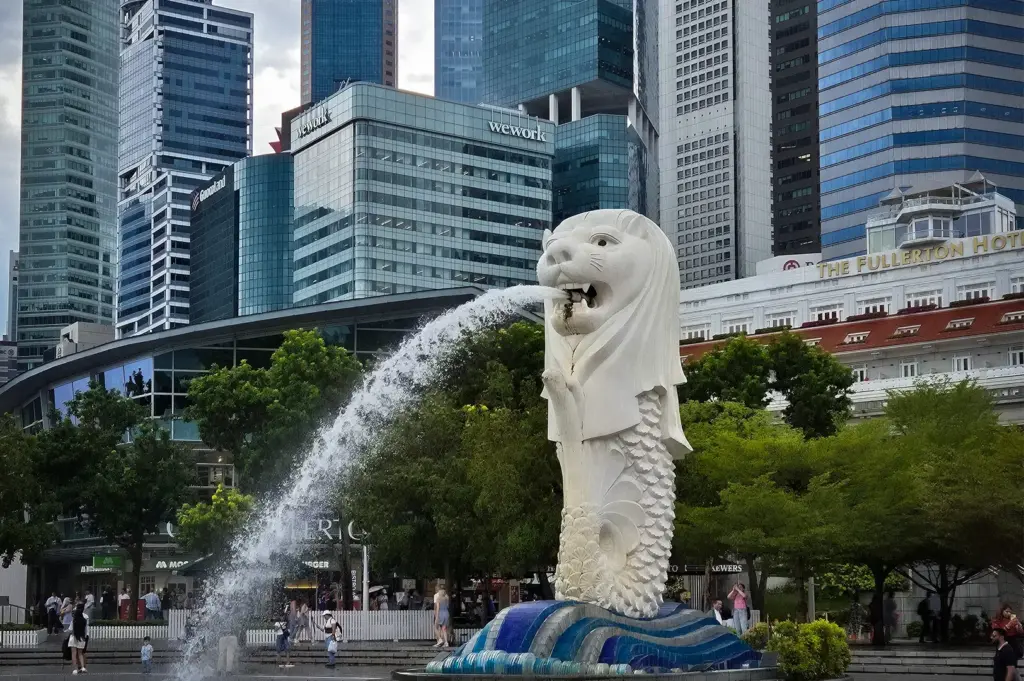
We tend to shrink sustainable travel down to small objects. A reusable straw. A tote bag. An eco-friendly hotel with a card asking you to reuse your towel.
Those things matter. But they miss the bigger point.
Sustainable travel is more than reusable straws or eco-friendly hotels. It’s about slowing down—how far you go, where you stay, and how closely you observe. Singapore’s 400+ parks and four nature reserves are fragile ecosystems where millions of visitors leave a cumulative impact. These spaces protect rare wildlife, improve air quality, and filter water vital to our city.
Our approach to nature matters because we share this environment with countless forms of life. This is the essence of sustainable tourism—large experiences with small footprints, a key aim of Singapore’s sustainability journey led by government agencies, the Ministry of Sustainability, and partners including the Singapore Green Building Council.
Staying somewhere that encourages you to slow down can also change the way you think about your impact on the places you visit. You can explore this connection between slow travel and sustainability further in activities in Bangkok.
Singapore’s Sustainability Journey: A City in Nature
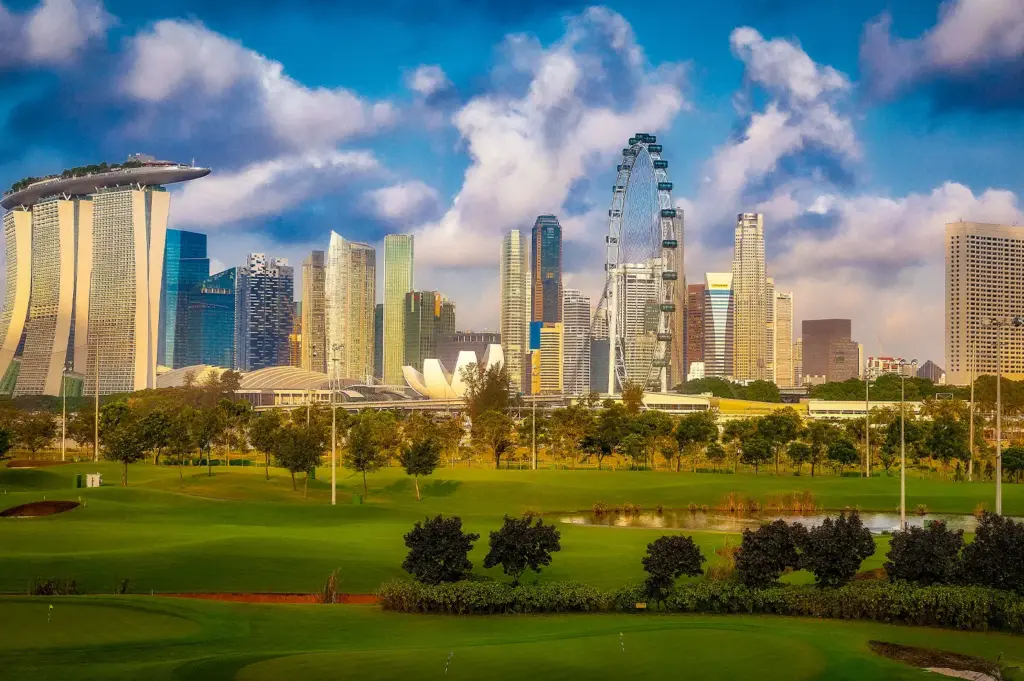
You may have noticed it without naming it. More green corridors. Parks bleeding into neighbourhoods. Wilder-looking gardens that used to be manicured lawns.
That’s deliberate. Singapore’s environmental direction is now built around the idea of a City in Nature—not decorative greenery bolted onto concrete, but ecological function woven back into the city. It’s part of a broader sustainability journey that spans government agencies, the Ministry of Sustainability, local communities, and organisations working across housing, tourism, and industry.
Sustainable tourism is a key part of that picture. Singapore Tourism Board‘s strategy explicitly aims for large experiences with small footprints, a destination that draws visitors in without letting tourism erode the very things worth visiting.
For eco Singapore travel, this shift is a gift. It means you don’t need to travel far to be in nature. The question is whether you’ll move through it as a consumer or a guest.
Carbon Footprint: Why Public Transport Matters

The biggest change I made wasn’t a purchase, it was choosing to stay in one area per day. Rushing across Singapore in taxis or private cars racks up carbon emissions, increasing your trip’s carbon footprint. Public transport is Singapore’s quiet superpower for responsible travel. The MRT and buses reach nearly every park and nature reserve, letting you travel sustainably while reducing carbon dioxide emissions.
And when I do stay overnight somewhere greener, I’ve found small, low-footprint stays teach me far more about a place than a polished hotel chain ever did which is why I keep coming back to homestays and eco-lodges over big chains. The Singapore Green Building Council’s certification process helps travellers identify accommodations that reduce waste, lower energy use, and support local communities.
Sustainable Tourism: Protect Nature by Staying on Track
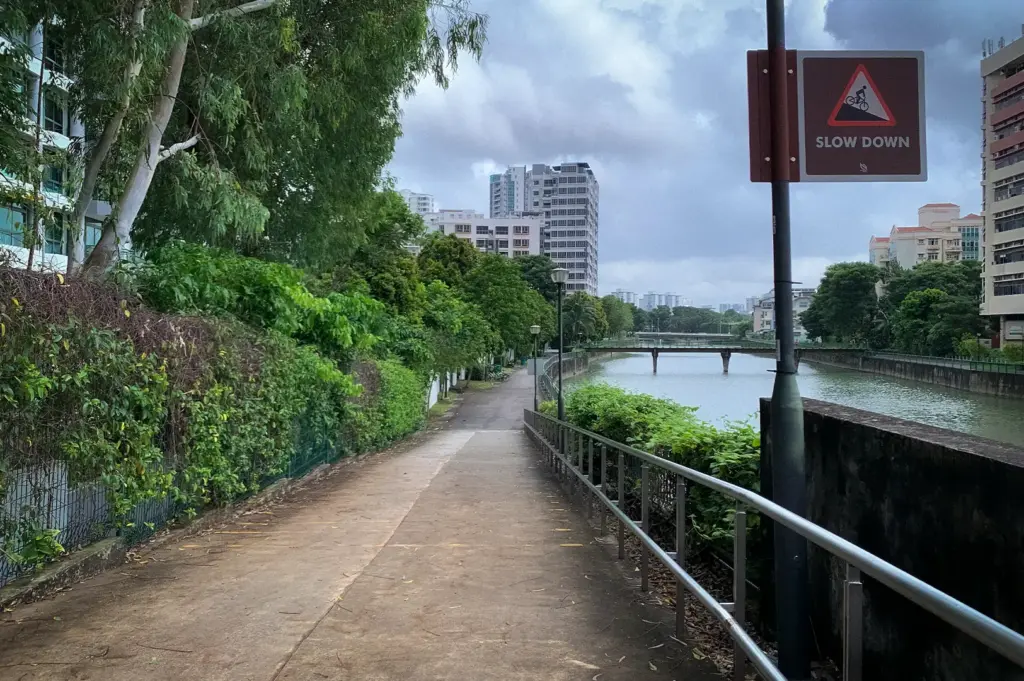
For a long time I treated the Park Connector Network as a shortcut. A way to get from one attraction to another without paying for a Grab.
Singapore’s Park Connector Network is more than a path—it’s a wildlife corridor enabling birds and butterflies to move between green spaces. Cycling or walking these connectors lets you experience nature while protecting it.
Feeding wildlife is illegal and carries fines up to S$10,000, enforced by environmental control officers under the National Environment Agency’s site environmental control programme. This protects animals from harmful human interaction and supports biodiversity. Stay on trails to avoid trampling saplings or disturbing wildlife. Most parks close around 7 pm to allow nocturnal animals to feed undisturbed, respecting these environmental laws is part of good environmental practices.
Pro Tip: Pick one park connector and walk it end to end instead of visiting three parks in a day. You’ll notice more in that single stretch—the shift in birdsong, the change in trees—than you would racing between postcard spots.
Waste Management: Leave No Trace
Sustainable tourism involves more than what you do with your carbon dioxide output. It involves what you leave behind and what you take with you when you go. It means managing waste responsibly.
On every outing I bring a small reusable bag for rubbish. Whatever I carry in, I carry out. Waste management in nature spaces is everyone’s responsibility, not just the parks’ problem. In an urban environment as dense as Singapore, waste in green spaces reaches drainage, water systems, and wildlife faster than you’d expect.
A few practical habits I’ve stuck to:
Carry a reusable water bottle.
Bring a small bag for any litter you generate.
Avoid single-use plastics on the trail.
Respect signs and closures — they exist to reduce environmental impact.
Small choices, made consistently, make a difference.
Singapore’s waste management strategies involve event organisers, businesses, and communities all playing a role. Environmental control officers monitor specified construction sites to ensure compliance with site environmental control reports and guidelines, reducing pollution and protecting nature.
Responsible Travel: Supporting Local Communities and Businesses
Sustainable tourism isn’t just about nature—it’s about people. Eating at the hawker centre near the trail. Buying from the neighbourhood shop. Choosing the guided walk run by locals. Supporting local businesses, buying local food, and choosing community-led tours keep money and culture alive.
But be careful with the word “eco.” I’ve been burned by vague claims, “green hotel,” “sustainable experience” that meant nothing underneath. Some businesses use sustainability as a marketing slogan. Others genuinely work toward it through certification processes, measurable waste reduction, responsible water management, local sourcing, and real community involvement.
Look for recognised certifications from trusted bodies like the Singapore Green Building Council or the Global Sustainable Tourism Council. The Ministry of Sustainability and the Environment stakeholders work with companies and partners to develop responsible travel practices that benefit local communities and the planet. Real sustainability involves measurable improvements in waste, energy, and water use, not just marketing slogans.
A Slow, Sustainable Day Out in Singapore
Here’s a rhythm I actually use, with Sungei Buloh Wetland Reserve as the anchor:
7am, Arrive early. The reserve opens as the day cools and birds are active.
7.30am, Walk quietly. Stay on the boardwalk. No rush.
8.30am, Stop and observe. Sit. Watch. Let the mudskippers and herons come into view. The free small-group guided walks here are worth joining.
9.30am, Continue slowly. Resist the urge to “finish” the trail.
10.30am, Leave. Head to a nearby hawker spot for breakfast.
Afternoon, Explore one neighbourhood on foot, then take public transport home.
Notice what’s missing: a second destination. That’s the point.
Coexisting, Not Consuming: A Positive Impact One Trip at a Time
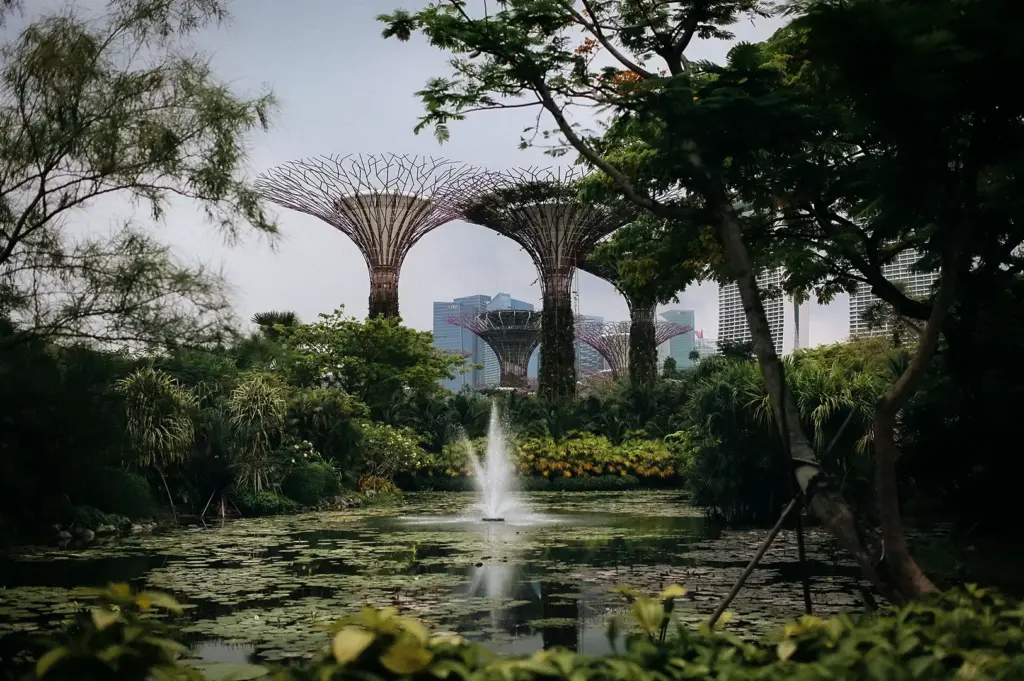
I don’t think travelling slowly saves Singapore’s environment. That’s too neat, and I’ve learned to distrust neat answers.
What I believe is quieter than that. Sustainable travel in Singapore is about more than individual actions—it’s a collective effort involving government agencies, environmental control officers, businesses, communities, and visitors. By embracing good environmental practices, supporting local communities, and reducing carbon emissions, we can protect nature and ensure a healthy environment for future generations.
You don’t need to travel farther to find nature here. It’s already outside your door, on the connector, in the reserve down the road. Traveling slowly and keeping sustainability goes hand in hand, things to do in Bangkok can show you properly how.
Every trip is an opportunity to achieve positive impact.
The invitation is simple. Go slower. Look longer. Take the bread out of your bag.
And let the place come to you.
FAQ
Can travelling around Singapore really affect the environment?
One outing barely registers. But millions of visits add up, and our reserves shelter species that don’t have anywhere else to go. How we move through shared spaces — and how much waste we leave behind — genuinely matters.
Does travelling slowly automatically make me sustainable?
Honestly, no. A slow traveller who wastes food and disturbs wildlife isn’t travelling responsibly. Slow travel gives you the opportunity to travel well — you still have to take it.
How can I avoid greenwashing when choosing eco accommodations?
Look for certifications from recognised bodies like the Singapore Green Building Council and verify measurable sustainability improvements.
Why is waste management important in sustainable tourism?
Proper waste management prevents pollution in natural habitats, protecting wildlife and maintaining Singapore’s air quality and water systems.
How does Singapore balance development with environmental protection?
Through strict site environmental control reports, programmes, and oversight by environmental control officers, Singapore ensures construction sites minimize environmental impact while supporting housing and infrastructure growth.
What can I do to travel more responsibly?
Travel slowly, use public transport, support local communities, avoid single-use plastics, stay on trails, respect park closures, and choose certified eco-friendly accommodations.





