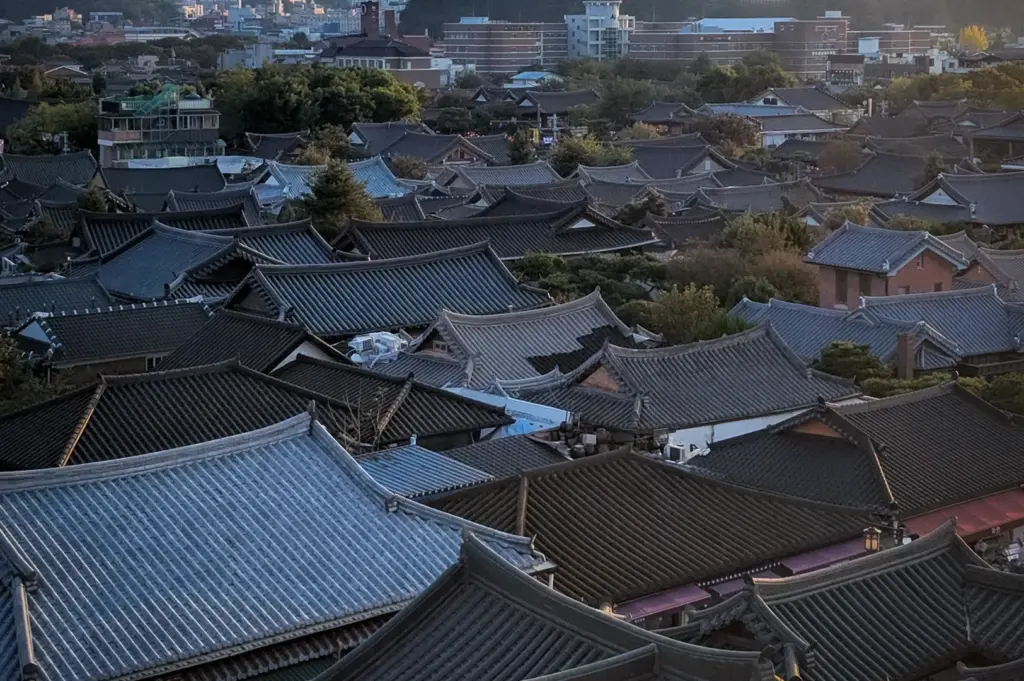
The first time I visited Jeonju Hanok Village, I spent about three hours walking the main street, snapping photos of tiled rooftops, eating bibimbap, and joining the crowd back to the bus terminal. I thought I had seen it all.
But that was the busiest, most commercial side of the village at peak time.
On my third visit, staying overnight in a beautiful hanok, I woke early and explored quiet alleys in soft morning light. The village felt completely different—peaceful streets, the scent of old timber, rooftops glowing unlike any afternoon shot.
This guide’s heart is simple: Jeonju Hanok Village, the largest traditional hanok village in South Korea, is best experienced by staying longer and letting the streets, hanok, and seasonal Jeonju weather reveal their character, rather than rushing for photos. Slow down and discover the village one street at a time.
Getting There: Reaching the Hanok Village Without Rushing
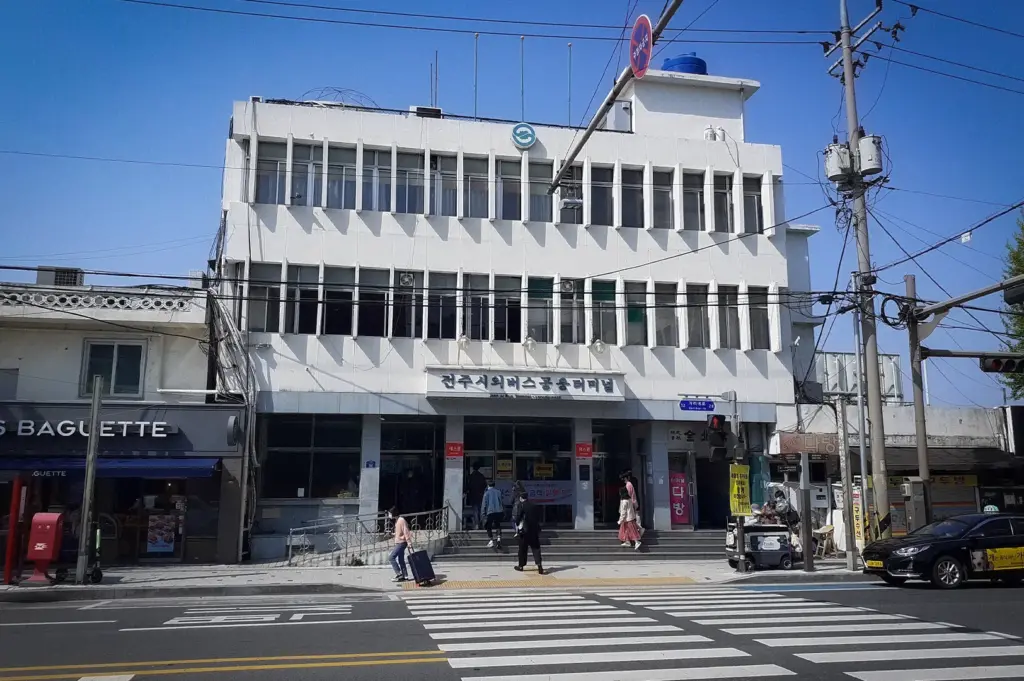
Let me clear up one thing first, because it trips up visitors used to seamless rail. There is no MRT or subway in Jeonju. You will not be tapping into a metro station and walking out beside the hanok rooftops.
Most travelers arrive by KTX high-speed train or express bus, usually from Seoul. From Jeonju KTX Station or the Jeonju Bus Terminal, the hanok village is typically about a 15-minute taxi ride. A taxi is the simplest option, especially if you are carrying luggage. Local buses also connect the station area to the village if you prefer to save a little money, but the taxi removes the guesswork.
Once you are in the area, you explore entirely on foot. The lanes are narrow, the cobblestones are uneven, and that is exactly the point. If you are pairing this trip with the capital and want slower things to do up north first, this guide is a useful starting point.
When to Visit: Let Timing and Season Shape the Mood in Jeonju Hanok Village
The biggest lesson I learned here is that timing matters more than season. The village is free and open all day, but the experience swings dramatically depending on when you walk it.
Visit on weekday mornings before 9am, when the shops are still rolling up their shutters and the alleys belong to residents. Then return after dinner, when the day-trip crowds have thinned and the hanok façades glow under soft evening light. Avoid the central streets at weekend lunchtime, when tour groups peak and the village feels more like a market than a living neighborhood.
Season changes the atmosphere too, without you needing a weather forecast to enjoy it:
Spring and autumn: the most photogenic seasons, with soft light on the alleys and gold ginkgo leaves in late autumn.
Summer: hot and humid, so plan slower midday breaks in cafés and traditional tea houses.
Winter: cold but quietly magical, especially when snow settles on the hanok rooftops.
Whatever the season, the slow-travel move is the same, and the village has beauty in every season, no matter the weather. Walk the same lane twice, in different light, and notice how the mood shifts.
What to Expect: A Living Village, Not Just a Photo Set in Jeonju Hanok
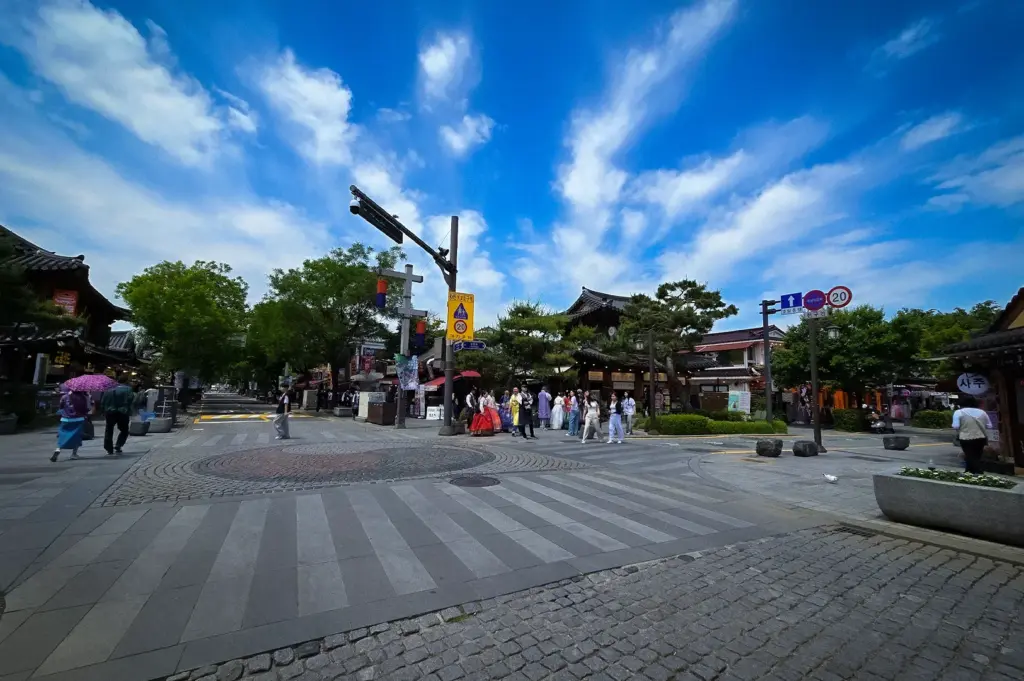
Jeonju Hanok Village is free to wander and built for walking. The main streets are lively, packed with shops, cafés, hanbok rental stalls, and food stands woven among the traditional houses. It is charming, but I will be honest: if you only walk the central strip, it can feel more like a commercial zone than a historic village.
The change happens when you slow down and step off the main axis. The quieter outer alleys feel far more authentic, with hanok façades, small craft shops, and tea houses tucked away from the crowds.
Here is how I would budget your time:
Quick visit: 45 minutes for just the main highlights.
Better pace: 2 to 3 hours for the alleys, traditional tea houses, and side streets.
Overnight hanok stay: ideal for catching the dawn and evening atmosphere most visitors never see.
A day trip only ever shows you the village at its busiest. Staying changes everything.
Highlights and Must-Sees in Jeonju Hanok Village: Main Attractions and Korean History
The best parts of hanok Jeonju are not single landmarks. They are places worth approaching slowly, or returning to more than once, with history shaped in part by Jeonju’s role as the capital of the Hubaekje Kingdom from 892 to 936 and its significance as the spiritual capital during the Joseon dynasty. The current village developed after years of settlement and is surrounded by remnants of Jeonju’s city wall.
The Alleys Themselves: Heart of the Traditional Hanok Village
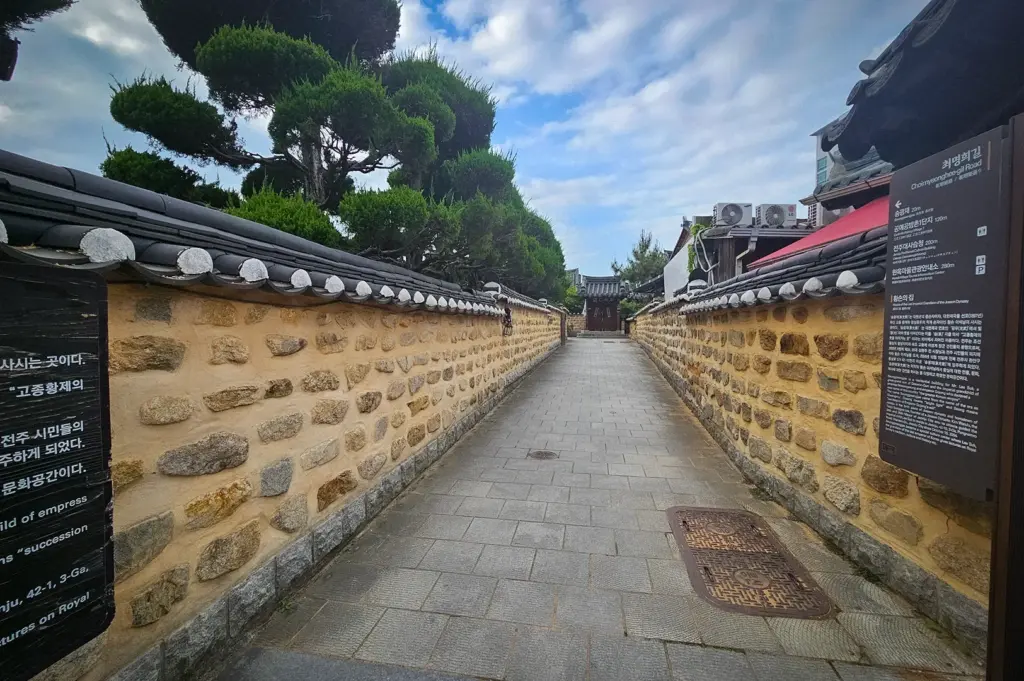
The narrow lanes are the real attraction. Wander them early for stillness, then again at night for atmosphere. Two completely different villages live in the same streets.
Gyeonggijeon Shrine: Home of King Taejo’s Portrait and Royal Portrait Museum
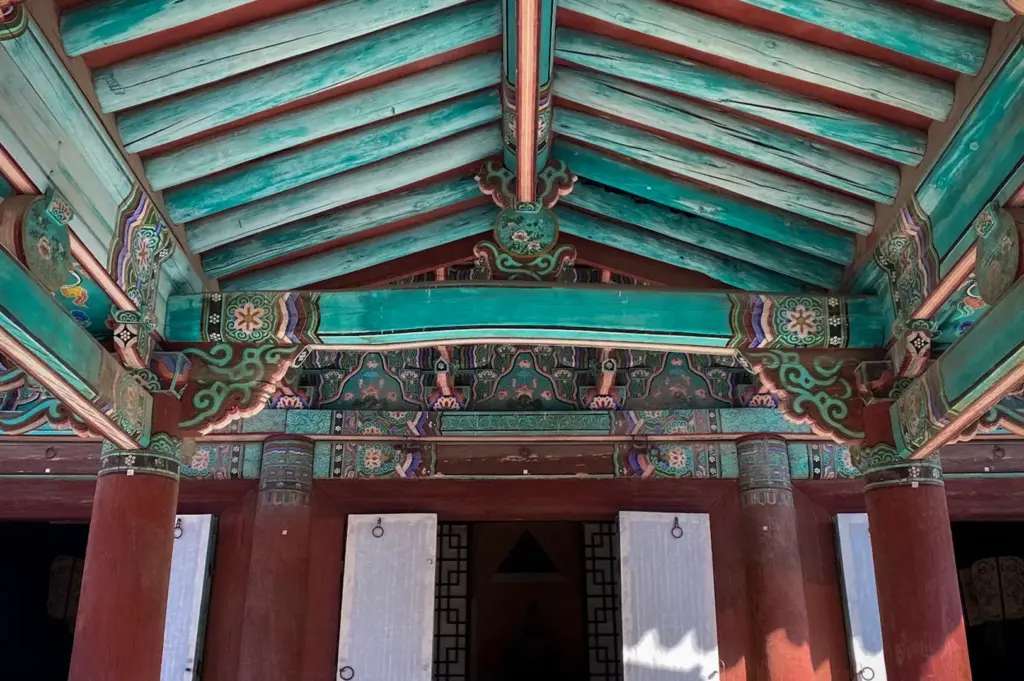
This Joseon royal shrine preserves the portrait of King Taejo, the founder of the Joseon dynasty, and includes a lovely bamboo grove and old stone walls. There is a modest entry fee. Give it an hour or so, and slow down in the bamboo forest for the quietest corner. Nearby is the Royal Portrait Museum, a center dedicated to Korea’s royal history.
Jeonju Hyanggyo: A Confucian School and Center of Tradition
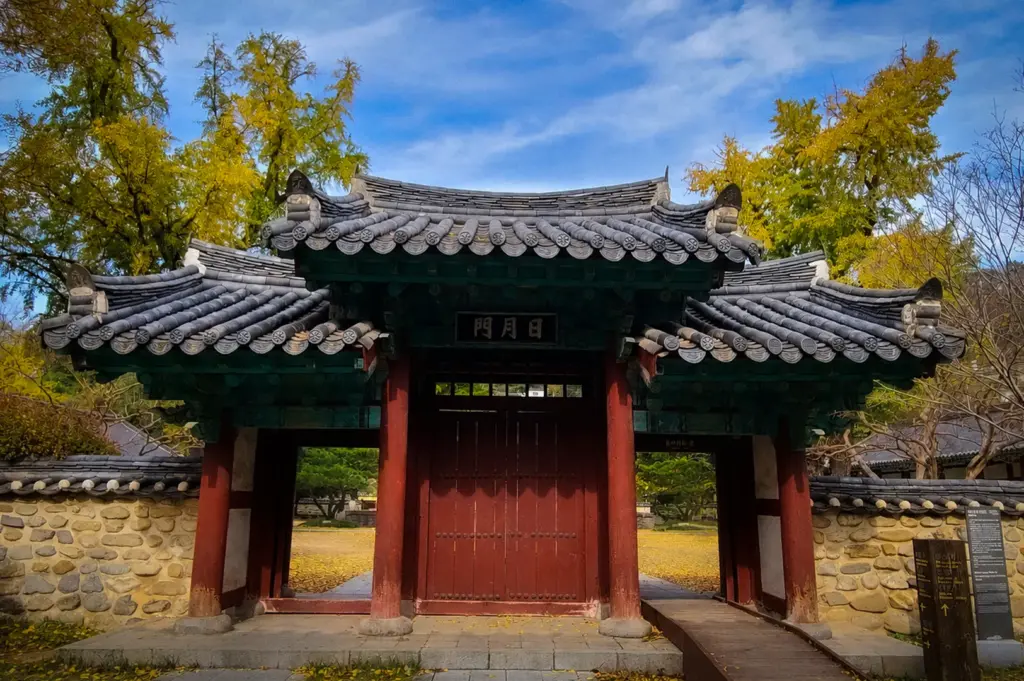
This Joseon-era Confucian school sits just off the busiest zone and feels far more reflective. In autumn, the old ginkgo trees turn brilliant gold. Come in the morning, sit a while, and let the place breathe. It represents Korea’s deep respect for Confucian traditions and education.
Riverside Park and Rising Lanes: Rest and Views Toward Omokdae Mountain
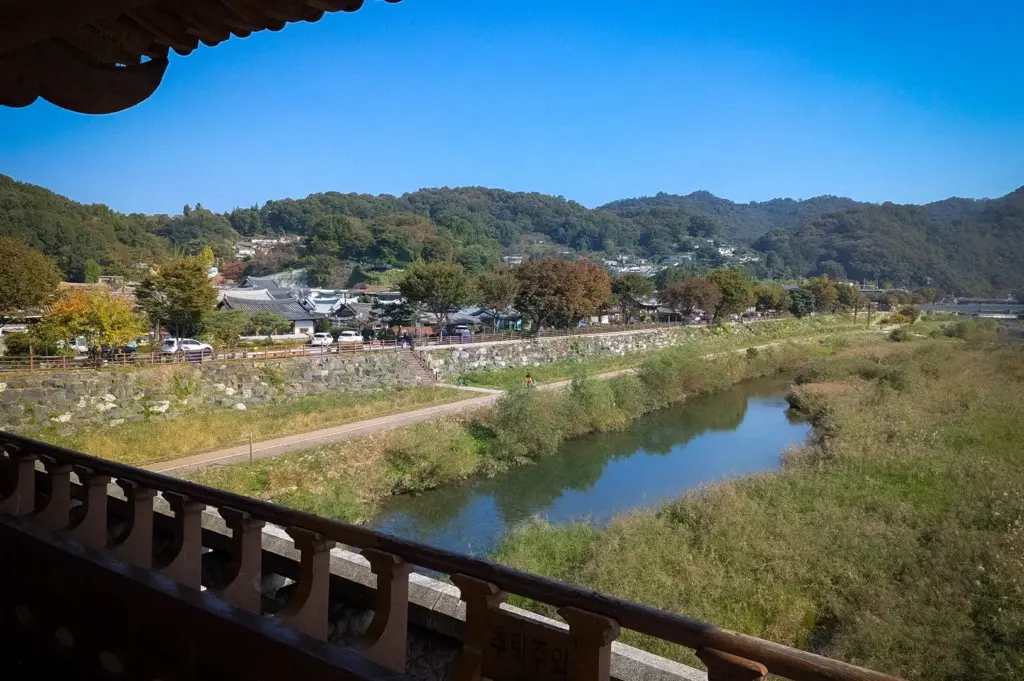
The riverside areas near the village offer peaceful walking away from the shops. For wider views over the tiled rooftops, climb the gently rising lanes up the mountain toward Omokdae, a historic pavilion commemorating a victory from 1380. It is one of the best vantage points and far quieter than the main strip.
Jaman Mural Village: Artistic Escape Near the Hanok Village
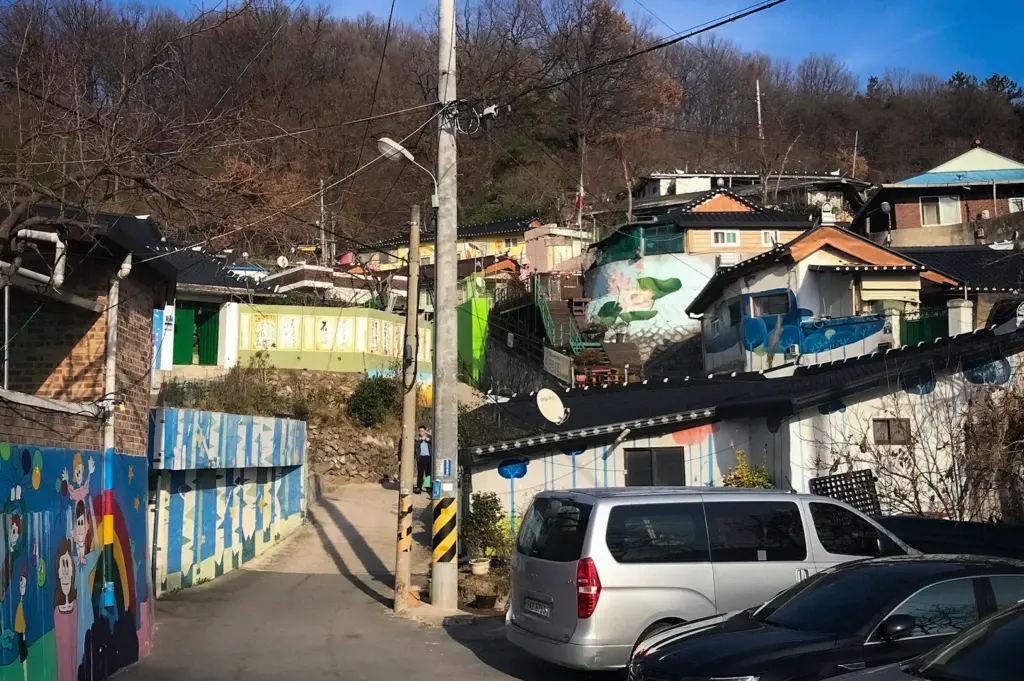
Jaman Mural Village is a hillside area across from the village with colorful, artistic wall paintings. It is a pleasant detour if you are nearby, offering views over the hanok roofs and a chance to see contemporary street art.
Insider Tips: What Many Tourists Miss in Jeonju Hanok Village
The real hidden gems here are about timing and patience, not secret locations.
Stay overnight in a hanok stay. Sleeping on a warm ondol floor inside a traditional house is the single thing that turns a visit into a memory.
Walk the village before 9am. The light is better, the alleys are empty, and the village feels alive in a different way.
Wander the outer lanes. Side streets away from the central strip feel more authentic and far less commercial.
Choose one café or traditional tea house and linger. A hand-drip coffee or a tea ceremony at a quiet hanok café beats rushing between five photo stops. Traditional tea houses in Jeonju have decreased from 10 to 6, so the remaining ones are worth seeking out.
Return in rain or snow. Wet cobblestones and snow-dusted rooftops give the village a softer, more atmospheric character.
One honest note: the parking and commercial zones near the main entrance can feel less charming than the rest of the village, as businesses aimed at tourists have gradually displaced some local culture. Don’t let that first impression set the tone. The magic is in the quieter lanes.
Practical Info: Costs, Hours, and What to Bring When You Visit Jeonju Hanok Village
A slow trip still benefits from a little planning. Here are the details I keep handy.
Location and access
Jeonju Hanok Village is in Wansan-gu, Jeonju-si, Jeollabuk-do, South Korea.
Major attractions are located near the village, including Pungnam Gate, the only remaining gate of Jeonju’s city wall and the south gate of the historic city wall, and Jeondong Cathedral, a 1914 Romanesque church built on the site where Yun Ji Chung, the first Korean Catholic martyr, was persecuted.
The village is open 24/7 and free to wander.
Shops, cafés, and craft venues often run roughly 10am–6pm, though cafés and restaurants may stay open later.
Hanok guesthouse check-in and check-out times vary, so verify directly with your property.
Costs
Walking the village is free; some nearby attractions have modest entry fees.
Hanok stays vary by price, and weekday nights often bring better rates.
Street food and snacks usually range around ₩5,000–15,000 per item.
What to bring
Comfortable walking shoes for the uneven cobblestones
Water and a reusable bottle
Sunscreen and a hat in summer
Umbrella or rain jacket
Phone with extra storage for photos
Cash for small vendors who may not take cards
Warm layers in winter
Accessibility, honestly: the streets are walkable but uneven, and the climbs toward Omokdae or the mural village involve slopes and steps. If you are traveling with older family members, keep the days unhurried and lean on taxis more generously.
If you want to extend this slower rhythm across more of the country, this seven-day Busan-based route is worth a look: https://slowtravels.com.sg/busan-what-to-see-7-day-slow-travel-south-korea/
Stay Longer, and the Village Opens Up with a Hanok Stay
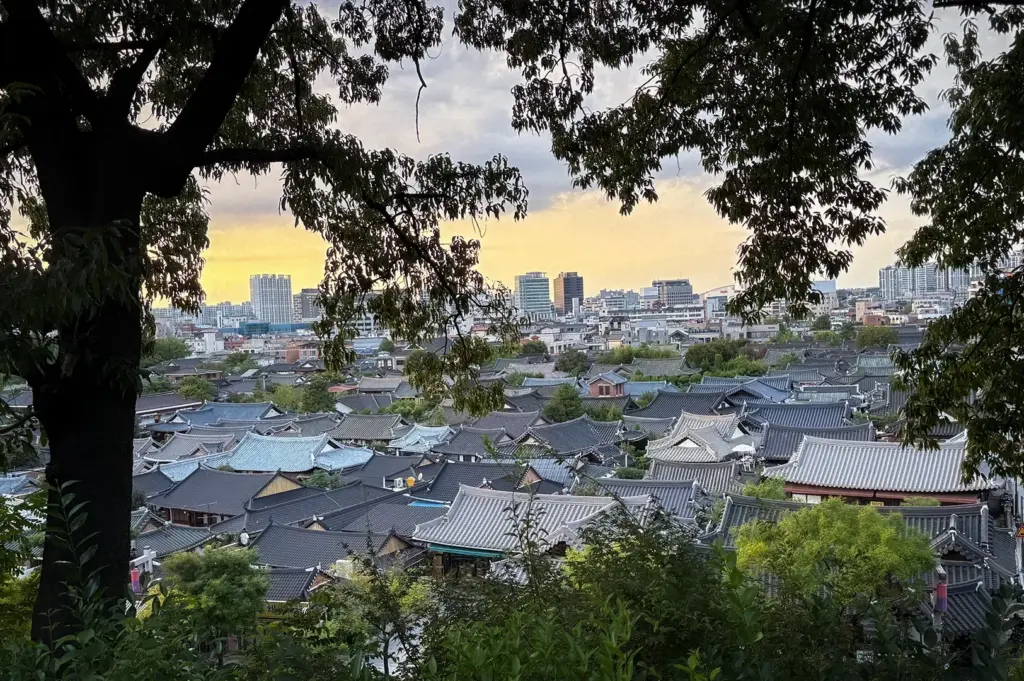
Jeonju Hanok Village is not at its best when you treat it as a quick photo stop between trains. It rewards the travelers who stay, who walk the same lane twice, and who let the seasons and the time of day do their quiet work.
Give it one to three nights if you can. Walk the alleys at dawn before the crowds, return after dinner when the lanterns glow, and step off the main strip into the quieter outer lanes. Sit in a tea house when it rains, and if you are lucky enough to catch snow on the rooftops, you will understand why people return.
When you visit Jeonju Hanok Village, staying in a beautiful hanok is the perfect place to slow down. Your next step is simple: book a hanok stay, with Hanok Story Guesthouse as one example, for a couple of nights, and note that some properties include breakfast, slow your pace, and let the same village feel like four different places across morning, evening, rain, and snow. That is when Jeonju stops being a destination and starts feeling like somewhere you briefly knew how to live.