The first time I went to Gyeongju, I gave it a single rushed day. I squeezed in Bulguksa Temple, the famous burial mounds, and a quick dinner, then boarded an evening train feeling like I had “covered” the city. I hadn’t. I had skimmed it.
On my third visit I discovered the truth that most travelers miss: Gyeongju is not a city to tick off a checklist. It’s a city that unfolds over days, rewarding patience, curiosity, and the small moments between attractions. The same tomb park feels different at sunrise than at dusk. The same temple grounds feel sacred in the quiet morning and crowded by noon.
This guide is my argument for staying longer. Give Gyeongju South Korea a full week, and you stop collecting sights and start living inside a landscape that has been quietly waiting for over a thousand years. Here’s how I’d spend seven slow days.
Getting There: Reaching Gyeongju Without Rushing via Gyeongju Express Bus Terminal and Gyeongju Station
Let me clear up one thing first: there is no MRT or subway in Gyeongju. You explore on foot, by local bus, by taxi, and sometimes by bicycle. For Singaporean travelers used to seamless rail, that takes a small mental shift.
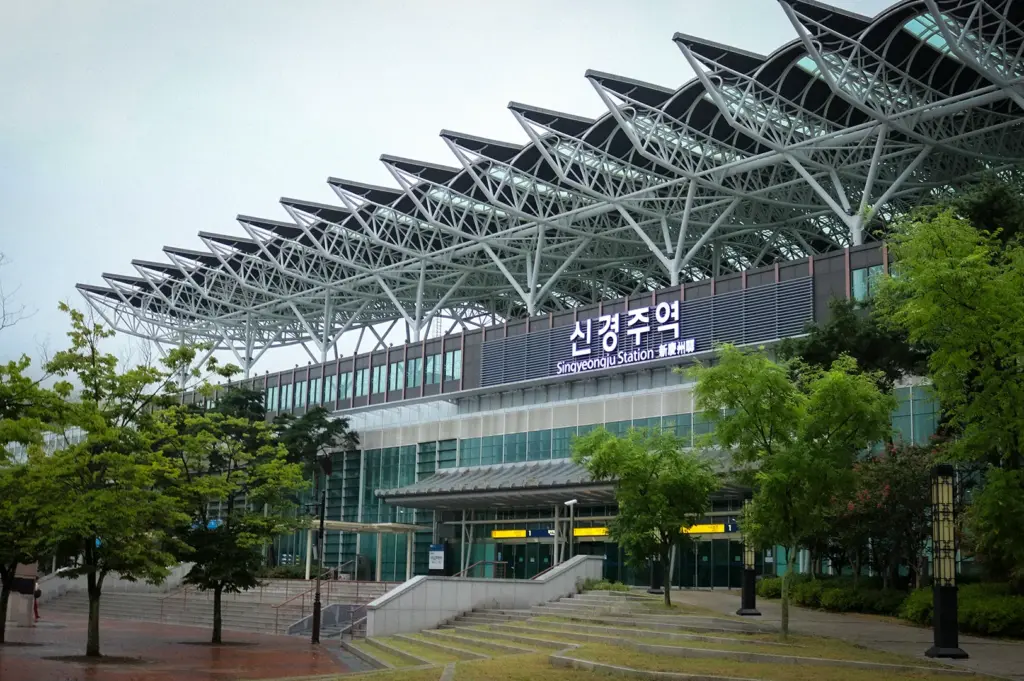
Most people arrive from Busan or Seoul, and the easiest way to reach Gyeongju is by KTX from Seoul Station, which takes about 2 to 2.5 hours, or by bus from Busan. The cleanest route is the KTX high-speed train, which drops you at Gyeongju Station (formerly Singyeongju Station), a little outside the city center. Gyeongju express bus terminal and Gyeongju intercity bus terminal sit closer to the historic core, making settling in easier. A Tourist Information Center at the station is handy for maps and onward directions. From there, local buses and taxis bring you into central Gyeongju in about 20–30 minutes.
Once you arrive, I’d recommend staying central or in a hanok guesthouse near the tomb parks. Many major sites are walkable, and the rest are a short bus or taxi ride away. If you’re combining this trip with the coast, here’s a slower week in Busan worth weaving into your plans: https://slowtravels.com.sg/busan-what-to-see-7-day-slow-travel-south-korea/
When to Visit Gyeongju South Korea: Let Light and Timing Lead
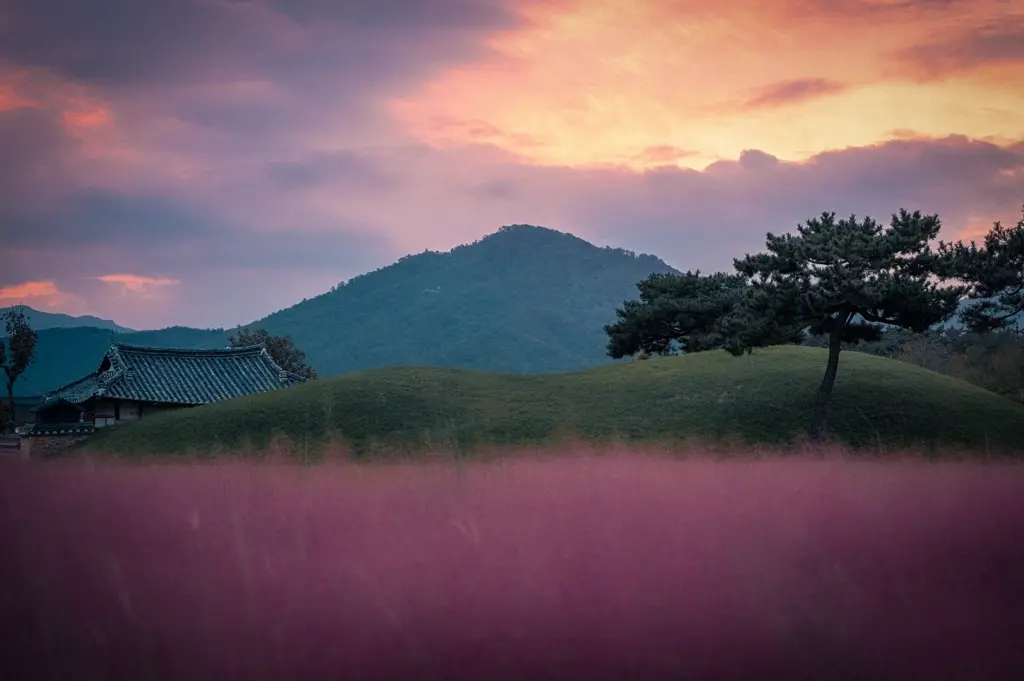
Spring and autumn are the most rewarding seasons for walking in Gyeongju-si, North Gyeongsang Province. Spring brings cherry blossoms that turn the tomb parks pink, and April cherry blossom season is one of the most beautiful times to visit Gyeongju, while autumn brings cool air and golden maple leaves. Both are gentler on long walking days than the humid summer.
But the real key isn’t the season. It’s the time of day. Visit major historical sites early morning, before 9am, when tour groups haven’t yet arrived and the light is soft. Bulguksa Temple in particular gets crowded midday, so an early start completely changes the experience, especially if you’re planning a day trip and want to avoid crowds. The grounds feel spacious and quiet once you get ahead of the buses.
My honest preference is to treat dawn and dusk as the main event. Crowds thin, the air cools, and ancient sites take on a mood no midday photo can capture.
What to Expect When You Visit Gyeongju: A Museum Without Walls and Rich History
Gyeongju is often called a “museum without walls,” and that description is accurate. The entire city is a living historical landscape, a historic city with a rich history tied to the Silla Kingdom. Grassy royal tombs and Silla burial mounds rise like gentle hills right in the city center. Palace ruins, ancient temples, observatories, and lakes like Wolji Pond sit woven among cafés, markets, and everyday neighborhoods, reflecting its past as the capital city for nearly 1,000 years and the first kingdom to help unify the Korean Peninsula. That weight of historical relevance is exactly why many travelers feel Gyeongju worth visiting.
This is what makes it perfect for slow travel. You’re not commuting between distant attractions. You’re walking through history on your way to lunch. The pace is calmer than Seoul or Busan, and that calm is the main attraction, not a side effect.
Highlights and Must-Sees: A Seven-Day Slow Itinerary of UNESCO World Heritage Sites and Gyeongju Attractions
Here’s how I’d structure seven unhurried days. None of it is rigid. The point is to leave room for repetition.
Day 1: Daereungwon Tomb Complex and Gyeongju National Museum – Royal Tombs and Historical Artifacts
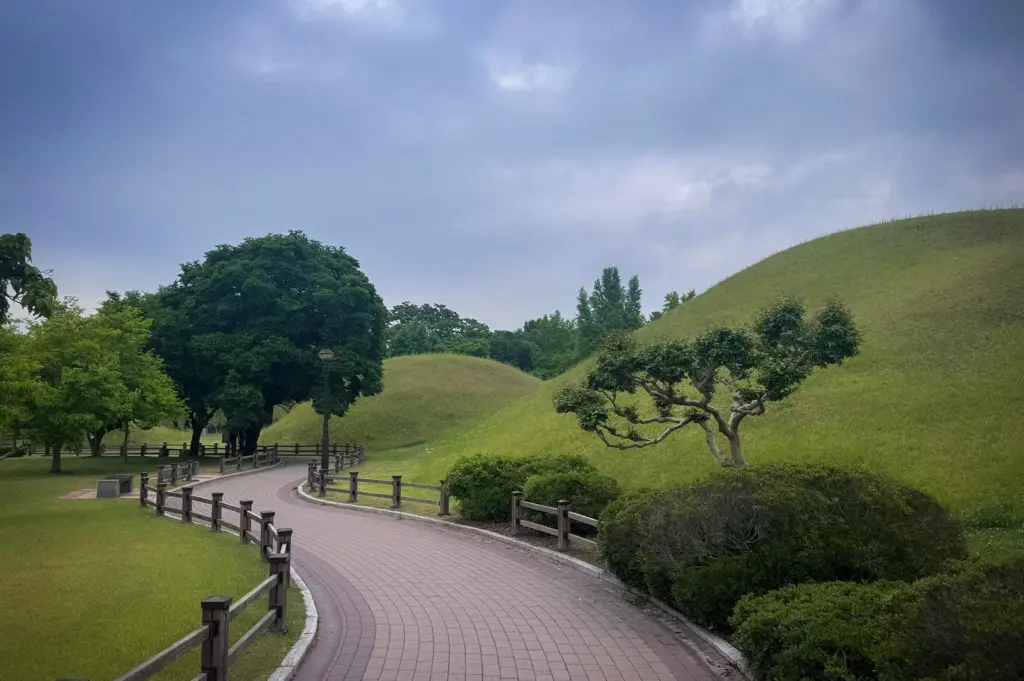
Settle into your guesthouse, then take a slow stroll through Daereungwon Tomb Complex, where the Silla burial mounds include over 30 ancient tombs, and at least one royal tomb offers exhibits that help interpret the site in the late afternoon. These are some of the most approachable Gyeongju attractions for a first afternoon. In the evening, wander Hwangnidan-gil, a lively shopping street where restored Korean traditional houses now house cafés, shops, and coffee shops.
Plan 2–3 hours for Daereungwon plus the nearby Gyeongju National Museum if you explore slowly. A quick highlights-only visit to the tomb complex takes about 45 minutes, but I’d resist the urge to rush.
Day 2: Bulguksa Temple and Seokguram Grotto – Buddhist Art and UNESCO World Heritage Sites
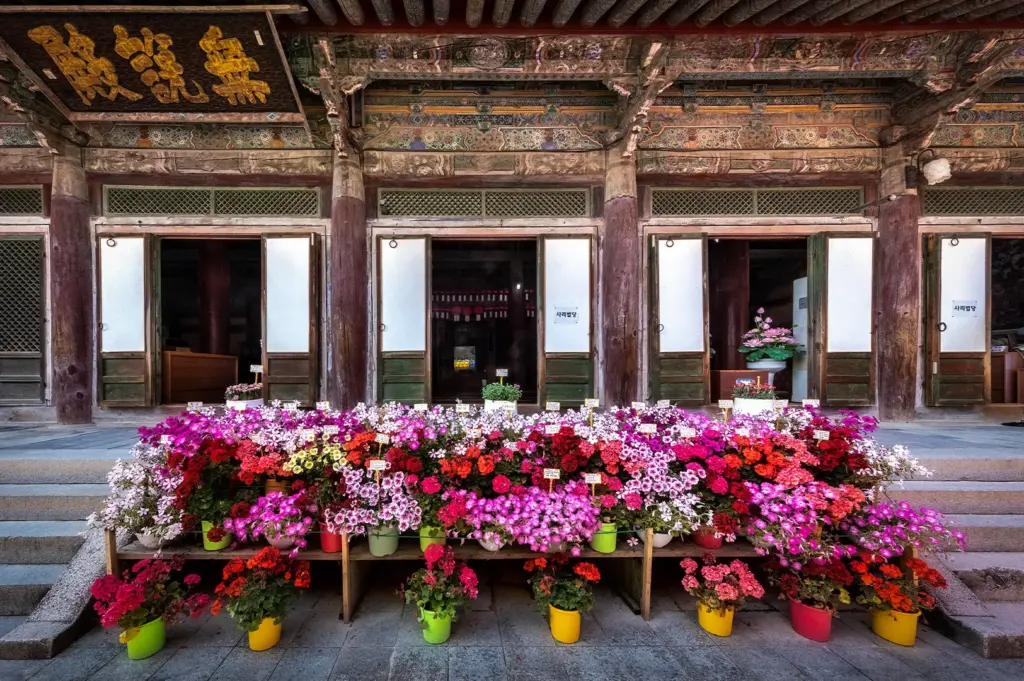
Start early at Bulguksa Temple, this ancient temple originally established in the 8th century during the Silla dynasty and UNESCO-listed for its stone pagodas and refined architecture. Arrive before the crowds, and the wooded grounds feel tranquil. Afterward, walk the nearby woodland paths in Gyeongju National Park.
If you’re feeling active, take bus 10 or 11, or a taxi, up to Seokguram Grotto, a UNESCO World Heritage Site established in 751 AD and renowned for Buddhist art, for quiet views. Budget a half-day for Bulguksa and Seokguram together on a classic Gyeongju tour.
Day 3: Bomun Lake and Gyeongju World Amusement Park – Lakeside Relaxation and Family Fun
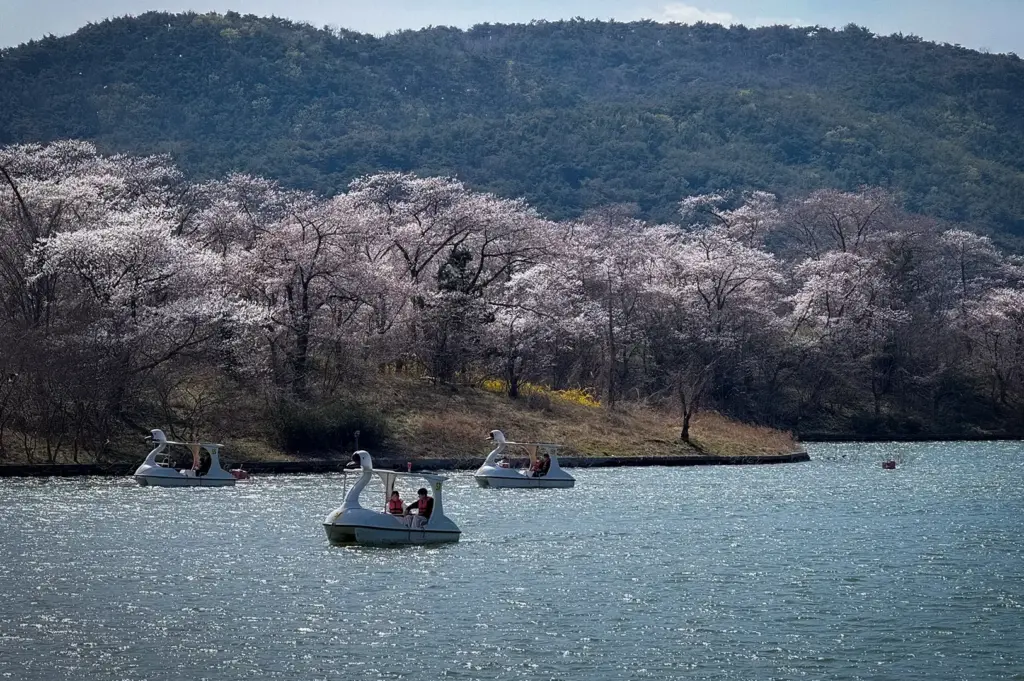
This is a deliberate rest day. Head to Bomun Lake for walking, cycling, or a long brunch at a lakeside café. The cherry blossoms here are lovely in early spring. Rent a bike and circle the water at your own pace.
If you’re traveling with family or seeking fun, visit Gyeongju World Amusement Park, which offers themed zones like California Beach, a snow park in winter, and rides for all ages.
An easy half-day is enough for Bomun Lake, though you could happily linger longer. This day isn’t about another monument. It’s about being present in the scenery.
Day 4: Cheomseongdae Observatory and Donggung Palace Wolji Pond – Ancient Science and Night Gyeongju
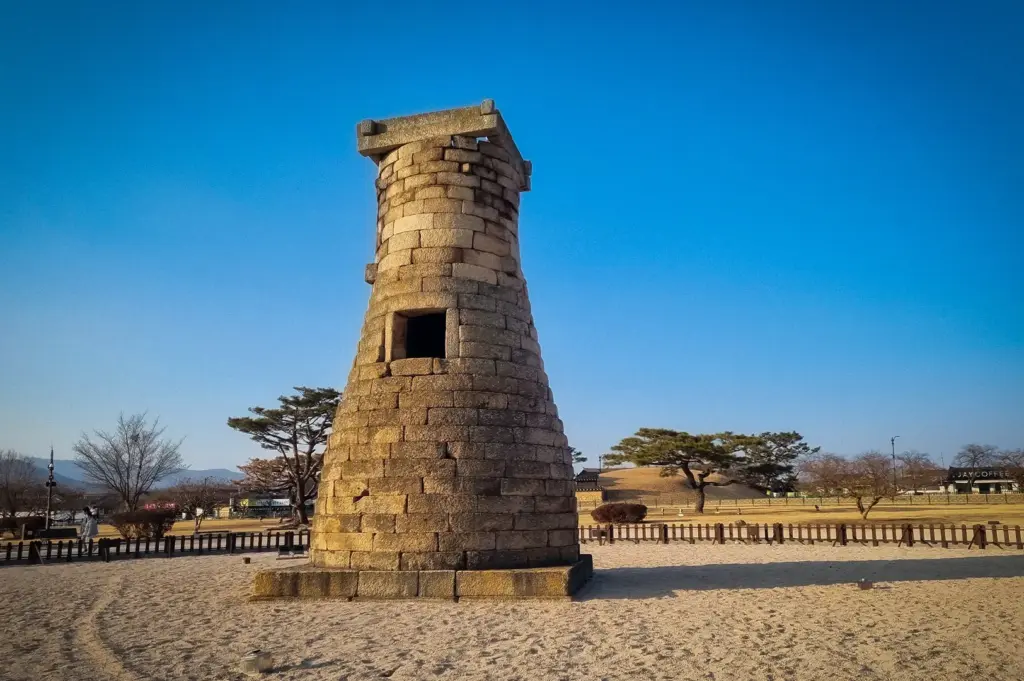
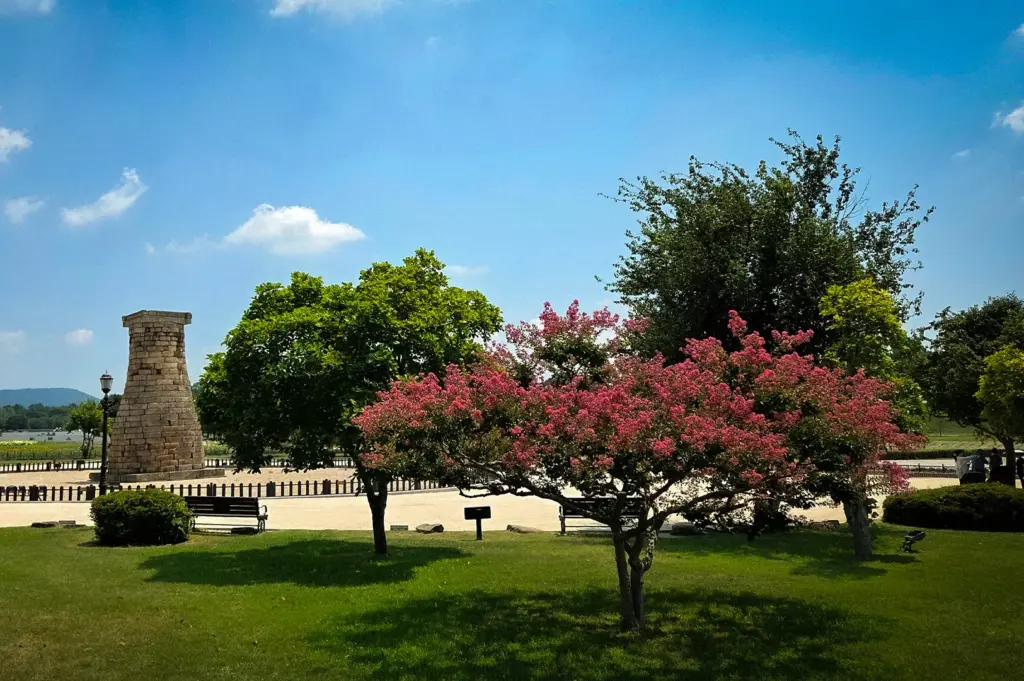
In the morning, visit Cheomseongdae, the oldest observatory in East Asia, built in 647 AD and surrounded by seasonal flower fields. In the afternoon, walk through Donggung Palace Wolji Pond, where Donggung served as a secondary palace for the crown prince.
Then return after dusk to visit Donggung Palace and Wolji Pond. The illuminated pond is most memorable at night, and the contrast with the daytime visit is the heart of slow travel: returning to the same place in different light.
Day 5: Woljeonggyo Bridge and Gyochon Traditional Village – Historic Sites and Korean Traditional Houses
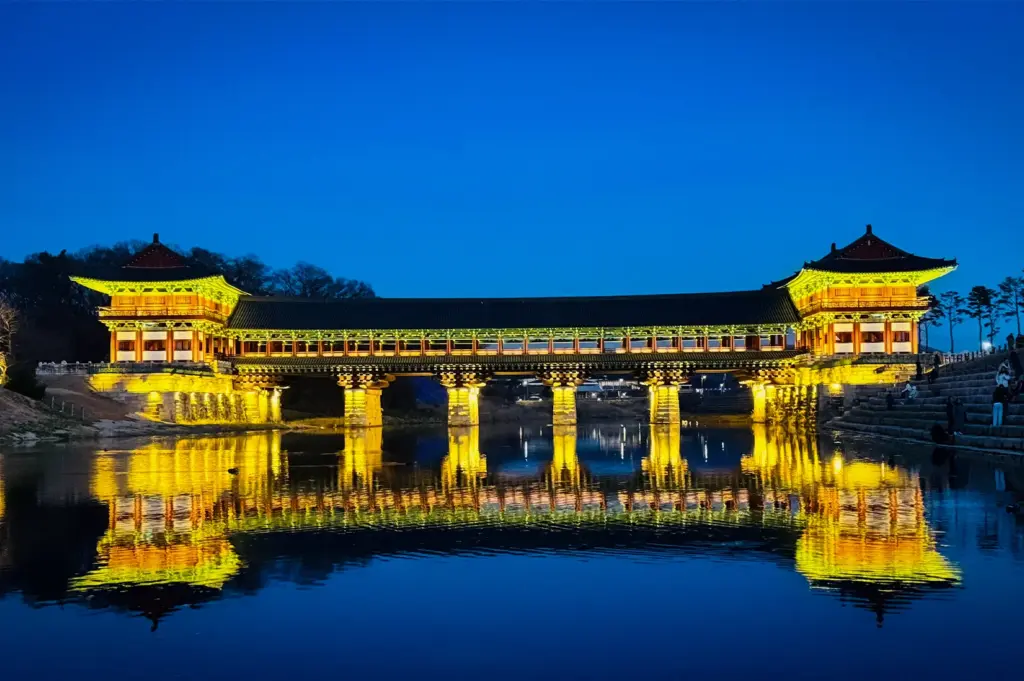
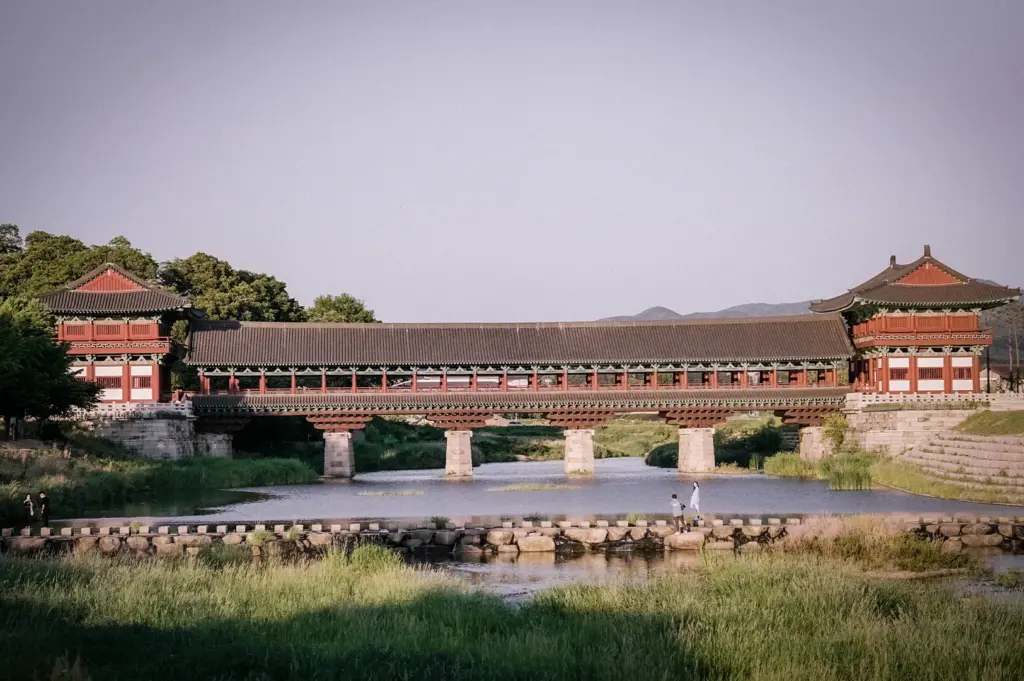
Start at Woljeonggyo Bridge, a graceful reconstructed bridge that was rebuilt in 2018 and is especially striking when illuminated after dark. Spend the afternoon exploring smaller temples and tombs scattered through quieter neighborhoods, then visit Gyeongju Gyochon Traditional Village (also known as Gyochon Hanok Village) for a glimpse of Korean traditional houses and daily rhythm. The area also has ties to a royal palace and sits close to several historic sites.
Day 6: Tea Houses, Jungang Market, and Gyeongju Locals – Culture Beyond the Historic Sites
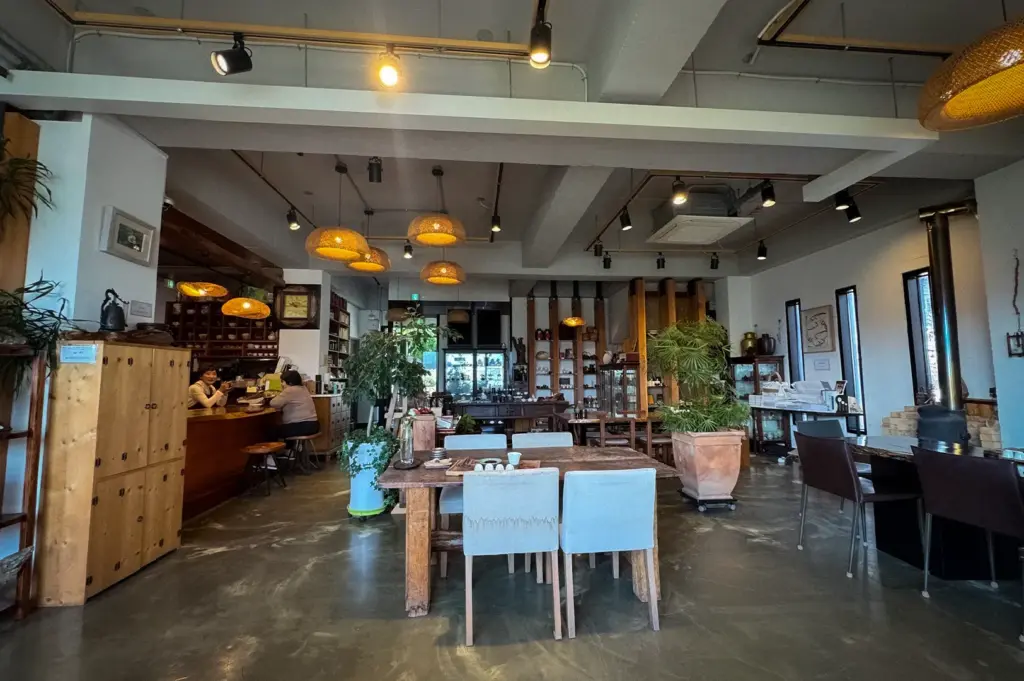
Dedicate a slow morning to a traditional tea house with a calm, hanok-style interior. In the afternoon, wander Jungang Market and the quieter backstreets to understand daily life beyond the heritage sites, where Gyeongju locals come for everyday food and street snacks. Look for Heotjesabap, a meal adapted from side dishes for ancestral rites, and ssambap, rice wrapped in fresh leaves. You can also try Sikhye, a sweet rice drink, and Beopju, a traditional rice wine made in Gyeongju, in the market or nearby food spots. This is the day you stop sightseeing and start belonging.
Day 7: Revisit and Reflect – Gyeongju Bread and Final Moments in the Historic City
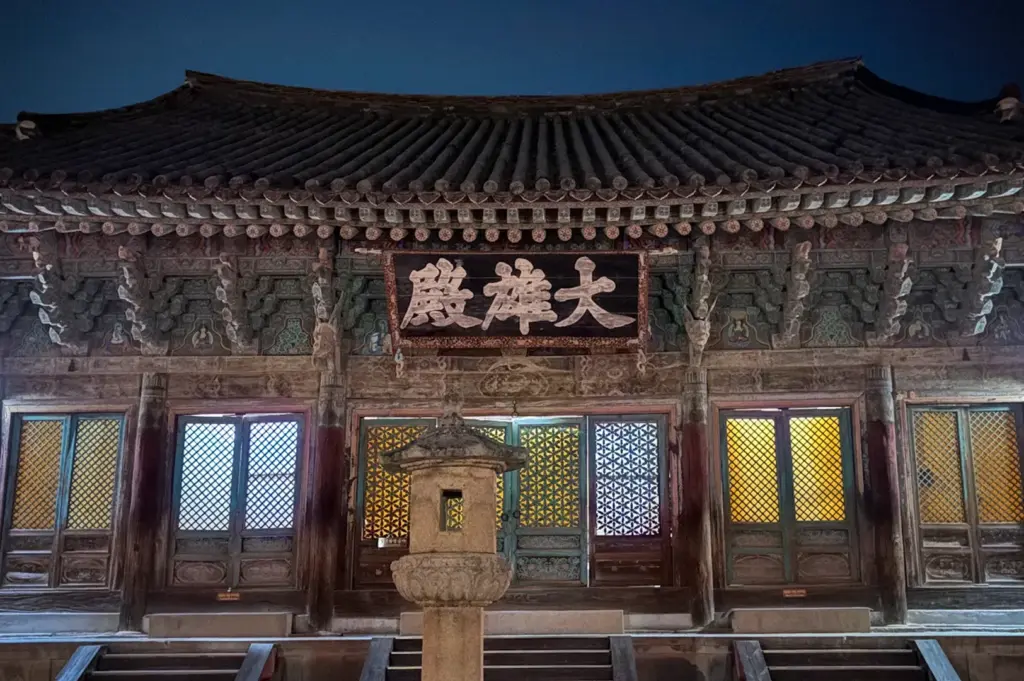
Return to a favorite place, perhaps Bulguksa Temple at sunrise or Cheomseongdae in morning light, and notice what you missed the first time. Enjoy a final slow lunch of local specialties like ssambap or haemul pajeon, and pick up Gyeongju bread, a classic snack or souvenir made here since 1939, before boarding your train or bus onward.
Insider Tips for Your Gyeongju Tour: What Most Travelers Miss
After several visits, these are the slow-travel moves I keep coming back to.
Return to the same site morning and evening. Wolji Pond and Bulguksa Temple reward this most.
Stay central or in a hanok. Gyeongju offers both hotels and Korean traditional houses, so you can choose convenience or heritage while keeping the tomb parks and palace ruins within walking distance.
Take local buses early for Bulguksa. Beating the midday crowds is worth the early alarm.
Rent a bike around Bomun Lake. It’s the easiest, most relaxing way to slow down.
Treat the calm pace as the attraction. Don’t fight it.
Hyuhyudang is a chic hanok stay near historical sites, while Gyeongju Happy Village Syeobul is a handy pick if you want a room with a private bathroom. Gyeongju GG Tourist Hotel is a convenient hotel option near the express bus terminal.
The biggest mistake I see is travelers trying to rush all the UNESCO World Heritage sites in one or two days. It flattens the experience into a blur of photos and tired feet. Among the best Gyeongju things to do is simply walking the same lane twice and letting it change.
If you enjoy this slower rhythm across other cities too, you can read more here: https://slowtravels.com.sg/10-things-to-do-in-seoul-when-you-have-time-to-slow-down/
Practical Info for Your Day Trip to Gyeongju: What to Bring and How Long to Budget
A slow trip still needs a little planning. Here’s what I keep handy.
What to bring:
Comfortable walking shoes, because there are lots of stairs and uneven ground
Sunscreen and water, because many open historical sites have limited shade
Umbrella or rain jacket
Layers in spring and autumn, warm clothing in winter
Portable charger
Some cash for snacks and markets
Realistic time estimates:
Daereungwon plus the National Museum, done slowly: 2–3 hours
Quick highlights of a single site: about 45 minutes
Bulguksa and Seokguram together: a half-day
Bomun Lake: an easy half-day
The Gyeongju historic areas are a UNESCO World Heritage zone with 52 designated cultural properties, so major sights are spread across multiple neighborhoods rather than clustered in one compact center.
April can be busier because of cherry blossoms and events such as the Gyeongju Cherry Blossom Marathon and Gyeongju Daereungwon Stone Wall Road Festival.
Accessibility, honestly: Gyeongju is walkable, but not always smooth. Tomb park paths are grassy, temple grounds involve stairs, and walking days are long. If you’re traveling with older family members, lean on taxis more generously and keep the schedule loose.
Stay Longer, and Gyeongju Opens Up
Gyeongju is not at its best as a quick stopover between Busan and Seoul. It rewards the travelers who stay, who walk the same tomb park at sunrise and again at dusk, who return to a lantern-lit pond after seeing it in daylight.
Give it a full week. Use the city as a base rather than a checkpoint, and let it reveal itself over repeated walks and changing light. The temples, mounds, and ruins won’t run away. They’ve waited centuries, and they reward patience.
Your next step is simple: **book seven unhurried nights, pick a central or hanok stay, and let Gyeongju stop being a stopover and start feeling like somewhere you briefly knew how to live.